
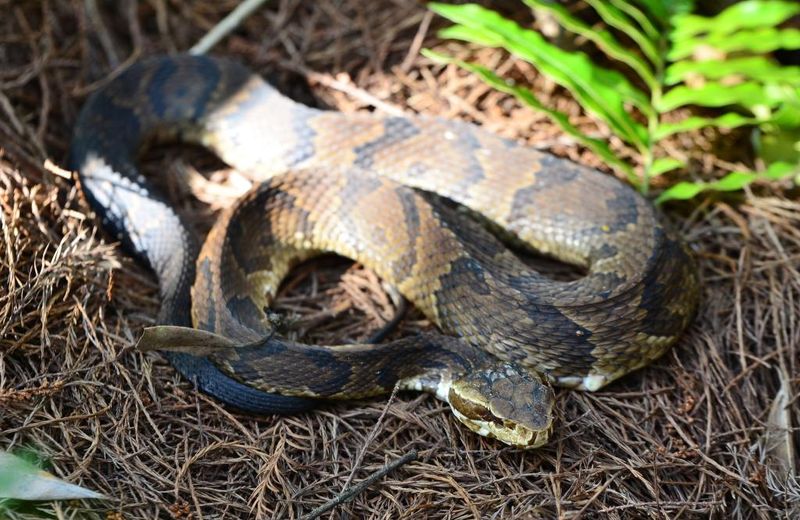
Spotting a copperhead along your yard’s wooded edge in late summer can stop you cold, and it raises a fair question: why now, and why here? North Carolina homeowners near wooded areas are more likely to cross paths with one of the state’s most widespread venomous snakes during this stretch of the year, and understanding why can help you respond without panic. A sighting does not mean your yard has been invaded or that a nest is nearby. Knowing what actually draws copperheads close to homes, and what you can do about it, puts you in a much better position to protect your family, your pets, and the native wildlife that belongs in your landscape.
Late summer makes encounters plausible, but records do not count every snake
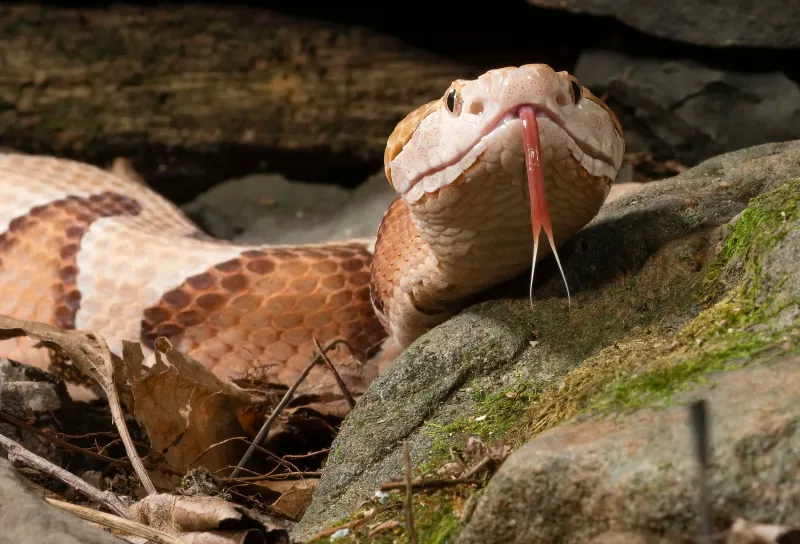
North Carolina occurrence records for copperheads are most frequent from July through September, which makes late summer a plausible time to spot one near your wooded edge. According to North Carolina’s reptile species account, copperheads are active both day and night but shift toward crepuscular and nocturnal patterns during the hottest months. That behavioral shift matters for homeowners: if you are outside at dusk or after dark during a heat wave, you are moving through the same hours when copperheads are most active.
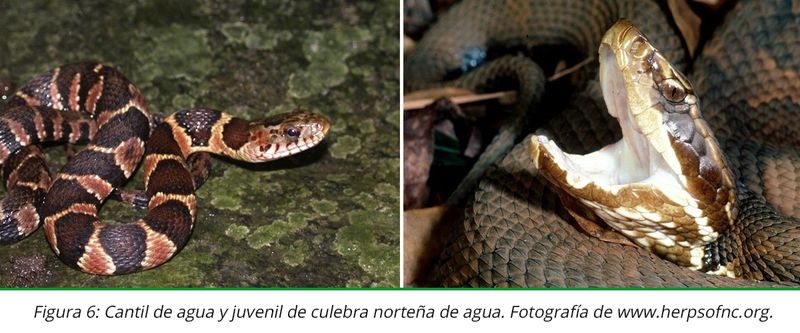
Young copperheads are also commonly born from late summer into fall, with NC Wildlife reporting births in late summer or early fall. A litter entering the landscape adds small, well-camouflaged animals to the same areas adults already use, which can contribute to more possible sightings during this window.
What the records do not tell you is how many snakes are actually present in any given yard. Occurrence data tracks where and when snakes have been reported, not the density of snakes per acre of residential land. Seasonal activity, the timing of births, weather patterns, and the fact that people spend more time outdoors in summer can all plausibly influence how often encounters or reports happen. None of those factors has been established as the single driver of late-summer sightings, and none of them means more snakes have moved onto your property.
The pattern in the records is real and worth understanding, but NC Wildlife describes copperheads as shy animals that bite defensively, not as snakes that seek out human activity. Treating the seasonal timing as context rather than a threat level helps you respond proportionally.
A wooded edge supplies habitat, not proof of a snake hotspot
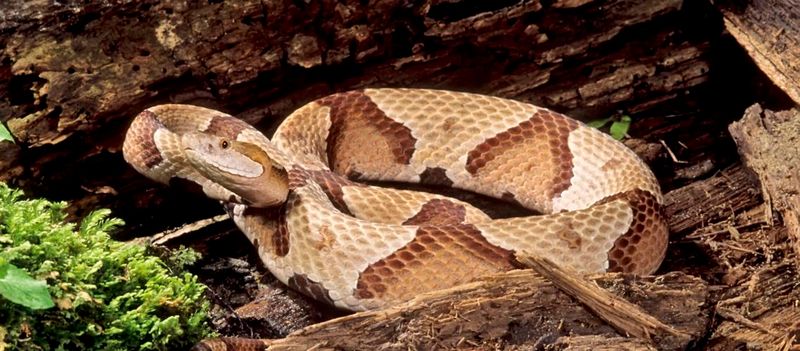
Copperheads are comfortable in a wide range of settings: forests, open woodlands, adjacent fields, wooded residential edges, and spots with logs, rocks, surface cover, or manmade debris. NC Wildlife lists wooded and residential-edge habitats among the most common places the species turns up across the state, which means a yard that backs up to trees is simply the kind of place copperheads already use.
Radio-tracking research adds some detail to that picture. A U.S. Forest Service study on copperhead spatial ecology found that copperheads in a managed forest used areas with greater coarse woody debris and deeper leaf litter, and that forest edges were part of their activity range. Habitat selection varied by sex and reproductive condition, so the pattern was not uniform across all individuals.
The study was conducted in an Alabama managed forest, which means it supports a general ecological pattern rather than a tested rule for North Carolina residential yards. Your wooded edge may share some of those characteristics, but the research does not establish that any particular yard will become a hotspot.
Shade and temperature regulation are worth considering as microclimate factors. North Carolina’s reptile account documents the shift toward nighttime activity during the hottest summer months, which suggests that cooler, shadier microhabitats may overlap with where copperheads spend daytime hours. That is plausible context, not proof that a shaded corner of your yard specifically attracts snakes.
The practical takeaway is straightforward. A wooded edge creates conditions that copperheads already use across North Carolina. Recognizing that overlap helps you think clearly about where to focus yard-management effort, without treating every tree line as a guaranteed danger zone.
Rodents can contribute, but one snake does not diagnose an infestation
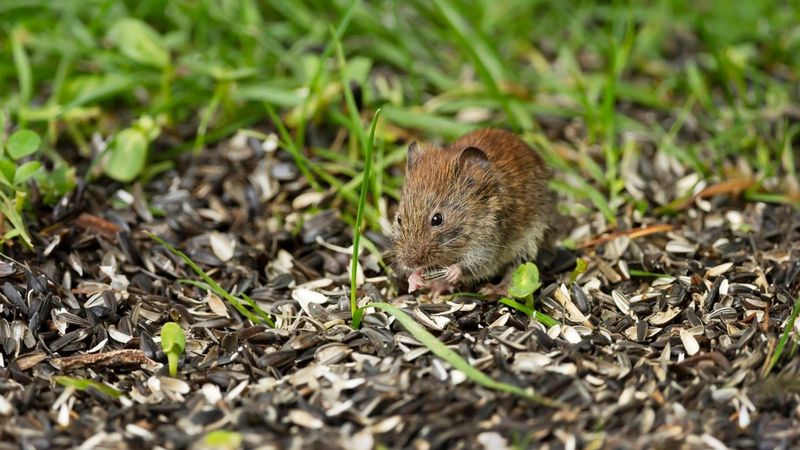
Adult copperheads eat rodents regularly, and the Savannah River Ecology Laboratory’s copperhead account confirms that small mammals are a core part of their diet. A yard edge with a reliable mouse or vole population is a yard edge with food available, and that can make the area more attractive to a foraging snake. That connection is real, but it runs in one direction only: rodents may contribute to making a location worth visiting, but a copperhead sighting does not prove rodents are present, let alone that an infestation has taken hold.
Young copperheads tell a different story about prey. Animal Diversity Web’s account of Agkistrodon contortrix notes that juveniles take a broader range of prey than adults, including frogs, lizards, insects, and other small animals. A small copperhead near your wooded edge may have nothing to do with your rodent situation at all.
Still, checking for unsecured food sources is a sensible step regardless of whether a snake has appeared. Birdseed spilled on the ground, pet food left outside, and unsecured garbage can all support mice and rats near the house. NC State Extension’s wildlife chapter recommends addressing rodent problems through sanitation and exclusion as part of broader yard management, and NC Wildlife’s guidance on feeding wildlife responsibly reinforces the value of keeping food sources secured. Reducing the rodent food supply is a reasonable precaution that benefits the whole yard, not just a response to one snake sighting.
Think of it as closing a door rather than solving a mystery.
Make the areas closest to the house easier to see and use
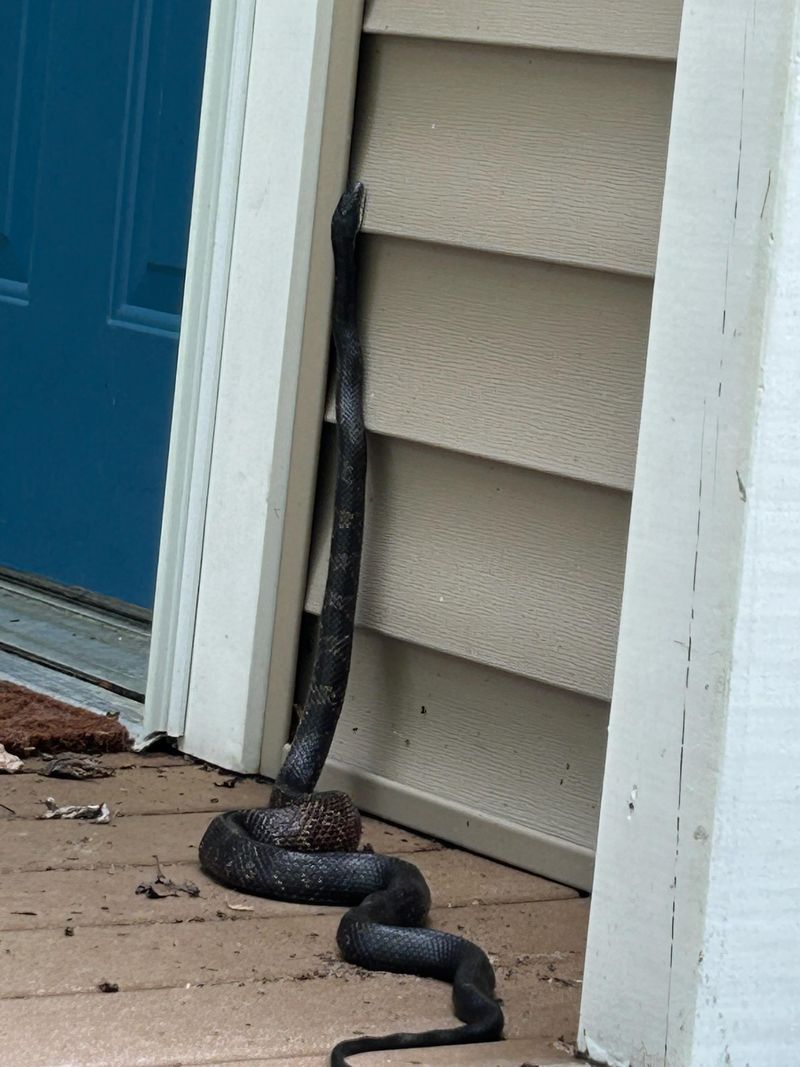
Yard management near a wooded edge works best when you focus your effort closest to the house first. Keeping dense vegetation from pressing against the foundation and walls removes cover right at the point where a snake encounter would be most startling and most risky. Shrubs and ground cover that grow flush against a building create exactly the kind of concealed microhabitat that makes a close encounter more likely.
Relocating brush piles, lumber stacks, trash, and log piles away from doors, walkways, play areas, and outdoor seating removes the places where a copperhead might rest or hunt near daily household traffic. NC State Extension’s wildlife management guidance identifies debris removal near the home as a practical habitat-modification step. CDC guidance on wildlife and pets also recommends clearing brush and wood piles from areas around the home to reduce snake habitat near people.
Maintaining good visibility in high-use zones adds a second layer of protection. A mowed, open buffer around a back door or play area means you are far more likely to see a snake before you nearly step on it. That visibility is the point: you are not trying to make the landscape unattractive to all wildlife, just making it harder for a snake to go unnoticed in the places your family uses most.
These changes may reduce opportunities for close encounters near the house. Securing food sources and addressing rodents, as covered in the previous section, fits into the same plan. None of it, though, will eliminate copperheads from a wooded landscape. The goal is a clearer, safer zone around daily-use areas, not a snake-free property, and keeping those expectations realistic helps you invest effort where it will actually matter.
NC Wildlife’s responsible feeding guidance reinforces that managing attractants near the home is part of the same sensible approach.
Keep useful wildlife cover away from daily household traffic
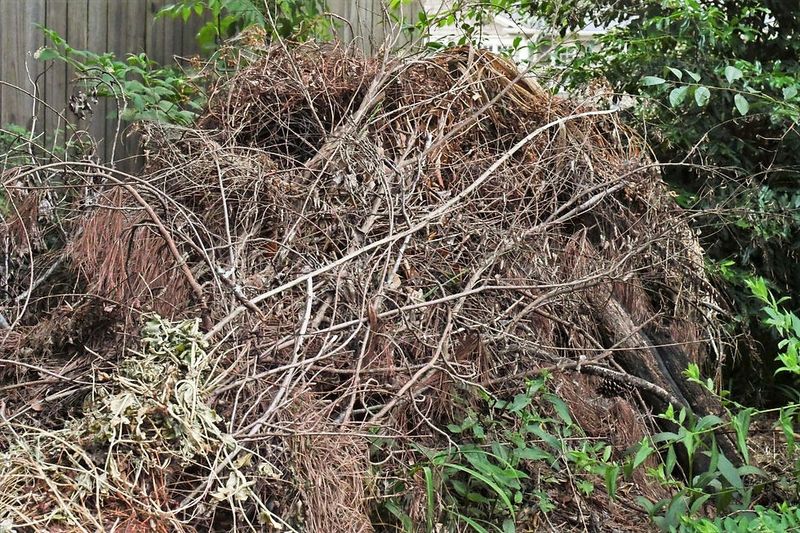
Removing every leaf pile and brush pile from your property would harm the native wildlife that depends on that cover. Birds, small mammals, reptiles, amphibians, and beneficial insects all use natural debris as shelter, nesting material, and foraging habitat. NC State Extension’s guide to reptiles and amphibians in your backyard makes this point clearly: native cover supports a functioning backyard ecosystem, and stripping it out does more harm than good.
The practical compromise is location, not elimination. A brush pile positioned near the back of your property or along a tree line far from the house still provides habitat value for native species while keeping that cover away from doors, paths, and play areas. Rutgers Extension’s copperhead resource notes that leaf litter and woody debris serve dual roles: valuable habitat on one hand, and potential concealment for snakes and small mammals on the other. Putting distance between that cover and high-use household areas addresses the safety concern without clearing the landscape bare.
Think of the yard in two zones. The area within ten or fifteen feet of the house, pathways, and seating stays open, mowed, and easy to scan. Farther out, natural cover can remain and even be encouraged for wildlife. CDC wildlife guidance supports keeping debris away from the home specifically, which aligns with this two-zone approach.
This layout is a management inference grounded in habitat and safety guidance, not a tested formula for copperhead removal. A snake can still move through either zone. What changes is the likelihood that one goes unnoticed in the space where your family spends the most time.
Protect yourself before disturbing brush, logs, or debris
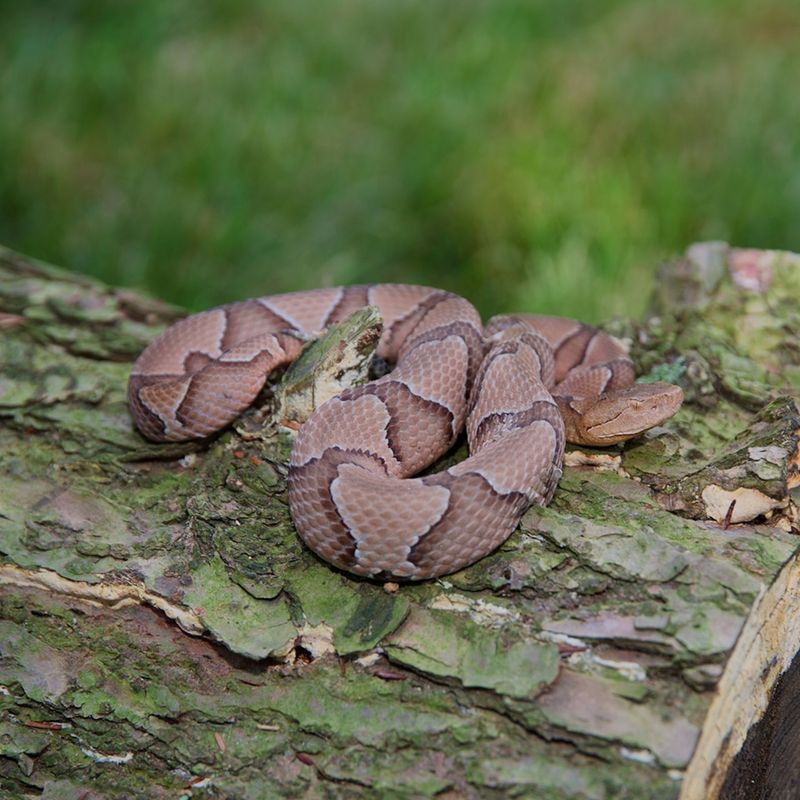
Yard work around potential snake habitat carries real risk, and the right gear makes a meaningful difference. Tall boots and long pants protect the lower legs and ankles, which are among the most common bite locations when a snake is accidentally disturbed. North Carolina Department of Labor guidance on hazardous animals recommends boots and long pants as standard protective measures when working in or near areas where venomous snakes may be present.
Heavy or leather gloves are equally important when moving brush, debris, lumber, or logs. A copperhead resting beneath a pile will not announce itself before a bare hand reaches underneath. CDC/NIOSH guidance for outdoor workers around venomous snakes reinforces the rule: never place an unprotected hand beneath logs, boards, leaf piles, or any similar cover. Use a tool to move the top layer first, give any animal underneath a moment to clear, and keep your face and hands back.
Protective clothing reduces some exposure during yard work, but no amount of gear makes it safe to approach or handle a copperhead directly. The protection is against accidental contact, not intentional interaction. Work methodically, move debris in sections rather than grabbing large piles at once, and stay alert to movement at ground level. These habits cost nothing extra and apply any time you are clearing leaves, stacking wood, or pulling ground cover near a wooded edge, regardless of whether you have seen a snake recently.
Give a visible snake space instead of trying to handle it
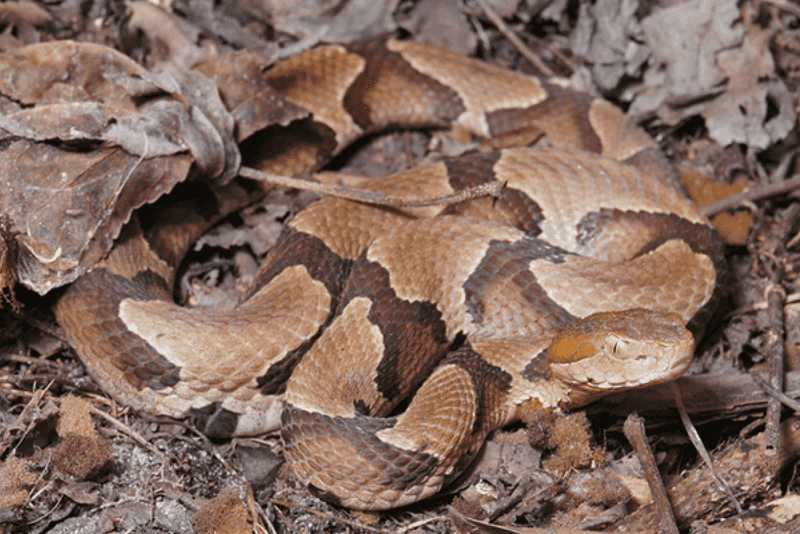
Seeing a copperhead near a doorstep, driveway, or play area is unsettling, but the response that keeps everyone safest is also the simplest one: keep children and pets back, give the snake room, and do not attempt to corner, kill, catch, or handle it. NC Wildlife describes copperheads as shy, with most bites occurring when people try to capture, kill, or handle the animal. Attempting to kill a snake at close range dramatically increases your exposure to the exact risk you are trying to avoid.
For a snake occupying a doorstep or driveway, NC Wildlife notes that a garden hose used from a safe distance may encourage the snake to move along. That suggestion comes with an important condition: it only applies when you can maintain a safe distance without approaching, cornering, or provoking the snake. If the layout of the space does not allow that distance, leave the area and wait. A copperhead that is not cornered or threatened will typically move on its own.
When a snake repeatedly occupies a high-traffic location or enters a building, the right call is to contact a licensed Wildlife Control Agent rather than attempting removal yourself. The NC Wildlife Resources Commission’s wildlife problem page provides referrals to licensed agents but does not send staff to remove wildlife from private property. Having that contact ready before a problem arises saves time when it matters. CDC guidance also advises against handling wild animals and recommends contacting local animal control or wildlife professionals for assistance.
The pattern to hold onto is this: distance and patience protect you better than any attempt to force the situation.
Treat every suspected bite as a medical emergency

A copperhead bite requires prompt emergency medical attention, full stop. NC Wildlife notes that copperhead bites are generally not considered life-threatening, but they are painful, can cause significant tissue damage, and should always be treated seriously. Do not wait to see how symptoms develop before calling for help.
While waiting for emergency services, keep the person calm and as still as possible to slow the spread of venom. Wash the bite area gently and cover it loosely if you can. CDC wildlife guidance and CDC/NIOSH snakebite first-response recommendations are explicit about what not to do: do not apply a tourniquet, do not cut the wound, do not apply ice, and do not attempt to suck out venom. None of those actions help, and some can cause additional harm.
One myth worth addressing directly: the age of the snake does not determine how seriously a bite should be treated. North Carolina’s reptile account states that juvenile copperheads are not more venomous or more likely to envenomate than adults, and NC Wildlife notes that young snakes may actually have less venom capacity. Every suspected copperhead bite, from a snake of any size, still warrants the same response: call emergency services, keep the person still and calm, and get to a medical facility as quickly as possible. Photographing the snake from a safe distance, without approaching it, can help medical staff identify the species, but identification is never a reason to delay care.
Aim for fewer close encounters, not a snake-free wooded edge
A copperhead appearing along your wooded edge in late summer most likely reflects normal seasonal activity combined with nearby cover, suitable temperatures, and available prey. North Carolina occurrence records are most frequent from July through September, and that pattern makes this a plausible period for encounters or reports, but one observation cannot establish a nest, a den, a nearby litter, or a sudden influx of snakes onto your property.
The practical priorities are concrete and manageable. Secure birdseed, pet food, and garbage to reduce rodent food sources near the house. Address any existing rodent problems through sanitation and exclusion. Move dense debris, brush, and ground cover away from doors, paths, play areas, and outdoor seating to maintain a visible buffer around the spaces your family uses most.
Keep wildlife-friendly cover in a designated area farther from the house, where it supports native species without creating concealment next to daily foot traffic. If a bite occurs, call emergency services immediately and follow the first-response steps covered in the previous section.
NC Wildlife and CDC guidance both support leaving snakes alone and contacting licensed professionals when a persistent problem develops. None of the steps above will make a wooded North Carolina property snake-free, nor should that be the goal. A yard that is safer near the house and richer in native habitat farther out is a yard that works for your family and for the landscape you share with it.