
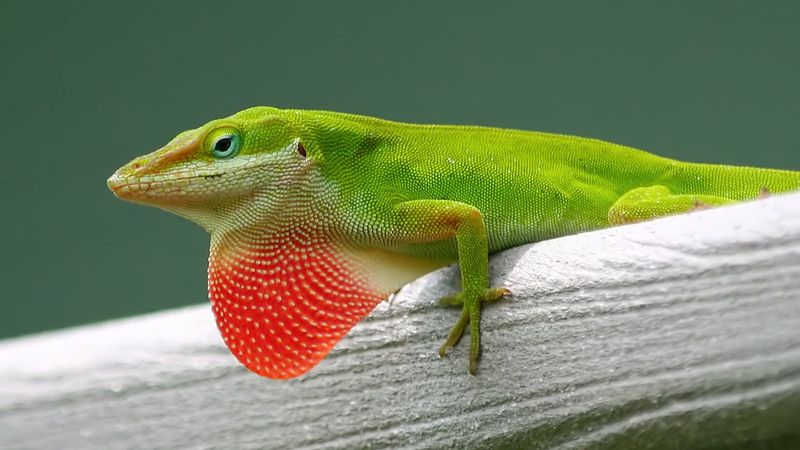
Spotting a bright green anole perched on your backyard fence on a hot July morning feels like a small victory for Texas wildlife. These quick little lizards are native insectivores, and watching them hunt along the fence line makes it easy to hope they are quietly cleaning up every pest in the garden.
The truth is a bit more layered than that, and understanding what anoles actually do, and what they cannot reliably do, makes you a better steward of both your yard and your cucurbit crops. Here is what the evidence shows, and how you can make your Central Texas property more welcoming to these lizards while keeping your squash plants protected.
Anoles on a fence are encouraging, but they do not prove pest control
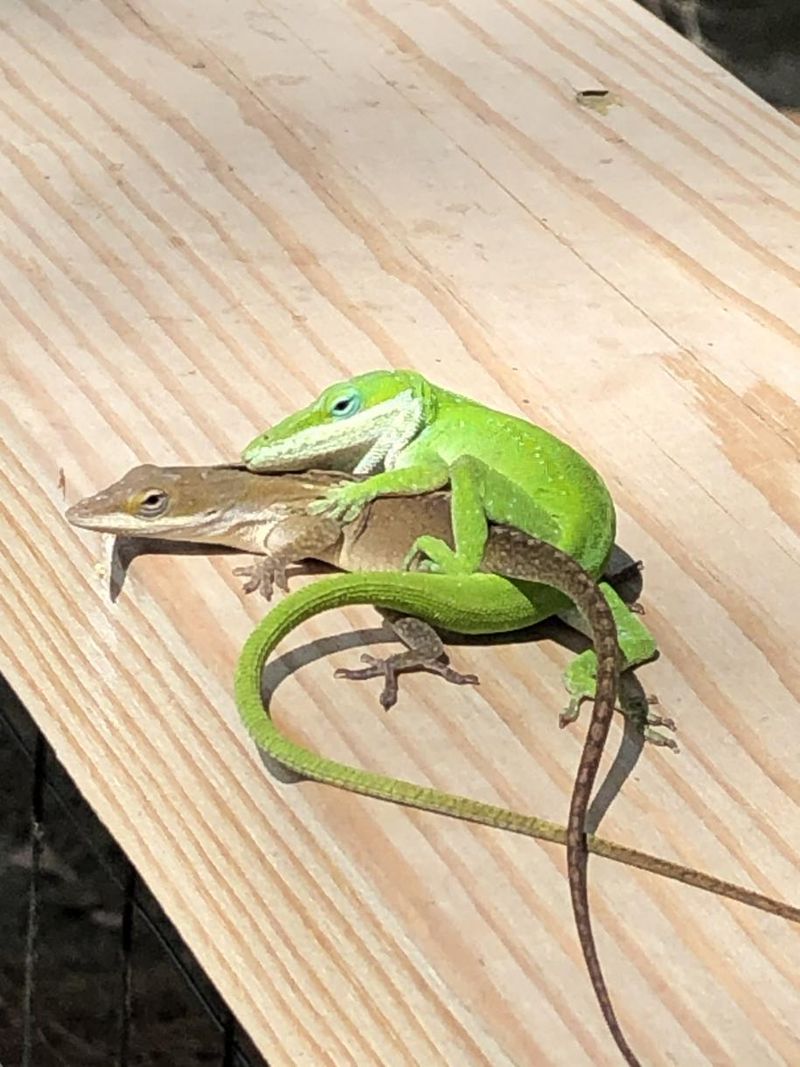
Catching a green anole basking on the fence rail is one of those small pleasures that makes a Central Texas summer feel a little wilder. Their sudden appearance in greater numbers during warm months can spark a hopeful thought: maybe the lizards are handling the squash bugs.
Before that idea takes root, though, it helps to look at what the science actually says.
Visibility is not the same as population growth, and it is not proof that pest pressure dropped. Anoles become more active and conspicuous as temperatures rise, so a fence full of lizards in July may simply reflect basking behavior and seasonal movement rather than a surge in local numbers.
Texas Parks and Wildlife describes green anoles as native lizards found across the eastern third of Texas, meaning their presence in any particular Central Texas yard depends on local vegetation, moisture, and habitat structure, not a statewide guarantee.
A fence can serve as a useful perch or travel corridor, but it does not substitute for the layered habitat anoles actually need. And while UT Austin’s Biodiversity Center confirms that green anoles are genuine insectivores that contribute to a healthy backyard food web, their broad predatory habits do not translate into documented, measurable control of squash bugs specifically.
Squash bugs, as UC IPM notes, are true bugs in the order Hemiptera with chemical defenses that make them poor targets for many generalist predators. Welcoming anoles as part of a living yard ecosystem is genuinely worthwhile.
Counting on them to solve a squash-bug problem is a different matter entirely, and the rest of this article explains both sides of that equation.
What green anoles actually eat
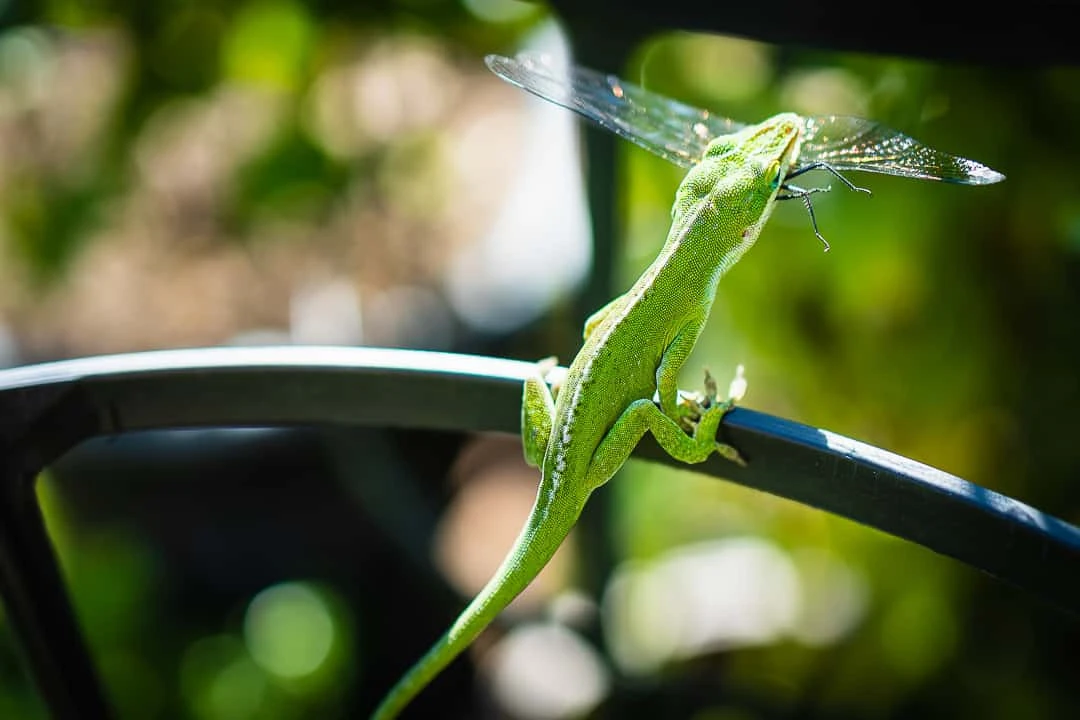
Green anoles are opportunistic hunters, and their menu is genuinely broad. University of Florida IFAS lists beetles, flies, moths, ants, roaches, spiders, and other small invertebrates among the prey these lizards pursue.
The University of Georgia Savannah River Ecology Laboratory similarly describes them as generalist predators that take a wide range of arthropods depending on what is available in their immediate environment.
That breadth is genuinely good news for a wildlife-friendly yard. An anole hunting along a fence draped with jasmine or a shrubby native planting is picking off small insects throughout the day, contributing to the kind of food-web balance that makes a garden feel alive.
UT Austin’s Biodiversity Center frames them as valuable members of the urban ecosystem precisely because they consume so many different invertebrates.
Where the picture gets more complicated is the jump from “eats many insects” to “controls a specific crop pest.” Broad dietary evidence shows that anoles can and do eat a variety of arthropods, but it does not demonstrate that a local anole population will reduce the number of squash bugs on nearby cucurbit plants. Those are two very different claims.
A lizard that eats flies and ants near the fence may never encounter a squash bug on a zucchini leaf ten feet away, and even if it does, the evidence does not show that such encounters happen at rates high enough to protect a harvest.
The Texas Parks and Wildlife wildscape guide describes anoles as consumers of many insects and small spiders, which is an accurate and useful framing. Treat them as welcome generalist predators in the yard’s food web, appreciate the variety of insects they may intercept, and resist assigning them a specific crop-protection role the research has not established.
Squash bugs require their own defense
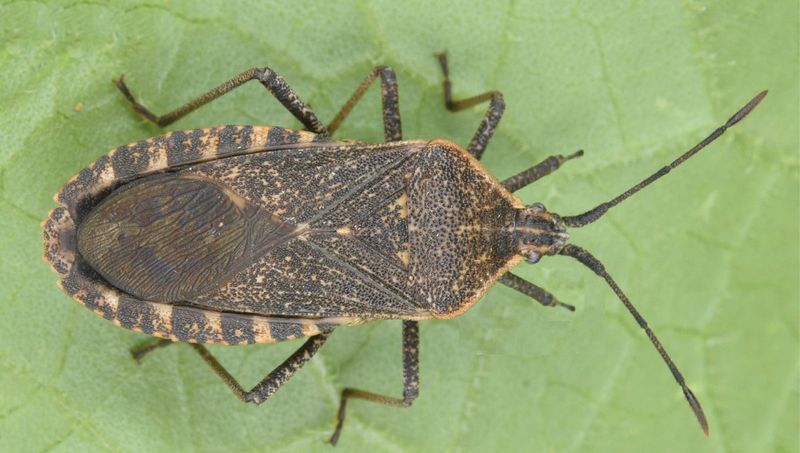
Squash bugs (Anasa tristis) are true bugs in the order Hemiptera, not beetles, and that distinction matters for how gardeners think about managing them. Texas A&M AgriLife identifies them as significant pests of squash, pumpkins, cucumbers, gourds, and related cucurbits, and heavy feeding can cause wilting, tissue death (necrosis), loss of plant vigor, and reduced yields.
In a hot Central Texas summer, a plant already stressed by heat and drought does not have much margin to absorb that kind of damage.
Adults are particularly well-defended. When threatened, they release a pungent odor that discourages many generalist predators from pursuing them.
Utah State University Extension notes that natural enemies, including spiders, ground beetles, and parasitoid wasps, do exist but that predation is limited and will not eliminate an established infestation on its own. Waiting for wildlife to solve a squash-bug problem is a strategy that tends to end with a dead vine.
Texas A&M’s vegetable growers handbook and Oregon State University Extension both treat squash bugs as a pest that requires active, timely management rather than passive observation. Nymphs, the immature stage, are far more vulnerable than adults, so catching an infestation early is the highest-value move a gardener can make.
The practical rule for a Central Texas vegetable bed is straightforward: welcome anoles for everything they bring to the yard’s ecology, and manage squash bugs directly, starting before the plants show obvious damage. Those two approaches are not in conflict.
They are simply two different jobs, and both need to happen for a cucurbit crop to reach harvest.
Connect the fence to living cover
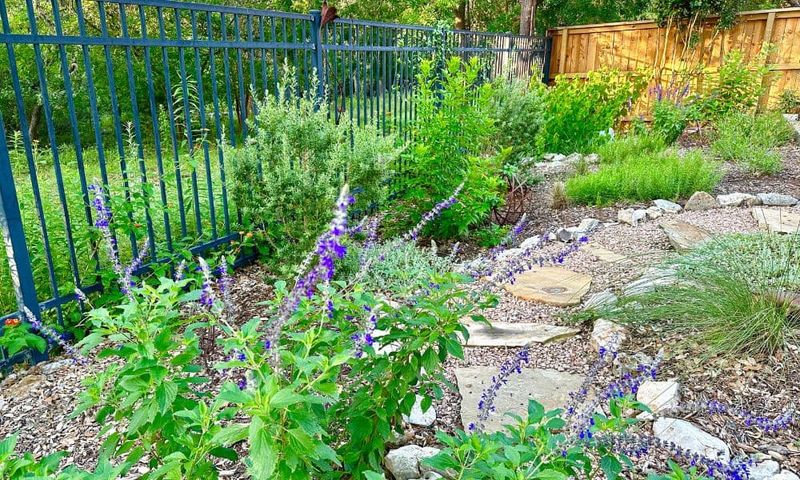
A bare fence is not much of a home for a green anole. It offers a perch and maybe a few minutes of morning sun, but without nearby vegetation it provides almost nothing else the lizard needs to stay, hunt, or shelter through a Texas afternoon that regularly pushes past 100 degrees.
The fence becomes genuinely useful habitat when it connects to something living.
Shrubs, vines, small trees, and layered native plantings growing near or against the fence create the vertical structure anoles actively use. Texas Parks and Wildlife documents green anoles using trees, shrubs, walls, and fences as part of their daily range, moving between surfaces to hunt and thermoregulate.
TPWD’s Texas Wildscapes program recommends layered planting arrangements, combining ground-level cover, mid-story shrubs, and taller canopy where space allows, as a core strategy for supporting small wildlife in urban and suburban yards.
Native plants are a practical choice here because they tend to support more of the insects and spiders that anoles eat, require less supplemental irrigation once established, and generally handle Central Texas heat better than many non-native ornamentals. UT Austin’s Biodiversity Center highlights native vegetation as a key component of anole-friendly urban habitat, and University of Florida IFAS guidance on anole habitat similarly emphasizes dense, layered plantings as the structural feature that makes a yard genuinely usable for these lizards.
The goal is to build a connected arrangement, fence linked to shrubs linked to taller cover, rather than treating the fence as a decorative lizard perch standing alone in a sunny lawn. Improve the habitat, then allow local anoles to find it on their own.
Buying lizards, moving wild reptiles, or releasing captive animals are not recommended steps and can cause more problems than they solve.
Add shade, shallow water, and shelter
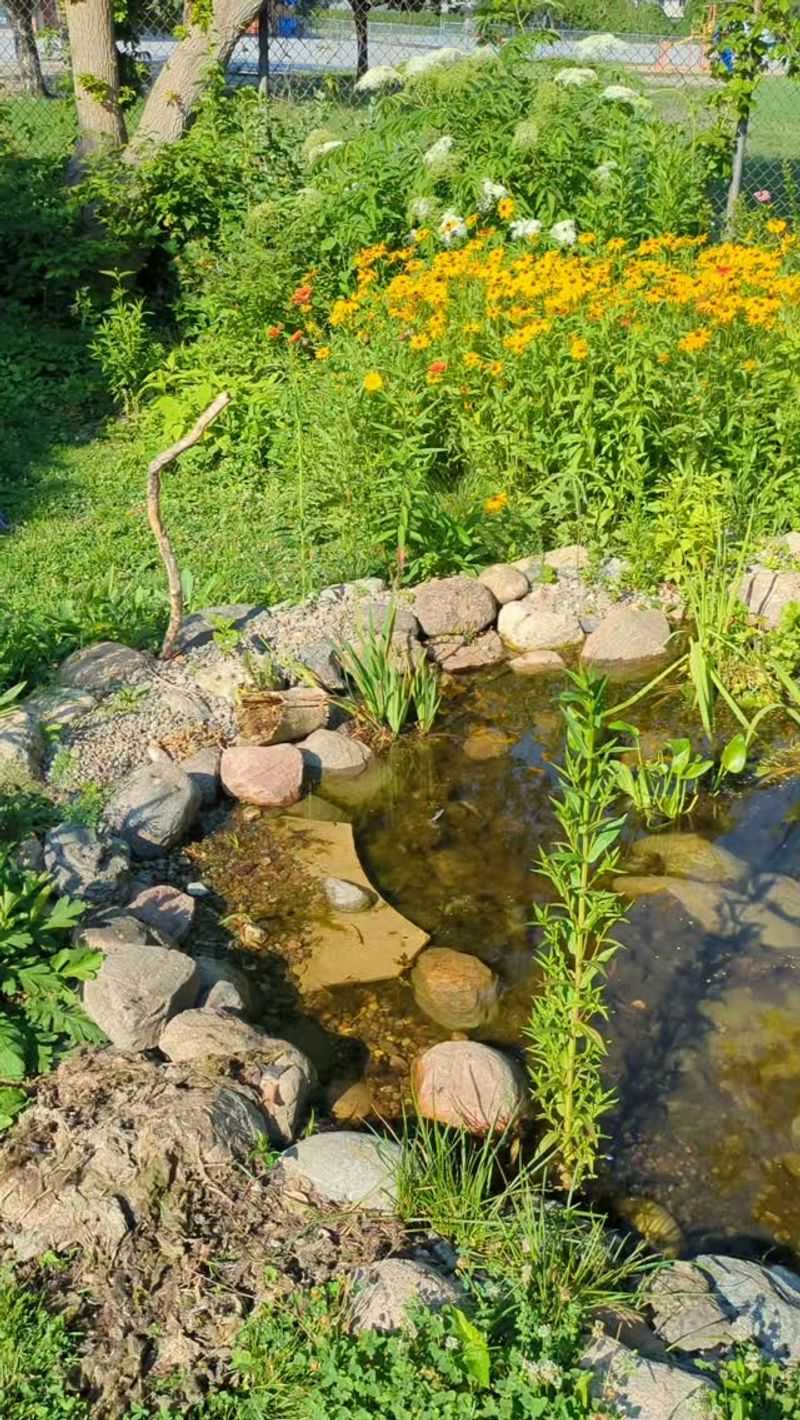
Shade is not a luxury for a Central Texas anole in July; it is a survival requirement. Keeping dense, layered plantings near the fence provides the cooling cover these lizards need to stay active and hunt through the middle of the day rather than retreating to the coolest spot they can find and sitting motionless.
Bark mulch, leaf litter, and low-growing groundcovers also give anoles places to shelter and hide from larger predators, which matters as much as food and water for long-term yard use.
Texas Parks and Wildlife’s Wildscapes tips recommend providing shallow, gently sloping water sources for small wildlife, the kind where a lizard can approach the edge and drink without risk of falling into deep water and drowning. A wide, low saucer, a shallow tray, or a birdbath with a gently sloped interior works well.
University of Florida IFAS anole guidance echoes the value of accessible water as a habitat element, especially during hot, dry stretches.
Clean the water source at least every few days to prevent mosquito breeding and keep it fresh. Deep-sided containers, straight-walled pots, or anything that would trap a small animal should be avoided or fitted with a ramp or rough surface for easy escape.
Beyond water, the TPWD wildscape guide frames habitat support as providing food, water, and shelter in combination, not as a single action. Hand-feeding wild anoles, releasing purchased feeder insects, or buying lizards from a pet supplier are not part of that guidance and are not recommended.
The habitat improvements described here work by supporting the natural prey base and physical conditions that local anoles already need.
Protect the food web while scouting cucurbits
Keeping anoles active in the yard and keeping squash plants productive require some of the same good habits, and a few that pull in opposite directions if you are not careful. Start with the cucurbits.
Texas A&M AgriLife’s squash-bug page recommends scouting plants frequently rather than waiting for wilting or necrosis to appear. By the time a plant looks obviously stressed, the infestation is already large and much harder to manage.
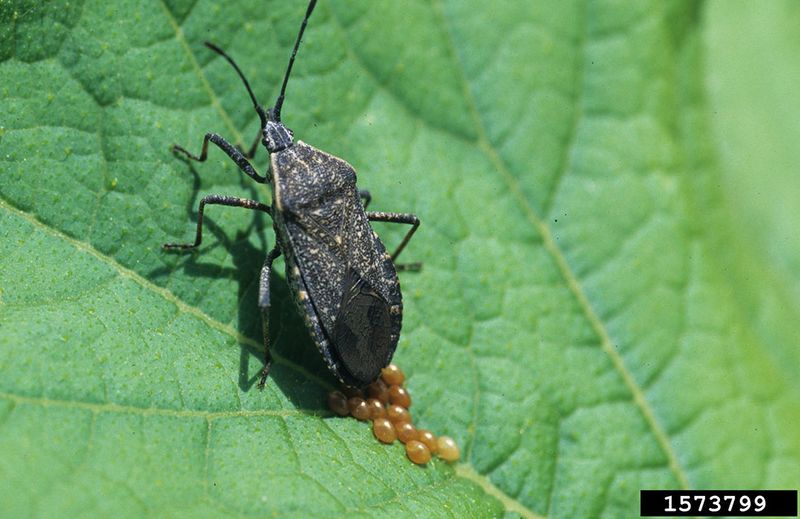
During each scouting pass, flip leaves and check the undersides, particularly near the base of the plant where squash bugs prefer to lay their clusters of bronze-colored eggs. Crush egg masses on the spot, hand-pick nymphs into a container of soapy water, and remove any adults you can catch.
Texas A&M’s insect-management chapter and University of Minnesota Extension both emphasize that nymphs are far more vulnerable than adults, so catching an infestation at the egg or early-nymph stage is the most effective physical intervention available.
Row covers placed over young cucurbit transplants before flowering can reduce squash-bug access significantly, though they need to be removed when plants begin to flower so pollinators can reach the blooms. At the end of the season, remove and dispose of spent vines and garden debris rather than leaving them in place, because overwintering adults shelter in plant material and soil near the garden.
UC IPM’s squash-bug guidance lists sanitation as one of the most consistently useful tools across all management approaches.
On the pesticide question, routine broad-spectrum spraying can eliminate the insects anoles depend on and harm non-target wildlife well beyond the intended pest. EPA guidance on reducing pesticide impacts on wildlife advises treating only when necessary and minimizing the area exposed.
If a chemical treatment becomes unavoidable, reading and following the product label exactly is not optional; it is the law and the most reliable way to limit unintended harm to the yard’s broader food web.
Welcome the lizards without overstating their role
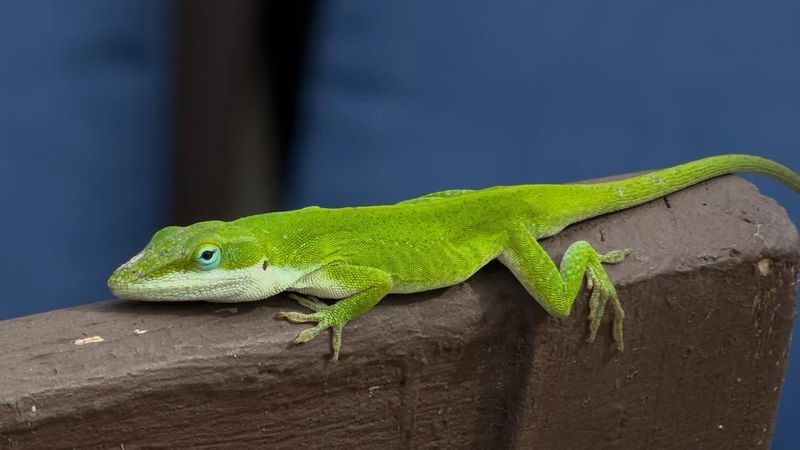
A fence connected to shaded vegetation, reliable shallow water, and layered shelter may make a Central Texas yard genuinely more usable to local green anoles, and that is worth doing for its own sake. Texas Parks and Wildlife recognizes these lizards as native components of Texas wildscapes, and a yard that supports them is participating in something real and ecologically meaningful.
What that yard is not doing is solving its squash-bug problem through lizard power. Treat anoles as possible generalist predators that may intercept various small insects while going about their day, and keep running your own squash-bug management program in parallel.
Texas A&M AgriLife’s squash-bug guidance is clear that active scouting and early physical control are the tools that protect cucurbit crops. Begin those steps as soon as you spot eggs or nymphs, not after the plant is struggling.
TPWD’s Wildscapes program frames wildlife-friendly habitat work as providing food, water, and shelter in combination, and that is the right spirit for this project too. The payoff is not a guaranteed pest-free harvest; it is a more alive, more connected Central Texas garden where a small green lizard on the fence post is exactly where it belongs.