
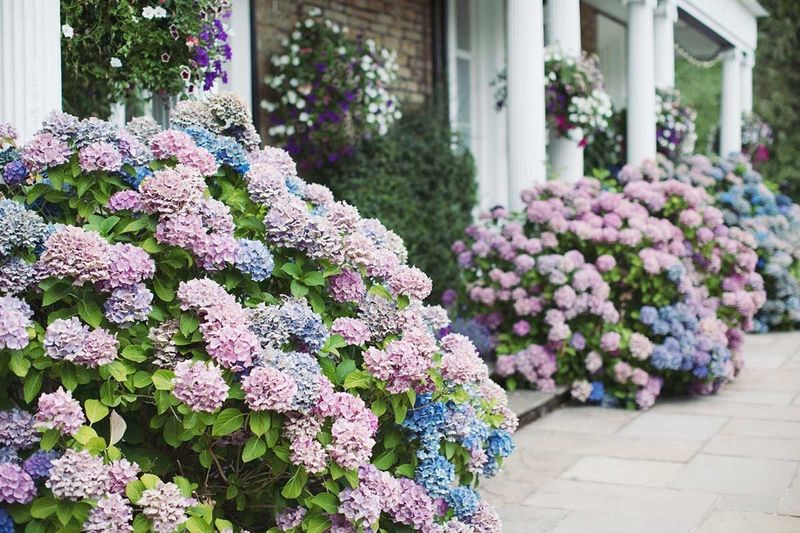
If your hydrangeas look leafy but stingy with flowers, you are not alone. The good news is that a few simple changes can push those bushes to pump out way more blooms, even through a hot Southern summer.
Getting the water, sun, pruning, and feeding right makes all the difference. Here are the five care moves that turn a shy hydrangea into a color machine.
1. Water Deeply and Consistently
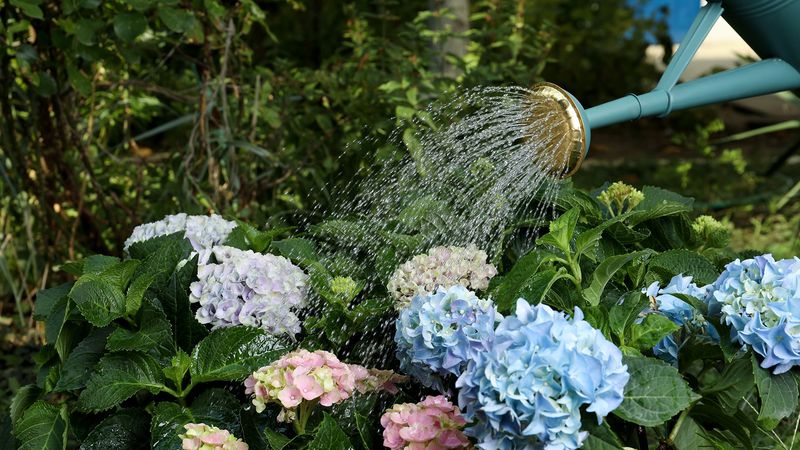
Ever notice your hydrangea wilting by early afternoon, then perking back up at night? That daily flop is the plant screaming for a steadier drink, and thirsty hydrangeas often skip flowers to survive.
Hydrangeas love moisture but hate soggy feet, so the trick is deep, slow watering rather than a quick daily sprinkle. Aim for about an inch of water two or three times a week, letting it soak down to the roots instead of just wetting the surface.
A soaker hose or drip line works beautifully here and keeps leaves dry, which can reduce fungal problems.
In Florida and Texas heat, morning watering gives roots time to load up before the sun cranks. Stick your finger two inches into the soil, and if it feels dry, it is time.
Consistent moisture during bud formation in spring and early summer often means more flower buds actually open. Skip the guesswork by watering on a schedule your plant can count on, and you may see fuller, longer-lasting blooms across the whole bush this season.
2. Give Them the Right Amount of Sun
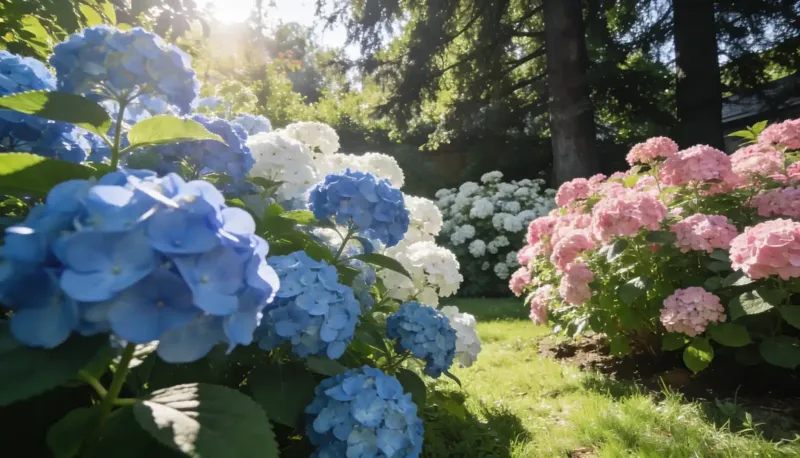
Picture a hydrangea baking in full afternoon Texas sun. The leaves scorch, the flowers fade fast, and the plant spends its energy just staying alive instead of blooming.
Most hydrangeas do best with morning sun and afternoon shade, which is a sweet spot that keeps them energized without frying them. Too much shade, though, and you get lots of leaves with barely any flowers, since blooming takes real light to power it.
In the South, that balance matters even more because the sun is stronger and the days are longer. A spot on the east side of your house, or under the high, filtered shade of a tree, often hits the mark perfectly.
If your plant sits in deep shade and refuses to flower, moving it in fall or early spring can wake it up. Panicle types like Limelight handle more sun than bigleaf varieties, so match the plant to the spot.
Getting light right can turn a leafy dud into a bloom-covered showpiece, and it costs you nothing but a little planning.
3. Prune at the Correct Time
Here is a mistake that quietly steals blooms every year: cutting your hydrangea back at the wrong moment. Snip at the wrong time and you may be tossing next summer’s flowers straight into the compost bin.
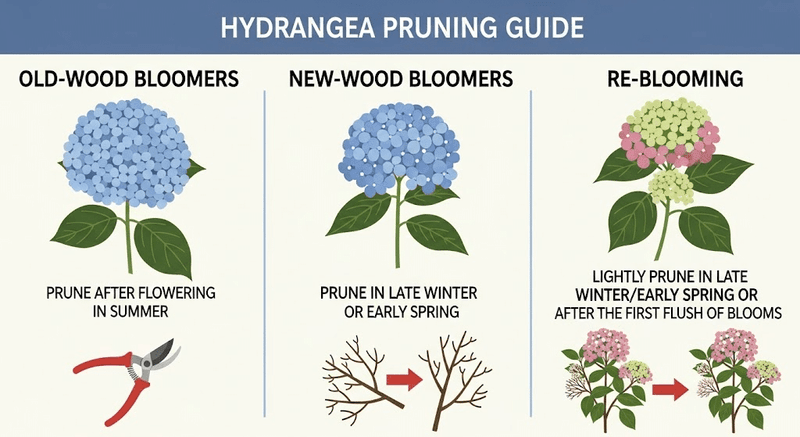
The key is knowing whether your hydrangea blooms on old wood or new wood. Bigleaf and oakleaf types set their buds the previous year on old wood, so heavy pruning in fall or spring removes those future flowers.
Trim these only right after they finish blooming in summer.
Panicle and smooth hydrangeas, like Annabelle, bloom on new wood, meaning they flower on growth from the current season. You can cut those back in late winter or early spring and still get a full show.
When in doubt, do less. Simply remove dead, broken, or crossing stems and leave the healthy buds alone.
Matching your pruning schedule to your plant type can be the single biggest jump in bloom count you will ever see, and it stops the frustrating cycle of a big green bush with no color.
4. Feed With the Right Fertilizer
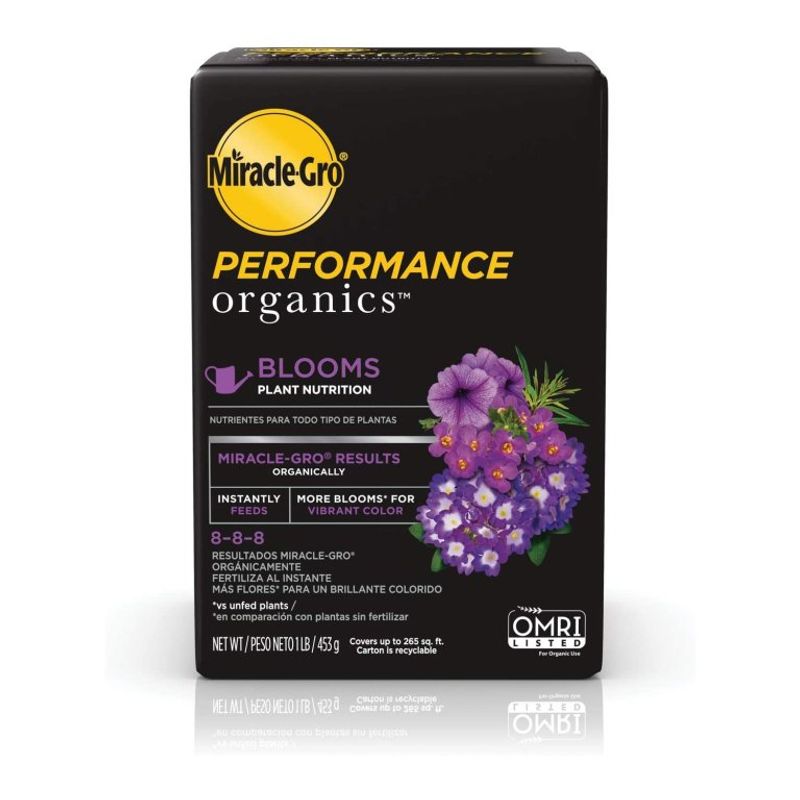
Think of fertilizer as the fuel behind those big flower heads, but pour in the wrong kind and you get the opposite of what you want. A high-nitrogen feed pushes lush leaves while quietly shutting down blooms.
What hydrangeas really crave is a balanced, slow-release fertilizer, or one slightly higher in phosphorus, the nutrient tied to flowering. A single spring application as new growth appears is usually plenty, and a light second feeding in early summer can keep the party going.
Avoid dumping lawn fertilizer near your hydrangeas, since those blends are loaded with nitrogen meant for grass, not flowers. Overfeeding can actually reduce bloom count and burn roots in hot Southern soil.
Working a bit of compost into the bed also improves soil life and feeds the plant gently over time. For gardeners chasing blue flowers, aluminum sulfate lowers pH, while lime nudges blooms toward pink.
Feed thoughtfully rather than heavily, and your hydrangea can redirect its energy into the flowers you actually want instead of a jungle of leaves that never quite delivers.
5. Mulch to Protect Roots and Lock in Moisture
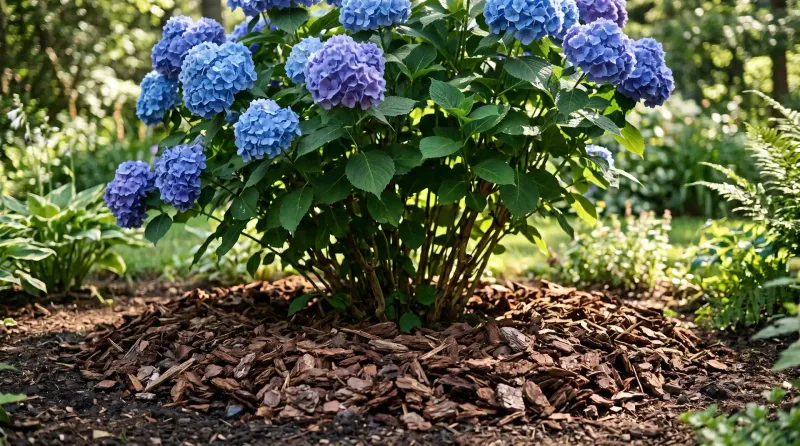
A hydrangea’s roots sit surprisingly shallow, which means they cook fast when summer heat hammers bare soil. That stress alone can cut your bloom count in half without you ever knowing why.
Laying down a two to three inch layer of mulch acts like a cool blanket, holding moisture in and keeping root temperatures steadier through brutal July afternoons. It also blocks weeds that would otherwise steal water and nutrients your plant needs for flowering.
Shredded bark, pine straw, or leaf mulch all work well, and pine straw is especially handy across the South where it is easy to find. Keep the mulch pulled back a couple inches from the main stems so moisture does not rot the base.
As the mulch breaks down, it slowly enriches the soil, feeding the plant and improving drainage at the same time. Refresh it once a year, usually in spring, and you set your hydrangea up for a much easier summer.
Consistent, cool, moist roots often translate directly into more and bigger blooms, making this the simplest finishing touch of them all.