
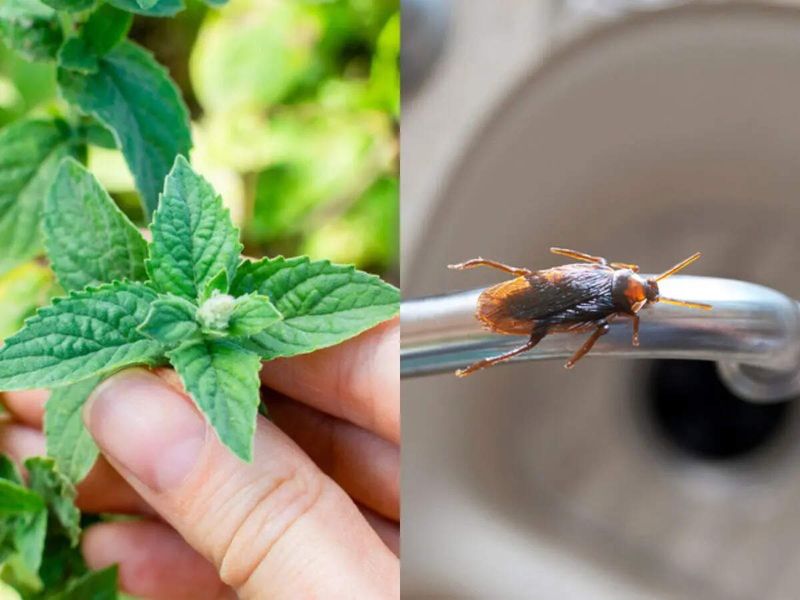
Texas homeowners know the sinking feeling of spotting a cockroach scuttling toward the back door, and plenty of people are looking for a natural edge against them. Catnip, the familiar herb known for sending cats into a frenzy, has caught the attention of pest researchers because of a compound in its essential oil that showed repellent activity against German cockroaches in laboratory tests.
That finding is genuinely interesting, but the gap between a lab result and a potted plant on your porch is wider than most headlines admit. Here is an honest look at what the science actually shows, how to grow catnip in a Texas container if you want to experiment, and what reliable roach control really looks like.
Catnip deserves a closer look—not a guaranteed headline

Catnip (Nepeta cataria) has earned real attention from pest researchers, and that attention is worth understanding clearly before you run out and fill your porch with herb pots. A 2002 Iowa State University study found that nepetalactone compounds from catnip essential oil produced behavioral repellency against German cockroaches under controlled laboratory conditions.
That is a meaningful data point, but it describes what happened when researchers applied concentrated oil or isolated compounds to surfaces in a controlled setting, not what happens when a living plant sits near a doorway on a hot July afternoon in Houston.
No published study has tested a potted catnip plant as a porch barrier against Texas cockroaches. Researchers have not established the range, concentration, or persistence of odor that one ordinary plant produces outdoors, and they have not compared it against other candidate plants in a real-home setting.
USDA Forest Service research on catnip and nepetalactone confirms the chemistry is interesting, but the jump from promising compound to reliable porch defense has not been made.
The decision rule here is simple: you can grow a contained pot of true catnip as an optional landscaping experiment, and you may find the herb enjoyable for its own sake. What you should not do is count on it to keep roaches from entering your home.
North Carolina Extension’s catnip profile describes the plant’s horticultural value, and that value stands on its own. Dependable cockroach control still comes from sealing entry points, removing food and moisture, and using appropriately labeled pest-management products when needed.
Why nepetalactone interests cockroach researchers
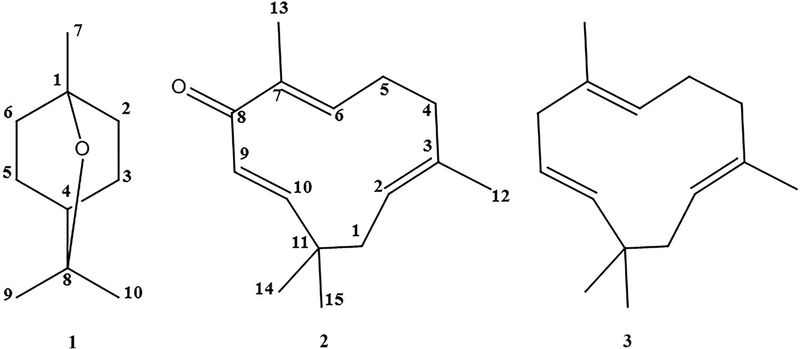
Nepetalactone is the primary active compound in catnip essential oil, and it is the reason pest scientists started paying close attention to this herb. When Iowa State University researchers tested catnip oil components against German cockroaches, they found that specific nepetalactone isomers caused the insects to move away from treated areas, a classic behavioral repellency response.
That 2002 Iowa State study reported high repellency from nepetalactone, which made it one of the more striking plant-derived cockroach findings in recent decades.
Catnip is not alone in drawing this kind of scientific interest. A USDA Forest Service review of plant-derived repellents covers catnip oil and nepetalactone isomers alongside other botanicals, showing that researchers have tested a wide range of essential oils under controlled conditions.
Separate laboratory work on cockroach repellency from plant oils and studies on essential oils against Periplaneta americana confirm that multiple compounds, including citrus oils, lemongrass, cinnamon, and clove, have shown measurable repellent effects in lab settings.
What all of these studies share is that they test concentrated oil, purified compounds, or treated surfaces under carefully managed laboratory conditions. Chemical repellency in a petri dish or a controlled chamber tells researchers that a compound can influence cockroach behavior.
It does not tell a Texas homeowner that one living plant near the back door will produce the same concentration, cover a useful area, or outperform other plants in an outdoor porch environment. The science is genuinely interesting; the practical application still needs more work before anyone can call it a proven strategy.
A live plant is not the same as tested catnip oil
One of the most important distinctions in this conversation is the difference between concentrated catnip essential oil and the odor that drifts off a single living plant in open air. Laboratory researchers work with extracted oil, isolated nepetalactone isomers, or surfaces treated with measured amounts of compound.
A potted catnip plant on a porch produces volatile compounds continuously, but at concentrations and distributions that vary with temperature, wind, humidity, and the plant’s growth stage. No one has measured whether those real-world concentrations reach levels that affect cockroach behavior near a doorway.
The gap matters because pest research routinely finds that the dose and delivery method determine the outcome. The Iowa State catnip study worked with controlled amounts applied in controlled environments.
The USDA review of plant-derived repellents also notes that residual activity from volatile oils can decline over time, which is a useful caution against assuming that a living plant provides lasting or consistent protection. Neither source established a porch duration or an effective outdoor radius for catnip odor.
The species question adds another layer of complexity. The best-known catnip cockroach study focused on German cockroaches, which are the small, indoor-dwelling species that breed rapidly inside walls and cabinets.
Texas homes, however, regularly see larger outdoor-associated species, including the American cockroach and the smoky brown cockroach. Texas A&M’s cockroach fact sheet notes that outdoor and indoor species require different management approaches.
Extrapolating the German cockroach lab results to every roach that might cross a Texas threshold is a stretch the published evidence does not support.
Grow Nepeta cataria in a manageable Texas container

Growing catnip in Texas is straightforward once you understand what the plant needs and what it does not tolerate. North Carolina Extension’s catnip profile describes Nepeta cataria as a perennial herb that prefers well-drained soil and full sun to partial shade, tolerates drought and dry conditions once established, but may benefit from afternoon shade in hot, humid climates.
In central and south Texas, where summer afternoons regularly push past 100 degrees Fahrenheit, a spot that catches morning sun and some relief after midday will keep the plant from burning out before fall.
A container is the most practical choice for a porch setting, and Texas A&M AgriLife recommends a container or hanging basket for catnip partly because cats may roll on the plant and damage surrounding plants in a ground bed. A pot also lets you move the plant as heat and shade conditions shift through the season, control its spread (catnip can self-seed and become weedy in garden beds), and keep it positioned near the entry without it taking over the area.
Use a pot with drainage holes and a well-draining mix; catnip sitting in soggy soil will decline quickly in Texas humidity.
One distinction worth making before you buy a plant: true catnip (Nepeta cataria) is not the same as the ornamental catmint cultivars commonly sold at garden centers. University of Arizona Extension’s guide to catnip and catmint explains that hybrids such as Nepeta x faassenii are often more heat- and drought-tolerant and are bred for their ornamental flower display.
Those cultivars may be easier to find in Texas nurseries, but the cockroach research that drew attention to this genus specifically identified Nepeta cataria and its nepetalactone chemistry. The evidence does not automatically extend to every Nepeta hybrid on the shelf, so if you want the plant that researchers studied, look for the species by name.
Place the pot for access, maintenance, and pet safety
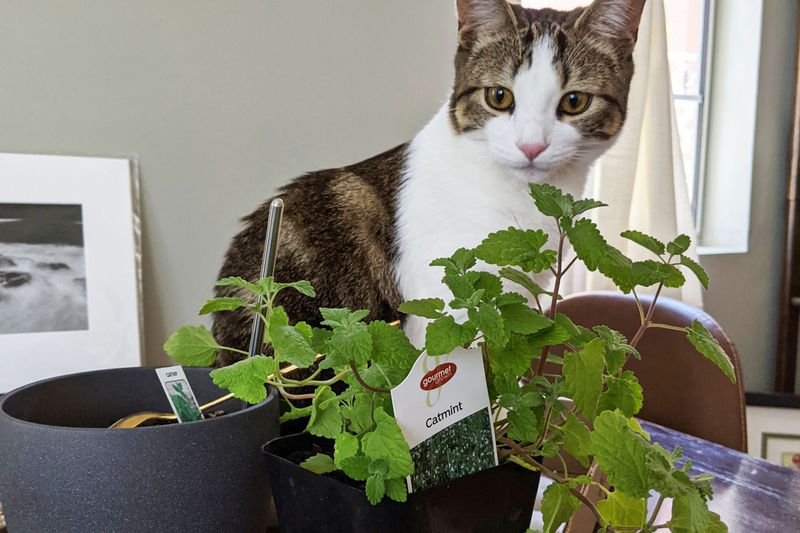
Positioning a catnip pot on a Texas porch is more about practical gardening than setting up a pest-control perimeter. A movable container near the entry gives you flexibility: roll or carry it into a shadier corner on triple-digit afternoons, bring it inside if a cold front threatens, and shift it away from the threshold when you are mopping up or doing maintenance.
North Carolina Extension notes that catnip appreciates good air circulation, so a spot that is not wedged into a stuffy corner will keep the plant healthier through humid Texas summers.
The pet safety issue requires a direct statement: catnip is not safe for cats in the way many people assume. The ASPCA lists catnip as toxic to cats and reports that ingestion can cause vomiting and diarrhea, along with sedation or stimulation.
Cats are strongly attracted to the plant, which means a pot placed at ground level on a busy cat household’s porch may get chewed, rolled on, or tipped over. A hanging basket or an elevated shelf can reduce direct access, though determined cats are resourceful.
If you have indoor-outdoor cats, talk to your veterinarian before adding catnip to a reachable porch spot.
For readers who use cockroach bait stations near entry points, placement awareness matters. EPA-registered cockroach bait labels warn against applying repellent sprays or other products around bait placements, because doing so can drive roaches away from the baited area and reduce effectiveness.
A live catnip plant has not been shown to disrupt bait in the same way a repellent spray would, but EPA cockroach management guidance makes clear that bait placement strategy matters. Follow the specific label on any product you use, and keep your catnip pot positioned as a gardening experiment rather than as part of a chemical treatment plan.
Build dependable protection around the doorway

A well-sealed doorway does more measurable work against cockroach entry than any unproven plant. Texas Department of State Health Services pest-control guidance recommends inspecting entry points and addressing gaps with weather stripping, caulk, and repaired screens.
Door sweeps, pipe penetration seals, and tight-fitting utility covers around conduit and wiring are equally important because cockroaches can compress their bodies and slip through gaps that look too small to matter.
Inside the house, food storage and moisture control are the two factors that most reliably encourage roaches to stay. Fix dripping faucets and slow cabinet leaks, keep pet food in sealed containers, wipe down counters after cooking, and take out trash regularly.
Texas A&M’s cockroach resource points out that German cockroaches and the larger outdoor-associated species common in Texas, including American and smoky brown cockroaches, respond to different management tactics, so identifying which roach you are dealing with helps you target the right approach.
When roaches keep appearing despite exclusion and sanitation work, labeled pest-control products become the practical next step. EPA guidance on pesticide use supports an integrated approach: remove the conditions that attract and shelter roaches first, then use appropriately labeled bait stations or other products for persistent problems.
EPA’s smart pest control framework also emphasizes inspecting incoming boxes, grocery bags, and secondhand furniture, since roaches and egg cases often hitchhike inside on these items. Catnip can sit on your porch as an optional experiment alongside all of this, but it should not replace any of it.
Skip the homemade oil shortcut
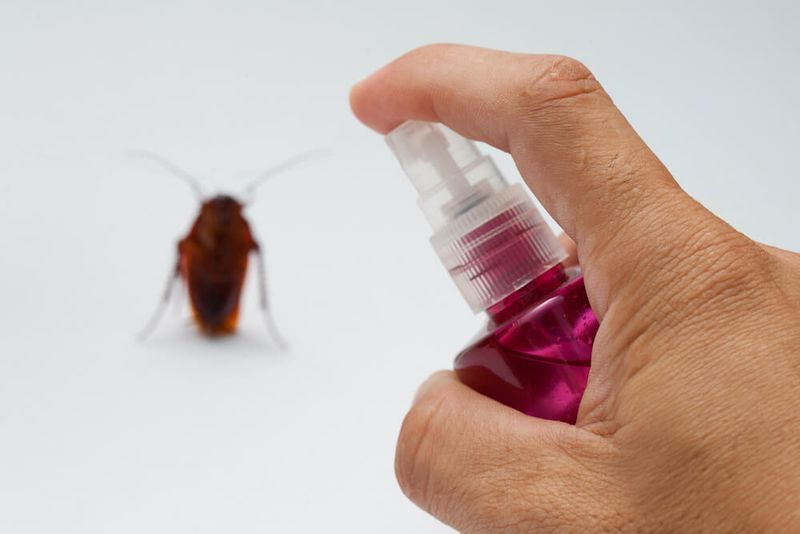
Knowing that catnip oil showed repellent activity in a laboratory can tempt people to mix up a homemade spray and apply it around doors and baseboards. That step carries risks that the original research never addressed.
Published safety data on catnip oil documents irritation potential, and concentrated essential oils applied to skin, near eyes, or in poorly ventilated indoor spaces can cause real discomfort or harm, especially for children, pets, and people with respiratory sensitivities.
Beyond the irritation concern, the lab evidence does not establish that a homemade spray works against the cockroach species in your specific Texas home, holds up long enough to matter outdoors, or delivers the compound at the concentration and distribution that produced results in controlled testing. The USDA review of plant-derived repellents specifically notes declining residual activity for volatile plant oils, which means any effect from a spray would likely fade quickly in Texas heat and air movement.
A DIY batch from a grocery-store bottle is not a controlled formulation.
EPA guidance on using insect repellents safely makes clear that pesticide products, including those derived from plant sources, should be used according to their labels. If a product is not registered and labeled for cockroach control, using it as one is outside its intended application.
Readers who want a plant-oil-based option should look for EPA-registered products with catnip or nepetalactone listed as active ingredients, follow the label exactly, and keep applications away from food surfaces, children’s play areas, and pet feeding stations.
The honest takeaway for a Texas porch
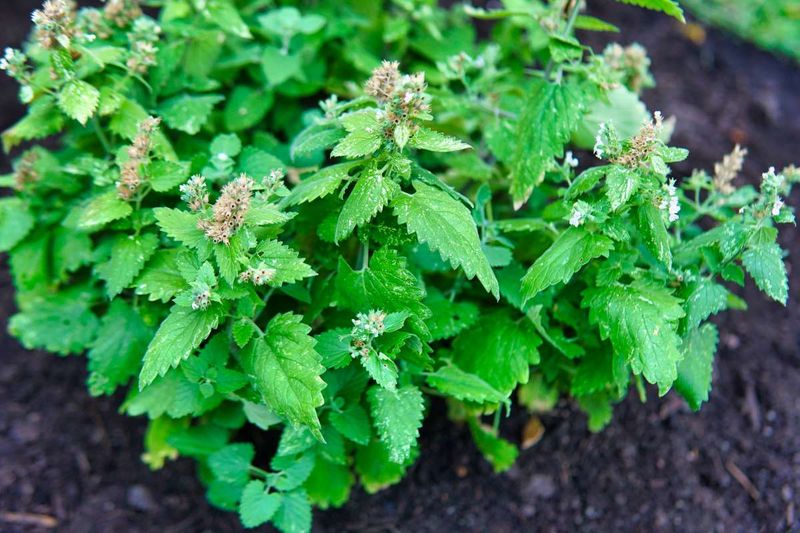
True catnip, Nepeta cataria, is a reasonable herb to grow in a container on a Texas porch if you enjoy the plant and are comfortable treating any possible roach-deterrent benefit as an experiment rather than a guaranteed result. The Iowa State nepetalactone findings give the plant a credible research background, and catnip’s cultivation profile makes it a manageable container herb in most Texas climates with good drainage and some afternoon shade.
Keep the two central distinctions in mind as you decide. First, concentrated oil tested in a laboratory is not the same as the odor from one potted plant outdoors.
Second, repellency changes where a pest moves; it does not eliminate the infestation, the egg cases, the food sources, or the entry points that invited roaches in the first place. Texas DSHS guidance and EPA’s explanation of how repellents work both underscore that behavioral deterrence is one tool, not a complete solution.
Seal the gaps, strip the weather stripping, fix the drip, and store the food. A tidy, dry, well-sealed threshold is the most honest roach defense a Texas porch can offer, and a pot of catnip beside the door makes for a pleasant, research-curious addition to that foundation.