
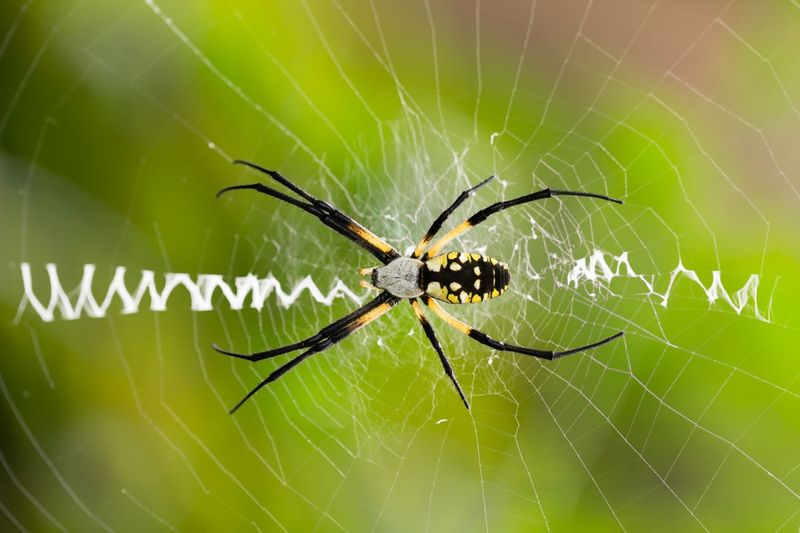
Most California gardeners swat down the first spider web they spot in the vegetable bed without a second thought. That reflex may be costing them free pest control.
Some garden spiders, especially orb weavers, can catch aphids and other damaging insects, making them quiet allies worth keeping around. Understanding what these spiders actually do, and what they cannot do on their own, helps you protect the ones that earn their spot while still managing real aphid problems when plants need it.
Some Garden Spiders Can Help, but They Are Not an Aphid Cure
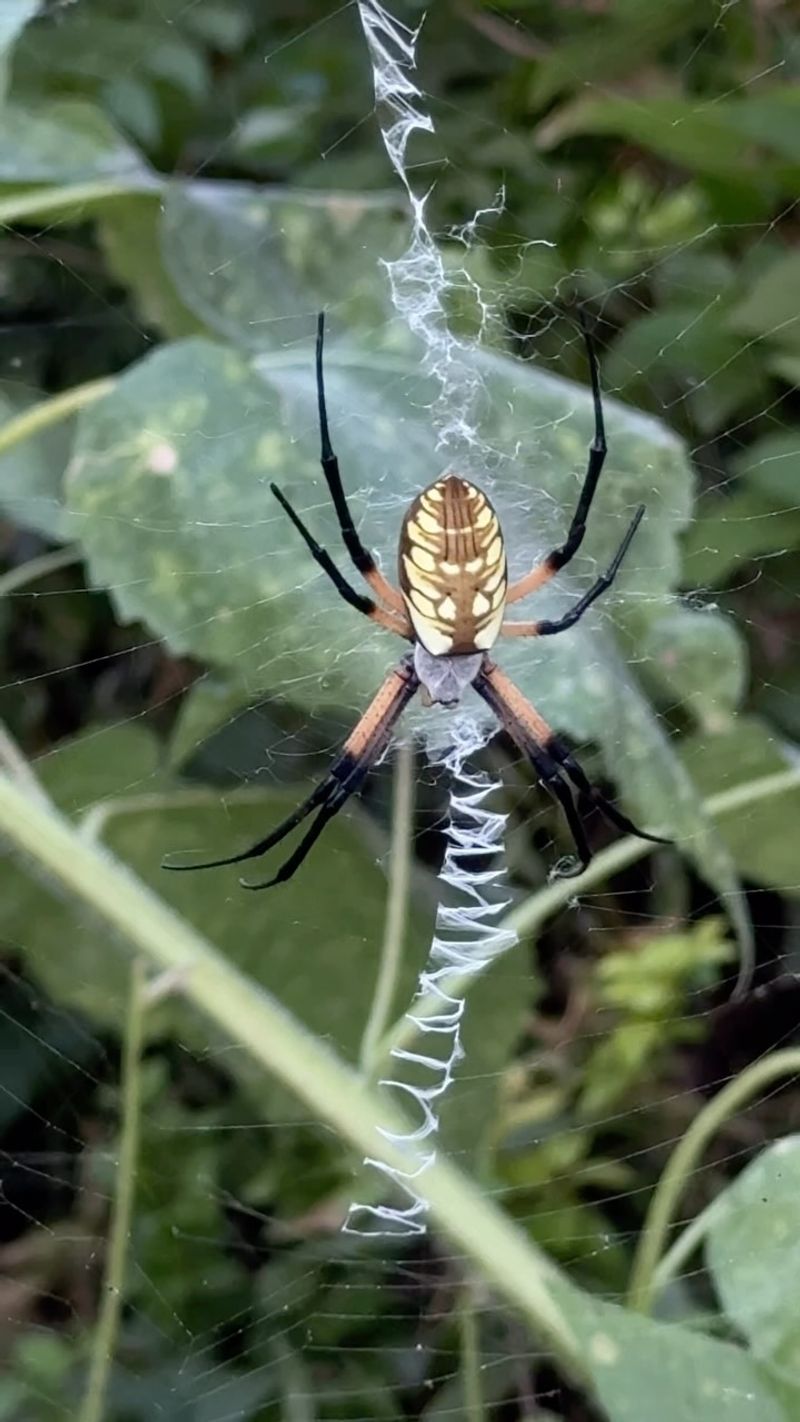
Plenty of California gardeners have pulled down a garden spider web without realizing what they were removing. Tolerating a safely located spider costs nothing and adds a layer of free, natural pest control to your vegetable beds.
UC IPM’s guide to common garden spiders describes orb weavers and other garden spiders as predators of insects and other pests and recommends protecting them in gardens.
That said, no garden spider is going to wipe out an aphid colony on its own. Aphid management depends on several moving parts working together: a community of natural predators, smart monitoring habits, ant control, well-timed water sprays, and selective treatment when a plant is genuinely stressed.
Spiders contribute to that system, but they are one part of it, not the whole answer.
Even the aphid picture is more nuanced than it first appears. UC IPM’s aphid guidance notes that light to moderate aphid populations often do not seriously damage established plants, and many infestations fade on their own through predation, heat, or weather shifts.
Before reaching for any treatment, a close look at your plants will tell you whether the situation actually warrants action or whether your existing natural enemies are already handling it.
The sections that follow explain which California spiders are most likely to intercept aphids, why orb webs only reach some of the aphids in your bed, how to set up habitat that supports web-building spiders without creating hazards, and when to escalate treatment without wiping out the allies already at work. UC IPM’s biological control overview frames spiders as one member of a broader natural-enemy community that includes lady beetles, lacewings, syrphid-fly larvae, and parasitic wasps, each attacking aphids in different ways.
Garden Spider Is a Common Name, Not a Single Kind of Spider
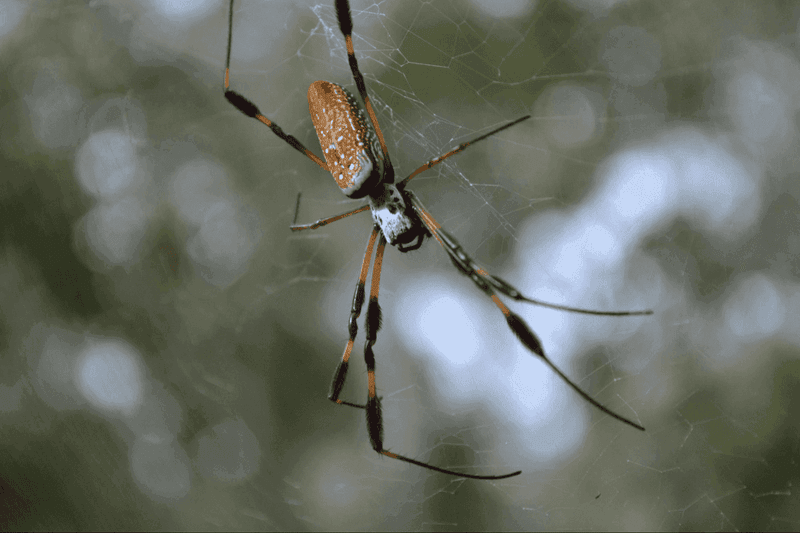
When someone says “garden spider,” they could be talking about dozens of completely different animals. The phrase is a broad common name that covers orb weavers, wolf spiders, jumping spiders, funnel weavers, and several other groups.
Each one hunts in a different part of the garden and uses a different strategy to catch prey, so their value to you as a vegetable grower depends heavily on which type you actually have.
Orb weavers are the most recognizable. They spin the large, spoke-and-spiral webs you find stretched between tomato cages, bean trellises, fence posts, and shrub branches.
California is home to several orb-weaver species, and UC IPM’s common garden spider resource identifies these spiders as beneficial predators that can intercept flying and crawling insects that pass through the web’s capture zone. Their webs tend to appear in late summer and fall when the spiders are mature and the webs are at their largest.
Wolf spiders work the ground. They are fast, ground-hunting predators that chase down prey rather than waiting in a web.
You are more likely to flush one out while turning compost or moving a pot than to spot it resting in a web. Jumping spiders, by contrast, stalk prey actively on plant surfaces, pouncing with precision from leaf to leaf.
Funnel weavers build flat, funnel-shaped sheets of silk in low vegetation or grass, where prey falls onto the sheet and is quickly pulled in.
None of these hunting strategies automatically means aphids are on the menu. A spider’s size and the presence of a large, impressive web do not tell you that the spider is targeting aphids specifically.
Spiders are generalist predators, meaning they eat whatever suitable prey comes within reach. An orb weaver in your pepper bed may catch aphids, or it may catch a moth, a fly, or a small bee.
Recognizing the type of spider you have gives you a better starting point for deciding whether it deserves a protected spot near your vegetables.
Orb Webs Intercept Some Aphids, Not Every Aphid Colony
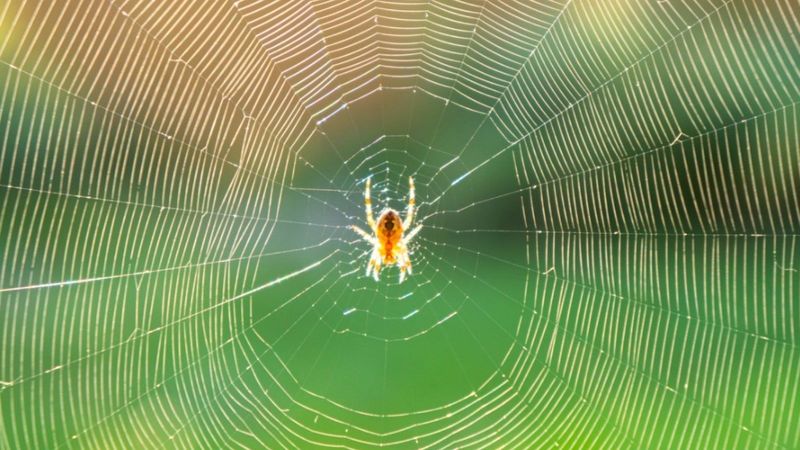
An orb web works like a passive trap suspended in open air. Insects that fly or drift through the web’s physical capture zone get stuck in the sticky spiral threads, and the spider responds quickly.
That mechanism is effective for a range of flying insects, but it has a clear geographic limit: the web only catches what actually passes through it.
Aphids complicate this picture in a specific way. Most of the time, aphids are wingless, slow-moving, and tightly clustered on the undersides of leaves or along tender stems, exactly where an orb web cannot reach them.
A web strung between two tomato stakes is not going to intercept a colony tucked under a squash leaf two feet below it. The web and the aphid colony can coexist in the same bed without the spider ever touching the infestation.
Winged aphids are a different story. When a colony becomes overcrowded or conditions shift in spring and fall, some aphids develop wings and disperse to new plants.
Those dispersing individuals can drift into a web, and that is where the orb weaver’s advantage over aphids becomes real. A Texas cotton-field study by Jackson and Gillaspy found that aphids made up 34.6% to 90% of the prey recovered from five orb-weaver species in unsprayed cotton fields, strong evidence that orb weavers can consume substantial numbers of aphids under field conditions.
Crucially, that study took place in unsprayed Texas cotton, not California home vegetable gardens, and it does not tell us exactly how many aphids a backyard orb weaver removes or whether spiders alone prevent plant damage in residential beds.
Spiders are also generalists, and UC IPM’s aphid management guidance makes clear that effective aphid control in a garden usually involves multiple natural enemies working simultaneously, not one predator working alone. The Texas study also found hymenopterans and other insect groups, including some beneficial ones, among orb-weaver prey.
An orb weaver in your garden is a genuine contributor, but it is one thread in a larger biological net, and the colonies hiding on leaf undersides will need other strategies to address them.
Preserve Web Supports and Separate Them from Ground-Level Refuge
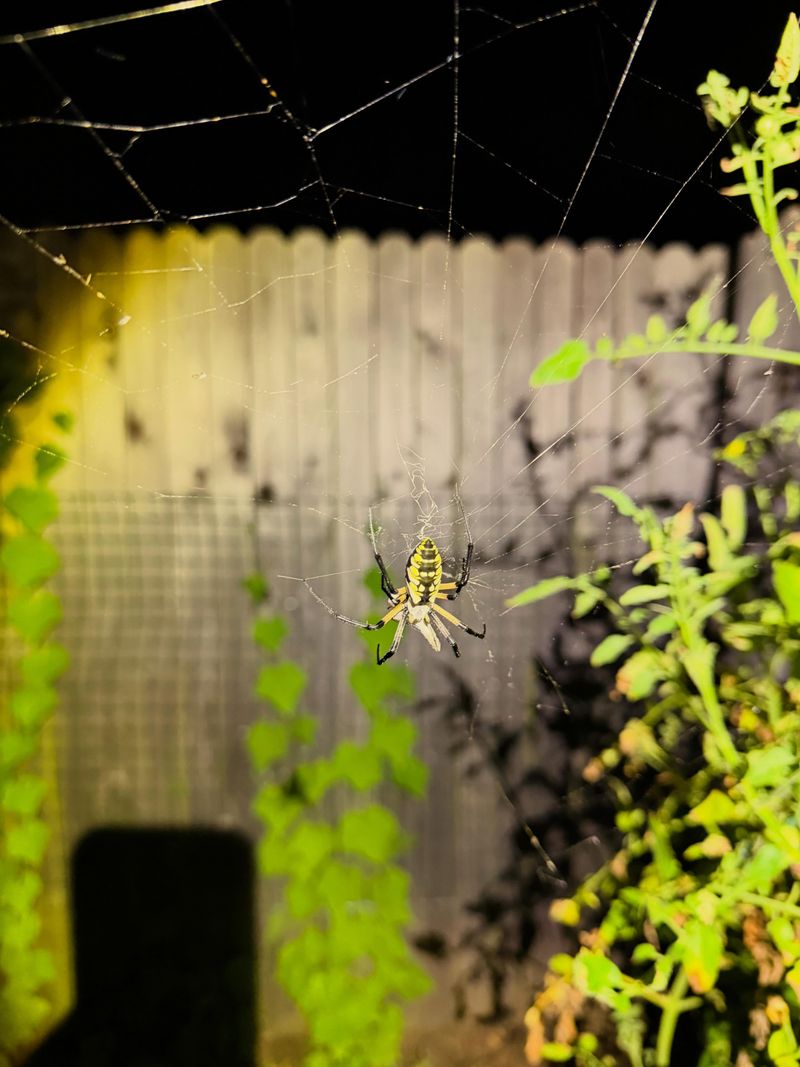
Helping orb weavers stick around does not require a complicated habitat project. The key ingredient is a sturdy anchor point near, but not across, the paths and doorways you use every day.
Plant stems, shrubs, trellises, fences, tall ornamental grasses, and similar vertical structures give orb weavers the framework they need to string a web. Position these supports at the edges of your vegetable beds or along a fence line where a web will not intercept a person walking through.
UC IPM’s garden spider page notes that orb weavers commonly build between shrubs, trees, vines, and other sturdy supports, so an existing trellis or a well-placed tomato cage can double as spider habitat with no extra work. Leaving a few tall stems standing at the end of the season also gives late-season spiders a place to anchor a web while they are still active.
Ground-level features serve a different purpose. Dense plant canopies, mulched beds, and low ground cover do not function as web supports for orb weavers, but they can provide refuge and favorable hunting conditions for ground-active spiders like wolf spiders.
Oklahoma State Extension’s guidance on conserving beneficial arthropods identifies dense canopies and mulches as useful habitat features for a range of beneficial predators. That guidance is general rather than California-specific, so treat it as a reasonable starting point rather than a promise tailored to your climate zone.
One thing the research does not support is the idea that planting a specific flower will draw aphid-eating spiders to your beds. Flowering plants are better documented as habitat and nectar resources for beneficial insects like syrphid flies and lacewings.
Spiders will colonize a bed when the structure suits them; the best thing you can do is make sure suitable anchors are available and avoid disturbing webs that are already in safe locations.
Relocate a Spider When Its Web Creates a Safety or Access Problem
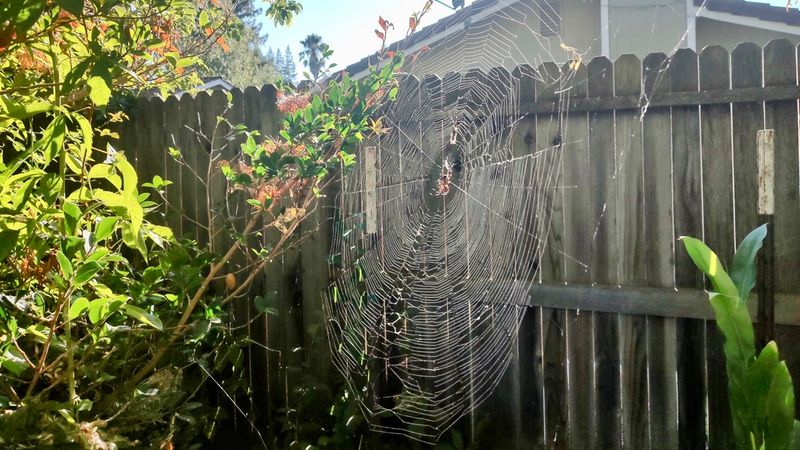
Orb weavers are not aggressive spiders. When something bumps their web, the typical response is to retreat toward the edge of the silk rather than toward the disturbance.
UC Cooperative Extension Ventura County describes this retreating behavior and recommends no control for orb weavers, while noting that a spider in an inconvenient spot can be captured and moved to a less disruptive location.
Capturing and relocating is straightforward for a spider you can see clearly and identify as a common garden orb weaver. Use a container with a lid, guide the spider in gently, and release it near a suitable anchor point away from doorways or high-traffic paths.
The web itself is a separate matter. An obstructing web can be cleared or removed, but do not assume the web can be moved intact with the spider inside it; the silk is anchored at multiple points and does not transfer cleanly.
Move the spider first, then clear the web if needed.
Safety awareness matters here, even with a spider that looks familiar. UC IPM notes that spiders seen openly during the day in California gardens are generally unlikely to bite or cause lasting harm, but that is a general observation, not a guarantee that every spider is safe to handle bare-handed.
Avoid picking up any spider you cannot confidently identify.
California’s main medically important spider is the black widow. UC IPM’s spider safety page explains that black widows generally stay in sheltered, dry, undisturbed spots like woodpiles, garages, and the undersides of low structures, not out in the open on a garden trellis.
If you are reaching into a dark corner, under a pot, or into a woodpile while gardening, wear gloves and look before you grab. The brown recluse does not occur in California, so it is not a concern for California gardeners.
Build Aphid Control Around the Whole Natural-Enemy Community
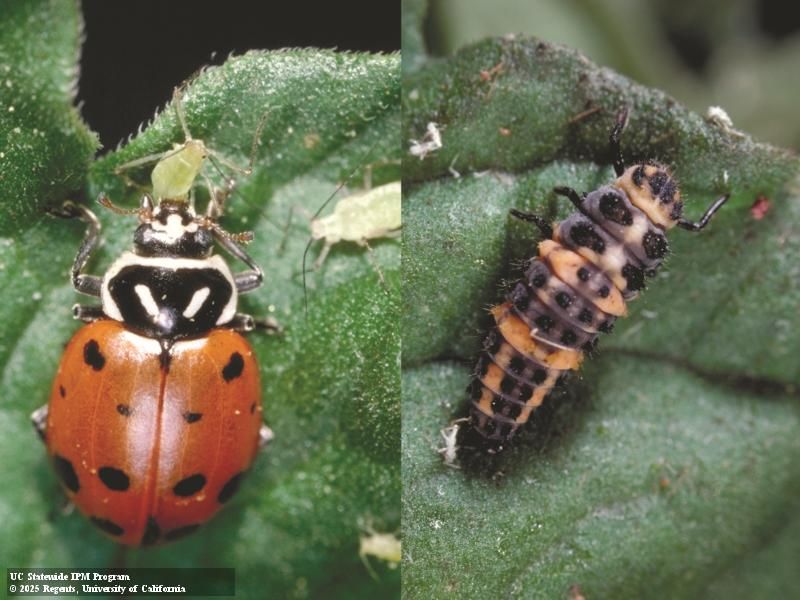
A single orb weaver is one voice in a larger chorus. Effective aphid control in a California vegetable bed usually comes from several natural enemies working at the same time, each attacking aphids in a different way.
UC IPM’s biological control overview lists lady beetles, lacewings, syrphid-fly larvae, parasitic wasps, and spiders as complementary members of this natural-enemy community.
Lady beetles and lacewing larvae feed directly on aphids and can consume large numbers when populations are concentrated. Syrphid-fly larvae are less visible but equally useful; they look like small pale maggots and move slowly through aphid clusters eating as they go.
Parasitic wasps lay eggs inside individual aphids, killing them from the inside, and leave behind the tan, papery husks called mummies that signal active parasitism in your bed. Spiders, meanwhile, intercept insects in the web or chase them down on plant surfaces, adding another layer of predation pressure.
Your monitoring routine is what ties this system together. Check plants at least twice a week during periods of rapid growth, and pay close attention to leaf undersides and stem joints, where aphids prefer to cluster and where webs may not reach.
UC IPM’s aphid guidance recommends this inspection frequency and also flags ants as a factor that can undermine the whole natural-enemy network. Ants actively tend aphid colonies, protecting them from predators and parasitoids in exchange for the honeydew aphids produce.
If you spot ants running up and down infested stems, controlling or excluding those ants, using sticky barriers or bait stations, can dramatically improve the effectiveness of every natural enemy already present in your bed.
Light to moderate aphid populations often do not seriously damage established plants. Many infestations decline on their own as natural enemies build up, temperatures rise into California’s summer heat, or weather conditions shift.
Seeing aphids does not automatically mean a crisis is developing.
Escalate Treatment Without Spraying Away the Allies
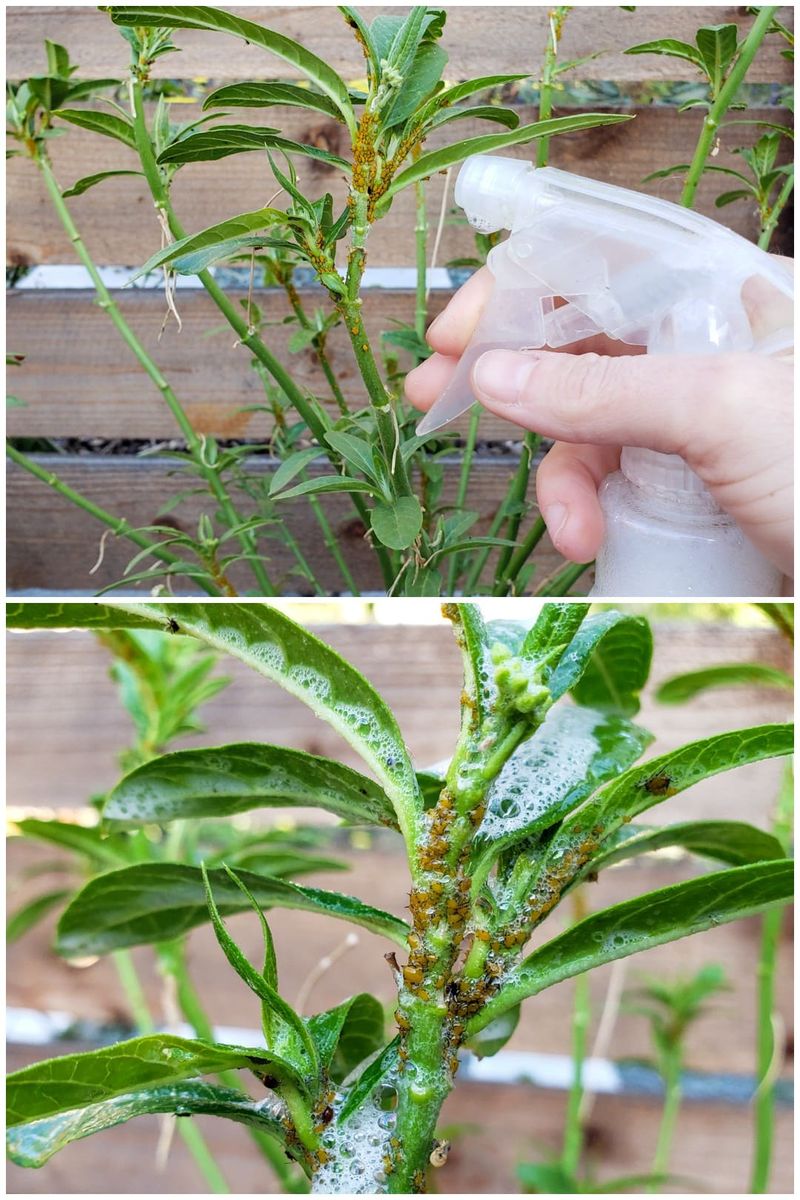
When monitoring shows that aphid pressure is genuinely stressing a plant, a graduated response protects your natural enemies while still addressing the problem. Start with the least disruptive option: a strong stream of water directed at infested foliage.
Apply it early in the morning so leaves have time to dry before evening, reducing the risk of fungal issues. UC IPM confirms that most aphids knocked off by water will not climb back onto the plant, making a well-aimed hose an effective first step for sturdy vegetables like kale, tomatoes, or squash.
If water alone is not enough and plant damage continues, insecticidal soaps and horticultural oils are the next option. Both are contact treatments, meaning they kill aphids only when the spray physically touches them.
Thorough coverage of leaf undersides and stem joints is essential; a light misting of the top of the foliage will miss most of the colony. These products can also harm natural enemies directly if sprayed on them, so inspect for lady beetles, lacewing larvae, and other beneficials before applying and try to treat only the most heavily infested areas.
Several important cautions apply to both products. Do not use them on drought-stressed plants, as the oils and soaps can damage weakened tissue.
Avoid applying when temperatures exceed 90 degrees Fahrenheit, which is a common California summer condition, because heat increases the risk of phytotoxicity. Read and follow the product label completely, including any plant-sensitivity warnings specific to the crop you are treating.
Routine broad-spectrum insecticide applications are a different matter entirely. UC IPM’s natural-enemy guidance is explicit that carbamates, organophosphates, and pyrethroids can kill natural enemies along with pest insects.
Systemic insecticides like imidacloprid can harm predators, parasitoids, and pollinators that feed on treated plant tissue. Reaching for a broad-spectrum spray at the first sign of aphids can eliminate the biological control network you have been building, leaving future infestations with fewer natural checks.
Reserve those products for situations where plant damage is severe, other methods have failed, and the label confirms the product is appropriate for your crop and pest.
Use a Simple Rule: Keep Safe Spiders, Monitor Plants, and Treat the Problem
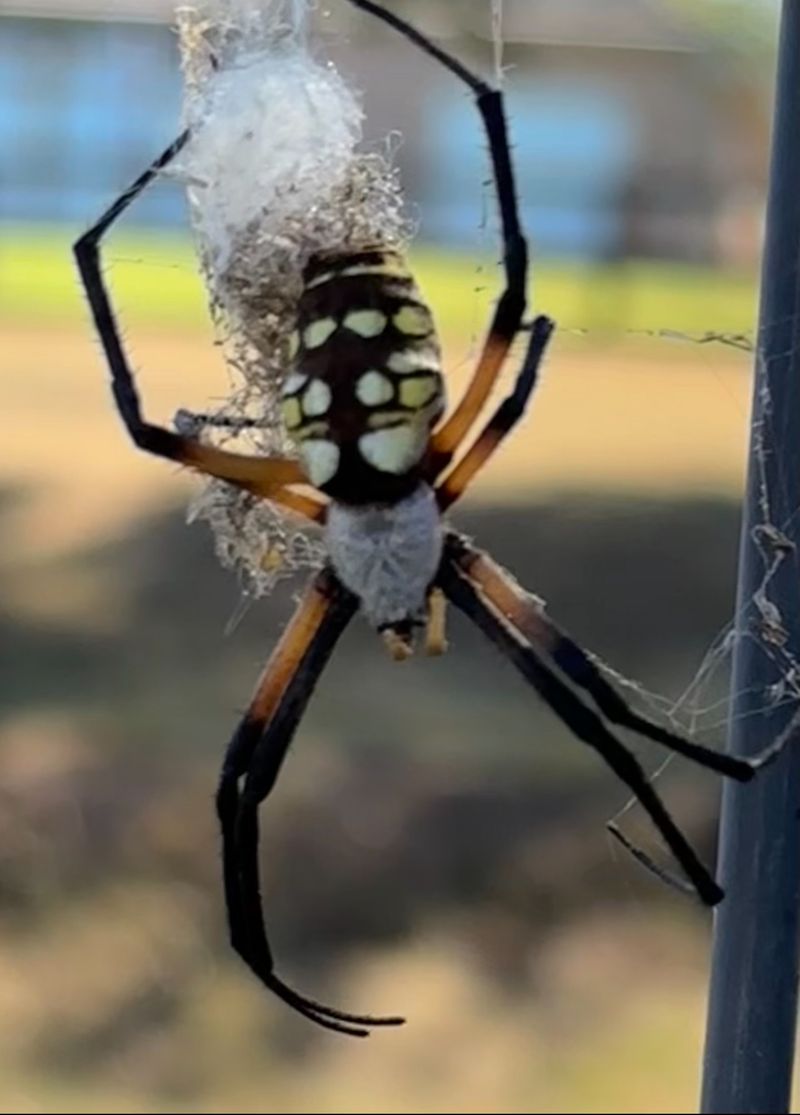
The practical rule for California vegetable gardeners is straightforward. A spider in a safe, out-of-the-way location near your beds earns its spot.
Leave it alone, keep its web supports intact, and let it contribute what it can to the natural-enemy community already working in your soil and on your plants. UC IPM recommends protecting garden spiders for exactly this reason.
Pair that tolerance with a consistent monitoring habit. Check leaf undersides and stems at least twice a week during active growth, watch for ants tending aphid colonies, and address ant access before it undermines your natural enemies.
When aphids do appear, UC IPM’s aphid page reminds gardeners that established plants often tolerate light populations and that infestations frequently decline without intervention. Use water first for sturdy plants, and reserve targeted contact treatments for situations where the plant is visibly suffering and natural control is not keeping pace.
UC IPM’s biological control overview frames this whole approach as integrated pest management, where each tool reinforces the others rather than replacing them.
A spider in your vegetable bed is not a guarantee of aphid-free harvests. What it is, reliably, is one more predator already on the payroll, working for free, and asking only that you leave its web alone.