
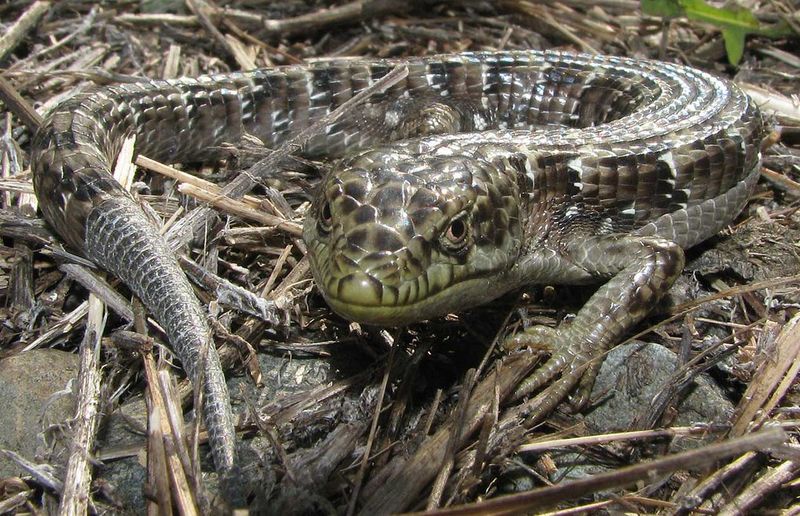
Flip over a piece of firewood on a warm August afternoon in California and you might come face to face with a long, scaled lizard that looks like it belongs in a nature documentary. That animal is almost certainly an alligator lizard, and its presence says something interesting about your backyard, though maybe not what you’d expect.
Understanding why it’s there, what it needs, and how to respond can help you protect a native animal, manage your garden more wisely, and keep your woodpile safe during California’s driest season.
The woodpile offers cover, not a diagnosis
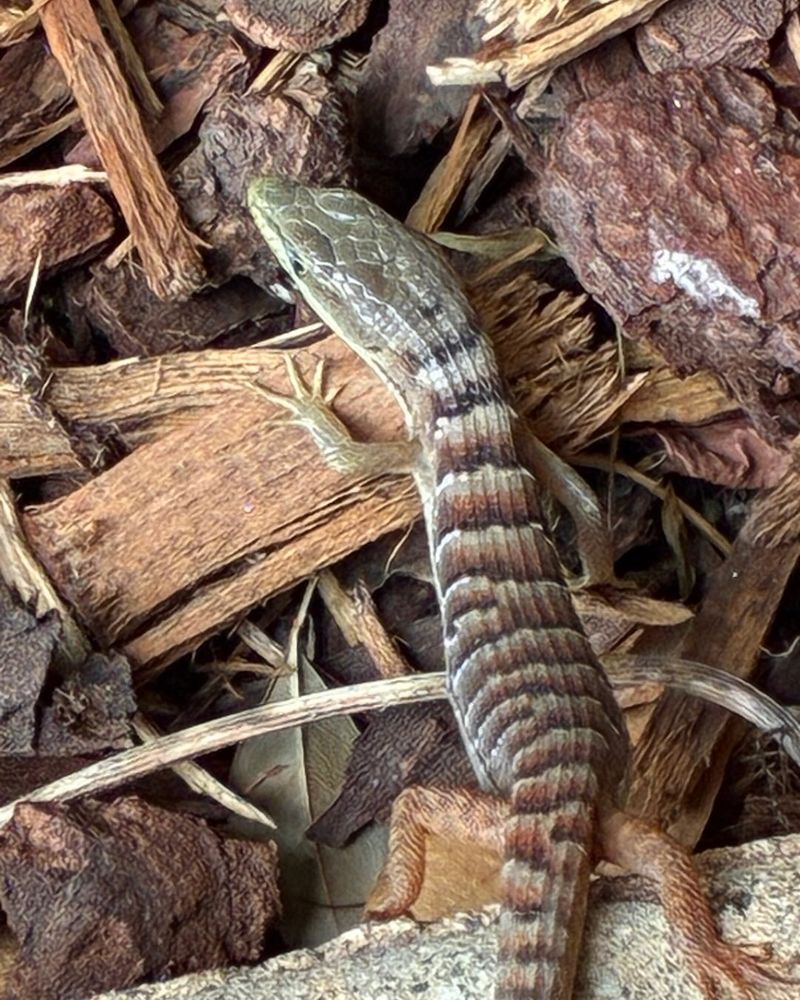
Alligator lizards are adaptable animals, and the one you spotted almost certainly found your woodpile the same way it finds any other useful feature in a California yard: by exploring until something offered shelter, a tolerable temperature, and the possibility of a meal. National Park Service documentation on southern alligator lizards confirms that these animals commonly turn up beneath logs, debris, and vegetation, including around human settlements.
The woodpile checked enough boxes, so the lizard stopped there.
What the sighting does not do is reveal one exact set of backyard conditions or confirm a specific pest problem. A peer-reviewed study on urban reptile tolerance found southern alligator lizards to be well-suited to developed landscapes, meaning they can show up in a tidy suburban yard just as readily as in a brushy hillside garden.
The woodpile happened to be there; the lizard happened to use it.
Identifying the exact species from a quick glance is also harder than it sounds. California is home to more than one alligator lizard species and several regional forms.
U.S. Fish and Wildlife Service species information covers the southern alligator lizard, which is widespread across much of the state, but NPS records from Point Reyes note that the San Francisco alligator lizard and other forms occupy different regions with different habitat preferences.
Without location context and a clear photograph, pinning down the exact species from a brief outdoor sighting is genuinely uncertain.
The practical takeaway is straightforward. Your woodpile gave a native lizard a place to rest or hunt, and that is a fairly ordinary event in California yards.
The sighting is not a diagnosis of a slug infestation, a sign of an unusual population surge, or proof that the animal has moved in permanently. It is more likely a snapshot of a lizard doing what alligator lizards do: moving through available habitat and using whatever cover presents itself.
Late-summer heat pushes activity into shelter
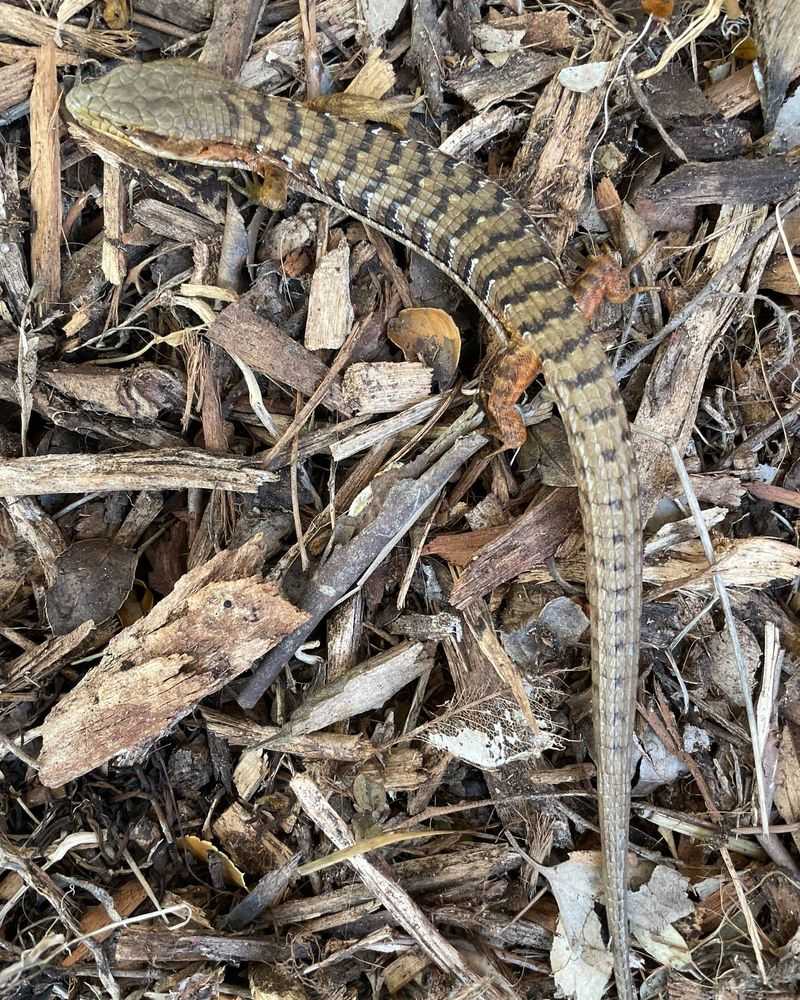
August heat in California is not the same as August heat in most other states. Inland temperatures can push well past 100 degrees Fahrenheit for days at a stretch, and even coastal yards warm up enough to make open ground uncomfortable for a small reptile.
Lizards are ectotherms, meaning they rely on external temperatures to regulate their body heat, so a woodpile that stays shaded and a few degrees cooler than the surrounding soil becomes genuinely useful, not just incidentally convenient.
Community science data collected by the Natural History Museum of Los Angeles shows that in hotter summer conditions, Southern California lizards spend more time in shade and become harder to spot during the hottest part of the day. A sighting near a woodpile in late summer may simply mean the lizard shifted its activity to a cooler microhabitat, not that something new or unusual is happening in your yard.
Seasonal patterns also vary considerably across California. California Department of Fish and Wildlife range data reflects a species distributed from the coast to inland valleys and foothills, and populations in Northern California, along the coast, or at higher elevations may follow different timing than those in the hot interior valleys of Southern California.
Late summer is not a single statewide behavioral signal.
One thing the timing does not indicate is breeding activity. NHM reporting on alligator lizard breeding behavior places peak mating activity in spring, roughly mid-March through late April, with timing shifting based on weather and location.
An August woodpile sighting is far more likely to reflect heat-related shelter-seeking than any reproductive behavior. The lizard found a cool spot on a hot day, which is a pretty reasonable thing to do.
What the lizard may find beneath the pile
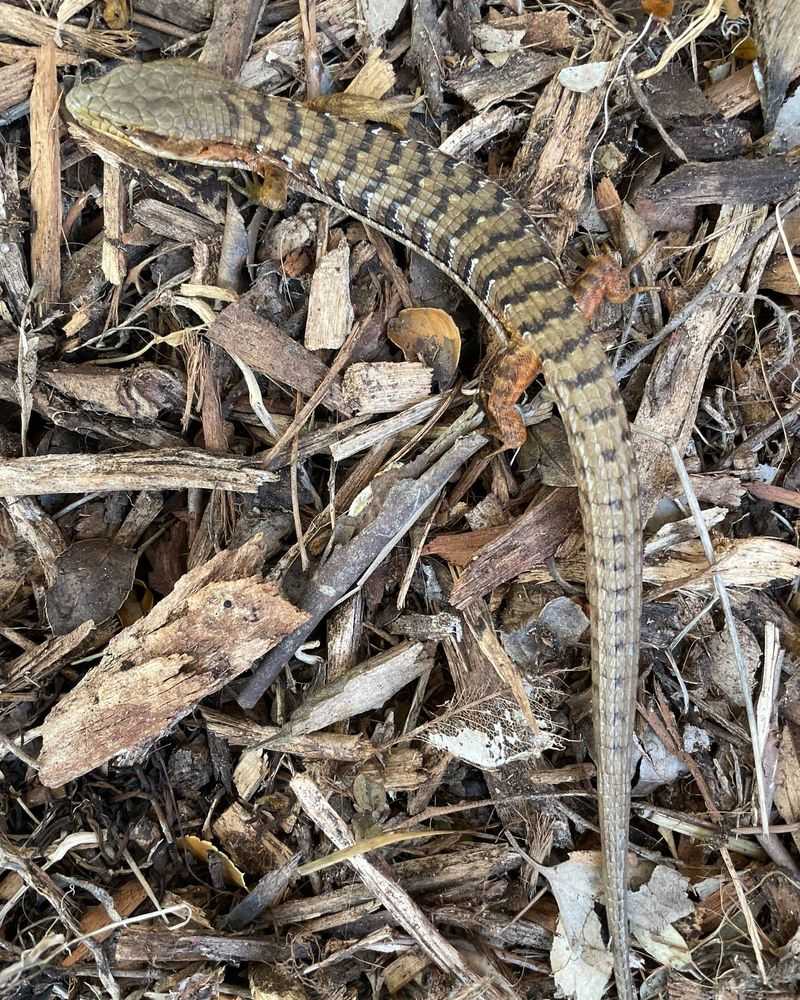
Alligator lizards are generalist predators, which means they eat what is available rather than specializing in one prey type. NatureServe species data for Elgaria multicarinata lists a broad menu that includes insects, spiders, centipedes, scorpions, and slugs, along with occasional small vertebrates like other lizards, and sometimes bird eggs or nestlings.
A woodpile creates sheltered ground-level space where many of those prey items naturally concentrate, so a hunting lizard has good reasons to investigate.
Slugs and snails fit into that picture, but only as part of a longer list. CDFW life-history documentation confirms that mollusks are among the prey recorded for this species, though the lizard’s diet varies with what is locally available.
A woodpile that also harbors beetles, earwigs, or pillbugs is offering the lizard several options at once, and any of those could be the primary draw.
The overlap between lizard habitat and slug habitat is real and worth understanding. Cornell IPM guidance on slug and snail biology notes that these mollusks prefer cool, moist, sheltered areas and remain active from spring through fall.
A shaded woodpile in a California yard can fit that description well, which means slugs may genuinely be present under the same pile the lizard is using.
That ecological overlap makes feeding plausible, but it does not prove that slugs attracted the lizard or that the lizard is making a measurable dent in the local mollusk population. The lizard may have eaten a slug yesterday, or it may have eaten three beetles and a spider.
A single sighting gives you no way to know which scenario is closer to the truth, and treating the lizard as evidence of a slug infestation jumps well ahead of what one observation can actually tell you.
A single sighting does not promise a resident predator
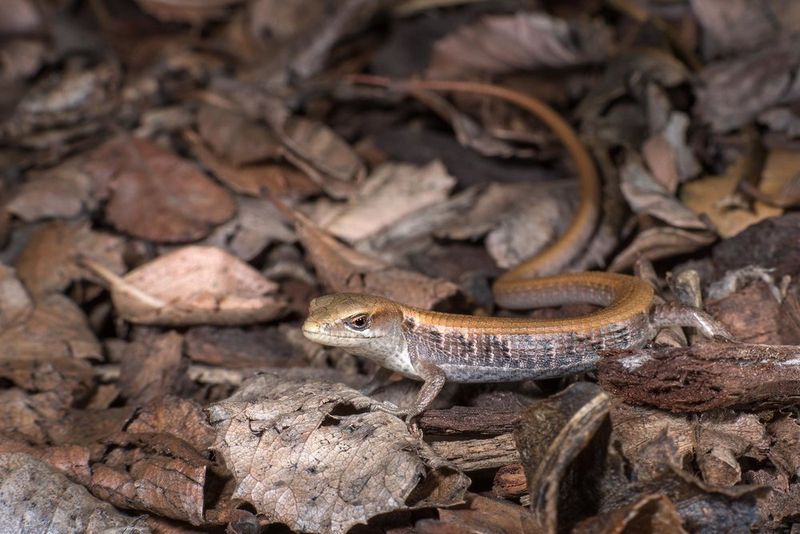
Watching a lizard disappear under your woodpile is satisfying, and it is tempting to assume it has taken up permanent residence. Alligator lizards, though, tend to use available habitat opportunistically rather than anchoring to one spot.
UC IPM guidance on California lizards notes that a lizard found beneath a pile may simply be using it temporarily for cover or foraging. It may be back tomorrow, or it may move on to a different patch of cover entirely.
A yard that offers nearby vegetation, tolerable temperatures, and access to invertebrate prey gives an alligator lizard reasons to return, but there is no checklist that guarantees residency. NHM community science resources describe habitat needs in broad terms: shelter from extreme heat and cold, predator avoidance, and food access.
A yard that meets those general conditions is usable habitat, but the lizard’s actual movements depend on factors you cannot fully observe or control.
The broader diet question matters here too. NatureServe species records reflect a generalist predator that shifts its diet based on what is locally abundant.
Because alligator lizards eat such a wide range of prey, even a lizard that visits your yard regularly is participating in the backyard food web broadly rather than targeting any single pest. Framing it as a slug-control service sets an expectation the animal was never built to meet.
The most accurate way to think about a woodpile sighting is as evidence that your yard contains at least some of what a native lizard needs on a given August afternoon. That is genuinely good news for a California homeowner who wants a yard that supports local wildlife.
Whether the lizard returns tomorrow is a separate question, and one the lizard will answer on its own terms.
Leave the lizard alone unless the situation is unsafe
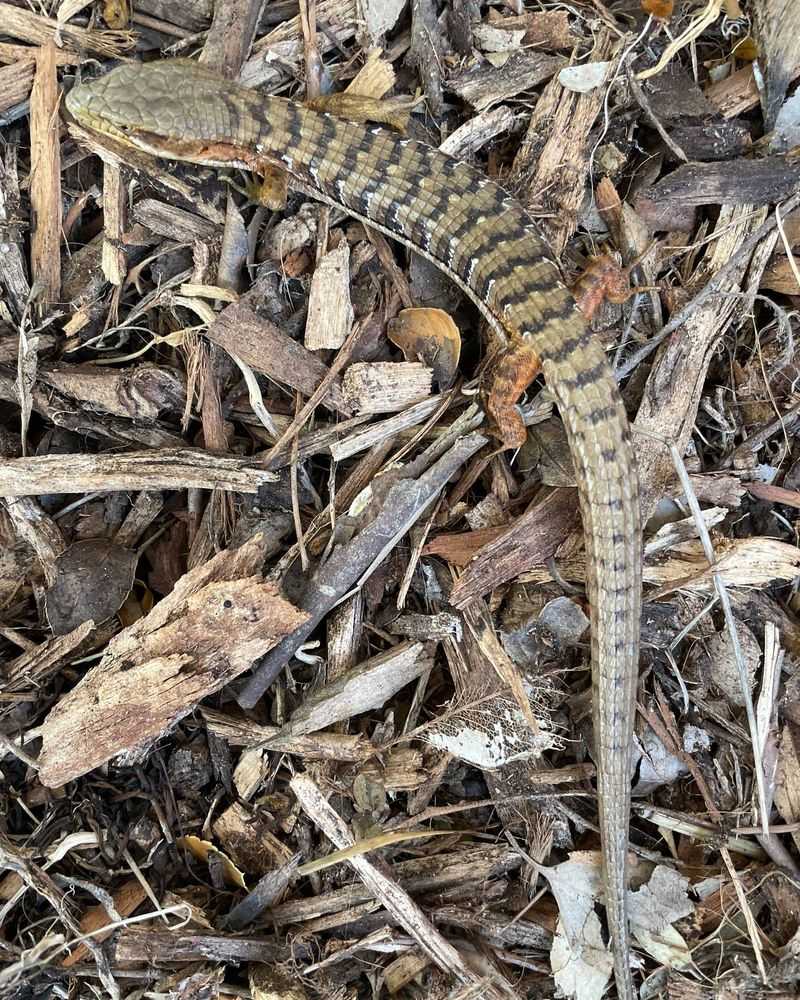
For most outdoor encounters, the right response is simple: watch from a distance and let the lizard go about its business. Alligator lizards are not aggressive, but they are defensive, and a lizard that feels cornered or grabbed may bite firmly enough to puncture skin.
UC IPM’s lizard management guidance is clear that these animals are generally not dangerous to people but recommends wearing a glove if handling is truly unavoidable. Rough or repeated handling stresses the animal and gains you nothing.
Chasing the lizard, lifting the woodpile repeatedly to look for it, or trying to relocate it out of curiosity are all worth skipping. The animal found that spot for a reason, and disturbing it just pushes it to find cover somewhere less convenient, possibly away from your yard entirely.
Observing without interfering is both the kindest and the most effective approach.
There are real exceptions. A lizard that has wandered into a garage, a living space, or a work area poses no danger but does need to be guided back outside.
For indoor encounters, UC IPM recommends carefully directing the lizard toward an open door or gently capturing it in a container and releasing it outdoors near vegetation or other ground-level cover. If you need to pick one up, use a gloved hand and handle it briefly and calmly.
A lizard in a roadway or in immediate physical danger is another situation where careful relocation near cover is reasonable. Once it is safely outside, check around the base of the building for openings roughly one-quarter inch or larger in diameter.
Sealing those gaps reduces the chance of future indoor entries without harming the animals outside. Keeping one as a pet or collecting it from the wild is not a good option; California has species-specific rules about collecting and keeping native reptiles, and the California Department of Fish and Wildlife is the right place to check if you have questions about what is permitted for a particular species or activity.
Slug control still requires a garden plan
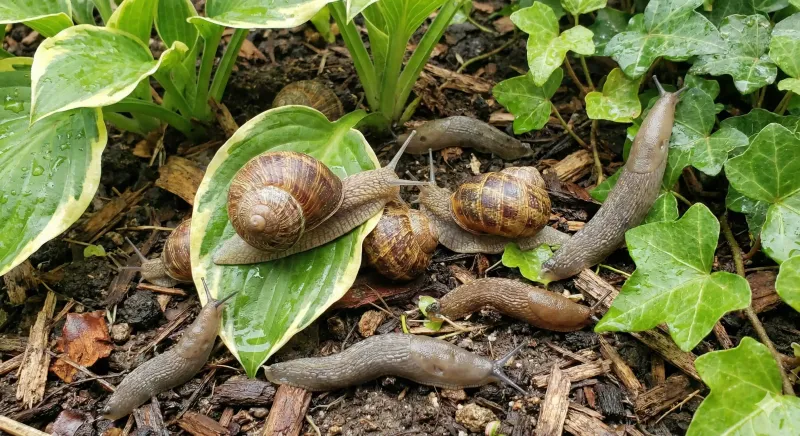
Spotting an alligator lizard near your garden beds is encouraging, but it does not replace a slug management plan. UC Cooperative Extension guidance on slug and snail IPM is explicit that natural enemies, including native predators, often cannot provide satisfactory control on their own.
If you have confirmed slug or snail damage, the lizard is at best one part of a larger response, not the whole answer.
Start by confirming the pest. Irregular holes in leaves, silvery slime trails on soil or foliage, and chewed seedlings overnight are the clearest signs of mollusk activity.
Once you know what you are dealing with, habitat modification is the most durable first step. UC IPM’s snail and slug management page recommends reducing hiding spots by clearing debris, watering in the morning rather than evening so soil surfaces dry out before nightfall, and avoiding thick mulch layers directly against plant stems.
Hand-picking is time-consuming but highly effective when done consistently at dusk or with a flashlight after dark. Dropping collected slugs into soapy water finishes the job without chemical residue.
Copper tape barriers, coarse diatomaceous earth applied around vulnerable beds, and plant selection that favors less palatable species round out the non-chemical toolkit.
When a targeted treatment is genuinely needed, UC IPM guidance on pesticide use recommends identifying the specific pest first and choosing the least-disruptive option rather than reaching for a broad-spectrum product. Iron phosphate baits, for example, are effective against slugs and snails and break down into compounds that are not harmful to most other garden wildlife.
UC IPM’s biological control resources note that broad-spectrum pesticides can harm the very natural enemies, including native lizards, that contribute to keeping pest populations in check over time.
The alligator lizard under your woodpile fits into this picture as a native predator that may occasionally eat a slug or snail. That contribution is real but unpredictable.
Treat it as a welcome part of the food web while building a garden management plan that does not depend on it. UC IPM confirms that California lizards cause no measurable plant damage and may help by consuming pest insects, which is a good reason to keep them around without expecting them to solve your slug problem single-handedly.
Wildlife-friendly cover must still meet California fire rules
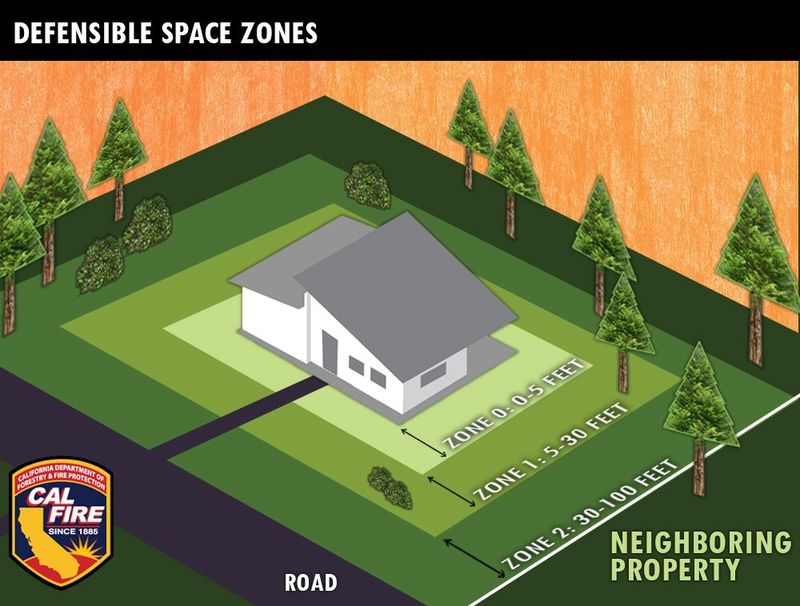
A woodpile that shelters a lizard is still a pile of combustible material sitting in a California yard during wildfire season. Those two facts do not cancel each other out, and wildlife stewardship does not give a homeowner permission to skip defensible-space requirements.
CAL FIRE defensible space guidance addresses firewood and lumber placement directly, placing combustible materials within the defensible-space planning framework rather than treating them as neutral yard features.
Do not move, enlarge, or build a new woodpile with the goal of attracting lizards. If your current pile is positioned against the house, under a deck, or in a spot that conflicts with your local fire-safety zone requirements, the correct action is to relocate the pile to a compliant location, not to leave it in place because a lizard might be using it.
A lizard that loses one shelter feature will find another; a house that catches fire during a wind event will not recover as easily.
If you need to move the pile and a lizard is present, relocate the animal carefully to nearby cover first. UC IPM guidance permits careful relocation near vegetation when a lizard is in a work area or immediate danger.
A gloved hand and a calm, deliberate approach are all you need. Once the lizard is safely in nearby ground cover, you can move the wood without worrying about harming it.
The broader principle is that a wildlife-friendly yard in California has to work within the fire-safety rules that protect your home and neighborhood. Those rules exist because the dry late-summer conditions that make a shaded woodpile appealing to a lizard are the same conditions that make combustible yard features genuinely dangerous.
A well-placed, code-compliant woodpile can still provide useful ground-level cover without putting your property at risk.
The sighting points to a usable microhabitat—not a problem to fix
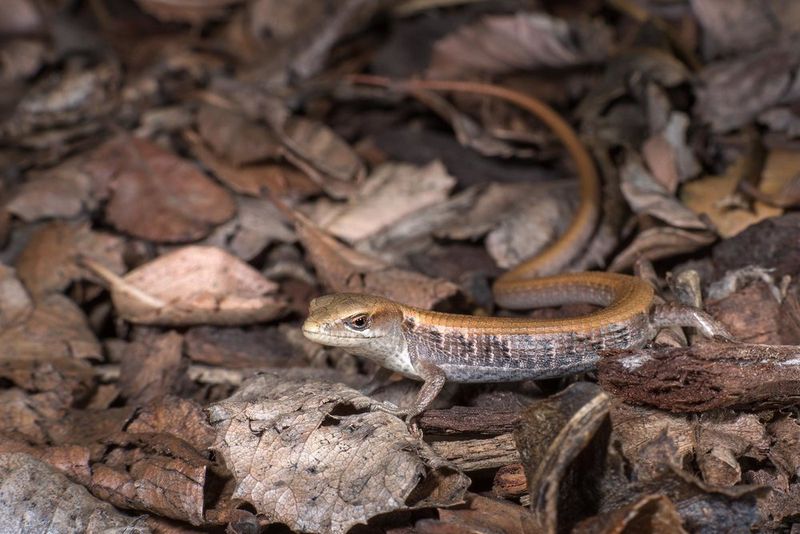
Putting the whole picture together, the most accurate reading of an alligator lizard under your woodpile in late summer is this: the animal found cover, some relief from the heat, and a reasonable chance of finding food. That combination is what draws native lizards to a feature, not a single dramatic cause like a slug infestation or a perfect habitat formula.
NHM community science resources frame this kind of sighting as ordinary backyard wildlife behavior rather than a signal that something is wrong or unusually right.
A few practical responses follow from that reading. Leave the lizard alone if it is outdoors and not in danger.
Manage any confirmed slug or snail damage through the integrated steps described earlier, including habitat modification, hand-picking, and targeted controls when needed, rather than waiting to see whether the lizard handles it. UC IPM and UC IPM slug guidance both support this approach.
Skip broad-spectrum pesticides where possible, since they can harm the native predators that contribute to a functioning backyard food web.
Keep your woodpile in a location that complies with CAL FIRE defensible space rules, and do not rearrange it for the lizard’s benefit if doing so creates a fire risk. A California yard that offers native ground cover, manageable temperatures, and a thoughtful approach to pest control is already doing most of what it takes to support local wildlife.
The lizard showed up because your yard had something useful to offer, and that is a quiet, unscheduled compliment worth accepting without overthinking it.