
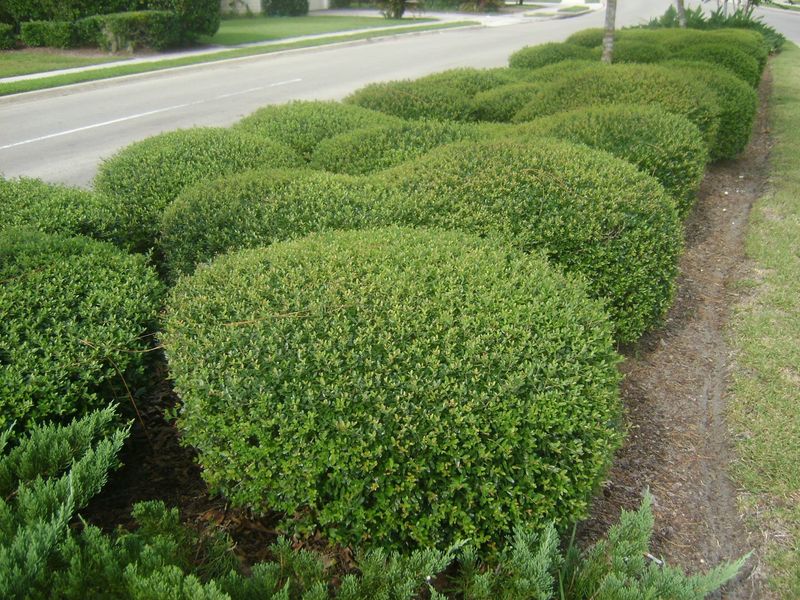
Every North Carolina homeowner who has walked out to find hostas stripped bare or daylilies chewed to stubs knows exactly how frustrating deer pressure can be. Yaupon holly, a native evergreen shrub rated highly resistant to deer damage by NC State, is a strong candidate for a low-maintenance hedge in the Coastal Plain and Piedmont.
Planting several together along a bed’s perimeter may help reduce casual browsing, though it is not a guaranteed fix and is not the same as putting up a fence. Understanding what yaupon actually does, where it grows best, and when you still need stronger protection will help you decide whether it belongs in your yard.
Yaupon Holly Fits the Hedge Job Better Than the Headline Does
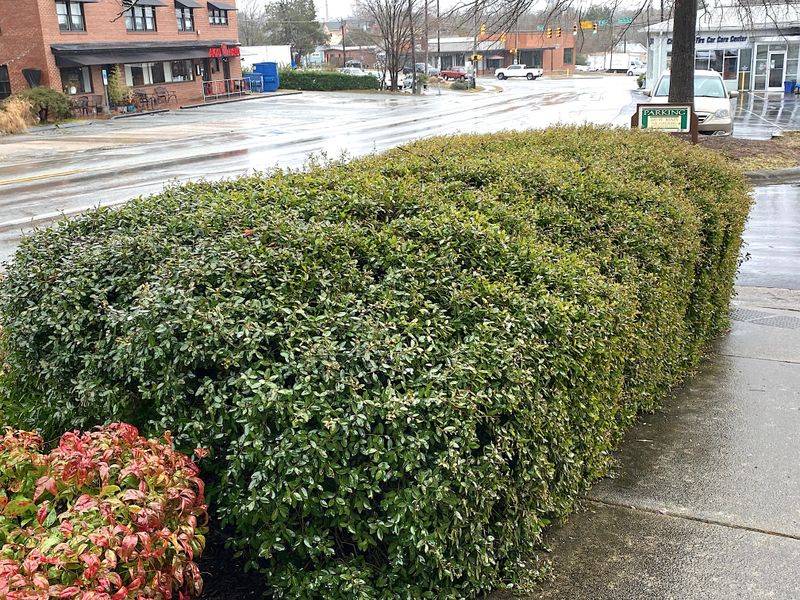
Yaupon holly, known botanically as Ilex vomitoria, is an evergreen shrub native to North Carolina’s Coastal Plain and Piedmont that genuinely earns a close look from any homeowner tired of fighting deer. NC State Extension’s plant profile rates it highly resistant to damage from deer and lists it as suitable for hedges, screens, windbreaks, and barriers.
Those are useful qualities, but they come with an important starting clarification: planting yaupon is a hedge strategy, not a single-shrub solution that guarantees undamaged beds.
The plant itself is evergreen and dense, carrying small, leathery, non-prickly leaves year-round. Its growth habit makes it a reasonable candidate for a perimeter planting along the outside of a garden bed or near known deer-entry points.
Because deer generally prefer other plants over yaupon, a well-placed row of them may reduce casual browsing pressure on more attractive plants placed behind it.
What the evidence does not establish is the specific reason deer tend to skip yaupon, whether that comes down to leaf texture, taste, or something else entirely. NC State supports the “highly resistant” label but does not pin down a mechanism.
Equally important, NC State’s wildlife guidance is direct on one point: no plant is fully safe from hungry deer, and physical exclusion remains the most effective control when damage is substantial. Yaupon is a strong candidate for a deer-resistant native hedge, not a fence replacement.
Its Documented Strengths Make It a Low-Maintenance Border Plant
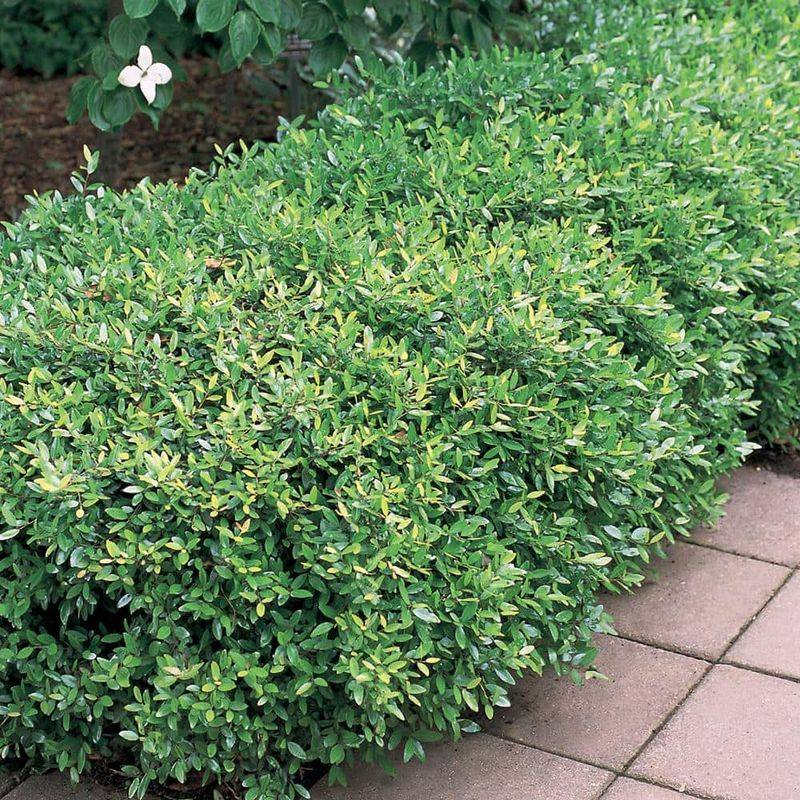
Few native shrubs in the Carolinas tolerate as wide a range of conditions as yaupon holly, and that adaptability is a genuine asset for a homeowner who wants a border that mostly takes care of itself. NC State’s plant toolbox entry for yaupon confirms tolerance of full sun through deep shade, clay and sandy soils, moist conditions including occasional flooding, salt spray, and dry spells once established.
That list covers a lot of real backyards across the Coastal Plain and Piedmont.
Pruning is another practical advantage. Yaupon responds well to heavy shearing, which means you can shape it into a formal hedge, maintain a specific height, or cut it back hard if it outgrows its space.
More sun generally encourages a thicker, denser canopy and more fruit production, so placing a hedge row along a sunny perimeter gives you the fullest screen the plant can produce.
For everyday landscape performance, these qualities add up to a shrub that stays green through winter, holds its shape with moderate pruning, and does not demand supplemental irrigation once roots are established. Gardeners who have struggled to keep boxwood alive through a wet spring or a dry August will recognize how valuable that resilience is.
One note on expectations: these site-tolerance and pruning traits support hedge and screen use, but they do not prove that a yaupon border will change how deer move through a yard. The traits explain why yaupon is practical to maintain as a border plant.
Whether deer actually avoid the area behind it depends on local pressure, season, and how much other food is available nearby.
Use Several Plants as a Possible Fronting Strategy
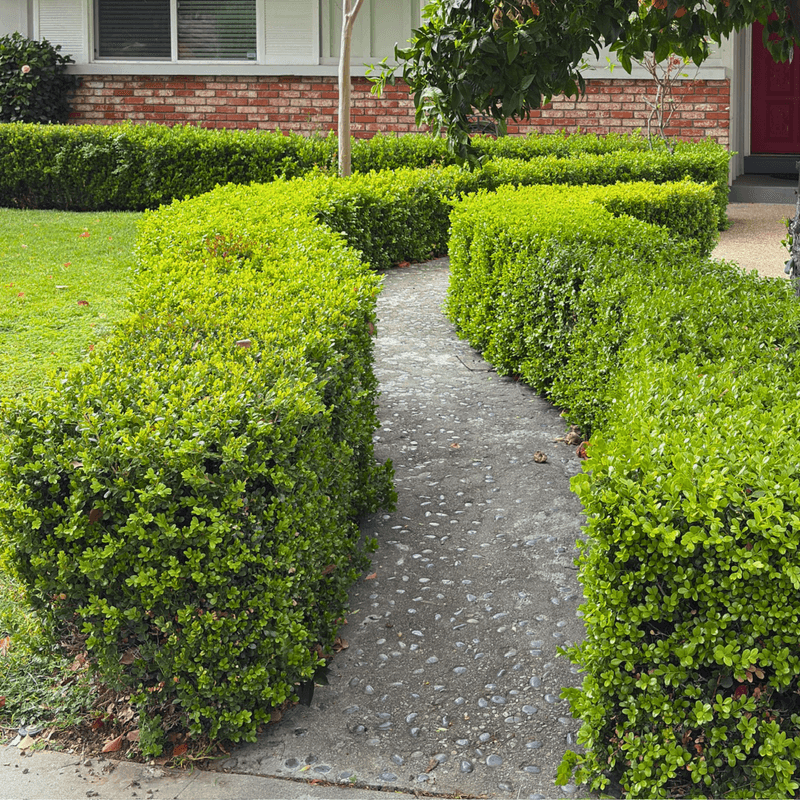
Putting a single yaupon holly in front of your flower bed and calling it deer protection is not a plan that holds up. A more reasonable approach, drawn from broader extension guidance, is to consider a row of several yaupons planted along the outer edge of a bed or near the routes deer most commonly use to enter the yard.
The idea is to place a plant that deer generally skip between them and the plants they actually want.
Extension guidance on preventing deer damage supports the concept of placing less palatable plants between deer and more attractive ones as part of a layered landscape strategy. Yaupon fits that role well in the Coastal Plain and Piedmont given its deer-resistance rating and suitability for mass planting, as noted in NC State’s yaupon profile.
The honest qualifier is that the sources do not demonstrate a yaupon perimeter reliably reduces browsing or keeps deer out of a bed. Casual deer may be deterred by encountering plants they find less appealing.
Hungry deer in late winter or during drought will push past a lot of things, yaupon included. Treat this as a strategy that may help in some situations, not a guaranteed outcome.
Spacing matters when you install a row of yaupons. Allow room for the mature canopy spread, which can reach 8 to 12 feet wide for the standard species form.
Crowding plants too closely to speed up screening often leads to poor air circulation, disease pressure, and plants that eventually need major cutting back. Monitor the border through its first two growing seasons and watch where deer actually approach.
If browsing continues on the plants behind the hedge, add plant-selection changes or targeted exclusion rather than waiting to see if the yaupons eventually do more.
NC State’s landscaping for wildlife guide reinforces that thoughtful native-plant layering supports a healthier yard overall, though the benefit is ecological, not a deer-control guarantee.
Match Mature Size and Berry Expectations to the Site
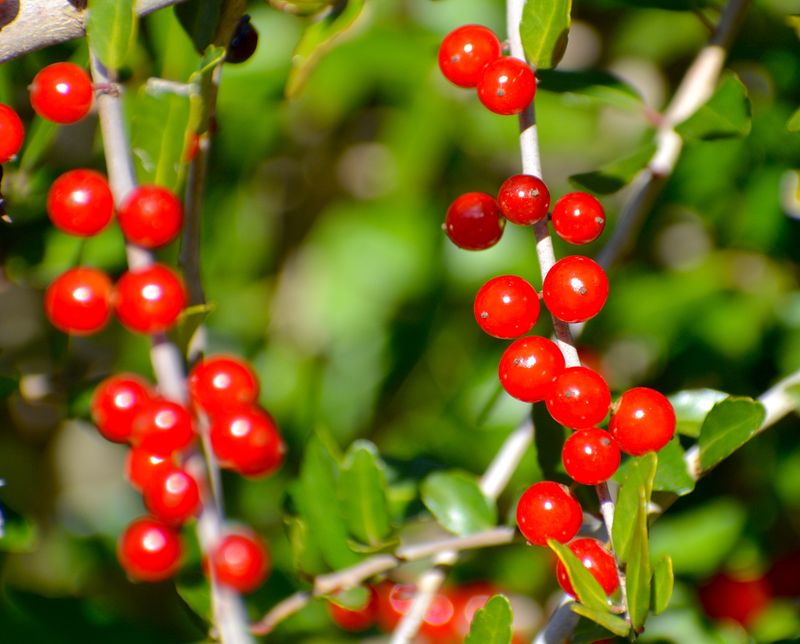
Yaupon holly’s adaptability can work against you if you plant the standard species in a space that cannot accommodate a 10 to 20-foot-tall shrub or small tree with a spread of 8 to 12 feet. NC State’s profile lists those as the typical dimensions, and the plant can also send up suckers that form thickets if they are not removed regularly.
A row of standard yaupons along a back fence line may be exactly right; the same plants crowded against a narrow foundation bed will outgrow the space within a few years.
For smaller yards, tighter beds, or locations near walkways and foundations, dwarf cultivars are the practical answer. NC State’s dwarf yaupon holly entry highlights forms such as ‘Dwarf’ (also sold as ‘Nana’), ‘Stokes Dwarf’, and ‘Taylor’s Rudolph’ as appropriately sized options that maintain the species’ evergreen habit and deer-resistance rating without the aggressive spread of the full-size plant.
These compact forms are better suited to a multiple-plant hedge in a small yard because they stay manageable with light pruning rather than requiring heavy seasonal cuts.
Berry expectations are a separate planning decision. Yaupon is dioecious, meaning male and female flowers grow on separate plants.
A female plant only produces the characteristic bright red berries if a compatible male plant is growing nearby to provide pollen. If berry production for bird habitat or winter color matters to you, make sure your hedge includes at least one male plant within pollination range of your female plants.
Buying all plants from the same nursery source and asking staff to confirm which are male and which are female will save the frustration of waiting several seasons for fruit that never comes.
Keeping the hedge strategy in mind throughout this planning step is the practical takeaway. Choose the right form for the space, account for suckering, and sort out the male-female pairing before you buy, rather than after the plants are in the ground.
Check Regional Fit Before Planting in North Carolina
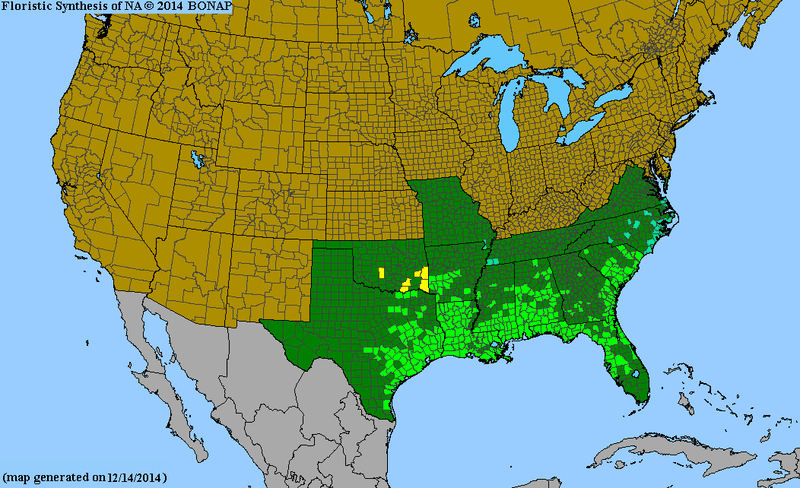
Yaupon holly is genuinely native across a large part of North Carolina, but not all of it. NC State’s plant toolbox lists the Coastal Plain and Piedmont as yaupon’s North Carolina range and assigns it hardiness zones 7a through 9b.
Gardeners in those regions can reasonably consider yaupon a locally appropriate native. Gardeners in the mountains should not assume it is the right fit for their site without checking whether their specific location falls within that zone range.
Mountain NC gardeners looking for a deer-resistant native alternative should research species that are genuinely native to their elevation and region. American holly is one option that NC State rates as highly deer resistant and native across North Carolina, but it comes with a major size caveat: NC State’s American holly profile shows it can mature into a 40 to 60-foot tree, which makes it unsuitable for most residential hedges or small yards regardless of deer pressure.
Neither species is a universal answer for every North Carolina homeowner.
Regional fit matters beyond just deer resistance. A plant that is not locally native may perform unpredictably, fail to support the insects and birds that evolved with it, or require more maintenance to stay healthy in the wrong soil or climate.
NC State’s native plants chapter makes the case that choosing plants native to your specific region, rather than broadly to the Southeast, gives you the best combination of ecological value and site performance.
Before you buy any yaupon holly, confirm your county and hardiness zone. The NC State Cooperative Extension county offices can help with that check, and the plant toolbox’s zone map makes it easy to see whether yaupon belongs in your part of the state.
Account for Wildlife Benefits and Household Safety
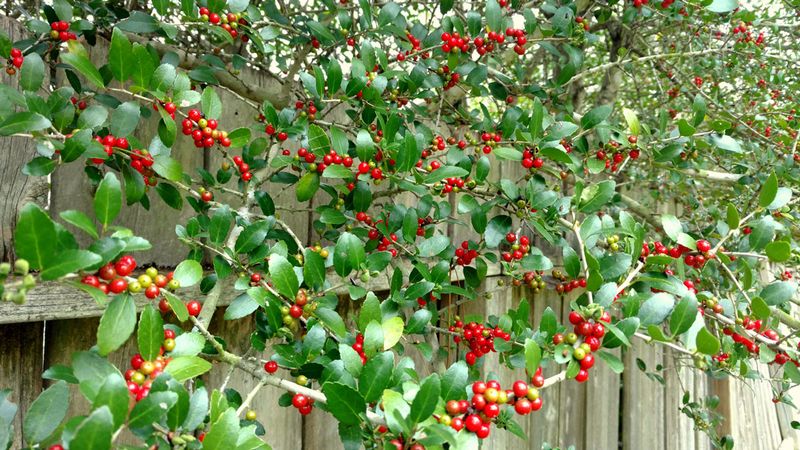
Yaupon holly earns its place in a wildlife-aware yard for reasons that go well beyond deer resistance. NC State’s plant profile documents that its flowers attract bees and butterflies in spring, its berries are eaten by songbirds and small mammals through winter, its dense evergreen canopy provides cover for birds during cold months, and the plant serves as a larval host for Henry’s elfin and holly azure butterflies.
A yaupon hedge genuinely supports the backyard food web.
That ecological value is real, and it matters. At the same time, a yard full of birds and pollinators does not mean deer stay out.
NC State’s native landscaping guide supports thoughtful native planting for wildlife but does not claim that native shrubs eliminate deer browsing elsewhere on the property. The two outcomes, good wildlife habitat and reduced deer damage, can coexist, but one does not guarantee the other.
Safety around the berries and leaves is a separate topic that deserves direct attention. Poison Control notes that holly berries can cause nausea, vomiting, and diarrhea in people and pets if eaten.
NC State also classifies yaupon as having low-severity poisonous characteristics. Children and pets should not be encouraged to handle, eat, or harvest berries, leaves, or any other part of the plant.
Position a yaupon hedge with that access question in mind, particularly if young children play near the planting.
Fire safety is another siting factor that surprises many homeowners. NC State assigns yaupon a high flammability rating.
In areas of North Carolina where wildfire risk is a real concern, placing yaupon within the defensible space immediately surrounding a home is not recommended. Use it as a perimeter hedge farther from the structure, and choose lower-flammability plants for the zone closest to the foundation.
Severe Deer Pressure Still Requires Physical Exclusion
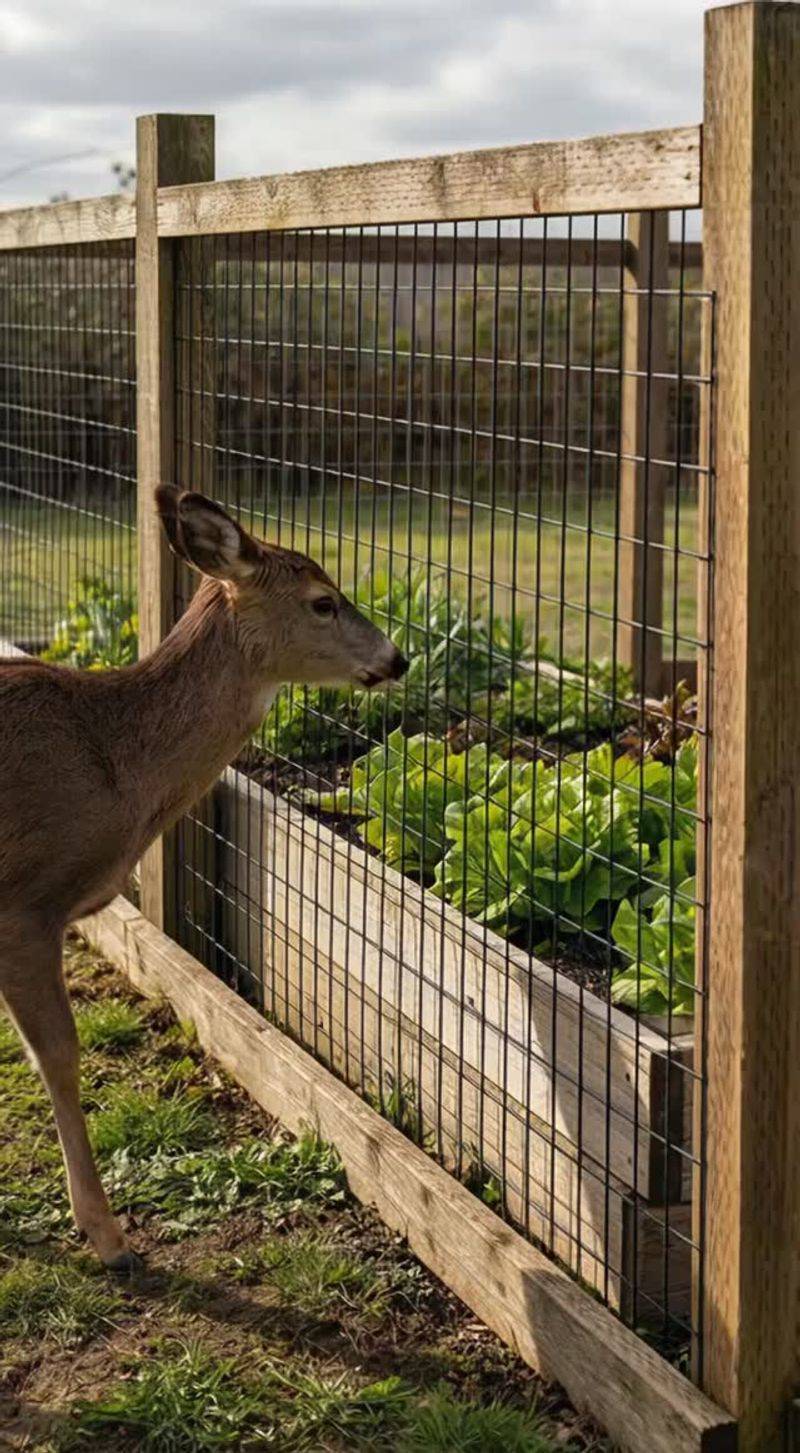
A yaupon hedge is a reasonable part of a deer-management approach, but there are situations where it is simply not enough. University of Minnesota Extension’s deer damage guide is consistent with NC State guidance on this point: deer can and do browse plants rated resistant to damage when they are hungry, nutritionally stressed, or when local pressure is high and food is scarce.
Resistance ratings describe what deer generally prefer to skip, not what they will never touch under any conditions.
Physical exclusion is the most effective control when damage is substantial. NC State’s wildlife chapter identifies exclusion as the strongest available method for protecting high-value plantings.
The situations that most clearly call for a fence include vegetable gardens where every plant is highly palatable, areas that sit directly on established deer trails, and properties that see heavy browsing pressure year-round rather than seasonal spikes.
For larger areas, extension sources generally recommend an approximately 8-foot woven wire fence, because deer are capable jumpers and lower barriers are often cleared without hesitation. Minnesota Extension’s plant protection guide notes that smaller, enclosed spaces can sometimes be protected at lower heights because deer are reluctant to enter confined areas where jumping in and out feels risky.
That option applies to specific small beds, not to open yard borders.
Repellents are a common go-to, but their track record is limited. Minnesota Extension’s garden protection advice describes many sensory deterrents as temporary measures that lose effectiveness as deer habituate to them.
Chemical repellents generally need reapplication after rain and before new growth emerges. Soap, human hair, noise devices, and similar household remedies are inconsistent and should not be counted on for reliable long-term control.
Treat repellents as a short-term supplement while you evaluate whether a physical barrier is warranted, not as a substitute for one.
Treat Yaupon as One Layer of a Deer-Management Plan
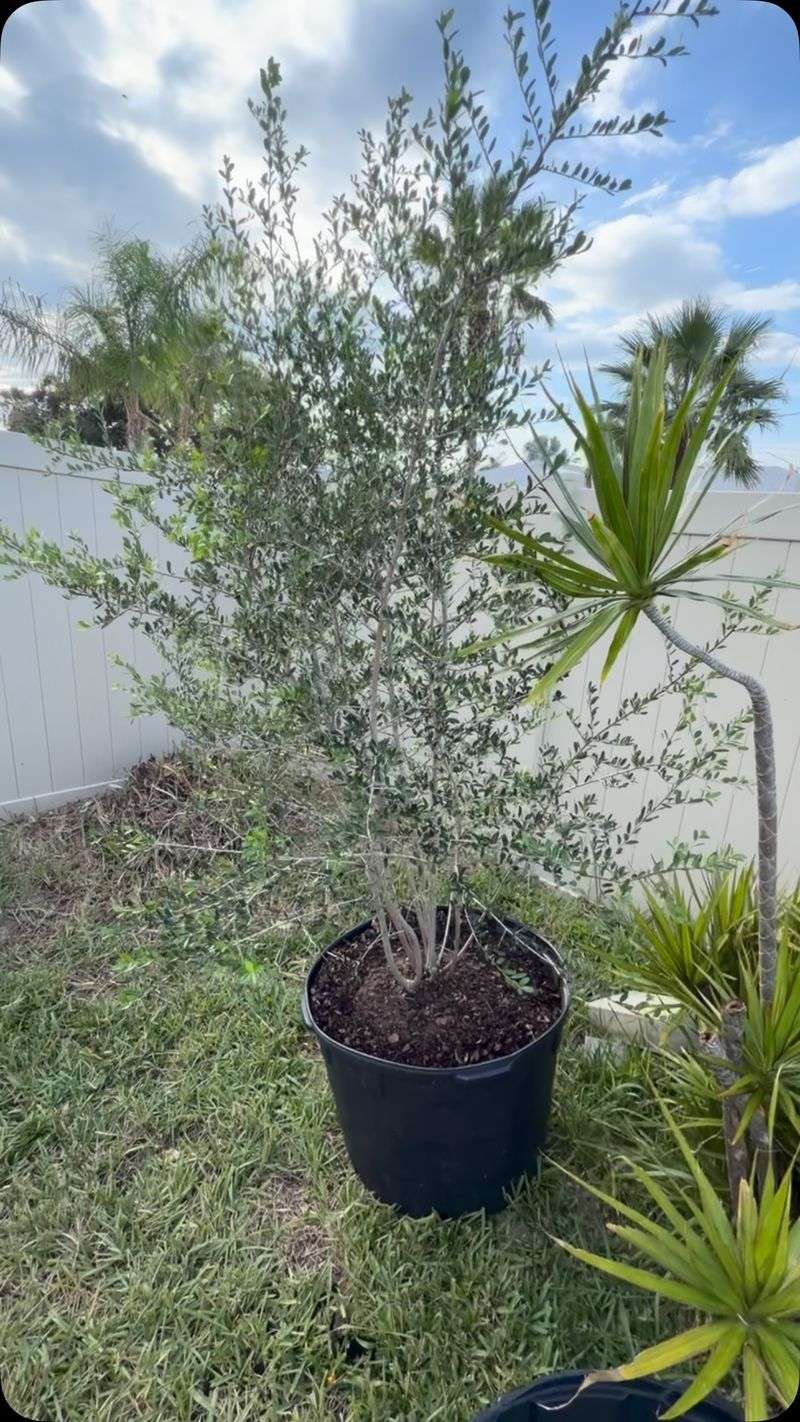
Before buying any plants, confirm that yaupon holly fits your specific region and site. NC State’s yaupon profile establishes the Coastal Plain and Piedmont as its North Carolina range, and its high flammability rating means it should stay away from defensible space near the home if wildfire is a concern where you live.
Once regional and safety fit are confirmed, choose a cultivar sized for the actual space. Standard yaupon can reach 10 to 20 feet tall; dwarf forms suit smaller beds and foundation borders.
Install multiple plants rather than one, space them for their mature canopy width, and position them along the outer edge of the bed or near the routes deer most commonly use. Place the plants you most want to protect farther inside that perimeter.
Extension guidance on deer damage prevention supports placing less palatable plants between deer and more attractive ones as a layered approach.
Monitor through the first two growing seasons and watch where deer actually apply pressure. If browsing continues on plants behind the hedge, that is the signal to add targeted exclusion rather than simply waiting.
NC State’s wildlife guidance is clear that exclusion remains the most effective method when damage is substantial. Yaupon holly can be an unusually useful, low-maintenance native hedge in the regions where it genuinely belongs, but the honest takeaway is that a row of shrubs and a deer-proof fence are two very different things.