
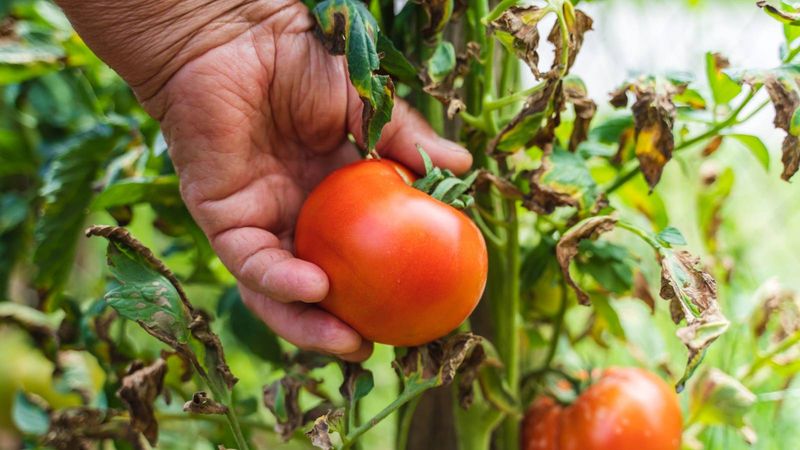
August is a tough month for tomato plants across the South. What looked like a thriving garden a few weeks ago can suddenly go quiet, with flowers dropping and almost no new fruit forming.
Many gardeners reach for fertilizer first, but the real culprit is often something no amount of feeding can fix. Understanding what is actually happening to your plants is the fastest way to stop the slide and make the most of whatever growing season remains.
Late-Summer Heat Often Slows Tomatoes More Than Feeding Does
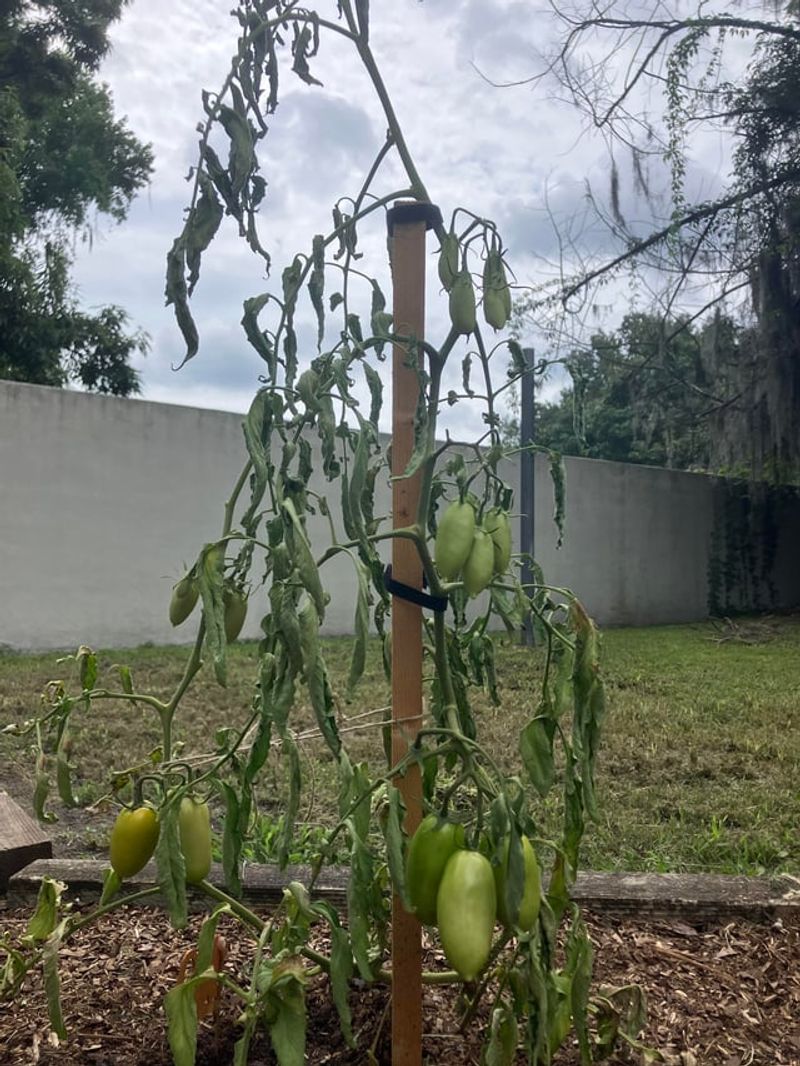
Reaching for a fertilizer bag the moment tomatoes stall in August is an understandable move, but it often misses the real problem. When daytime temperatures stay consistently above roughly 90 to 92 degrees Fahrenheit and nighttime temperatures hold above about 70 degrees, tomato plants can effectively shut down their flowering and fruit-setting process even when they look perfectly healthy from a distance.
The trouble happens at the level of pollen and flower function. Heat can impair pollen viability, disrupt the fertilization process, and cause flowers to drop before fruit ever forms.
Oklahoma State Extension explains that blossom drop during hot spells is a direct temperature response, not a sign that the plant is dying or starving. The foliage may stay green and vigorous while new tomato production essentially pauses.
What you are seeing is a production pause, not permanent plant failure. University of Minnesota Extension notes that high heat can slow fruit development and ripening even when everything else is in order.
The visible symptom is typically fewer flowers and almost no new fruit set, rather than the yellowing or wilting that signals a nutrient problem.
Before adding any fertilizer, the more useful question is whether heat is doing most of the work here, and whether a feeding routine is making the situation worse on top of that. That two-part check is what the rest of this guide walks through.
How Excess Nitrogen Can Distort Fruiting During a Heat Stall
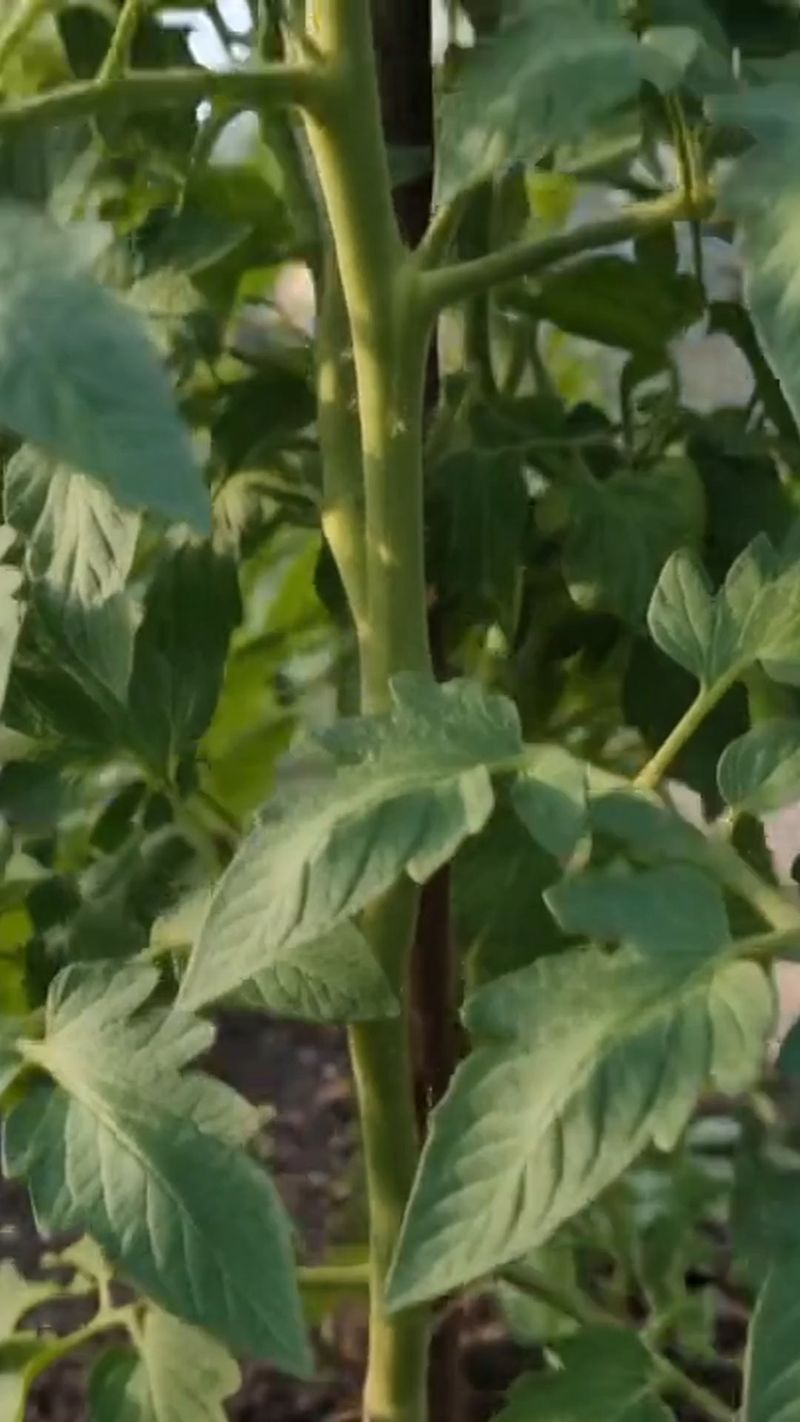
Among all the fertilizer mistakes a gardener can make in late summer, repeatedly applying high-nitrogen products to a plant that is already dark green and leafy is the one most likely to compound a heat-related fruiting problem. Nitrogen is the nutrient that drives vegetative growth, meaning stems, leaves, and shoots.
When a plant has plenty of it, energy goes into building more canopy rather than setting and developing fruit.
University of Minnesota Extension’s tomato guide points out that excess nitrogen can produce overly vigorous plants that delay flowering and set fewer fruits. Purdue Extension similarly notes that over-fertilization with nitrogen encourages lush foliage at the expense of the fruiting the gardener actually wants.
A plant that is already stalled by heat and then receives another round of high-nitrogen liquid feed may push out more leaves while the fruit count stays low.
The key boundary to hold here is that excess nitrogen can worsen the plant’s fruiting imbalance during a heat stall. It does not make the heat itself worse, and it is not the explanation for every stalled tomato.
A plant with pale, yellowing lower leaves in sandy soil may genuinely need nitrogen, not less of it.
The feeding habit most worth examining is the automatic, calendar-driven application of high-nitrogen fertilizer to a plant that shows no signs of deficiency. That routine can tip an already heat-stressed plant further away from fruit production without solving anything temperature-related.
Read the Leaves, Flowers, and Growing Medium Together
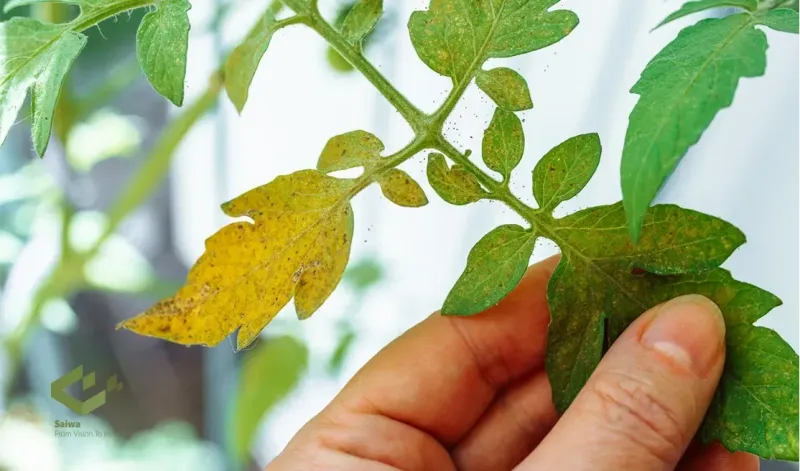
Before changing anything about the feeding program, spend a few minutes actually reading the plant. Heat stress and nitrogen deficiency can both slow a tomato down, but they leave different calling cards, and treating one when you have the other will not help.
A heat-stressed plant often looks deceptively healthy in terms of color. The foliage stays green, sometimes even a deep, glossy green, but the leaves may curl upward or inward during the hottest part of the day.
Flowers drop before they can be pollinated, and the fruit count stays low or stops climbing. Oregon State Extension’s heat-wave garden guide describes this pattern clearly: the problem shows up in flower and fruit behavior, not in the color or texture of mature leaves.
A Virginia Cooperative Extension resource on tomato problems reinforces that poor fruit set and overall slow growth are not the same symptom and should not be treated identically.
Nitrogen deficiency looks different. Colorado State Extension specifically flags that tomatoes grown in low-organic-matter or sandy soils can run short of nitrogen in mid- to late summer.
The tell is yellowing that begins on older, lower leaves and works its way upward as the plant cannibalizes nitrogen from mature tissue to feed new growth.
The growing medium, irrigation pattern, recent fertilizer history, and current temperatures all belong in this diagnosis. Visual symptoms alone cannot replace a soil test, but they can point you toward the right next question before you open a bag of fertilizer.
Reset the Feeding Routine Without Starving the Plant
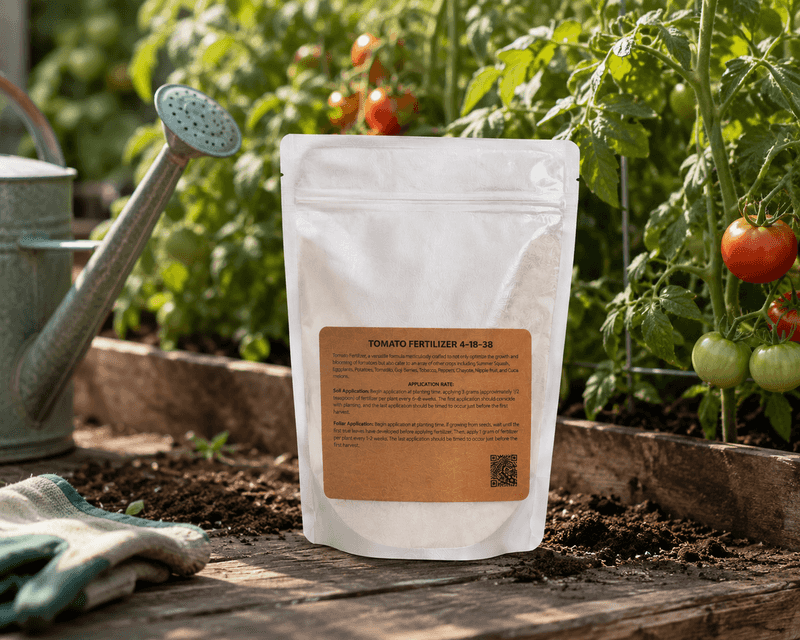
Correcting a late-summer feeding routine does not mean stopping all nutrition and hoping for the best. The reset follows a sequence: pause any high-nitrogen applications that are not backed by a clear deficiency signal, review what you have applied and when, assess the soil or growing medium, and then follow a soil-test recommendation or the product label before resuming.
University of Illinois Extension’s tomato guide describes side-dressing as a common home-garden approach, typically applied after the first fruits have enlarged rather than on a fixed weekly schedule. Commercial production programs often split nitrogen into multiple smaller applications across the crop cycle rather than front-loading it.
Neither approach maps directly onto every home garden, which is why the label and the soil test matter so much.
Resist the pull toward automatic high-phosphorus bloom boosters. UC IPM’s tomato fertilization guidance is clear that phosphorus additions produce little or no response when soil levels are already adequate or high.
Soil testing should determine whether phosphorus or potassium is actually needed before any product is applied.
Excess fertilizer carries real risks, particularly in containers, sandy soils, and hot conditions. UF/IFAS guidance for Florida home gardens warns that over-application can cause salt injury and root damage, which adds water stress on top of heat stress.
University of Minnesota’s fertilizing guide reinforces that rates should match the plant’s actual condition and the product’s label directions, not a universal tablespoon count.
Pausing unnecessary feeding is not the same as abandoning nutrition for the season. Long-season indeterminate tomatoes may genuinely need additional nutrients later, especially in depleted or sandy soils, but that need should be confirmed rather than assumed.
Protect the Root Zone While Temperatures Stay High
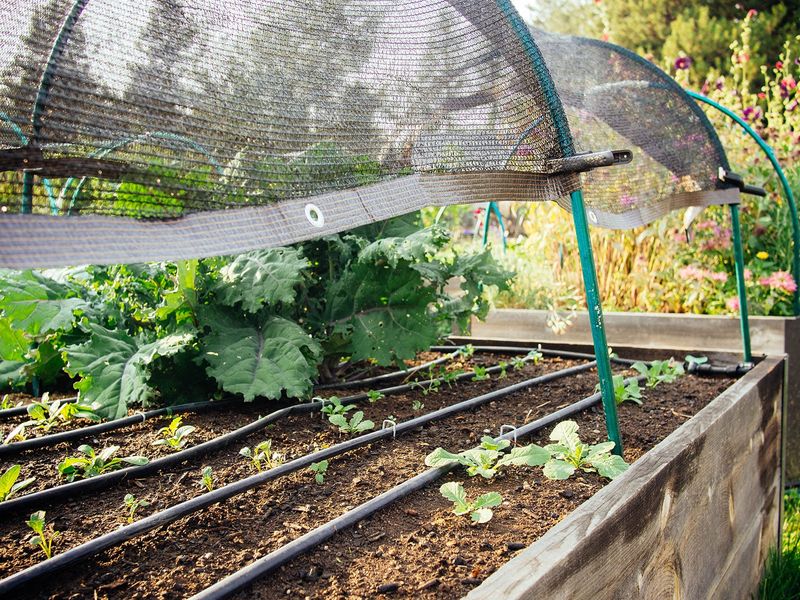
While you are sorting out the feeding question, the root zone needs consistent support. Alternating between letting the soil dry out completely and then flooding it with water is one of the more damaging patterns a gardener can fall into during a heat wave, and it is extremely common when watering feels like guesswork.
Even soil moisture matters more than total water volume. University of Minnesota Extension’s irrigation guide for vegetables recommends consistent moisture delivery over erratic deep soakings, especially during heat stress periods.
Drip lines or soaker hoses keep water at the root level, reduce evaporation, and keep foliage drier, which lowers the risk of fungal problems that can compound heat stress.
Mulch is one of the most practical tools available in a Southern summer garden. University of Minnesota’s mulching guide documents that a 2 to 3 inch layer of organic mulch reduces evaporation, moderates soil temperature, and helps maintain the even moisture that stressed roots need.
In Florida and Texas, where soil surfaces can reach damaging temperatures in full sun, mulch is not optional during August.
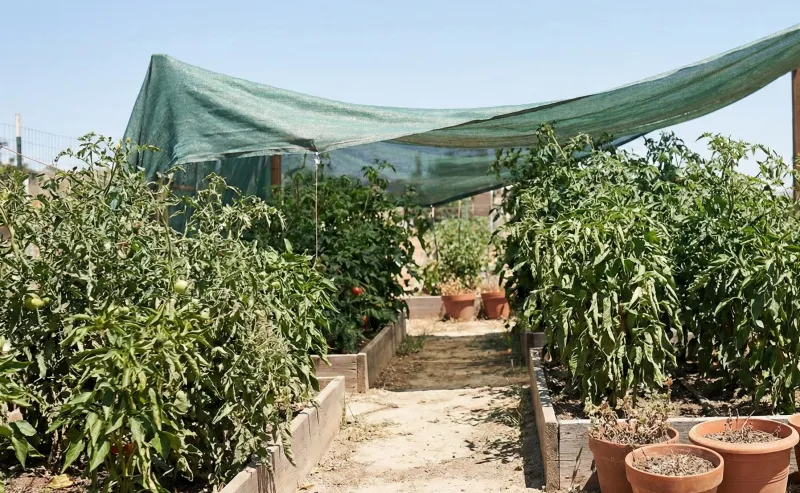
Temporary afternoon shade from shade cloth or a well-placed cover can reduce the heat load on a plant during an extreme spell. Extension guidance on keeping gardens through heat waves notes that shade may reduce stress, but it will not restore fruit set while temperatures remain too high for reliable pollination.
Think of shade as a way to buy the plant time, not as a cure for the underlying temperature problem.
Check Variety, Containers, and Other Causes Before Adding More
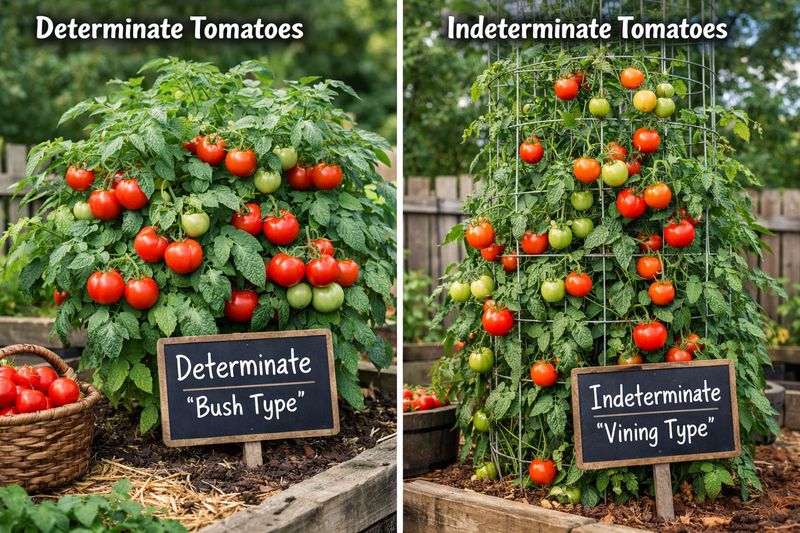
Not every August slowdown points to the same problem, and adding more fertilizer without checking a few other variables can make things worse. Starting with the plant type is worth a minute of your time.
Determinate tomatoes are bred to set the bulk of their crop over a compressed period and then naturally slow down, because they stop extending from their terminal growing points after reaching a set size. University of Illinois Extension explains that this growth pattern is normal, not a sign of a feeding mistake.
University of Georgia’s Georgia Homegrown Tomatoes guide notes that indeterminate varieties, by contrast, keep producing new growth and flower clusters as long as conditions allow, so a slowdown in an indeterminate plant is more worth investigating.
Container tomatoes deserve their own assessment. University of Minnesota’s container gardening guidance explains that frequent watering can leach nutrients faster from a restricted root volume, but repeated feeding can also raise salt levels quickly in that same confined space.
Follow the product label and water thoroughly without leaving roots sitting in saturated conditions.
Several other problems can mimic a fertilizer issue and require their own symptom checks. University of Minnesota’s tomato disorders resource and UGA’s plant disease guide both point to disease, insect feeding, herbicide drift, root injury, drought, and waterlogged soil as causes that need their own inspection rather than a fertilizer response.
Blossom-end rot is one specific disorder worth addressing directly. Calcium sprays and foliar calcium products are not a reliable fix.
Oklahoma State Extension’s home tomato guide ties blossom-end rot primarily to inconsistent water supply and root stress, not to a simple calcium shortage in the soil. Consistent moisture and reduced root disruption are the better-supported preventive steps.
Use a Diagnosis-First August Checklist
Running through a short checklist before touching the fertilizer bag can save a plant from a well-meaning mistake. Start with temperature: have daytime highs been consistently above 90 to 92 degrees, and are nights staying above 70?
If so, heat is the most likely driver of any fruit-set slowdown, and feeding will not change that until conditions moderate.
Next, look at the actual symptoms. Green foliage with dropped flowers and few new tomatoes points toward heat stress.
Yellowing that starts on older lower leaves, especially in sandy or low-organic-matter soil, may point toward a genuine nitrogen need. Check your recent fertilizer history and the growing medium before drawing a conclusion.
University of Georgia Extension’s production guide and Colorado State Extension’s tomato resource both support using plant symptoms and soil conditions together rather than applying a blanket feeding response.
Maintain even moisture and keep mulch in place while you work through the diagnosis. Pause any high-nitrogen applications that are not backed by a clear deficiency signal or a soil-test result.
If the plant does need feeding, follow the label and your local conditions rather than a universal rate. University of Minnesota Extension notes that many plants resume flowering after temperatures moderate, but recovery depends on heat duration, plant type, root health, and other stresses, so it is not guaranteed.
A feeding reset means stopping automatic fertilizer, not walking away from responsible plant nutrition.