
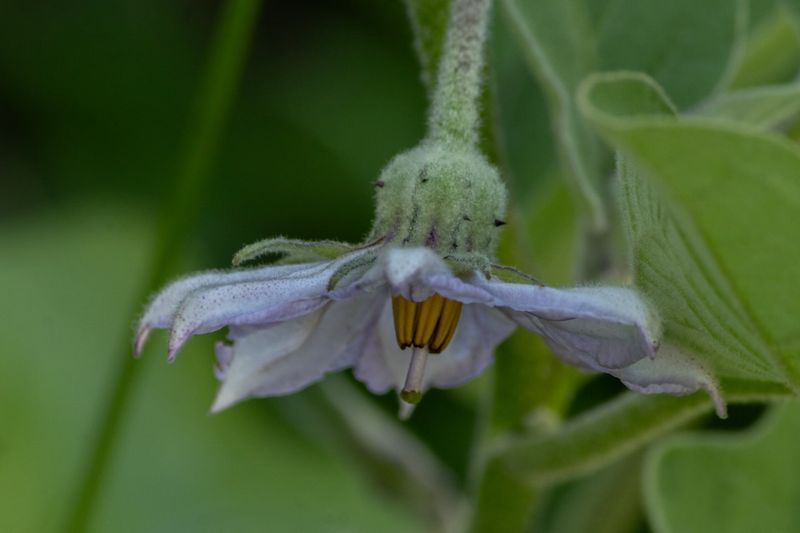
Watching eggplant flowers fall one after another in August without leaving a single fruit behind is one of the more frustrating sights in a summer garden. The good news is that the plant is usually telling you something specific, and the causes are workable once you know what to check.
Heat, soil moisture, and pollination can all play a role, and they often overlap in ways that make a quick fix less reliable than a step-by-step look at what is actually happening. This guide walks through a sensible diagnosis so you can give your next bloom flush the best possible chance.
First confirm that the plant is dropping a flower, not shedding petals
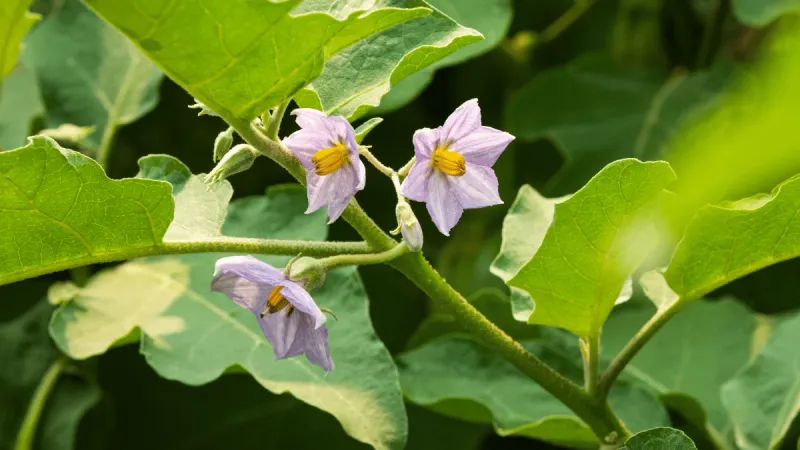
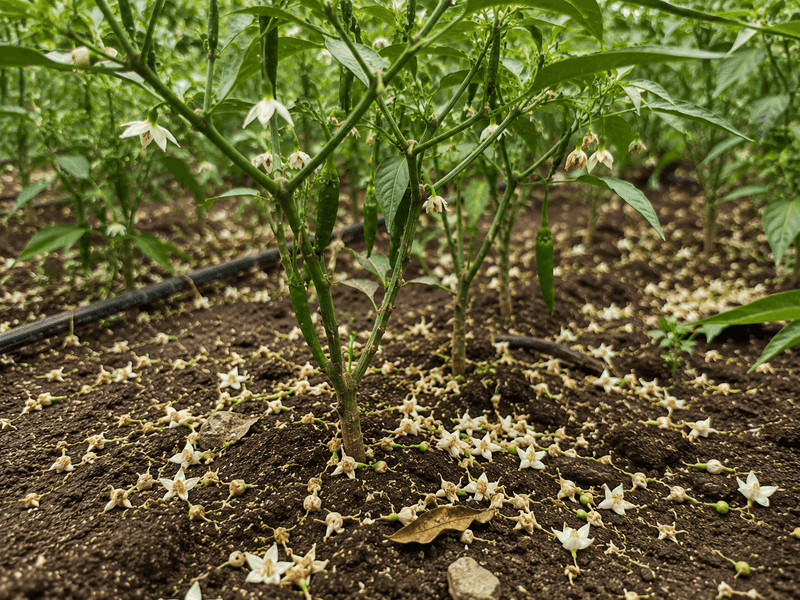
Before reaching for a brush or a watering can, look closely at what is actually falling from the plant. A true blossom drop means the entire flower, including the petals, the small green calyx, and the flower stem, shrivels and detaches before any fruit begins to form.
You will not find a swelling behind the bloom, and the stem where the flower was attached will look clean and bare.
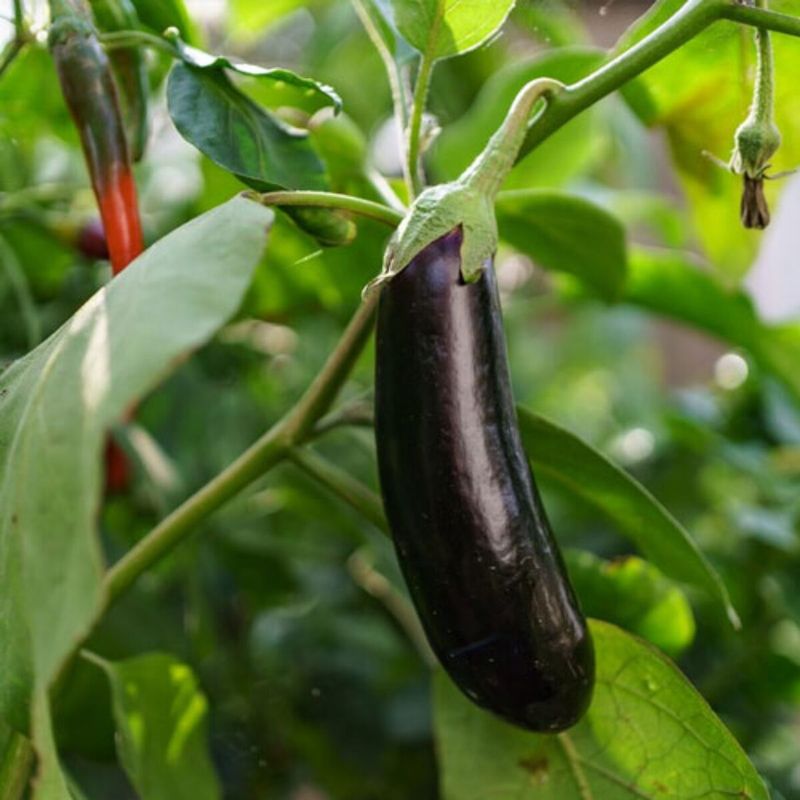
A developing fruit behaves differently. After successful pollination, the petals loosen and fall away on their own, but a small, firm ovary remains attached and begins to enlarge.
That is not blossom drop. That is the plant doing exactly what you want, and mistaking it for failure can lead to unnecessary treatments that add stress rather than solve anything.
Once you have confirmed that whole flowers are falling without leaving anything behind, the diagnosis opens up. UC IPM’s blossom drop guidance lists insufficient pollination, very high or low temperatures, and inadequate soil moisture as recognized causes, which means a healthy-looking plant can still lose flowers when any of those conditions interrupt early fruit development.
Ruling out normal petal shed first keeps you from chasing a problem that does not exist.
Heat can disrupt a flower that is capable of self-pollination
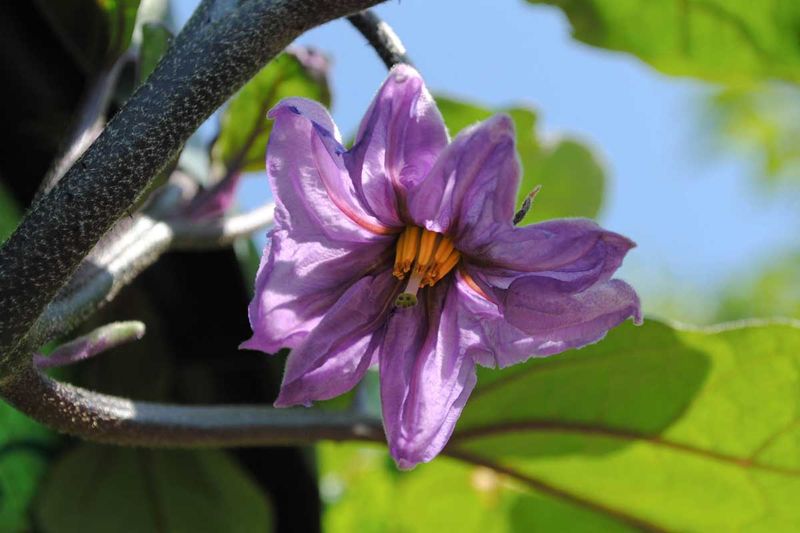
Eggplant flowers carry both male and female reproductive parts, which means a single plant can set fruit on its own. UF/IFAS gardening guidance confirms that eggplant is self-fertile and does not require a second plant or a guaranteed bee visit to produce fruit.
That built-in capability is reassuring, but it does not make the flower immune to heat.
High temperatures can interfere with fruit set in more than one way. On the pollinator side, intense heat can reduce bee and insect activity during the hours when flowers are most receptive, cutting down on the vibration that helps release pollen from the anthers.
On the flower side, heat can affect pollen fertility, pollen release, and even the formation of new flower buds before they open. Research on seasonal fruit-set changes in eggplant found that maximum temperature and precipitation during the first several days after flowers open were closely linked to whether those flowers set fruit successfully.
A separate line of research on parthenocarpic eggplant lines showed that very high temperatures can reduce pollen fertility, with the precise response varying by cultivar. The practical takeaway is that heat and pollination failure are not always separate problems.
When temperatures climb well into the 90s and flowers begin to fall, heat may be causing the pollination failure rather than just accompanying it.
Check soil moisture and recent temperatures before blaming pollinators
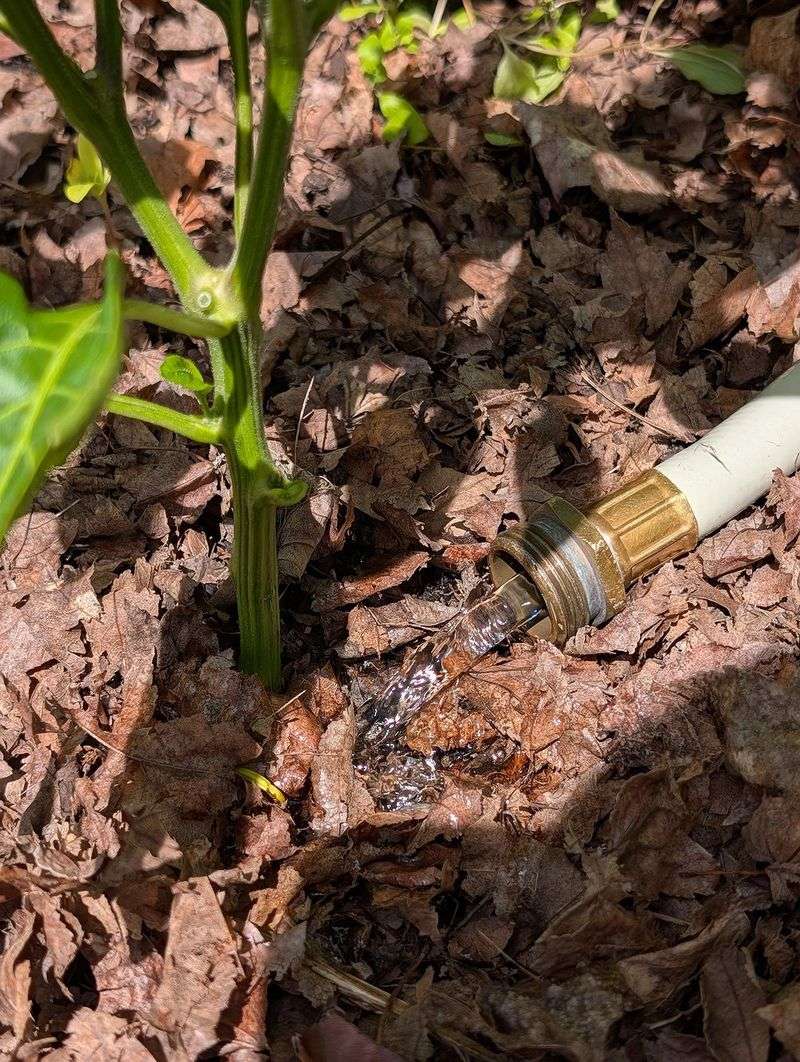
The first physical check should be the soil, not the flowers. Push your fingers or a trowel several inches below the surface near the plant’s root zone.
If the soil feels dry at that depth, water stress is likely contributing to blossom drop regardless of what the pollinators are doing. Flowers are expensive for a plant to produce, and a stressed root system will sacrifice them before it risks the rest of the plant.
UC IPM’s watering guidance for eggplants supports deep, consistent root-zone irrigation, with drip irrigation and mulch noted as practical tools for maintaining even moisture through flowering and fruit set. Overhead watering is not a universal fix and can promote foliar disease, so root-zone moisture management is the safer default recommendation for most home gardens.
After checking the soil, look at recent daytime highs and nighttime lows. Temperatures around 90 to 95 degrees Fahrenheit and sustained heat in the high 90s are conditions where fruit set can become unreliable, but no single number marks a guaranteed failure point.
University of Maryland Extension guidance on poor blossom and fruit set reinforces that cultivar, duration of heat, humidity, and plant water status all influence how a plant responds. A Texas heat wave and a North Florida August can produce very different combinations of temperature, nighttime warmth, and humidity, so base your assessment on what you actually observe rather than the calendar date alone.
Use gentle flower vibration as a low-risk pollination test
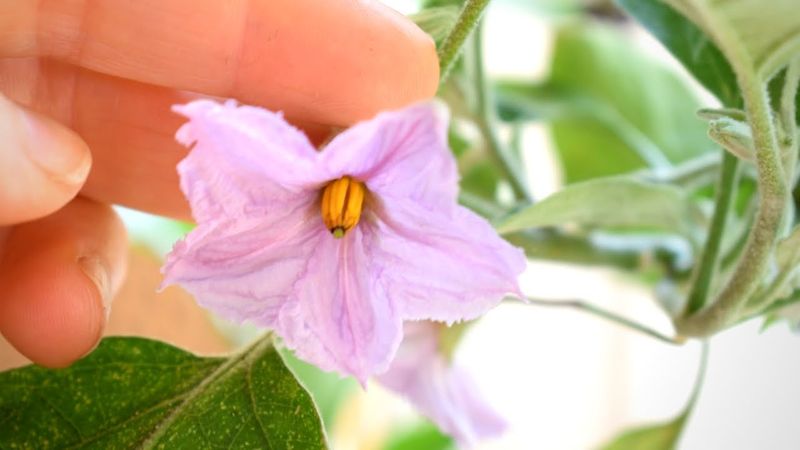
Once you have confirmed that whole flowers are dropping and the soil moisture looks reasonable, gentle vibration gives you a low-cost way to test whether pollen transfer is part of the problem. UC Master Gardeners of Santa Clara County recommend shaking eggplant flowers to improve fruit set, and the approach is straightforward.
When a flower is open and the anthers look mature, tap the flower stem or gently shake the cluster so the anthers vibrate. A small, soft brush can also be used to move pollen from the anther cone to the stigma if you prefer a more direct hand-pollination method.
Repeating this while flowers are open is a practical option, though no specific daily schedule has been established as a requirement by the research. The goal is simply to give viable pollen a better chance of reaching the stigma.
UF/IFAS notes that bee vibration, sometimes called buzz pollination, can improve pollen release and seed set, which is the same mechanism you are mimicking by hand.
The important limit to understand is that vibration helps release available pollen. It cannot restore pollen that heat has already damaged, and it will not compensate for drought stress or poor plant health.
After vibrating a flower, watch for a small swelling that stays attached behind the calyx over the next several days. That enlarging ovary is the sign that something worked.
If the ovary swells and continues to grow, you have a developing fruit. If the whole structure falls, the conditions were not right regardless of the vibration.
Keep flowering plants accessible to pollinators
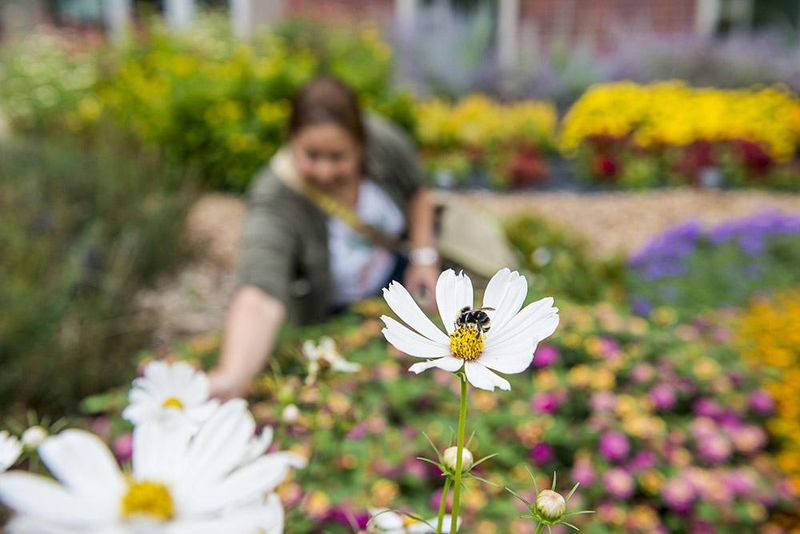
Physical barriers and pesticide timing can quietly cut off a flowering eggplant from the pollinator activity that helps it set fruit. Row covers are useful for warming the soil and keeping pests away during early growth, but Oregon State University Extension advises removing row covers once flowering begins unless you are actively managing ventilation and pollinator access.
A covered flower can self-pollinate in theory, but the reduced airflow, humidity buildup, and blocked insect entry make fruit set less reliable in practice.
Pesticide applications during bloom deserve equal attention. Many insecticide labels restrict use on blooming plants when bees may be foraging, because the flowers attract a range of beneficial insects that can be harmed by contact or residue.
EPA pesticide applicator guidance is clear that label directions are legally binding, and bee-protection restrictions must be followed. If a pest problem genuinely requires treatment during bloom, check whether the label permits application at times when bees are less active, such as early morning or evening.
Seeing very few bees around your eggplant does not by itself confirm a pollination failure. Eggplant can self-pollinate, and pollinator visits can happen quickly and be missed entirely.
Still, open access and avoiding pesticide harm to visiting insects improve the odds when flowers are viable and conditions are otherwise reasonable. Removing barriers and protecting pollinators costs nothing and removes one variable from an already complicated situation.
Protect the next flower flush with temporary afternoon shade
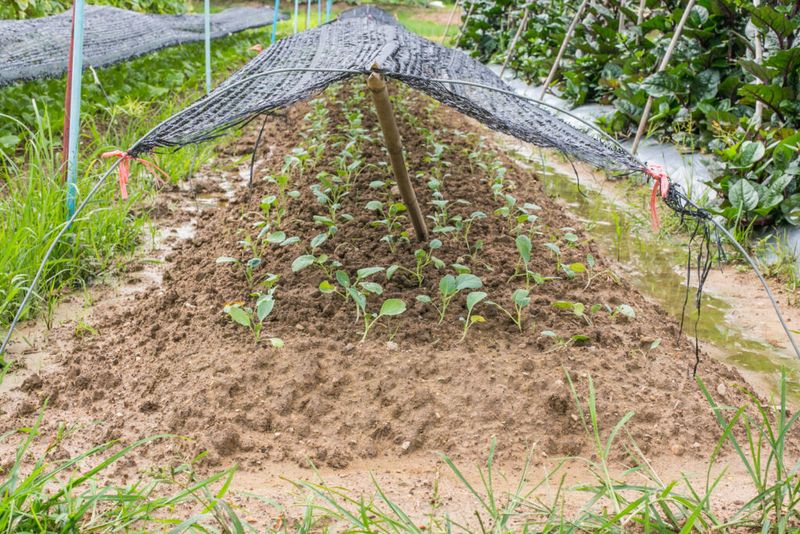
Shade cloth is most useful as a short-term buffer during a heat spell, not as a permanent fixture. UF/IFAS greenhouse vegetable production guidance notes that eggplant fruit set has relatively high light requirements, which means heavy or all-day shading can reduce the plant’s ability to grow and set fruit even while it lowers leaf temperature.
The goal is to cut afternoon heat exposure for developing buds and flowers without blocking the morning and midday light the plant depends on.
A light shade cloth, around 30 to 40 percent density, propped on stakes above the plants so air can move underneath, gives you that balance. Put it in place before the hottest part of the afternoon and remove it or roll it back in the evening so the plant gets full morning sun the next day.
This kind of temporary protection can reduce heat exposure for flower buds that have not yet opened, giving later flushes a better environment to develop in.
Shade cannot undo damage that has already occurred. Research on pollen fertility under high temperatures shows that pollen quality can be compromised before visible symptoms appear, meaning flowers that open during a heat wave may already be working with reduced pollen viability.
Protecting the next set of buds while maintaining airflow and even soil moisture gives those future flowers a more favorable start, which is the practical goal during a Southern summer heat stretch.
Avoid fixes that create new flowering and fruiting problems
Reaching for fertilizer when flowers start falling is a common impulse, but excess nitrogen tends to push the plant toward leafy growth at the expense of flowers and fruit. Utah State University Extension cautions against excessive nitrogen because it can delay or reduce flowering and fruiting.
If you have not done a soil test and do not have a specific deficiency to correct, emergency fertilizing is more likely to add a new problem than to solve blossom drop.
Mature fruit left on the plant is another overlooked drag on continued production. University of Maryland Extension recommends harvesting eggplant promptly when the skin is still glossy and firm.
Leaving overripe fruit in place signals the plant to slow down flower and fruit production, which compounds any heat-related slowdown already happening.
A few other habits are worth avoiding during a heat-related blossom drop episode. Spraying foliage with water indiscriminately can promote fungal disease, and UC IPM watering guidance favors root-zone irrigation over overhead wetting for eggplant as a general practice.
Heavy all-day shade, as noted earlier, can reduce the light the plant needs for fruit set. Applying insecticides to blooming plants without checking the label’s bee-protection directions can harm the pollinators you are trying to attract.
Each of these missteps adds a layer of stress to a plant that is already working against difficult conditions, and avoiding them is a straightforward way to keep the situation from getting worse.
Judge the next bloom flush, not the flowers that already fell
Dropped blossoms will not recover, so the useful assessment happens on the next round of flowers. Keep soil moisture consistent, leave flowers accessible to any visiting insects, vibrate open blooms gently when they appear receptive, and use temporary afternoon shade if the heat is still severe.
Then watch for that small swelling behind the calyx that signals a fruit is forming.
UC IPM notes that blossom drop often eases as temperatures moderate, which means waiting for a cooler stretch can be as productive as any active intervention. If the next bloom flush sets fruit under more moderate conditions with adequate moisture, heat and related pollination disruption were likely the main factors.
If flowers continue to fall despite reasonable temperatures and consistent watering, the plant may be dealing with another stress, such as disease, root damage, pest pressure, or a soil imbalance, and that warrants a closer look rather than repeated hand pollination.
UC Master Gardeners recommend reassessing after the next bloom flush rather than assuming a single intervention has failed. Incomplete pollination is a useful first thing to test, but it is a starting point for diagnosis, not a verdict.
A plant that gets consistent water, open access, and protection from the worst afternoon heat is in the best position to set fruit when conditions allow, and that is the most honest goal for a late-summer eggplant in a Southern garden.