
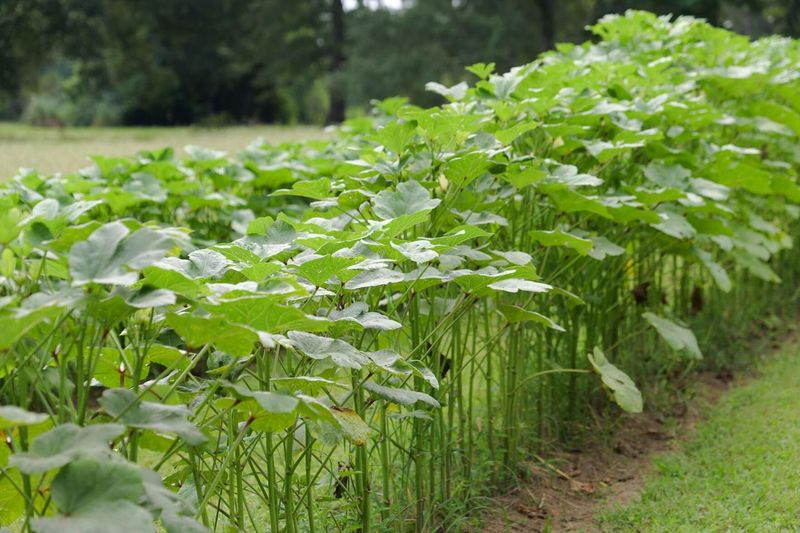
Okra can go from perfectly tender to pithy and unchewable faster than almost any other summer vegetable, and most gardeners blame the heat when the real problem is waiting too long to pick. Once a pod becomes fibrous on the plant, no amount of cooking, watering, or refrigerating will bring back that snap.
Fixing the problem is straightforward once you understand what is actually happening, and the solution costs nothing but a few extra minutes in the garden every day or two.
Tough pods usually mean the harvest window passed
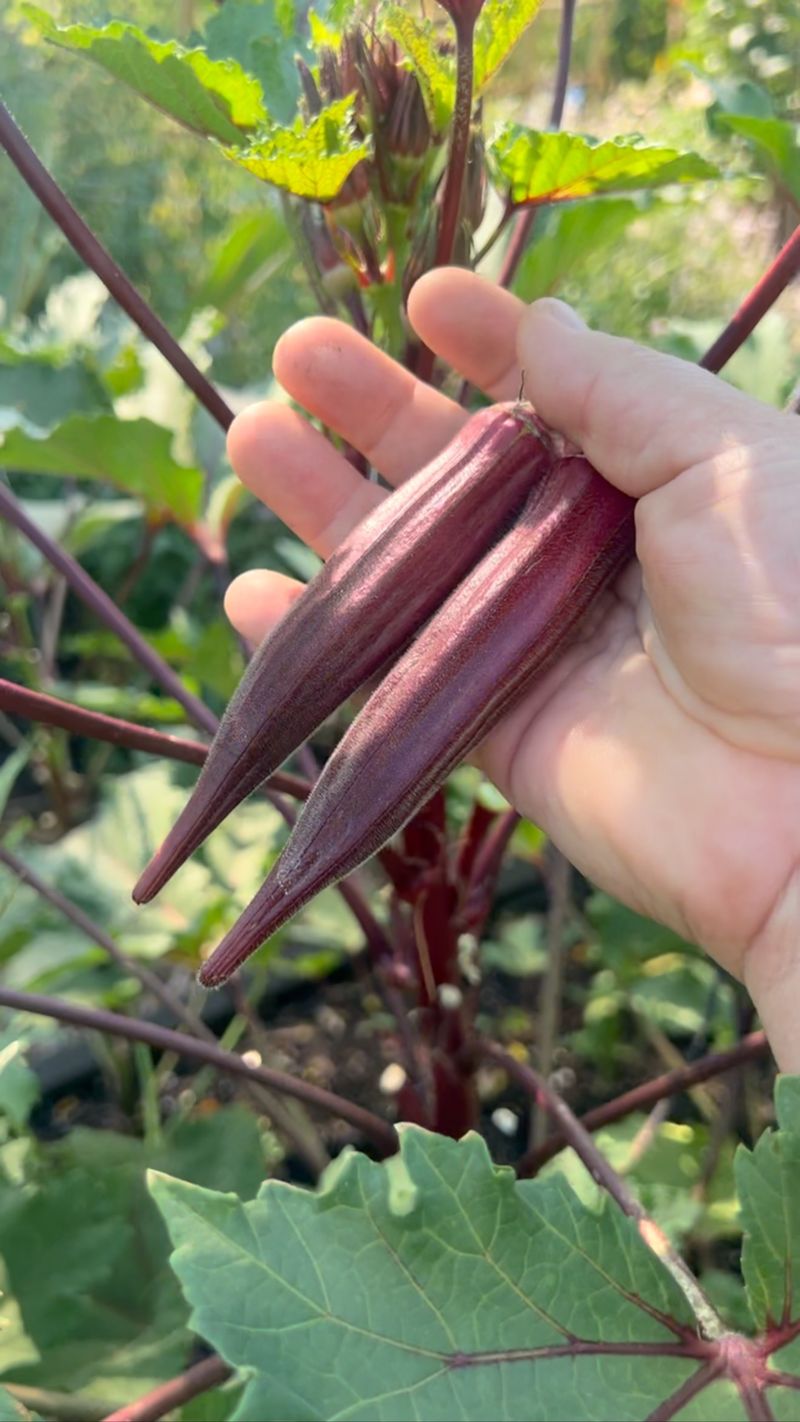
Pull an oversized okra pod apart and you will see exactly what went wrong: the walls are thick and stringy, the seeds are hard, and the center is pithy rather than fleshy. That texture develops as the pod matures on the plant.
Fiber builds progressively from the moment a pod forms, and once it sets in, the pod is past its eating window.
UC Davis postharvest guidance describes harvestable okra as immature pods that are bright green, fleshy, and tender, with small seeds. Leaving pods beyond that stage is the most consistently documented reason home gardeners end up with tough, inedible okra.
Delayed picking is the first thing to correct.
Cultivar, soil moisture, and growing conditions can also influence pod quality. Some varieties become fibrous sooner than others, and plants under drought stress may show reduced growth and yield.
However, those are secondary factors. An already fibrous pod will not become tender again through watering, storage, or any cooking shortcut, so the practical fix is entirely about preventing the next pods from reaching that stage.
Oklahoma State Extension and UF/IFAS research both point to harvest timing as the primary lever a gardener can control.
Late-summer heat shortens the margin for delay
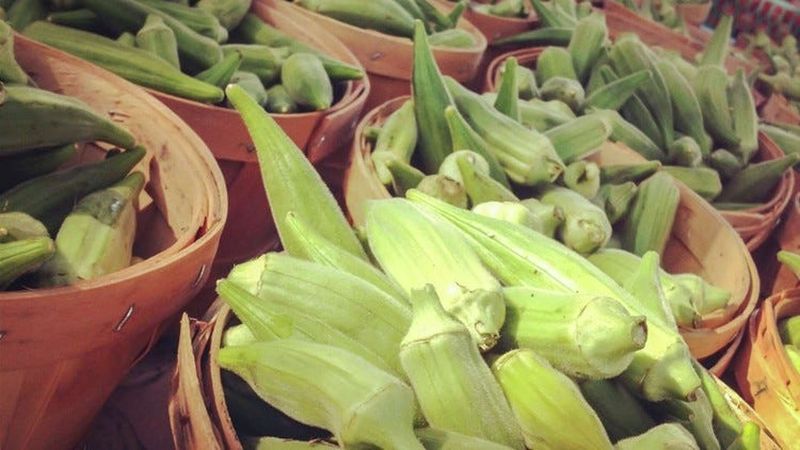
Okra is one of the few vegetables that genuinely thrives in intense Southern heat. The plant does not suffer in high temperatures the way tomatoes or squash can.
The catch is that hot conditions accelerate pod development, so a pod that might stay tender for several days in mild spring weather can move through that same window noticeably faster when temperatures are consistently above 90 degrees.
Florida Extension notes that daily picking may be necessary at peak harvest during the state’s hot, humid summers. That is not because heat itself makes pods woody, but because plants producing heavily in warm conditions can push pods from flowering to overmature faster than a once-a-week harvest schedule can keep up with.
The same pattern applies across Texas, where long, hot summers keep okra in active production for months. Iowa State Extension recommends harvesting every other day in July and August, and Texas A&M AgriLife Extension suggests picking every one to two days during heavy production.
Heat compresses the schedule, but it is still the harvesting lag, not the temperature itself, that turns pods tough.
Judge tenderness by more than pod length
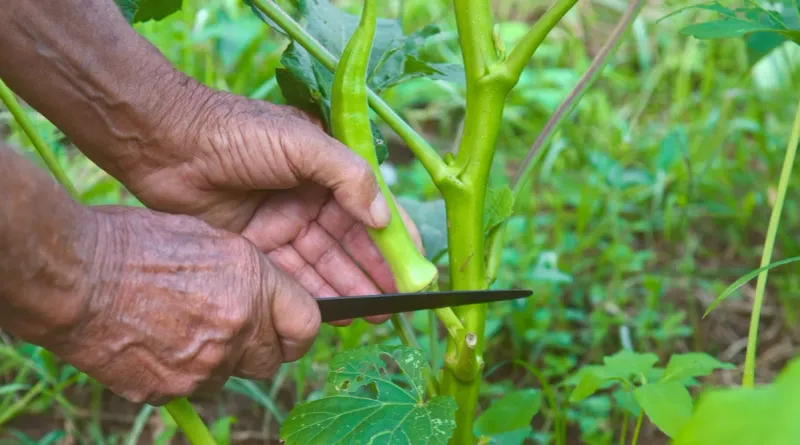
Pod length is a useful starting point, but it is not the whole story. A good tender okra pod is bright green, fleshy, and firm without being rigid.
The seeds inside are small and soft. If the outer skin looks dull, the seeds feel hard when you press the pod, or the stem end has started to brown, the pod has likely moved past its best window.
UC Davis postharvest research places the general maturity window at roughly 3 to 7 days after flowering, though actual timing shifts with temperature, sunlight, and cultivar. Texas A&M AgriLife narrows that estimate to about 3 to 4 days under typical summer conditions.
The practical size target most extension services use falls between 2 and 4 inches. Florida Extension recommends picking at around 2 to 3 inches, while Oklahoma State Extension commonly recommends 3 to 4 inches.
A secondary field check is the tip test. University of Saskatchewan gardening guidance notes that a pod with a flexible tip is generally harvestable, while a rigid tip signals overmaturity.
Treat this as a supplementary clue rather than a replacement for size and timing judgment.
Cultivar differences matter more than many gardeners realize. UF/IFAS notes substantial variation in pod size and tenderness across varieties.
University of Tennessee research on cultivar differences in shear strength confirms that some long-podded types stay tender at larger sizes while other varieties become fibrous sooner. Learn how your specific variety behaves before locking in a hard size cutoff.
Build a faster picking routine in peak production
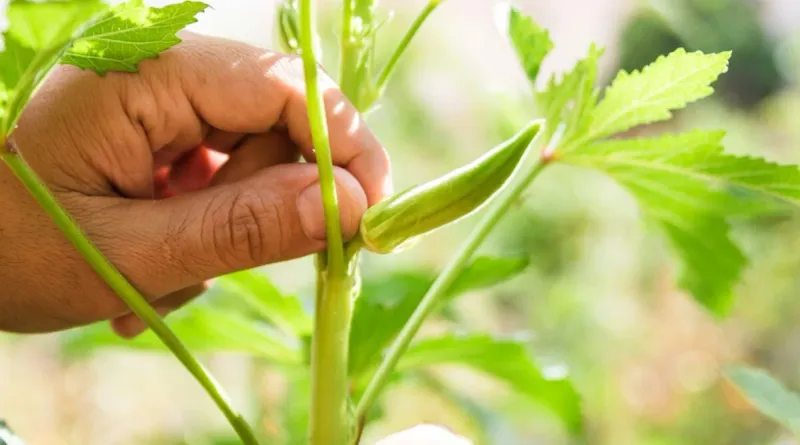
Peak okra production in a Southern summer garden is not the time for a casual weekly harvest walk. When plants are flowering heavily and temperatures are high, pods can reach harvestable size and move past it within a few days.
Building a faster routine during this stretch is the most reliable way to catch pods at their best.
Florida Extension says daily picking may be necessary at peak harvest. Texas A&M AgriLife recommends harvesting every one to two days, and Iowa State Extension suggests every other day during July and August.
University of Maryland Extension recommends checking plants every one to three days depending on conditions.
The best approach is to observe your own plants rather than following a rigid schedule. Count the days from when you see a flower to when the pod reaches a size that looks right for your variety.
Once you know how fast your plants move in your local heat, you can calibrate your routine to match. Missing one harvest day will not ruin a crop, but consistently waiting three or four days between checks during peak summer production is often how gardeners end up with a basket of pods they cannot use.
Cut tender pods cleanly and remove the ones you missed
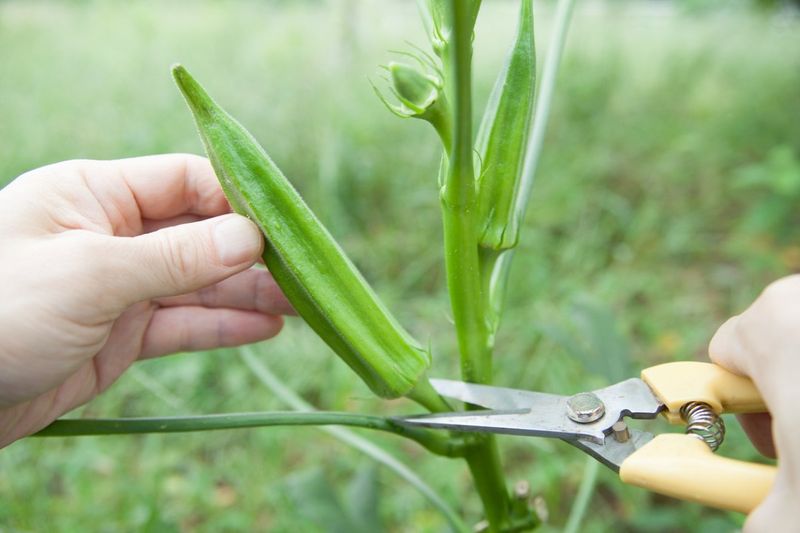
How you remove a pod affects both the pod and the plant. Grabbing and twisting a pod off the stem can tear plant tissue and leave a ragged wound that takes longer to heal.
A sharp knife, scissors, or garden shears give a clean cut at the stem and cause less damage overall. Oklahoma State Extension and Iowa State Extension both recommend cutting rather than pulling.
Harvesting in the morning, before the day’s heat builds, can also help preserve pod quality after picking.
What you do with oversized pods matters just as much as how you cut the good ones. Old pods left on the plant can reduce continued flowering, pod set, and overall production.
University of Maryland Extension and Texas A&M AgriLife both advise removing overmature pods even when they are no longer suitable for fresh eating. Removing them gives the plant a signal to keep producing rather than putting energy toward seed development.
An oversized pod does not have to go straight to the trash. Compost is the simplest option.
If the pod has dried significantly, it can be used in dried flower arrangements or wreaths. Gardeners who want to preserve a particular variety can also deliberately leave one or two pods to fully mature and dry on the plant, then harvest the seeds for next season.
Every missed pod has a better destination than staying on the stem.
Water the plant without expecting a reversal
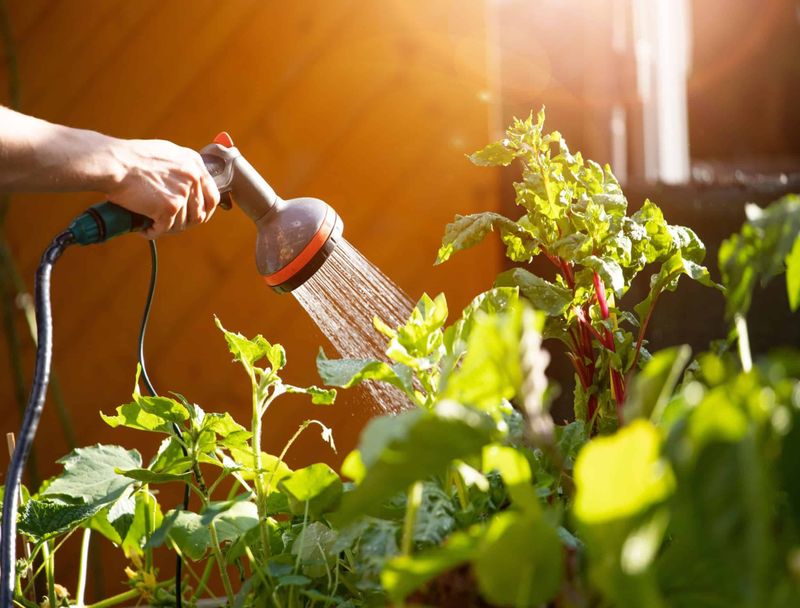
Consistent watering during hot, dry stretches is good plant care, and it matters for keeping okra productive through a Southern summer. Oklahoma State Extension notes that while okra tolerates heat and some drought, it will not reach its yield potential under drought stress.
University of Maryland Extension recommends additional watering during very hot, dry weather to support growth and continued production.
Where gardeners sometimes go wrong is treating irrigation as a fix for pods that already went woody. A pod that became fibrous on the plant did so because of on-plant overmaturity, not because the soil was too dry.
Watering the plant after the fact will not undo that fiber. The pod that is already tough stays tough, no matter how well the plant is irrigated going forward.
Published research on okra production conditions and irrigation studies on okra yield and quality confirm that water stress and harvest timing are separate variables. Drought can reduce growth and affect some quality measures, but not every tough pod traces back to underwatering.
If the harvest schedule is the problem, more water will not solve it. Water the plant to support the next round of flowering and pod set, not to rescue pods that have already passed their window.
Store fresh pods carefully and watch for chilling injury
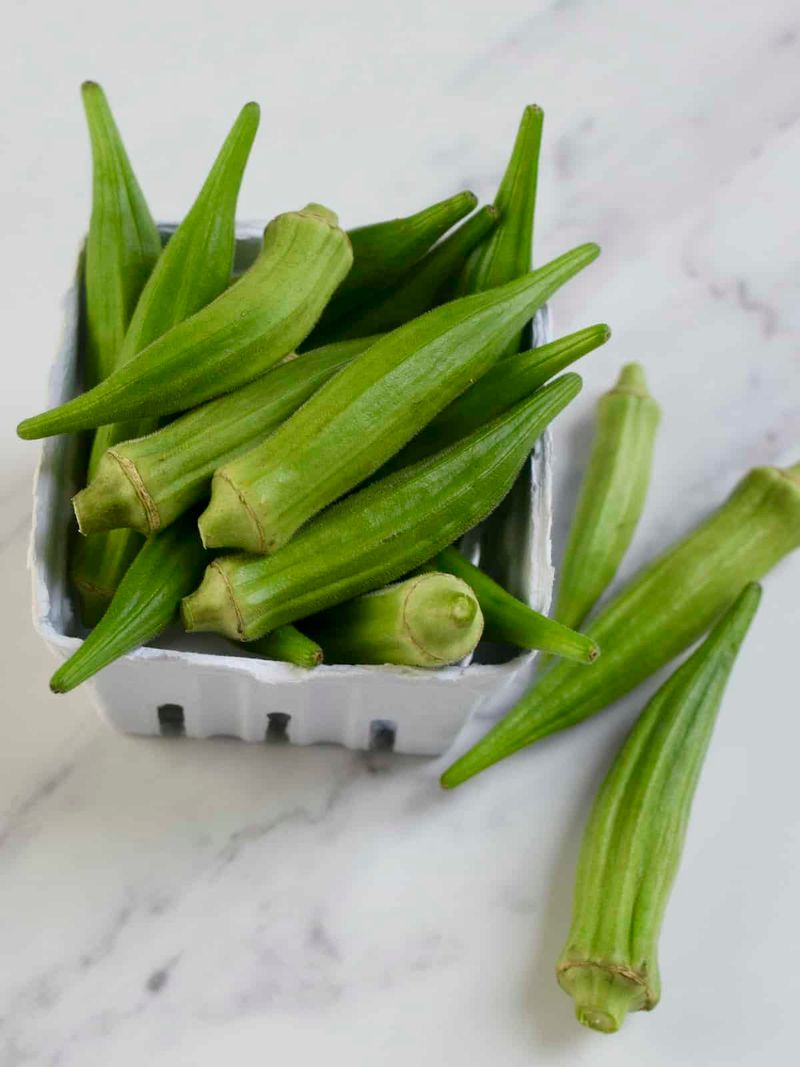
Not every tough or discolored pod started out that way on the plant. Postharvest handling can cause its own set of problems, and it helps to know the difference.
A pod that was fibrous and pithy when you picked it has on-plant overmaturity behind it, and storage cannot fix that. But a pod that was tender when harvested and then turned dark, soft, or pitted in the refrigerator likely suffered postharvest damage instead.
UC Davis postharvest guidance recommends storing okra at around 45 to 50 degrees Fahrenheit. Prolonged storage at typical home refrigerator temperatures, which often run closer to 35 to 40 degrees, can cause chilling injury, showing up as surface pitting, browning, and decay.
NC State postharvest produce guidance also flags chilling sensitivity as a key storage concern for okra.
University of Maryland Extension suggests keeping pods unwashed in a paper bag in the refrigerator and using older pods first. That approach can work for brief home storage of a day or two, but it is not a universal solution for every refrigerator or every household.
Use the paper-bag method as a short-term measure, not a reliable long-term storage plan.
Okra also bruises easily, and bruises turn brown or black quickly. Handle freshly picked pods gently and avoid stacking heavy items on top of them.
If okra hairs or spines irritate your skin, Iowa State Extension and UF/IFAS both suggest wearing gloves and long sleeves during harvest as optional protection for sensitive skin.
The next tender pod starts with the next inspection
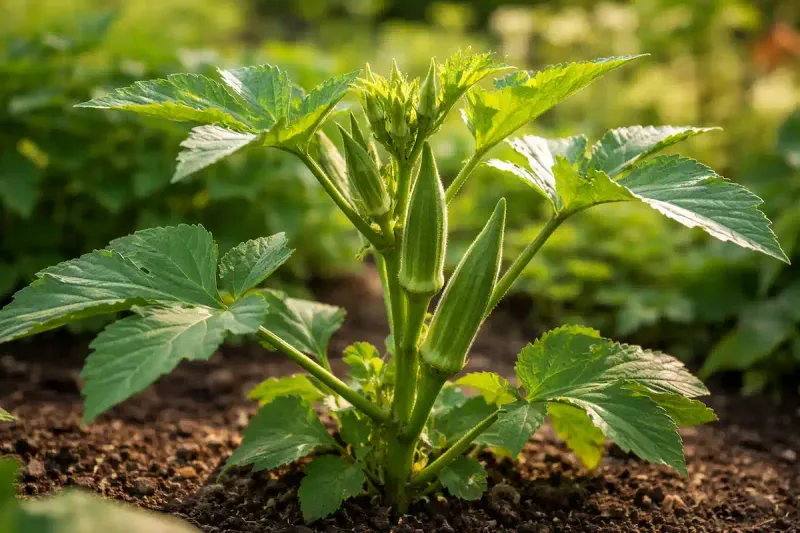
Every tender okra pod you get from here forward depends on catching it before overmaturity sets in. The sequence is simple: inspect plants daily or every other day during peak summer production, pick young pods according to your cultivar’s typical size and appearance, cut them cleanly with a sharp tool, and pull off any oversized pods you missed so the plant stays focused on flowering and setting new ones.
UC Davis postharvest research and Florida Extension both support frequent harvesting as the foundation of consistent okra quality. Oklahoma State Extension reinforces that heat can speed development and tighten the window, but the harvesting lag is the variable you actually control.
An okra plant in late-summer heat is still doing exactly what it is supposed to do. The gardener’s job is just to keep up with it.