
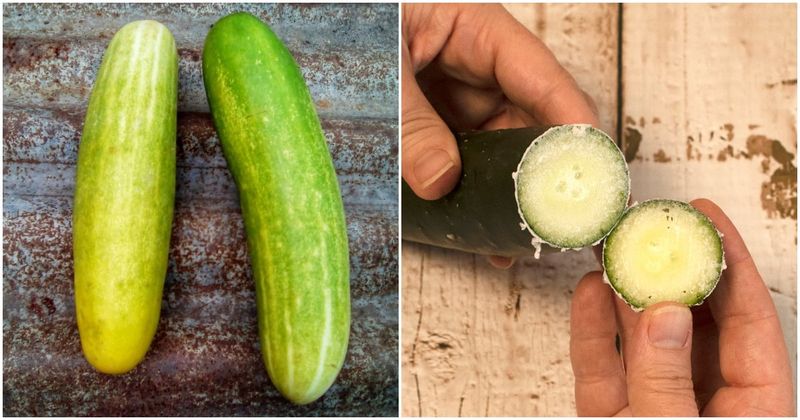
Biting into a cucumber you grew yourself and tasting something sharp and unpleasant is a real letdown, especially after weeks of watering and waiting. Bitter cucumbers are more common during hot spells, and uneven soil moisture is one of the more fixable reasons they develop that off flavor.
Before you overhaul your whole irrigation routine, though, it helps to understand what is actually going on inside the fruit and what else might be driving the problem.
Bitter fruit can reflect stress—or other causes
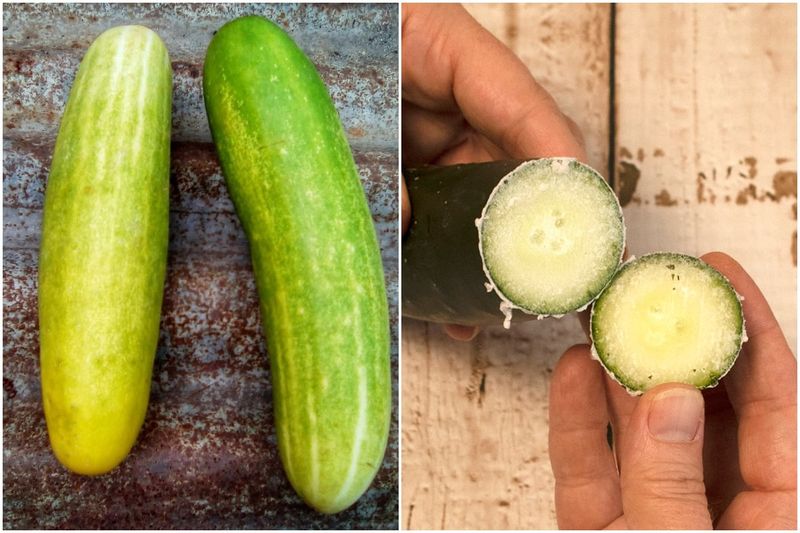
Cucumbers turn bitter when they accumulate higher-than-normal levels of naturally occurring compounds called cucurbitacins. According to University of Minnesota Extension guidance on growing cucumbers, environmental stress during flowering, fruit set, and fruit development can raise cucurbitacin levels noticeably.
Uneven soil moisture is a credible and common contributor to that stress, which is why your watering habits are a logical first place to look.
That said, moisture is not the only factor at play. Oklahoma State Extension cucumber production guidance points out that high temperatures can stress cucumber plants on their own, even when the root zone has adequate moisture.
Heat stress and water stress can overlap, but they are not the same thing, and blaming every bitter cucumber on a missed watering is an oversimplification.
Cultivar genetics, fruit maturity, large swings in temperature, excessive nitrogen, insect injury, and disease are all linked to elevated cucurbitacins as well. Published research on cucurbitacin accumulation confirms that multiple stressors can interact.
Treat this article as a diagnostic guide rather than a confirmed verdict: check moisture first, but stay open to other explanations if the problem continues.
How cucurbitacins affect cucumber flavor
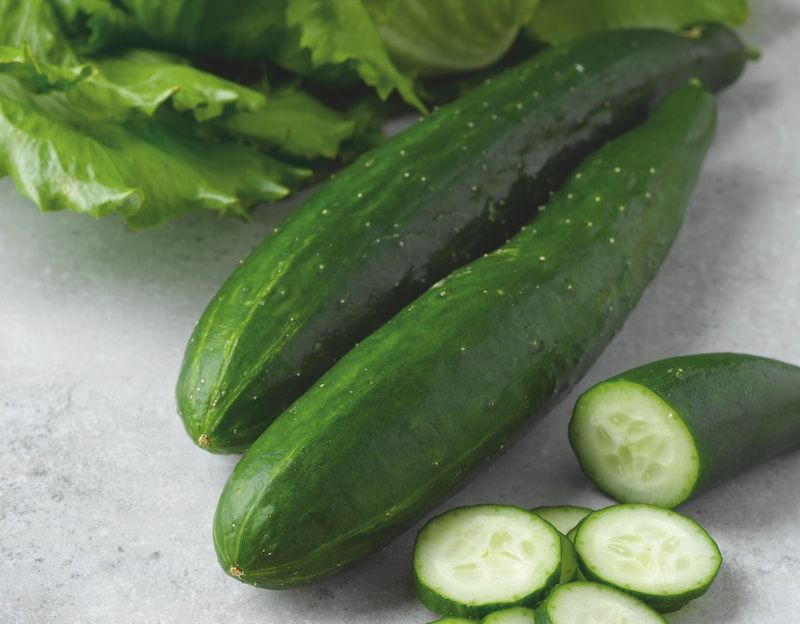
Cucurbitacins are the bitter-tasting compounds naturally present in cucumbers and other cucurbit crops. Japanese agricultural research on cucurbitacin distribution identifies cucurbitacin C as a principal compound studied in cucumber bitterness, and its concentration varies both by cultivar and by where you sample the fruit.
Bitterness tends to be strongest near the skin and toward the stem end, though more recent food science research has found that the exact distribution shifts depending on variety and growing conditions.
A slightly off taste in one bite is different from a cucumber that is sharply or persistently bitter throughout. Ordinary low-level bitterness is mainly a quality disappointment.
Pronounced, unmistakable bitterness is a signal to stop eating immediately.
Poison Control guidance on toxic squash syndrome recommends tasting only a tiny piece of any cucurbit fruit you are unsure about. If the cucumber is distinctly bitter, spit it out and discard the whole fruit.
Cooking, salting, soaking, peeling, or rubbing the ends together does not reliably neutralize high cucurbitacin levels, so eating around the bitterness is not a safe workaround.
Check the soil before you change the schedule
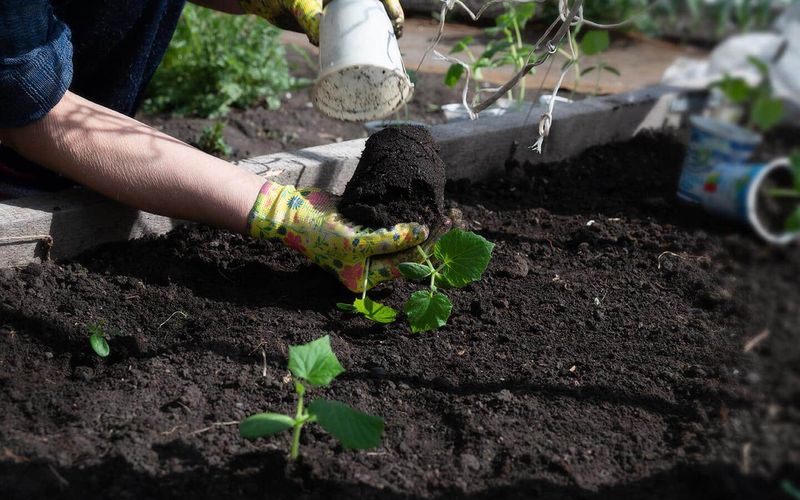
Rather than adjusting your watering schedule based on what day of the week it is, start by checking the soil directly. University of Florida IFAS irrigation guidance recommends irrigating cucumbers when the upper 1 to 2 inches of soil feel dry, then adjusting frequency and duration based on plant response and current weather rather than a fixed calendar.
Soil type matters a great deal here. Sandy soils common in Florida drain and dry out faster than clay-heavy soils, which means a Florida gardener may need to water more frequently than a Texas gardener with heavier loam.
Utah State University vegetable watering guidance reinforces that soil texture, plant size, and weather conditions all shift irrigation needs significantly. Containers and raised beds typically dry faster than in-ground beds and need closer monitoring.
One important distinction: a plant can show signs of heat stress even when the root zone is adequately moist, because high air temperatures increase demand faster than roots can supply it. Conversely, a cucumber growing during a mild stretch can still suffer water stress if the soil dries between waterings.
USU vegetable irrigation management guidance notes that soil checks are more reliable than temperature assumptions alone.
Put your fingers in the dirt before turning on the hose.
Stabilize moisture for the next round of fruit
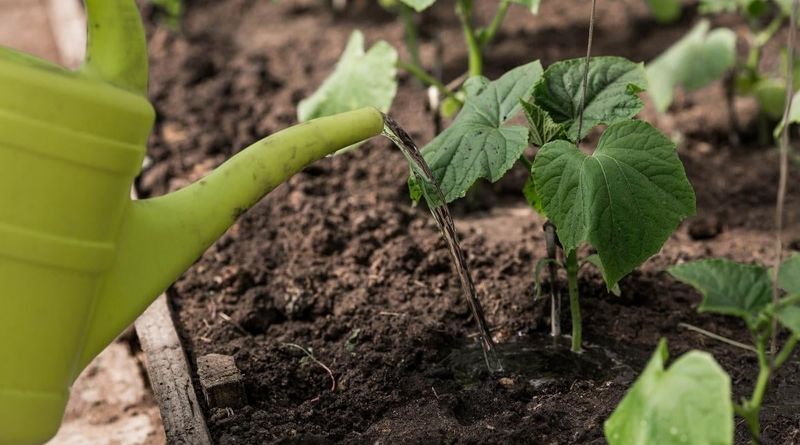
The main corrective step for moisture-related bitterness is keeping soil moisture as consistent as practical from flowering through fruit development. Utah State University cucumber growing guidance and Oklahoma State mid-to-late summer horticulture tips both point to approximately 1 to 2 inches of water per week as a reasonable starting range, with Oklahoma guidance specifying roughly 1 to 1.5 inches weekly.
Treat these figures as a flexible baseline, not a rigid prescription.
Water deeply each time so moisture reaches the full root zone rather than just dampening the top inch of soil. Shallow, frequent sprinkles encourage roots to stay near the surface, which makes the plant more vulnerable to drying out between sessions.
Florida IFAS guidance emphasizes adjusting both frequency and duration based on soil type, rainfall, and season, since Florida weekly needs vary considerably compared to drier inland climates.
Texas growers face their own timing considerations. Texas A&M AgriLife cucumber production guidance highlights establishment, active vining, and fruit set as the stages where consistent water supply matters most.
Texas A&M organic vegetable production tables also note that crop water demand rises with plant size and heat load.
Factor in recent rainfall before running the hose, and scale up or down based on what you observe in the soil and in the plant.
Use mulch and direct-to-soil irrigation to reduce swings
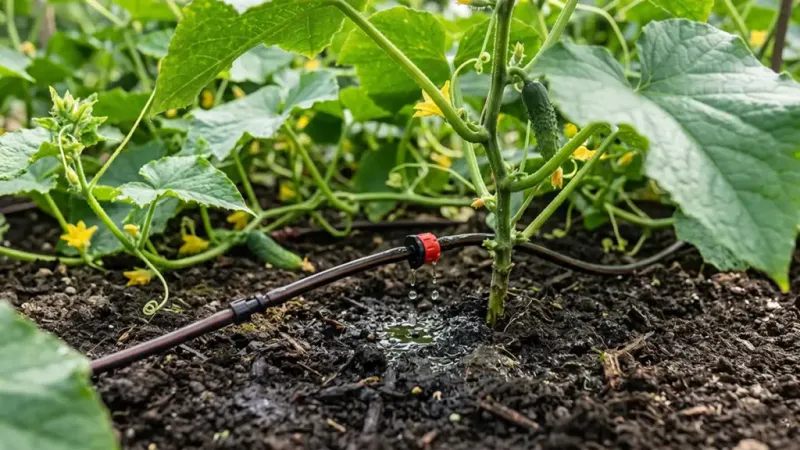
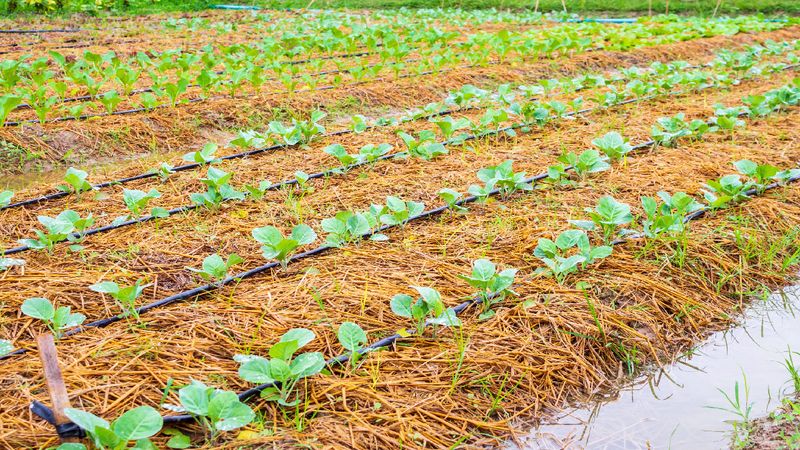
Mulch is one of the most practical tools for keeping soil moisture steady between waterings. University of Georgia Extension cucumber production guidance and Oklahoma State both recommend mulching around cucumber plants to slow evaporation, moderate soil temperature, and reduce competition from weeds that pull moisture away from roots.
Apply mulch a few inches from the base of the vine rather than packing it directly against the stem, which can hold excess moisture and invite rot.
For irrigation method, drip lines or soaker hoses consistently outperform overhead sprinklers in hot weather. Utah State University cucurbit irrigation guidance explains that drip systems deliver water steadily to the root zone, reducing the wet-dry swings that stress plants during fruit development.
Keeping foliage dry also lowers the risk of fungal problems, which overhead watering can encourage. USU vegetable water recommendations note that deep, infrequent irrigation through a direct-to-soil method tends to produce more stable root-zone conditions than frequent light sprinkling from above.
Morning is the best time to water regardless of method. University of Georgia Lincoln County drought-impact guidance points out that morning irrigation reduces losses to midday evaporation and gives any wet foliage time to dry before evening.
When cucumber plants are in bloom, overhead watering can also interfere with bee activity during peak pollinator hours, another reason to deliver water at the soil surface whenever possible.
Harvest young fruit and discard distinctly bitter cucumbers
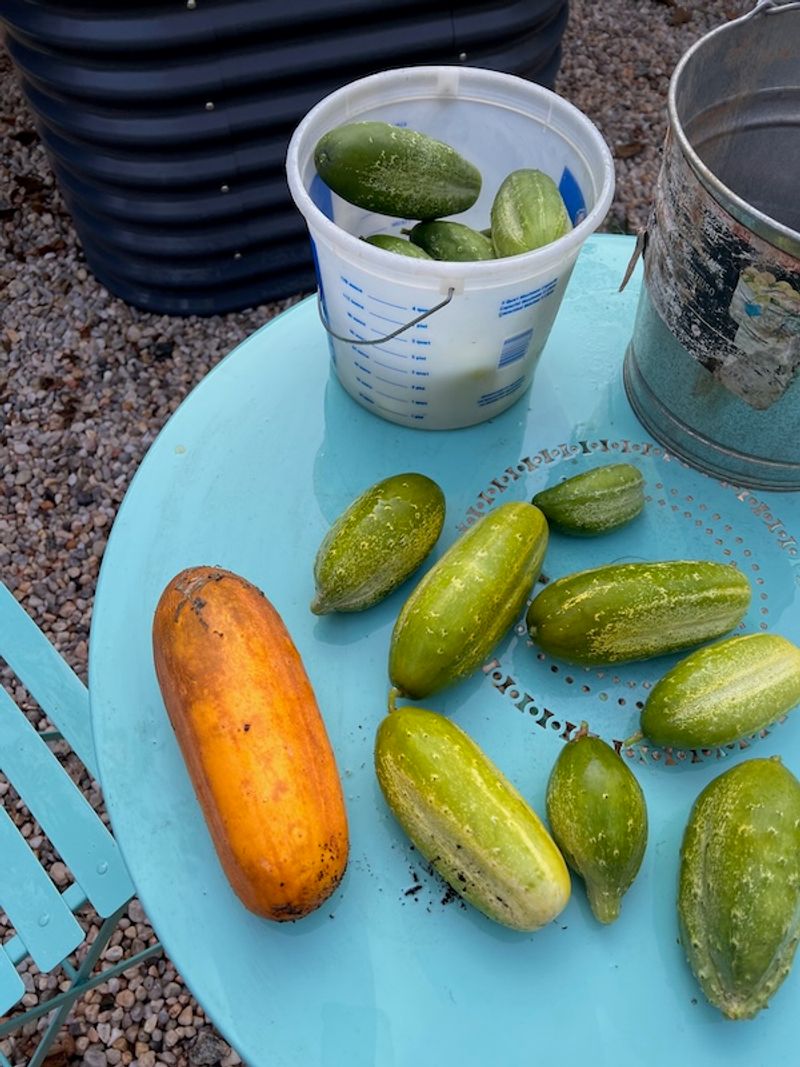
Harvesting at the right time is one of the most overlooked factors in cucumber flavor. Georgia Extension cucumber production guidance recommends picking fruit at the variety’s recommended young size, before the skin begins to yellow or the fruit becomes oversized and seedy.
Overmature cucumbers are more likely to taste off, and leaving them on the vine signals the plant to slow down production. Utah State University growing guidance notes that frequent picking keeps the plant producing new fruit, which is the most reliable way to get a better-tasting harvest from the same plant.
For fruit that is already picked, the safety rule is straightforward. Taste only a very small piece.
If the flavor is distinctly bitter rather than just slightly off, spit it out and throw the whole cucumber away. Poison Control guidance on bitter cucurbit fruit is clear that cooking, boiling, salting, soaking, or peeling does not reliably neutralize cucurbitacins at high concentrations.
Pacific Northwest Plant Disease Management guidance on toxic cucumber similarly advises against eating around the bitterness.
Watering more after a bitter harvest will not fix the fruit already sitting on your counter. Oklahoma State mid-summer horticulture tips and Oklahoma State cucumber production guidance both confirm that correcting moisture stress can improve conditions for subsequent fruit, but cucurbitacins already present in a harvested cucumber cannot be reversed.
Discard what is bitter and focus on the next flush.
Broaden the diagnosis when moisture is consistent
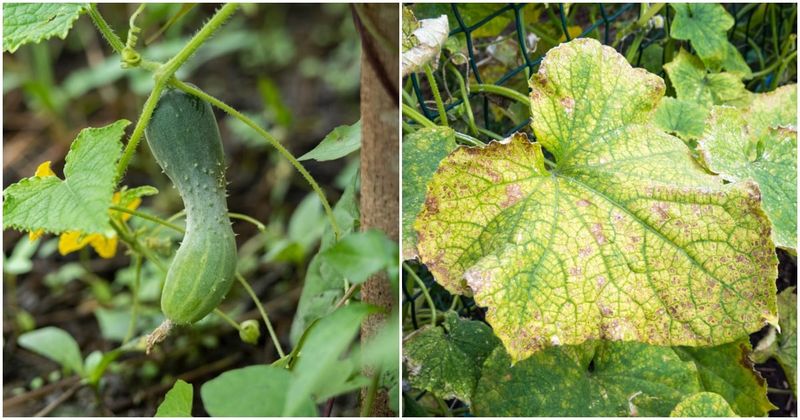
Steadier watering does not always end cucumber bitterness. When later fruit still tastes off despite more consistent soil moisture, the cause may be rooted in genetics, temperature, plant age, or something damaging the plant above or below ground.
University of Minnesota Extension growing guidance lists cultivar genetics as a primary driver of cucurbitacin levels, meaning some varieties are simply more prone to bitterness regardless of how carefully they are watered.
Temperature plays a separate role. Published horticultural science research on cucurbit bitterness and additional research on heat-related plant stress compounds both connect large or rapid temperature swings with elevated cucurbitacin levels.
Excessive nitrogen fertilizer, insect feeding injury, and viral or fungal disease can also push bitterness higher. University of Minnesota vegetable update guidance advises watching for sudden wilting, powdery or spotted leaves, distorted new growth, and visible pest damage as signs that something beyond watering needs attention.
Lower-bitterness and burpless cultivars are worth considering for future seasons. Oklahoma State mid-summer horticulture tips acknowledge these varieties as less prone to bitterness, but they are not immune to severe heat or drought stress.
One more common misconception worth clearing up: cross-pollination with squash, melons, or watermelons growing nearby does not make this season’s cucumber fruit bitter. Oklahoma State vegetable FAQ guidance confirms that cross-pollination affects seed genetics in a future generation, not the fruit on your vine right now.
Southern cucumber seasons also vary widely by location, so timing-based assumptions about heat windows should be adjusted for your specific region.
Texas A&M cucumber production guidance describes spring and fall seasons across much of Texas, while Florida production calendars reflect multiple planting windows that shift by region.
Give the next harvest a steadier start
Getting better cucumbers from your next planting comes down to a short list of consistent habits. Check the soil before watering rather than following a fixed schedule, and irrigate deeply enough to wet the root zone each time.
Utah State University cucurbit irrigation guidance and Utah State cucumber growing guidance both point to deep, consistent moisture as the foundation for reducing stress during fruit development.
Layer mulch around the vines, use drip lines or soaker hoses when possible, and water in the morning. Pick fruit young and often.
Florida IFAS irrigation guidance is a useful reference for adjusting frequency to sandy soils and shifting seasonal conditions. If a cucumber tastes sharply bitter, follow Poison Control guidance on bitter cucurbit fruit and discard it rather than eating around the flavor.
Correcting moisture stress can improve the environment for subsequent fruit, but it cannot undo cucurbitacins already built up in harvested cucumbers. If bitterness continues even with steadier watering, look at cultivar choice, temperature swings, plant age, fertilizer levels, and pest or disease pressure before assuming water is still the problem.
A cucumber that grows in stable conditions from seed to harvest gives you the best odds of a crisp, clean-tasting result.