
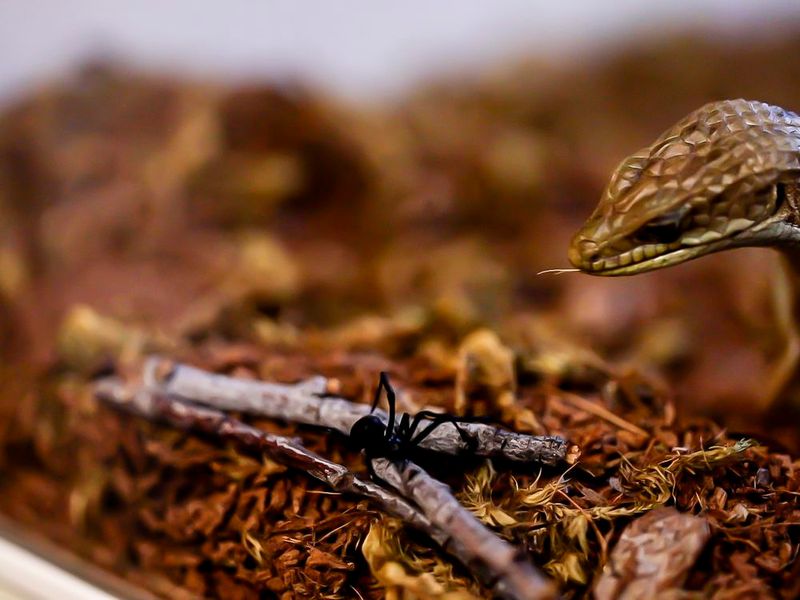
Most California homeowners have chased one off a patio without a second thought, not realizing what they were sending away. Southern alligator lizards are quiet, low-profile hunters that move through ground cover eating beetles, crickets, scorpions, and yes, even black widow spiders.
A 2022 peer-reviewed study confirmed they can handle black-widow venom far better than most animals their size, which makes them worth keeping around. Supporting them takes only a few small, deliberate yard choices, and none of them require you to stop managing spiders safely near your home.
Meet the California lizard that hunts among the ground cover
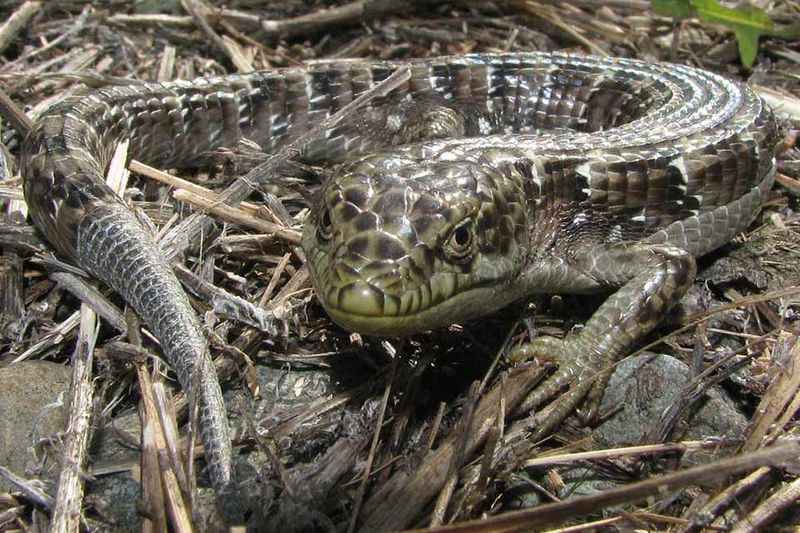
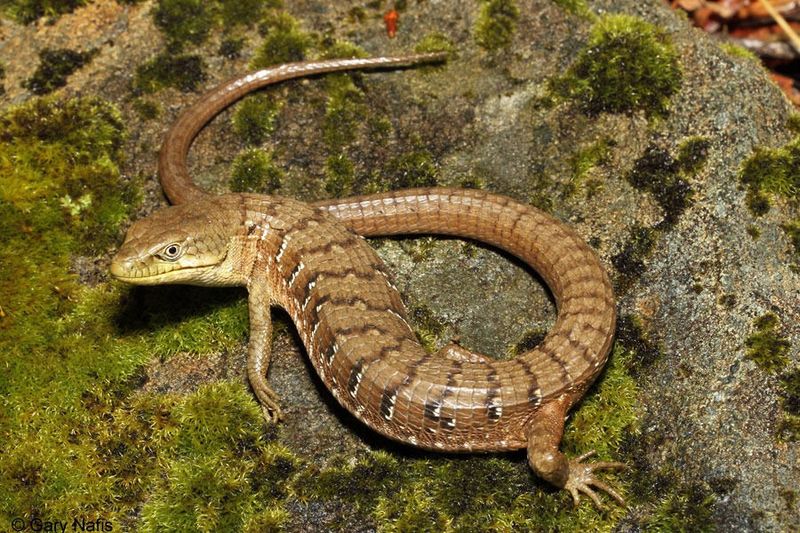
Spotted one slipping under a board near your garden bed? That rough-scaled, long-tailed reptile is almost certainly a southern alligator lizard, Elgaria multicarinata, and it is one of California’s most widespread native lizards.
Unlike the western fence lizard that perches visibly on walls and posts, the southern alligator lizard tends to stay low, threading through leaf litter, rock edges, and dense ground cover in grasslands, chaparral, foothill oak woodland, and suburban neighborhoods across much of the state, including Southern California’s residential areas.
Calling it a generic “yard lizard” sells it short and, more practically, risks extending its documented traits to species that have not been studied the same way. National Park Service documentation for the southern alligator lizard lists a broad diet that includes beetles, grasshoppers, crickets, centipedes, scorpions, sow bugs, snails, spiders, and western black widows.
That range makes it a generalist predator, not a spider-seeking specialist, and that distinction matters when setting expectations.
Because it eats so many arthropod types, a southern alligator lizard in your yard may consume some spiders and other pests, but there is no evidence it will zero in on black widows specifically or reliably reduce their numbers yard-wide. Think of it as a naturally occurring hunter that happens to have black widows on its menu, not a living exterminator with a target list.
Keeping that framing honest is what lets you make good decisions about where to encourage it and where to keep managing spiders on your own terms.
What the venom-resistance study actually shows
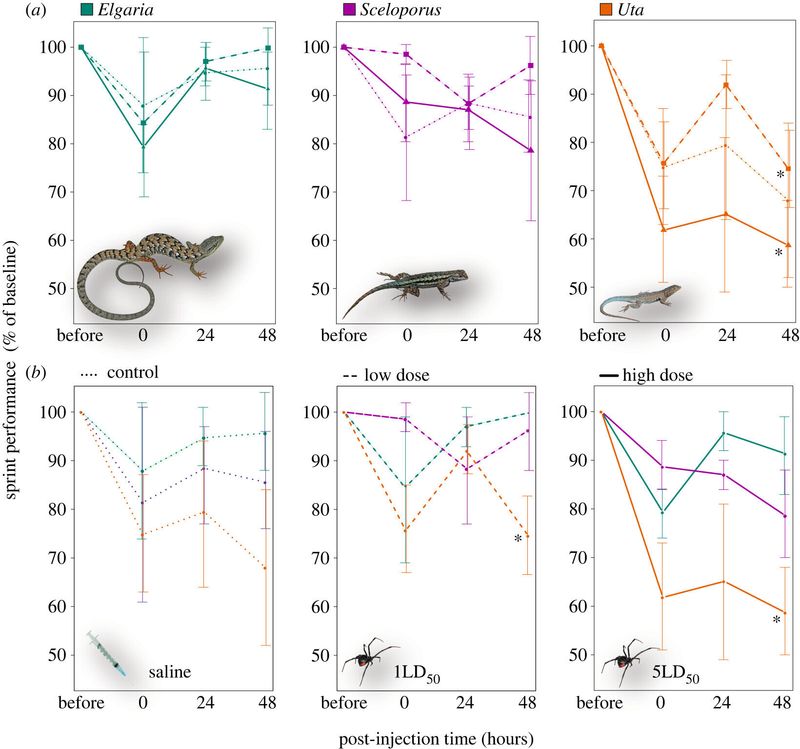
A lot of the recent attention on southern alligator lizards traces back to a single peer-reviewed paper, and the paper’s actual findings are more specific than the headlines suggested. The 2022 study published in Royal Society Open Science tested what happened when southern alligator lizards were experimentally exposed to controlled doses of western black-widow venom.
Researchers measured sprint performance before and after exposure and examined muscle tissue for damage. The lizards showed little performance loss and minimal tissue injury compared with species that lack this tolerance.
That result is meaningful, but it describes resistance under controlled laboratory conditions, not immunity. The authors themselves use the language of resistance and tolerance, and they note that the underlying ecological and molecular reasons for it are not yet fully resolved.
Calling these lizards “immune” to black-widow venom goes beyond what the data support, and it could give homeowners a false sense that the lizards are invulnerable.
Two other limits on the study are worth understanding. First, it did not measure how many black widows a lizard eats in a yard, or whether lizard presence reduces local black-widow populations over time.
No specific spider-eating quota comes from the peer-reviewed work, and yard-wide population effects remain unknown. Second, the study notes that black widows can defensively bite lizards during a predation attempt, and even a non-lethal bite could injure or temporarily impair the lizard.
The honest takeaway is that southern alligator lizards can sometimes handle this dangerous prey, not that black widows pose no risk to them at all. Supporting lizards in your yard is worthwhile, but it cannot substitute for active spider management near people.
Build a small refuge with sun, cover, and distance from people
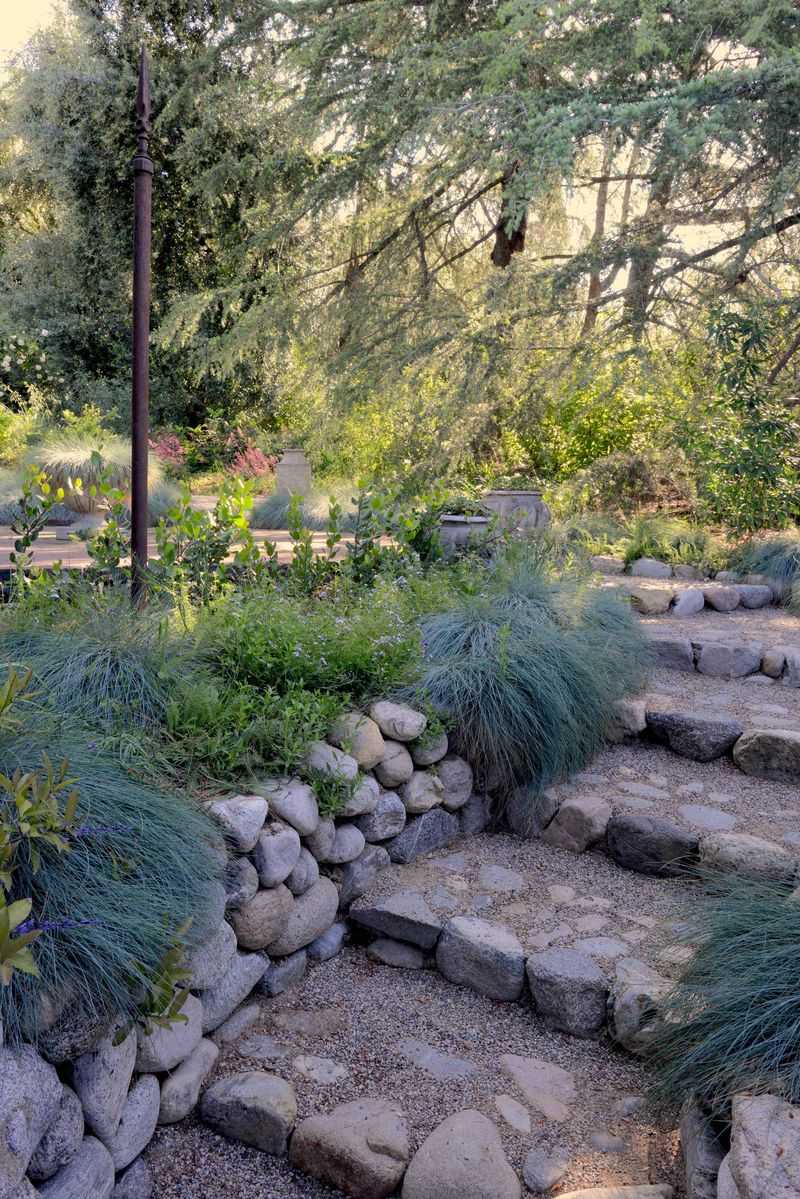
Southern alligator lizards do not need a wild, overgrown yard to show up. What they do need is a combination of warmth and immediate hiding places.
Unlike western fence lizards that bask out in the open, southern alligator lizards generally prefer sunny spots that are right next to ground-level cover, so they can retreat quickly. Rocks, short logs, dense low vegetation, leaf litter accumulations, and crevices all serve that purpose, and a single well-placed patch can be enough to make a corner of your yard usable for them.
The critical planning step is location. NPS habitat notes for the southern alligator lizard confirm that rocks, logs, boards, and dense vegetation are key shelter materials, but those same materials can shelter black widows and increase the chance of accidental contact if they are placed carelessly.
A flat rock near a back fence line in a low-traffic area is a very different situation from a pile of boards stacked against the garage door or beside a children’s sandbox.
Keep any lizard-friendly feature at least several feet from doors, entryways, seating areas, pet feeding zones, play equipment, and storage you handle regularly. One deliberate spot is enough to start.
Scattering cover materials throughout the yard does not multiply the benefit proportionally, and it does multiply the risk of creating undisturbed black-widow habitat in places you will eventually reach into without thinking. A small, sunny, tucked-away patch with a rock or two and some native low-growing plants near a back corner or fence line gives lizards what they need without creating conflict zones closer to the house.
Reduce disturbance without promising spider control
One of the easiest ways to support southern alligator lizards is simply to stop chasing them off. UC IPM’s guidance on California lizards notes that they cause no measurable plant damage and may help with pest control by consuming arthropods, including spiders.
The recommendation is straightforward: leave them alone when they appear in low-conflict areas. A lizard crossing a path or resting near a garden bed is doing nothing that warrants intervention.
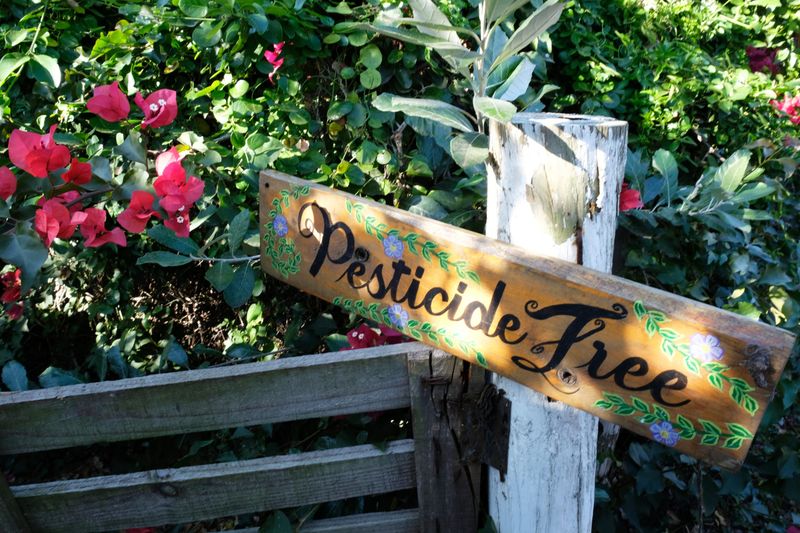
Pesticide choices also matter here. Broad-area spraying can reduce the insect prey that lizards depend on, and directly spraying a lizard is harmful.
Reducing unnecessary applications, following product labels carefully, avoiding spraying near known lizard activity, and shifting toward integrated pest management approaches all help keep the yard hospitable. UC IPM notes that pesticide recommendations change with product availability and labeling, so checking current guidance before any spray application is good practice regardless of lizard concerns.
What these steps do not do is guarantee fewer black widows. Supporting a naturally occurring generalist predator may contribute to some arthropod turnover in your yard, but no current evidence shows that lizard presence reliably suppresses black-widow numbers at a household or yard-wide scale.
The honest framing is that you are removing barriers for a native animal that may eat some spiders and other arthropods as part of its normal activity. That is a reasonable thing to do, and it is worth doing on its own merits, without attaching expectations about measurable pest-control outcomes.
Pair lizard habitat with ordinary black-widow prevention
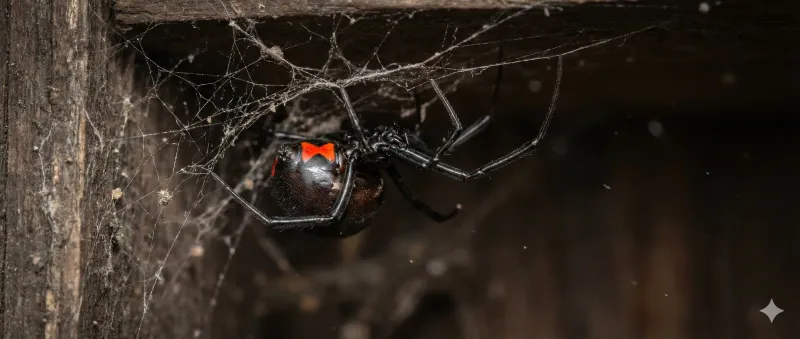
Encouraging a southern alligator lizard in one corner of your yard does not change what western black widows are doing near your doors and foundation. Black widows favor sheltered, dry, undisturbed spots: woodpiles, gaps in foundations, the undersides of outdoor furniture, garages, meter boxes, and storage areas that do not get touched often.
Adult females are shiny black with a red hourglass marking on the underside of the abdomen, and they tend to stay hidden until disturbed.
UC IPM’s spider management guidance identifies the most effective prevention steps as sealing cracks and gaps in foundations and walls, reducing clutter near the home’s perimeter, and removing webs from high-contact areas using a vacuum or brush on a regular basis. UC IPM also notes that pesticides are not generally needed for routine spider management, which aligns well with keeping the yard safer for lizards at the same time.
A lizard-friendly habitat patch and a well-maintained foundation perimeter are not in conflict. They just need to stay separate.
The tucked-away rock and native plant corner near the back fence is a reasonable place to leave some undisturbed ground cover. The gap under the side gate, the clutter stacked against the house wall, and the storage boxes jammed into a dark garage corner are not.
Removing webs from those high-contact spots regularly, sealing entry points, and keeping the area within a few feet of doors and windows clear of debris are steps that protect your household regardless of how many lizards are active in the yard.
Handle house sightings and risky clutter safely
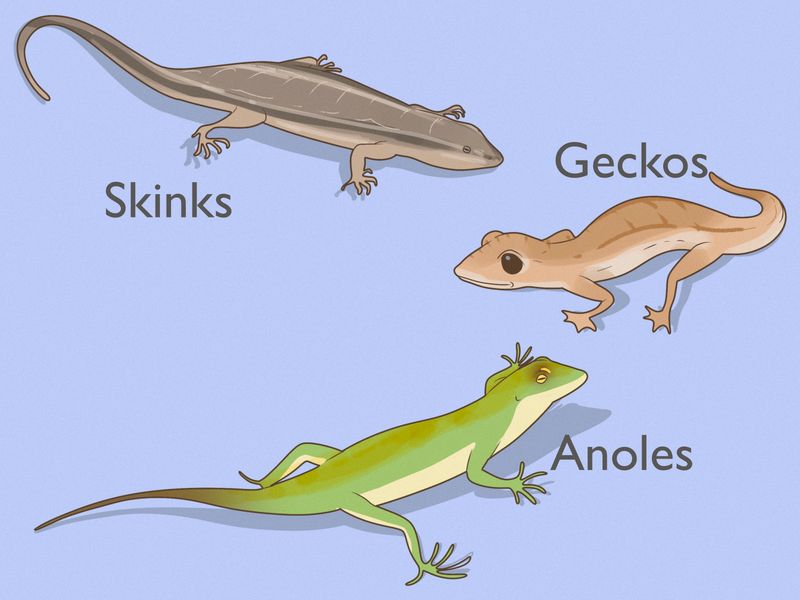
Southern alligator lizards occasionally end up inside a house, especially in older California homes with gaps at door thresholds or foundation vents. When that happens, the right response is quick and straightforward: place a container over the lizard, slide a piece of cardboard underneath, and carry it outside to release it in a nearby area with suitable cover.
Getting it back outdoors promptly is the goal.
UC IPM advises against routine direct handling of alligator lizards because they can deliver a surprisingly firm, painful bite when they feel threatened. If a lizard absolutely must be moved by hand rather than by container, a glove reduces the risk.
Collecting, transporting, or keeping wild lizards is a separate matter entirely, and California regulates the taking and possession of native lizards. UC IPM recommends checking current California Department of Fish and Wildlife rules before doing anything beyond an immediate release near where the animal was found.
For working around black-widow-prone clutter, the safety habit is the same regardless of whether lizards are present nearby. Wear gloves when moving woodpiles, pulling items from storage, reaching into dark corners, or turning over objects that have been sitting undisturbed.
Use a tool or a long-handled brush rather than a bare hand to clear away debris or webs in spots you cannot see fully. After any suspected black-widow bite, UC IPM’s spider guidance aligns with the broader medical recommendation to seek medical advice promptly rather than waiting to see whether symptoms develop.
Those precautions apply year-round in California yards and are not changed by the presence or absence of lizards in the area.
Aim for coexistence, not a spider-free yard
The practical decision rule here is not complicated. Tolerate southern alligator lizards where they are not creating a conflict, keep any habitat feature you add small and deliberately placed away from high-use areas, and continue managing black-widow webs and entry points around the parts of your yard where people and pets spend time.
Those two tracks run in parallel and reinforce each other rather than competing.
UC IPM’s lizard guidance and UC IPM’s spider management recommendations both point toward the same outcome: reduce unnecessary chemical use, keep clutter away from foundations, seal gaps, and let native animals do what they naturally do without expecting them to solve a pest problem on their own. Southern alligator lizards may eat some black widows and other arthropods as part of their normal hunting activity, but they are generalist predators, not a dependable extermination service, and their effect on yard-wide spider populations is not established by current research.
A yard that supports one native predator while keeping human activity zones clear of hazardous clutter and web accumulation is simply a better-managed yard by most measures. The lizard slipping through your ground cover is not a guarantee of safety, but it is a sign that your outdoor space still has room for the small, useful wildlife that California’s suburban landscapes so often squeeze out without meaning to.