
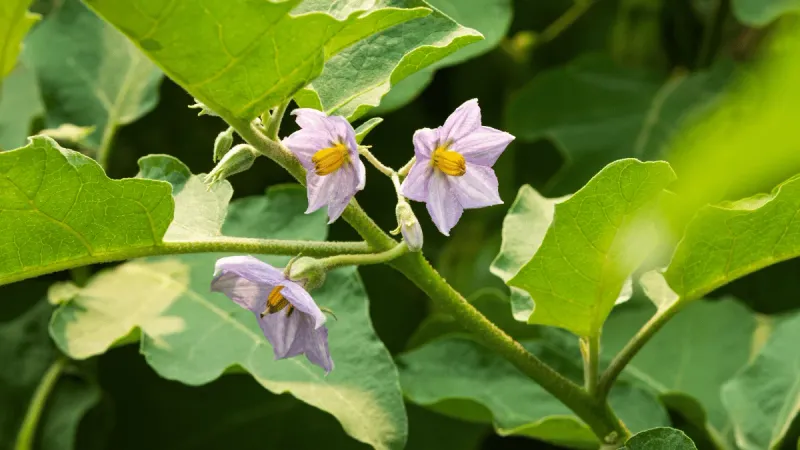
Watching your eggplant bloom beautifully and then drop every flower without producing a single fruit is genuinely frustrating, especially when the plant looks perfectly healthy. Late-summer heat in places like Florida and Texas puts real stress on eggplants, and that stress can shut down fruit production in more than one way.
Blaming bees or pollination alone misses the bigger picture, because heat, uneven watering, and even pest damage can all cause flowers to fall before they ever set fruit. Understanding what is actually happening gives you a much better shot at turning things around.
Late-Summer Heat Can Abort Eggplant Flowers
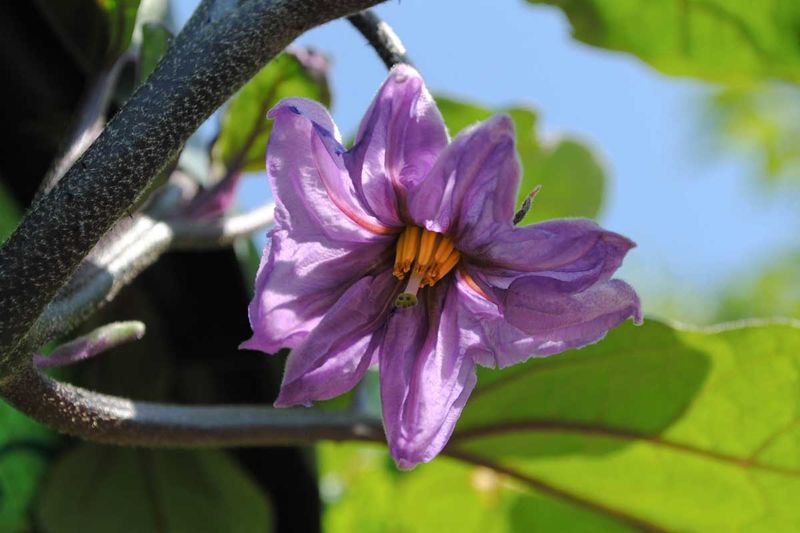
Flower drop on eggplant in late summer is not a single-cause problem. Extension guidance on eggplant flowering confirms that temperatures in the roughly 90-95 degree range are repeatedly linked to reduced flowering, flower abortion, and poor fruit set, though the exact point where a plant struggles depends on the cultivar, nighttime temperatures, wind, humidity, container exposure, and how consistent soil moisture has been.
Treating any single number as a guaranteed failure threshold overstates what we actually know.
What happens at those temperatures is a form of stress-related reproductive dysfunction. The plant does not make a decision to shed flowers; instead, heat can damage pollen performance, reduce flower viability, and disrupt the conditions needed for a flower to successfully develop into fruit.
UC IPM’s blossom drop guidance describes this kind of flower abortion as a physiological response to stress rather than a simple pollination failure.
One thing that catches gardeners off guard is that a plant can look strong and leafy while its flowers are quietly failing. Vigorous green growth does not mean reproductive conditions are favorable.
Texas A&M AgriLife Extension emphasizes that steady care, consistent water, and pest awareness all matter, which is a reminder that Southern late-summer flower drop usually calls for investigating heat and moisture alongside pollination before settling on any one explanation.
Self-Pollination Does Not Guarantee Fruit Set
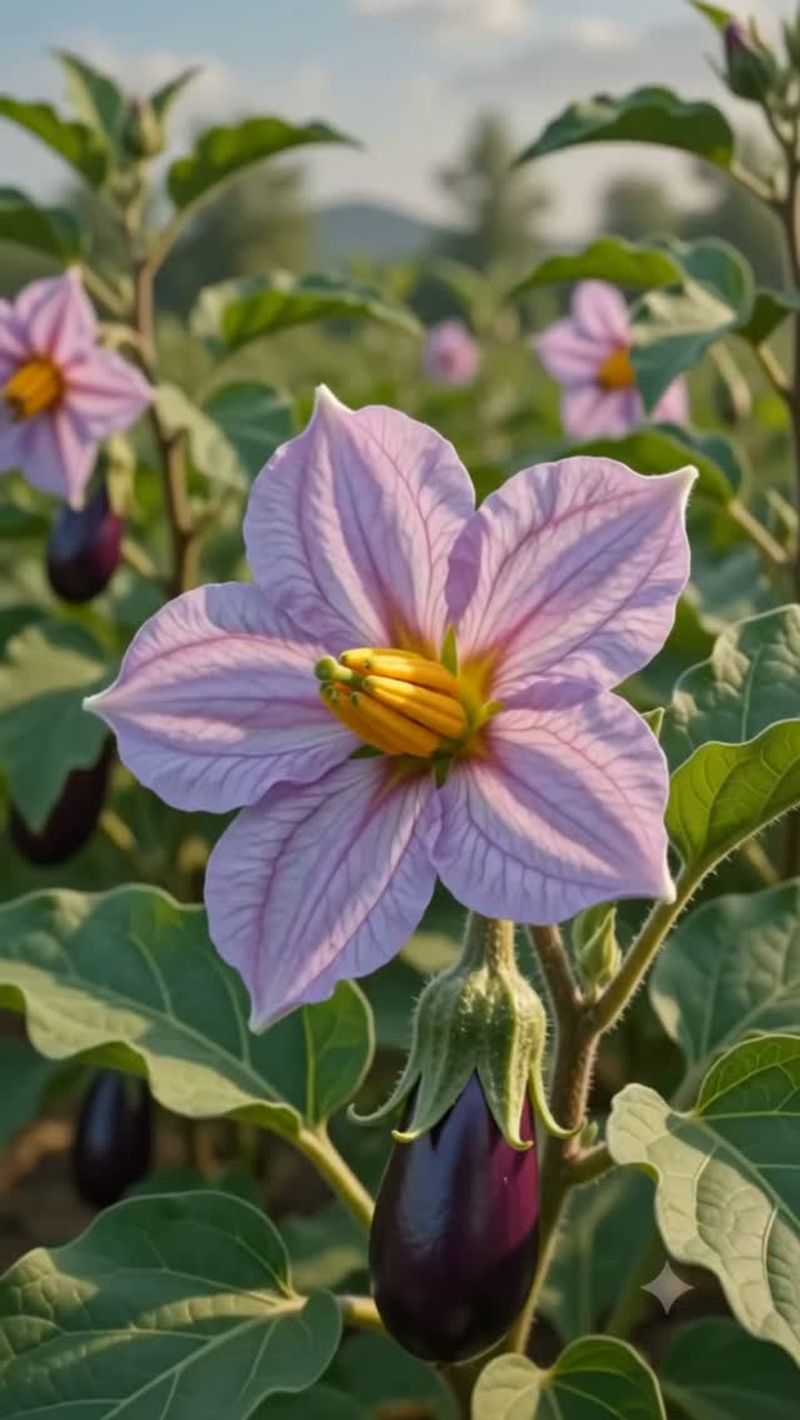
Each eggplant flower carries both male and female reproductive parts inside a single bloom, which means one plant can produce fruit on its own without a second plant nearby. UF/IFAS Gardening Solutions confirms that eggplant flowers are self-pollinating and that wind or movement can transfer pollen within the flower.
That structure is genuinely helpful, but it does not make pollination automatic.
Self-pollinating means the parts are present in the same flower, not that pollen moves on its own every time. For fruit to form, pollen still has to travel from the anthers to the stigma, and vibration from bees, a breeze, or even someone brushing past the plant can improve that transfer.
Bumble bees and other buzz-pollinating bees are particularly good at this because they vibrate at a frequency that shakes pollen loose, which can increase fruit set, fruit size, and yield compared to flowers that receive no vibration at all.
What this means practically is that a lack of visible bees around your plant is not proof that poor pollination caused the flower drop, especially when temperatures are extreme. Extension guidance on eggplant with no fruit makes clear that fruit can set without bee visits, and that continued flower loss during a heat wave may persist even after hand-pollination is attempted.
Bees are helpful partners, not a requirement, and their absence alone rarely tells the whole story.
Read the Plant and Weather Clues Together
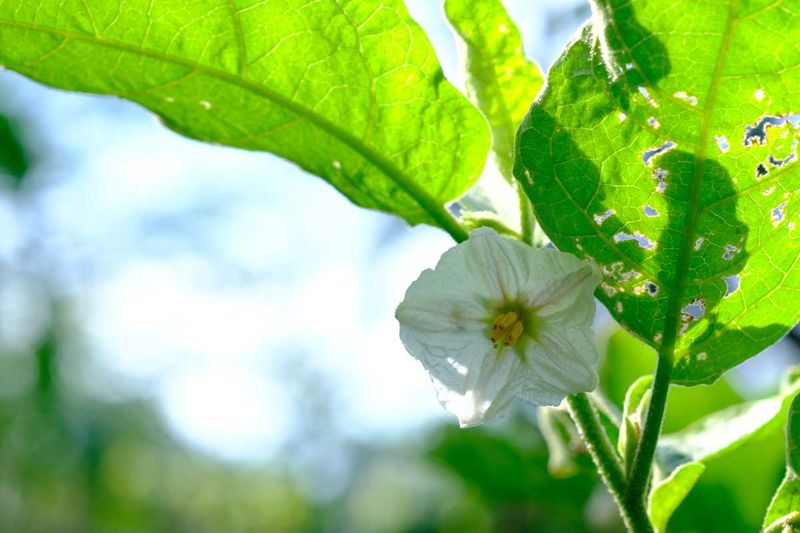
Before reaching for any remedy, spend a few minutes reading what the plant and the recent weather are actually telling you. Ask yourself whether the flower loss started around the same time temperatures spiked or a heat wave settled in.
If flowers began dropping in step with the hottest stretch of the season, heat-related flower dysfunction or heat-stressed pollen is a strong candidate alongside incomplete pollen transfer. UC IPM’s blossom drop resource separates these overlapping possibilities clearly: insufficient pollen transfer, heat-related flower or pollen dysfunction, water-stress-related abortion, and pest injury can all produce similar-looking symptoms.
Next, check the root zone. If the soil has been swinging between bone dry and waterlogged, that moisture stress can trigger flower abortion on its own, separate from anything happening with pollen.
Extension eggplant flowering guidance notes that excess nitrogen is another hidden culprit worth considering: a plant fed too heavily with nitrogen can push out large, lush leaves while producing fewer flowers or delaying fruiting. A big, beautiful plant is not necessarily a productive one.
Look at where the damage is concentrated. If flower loss is spread across the whole plant and coincides with peak heat, environmental stress is likely a major factor.
If you notice distorted buds, scarring, or small fruit that blacken and drop, a closer look for pest activity makes sense. UMass Extension’s eggplant fact sheet and UC IPM’s lygus bug guidance both caution that pest damage and heat damage can look alike, so observation matters before any treatment decision.
Gently Hand-Pollinate Open Flowers in the Morning
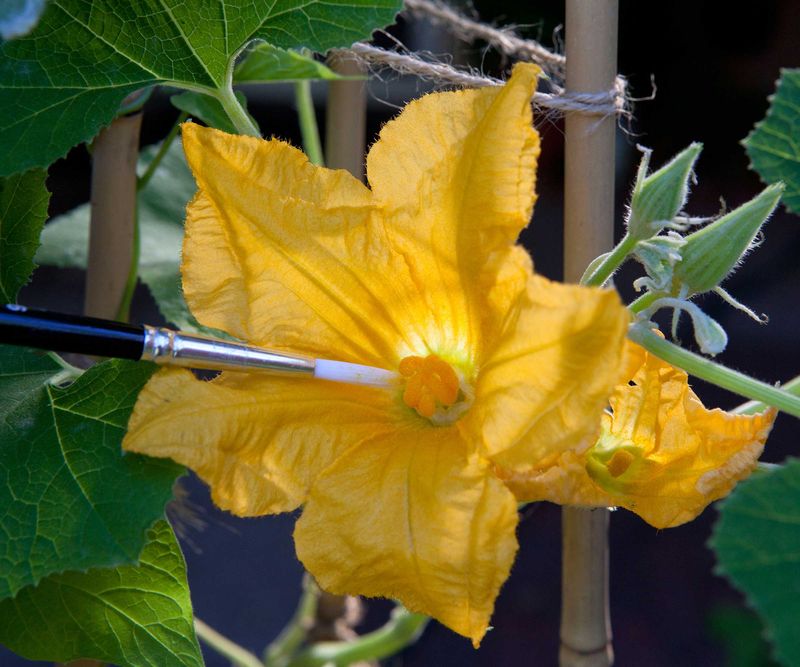
Hand-pollination is a practical, low-risk step worth trying when you suspect pollen is not moving effectively inside the flowers. Morning is the best window for this because flowers are fully open and conditions are cooler and less stressful for both the plant and the pollen.
Extension guidance on eggplant fruit set commonly recommends working in the morning, using a gentle tap or vibration on each flower, or moving pollen with a clean, soft artist’s brush or cotton swab.
The technique itself is straightforward. Hold the flower gently and tap or vibrate the stem just behind it, or use the brush to swirl lightly inside the flower and pick up yellow pollen from the anthers, then touch it to the central stigma.
Repeat this across every open flower you can reach, and plan to come back and do it again over several days rather than treating one attempt as a definitive test. Flowers open on different days, and repeated gentle pollination gives you a better read on whether the step is helping.
Keep realistic expectations about what this step can do. UC IPM notes that hand-pollination cannot reverse flowers that have already been aborted by severe heat, drought, saturated soil, or deep physiological stress.
If those underlying conditions are still present, even perfectly executed hand-pollination is unlikely to change the outcome. Think of it as a helpful test when pollen transfer may be the weak link, not a cure for every cause of flower drop.
Keep Moisture Steady and Reduce Afternoon Heat
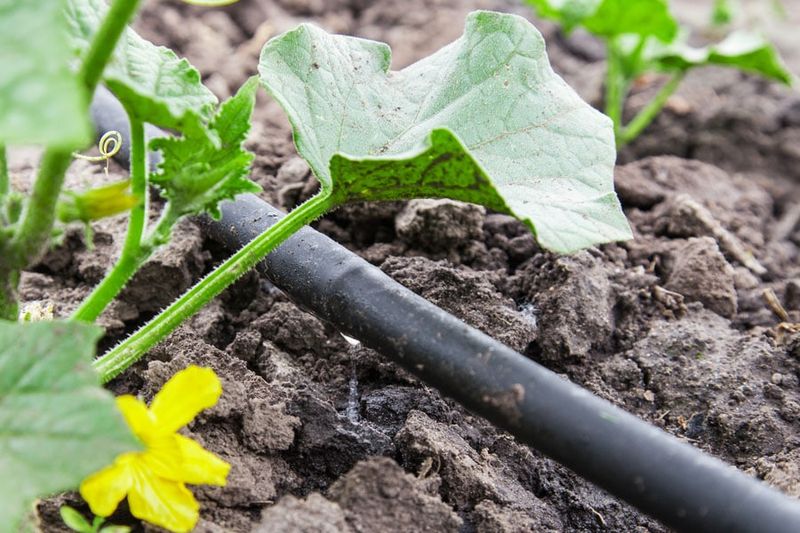
Stabilizing soil moisture and protecting the plant from the worst afternoon heat are steps that work alongside hand-pollination, not instead of it. Start by checking the root zone before each watering rather than following a fixed schedule.
UMass Extension’s eggplant fact sheet recommends keeping moisture consistent during flowering and fruit set, with deep watering when the root zone begins to dry rather than frequent shallow sprinkles that wet only the surface. Letting the soil go from very dry to soaking wet and back again puts the plant under the kind of water stress that can trigger flower abortion on its own.
Mulch spread a few inches deep over the root zone can slow surface evaporation and reduce how quickly the soil dries between waterings. Drip irrigation, when available, delivers water directly to the root zone and helps avoid the rapid wet-dry cycling that stresses plants during hot spells.
Extension guidance makes clear that exact water needs vary with soil type, rainfall, container size, and plant size, so monitoring root-zone moisture is more reliable than any fixed amount per week.
For exceptional heat, temporary afternoon shade can reduce heat load on flowers and developing buds. UC Master Gardener guidance on growing eggplants notes that shade cloth in 30 or 50 percent light-reduction ratings can help, though no single percentage works for every cultivar or site.
Use a structure that blocks only the harshest afternoon sun while preserving the direct light the plant needs for flowering and production. One important caution: University of Maryland Extension warns that ordinary row covers left over flowering plants in hot weather can raise temperatures by 10-15 degrees Fahrenheit and restrict access by pollinating insects, making the situation worse rather than better.
Inspect Buds Before Treating for Pests
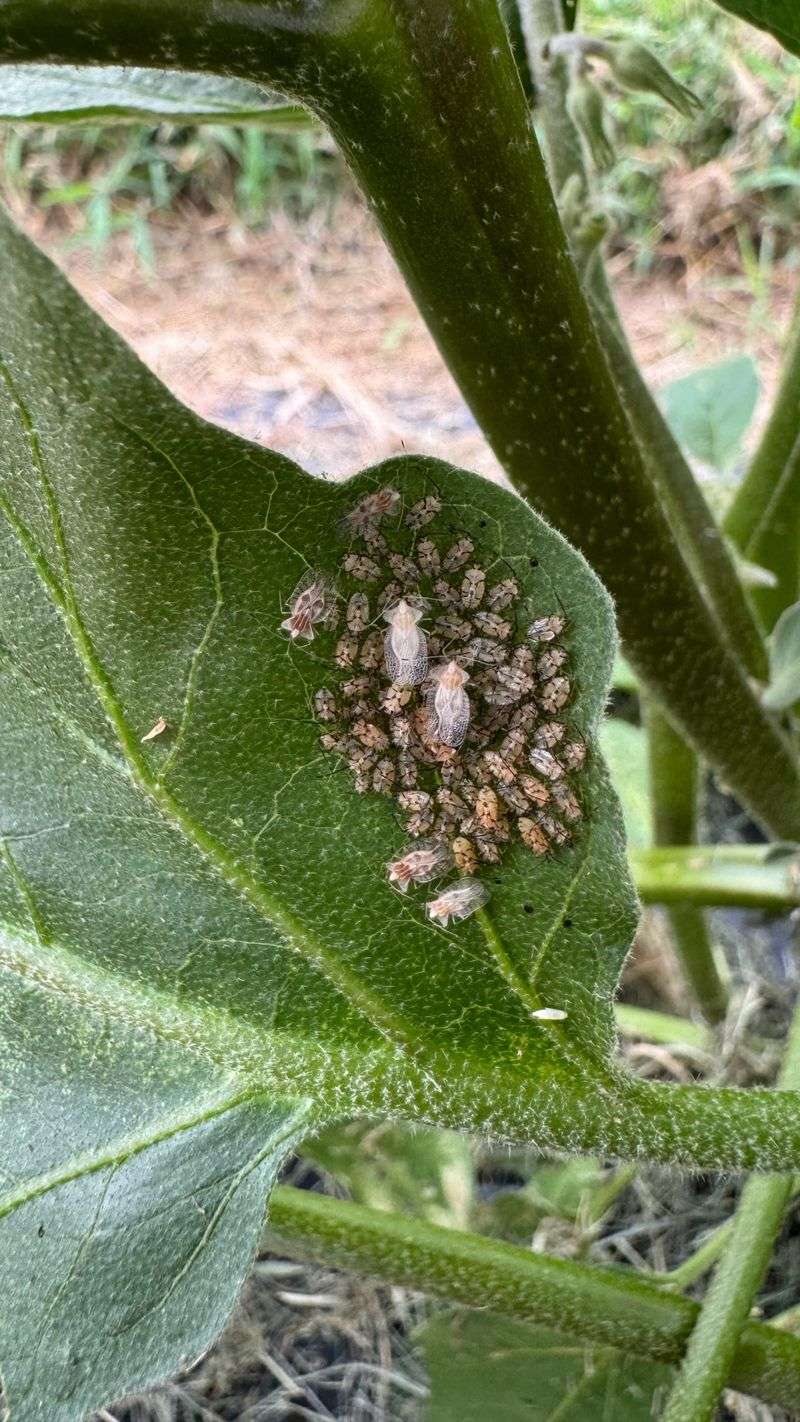
Before reaching for any spray, take a careful look at the buds and small fruit that are dropping. Lygus bugs can inject toxins into flower buds and young fruit, causing them to abort and fall before developing further.
UC IPM’s lygus bug pest management guidelines specifically caution that heat can produce symptoms that look nearly identical to lygus damage, so confirming the pest’s actual presence is necessary before deciding on treatment. Assuming insects are the cause when heat is the real driver leads to unnecessary chemical use and no improvement.
If you do find evidence of pest activity, follow label directions carefully and observe pollinator precautions. Utah State Extension’s pollination guidance advises against spraying insecticides on open flowers unless treatment is genuinely necessary and specifically permitted by the product label.
Bees and other beneficial insects can be harmed by pesticides applied during bloom, and protecting those visitors matters even when their role in eggplant pollination is not strictly required.
On the topic of fertilizer, resist the urge to add phosphorus or other nutrients as a default response to flower drop. Extension guidance on eggplant flowering is clear that excess nitrogen in particular can push the plant toward leafy growth at the expense of flowers and fruit.
Fertilizer adjustments make sense only when a soil test or a clearly identified nutrient deficiency points in that direction, not as a general troubleshooting step.
Give the Plant Time to Recover
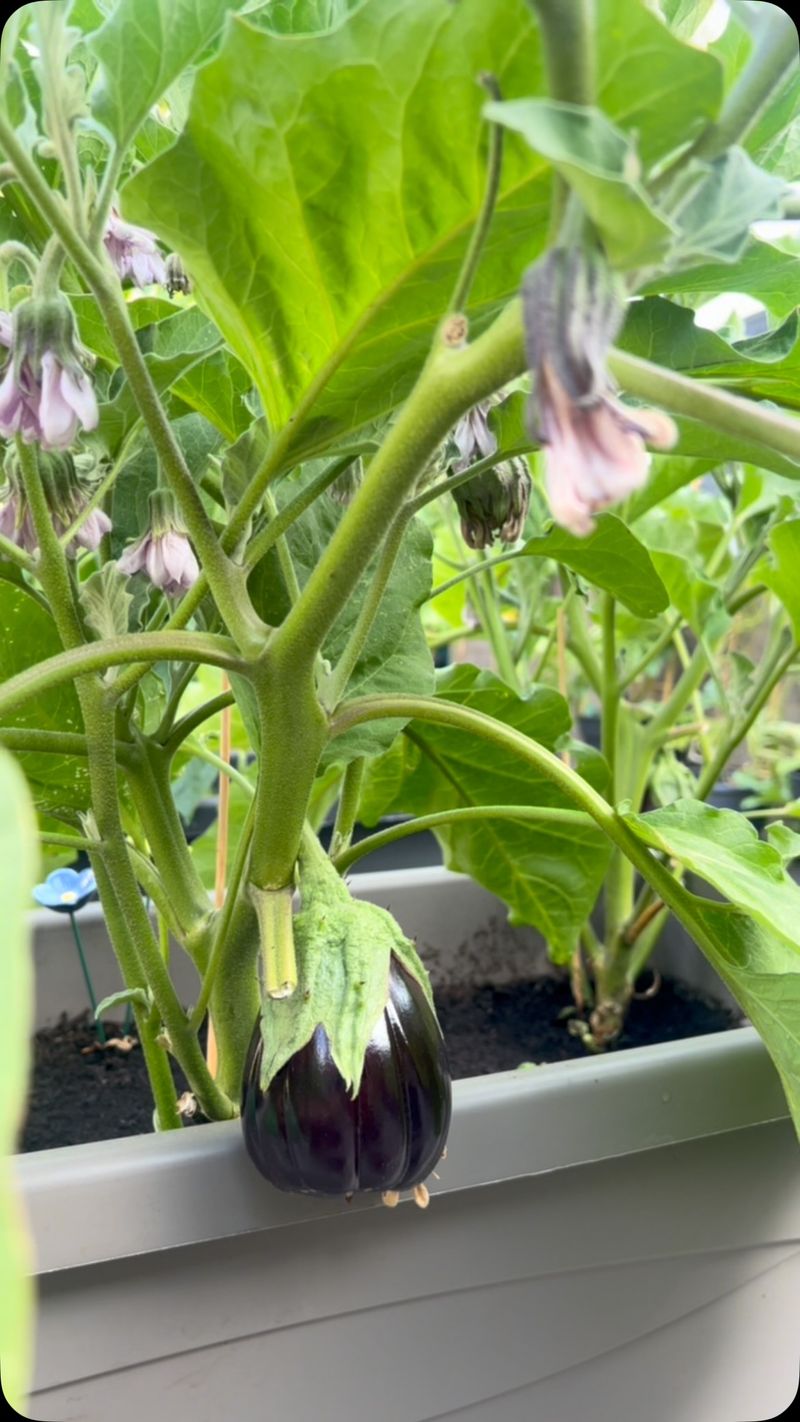
Removing the plant at the first sign of flower drop is rarely the right call. Continue steady moisture management, protect the plant from peak afternoon heat when possible, and gently hand-pollinate any open flowers that appear.
UC Master Gardener eggplant guidance also recommends harvesting mature fruit promptly, because leaving overripe eggplants on the plant can reduce new flower and fruit production. Picking fruit at the right stage keeps the plant’s energy directed toward setting new blooms.
Fruit set often improves when extreme heat moderates, even slightly, so a plant that has been struggling through a peak heat wave may surprise you once conditions ease. Severely stressed plants may not recover quickly, and that is worth acknowledging honestly.
If the current crop is a near-total loss and the season allows it, starting a fall planting may be worth considering. UF/IFAS Gardening Solutions lists practical Florida planting windows, and UF/IFAS guidance on summer vegetables in Florida supports a fall crop approach for Florida gardeners specifically.
Gardeners in Texas or other Southern states should check local extension resources for timing that fits their region.
The practical sequence is straightforward: diagnose broadly by examining heat, moisture, pollen transfer, and pest pressure together; stabilize growing conditions; test hand-pollination on open flowers; and judge progress by whether new fruit begins to form. A plant that sets even one or two fruit after intervention is telling you the conditions are improving.