
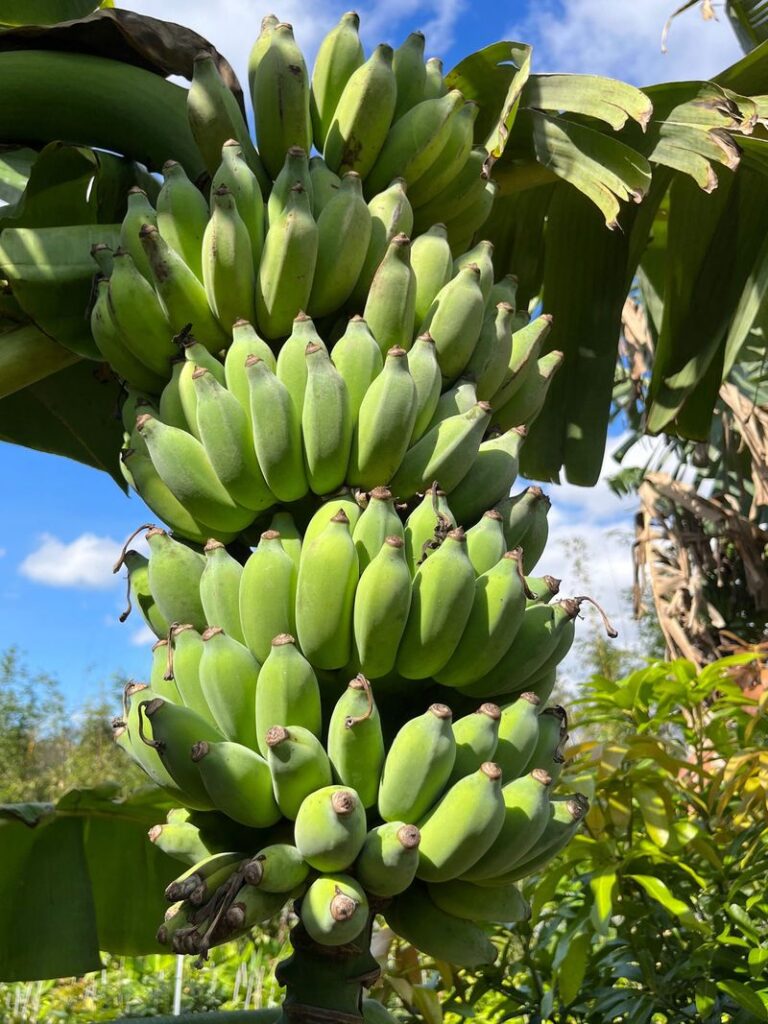
A small Florida yard can still give you bowls of homegrown fruit. The trick is to pick trees that stay manageable and match your part of the state.
These 11 choices offer different harvests, from citrus and figs to mangoes and bananas, without needing a huge backyard. A little planning now can mean more fruit and less pruning later.
1. Improved Meyer Lemon
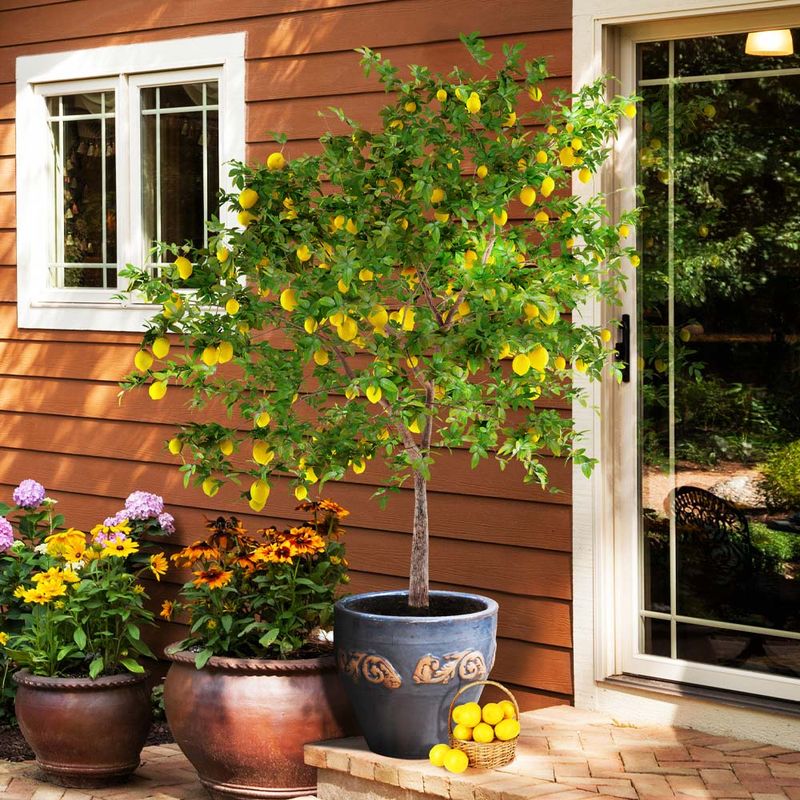
A few lemons within reach of the kitchen door can make a patio feel like a tiny orchard. Improved Meyer lemon is a good candidate for that job because a grafted tree can be kept compact with light pruning and a roomy container.
Its fruit is less tart than many grocery-store lemons, so it is especially handy for drinks, dressings, and baking.
Give it full sun, a container with drainage holes, and a potting mix made for containers rather than soil dug from the yard. Water when the upper layer of mix starts to dry, then let excess water drain away.
Use a fertilizer labeled for citrus according to its directions. In north Florida, a container also lets you move the tree to shelter during a hard freeze.
Florida citrus faces serious problems, including citrus greening, so no lemon tree can promise a heavy crop every year. Buy a healthy tree from a reputable nursery and check leaves and new growth regularly.
For a small space, the payoff is easy access to useful fruit, with care you can manage from the patio.
2. Key Lime
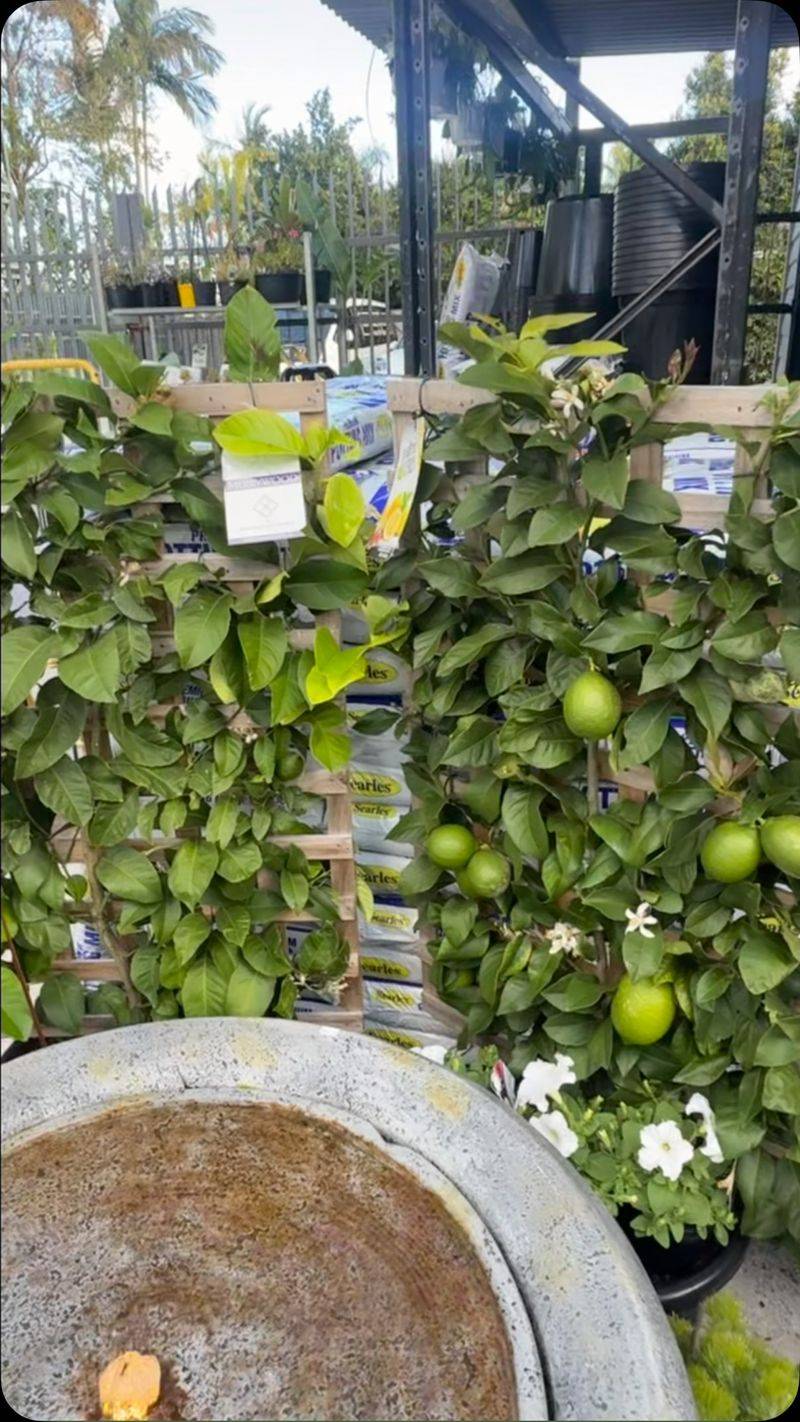
One ripe Key lime can wake up a whole pitcher of iced tea. The tree fits the same small-yard spirit: it can grow in a large pot or a protected planting spot, and regular harvests make its modest size feel productive.
Compared with a lemon, it brings a sharper flavor to sauces, seafood, and desserts.
Key lime likes warmth, sun, and fast drainage. It is most comfortable in south Florida and warm, sheltered parts of central Florida; freezing weather can badly damage it.
If your yard gets frost, grow it in a movable container rather than trusting an open bed. Keep the soil evenly moist while the tree settles in, but do not leave its roots sitting in water after summer rain.
Leave room around the pot or planting spot when you pick fruit because Key lime branches can have thorns. Like other Florida citrus, it can face citrus greening and other pests, so look for unusual leaf changes and keep expectations realistic.
Its best small-yard role is simple: plenty of bold flavor from a tree you can reach without a ladder.
3. Nagami Kumquat
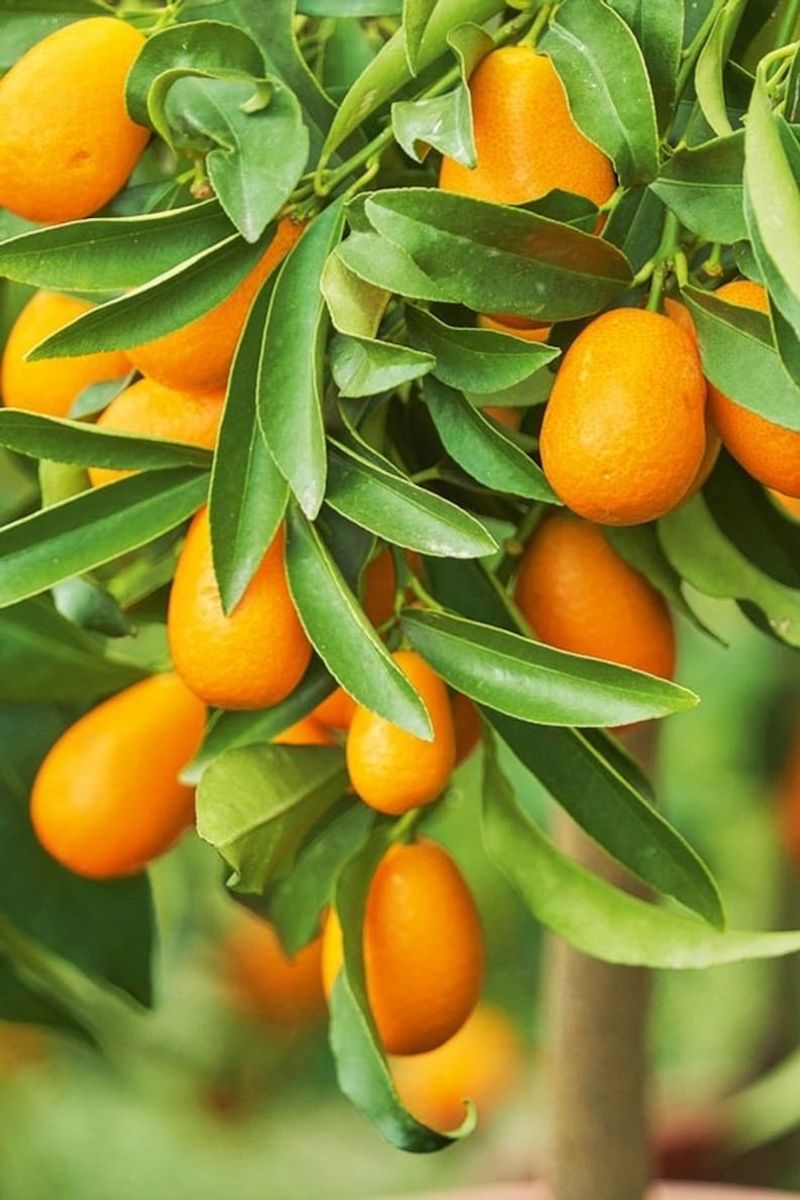
Imagine picking a tiny orange fruit and eating it peel and all. That is the fun of Nagami kumquat: its sweet peel balances its tart center.
The small fruits also make the tree a bright-looking choice near an entry or patio, where you can enjoy the color as well as the harvest.
Nagami is a better fit for a tight space than many full-size citrus trees. Plant a nursery-grown tree in full sun with good drainage, or use a large container if you need tighter control over its size.
In Florida’s sandy soil, mulch over the root area can help slow moisture loss. Keep mulch a few inches away from the trunk, and water deeply during dry spells while the tree becomes established.
Kumquats handle cold better than Key limes, though young trees still need protection during a hard freeze. They are not free from Florida citrus pests or diseases, including citrus greening.
Watch the tree, follow local extension guidance when problems appear, and enjoy its special advantage: fruit that can go straight from branch to snack bowl.
4. Owari Satsuma Mandarin
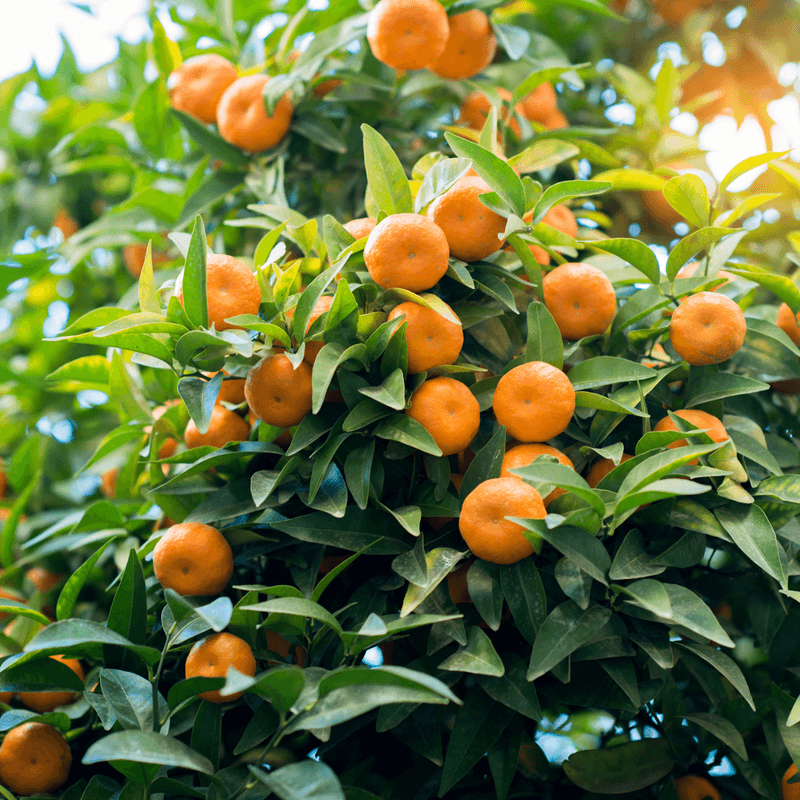
North Florida gardeners do not have to leave all the citrus fun to the southern half of the state. Owari satsuma is known for handling more cold than many other mandarins, and its easy-peeling fruit is a welcome harvest when outdoor picking feels especially pleasant.
Its spreading shape can be kept manageable with thoughtful placement and limited pruning.
Start with a healthy, grafted nursery tree and give it a sunny site with enough room for its mature canopy, rather than squeezing it against a fence. Good drainage matters, especially after a long stretch of rain.
Water a new tree regularly until its roots spread into the surrounding soil, and use a citrus fertilizer as directed instead of guessing at the amount.
Owari is most at home in north Florida and suitable parts of central Florida. A young tree may still need a frost cover during severe cold, and citrus greening remains a concern.
If you have space for just one citrus tree but want fruit that is easy to share, this mandarin earns its spot with sweet, convenient segments.
5. Celeste Fig
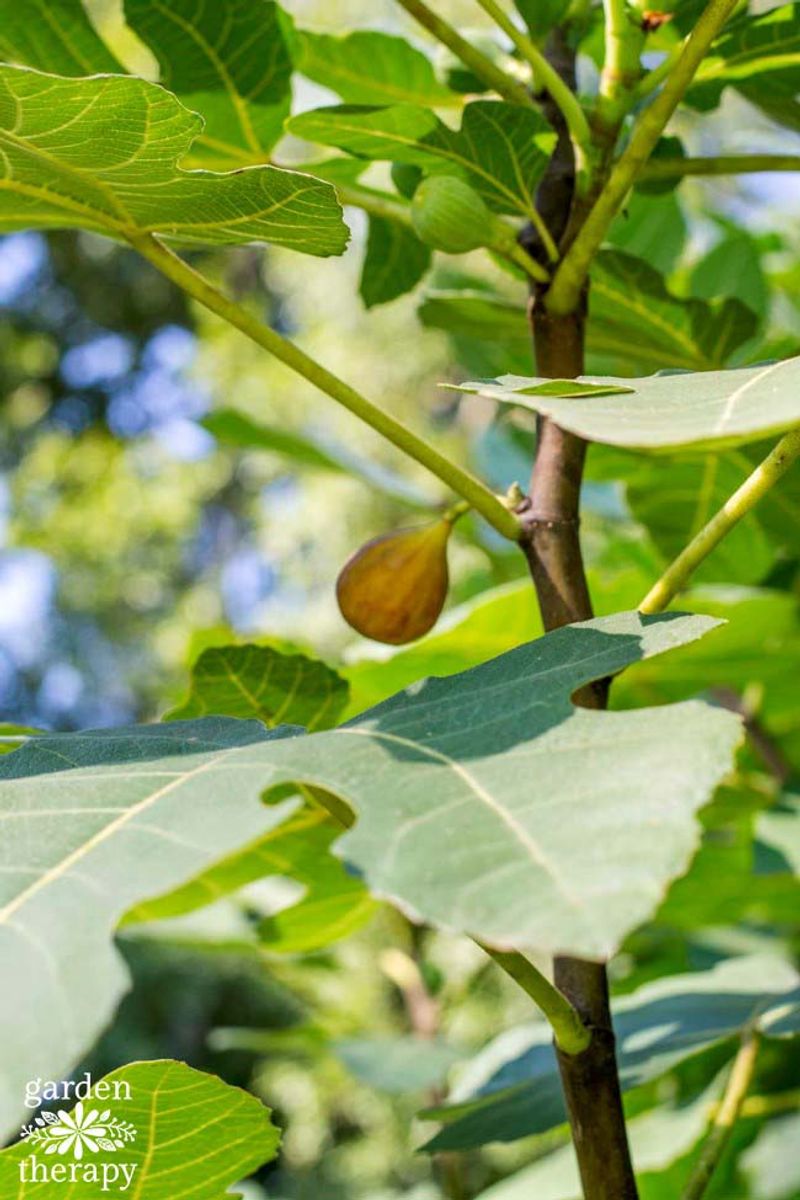
Figs make a summer yard feel generous. Celeste is a familiar choice for north and central Florida because it can produce sweet, small fruit without needing a second fig tree for pollination.
Unlike citrus, it drops its leaves in the cool season, giving a cramped garden a welcome break from dense shade.
Plan for a tree rather than a permanent shrub. Put it in full sun where its roots and branches have room, then prune during dormancy to keep the fruit within reach.
Do not crowd it beside a foundation or walkway. Young figs need regular water while establishing, but a site that stays soggy after storms is a poor choice.
Florida’s sandy soils can bring root-knot nematodes, which may weaken figs, so ask a local nursery or UF/IFAS Extension office about performance in your area before planting. Birds also notice ripe figs quickly.
Pick fruit when it softens and droops, and check the tree often during harvest. For gardeners who want fresh fruit without peeling, juicing, or a pollinator partner, Celeste has a clear purpose.
6. Grafted Loquat
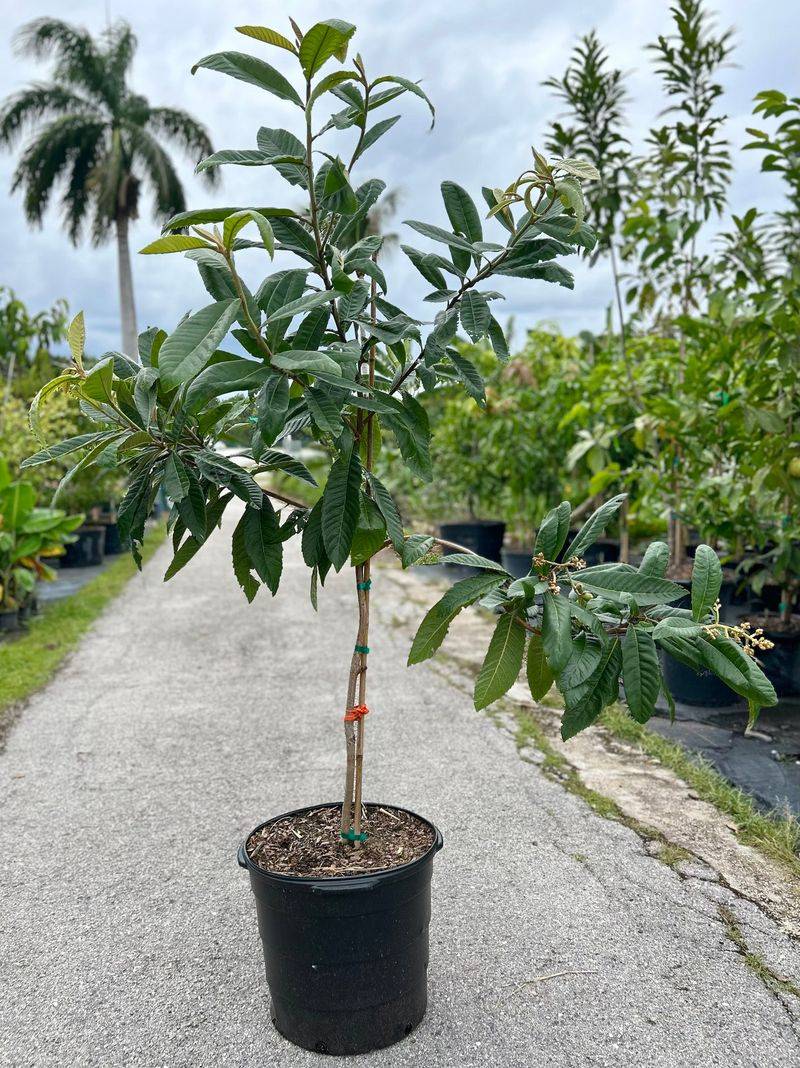
When much of the fruit garden is only beginning to wake up, loquat can already have a crop ready to pick. Its golden fruit has a sweet-tart flavor, and its broad, textured leaves give a small yard a lush look all year.
Those two jobs, edible harvest and handsome evergreen foliage, make it more than a spare corner tree.
Ask for a named, grafted fruiting variety at a nursery rather than choosing a random seedling. Seed-grown loquats may take longer to fruit and can vary in fruit quality.
A loquat can become a substantial tree if ignored, so plant it where you can prune and harvest safely. Aim for a compact, open canopy instead of cutting it back hard every year.
Loquats suit many Florida yards, but their flowers and developing fruit can be damaged by freezes, especially in colder inland spots. Give the tree sun and soil that drains after heavy rain.
Pick fruit as it turns fully colored and softens, since it does not store as long as supermarket citrus. It is a useful choice for a harvest at a different time of year.
7. Barbados Cherry
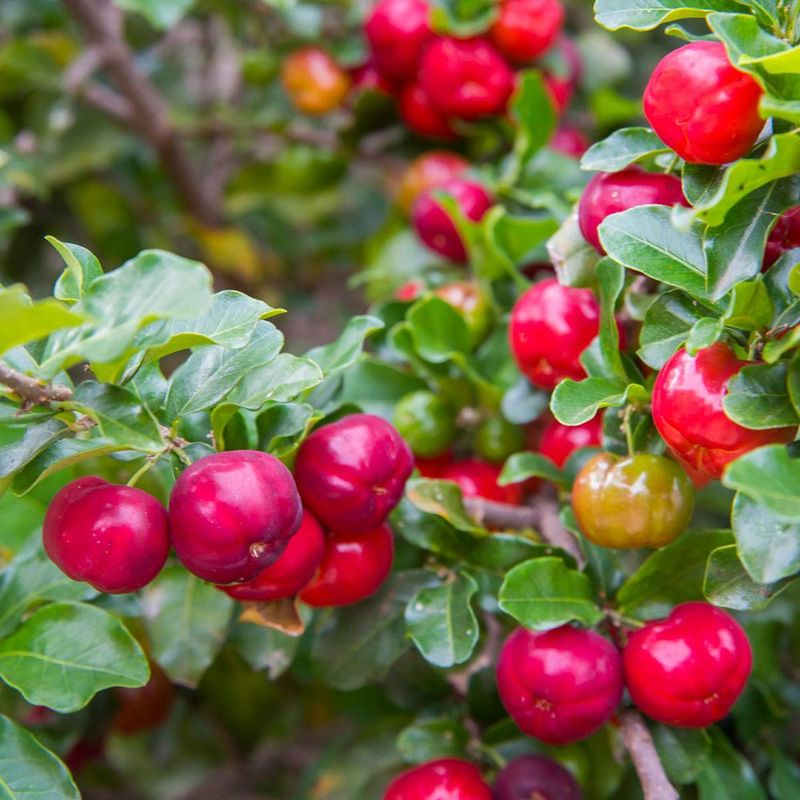
Red fruit, pink flowers, and a plant you can shape to fit beside a patio: Barbados cherry packs a lot into one spot. Also called acerola, it works well as a large shrub or small tree in warm parts of Florida.
Its fruit is tart to sweet-tart, so many gardeners use it in juice, smoothies, or preserves.
Choose a sunny site with good drainage and enough room to walk around the plant at harvest time. Light pruning can hold it to a size that suits a narrow yard, but leave healthy growth to flower and fruit.
Water regularly while it establishes; once settled, check the soil during dry weather rather than following a fixed daily schedule. A layer of mulch helps protect roots from rapid drying in sandy ground.
Barbados cherry is best suited to south Florida and frost-protected parts of central Florida. Its fruit bruises easily and is often best used soon after picking, which makes a tree steps from the kitchen especially valuable.
If your goal is both a colorful garden feature and frequent small harvests, this one brings a lively change from ordinary fruit trees.
8. Pineapple Guava
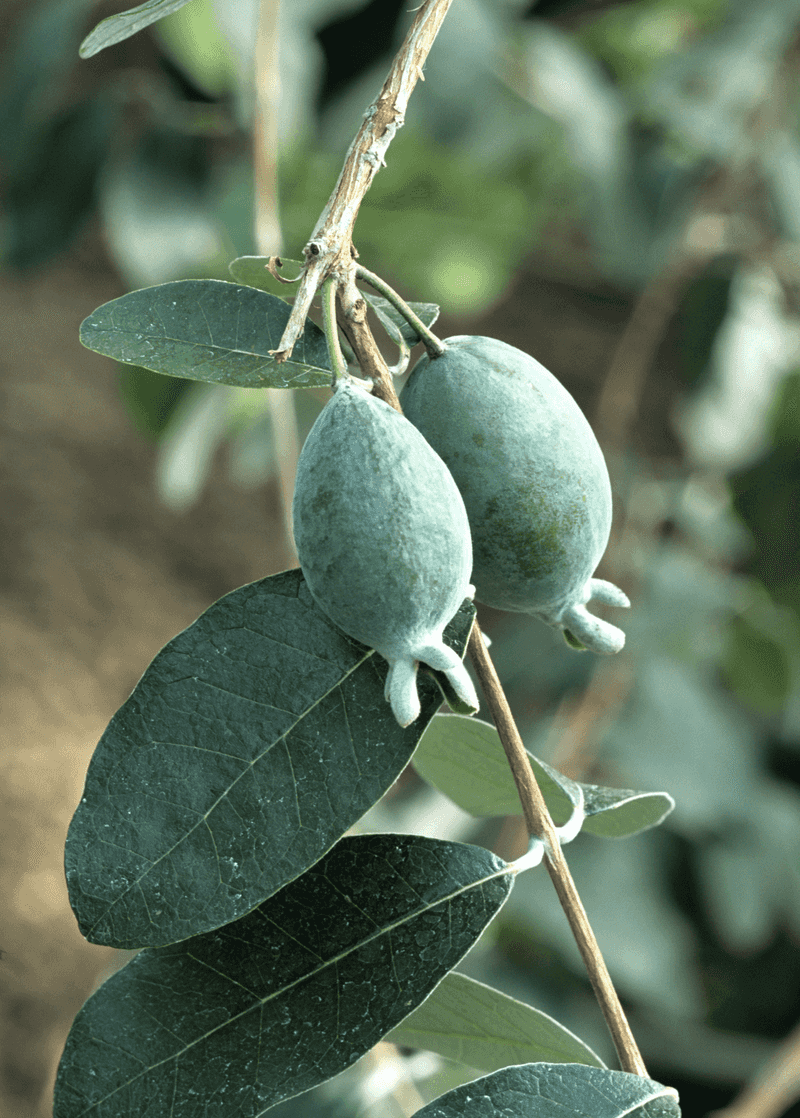
Silvery leaves make pineapple guava look polished even before it offers a single fruit. Also called feijoa, it can be trained as a small tree or kept as a sturdy shrub, which is handy where a big canopy would block a path.
Its unusual flowers bring extra interest to a garden that has room for only a few plants.
Give pineapple guava full sun and well-drained soil. It is generally a better match for north and central Florida than the hottest, most tropical sites.
Once established, it can handle dry spells, though steady moisture while fruit develops may improve the harvest. Prune lightly to maintain its shape and keep branches from leaning into a walkway.
Fruit production is less predictable than the title of a plant tag might suggest. Some varieties set more fruit with another compatible variety nearby, so ask the nursery about pollination before buying one tree.
Fruits are ready when they drop or come away easily, and their sweet, fragrant flesh is worth the short wait. Choose pineapple guava when attractive foliage matters just as much as a possible crop.
9. Pickering Mango
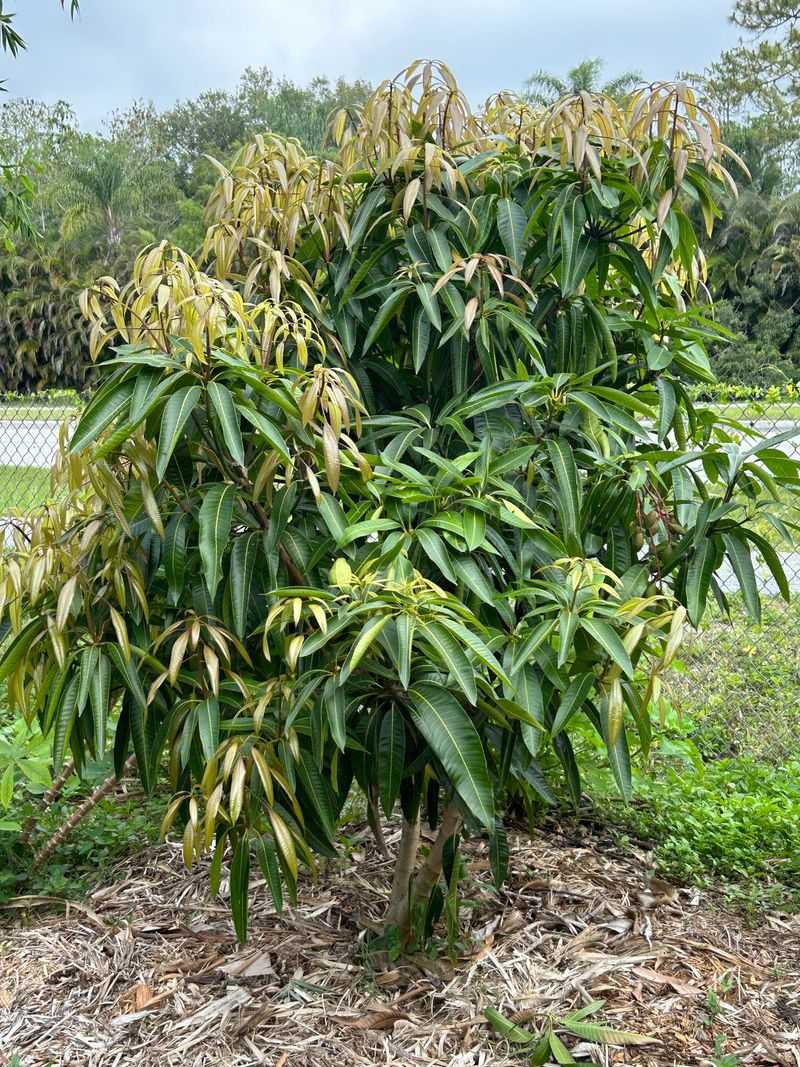
A mango you can pick from the ground sounds much friendlier than one towering over the roof. Pickering is a compact mango cultivar often chosen for small spaces, especially in south Florida.
Buy a grafted tree labeled with the cultivar name so you know what growth habit and fruit you are getting.
Set it in full sun, away from power lines and with room for air to move through the canopy. Pickering stays smaller than many mango varieties, but smaller does not mean tiny; plan for a real tree and prune thoughtfully after harvest to keep it within reach.
In Florida’s rainy season, drainage is key. Avoid a low spot where stormwater stands around the roots.
Cold is the big limit. Mangoes are best for south Florida and the warmest, protected central Florida yards, and young trees need particular care when temperatures fall.
Flowers and fruit can also be affected by weather and disease, so harvests will vary. Still, for a sunny southern yard with limited room, Pickering offers a chance at homegrown mangoes without committing to a giant shade tree.
10. Kari Starfruit
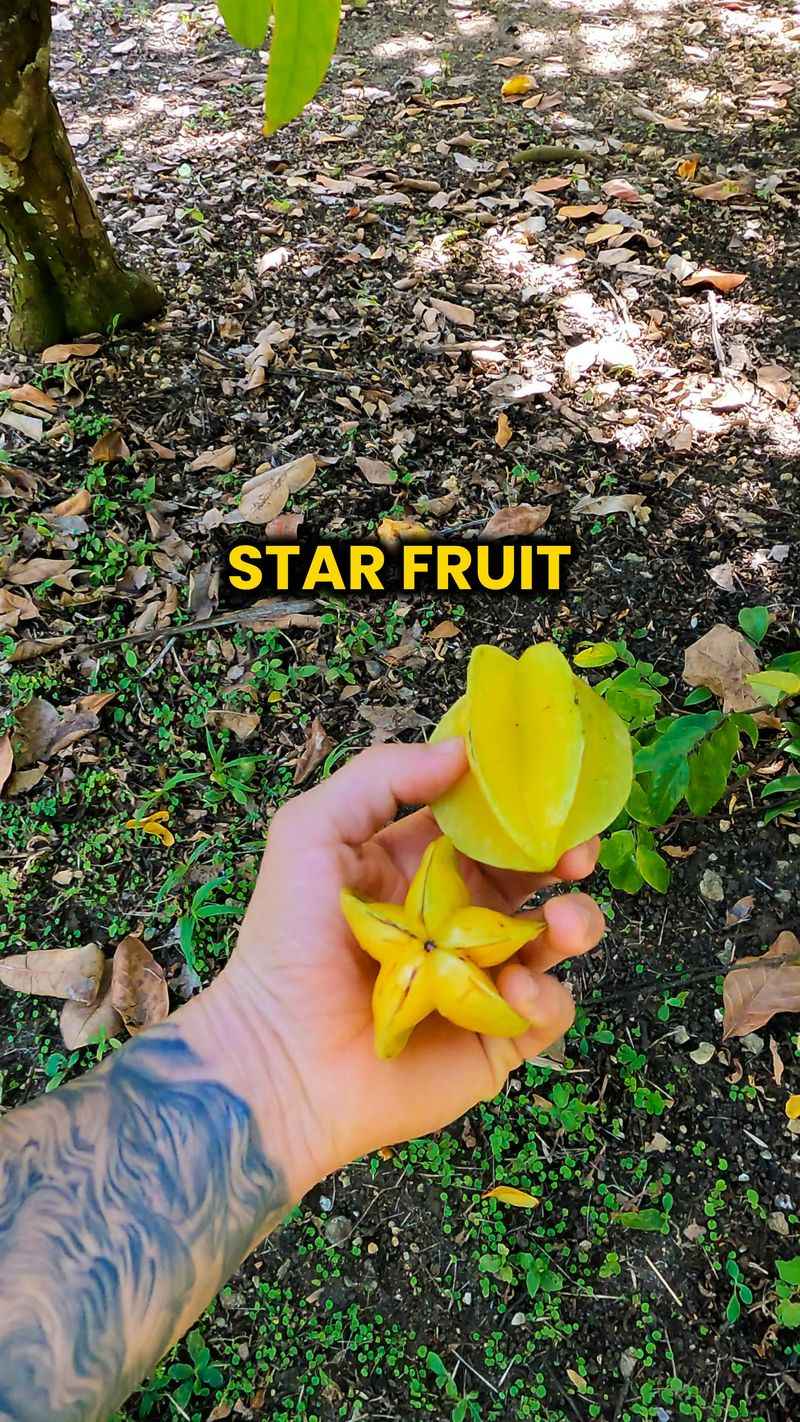
Slice a starfruit crosswise and the reason for its name appears on the cutting board. Kari is a carambola variety that can be pruned into a manageable backyard tree, giving warm-climate gardeners a different kind of fresh fruit.
Its yellow, ribbed fruit adds a bright note to salads and fruit plates.
Plant a grafted, named tree in a sunny spot protected from strong wind. Carambola is suited mainly to south Florida and warm, sheltered central Florida locations; freezing weather can injure it.
It also needs good drainage, so avoid places that flood after heavy rain. Water a new tree consistently, then watch soil moisture during long dry stretches instead of letting it swing between very dry and waterlogged.
Even a compactly managed carambola needs pruning and room for its branches, so it is not a good choice for the narrowest side yard. There is an important kitchen caution, too: people with kidney disease should not eat starfruit.
For households where it is safe to enjoy, Kari offers a distinctive harvest from a tree kept at a practical picking height.
11. Dwarf Namwah Banana
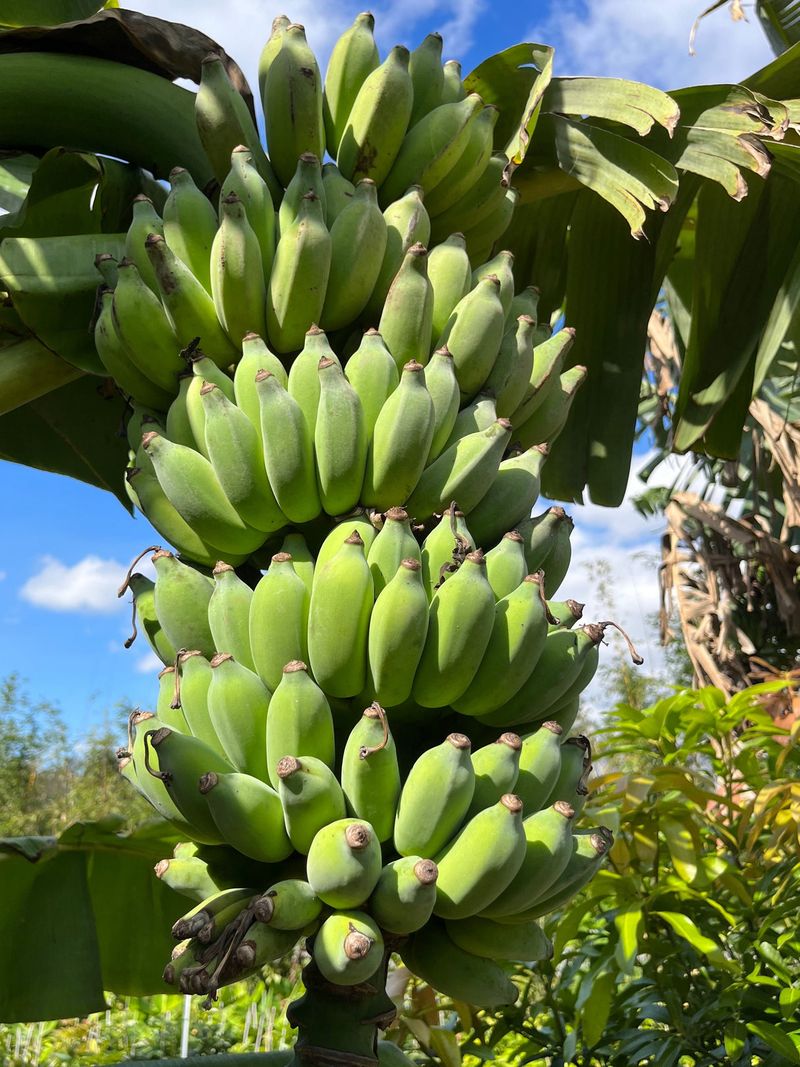
A bunch of bananas hanging at eye level makes a small backyard feel wonderfully tropical. Dwarf Namwah stays shorter than many banana selections, though it still needs space for broad leaves and spreading shoots.
It is technically a large herb rather than a tree, but its tree-like shape earns it a place in a compact fruit garden.
Give it sun, rich soil that drains well, and regular water during dry periods. Florida’s sandy soil benefits from added organic matter and mulch, especially because bananas grow fast and use plenty of moisture.
A sheltered spot helps protect the leaves from wind, and a fruiting stalk may need support as its bunch gains weight. Remove excess shoots so the clump does not take over a tight bed.
Dwarf Namwah performs best in south Florida and warm parts of central Florida. Frost can damage the plant, and a hard freeze may delay or prevent a crop.
After a stalk fruits, cut that stalk down while leaving a healthy replacement shoot to grow. Unlike a long-lived fruit tree, each stalk has its turn, keeping the planting productive through steady renewal.