
Spotting a Greater Roadrunner darting across a Central Texas yard is one of those moments that makes you feel like the land is still alive with wildlife. These birds do eat scorpions, and that fact has convinced many homeowners that inviting one into the yard could help with the stings they worry about near the back door.
The truth is more complicated and more interesting than a simple fix. Making your yard more roadrunner-friendly is a real and rewarding goal, but it works best when paired with the structural steps that actually keep scorpions out of your house.
Roadrunners eat scorpions, but they do not promise control
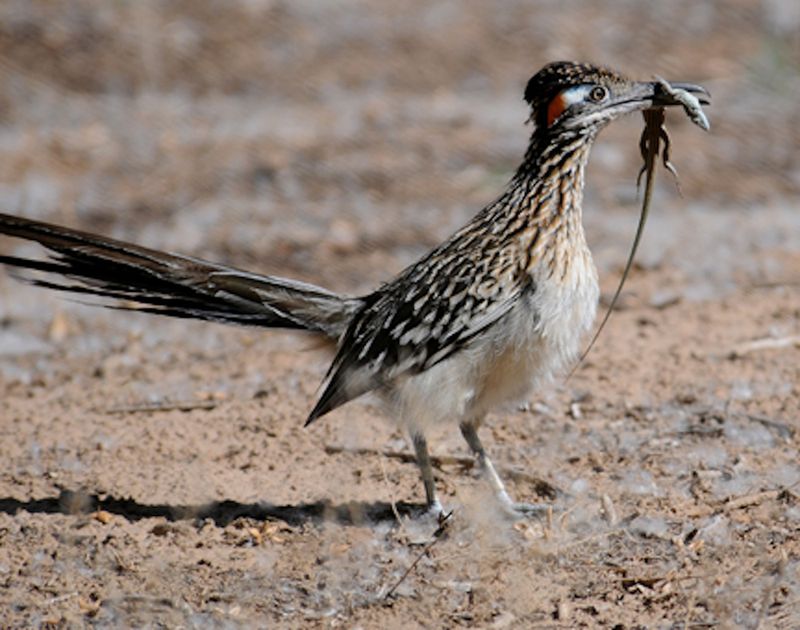
The Greater Roadrunner is the bird you want to know about. It ranges broadly across Texas, including the Hill Country and other Central Texas landscapes, and it thrives in semi-open, brushy environments rather than dense forest or heavily developed neighborhoods.
Cornell Lab of Ornithology’s life-history account describes the species as an opportunistic generalist that pursues a wide range of prey on the ground, from large insects to reptiles and small mammals.
Yes, roadrunners do eat scorpions, including species found throughout Texas. But scorpions are only one item in a broad menu.
A Texas Parks and Wildlife diet study found grasshoppers in every stomach examined among South Texas roadrunners, while scorpion remains showed up in only one prey category. A larger analysis of nearly 6,834 identifiable food items found that 95.9 percent were invertebrates, dominated by grasshoppers and beetles.
Scorpions appear in the data, but they are far from the bird’s primary focus.
What that means practically is straightforward: a roadrunner passing through your yard may or may not catch a scorpion on any given visit. No research has shown that roadrunner presence reduces scorpion numbers around a home.
The honest promise here is that a Central Texas yard can be made more suitable for occasional roadrunner visits, and those visits support natural predation in a general sense. Framing a visiting bird as a possible ecological bonus rather than a pest-control solution keeps expectations grounded and keeps you from skipping the steps that actually protect your home.
Give a ground-foraging bird room to move
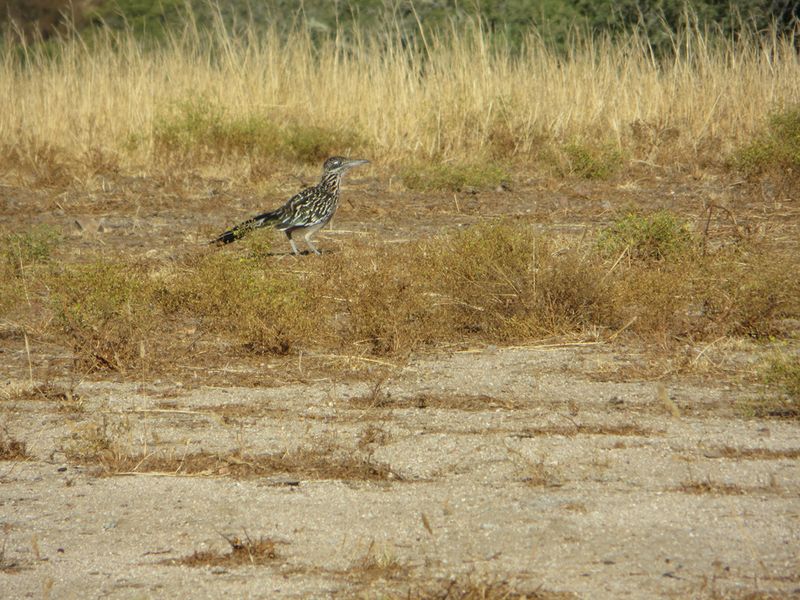
Roadrunners do not hunt the way songbirds do. They walk, sprint, and scan, covering open ground with quick bursts of speed to chase down prey.
A yard packed wall-to-wall with dense groundcover, thick turf, or tall ornamental grasses does not give the bird the sight lines or the room it needs to work.
Texas Parks and Wildlife’s roadrunner profile describes suitable habitat as bare ground with scattered trees and bushes where the bird can walk and hunt. A practical approach is to preserve or create a modest open foraging patch alongside scattered native shrubs or low trees rather than converting the entire property to dense plantings.
The brushy edges provide cover the bird can retreat to; the open ground is where it actually hunts.
Central Texas is not one uniform habitat. A brushy Hill Country lot already has natural structure that may suit the bird well.
A heavily irrigated suburban yard or a small urban lot faces different constraints, and a roadrunner’s territory can extend up to roughly a half-mile in diameter, meaning your property may be only one stop along a much larger route. The goal is to improve conditions, not to engineer a guaranteed sighting.
Removing a section of thick low groundcover near a fence line, thinning a dense planting bed, or leaving a gravel or decomposed-granite patch open near the yard’s edge are small adjustments that move a property in the right direction without requiring a full redesign.
Use native plants to support the prey base
Native plants do something non-native ornamentals rarely can: they support the insects, spiders, and small reptiles that form the base of a generalist predator’s diet. A yard planted with regionally appropriate species tends to host more of the invertebrate life that roadrunners and other wildlife actually eat.
That connection runs through the food web rather than from plant to bird in a direct line, which is worth understanding before you start digging.
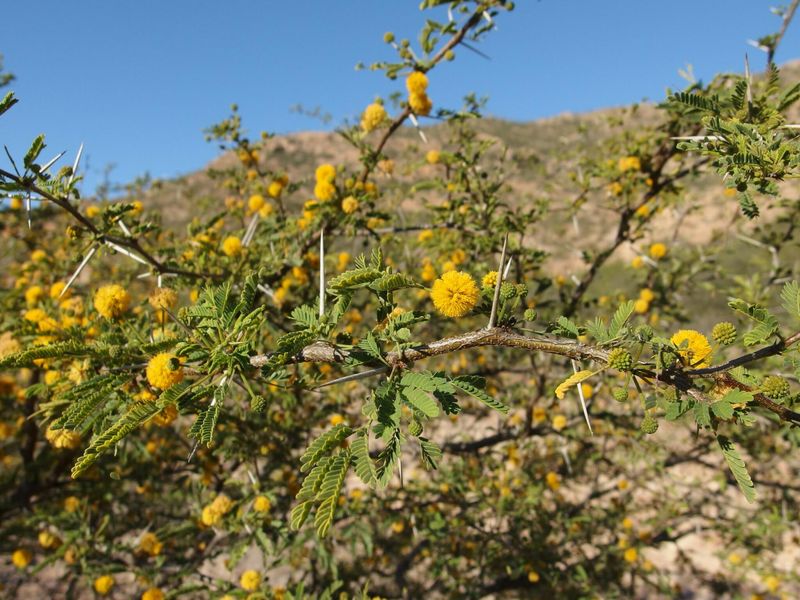
Texas Parks and Wildlife mentions mesquite, huisache, retama, thornbrush, and prickly pear as examples of the plant community roadrunners use in South and Central Texas. Those names come up as habitat context, not as proven lures.
TPWD’s habitat-resources guidance recommends native vegetation because it supplies food and shelter directly and by supporting insects, and it generally requires less water and maintenance than many non-native alternatives once established.
Plant selection in Central Texas is not one-size-fits-all. Caliche soils, clay soils, sandy loam, and rocky outcrops all behave differently, and water availability, fire-safety setbacks, and HOA restrictions vary by neighborhood.
TPWD’s Texas Wildscapes resources offer region-specific native-plant guidance that accounts for those local differences. Consulting those lists before purchasing plants saves time and money, and it ensures the species you add actually fit the soil and rainfall conditions on your property.
The aim is a functioning food web with enough insect and prey diversity to support occasional wildlife visits, not a named checklist of roadrunner-attracting species.
Offer safe water and let the bird forage naturally
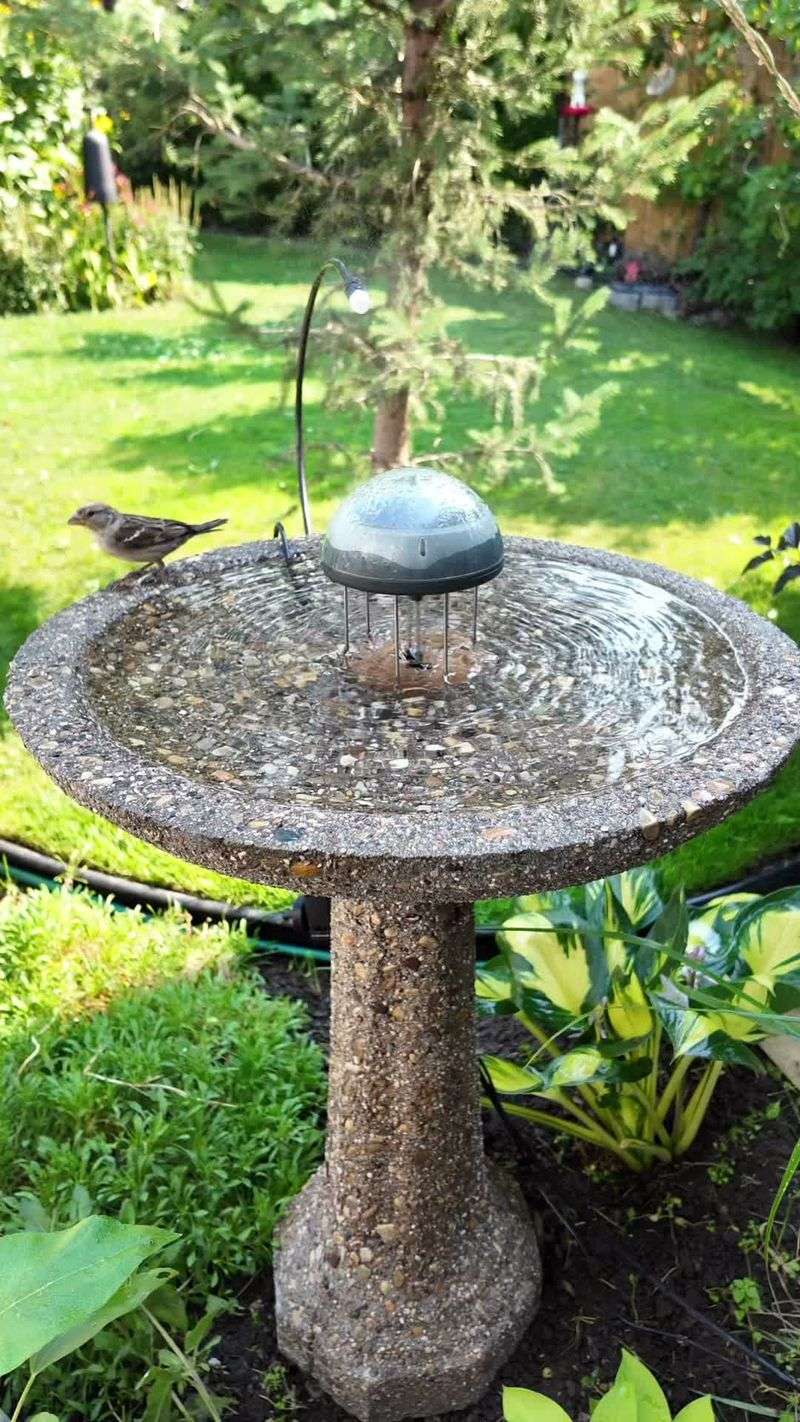
Water is one of the most straightforward things you can add to a Texas yard for wildlife. A shallow basin or puddle-like water source placed in an open spot with good visibility around it gives birds and other animals a safe place to drink without feeling cornered.
TPWD’s habitat-resources page recommends shallow basins, regular cleaning, and frequent water replacement to limit algae and mosquito breeding. The shallower the better, roughly one to two inches deep at the edges, so smaller animals can use it safely.
No source has established a birdbath as a reliable roadrunner attractant specifically. Water is a general wildlife resource that benefits many species, and a roadrunner may or may not stop at yours.
Place any water feature where you can see it easily, keep it scrubbed clean on a regular schedule, and replace the water every few days. A feature near the house should not create drainage problems, standing-water pooling, or additional harborage for pests near the foundation.
Putting out meat, pet food, live scorpions, or other bait to coax a roadrunner closer is not a safe or sound practice. TPWD’s Wildlife Watchers Code of Ethics advises letting wild animals forage naturally and reserving supplemental feeding for standard backyard birds.
Bait can draw rodents, raccoons, and neighborhood dogs, create disease risks, and condition wildlife to associate humans with food. Natural foraging is safer for the bird and safer for your yard.
Reducing unnecessary broad-spectrum pesticide use is worth considering because TPWD’s wildscape tips note that leaving insects in the yard maintains a food source for insectivorous wildlife. That does not mean abandoning pest treatment entirely.
A serious scorpion, fire ant, or other pest problem may warrant targeted, label-compliant treatment or professional advice. The goal is to reduce the reflexive use of broad-spectrum products that wipe out the insect diversity the whole food web depends on.
Protect visiting roadrunners and other backyard wildlife

A large ground-foraging bird that occasionally moves through your yard faces real hazards that most homeowners do not think about until something goes wrong. Outdoor and free-roaming cats are among the most significant threats to ground-level birds, and a roadrunner spending time in the open is a realistic target.
Keeping cats indoors or supervised outdoors removes one of the most preventable risks without requiring any yard modification.
Window collisions are another hazard worth addressing. Cornell Lab’s window-collision guidance recommends applying external tape patterns, decals, or screens to glass surfaces that reflect sky or vegetation, since birds cannot distinguish reflections from open space.
Large glass doors and picture windows near a yard where birds forage are the most important surfaces to treat.
Roadrunners are also predators in their own right, and Cornell’s life-history account documents a diet that includes lizards, snakes, small mammals, eggs, and other birds. A visiting roadrunner may reduce the local lizard or small-bird population around your property.
That is natural behavior, not a problem to solve, but it is worth knowing before you describe the bird as harmless to every other species in the yard.
Under Texas law, native birds including the Greater Roadrunner are protected, and TPWD’s nongame-species regulations make it clear that capturing, possessing, relocating, or disturbing native wildlife without proper authorization is not permitted. If a roadrunner nests nearby or a bird appears injured, contact TPWD or a licensed wildlife rehabilitator rather than handling the animal yourself.
Observing from a respectful distance is both the ethical and the legal approach.
Separate the wildlife habitat from the scorpion barrier
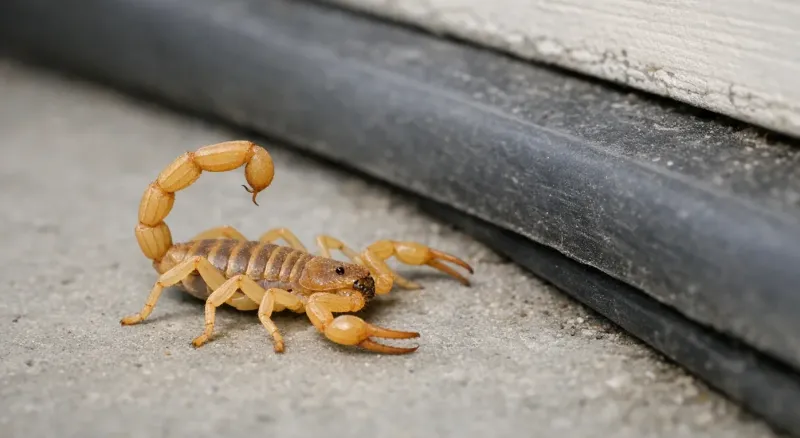
Wildlife habitat and scorpion management pull in different directions near the foundation of a house, and that tension needs a deliberate design answer. Brush piles, stacked firewood, loose rock, thick mulch, and debris all offer cover and moisture that scorpions use for harborage.
Those same materials can benefit insects and other small wildlife farther out in the yard, but placed right against the house they create exactly the conditions that allow scorpions to shelter close to entry points.
Texas A&M AgriLife Extension’s scorpion management guide recommends removing boards, stones, trash, and other harborage from around the structure, pruning vegetation back from the building, sealing cracks and gaps in the foundation and exterior walls, and adding weatherstripping to doors and windows. Firewood should be stored away from the house and brought inside only when it is going directly onto a fire, since scorpions hide in stacked wood readily.
The structural logic is straightforward: keep the foundation perimeter clean, uncluttered, and sealed, then let the habitat features you add for wildlife sit farther out in the yard where they do not create a scorpion pathway to the house. A gravel or decomposed-granite strip around the perimeter with no organic debris is easier to inspect and harder for scorpions to use as cover than a mulched bed running right to the wall.
Texas A&M also notes that insecticides alone are often inadequate for scorpion control and that modifying the area around the structure should come first. When chemical treatment is warranted, use targeted, label-compliant products and follow the application instructions carefully.
Serious infestations or persistent entry despite exclusion work are situations where a licensed pest-management professional can assess what structural gaps remain and recommend an integrated approach.
Measure habitat success without expecting fewer scorpions
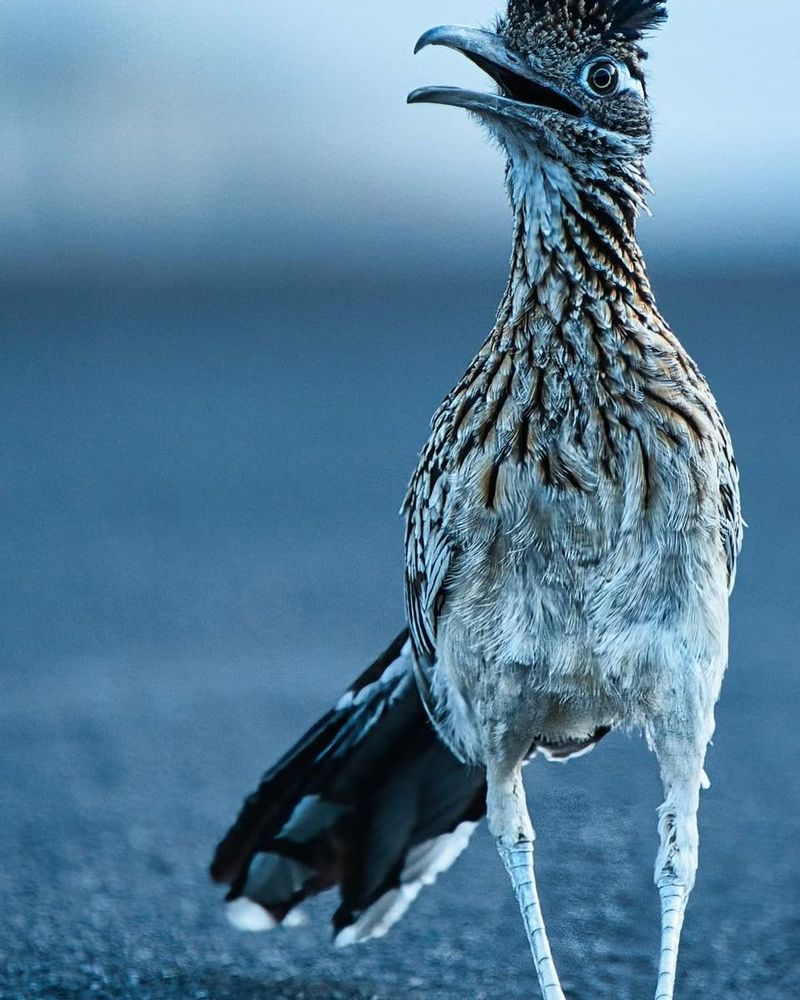
Habitat improvements take time to show results, and a roadrunner’s schedule is not yours to set. The bird’s territory can extend up to roughly a half-mile in diameter, so your property may be one of many patches it passes through on a given day or week.
A yard with better foraging conditions increases the chance of an occasional visit; it does not guarantee one, and a visit does not mean scorpions are declining.
A more useful measure of success is whether the yard supports more insect diversity, more lizard activity, or more bird species generally. Those are signs the food web is functioning, which is the actual goal of the habitat work.
If a roadrunner does appear, treat it as a bonus observation rather than evidence that the scorpion situation has improved. Cornell’s roadrunner account is clear that the bird may eat many prey types during a visit without touching a single scorpion.
Regarding scorpions themselves: TPWD’s arachnid safety page notes that the common striped scorpion found throughout Texas is mostly nocturnal and typically causes pain and local swelling rather than serious illness, though rare allergic reactions can require medical attention. Texas has 18 scorpion species, and none are considered deadly, but symptoms that go beyond local discomfort deserve prompt attention.
For any sting, CDC/NIOSH guidance advises contacting a qualified health-care provider or poison-control center, applying ice without submerging the area in ice water, and staying calm. Trouble breathing, neurologic symptoms, severe muscle activity, or other serious reactions require urgent medical care.
Poison Control can be reached at 1-800-222-1222 from anywhere in the United States.
Build a welcoming yard and let the roadrunner choose
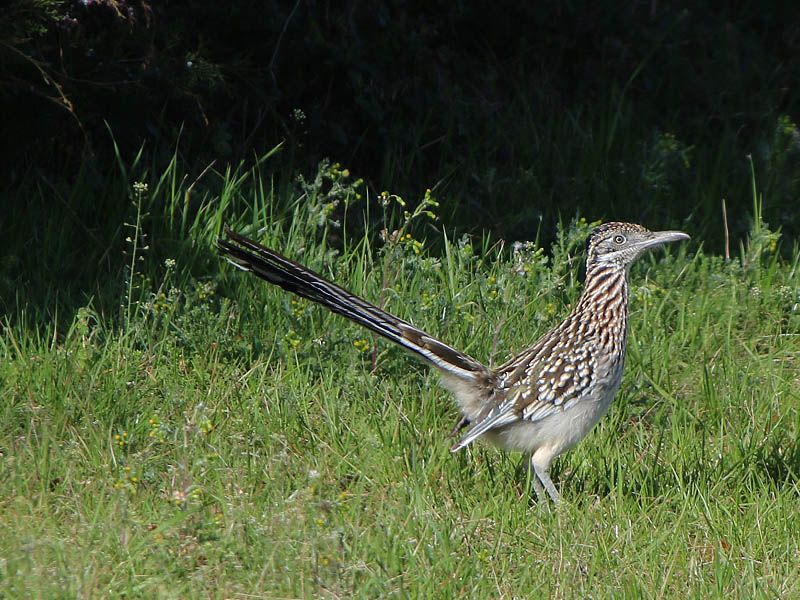
The repeatable plan for a more roadrunner-friendly Central Texas yard comes down to a few consistent habits. Keep an open foraging patch somewhere in the yard, support it with locally appropriate native plants that build insect and prey diversity, provide a shallow clean water source with regular maintenance, and reduce unnecessary broad-spectrum pesticide use where you can do so without ignoring a real pest problem.
Equally important is what stays away from the house. Texas A&M’s scorpion guidance and TPWD’s habitat-resources advice point in the same practical direction: wildlife features belong out in the yard, and the foundation perimeter belongs clean, sealed, and free of debris.
Those two zones can coexist on the same property when you treat them as separate design decisions.
Greater Roadrunners may contribute to natural predation in a yard that suits them, but they cannot replace structural exclusion or integrated pest management when it comes to keeping scorpions out of the house. What you can count on is a more functional Central Texas yard and a genuine chance that one of the state’s most distinctive birds will pass through and stay a while.
That is a worthy outcome on its own terms.