
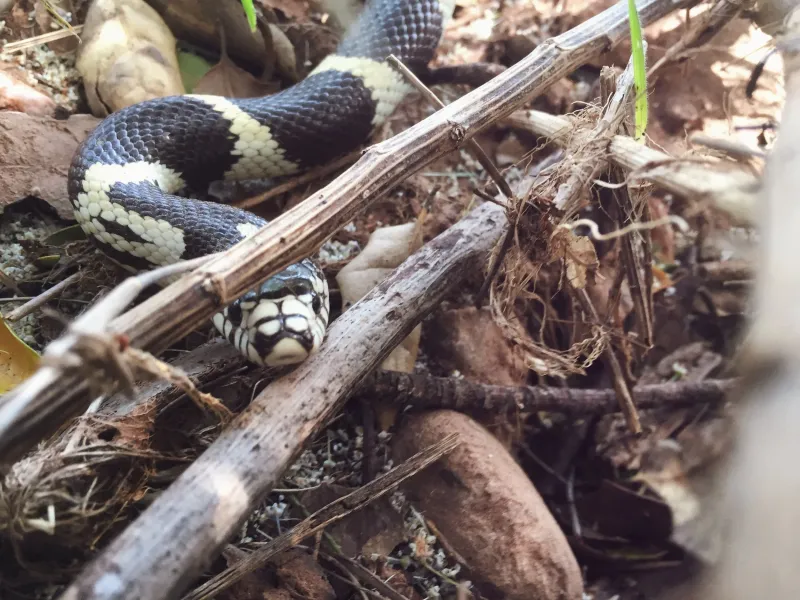
Many California homeowners kill the one native snake that may eat both rattlesnakes and rodents, mistaking a harmless ally for a threat. California kingsnakes are nonvenomous constrictors found across much of the state, and spotting one near your yard is genuinely good news.
That said, a single kingsnake is not a guaranteed pest-control service, and understanding what it can and cannot do will help you make smarter, safer decisions for your household and your local wildlife.
A California kingsnake is a native predator, not a yard-cleaning service
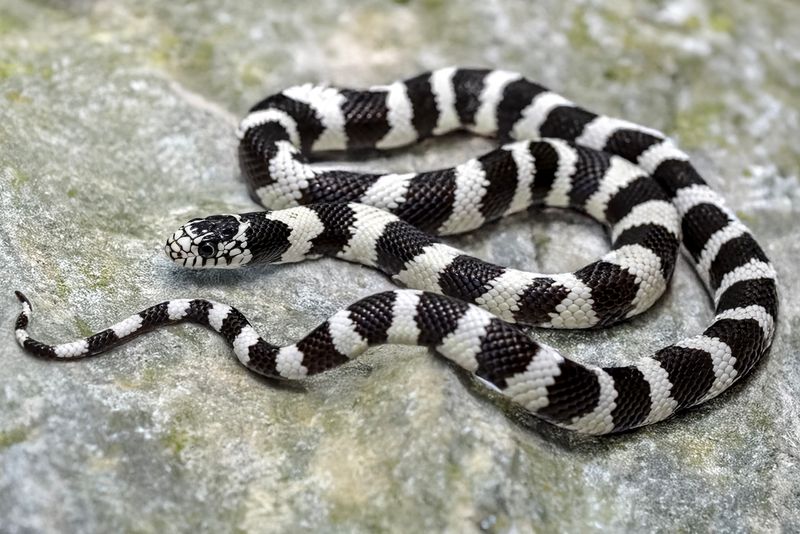
Spend enough time in a California yard and you may eventually cross paths with a banded black-and-white snake moving quietly through the leaf litter or along a fence line. That animal is likely a California kingsnake (Lampropeltis californiae), a nonvenomous constrictor native to much of the state and parts of the broader Southwest.
U.S. Fish and Wildlife Service records place the species across California, Arizona, Nevada, Utah, and New Mexico, so readers in Florida or Texas should know they may be dealing with a different kingsnake species or subspecies that requires its own state-specific guidance.
The California kingsnake’s diet is genuinely broad. National Park Service natural history notes describe a menu that includes rodents, lizards, birds, amphibians, invertebrates, and other snakes.
That range makes the animal ecologically valuable, but it also means the kingsnake is not a targeted pest-removal tool aimed only at the species you find inconvenient.
Protecting an existing kingsnake on your property may preserve a beneficial native predator. California Department of Fish and Wildlife identifies snakes broadly as beneficial rodent predators worth leaving alone.
However, “beneficial” should not be read as “reliable.” No single kingsnake, and no number of kingsnakes, has been shown to clear a California yard of rodents or rattlesnakes. Replacing the reflex to kill an unfamiliar snake with accurate, limited expectations is the most practical first step any homeowner can take.
Rattlesnake predation is real, but it is not residential pest control
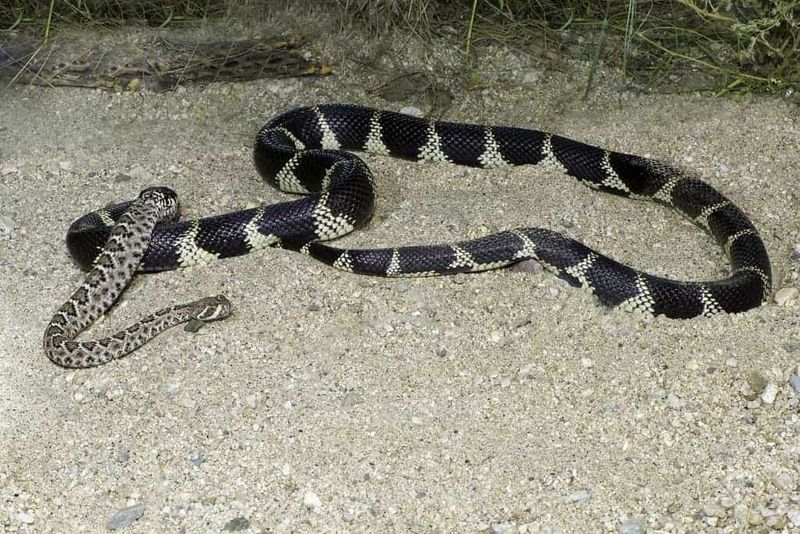
One of the most striking facts about California kingsnakes is that they can prey on rattlesnakes. California Department of Fish and Wildlife rattlesnake guidance lists kingsnakes among the animals that prey on rattlesnakes, and the reason the kingsnake can do this comes down to physiology: the species is resistant, or highly tolerant, to some rattlesnake venom effects.
That is meaningfully different from being immune. A National Park Service gallery note on California kingsnakes explicitly says they are not totally immune to rattlesnake venom, and none of this biological tolerance makes rattlesnakes safer for people to approach.
Equally important is how this predation actually happens. The National Park Service describes kingsnakes eating rattlesnakes opportunistically, meaning they take a rattlesnake when the chance arises rather than specifically hunting them out.
A kingsnake moving through your neighborhood is not patrolling for rattlesnakes on your behalf. UC Integrated Pest Management guidance on rattlesnakes is direct on this point: kingsnake predation is not significant enough to reduce rattlesnake problems around a home, and UC IPM does not recommend relocating kingsnakes to a property for biological control.
The distinction that matters for homeowners is between preserving an existing predator and trying to engineer a solution. Leaving a kingsnake alone if it is already present respects a native animal and may retain a predator that occasionally eats rodents or another snake.
Capturing, moving, or deliberately introducing a kingsnake to your yard is a different action entirely, one without documented benefit and with potential downsides for both the animal and your household. The presence of a kingsnake does not mean rattlesnakes will stay away, and its absence does not mean rattlesnake numbers will rise.
When you see a snake, create distance instead of getting closer
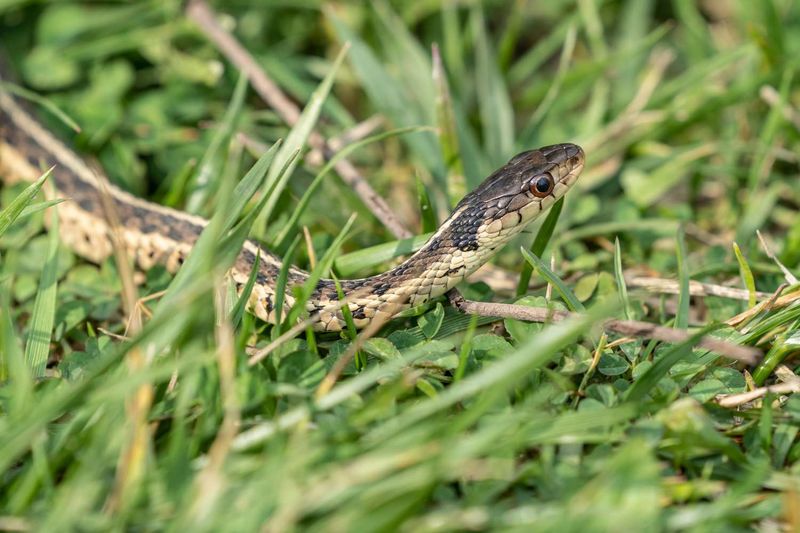
Most snake encounters in a California yard end safely for everyone if the person who spots the snake simply moves away. California Department of Fish and Wildlife notes that snakes generally avoid people and that the majority of bites happen when someone handles a snake or accidentally touches one they did not see.
The practical takeaway: your job at the moment of a sighting is to create space, not to get a closer look.
Identification from a distance is genuinely difficult, and California has multiple harmless snake species that can be mistaken for rattlesnakes. The reverse is also true.
UC IPM rattlesnake guidance points out that rattlesnake appearance and behavior vary considerably, and a startled rattlesnake may not rattle before striking. Trying to get close enough to confirm whether a snake has a rattle, a triangular head, or particular markings puts you in exactly the position where bites occur.
The right response covers both venomous and nonvenomous snakes: keep people and pets away from the animal, do not attempt to kill it or pick it up, and let it move on its own. California rattlesnake guidance reinforces that killing a snake out of fear or uncertain identification is both unnecessary and potentially harmful to a native species you may want to protect.
Supporting kingsnakes, specifically, starts with this same habit: leave the snake alone and give it room to go about its business.
Control rodents without unnecessarily exposing native predators
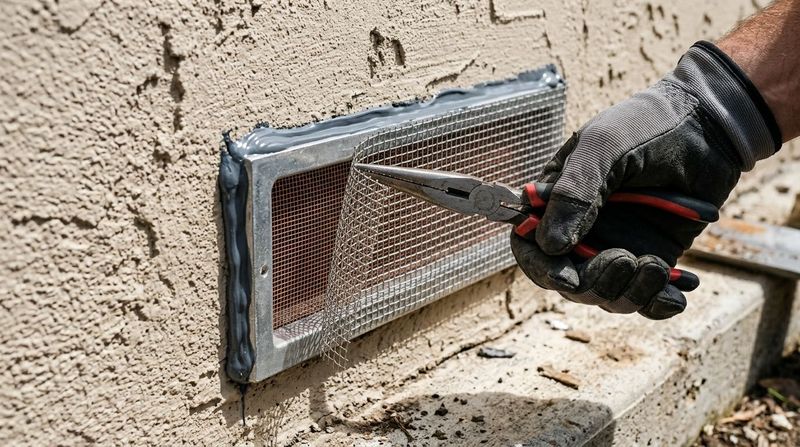
Rodents draw both rattlesnakes and kingsnakes to a property, so reducing the rodent population is one of the most direct things a homeowner can do to lower snake activity near the house. The most durable approach starts before a rodent ever gets inside.
CDC rodent control guidance recommends sealing entry points, removing food sources, and using snap traps when rodents are already present. California Department of Fish and Wildlife rodent guidance similarly emphasizes controlling attractants and access as a longer-term solution.
Practical exclusion steps include checking where pipes, wires, and vents enter walls and sealing gaps larger than a quarter inch with hardware cloth, caulk, or steel wool. Eliminate outdoor food sources by keeping bird seed in sealed containers, picking up fallen fruit promptly, securing compost bins, and storing pet food indoors.
Snap traps, set in areas inaccessible to children and pets, are effective and do not carry the secondary risks that rodenticides do.
Routine outdoor rodenticide use is a genuine problem for native predators. EPA rodenticide safety review warns that predators and scavengers can be harmed after eating poisoned rodents.
California wildlife health data documents secondary exposure risks to wildlife from anticoagulant rodenticides. Kingsnakes, raptors, foxes, and other animals that eat rodents are all vulnerable to this indirect poisoning.
Removing rodents through poison does not make snakes leave; it may simply kill the predators that were naturally keeping rodent numbers lower.
If you use bait despite those risks, follow the product label exactly. EPA guidance on safe bait use requires approved tamper-resistant stations, placement away from children and pets, and prompt removal of dead rodents to reduce wildlife exposure.
EPA restrictions on rodenticide products also limit which formulations are available to residential users, so check current labels before purchasing.
Separate wildlife-friendly edges from the spaces your household uses

One of the most common pieces of habitat advice – add rock piles, brush piles, or dense ground cover to support wildlife – can backfire badly in a California yard where rattlesnakes are a realistic concern. Features that could shelter a kingsnake will also shelter rattlesnakes, rodents, and other animals you are not trying to attract.
The solution is not to avoid all wildlife-friendly choices, but to keep any less-managed areas physically separated from the parts of your yard that your household actually uses every day.
UC IPM rattlesnake guidance recommends removing or reducing hiding places such as lumber piles, dense debris, heavy brush, and rock piles near structures, and sealing openings larger than one-quarter inch around buildings. UC Agriculture and Natural Resources guidance on rattlesnakes in gardens reinforces that tidy, open ground near doors, paths, patios, play areas, and pet runs reduces the risk of an unexpected encounter.
If your property has a back fence line, a slope, or a strip of land that sees little daily foot traffic, that is where a less-managed edge makes sense. Keep it genuinely separated from high-use zones, not just a few feet away.
Maintain clear sightlines so you can spot movement before getting close.
No planting scheme has been proven to reliably attract California kingsnakes or repel any snake species. UC IPM notes that no plants have demonstrated adequate effectiveness as snake repellents, and no authoritative California source recommends a specific planting recipe to draw kingsnakes in.
The realistic goal is not to build kingsnake habitat from scratch, but to avoid destroying conditions that might already support one while keeping your household’s daily spaces orderly and low-risk.
Use professional help when a rattlesnake enters a high-use area
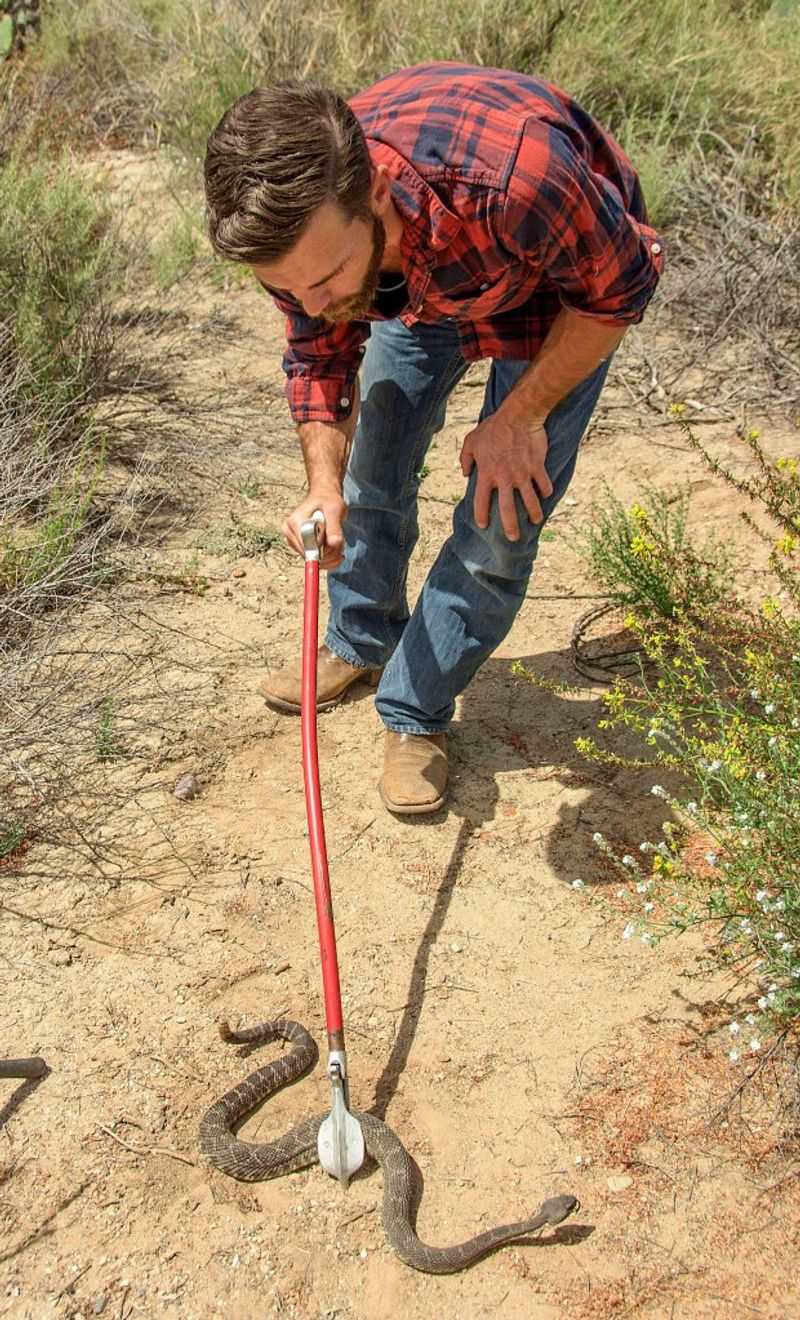
A kingsnake moving through the back corner of your yard on a warm evening is a very different situation from a rattlesnake coiled near your back door, under a play structure, or along the path to your car. Knowing which situation you are in shapes the right response.
For the kingsnake, the answer is to leave it alone and let it pass. For a rattlesnake in a high-use area, the answer is to keep everyone away and call a qualified snake-removal professional.
UC IPM rattlesnake guidance is clear that homeowners should not attempt to kill, handle, capture, or move a rattlesnake near a home, play area, or pet run. California rattlesnake guidance adds that most bites happen during handling attempts.
A rattlesnake that has not rattled or moved does not mean the animal is calm or safe to approach. Keep children and pets indoors or away from the area until a professional has assessed the situation.
California wildlife agency guidance notes that wildlife generally cannot be trapped and released elsewhere without proper authorization, which is another reason to leave removal to someone trained and equipped for it. Supporting kingsnakes never requires getting close to any snake, venomous or not.
The longer-term work of reducing future conflicts remains the same regardless: seal structures, reduce rodent attractants, and keep dense cover away from busy outdoor spaces.
Protect the kingsnake you already have—without expecting it to solve the yard
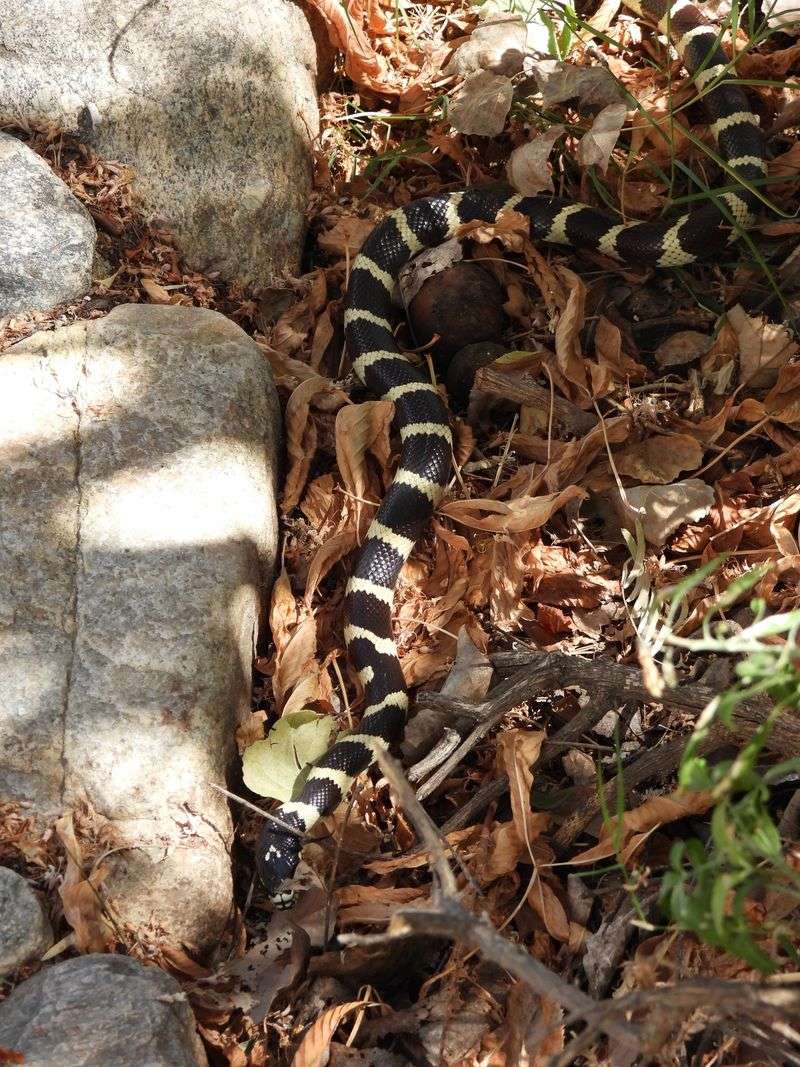
The most useful thing most California homeowners can do for a kingsnake is nothing dramatic. Do not kill or handle a nonvenomous snake you encounter.
Do not try to relocate one into your yard, because UC IPM rattlesnake guidance finds that kingsnake predation does not provide enough local control to justify moving one, and wild snakes generally fare poorly when relocated.
Address rodents through sealed entry points, removed attractants, and snap traps rather than outdoor rodenticide, which can harm the predators you want to keep around. California Department of Fish and Wildlife supports leaving native snakes alone as the baseline for coexistence.
CDC rodent control guidance provides the practical steps for doing that work without creating new risks for wildlife or your household.
Keep any less-managed wildlife edges well away from doors, play areas, and pet runs. Preserving an existing kingsnake may retain a native predator that occasionally eats rodents and, when the opportunity arises, another snake.
What it will not do is guarantee a yard free of either. A kingsnake is worth protecting because it belongs here, not because it owes you a clean yard.