
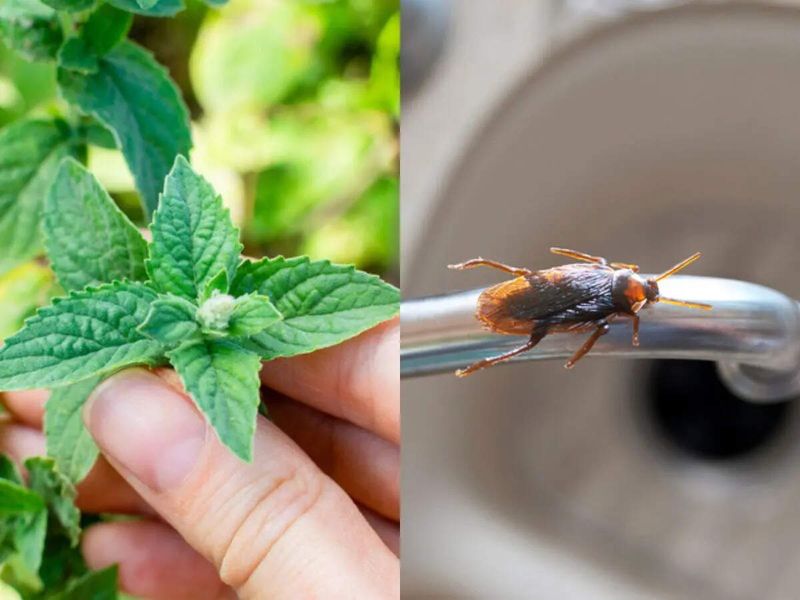
A plant called catnip has been making the rounds online as a natural roach deterrent, and the science behind it is genuinely interesting. Researchers have found that catnip-derived compounds can push cockroaches away under controlled lab conditions.
But the full story is more complicated than a simple porch fix, and some of what gets repeated about this plant is flat-out wrong. Here is what the research actually shows, what it does not show, and how to protect your home from roaches in ways that are proven to work.
Catnip Is Behind the Claim, but the Headline Needs a Correction
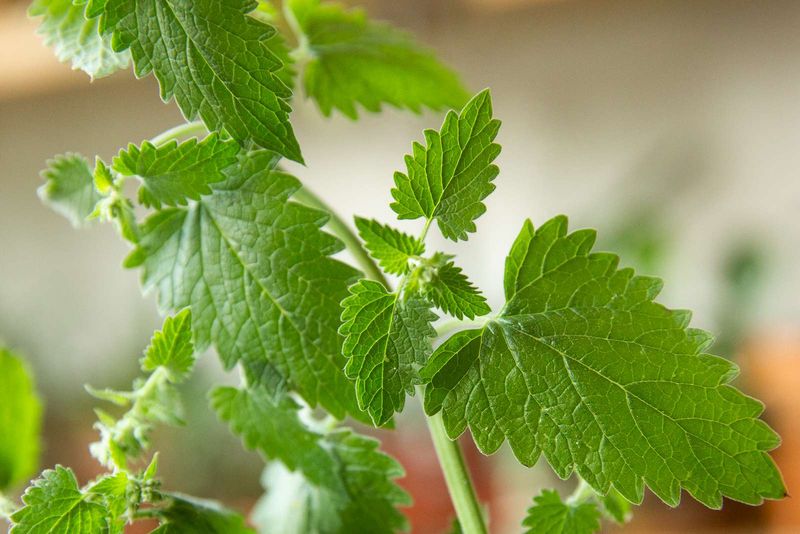
Catnip, known botanically as Nepeta cataria, is the plant connected to cockroach-repellency research, and it deserves a fair look. Researchers studying catnip’s essential oil and its primary volatile compounds found measurable repellent activity against cockroaches in controlled behavioral tests.
That finding is real, and it is worth understanding.
Two corrections need to come first, though. The research tested catnip-derived compounds, not a living potted plant sitting near a door.
A 2002 PubMed study on catnip essential oil and German cockroaches worked with isolated chemical fractions in laboratory choice arenas, not with a plant growing in a container on someone’s porch. Placing a live plant outdoors and expecting it to replicate those test conditions is a significant leap the research does not support.
The second correction concerns the word “native.” Common catnip is not a Texas native plant. Kew’s Plants of the World Online identifies Nepeta cataria as native from southern Europe eastward to Japan, and lists it as introduced in Texas.
That is a meaningful distinction for gardeners and for anyone evaluating a pest-control claim built on regional plant identity.
What the laboratory findings do justify is a closer look at catnip’s chemistry. Nepetalactone, the volatile compound responsible for catnip’s characteristic scent, has shown genuine activity in cockroach behavior studies.
The defensible conclusion is that the chemistry is interesting enough to investigate, while the live-plant-on-a-porch promise remains unproven.
What the Catnip Cockroach Studies Actually Tested
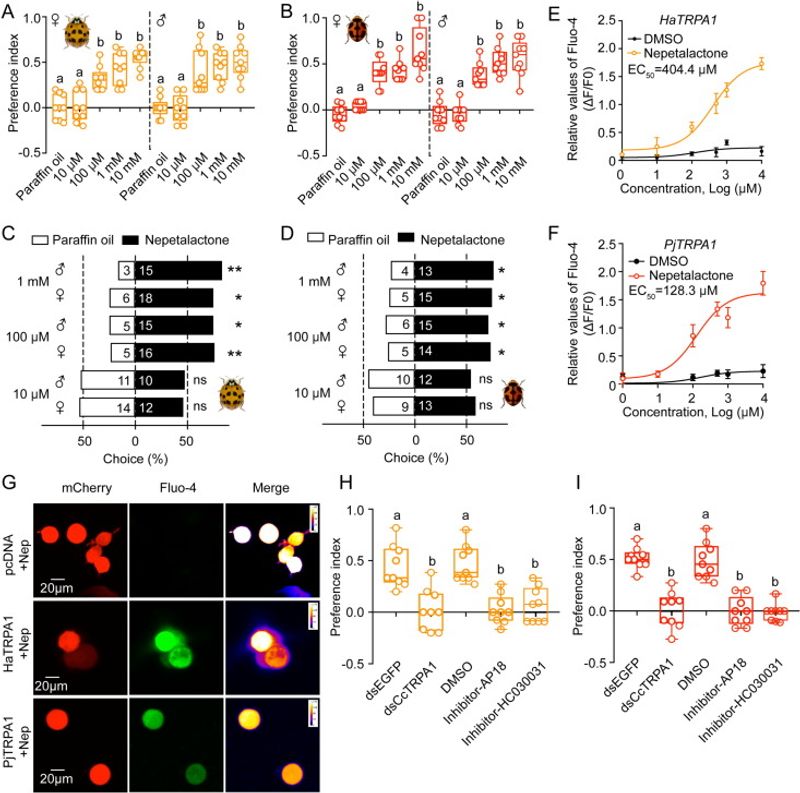
Catnip produces a group of volatile terpenoid compounds called nepetalactones, and these are what researchers focused on when studying cockroach behavior. The compounds occur in different isomeric forms, and their relative proportions can shift depending on the plant’s growth stage and season.
The 2002 German cockroach study placed cockroaches in laboratory choice arenas where one side was treated with catnip essential oil or isolated nepetalactone isomers and the other side was untreated. One nepetalactone isomer produced repellent activity that compared favorably to DEET within that specific test setup, at equivalent concentrations, in that controlled arena.
That comparison is notable, but it describes results inside a laboratory apparatus, not performance in a real home environment.
A separate study examined catnip steam distillate against American cockroaches and found it more repellent than DEET or citronellal in short-term tests. Research published in Environmental Entomology on nepetalactone isomers and comparative repellency also documented that volatile plant compounds can lose effectiveness over time, which matters when thinking about how long any catnip-based effect might last in an open outdoor space.
Species differences add another layer of complexity. German cockroaches and American cockroaches behave differently, occupy different habitats, and do not respond identically to the same compounds.
Results from one species cannot be applied automatically to another, and neither study tested wood cockroaches, brown-banded cockroaches, Oriental cockroaches, or any other species common in Texas homes. Concentration, formulation, and exposure route all shaped the laboratory outcomes, and none of those variables were set to match a potted plant on a porch.
A Living Plant Cannot Be Treated Like an Extract
Understanding why a potted plant cannot replicate a laboratory study comes down to concentration. Essential oils used in cockroach research are concentrated preparations, measured carefully and applied at specific doses to defined surfaces inside enclosed arenas.
A growing plant releases volatile compounds continuously into open air, where they disperse quickly and reach no measurable threshold near a doorway or threshold.
The Environmental Entomology nepetalactone research noted that repellent activity from volatile plant compounds can decline over time even in controlled settings. Outdoors, with air movement, sunlight, humidity, and varying temperatures, that decline would happen faster and less predictably.
No study has measured what concentration of nepetalactone actually accumulates near a catnip plant growing in a container on a Texas porch, and no study has tested whether that ambient level affects cockroach behavior in a residential setting.
Other plant oils reinforce this point without changing it. A PMC study evaluating plant essential oils against brown-banded cockroaches tested oregano, rosemary, eucalyptus, and other oils at measured concentrations applied directly in laboratory arenas.
The results were interesting, but they all came from extracted, concentrated materials, not from container plants. Growing rosemary or eucalyptus near your door does not reproduce the conditions of those experiments any more than growing catnip does.
The practical takeaway is straightforward: laboratory repellency studies on extracted oils are useful for understanding which plant compounds affect cockroach behavior. They are not a blueprint for container gardening as pest control.
Treating catnip as a porch plant is a reasonable gardening choice on its own merits; treating it as a substitute for exclusion and sanitation is not something the research supports.
Check Whether Catnip Fits Your Texas Growing Conditions
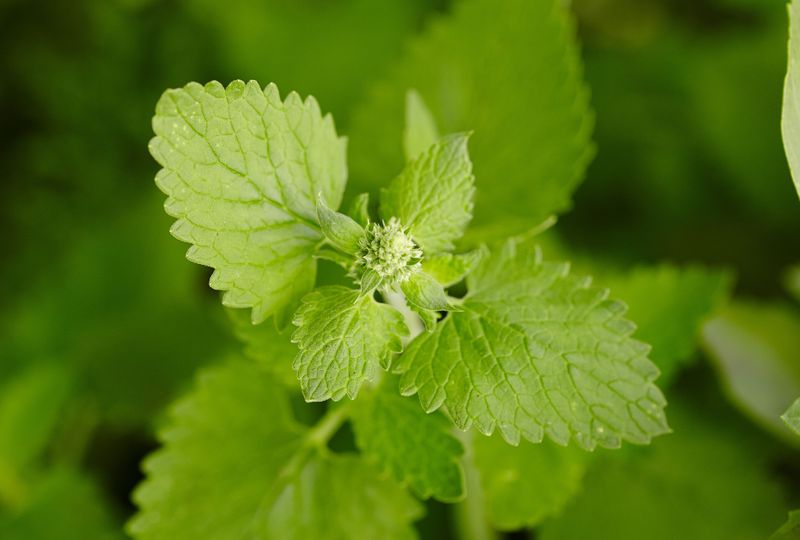
Before planting catnip for any reason, the first question is whether Nepeta cataria will actually perform in your specific part of Texas. The state spans multiple ecoregions with dramatically different soils, rainfall patterns, summer temperatures, and winter freeze risk.
A plant that handles Central Texas conditions may struggle on the Gulf Coast or wilt in West Texas heat.
One common source of confusion is that catmint guidance from the City of Austin’s watershed protection program recommends sun or part shade and well-drained soil, along with afternoon shade in hot climates. That Austin catmint plant guide describes Nepeta x faassenii, a hybrid catmint adapted for Texas landscapes, not common catnip.
The two plants are related but not the same, and cultivation guidance for one does not automatically transfer to the other. Treating that resource as proof that Nepeta cataria thrives statewide would be a stretch.
For accurate regional guidance, the Native Plant Society of Texas database lets you filter by ecoregion, growing conditions, and plant characteristics. It will not list common catnip as a Texas native, because Kew confirms it is introduced rather than native here, but it can help you find plants that genuinely belong to your local landscape.
One more household planning note: USDA plant material documentation confirms that catnip attracts and stimulates cats. If neighborhood cats roam your street, or if you have indoor-outdoor pets, a catnip plant near the front door could invite more feline attention than you want.
That is a practical household reason to reconsider the placement, separate from any pest-control question entirely.
Build a Real Barrier at the Porch
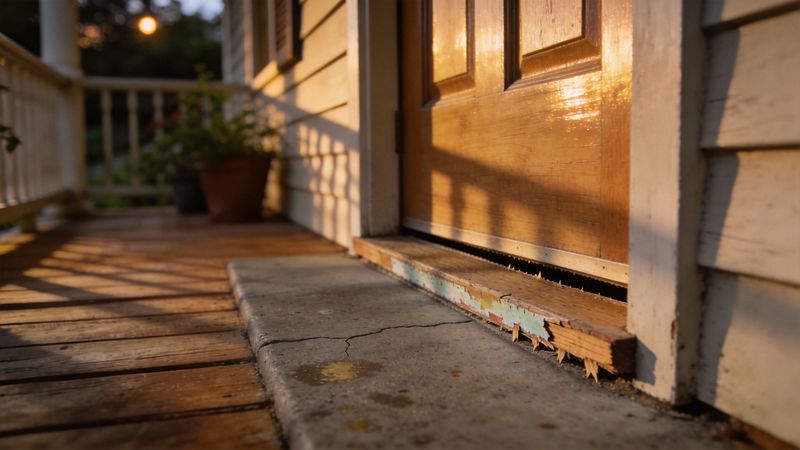
American cockroaches, the large reddish-brown species Texans sometimes call waterbugs, are strongly associated with warm, damp environments. They enter homes through floor drains, sewer connections, gaps around plumbing pipes, deteriorating door sweeps, torn screens, and cracks in foundation walls.
No plant scent addresses any of those entry points.
Penn State Extension’s IPM roach guidance identifies exclusion as one of the most reliable management tools available, because it removes the physical pathway rather than trying to discourage insects already at the threshold. Start with a thorough inspection of your porch-to-house transition: check door sweeps and replace any that leave a visible gap at the bottom.
Examine weather stripping along the door frame sides and top. Look at screens on windows and vents for tears or gaps at the edges where they meet the frame.
Plumbing penetrations through exterior walls are a frequent overlooked entry point. Anywhere a pipe passes through a wall or floor, fill the surrounding gap with an appropriate sealant rated for that surface.
Exterior cracks along the foundation, siding seams, and around utility conduits should get the same treatment. EPA smart pest control guidance also emphasizes reducing moisture near the house, since cockroaches are drawn to damp conditions.
Fix dripping outdoor faucets, clear gutters so water drains away from the foundation, and check that air conditioning condensate lines discharge well away from the structure.
Catnip can still be a porch plant if you like it and your conditions support it. Just recognize that its job in that spot is ornamental, not structural.
Sealing a gap around a pipe does more measurable work against cockroach entry than any plant placed nearby.
Use Identification and Monitoring Before You Treat
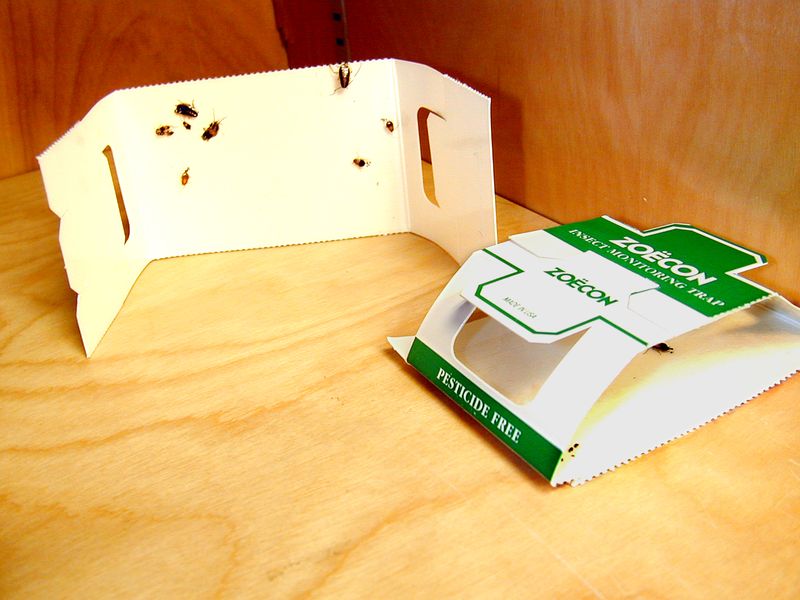
Spotting one roach on the porch at night is not the same thing as having an indoor infestation. American cockroaches often forage outdoors and wander inside occasionally through gaps or open doors.
A single sighting outdoors, especially near a drain or a wet area, may mean nothing more than that. Treating it the same way you would treat a German cockroach population living inside your kitchen cabinets would be both unnecessary and potentially counterproductive.
Species identification matters because different cockroaches use different habitats and respond to different management approaches. Texas A&M AgriLife Extension’s cockroach biology and management resource covers the species most commonly encountered in Texas homes and outlines how their behavior, harborage preferences, and seasonal patterns differ.
German cockroaches, for example, are almost always found indoors and reproduce quickly; American cockroaches spend more time outdoors and may only occasionally enter structures.
Sticky traps are the most useful low-cost monitoring tool available. Place them along baseboards, under appliances, and inside cabinets where pipes enter.
Check them after a week and note where you find activity. Penn State Extension’s IPM roach resource recommends traps specifically for locating activity before deciding where and how to treat.
When monitoring confirms an indoor population, the management sequence matters. Remove food and water sources first: store food in sealed containers, fix dripping pipes, and clean up crumbs and spills promptly.
Reduce clutter where roaches can shelter. Seal gaps identified during your exclusion inspection.
Use labeled bait gels or bait stations placed where traps showed activity. EPA’s smart pest control page explains that baits are generally more effective and lower in exposure risk than broadcast sprays.
CDC guidance on asthma and cockroach allergens warns specifically against sprays and foggers in homes where asthma is a concern. Cockroach feces, saliva, shed body parts, and other debris are recognized allergen sources that can worsen asthma symptoms, making roach control a genuine health priority for some families, not just a comfort issue.
For persistent or large indoor populations, professional pest management is the appropriate next step.
Treat Catnip as a Garden Choice, Not a Roach Solution
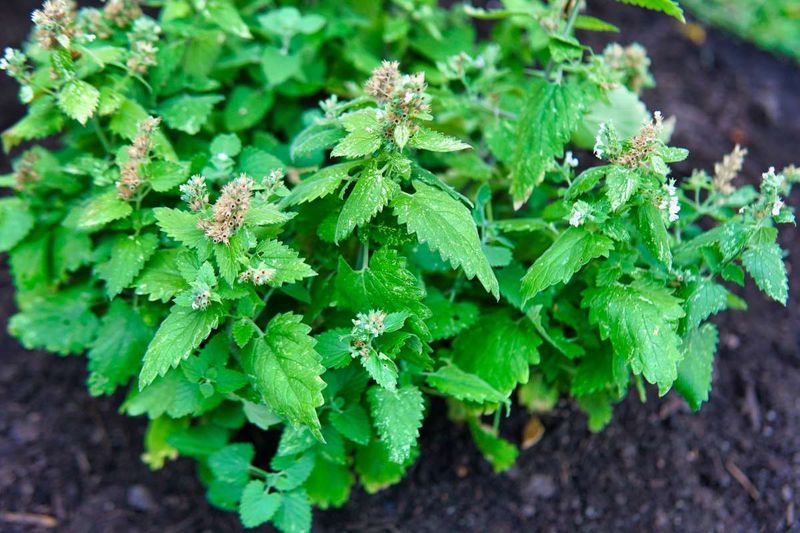
Growing catnip is a reasonable decision if your local ecoregion supports it, your soil drains well, and you do not have cats turning your porch into a gathering spot. Kew’s record for Nepeta cataria makes clear it is introduced in Texas rather than native, so skip that label when describing it to neighbors or in your garden notes.
What the plant cannot do is stand in for structural work. No study has shown that a living catnip plant repels cockroaches from a porch, reduces indoor entry, or makes a home measurably less welcoming to roaches.
The laboratory evidence belongs to catnip essential oil and isolated nepetalactone compounds tested under controlled conditions, and even those results carry limits around species, concentration, and duration.
The priorities that reliably reduce cockroach pressure are the ones IPM guidance and EPA smart pest control recommendations point to consistently: seal entry points, manage moisture and food sources, monitor with sticky traps, identify the species you are dealing with, and use labeled baits or professional treatment when an indoor population is confirmed. A well-sealed door threshold does more for cockroach prevention than any plant placed beside it.
Catnip can share the porch; just let it earn its place as a garden plant, not a pest-control promise.