
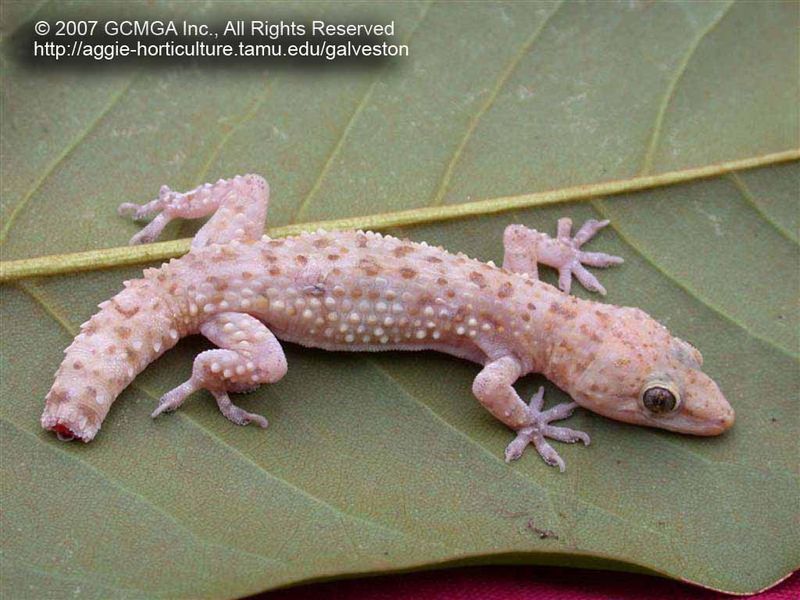
Step onto a Texas porch on a warm summer night and you might catch a small gecko frozen in the light, waiting for its next meal. Many homeowners wonder if the right plant could bring more of these little hunters around and push cockroaches away for good.
The honest answer is more useful than the rumor: one regionally native plant can help build a better porch habitat, and the geckos that already live near Texas homes may eat some insects nearby, but neither the plant nor the gecko is a guaranteed roach solution.
What Texas porch geckos can—and cannot—do
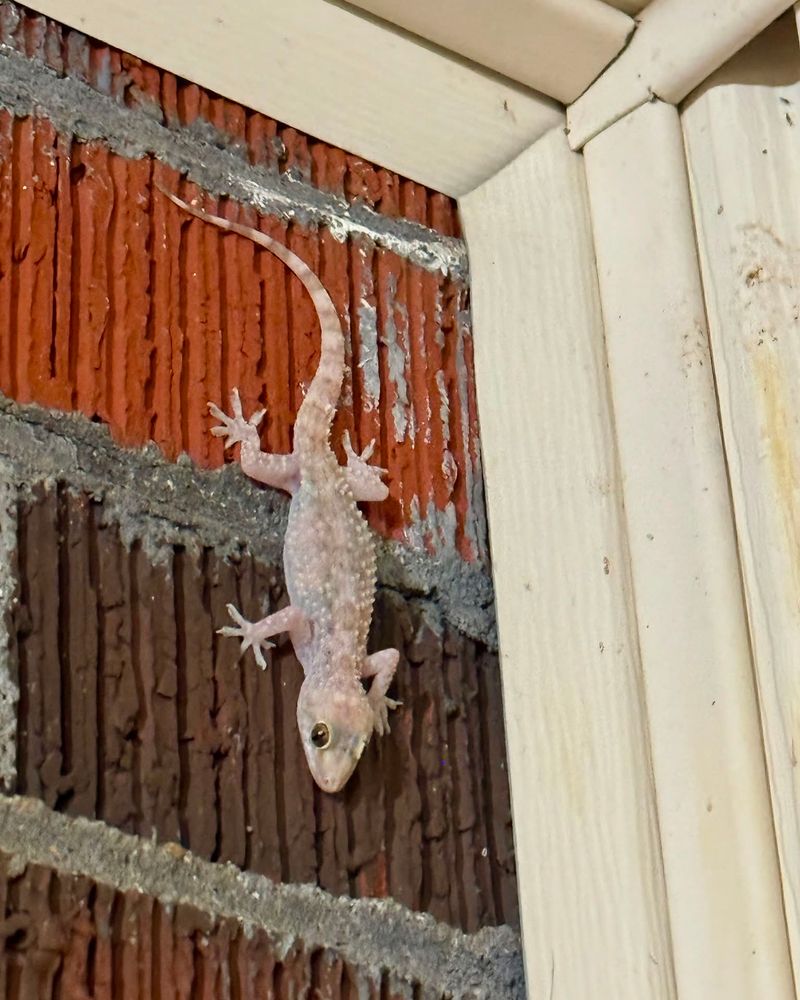
Most Texans who spot a small pale lizard skittering across their porch wall at dusk are looking at an introduced species, not a native reptile. The geckos most commonly found on Texas homes are the Mediterranean house gecko and the common house gecko, both introduced species that have established themselves across the southern United States.
The University of Texas Biodiversity Center notes that Mediterranean house geckos are nocturnal, highly adaptable, and well suited to life on and around human structures.
Come nightfall, these geckos position themselves near porch lights and wait. Moths, small flies, beetles, ants, crickets, and yes, cockroaches all pass through the light cone, and a gecko within reach will take a run at any of them.
UF/IFAS extension guidance on house geckos describes them as beneficial insect predators that consume moths and cockroaches among other prey, while also making clear that the evidence supports eating individual insects rather than controlling an entire pest population.
That distinction matters before choosing any planting strategy. Texas A&M’s house gecko fact sheet confirms that geckos are generalist hunters whose diet includes a wide range of arthropods.
No reviewed source has shown that a specific named plant draws geckos to a porch, or that resident geckos can reduce a property-wide cockroach population. Geckos are welcome guests, but they work on their own schedule and their own terms.
Why Texas lantana is a habitat choice, not a gecko magnet

Texas lantana (Lantana urticoides) earns its reputation as a tough, heat-adapted native for good reason. It blooms in clusters of orange and yellow through the hottest months, handles poor soils, and rebounds after drought stress that would kill a less adapted plant.
Texas A&M AgriLife’s Earth-Kind plant selection guide identifies lantana as a proven performer for Texas landscapes, valued for its adaptability and low input requirements once established.
Where lantana connects to geckos is through an ecological chain, not a direct lure. The flowers attract pollinators and other insects.
Those insects represent food for a passing gecko. The plant’s structure can also offer daytime cover for small reptiles seeking shade.
That chain is a reasonable ecological inference, but no published research demonstrates that lantana specifically draws geckos to a porch or drives cockroaches away. Calling it a gecko magnet would stretch the evidence further than it goes.
Region and site conditions also matter more than the plant’s reputation. Texas spans radically different soils, rainfall zones, and freeze exposure.
A plant that thrives on a dry limestone Hill Country porch may behave differently in the heavy clay soils of the Gulf Coast. The Earth-Kind Plant Selector from Texas A&M lets homeowners filter by county, soil type, and sun exposure to confirm that a given plant actually suits their site.
For porch placement specifically, Earth-Kind landscaping guidance notes that even native plants may need supplemental water and occasional attention until they establish. Lantana is a strong habitat-oriented candidate for a Texas porch planting, as long as the expectations stay grounded in what the plant can actually do.
Build a modest porch habitat
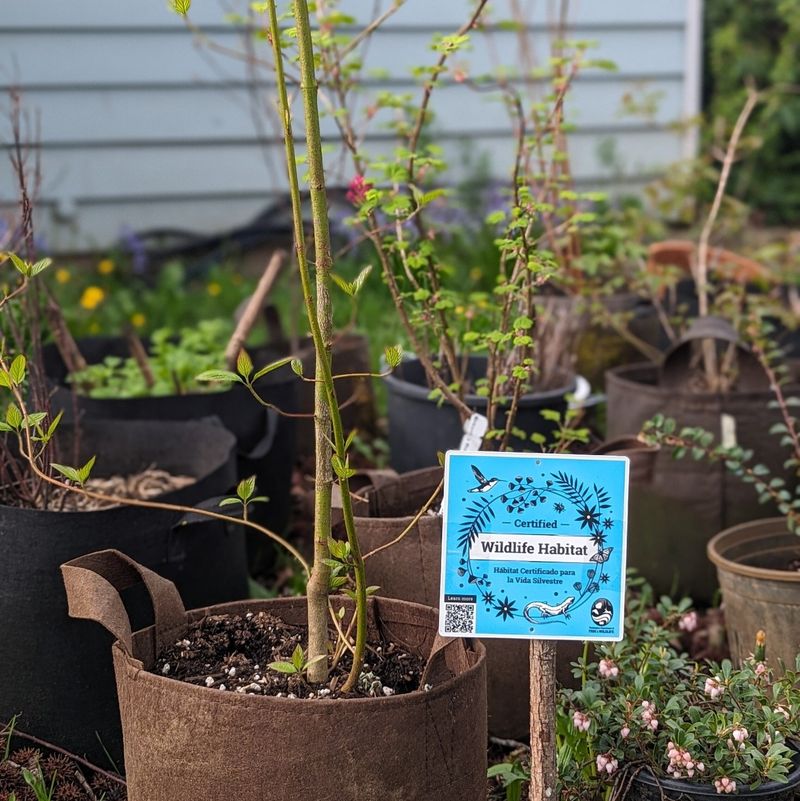
A wildlife-friendly porch edge does not require a full landscape overhaul. The goal is to give insects, geckos, and other small animals enough food, water, and cover to use the space, while keeping every habitat element away from the foundation itself.
Start with a regionally confirmed lantana planting in a container or a bed set at least two feet from the house wall, positioned where it gets full sun and drains well. Texas Parks and Wildlife Wildscapes guidance recommends supplying the basic habitat needs of food, water, and shelter for any wildlife-friendly yard setup.
Water is the element most people forget. A shallow ceramic dish or a plant saucer filled with clean water and a few small stones for footing gives geckos and other small wildlife a reliable drink without becoming a mosquito breeding pool.
Change the water every two or three days and keep the dish in partial shade so it does not evaporate before anything can use it. UF/IFAS landscaping-for-lizards guidance identifies shallow water as one of the most practical additions for reptile-friendly spaces.
Shelter works best when it is positioned intentionally. A flat rock, a small section of stacked stone, or a short section of log placed near the planting gives geckos a surface to bask on in the morning and a crevice to retreat into during the day.
Texas Parks and Wildlife shelter guidance recommends rocks, logs, and brush features as cover for small reptiles and other wildlife. Keep any shelter feature visible and at least a foot from the house wall so it does not create a hidden corridor against the foundation.
The Earth-Kind Plant Selector can help identify a low-growing companion plant suited to your county if you want to add a second species for layered structure. A layered planting with one taller bloomer like lantana and one lower ground-level plant creates the kind of insect habitat that makes a porch edge genuinely usable for small wildlife, without making promises about which animals will show up.
Use porch lighting carefully
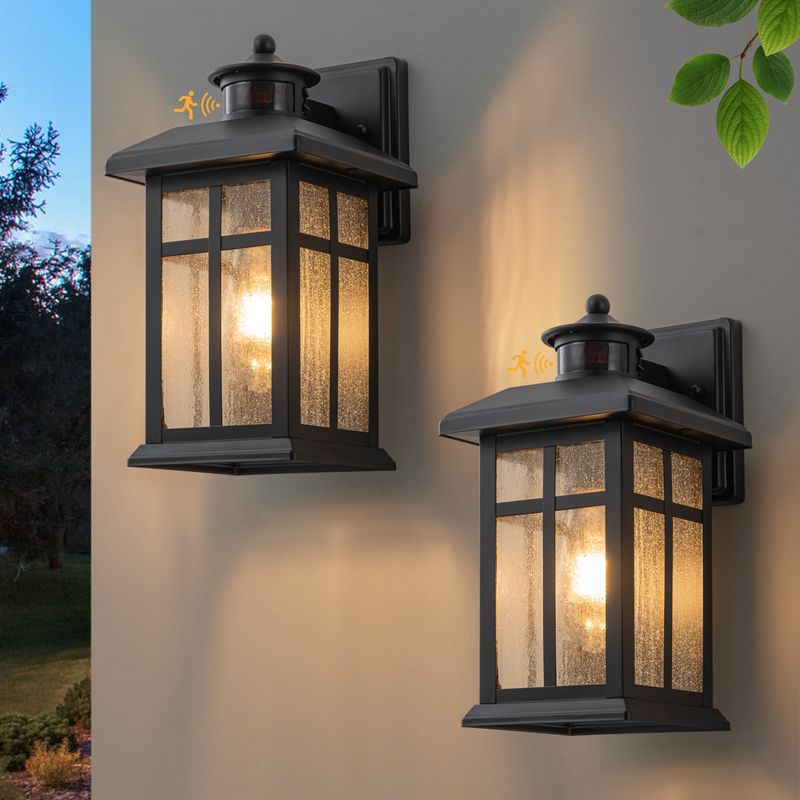
Porch lights run a complicated errand for anyone trying to balance gecko activity with cockroach management. On one hand, a light that attracts moths and flying insects creates a ready hunting station for a nocturnal gecko waiting on the wall above.
On the other hand, outdoor cockroaches, including the Asian cockroach common in parts of Texas, are drawn to lit surfaces and can use open doors and gaps around windows to move inside. Texas A&M’s house gecko fact sheet describes this same dynamic: lights gather insects that geckos hunt, but that same insect concentration can work against a homeowner trying to limit cockroach pressure near entry points.
Motion-activated fixtures solve part of the problem. A light that switches on only when someone approaches the door reduces the total hours that insects accumulate near the threshold.
When the porch does need continuous lighting, positioning the fixture away from the door frame and choosing a warm-toned or amber LED reduces the number of flying insects the light pulls in, since many insects are less responsive to longer wavelengths than to cool-white or blue-spectrum bulbs.
Sealing gaps around the door frame, threshold, and any window screens near the porch removes the path that light-attracted insects use to get inside. UF/IFAS cockroach management guidance consistently lists entry-point sealing as a foundational step, and it works regardless of what is planted nearby.
Lighting changes and tight seals support a more balanced porch environment, but neither one guarantees gecko activity or eliminates cockroach pressure on their own.
Keep habitat from becoming cockroach harborage
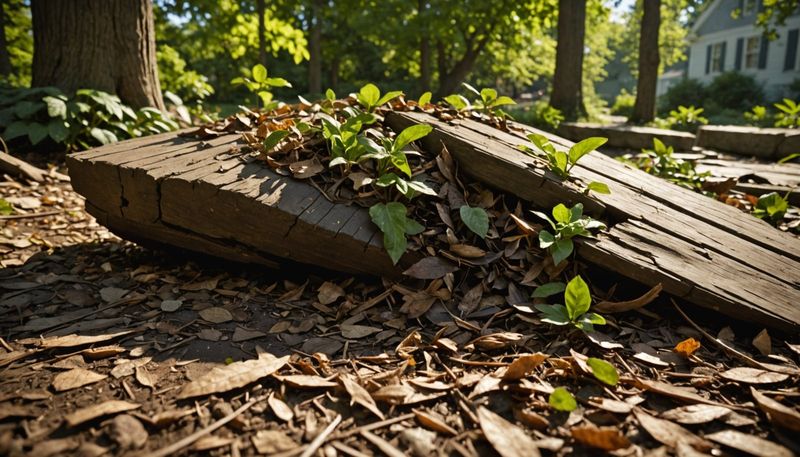
The same features that make a porch edge attractive to geckos can become a liability if they sit directly against the house. Leaf litter, thick mulch, dense ground cover, stacked rocks pressed against the foundation, and any damp or shaded gap in the soil are exactly the conditions outdoor cockroaches prefer for shelter and travel.
UF/IFAS cockroach management guidance specifically calls out mulch, vegetation, and debris near the foundation as common harborage contributors.
The practical fix is a visible, relatively dry buffer zone between any planting and the house wall. A strip of gravel, bare soil, or a low-profile ground cover that stays dry and open denies cockroaches the concealed, moist corridor they use to approach entry points.
Keep lantana and any companion plants trimmed so stems and foliage do not drape against the siding or bridge the gap to the wall. Rake out leaf litter from under the planting regularly rather than letting it accumulate into a thick mat.
Mulch can stay in the bed as long as it is kept thin, roughly two inches or less near the foundation, and pulled back slightly from the house wall itself. UF/IFAS landscaping-for-lizards guidance frames this balance well: habitat features like rocks and logs serve reptiles best when they are placed deliberately and maintained so they do not create hidden, damp harborage at the building’s edge.
Remove food residues from outdoor furniture, empty pet water bowls at night, and fix any dripping spigots or drainage issues that leave standing water near the foundation. A porch edge that is open, well-drained, and free of debris works for geckos and against cockroaches at the same time.
Recognize when habitat changes will not solve the problem
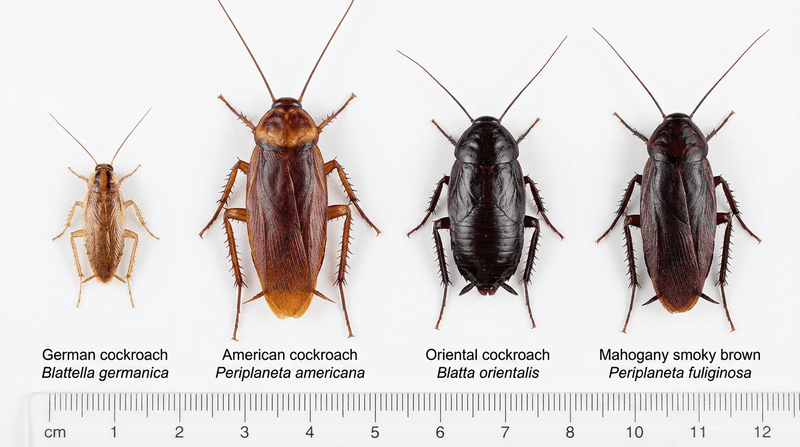
Seeing a single cockroach on the porch on a summer night is a different situation from finding roaches inside the kitchen every morning. Outdoor cockroaches, including the American cockroach and several other large species common in Texas, forage outside and occasionally wander in through gaps.
An indoor German cockroach population is a separate problem entirely. UF/IFAS guidance on German cockroach management states clearly that German cockroaches do not enter structures from outdoors the way peridomestic species do.
They travel with people, infested items, and secondhand appliances, and they live, breed, and feed entirely indoors near food and water sources.
No porch planting or resident gecko addresses that situation. Once German cockroaches establish inside, the response requires integrated pest management: identify the species and confirm where they are concentrated, then remove the food, water, and clutter that sustain them.
Fix leaky pipes and dripping faucets, clean grease from stove surfaces and behind appliances, and empty trash containers regularly. Seal cracks around plumbing penetrations, cabinet bases, and wall voids that give cockroaches hidden travel routes.
Targeted gel bait placed in cracks and crevices near known activity is one of the most effective tools for German cockroaches. UF/IFAS cockroach management guidance and Texas A&M AgriLife cockroach biology resources both recommend directing treatments at cracks, crevices, entry points, and confirmed harborage rather than broadcasting a spray across open surfaces.
Broadcast spraying can scatter cockroaches without eliminating them and can also interfere with bait placements if sprays contaminate the area around them. For outdoor species that wander in occasionally, entry-point sealing and harborage removal are the first steps, with targeted perimeter treatment added only when the source is identified and other conditions are controlled.
Support geckos without undermining pest control
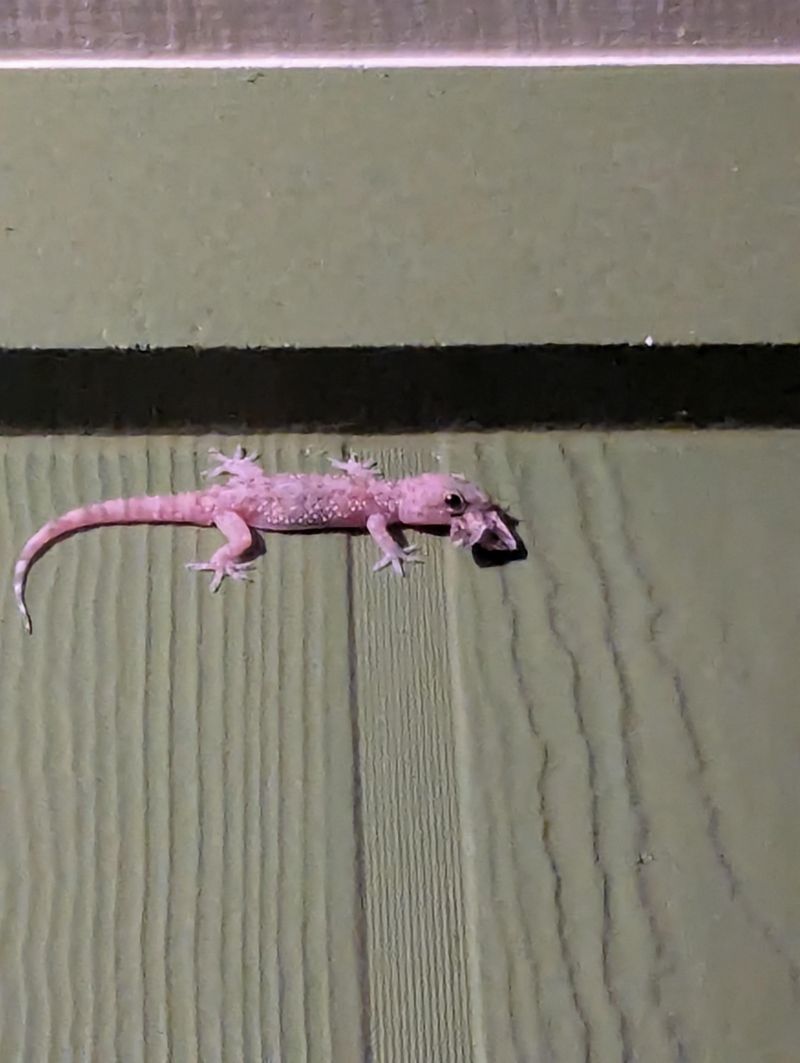
A few operating rules keep this wildlife-aware approach from working against itself. First, do not purchase or release geckos.
The Mediterranean house geckos and common house geckos on Texas porches are already established introduced species, and deliberate release is unnecessary and unsupported by any extension or wildlife guidance reviewed here. Texas Master Gardener gecko guidance notes that lizards are susceptible to pesticides, which points directly to the second rule: avoid broad-spectrum insecticide sprays around gecko habitat.
Pesticides can remove the insect prey that geckos depend on, reducing or eliminating the very activity a homeowner is trying to support.
If cockroach bait is placed near the porch, do not spray liquid insecticide in the same area. UF/IFAS cockroach management guidance explains that liquid sprays near bait placements can repel cockroaches from the bait, making the treatment far less effective.
Follow product labels for any targeted treatment, and direct applications to cracks, crevices, and confirmed harborage rather than open surfaces or planting areas.
Put all of it together and the formula is straightforward: a regionally confirmed lantana planting kept away from the foundation, a shallow water source, a deliberately placed shelter feature, controlled lighting with tight door seals, a clean and dry foundation edge, and integrated pest management for any real cockroach problem. Texas A&M’s house gecko fact sheet puts the gecko’s role in honest terms: a welcome nighttime visitor that may eat some nearby insects.
That is genuinely useful, and it is also the most any porch gecko can honestly promise.