
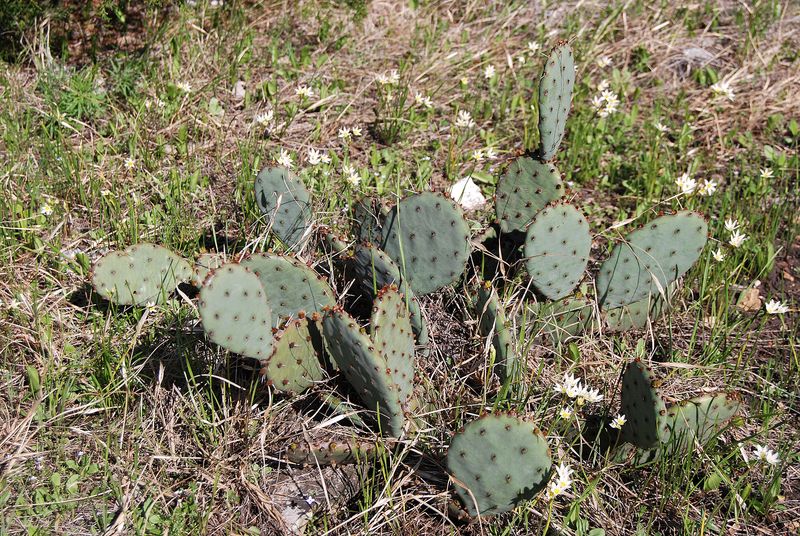
Texas homeowners sometimes spot a Greater Roadrunner sprinting across the yard and wonder what it would take to see that bird more often. Prickly pear cactus gets mentioned a lot in that conversation, and for good reason: it is a tough, drought-tolerant native plant that can help create the kind of habitat roadrunners use.
What it cannot do is guarantee a resident roadrunner or keep scorpions off your property, and understanding that difference will help you make smarter choices for both your garden and your home.
Prickly pear can help build roadrunner habitat—but it is not a scorpion shield
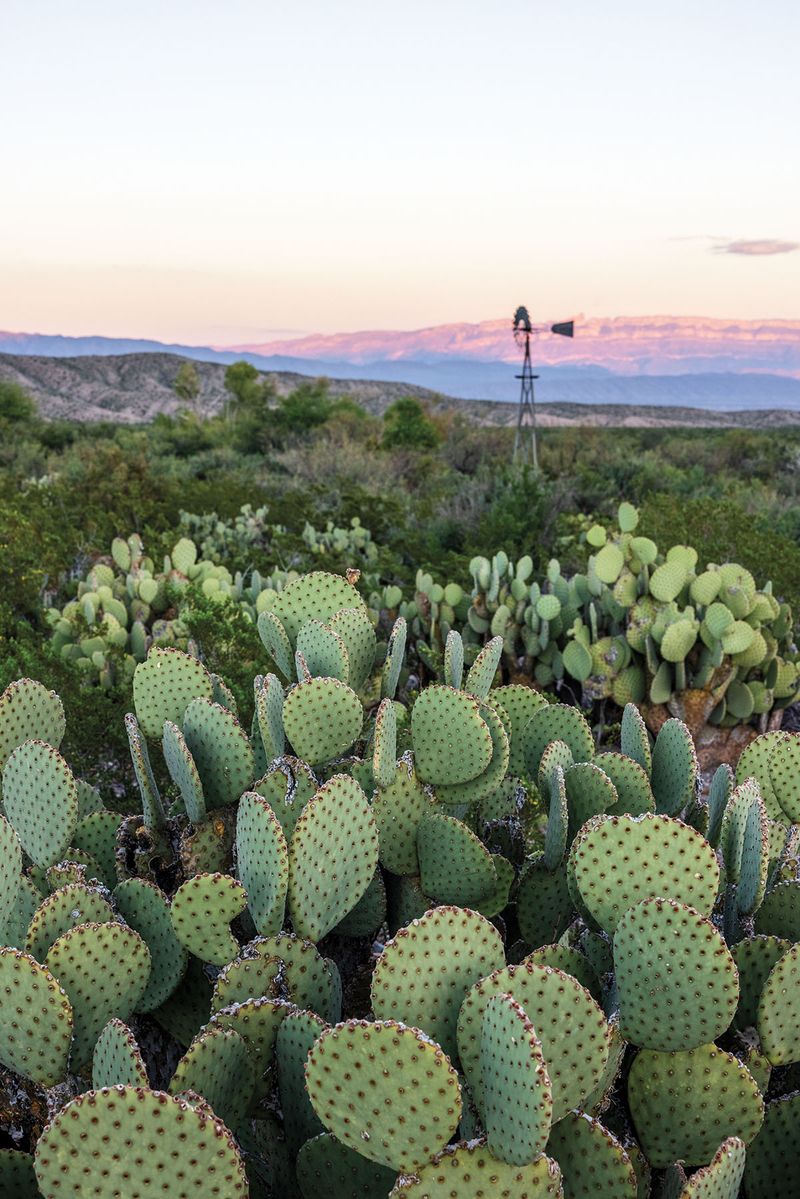
Locally appropriate prickly pear cactus is one defensible option for Texas homeowners who want to add wildlife-friendly structure to their yard. Texas A&M’s rangeland plant profile describes prickly pear as an important wildlife plant that grows across a wide range of Texas soils and conditions, offering food and cover to many species.
That practical combination of drought tolerance, thorny structure, and ecological value makes it worth considering in many Texas settings.
The cactus earns its place as a habitat component, not as a magic solution. Prickly pear ecology research from Texas A&M confirms that the plant provides thorny shelter and food resources used by wildlife, including birds.
Roadrunners may use cactus clumps for cover or nesting, but they also rely on thorny shrubs, low trees, and thickets, so prickly pear is one option among several, not the single required ingredient.
No available evidence shows that planting prickly pear causes roadrunners to visit a yard more often or makes them patrol a property. The same gap applies to scorpions: no reliable source demonstrates that adding this cactus produces a measurable drop in household scorpion encounters.
A good place to start is the Native Plant Society of Texas, which helps gardeners match native plants to their local ecoregion rather than reaching for whatever is on the nursery shelf. The sections that follow cover roadrunner habitat needs, the bird’s actual diet, safe planting layouts, species selection, and the exclusion steps that genuinely protect a home from scorpions.
Roadrunners use open ground beside sturdy cover
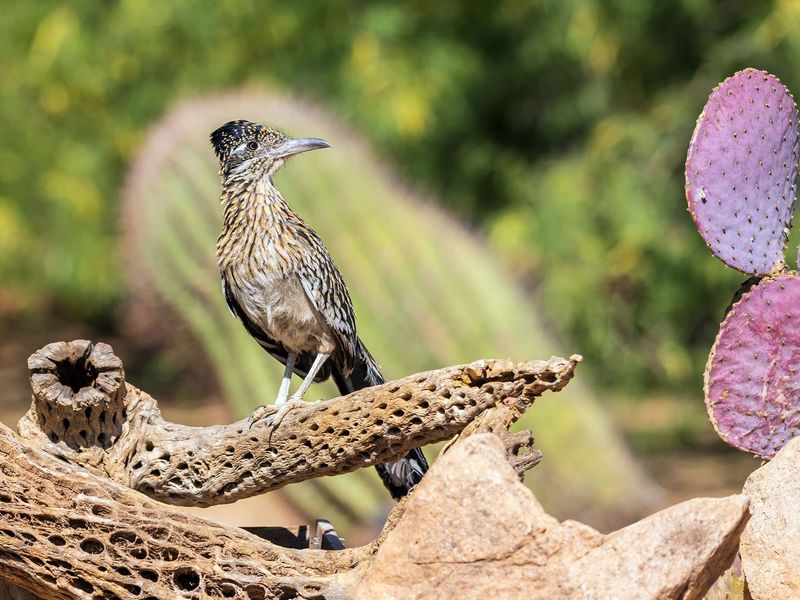
Greater Roadrunners are built for walking and sprinting across open ground, and their habitat preference reflects that. The Texas Breeding Bird Atlas account for the Greater Roadrunner describes the species using semi-open terrain where bare or sparsely covered ground for foraging sits close to sturdy vegetation for shelter and nesting.
That edge between openness and cover is the key structural feature, not any single plant.
Prickly pear fits into that picture because a cactus clump provides exactly the kind of thorny, low-growing cover that roadrunners can nest in or retreat to quickly. Thorny shrubs, low trees, dense thickets, and even artificial structures can serve the same function.
Texas Parks and Wildlife notes that cacti and scattered bushes are characteristic of roadrunner habitat, which means the plant works because it contributes to a broader structural pattern rather than acting as a stand-alone attractant.
One practical implication is that filling an entire yard with dense vegetation actually works against the bird. Roadrunners need room to walk, forage, and chase prey, so a continuously overgrown landscape removes the open feeding ground they depend on.
Suburban yards, vacant lots, and parks can all support roadrunners when the right combination of open space and protective cover remains intact. The birds are found throughout Texas, though they are most common in West Texas and the South Texas brushlands, and they are more likely to appear where surrounding land still provides connected habitat and foraging range.
Roadrunners may eat scorpions, but they do not provide reliable control
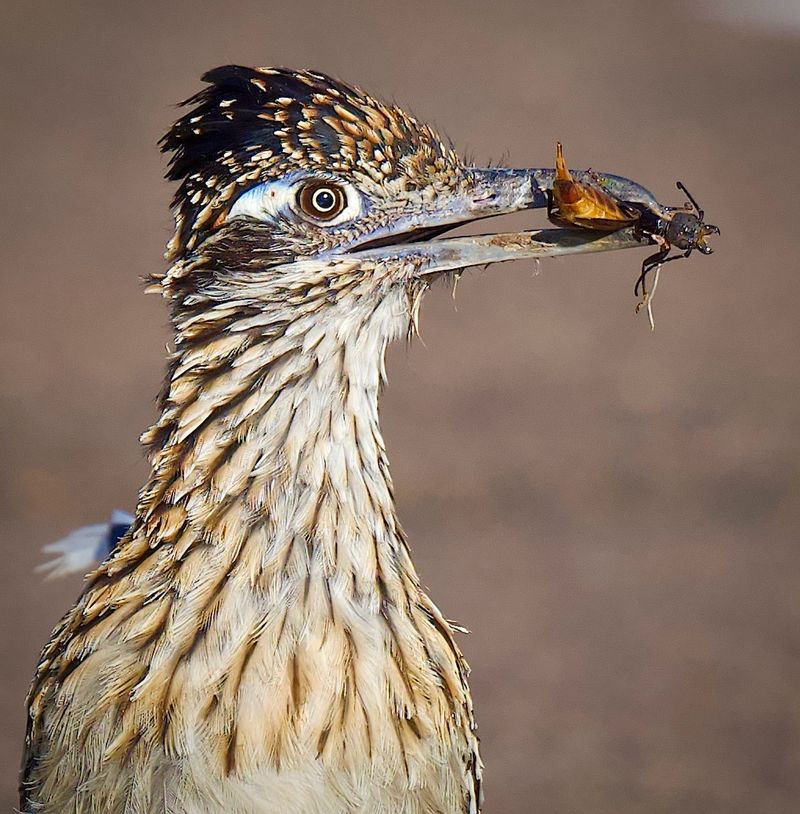
Roadrunners have a reputation as fearless hunters of snakes and scorpions, and that image is not entirely wrong. Cornell Lab of Ornithology’s Greater Roadrunner life history page lists scorpions, centipedes, lizards, snakes, small mammals, and birds alongside insects, fruit, seeds, and other plant material as documented prey.
The bird is a genuine opportunist that takes what is available, which means scorpions are on the menu when encountered.
The popular image of roadrunners as scorpion specialists, though, does not hold up against the data. A 2022 study of 144 roadrunners in a South Texas mesquite-thornscrub ecosystem examined 6,834 identifiable food items and found that 95.9 percent were invertebrates.
Grasshoppers and beetles dominated the samples by a wide margin. The study characterized roadrunners as generalist predators whose diets tracked prey availability rather than specialists targeting any one group.
That finding matters practically. A roadrunner visiting a yard will likely eat whatever invertebrates it finds in proportion to how common they are, not zero in on the scorpion population.
Scorpions are also nocturnal and spend daylight hours hidden under debris, bark, and rocks, which are exactly the places a foraging roadrunner is less likely to probe systematically. Even if a bird does eat scorpions occasionally, there is no evidence that its presence produces a measurable drop in the number of scorpions near a home.
Treating roadrunner activity as a substitute for actual scorpion management would leave the house unprotected.
Plan a safe planting around an open foraging area
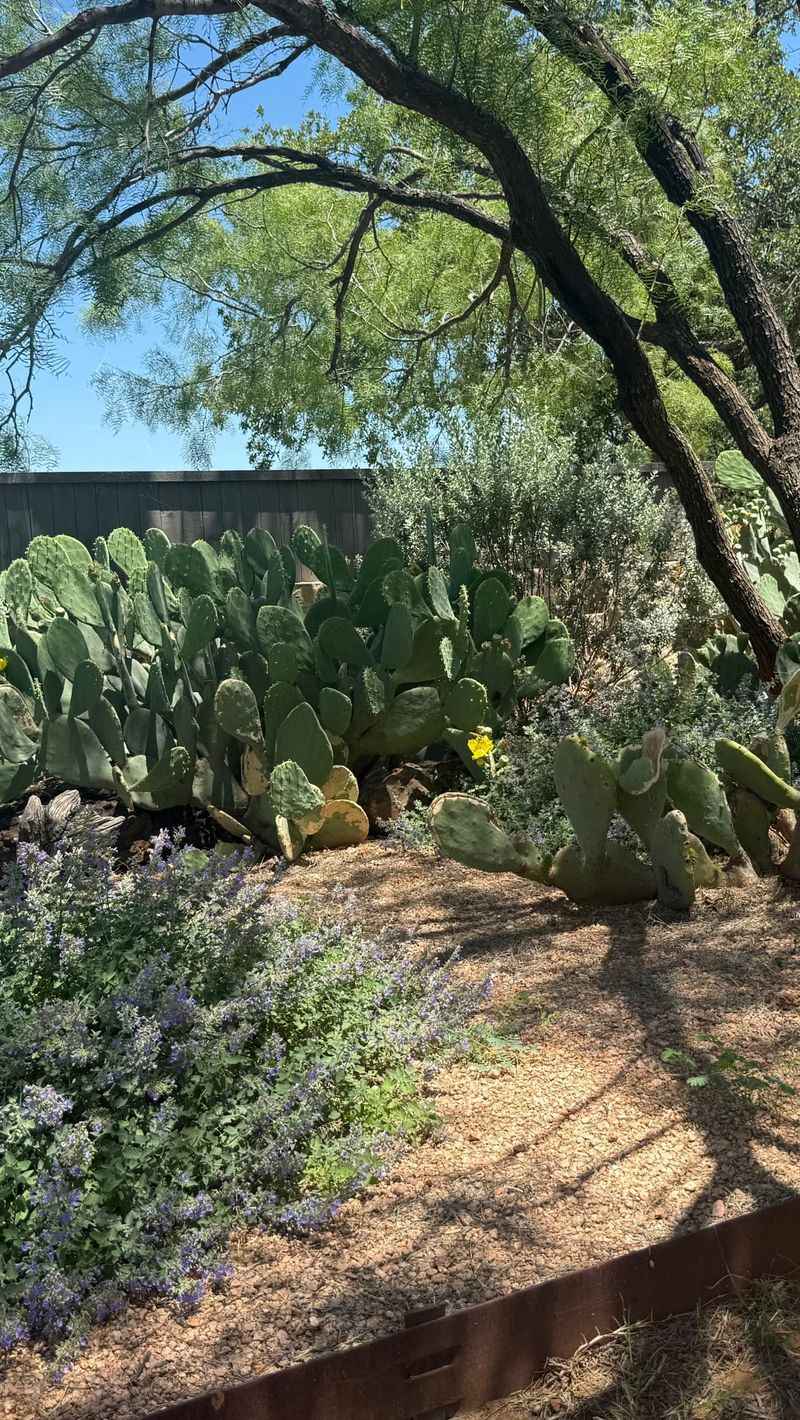
Getting the layout right matters as much as the plant choice itself. A useful starting point is a prickly pear clump positioned well away from paths, doors, patios, children’s play areas, and any route that people or pets travel regularly.
Cactus spines and the nearly invisible barbed bristles called glochids can cause painful skin injuries on contact, so distance from routine foot traffic is not optional.
Texas A&M AgriLife’s prickly pear plant profile reinforces that the plant’s physical defenses are real hazards that require respect during planting and maintenance. Pair the cactus clump with a nearby open area of bare soil, decomposed granite, or short sparse grass to give foraging birds room to move.
That open strip is not wasted space; it is the feeding ground that makes the cover useful.
Poison Control’s guidance on skin problems from outdoor plants notes that cactus glochids in particular are difficult to remove once embedded and can cause lasting irritation. Keeping children and pets away from the planting zone is the simplest prevention.
Beyond the safety layout, remember that roadrunner territories can span roughly 160 to 200 acres in some Texas studies, meaning a single residential planting may improve local habitat conditions without being large enough to establish or retain a bird on its own. Surrounding land use, available prey, pets, and predators all influence whether a roadrunner shows up and stays.
Choose prickly pear for your ecoregion and manage its spread
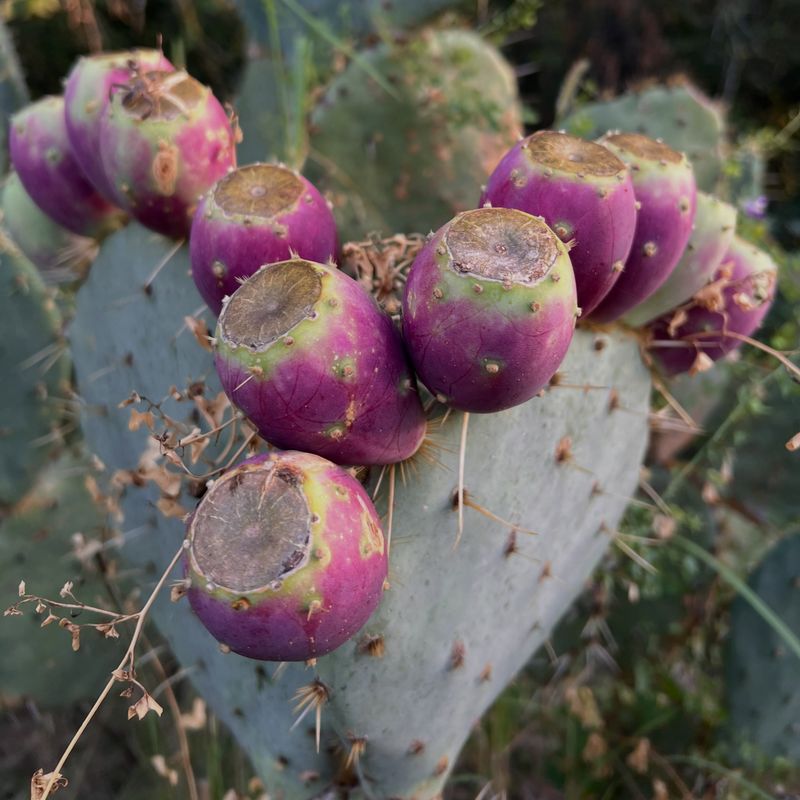
Texas spans multiple ecoregions, from the Trans-Pecos desert to the Pineywoods of East Texas, and not every Opuntia species or ornamental cultivar fits every setting equally well. Texas A&M’s rangeland plant profile documents that prickly pear grows across a wide range of Texas soils, including rocky shallow ground and heavy clay, storing water in its pads and tolerating drought and harsh conditions.
Choosing a species native or well-adapted to your specific ecoregion gives the planting a better ecological fit and reduces the chance of introducing a variety that behaves unpredictably in local conditions.
Texas prickly pear, Opuntia engelmannii var. lindheimeri, is a common and ecologically appropriate choice across much of central and south Texas, but consulting the Native Plant Society of Texas or a local native plant nursery before purchasing will help you land on the right match for your county and soil type. Ornamental cultivars bred for unusual pad color or compact size may not carry the same wildlife value as locally native forms.
Managing spread is a responsibility that comes with the plant. Detached pads root readily when they contact soil, which means broken pieces left on the ground can start new colonies where you did not intend them.
Texas A&M AgriLife Extension’s guide on controlling prickly pear describes how persistent the plant can be once established. Always wear thick leather gloves and consider eye protection when planting, dividing, moving, or disposing of pads, and bag or dry out unwanted pieces before disposal rather than leaving them where they can take root.
AgriLife’s June 2025 plant profile also highlights that glochids can detach and embed in skin even during casual handling, making protection non-negotiable every time you work with the plant.
Use exclusion—not roadrunners—as the home’s scorpion defense
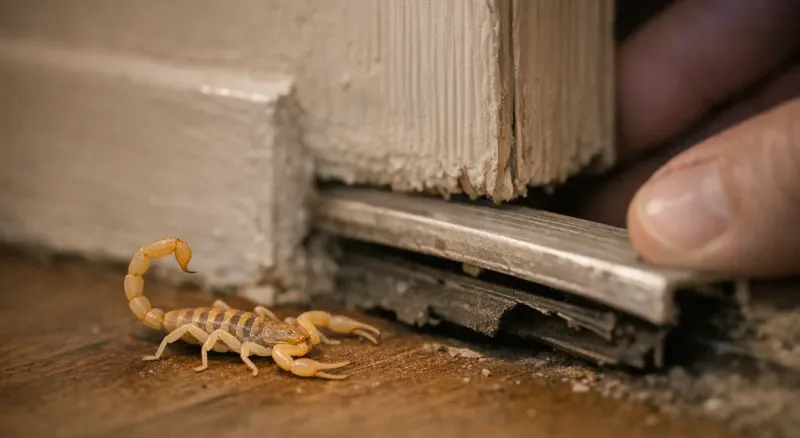
Scorpions are nocturnal hunters that spend the day tucked under boards, logs, stones, leaf piles, firewood stacks, and dense low vegetation near structures. Removing those shelters is the single most effective step a homeowner can take to reduce scorpion pressure close to the house.
Texas A&M AgriLife Extension’s scorpion management guide recommends clearing debris, boards, and stored firewood away from the foundation, pruning vegetation back from walls and rooflines, and eliminating the moist, sheltered microhabitats that scorpions prefer.
Sealing the building envelope is the next layer of protection. Gaps around doors, windows, eaves, plumbing penetrations, and masonry openings give scorpions a direct route inside, and weather stripping on exterior doors is one of the easiest fixes.
Scorpions can squeeze through surprisingly small openings, so a methodical inspection of the foundation, utility entry points, and window frames is worth the time. Utah State University Extension’s scorpion resource notes that scorpions are ecologically beneficial predators of other arthropods, and eliminating every scorpion outdoors is neither realistic nor always necessary.
The practical goal is preventing entry into living spaces and reducing the shelter and moisture conditions that draw them close to the building.
A roadrunner cannot perform this work. The bird may wander through during daylight hours, but scorpions are active at night and hidden during the day, so the overlap between bird foraging time and scorpion exposure is limited.
Texas A&M’s scorpion guide also notes that stings can be painful and potentially serious depending on species and individual reaction, which is a reminder that waiting on wildlife to handle the problem is not a safe strategy. Debris removal, vegetation clearance, and gap sealing are the measures that actually move the needle on scorpion entry.
Expect a habitat improvement, not a guaranteed roadrunner visit
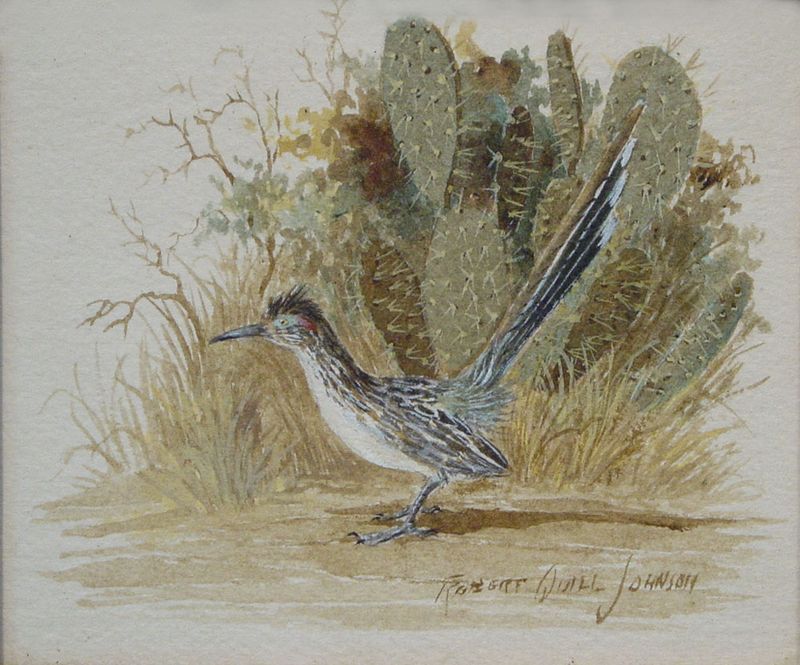
Planting locally appropriate prickly pear in a spot where its spines are safely out of the way, then keeping a nearby patch of open bare or gravelly ground, gives your yard a better shot at supporting roadrunner habitat. That is a genuine improvement, and it is worth doing on its own merits as a drought-tolerant, wildlife-friendly addition to a Texas landscape.
The prickly pear ecology research from Texas A&M supports its value as a wildlife resource regardless of whether a roadrunner ever appears.
Whether a roadrunner actually shows up depends on factors well outside your control. Texas Breeding Bird Atlas data indicate that roadrunner territories can cover 160 to 200 acres in some studies, meaning connected habitat across the broader neighborhood matters as much as what happens on a single lot.
Pets, predators, traffic, and surrounding land use all influence whether a bird settles nearby and returns regularly.
For scorpion protection, the habitat planting and the home defense work are separate jobs. Texas A&M AgriLife’s scorpion guide makes clear that exclusion, debris removal, and sealing are the measures with real evidence behind them.
A yard with a well-placed cactus clump and a sealed, debris-free foundation is a better outcome than either effort alone. The honest payoff here is a tougher, more wildlife-aware yard, not a property cleared of scorpions by a bird on patrol.