
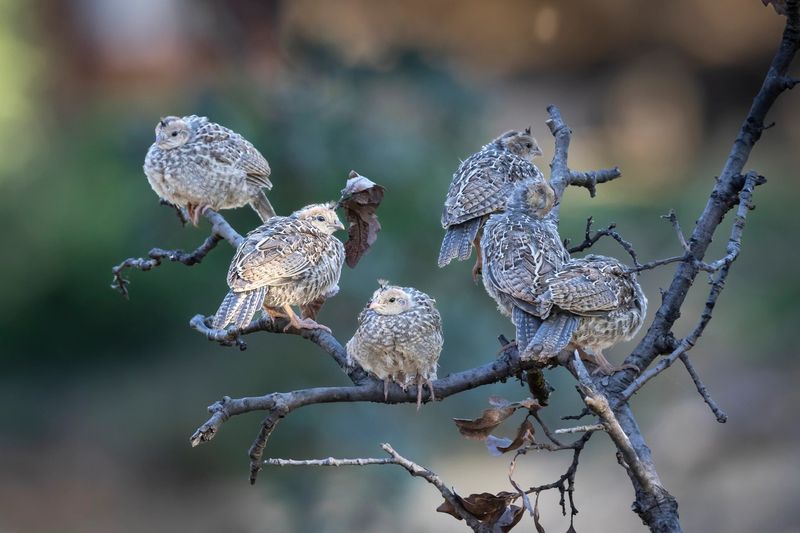
Spotting a group of California Quail moving through your backyard this summer can stop you in your tracks. These plump, topknotted birds are one of California’s most recognizable wildlife species, and seeing several of them at once raises an obvious question: did they all nest here?
The answer is more interesting than a simple yes or no, and understanding what is actually happening can help you make smarter choices about your yard.
The gathering is usually a covey, not a shared nest
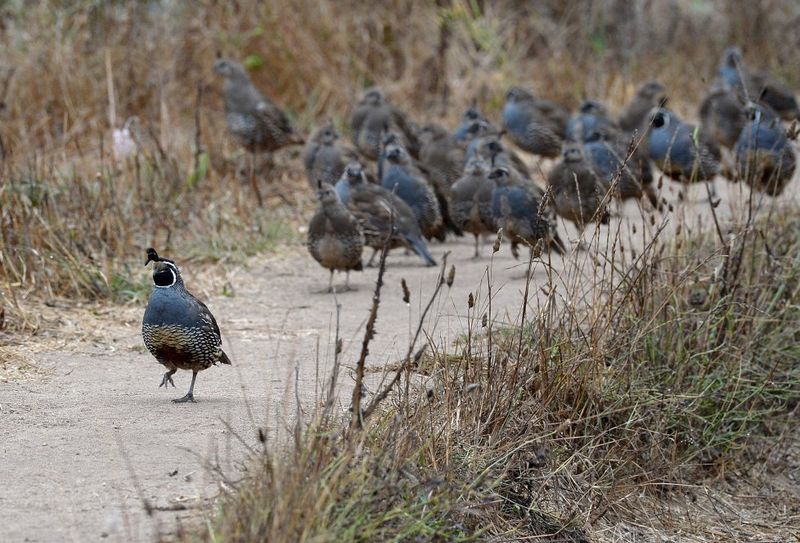
Seeing several California Quail together in your yard is exciting, but the group almost certainly does not mean that multiple birds shared one nest. California Quail, Callipepla californica, normally nest individually.
Cornell Lab’s California Quail life history describes each nest as a shallow depression lined with stems and grasses, hidden in dense grass, at the base of a shrub, beneath a brush pile, or near a log or rock.
The word “covey” describes a social group of quail that forms after the nesting season wraps up. A family group is a single pair and their chicks moving together.
A communal brood is what happens when two or more family groups merge and adults share supervision of the combined young. All three terms describe post-hatching behavior, not a scene of multiple females incubating eggs side by side.
There is one genuine exception worth knowing. Occasionally, several females do lay eggs in the same nest, a behavior researchers call egg-dumping or joint laying.
Molecular research on California Quail family behavior confirms that communal family groups exist, but these cases do not explain every visible gathering. Most of the time, the group you see outside reflects social merging after individual nests have already hatched, not an unusual shared nesting arrangement.
The Audubon Field Guide entry for California Quail reinforces this point, describing nests as typically placed under shrubs, brush piles, logs, or other low cover rather than in open, communal sites. When you see a dozen quail crossing your lawn, the most accurate description is a covey or communal brood, not a group of birds that nested together.
Why summer gatherings often follow hatching
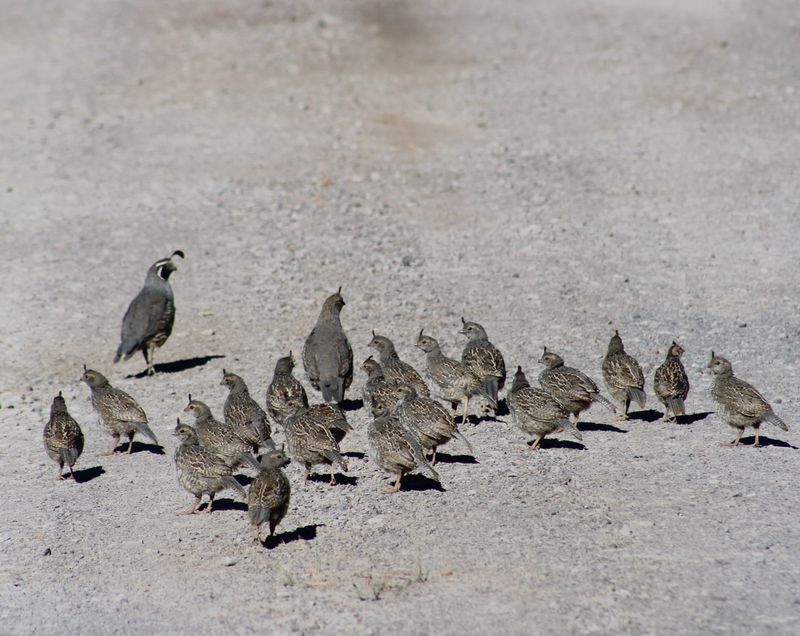
Timing matters when you are trying to read quail behavior. A group of birds moving through your yard in July or August is almost certainly not in the middle of incubation.
By midsummer, most California Quail have already hatched their eggs and are focused on keeping chicks fed, safe, and growing.
CDFW’s Guide to Hunting Quail in California notes that several family groups commonly merge into larger coveys during August and September. That merging is the most likely explanation for a sudden increase in quail numbers in your yard during late summer.
Separate families that hatched nearby find each other, combine, and begin moving as a unit.
That schedule is not fixed. Breeding timing shifts with local weather, food availability, drought severity, and individual variation.
A female that lost her first nest to a predator may attempt a second clutch later in the season, which could push her family’s hatching into a later window. Research on California Quail family behavior confirms that brood amalgamation is a real and documented phenomenon, but the exact timing depends on conditions on the ground.
A practical clue: if the birds in your yard include fully feathered young that move quickly and forage alongside adults, the group is almost certainly past the hatching stage and in the brood or covey phase. Appearance alone cannot tell you where those birds nested, how many nests produced them, or whether your yard was involved at all.
The birds may have hatched in a neighboring property, a nearby park, or a brushy easement and simply wandered into your space while foraging.
A covey may signal a useful habitat patch
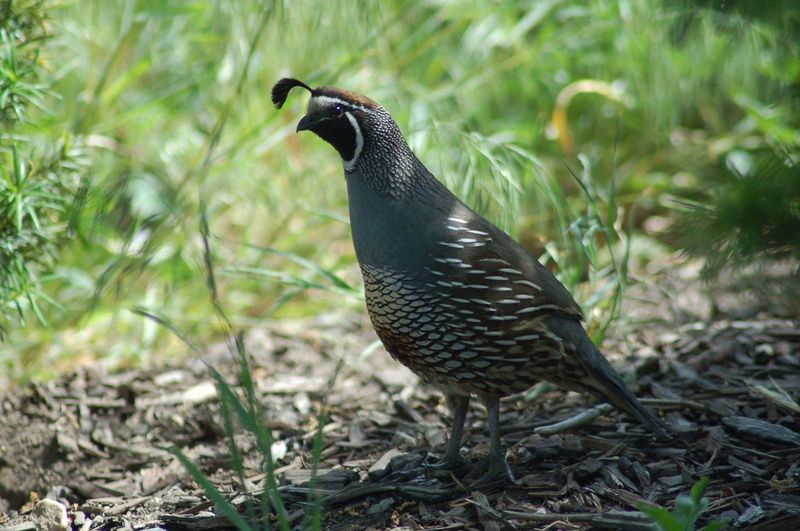
A covey choosing to spend time in your yard carries real information, even if that information comes with limits. The most honest interpretation is that your yard may provide one or more resources that quail find useful, whether that is low shrubby cover, accessible open ground, shade, or water.
That does not mean your yard is a perfect nesting site or that you caused the birds to appear by doing something specific.
Research published in the Journal of Applied Ecology found that landscape-level factors, including habitat patch size, connectivity, and surrounding development, can matter as much as or more than what happens inside any single small yard. A quail covey that visits your property may be using several different parcels in the same neighborhood, treating each one as a stop along a broader travel route rather than a home territory.
Urban habitat studies summarized by the San Francisco Estuary Institute found higher quail occupancy in parks with more shrub cover and less impervious surface. Shrubs provide escape cover and roosting spots.
Open ground provides foraging space. The combination of both, rather than either alone, is what makes a site useful.
The CDFW California Quail life history account associates the species with a mix of low brushy vegetation, grass and forb openings, taller shrubs, and occasional tree cover, along with access to water. Your yard may be contributing one piece of that mosaic without being the whole picture.
The quail may also be using your yard for shade or as a travel corridor between better-vegetated areas nearby, not because you have created ideal nesting habitat.
Build a mosaic of cover and open ground
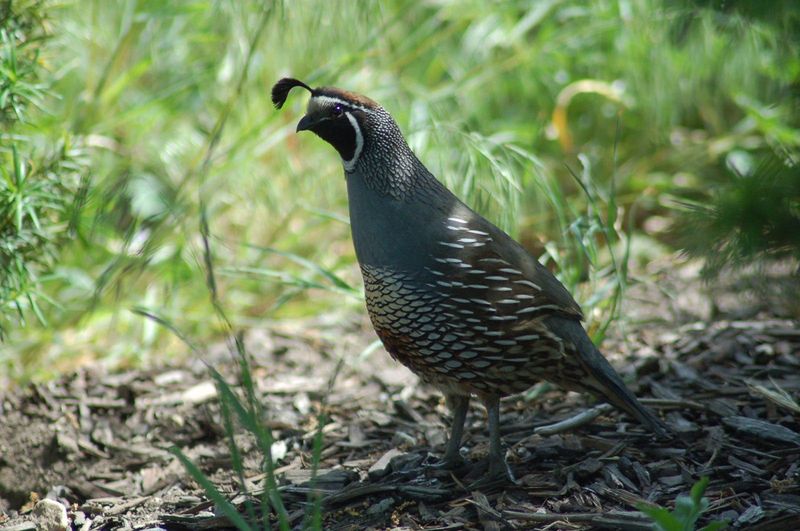
Quail do not thrive in a completely manicured lawn, but they also struggle in a yard so overgrown that the ground is inaccessible. The structure that works best is a mosaic: patches of dense low cover sitting next to open areas where birds can scratch, feed, and watch for predators.
Creating that structure does not require a major renovation.
Start by keeping existing low shrubs, brushy edges, native grasses, and herbaceous plants rather than clearing them. Leaf litter and carefully placed downed wood add foraging texture and insect habitat.
Audubon’s California conservation ranching habitat management guidance specifically recommends retaining shrubs and downed wood and maintaining a diverse herbaceous layer for California Quail. Removing every low-growing patch in the name of tidiness eliminates the escape cover quail depend on.
At the same time, open ground adjacent to that cover matters just as much. Cornell Lab notes that California Quail forage primarily on the ground and use open areas while staying close to shrubs and brush.
A practical goal is to keep accessible ground beneath or beside shrubs where birds can scratch and feed without having to cross a wide open area to reach safety.
Maintenance should be targeted and seasonal rather than all-or-nothing. Mow or edge areas away from active cover patches, and delay intensive work near any dense low vegetation during the breeding and brood-rearing season.
No single plant species guarantees quail visits. The CDFW life history account recommends a mix of brush, forbs, and grasses rather than any one guaranteed attractor.
Focus on structural variety, and resist the urge to either pave everything over or allow invasive plants to take over unchecked.
If you suspect a nest, change maintenance instead of moving it
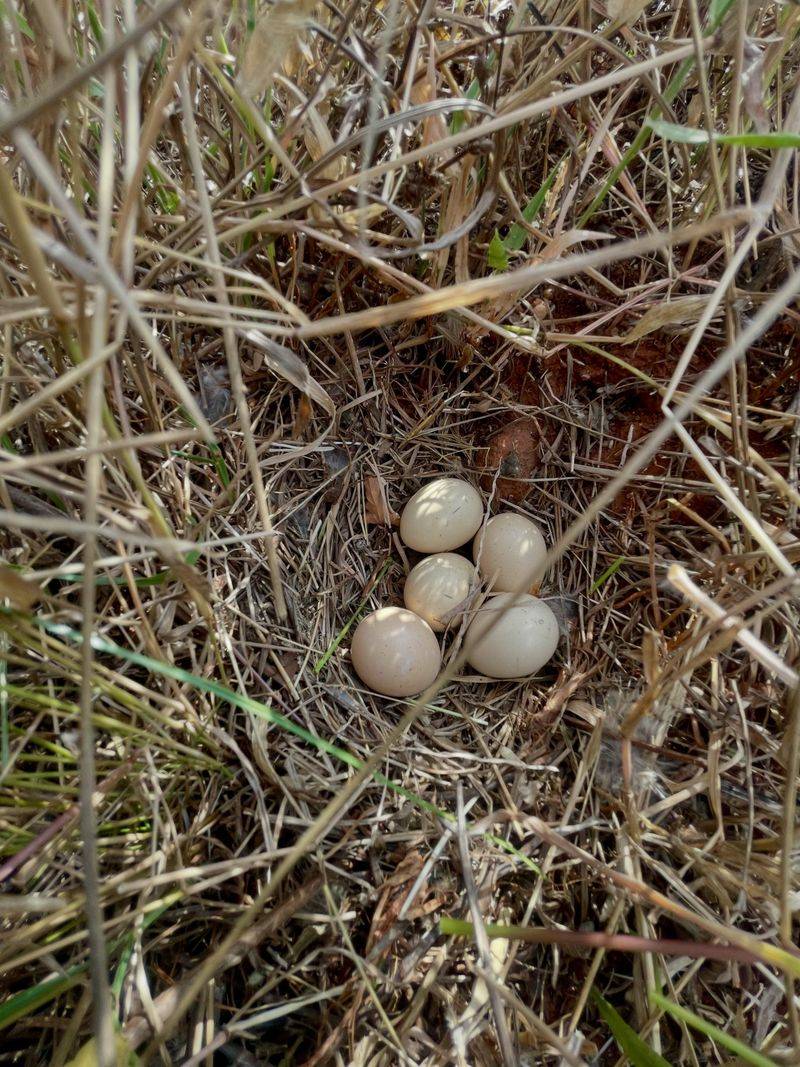
Ground nests are easy to miss. A California Quail nest is a shallow scrape in the soil, lined with dry grass and stems, often tucked so tightly against a shrub base, log, or brush pile that it is nearly invisible until you are standing right over it.
If you spot a nest, a cluster of eggs on the ground, a group of tiny chicks, or an adult that repeatedly returns to the same dense patch, the right response is to back away and change your maintenance schedule, not to intervene.
Pause mowing, edging, weed-whacking, and brush removal within several yards of the suspected location. Keep pets out of that area and ask anyone doing yard work to give the spot a wide berth.
CDFW’s guidance on wildlife disturbance warns that repeated approaches, even well-intentioned ones, can expose eggs and young to predators and may contribute to nest abandonment. Observe from inside your home or from a comfortable distance, and resist the urge to check whether the eggs are still there.
Never move a nest to what seems like a safer spot, cover it with branches, or handle chicks to examine them. California Fish and Game Code Section 3503 makes it unlawful to take, possess, or needlessly destroy the nest or eggs of any bird.
That protection applies even when the intent is to help.
If a bird has an obvious injury, cannot move, or has had direct contact with a cat or dog, that is the time to reach out for help. CDFW’s native wildlife rehabilitation guidance directs people to contact a permitted wildlife rehabilitator or their regional CDFW office for birds in urgent danger.
A chick that is moving around and vocalizing on its own is almost certainly not abandoned, even if no adult is visible.
Offer clean water carefully during hot weather
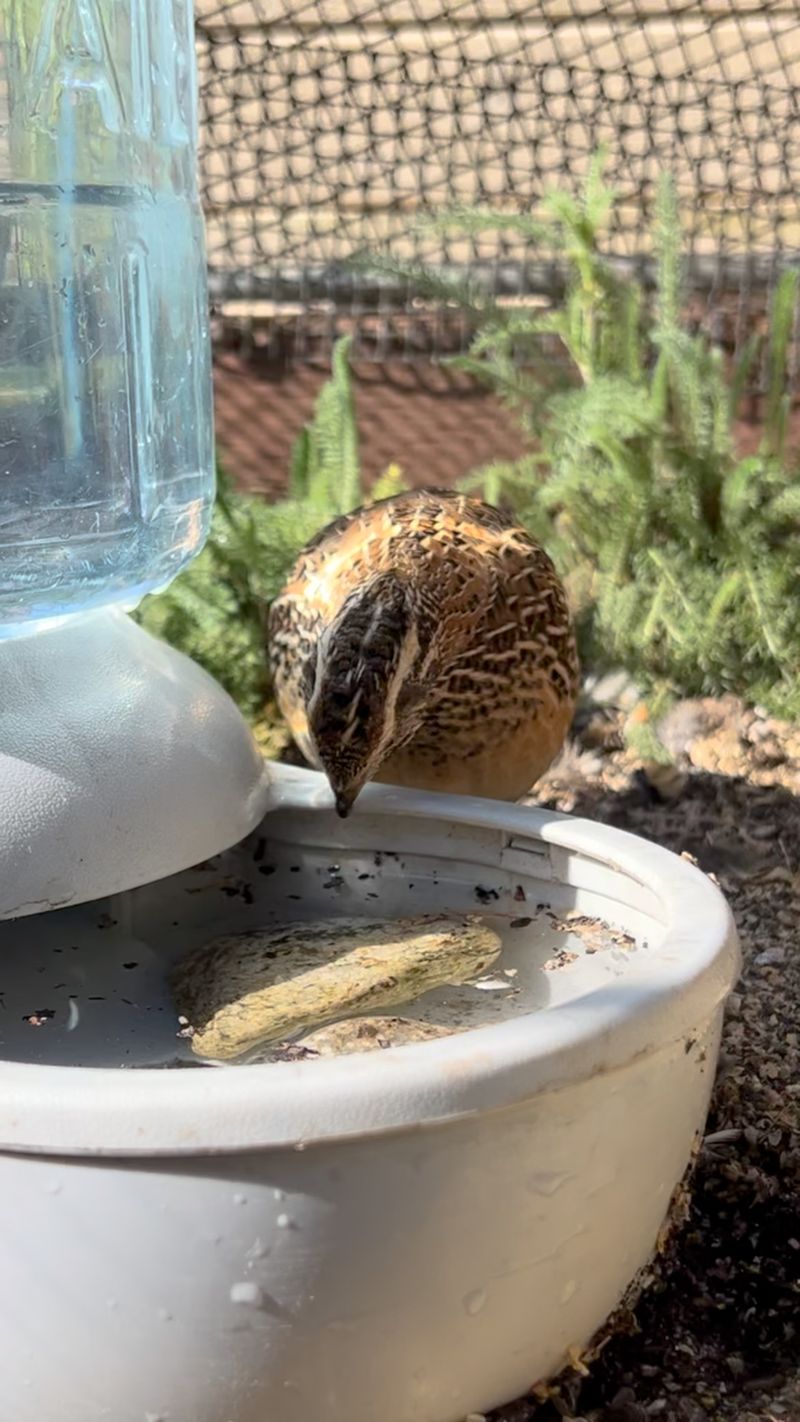
Water becomes genuinely important to California Quail when temperatures climb. The CDFW California Quail life history account states that quail may require free water daily during hot weather.
Under cooler or wetter conditions, birds can meet much of their moisture need through the food they eat, so a birdbath is not always essential. During a California summer heat wave, though, a reliable water source in the right spot can make a real difference.
If you decide to provide water, keep it shallow and stable. Quail are ground birds, and a deep, slippery container is more hazard than help.
A low, wide dish with a rough interior surface and no more than an inch or two of water works well. Refresh it daily and scrub it at least once a week.
Cornell Lab’s California Quail overview confirms that the species does visit birdbaths, particularly during dry summer months.
Sanitation is not optional. Stagnant water and accumulated droppings can spread pathogens quickly among birds that share a water source.
A CDC investigation into a Salmonella outbreak linked to wild songbird feeders and baths found that contaminated feeders and water sources were a key transmission route. The same logic applies to any shared wildlife water station.
Seed is a secondary consideration. California Quail eat seeds, berries, leaves, and invertebrates, and they may visit a yard with ground-level birdseed.
Audubon’s backyard bird-feeding guidance recommends cleaning feeders regularly and removing them during disease outbreaks. Seed should complement good vegetation and cover, not replace it.
A yard full of feeders but stripped of shrubs and ground cover offers quail very little of what they actually need.
Reduce predators, toxins, and disease risks
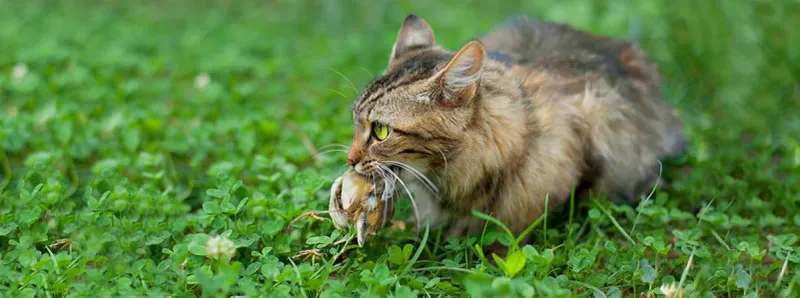
Attracting quail to your yard while exposing them to serious hazards is not a win for the birds. A yard that provides good cover and water can still be dangerous if cats roam freely, dogs go uncontrolled near nesting areas, or pesticides are applied near foraging zones.
Addressing these risks is as important as any planting or habitat improvement.
Cats are a serious threat to ground-feeding birds and to chicks that cannot yet fly. Audubon’s backyard bird guidance recommends keeping cats indoors, especially during the breeding and brood-rearing season.
Dogs should be kept away from areas where quail are known to forage or where a nest may be present. Even a dog that is not hunting can flush a bird off a nest at a critical moment.
Pesticides and rodenticides add another layer of risk. Audubon’s bird-friendly yard assessment warns that pesticides and other toxins can injure or kill birds directly and can also reduce the insect populations that young chicks depend on for protein.
Rodenticides are a particular concern because a quail or its chicks can be exposed secondhand through contaminated prey. The Audubon Conservation Ranching habitat management plan for California specifically recommends avoiding rodenticides in areas managed for birds.
None of these measures come with a guarantee that quail will return or that removing one hazard explains why the birds appeared in the first place. Think of predator and toxin control as baseline wildlife stewardship.
A yard can draw quail in with good habitat and still put them at risk if the surrounding conditions work against them. Reducing those risks is the right thing to do regardless of whether you ever see quail again.
Read the visit as a clue, not a guarantee
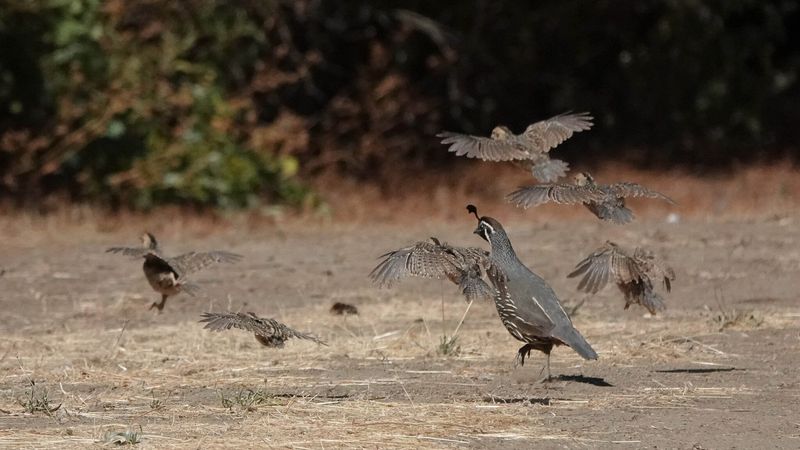
A summer covey moving through your yard is worth paying attention to, but it does not confirm that the birds nested there, that your yard is ideal habitat, or that they will come back next year. What it does suggest is that your property offers something useful within a broader landscape those birds are navigating.
That is a meaningful starting point.
Urban quail research from the San Francisco Estuary Institute found that landscape connectivity and surrounding land use shape quail presence as much as conditions inside any single site. Your yard is one piece of a larger puzzle, and the birds respond to the whole picture, not just what you plant or water.
The practical actions that give quail the best chance are durable regardless of outcome: retain low cover and keep open ground nearby, provide clean water only when conditions call for it, reduce disturbance and keep predators away, and think about how your yard connects to neighboring green space. CDFW’s California Outdoors Q&A on quail reinforces that habitat quality, food, water, and surrounding land use all factor into where these birds settle.
Weather, drought cycles, and development patterns will shift year to year in ways no single homeowner can control. The best you can do is keep the door open, and let the birds decide.