
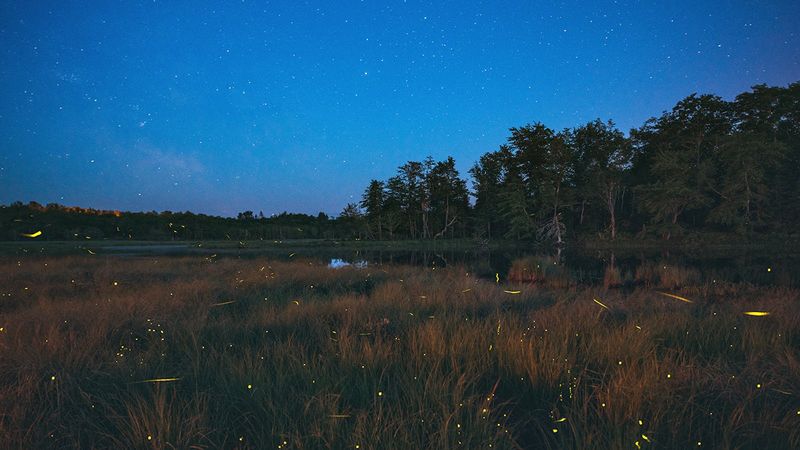
Fireflies flickering across a warm Texas evening feel like something out of a childhood memory, and many Central Texas homeowners want that glow back in their yards. Native switchgrass (Panicum virgatum) shows up on firefly-friendly plant lists for good reason: it can add the taller cover and relatively undisturbed ground that firefly larvae need.
But planting one grass alone will not guarantee a summer light show, and the honest version of this story is actually more useful than the promise.
Reframe the promise around a Texas-native habitat plant
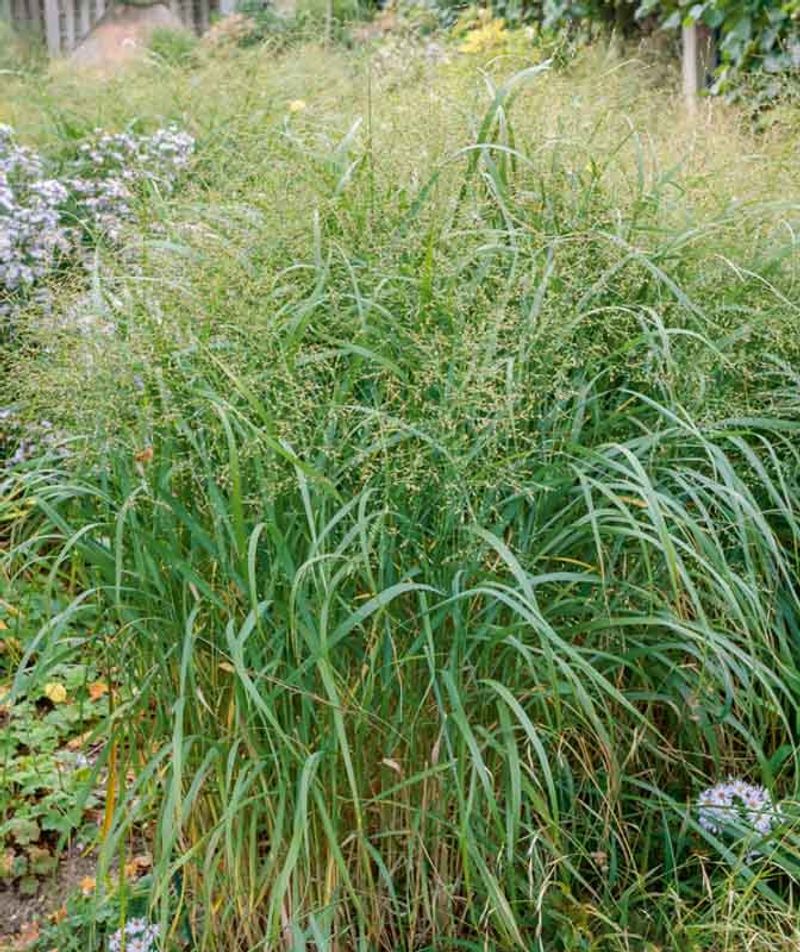
Switchgrass cannot promise that fireflies will return to your yard every summer. What it can do is serve as a suitable habitat component in the right Central Texas setting, and that distinction matters before you plant a single clump.
Native switchgrass (Panicum virgatum) is a warm-season perennial that grows in a clumping form and commonly reaches roughly 3 to 6 feet tall. Texas A&M range plant records document it across multiple Texas ecological regions, including the Edwards Plateau, Blackland Prairies, Cross Timbers, and Gulf Prairies and Marshes.
That wide native range matters because it means switchgrass is adapted to Central Texas conditions rather than imported from a distant climate. Firefly Conservation and Research includes switchgrass among Texas and Southern U.S. plants that can support firefly habitat, though that listing reflects ecological fit rather than a controlled finding that the grass alone increases firefly abundance in residential yards.
Other Texas-native grasses, including inland sea oats, eastern gamagrass, Indiangrass, and native muhly grasses, may also work well depending on your specific site.
A patch of switchgrass is a practical design choice, not a proven minimum or a scientifically established threshold. Texas has multiple firefly species with different habitat preferences and behaviors, so a single plant recommendation cannot serve every species equally.
Think of switchgrass as one capable piece of a larger habitat puzzle, and the rest of this article will show you how the other pieces fit together.
The useful habitat sits below the glowing adults
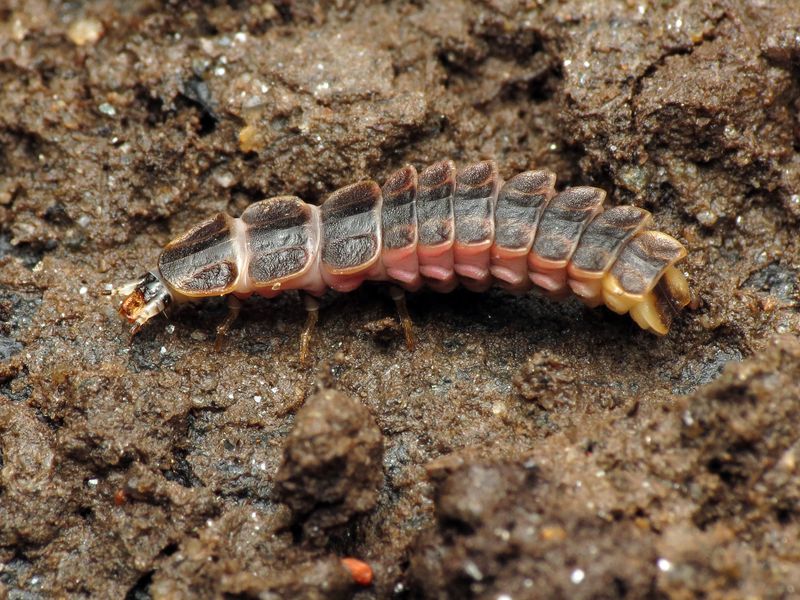
Most of a firefly’s life happens underground or in the leaf litter, not in the air. Adult fireflies get the attention because of their light, but the larval stage is where habitat quality truly determines whether a population can survive in a given location.
Larvae may remain in soil or leaf litter for one or more years before they pupate, and during that time they hunt soft-bodied invertebrates such as earthworms, slugs, and snails. Central Texas Gardener’s firefly coverage confirms that moist, relatively undisturbed ground is where the real work of the firefly life cycle takes place.
Switchgrass contributes to that ground layer indirectly. Taller clumping grass can reduce evaporation at the soil surface, slow foot traffic and disturbance, and allow fallen leaves to accumulate rather than blow away.
UT Austin’s backyard biodiversity resource on fireflies notes that the organisms larvae eat, especially earthworms and small mollusks, depend on moist, organic-rich soil. A patch of grass that helps keep that soil cooler and less disturbed can indirectly support the prey community larvae need.
None of that is a controlled proof that switchgrass measurably increases firefly numbers. The connection is ecological reasoning: taller cover can mean more shelter and better moisture, and better moisture can mean more prey.
Research on firefly conservation pressures consistently points to habitat degradation, including loss of moist, vegetated ground, as a credible threat to larval survival. Switchgrass addresses part of that problem in a site where conditions already lean favorable, without manufacturing habitat where the fundamentals are missing.
Put switchgrass where moisture already works
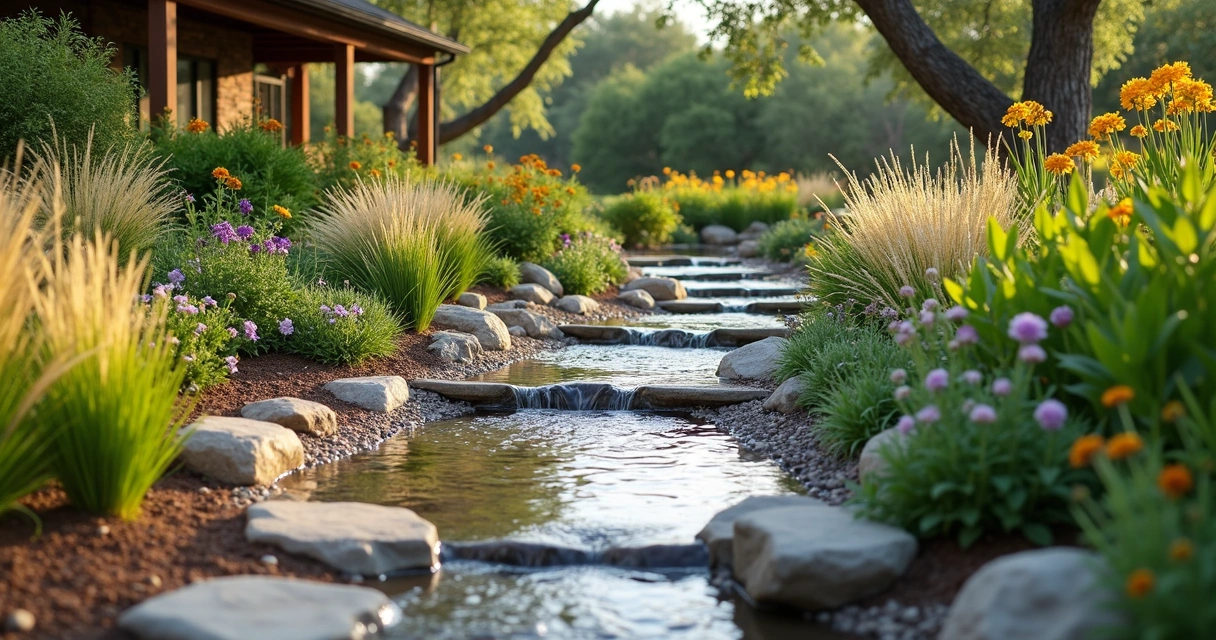
Site selection is the step most planting guides skip, and for switchgrass in Central Texas it is probably the most important decision you will make. The grass is associated in the wild with creeks, streams, and protected areas where moisture is available, not with exposed, droughty limestone slopes where water evaporates quickly after rain.
Texas A&M’s switchgrass plant profile links it to sites where soil moisture is reliably present at least seasonally.
Practically speaking, look for the low side of a planting bed, a spot near a downspout that drains well but does not stay flooded, a gentle drainage swale, or the edge of a creek or pond if you have one. Those locations already collect and hold moisture longer than surrounding areas, which gives the grass a real advantage and reduces the need to compensate with irrigation.
Firefly Conservation and Research’s plant guidance similarly points toward moist habitat as the key condition for firefly-friendly planting zones.
One assumption worth correcting: native status does not automatically mean a plant requires less water or fertilizer. Texas A&M’s EarthKind plant program explicitly notes that native plants can still be resource-intensive when placed in the wrong location or managed poorly.
Match switchgrass to a site where moisture already works in your favor, and you will get a healthier plant with far less effort than if you try to irrigate constantly to compensate for a poor fit. Damp soil is the goal, not standing water, and that distinction matters for both the plant and the larvae you hope to support.
Build a managed patch instead of planting a lone accent
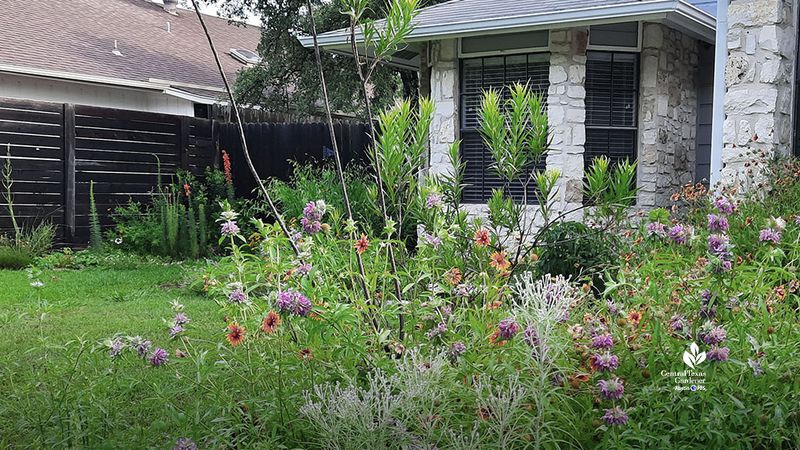
A single isolated clump of switchgrass functions more as an ornamental accent than as functional habitat. A patch, even a modest one in a residential yard, can provide more continuous cover and allow leaf litter to accumulate more effectively than one specimen standing alone.
That rationale is ecological rather than a measured result, but it reflects how habitat tends to work: connected, structurally varied ground is more useful to small soil-dwelling organisms than isolated patches separated by bare lawn or heavy foot traffic.
Firefly Conservation and Research’s habitat-building guidance emphasizes plant diversity and varied vegetation heights over dense monocultures of a single species. Pairing switchgrass with other regionally appropriate native plants, such as inland sea oats in shadier spots, native wildflowers at lower heights, or native shrubs at the edge, creates the kind of layered structure that supports a broader range of ground-dwelling organisms.
Xerces Society guidelines for firefly conservation reinforce that diverse, structurally varied habitat outperforms a wall of one grass species.
Texas Parks and Wildlife recommends using regionally appropriate native plants and emphasizes that wildlife habitat requires food, water, and shelter together, not a single ornamental addition. TPWD’s Wildscapes program tips and their habitat FAQ both point toward whole-yard thinking rather than one-plant solutions.
Keep the patch defined and manageable: a contained area with varied plants, some protected ground, and clear edges you can maintain is more realistic for most Central Texas homeowners than an expansive unmanaged zone.
Protect the leaf litter and woody ground layer
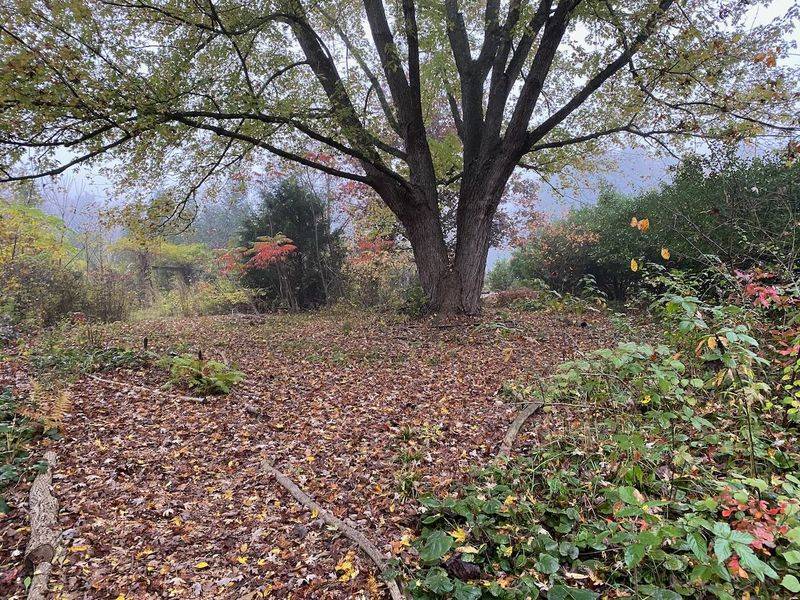
Leaf litter is not yard waste in a firefly habitat patch; it is the habitat itself. Fallen leaves beneath and around the switchgrass help retain soil moisture, insulate the ground layer during temperature swings, and support the earthworms, snails, and slugs that firefly larvae hunt.
Central Texas Gardener’s firefly feature and UT Austin’s backyard firefly resource both identify undisturbed leaf litter as one of the most practical things a homeowner can preserve around a firefly-friendly planting.
Decaying wood adds another layer. Small logs, fallen branches, or a brushy edge near the patch can provide shelter and additional moisture-holding capacity.
Austin Parks and Recreation’s wildlife habitat program specifically notes that fireflies need decaying wood to complete their life cycle and advises against clearing all fallen woody material from a yard managed for wildlife. You do not need a large brush pile; a few small logs or branches tucked inside the patch boundary can serve the purpose.
Two common gardening habits can undermine this ground layer. Thick commercial mulch, applied heavily across the entire patch, can block larval access to soil and reduce the habitat quality you are trying to build.
Firefly Conservation and Research’s how-to-help page and their habitat certification guide both caution that dense thatch or impenetrable mulch layers can interfere with soil access. Leaf litter and natural woody debris are more defensible choices than a deep layer of bagged product.
Keep the patch contained, maintain clear defensible space around any structures, and follow local fire-safety rules, especially in areas where dry conditions increase fuel risk.
Reduce the nighttime and chemical pressures
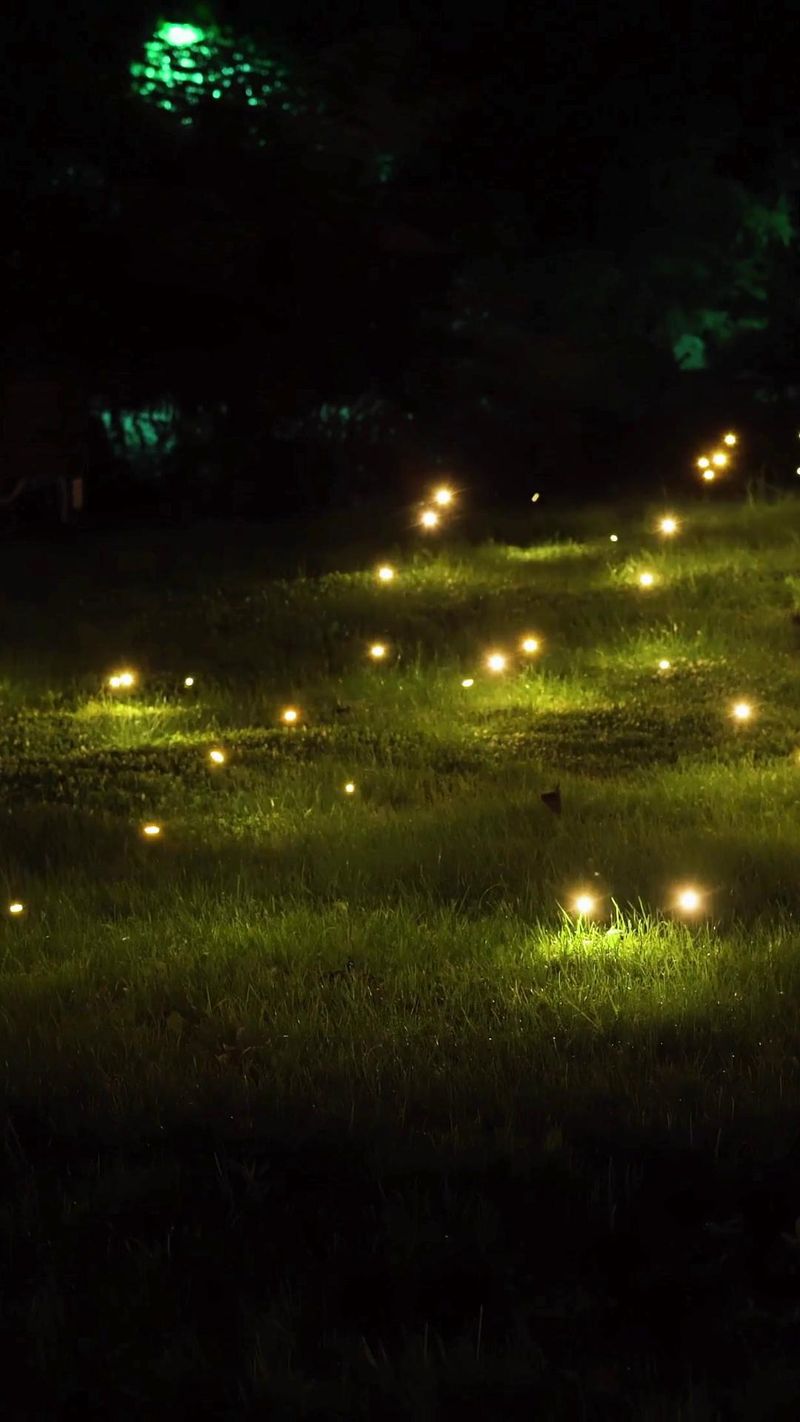
Even a well-planted, leaf-litter-rich habitat patch will struggle if the yard around it floods it with artificial light every night or receives routine broad-spectrum pesticide treatments. These two management choices are among the most actionable things a homeowner can change, and they cost nothing to start.
Artificial light can interfere with firefly courtship signals, which are the flashes adults use to find mates. Xerces Society’s firefly-friendly lighting guidance recommends turning off unnecessary outdoor lights near the habitat patch, or replacing them with timers, motion sensors, or shielded fixtures that direct light downward and away from the patch.
Pesticide choices carry equal weight. Firefly larvae and their prey, the earthworms, snails, and slugs that sustain them through their long underground stage, can be harmed directly or indirectly by broad-spectrum insecticide treatments.
Routine mosquito spray programs applied across an entire yard are a particular concern because they are designed to kill insects broadly rather than selectively. Xerces Society’s firefly conservation guidelines recommend avoiding routine broad-spectrum applications near habitat areas, and published research on firefly conservation pressures identifies pesticide use as a credible threat to larval and adult survival.
That recommendation does not mean abandoning all pest management. Targeted, least-toxic control remains appropriate when a specific pest problem requires it, and readers should follow product labels and local rules rather than treating the habitat patch as a chemical-free zone that overrides practical safety.
The goal is to stop routine, preventive broad-spectrum spraying in and near the patch, not to leave every pest problem unaddressed. Small, thoughtful shifts in lighting and chemical use can preserve otherwise suitable habitat that a switchgrass planting alone cannot protect.
Measure success in seasons, not guaranteed returns
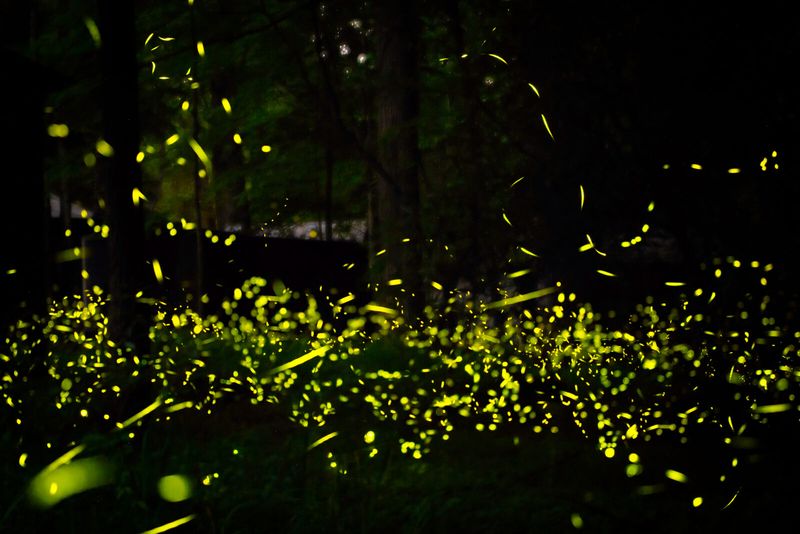
Adult firefly activity in Central Texas is seasonal, generally peaking on warm evenings during the warmer months, and it is tied to conditions that shift year to year. Central Texas Gardener’s firefly resource and Williamson County’s firefly fact sheet both note that larvae may remain in the soil or leaf litter for one or more years before emerging as adults.
Habitat improvements may take multiple seasons to show any visible result, and there is no timeline you can count on.
Texas hosts multiple firefly species with different habitat preferences, behaviors, and geographic ranges. Firefly Conservation and Research’s Texas field guide shows that some species favor wet creek edges, while others use grassland, woodland edges, or leaf litter in more suburban settings.
A yard with excellent habitat conditions still cannot produce fireflies if nearby source populations have been lost or are simply absent from the surrounding area. Broader firefly population research acknowledges that monitoring remains incomplete for many species and that trends vary considerably by location.
A useful standard for success in a Central Texas yard looks like this: plant switchgrass in a site where moisture already works, protect the full ground layer with leaf litter and some decaying wood, reduce unnecessary light and broad-spectrum pesticide pressure, and then watch what happens over several seasons rather than one. Any firefly activity you see after making those changes may reflect improved habitat, and that is worth something even if the glow never fills the whole yard.