
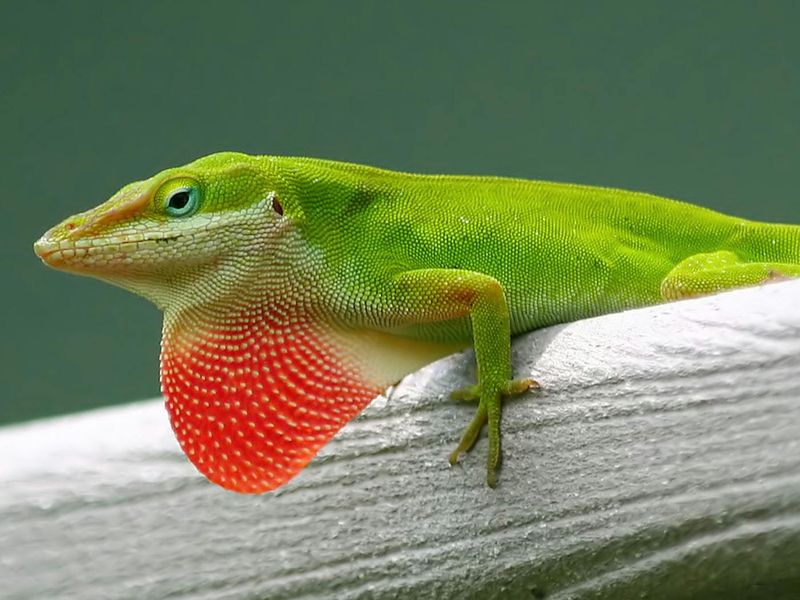
Spot a flash of bright green darting across a wooden fence in the Texas Hill Country, and you have probably just seen a green anole working its territory. These small, native lizards eat a wide range of insects and other tiny invertebrates, which naturally raises the question of whether more of them could mean fewer pests in your yard.
The honest answer is more nuanced than a simple yes, and understanding the difference can help you make smarter choices for both your garden and local wildlife.
Check whether green anoles belong in your local yard
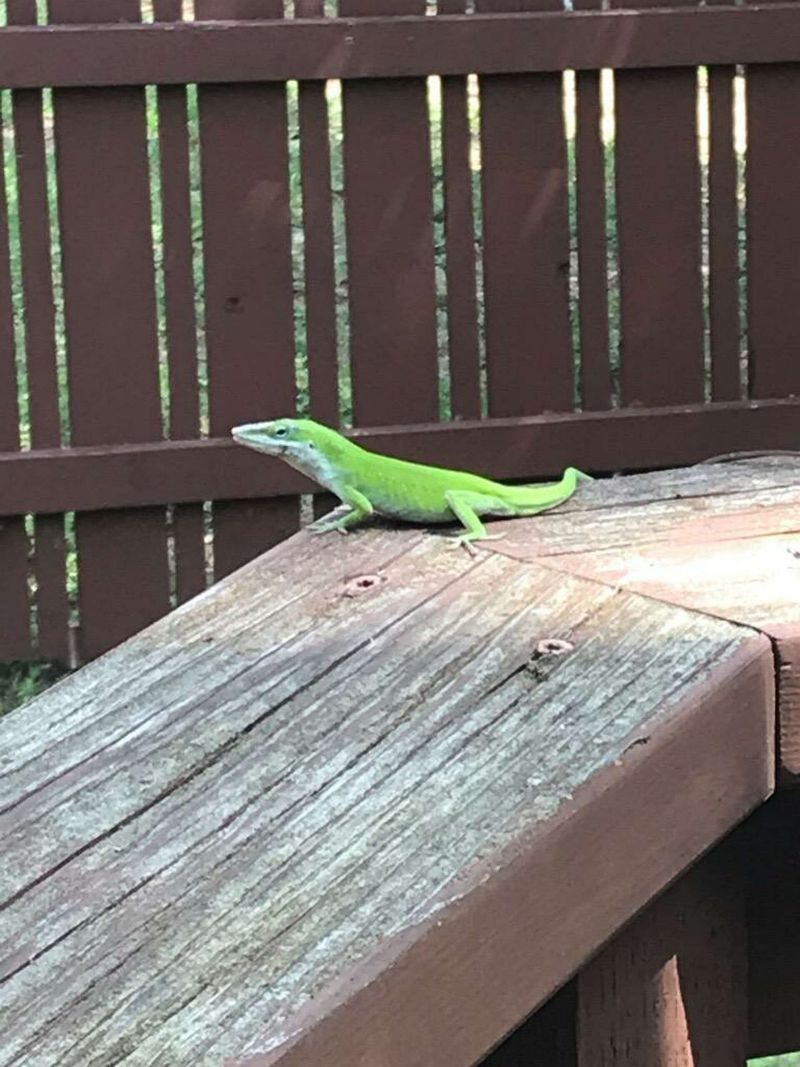
Before planting extra shrubs or rearranging your fence line to attract green anoles, it helps to know whether your property actually sits within their natural range. Texas Parks and Wildlife places Anolis carolinensis in the eastern third of the state, where moisture levels, vegetation, and shade tend to match what the species needs.
Stretches of Central Texas fall near the western edge of that range, meaning habitat suitability can shift block by block depending on tree canopy, soil moisture, and local microclimate.
Green anoles are at home wherever they can find greenery to climb, shaded perches for thermoregulation, and enough small prey to support daily hunting. Fences, walls, shrubs, and small trees all serve as natural corridors and hunting grounds.
A sun-baked cedar fence with no surrounding vegetation is much less likely to host resident anoles than a fence backed by live oaks, yaupon holly, or dense native plantings.
The core expectation to set right now: improving your yard’s habitat can make it more welcoming to anoles that already occur naturally in your neighborhood. That is meaningfully different from ordering pest control on demand.
If green anoles do not currently live near your property, no amount of fence-side planting will reliably summon them. And even where anoles are present, they function as one modest part of a backyard food web, not as a guaranteed mosquito or roach reduction service.
Think of habitat improvement as rolling out a welcome mat for a native neighbor, with the understanding that the neighbor decides whether to show up.
A broad diet does not make an anole a pest exterminator
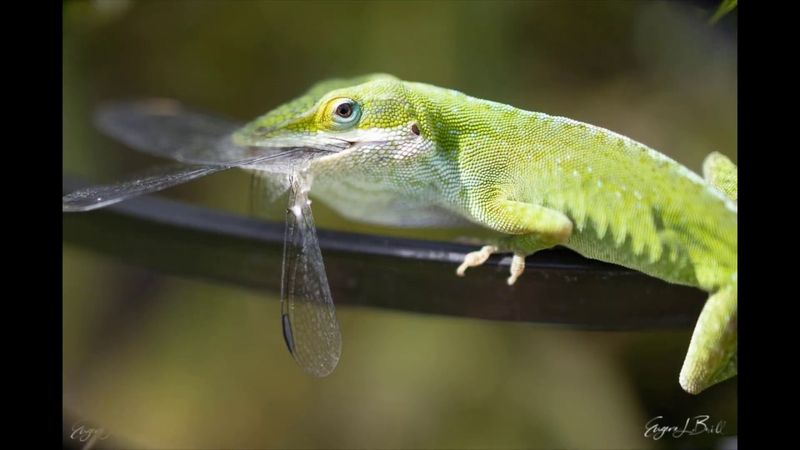
Green anoles are opportunistic hunters with a wide menu. Documented prey includes flies, beetles, grasshoppers, spiders, and a range of other small arthropods they encounter while patrolling vegetation and fence lines.
UF/IFAS Gardening Solutions lists roaches among the small invertebrates anoles will eat, which sounds promising on the surface. The practical picture, though, is more limited than that single fact suggests.
Eating a small cockroach nymph found outdoors on a warm evening is not the same as patrolling your kitchen baseboards or suppressing the German cockroach population behind your refrigerator. Anoles hunt by sight in daylight, mostly in vegetation and on vertical surfaces.
Indoor cockroach infestations, which often involve species that spend most of their lives hidden in wall voids, under appliances, and inside drains, simply do not overlap with the places anoles hunt. If you have a household roach problem, an anole on your fence is not the solution, and waiting for lizards to handle it will leave the infestation unaddressed.
The mosquito picture carries a similar qualification. UT Austin’s Biodiversity Center confirms that green anoles eat small flying insects, and mosquitoes could occasionally be among them.
But mosquito populations are driven primarily by breeding water, weather patterns, and conditions across an entire neighborhood, not by how many lizards patrol a single fence. An anole might snap up a resting mosquito, but that individual predation event does not translate into a measurable drop in the number of mosquitoes biting you at dusk.
The ecological value of anoles as native insect predators is real; the pest-control promise is not.
What lizard studies show—and what they do not
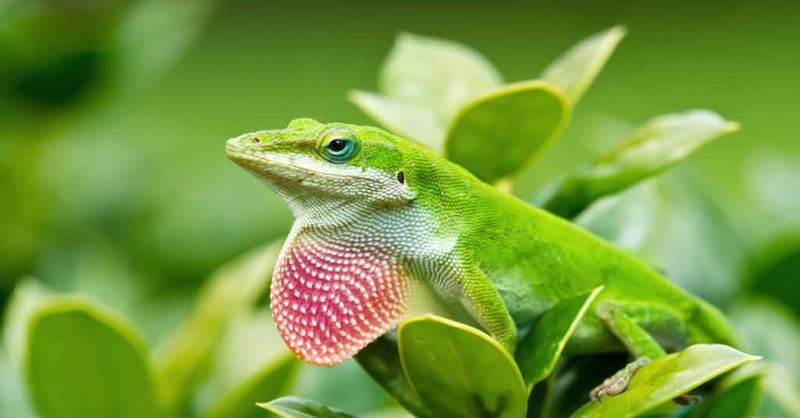
Research on anole-arthropod relationships does give ecologists solid reasons to value insect-eating lizards in a food web. The most cited field experiment, conducted on the Caribbean island of St. Eustatius, excluded Anolis lizards from forest plots and found two- to threefold increases in forest-floor arthropod abundance compared to plots where lizards remained.
That is a meaningful ecological signal, showing that lizard predation can shape insect communities at the local level.
A separate Puerto Rico canopy study found that removing insectivorous lizards led to increases in several arthropod groups and, in some cases, greater herbivore damage to plants. The results were not uniform across all arthropod types or all plant species measured, which is worth noting.
Both studies add to the picture of anoles as genuine predators that influence the invertebrates around them, but neither was conducted in a Texas suburb, and neither tracked mosquito populations or household cockroach numbers.
The species involved in these experiments, the habitats studied, the prey communities present, and the scale of the research all differ substantially from a residential fence line in Bexar or Travis County. Forest-floor arthropod counts in a Caribbean nature reserve do not translate directly into backyard pest control in Central Texas.
What the science does support is a general principle: native insect-eating lizards participate in food webs in ways that matter ecologically. Treating that principle as proof of fewer mosquitoes or roaches in your yard asks the research to answer a question it was never designed to address.
Build a layered fence-side habitat
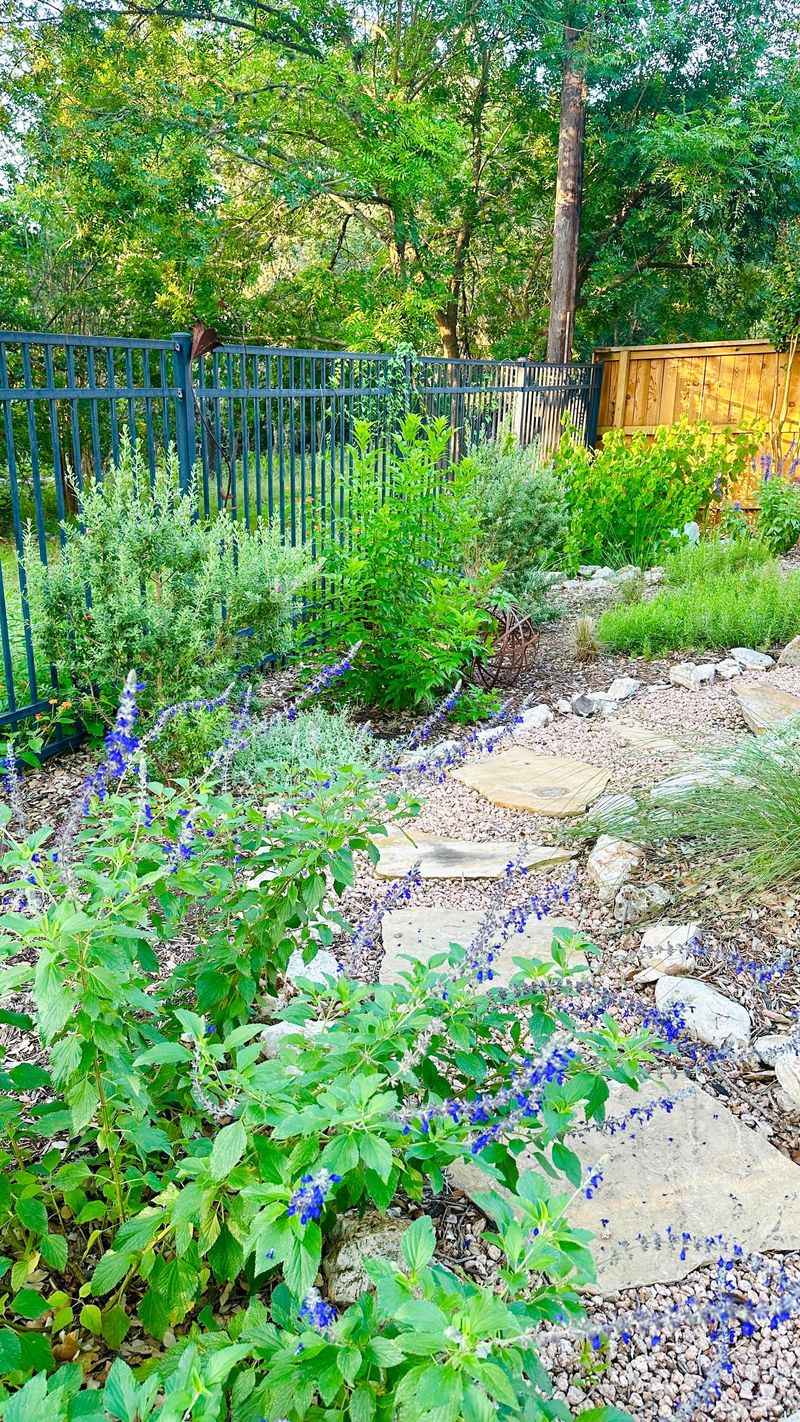
Habitat quality matters far more than any single plant choice when it comes to supporting naturally occurring green anoles. Texas Parks and Wildlife describes anoles as relying on greenery, occasional shade, and moist conditions, which points toward layered planting rather than a bare fence with one specimen shrub.
Low groundcovers, mid-height shrubs, and small trees working together create the kind of vertical structure anoles use for climbing, thermoregulating, hiding from predators, and scanning for prey.
UF/IFAS Extension’s landscaping-for-lizards guidance recommends retaining natural cover such as leaf litter, logs, brush piles, rock crevices, and dense plantings where appropriate. These features give small lizards escape routes, cool resting spots during midday heat, and hunting ground for the beetles and other invertebrates that live among decaying organic material.
A section of fence line left slightly wilder than the rest of the yard can serve this purpose without looking neglected.
Vertical structure deserves particular attention. Anoles are climbers by nature, and a fence backed by a trellis, a climbing vine, or a small tree canopy offers far more usable territory than a flat wooden board.
Perches at different heights let lizards move between sun and shade as they regulate their body temperature throughout the day.
One example worth naming precisely: in Florida, green anoles sometimes shift higher into shrubs and trees when invasive Cuban brown anoles colonize the ground layer. That behavioral shift is a Florida-specific response to a specific invasive competitor and should not be generalized to Central Texas or to other lizard species without evidence.
Still, the broader lesson holds anywhere anoles occur: taller, denser vegetation gives them more options. Reduce disturbance near the planting, keep foot traffic away from the densest cover, and let the structure do the work rather than expecting a guaranteed result from any particular plant species.
Keep moisture useful without breeding mosquitoes
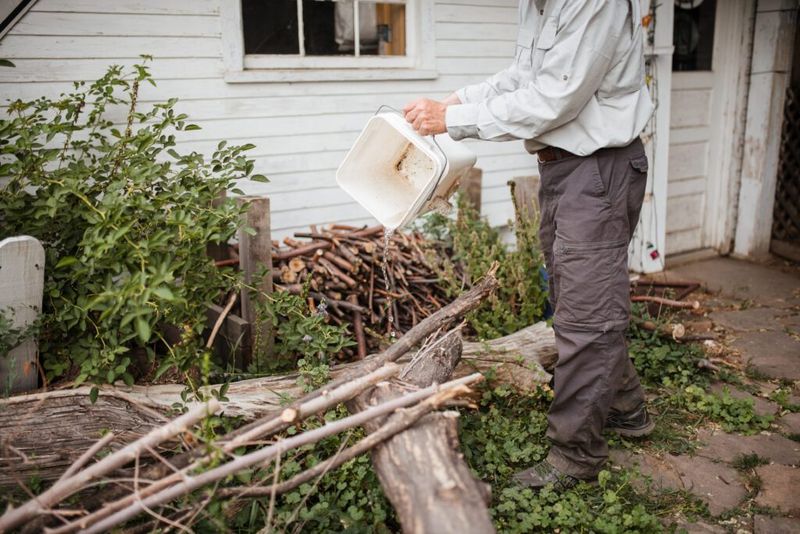
Green anoles need moisture, but that does not mean adding standing water to your yard. The species thrives where soil and plant moisture keep the microhabitat from drying out completely, especially during Central Texas summers.
Dense plantings, mulched beds, and drip irrigation directed at root zones all help maintain the kind of cool, humid pockets anoles use for shelter without creating the stagnant pools that mosquitoes need to reproduce.
CDC guidance on home mosquito control is direct: empty, scrub, cover, or turn over any container that holds water at least once a week. Flowerpot saucers, buckets, clogged gutters, tarps, and low spots in the yard all qualify as potential breeding sites.
Leaving a dish of open water near your fence line to attract lizards is counterproductive; the mosquito larvae that hatch there will create far more of a pest problem than any anole is likely to offset.
Texas A&M AgriLife Extension identifies the same containers as priority targets and recommends regular inspection as the foundation of any backyard mosquito plan. Scrubbing the walls of containers when you empty them removes the eggs that cling to wet surfaces and survive a quick rinse.
For water that genuinely cannot be drained or covered, such as a large decorative pond or a rain barrel with a slow drain, Texas A&M Mosquito Safari describes larvicide options including products based on Bacillus thuringiensis israelensis (Bti) or methoprene. These products must be used exactly as the product label directs.
Bti-based dunks, in particular, target mosquito larvae without the broad toxicity that would harm lizards or other backyard wildlife. Source reduction comes first; larvicides are a follow-up tool for water you cannot remove.
Protect anoles while addressing real pest problems
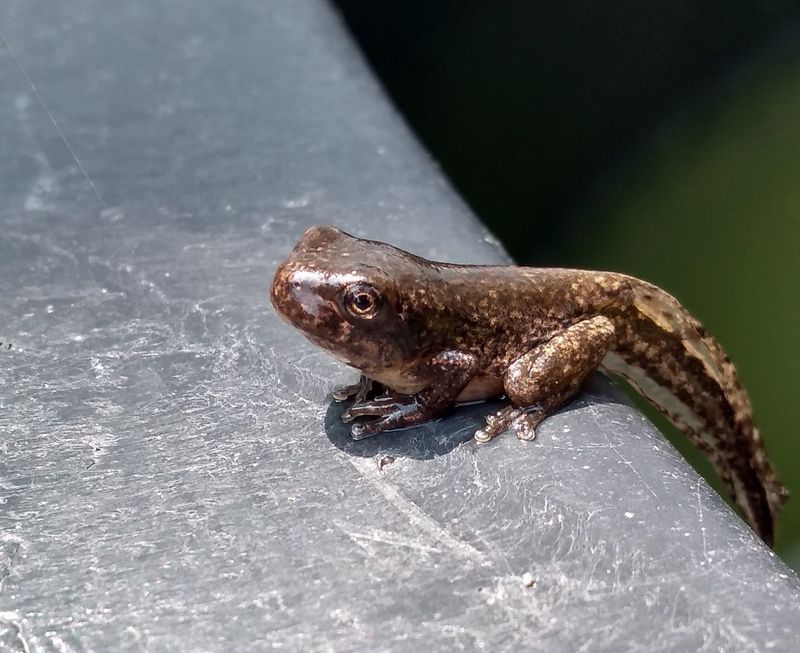
Supporting native lizards and managing pests responsibly require some of the same habits, but they can also pull in opposite directions if you are not careful. Mosquito source reduction, the weekly routine of emptying and scrubbing containers, should come before any attempt to use lizards as pest control.
For household cockroach problems, anoles are simply not part of the solution. Infestations of German or American cockroaches inside a home require evidence-based pest management guidance from a licensed professional or an authoritative extension resource, not a fence-side lizard.
UF/IFAS Extension recommends using pesticides only when necessary and selecting targeted products rather than broad-spectrum sprays. Pesticide exposure reaches lizards in ways that are easy to overlook: direct spray contact, contaminated foliage they climb across, soil they rest on, and prey insects that have already absorbed a chemical.
Reducing unnecessary broad-spectrum pesticide use protects anoles, the insects they eat, and the broader backyard food web you are trying to support.
Routine mosquito fogging or residential misting systems deserve particular caution. The EPA notes that residential misting systems have not been sufficiently studied to document effectiveness and recommends integrated pest management instead.
A misting system that fires on a timer does not distinguish between pest mosquitoes and the insects that anoles depend on for food.
NC State Extension warns that outdoor cats prey on lizards and other backyard reptiles, sometimes significantly reducing local populations. If you are investing in habitat to support anoles, keeping cats indoors or in a contained catio removes one of the most consistent threats to small native reptiles in residential areas.
Let local lizards choose the fence
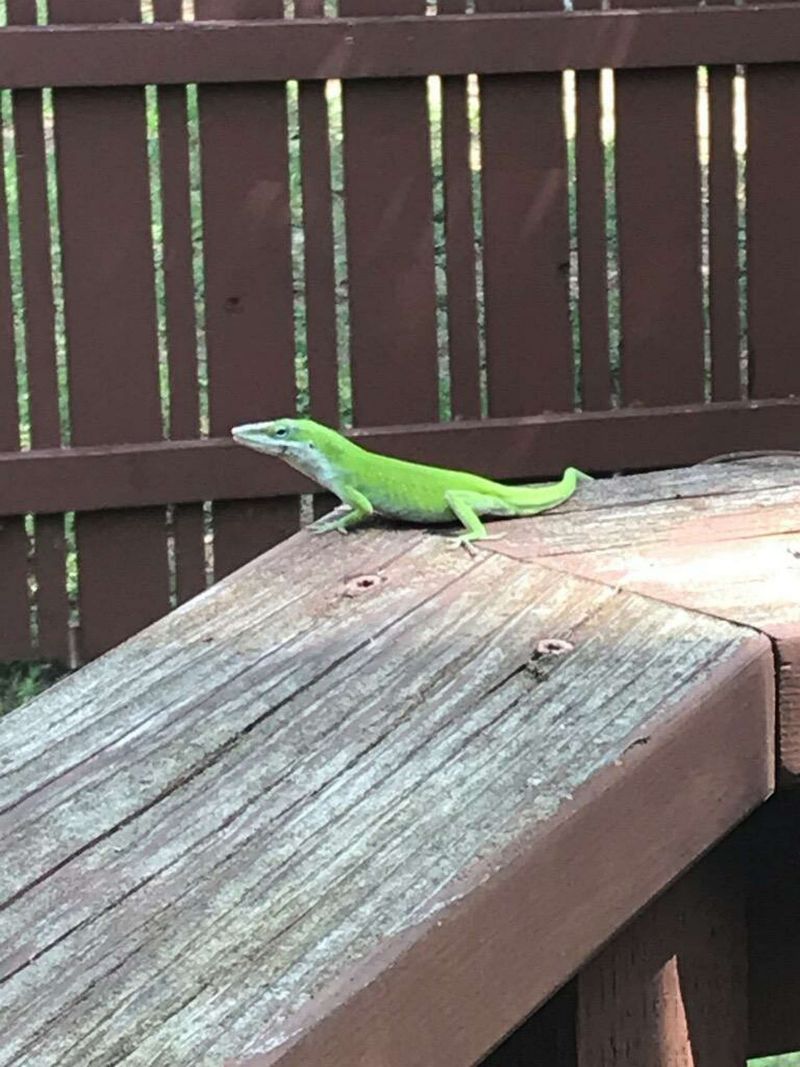
After you have improved the habitat, the next step is patience. Anoles are territorial and tend to establish themselves in areas that already suit them.
A fence line with layered vegetation, shaded cover, and reduced disturbance becomes more attractive to the local population over time, but the lizards make the final call about whether to move in.
Purchasing anoles from a pet supplier, catching them from a neighbor’s yard, or relocating them from another property are all approaches to skip entirely. Reliable habitat guidance consistently supports making yards more suitable for wildlife already in the area, not moving animals between locations.
Relocation stresses lizards, may expose them to unfamiliar pathogens, and often places them in habitat they would not have chosen on their own. Hand-feeding is similarly unnecessary and can create dependency that does not serve a wild animal well.
One identification note worth keeping in mind: green anoles can shift between green and brown coloration depending on temperature, stress, and activity level. A brown lizard on your fence is not automatically a different species; it may simply be a green anole in its brown phase.
Color alone is not a reliable identification tool.
A well-planted fence line in the right part of Central Texas may eventually support a small resident anole population that contributes to a richer backyard food web. What it will not deliver is a measurable reduction in mosquitoes or a cockroach-free yard, and in some locations, local conditions may mean no anoles arrive at all.
The habitat you build still benefits other native wildlife, and that turns out to be a worthwhile outcome on its own.