
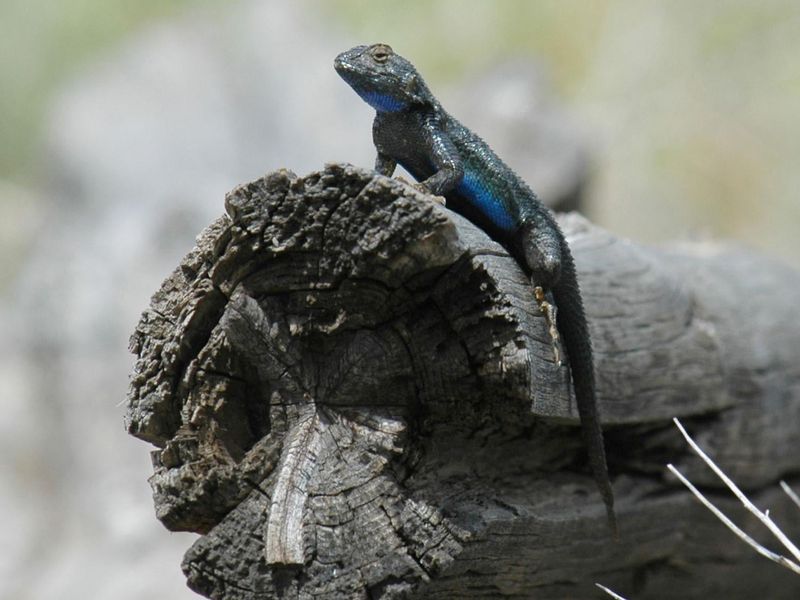
Western fence lizards are a familiar sight on California fences, garden walls, and sun-warmed rocks, and there is real science behind the idea that they interact with Lyme-carrying ticks in interesting ways. The story, though, is more complicated than most popular headlines let on, and understanding the difference matters if you want to protect your family while also helping native wildlife.
Supporting these lizards is genuinely worthwhile, but it works best as a wildlife-stewardship choice, not as a substitute for proven tick precautions.
Support lizards for wildlife—not as a tick-population cure
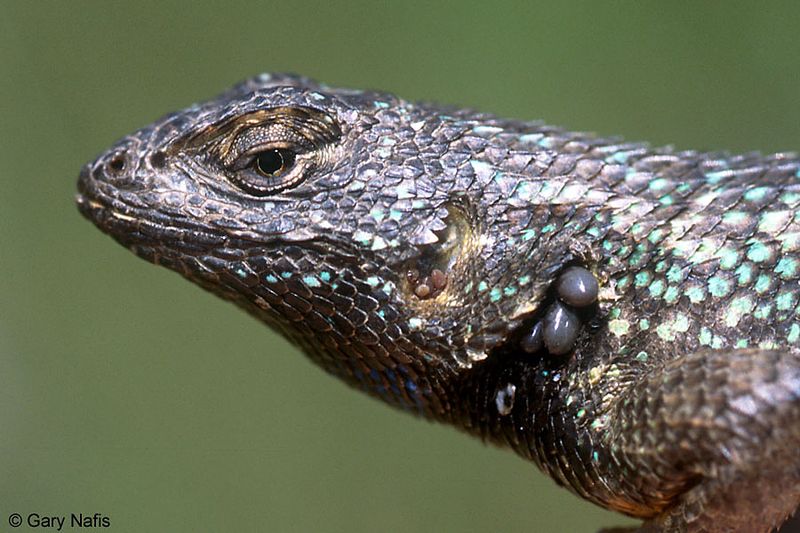
Western fence lizards carry a reputation as natural tick controllers, and the biological piece of that story is real, but the full picture is more complicated than the headline version. When immature western blacklegged ticks feed on a lizard, the lizard’s blood or complement proteins can damage Lyme-group spirochetes inside the tick, as laboratory research on Borrelia resistance in western fence lizards has shown.
That means a tick that fed on a lizard may carry a lower load of Lyme-group bacteria when it reaches its next life stage.
The critical word is “proportion.” Fewer infected ticks is not the same thing as fewer ticks overall. A yard with western fence lizards can actually support a larger population of immature ticks, because larvae and nymphs use lizards as blood-meal hosts in large numbers.
A California field experiment tested this directly: when researchers removed lizards from study plots, the number of infected nymphs dropped, but a big part of that drop happened because the total tick population also shrank. As that lizard-removal study concluded, California’s tick ecology does not follow the simple eastern “dilution effect” model where more reservoir-incompetent hosts always mean safer conditions for people.
What this means practically is that a yard full of western fence lizards is not a yard with a reliably smaller tick population or a guaranteed lower risk of human Lyme disease. The lizards are doing something biologically meaningful, but that effect does not translate into a measurable safety benefit you can count on season to season.
The defensible homeowner goal, then, is to support native wildlife and contribute to local biodiversity while managing tick exposure through separate, proven steps. Lizards belong in California yards because they are native, ecologically connected, and worth protecting, not because they function as a pesticide substitute.
Understand what western fence lizards do in a California yard
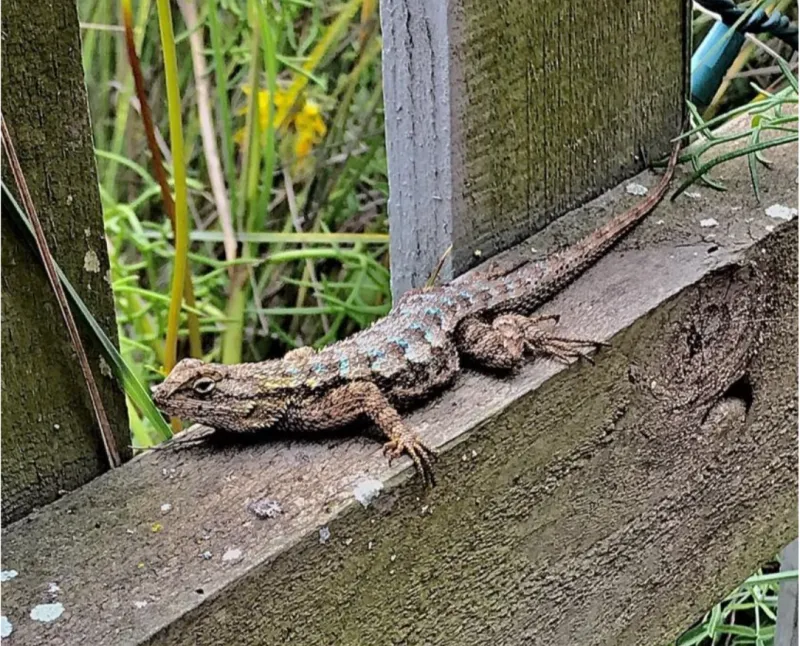
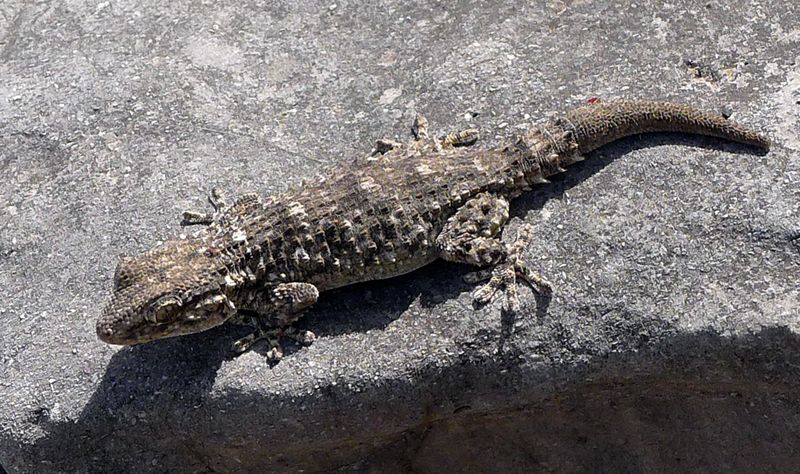
Sceloporus occidentalis is one of the most commonly encountered reptiles across California, turning up on backyard fences, garden walls, driveways, tree trunks, and rocky slopes from the coast to the foothills. According to the California Wildlife Habitat Relationships account for the western fence lizard, these animals are active during the day and rely heavily on elevated or exposed structures for basking, perching, hunting, and escaping predators.
Rocks, fence rails, log edges, and low walls are prime real estate for them.
Their diet is built around terrestrial invertebrates. Beetles, ants, wasps, aphids, grasshoppers, and spiders make up the core of what they eat, which makes them genuinely useful insect-eating members of the garden community.
Ticks do appear in their diet, but less frequently than many popular summaries imply. The more important connection between lizards and ticks is not predation but hosting: immature ticks, particularly larvae and nymphs of the western blacklegged tick, feed on lizards in significant numbers.
Knowing this changes how you should frame the lizard’s value in your yard. A lizard on your fence is not actively hunting down ticks and clearing your property.
It is eating beetles and ants, warming itself in the sun, and occasionally hosting a tick larva whose Lyme-group bacteria may be damaged by the lizard’s blood during that feeding. That is a worthwhile ecological role, and it is reason enough to welcome these animals, but it is a different thing entirely from the claim that lizards reduce tick numbers.
California homeowners who understand what lizards actually do are better positioned to support them realistically, appreciate them as native wildlife, and keep their own tick-prevention habits intact at the same time.
Create a modest basking-and-cover zone
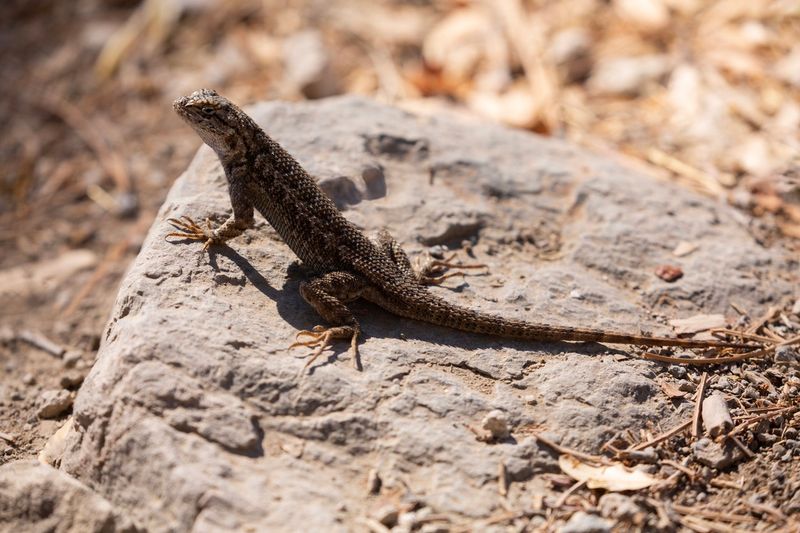
Flat rocks are the single most useful thing most California homeowners can add or preserve for western fence lizards. A rock that holds morning heat and sits in a sunny, open spot gives lizards a place to warm up quickly, spot prey, and retreat to a nearby crevice if a predator appears.
The California Department of Fish and Wildlife’s habitat account lists rocks, surface objects, woodpiles, fence edges, tree trunks, walls, burrows, and crevices as documented habitat elements for this species.
Before buying anything, walk your property and look at what is already there. An existing stacked-stone retaining wall, a section of fence with gaps at the base, a log left near a sunny slope, or a cluster of boulders beside a path may already be providing habitat you did not realize was valuable.
Preserving those features costs nothing and avoids the disruption that comes with moving materials around a yard that lizards may already be using.
If you want to add features, keep the scale modest and the materials stable. A few flat, medium-weight rocks grouped in a sunny spot, a short section of untreated log near a south-facing wall, or a low dry-stacked border along a garden bed can all serve as basking and cover sites.
There is no published formula for how many rocks equal how many lizards, so avoid overbuilding with the expectation of a measurable ecological outcome.
One caution worth stating clearly: do not create dense groundcover, deep leaf litter, or tall brushy areas specifically to attract lizards. Those conditions can also support tick habitat, and the goal here is wildlife-friendly landscaping that does not inadvertently raise your household exposure.
Keep features open, visible, and away from areas where people spend time regularly. Frame the whole project as supporting native reptile biodiversity, not as a Lyme-disease intervention.
Separate lizard habitat from high-use spaces

One of the most practical things a California homeowner can do is think of the yard in zones. Lizard habitat, meaning basking rocks, log edges, low walls, and undisturbed crevices, belongs in a part of the property that people pass through occasionally rather than every day.
Placing those features beside the patio furniture, the swing set, or the back door creates unnecessary overlap between wildlife habitat and the spaces where tick checks are hardest to remember.
A back fence line, a sunny slope at the property edge, or a quiet corner beside a garden shed are all reasonable locations for a basking-and-cover zone. Lizards are mobile and will find features placed away from foot traffic just as readily as features placed next to the house.
Separating the zones does not drive lizards out of the yard; it just keeps the areas where children play and adults relax easier to inspect and maintain.
Near patios, play areas, and entrances, CDC tick-prevention guidance recommends keeping grass mowed short, removing leaf litter, clearing tall brush, and using a three-foot barrier of wood chips or gravel where a lawn or garden meets a wooded or brushy edge. Those practices may conflict directly with a lizard-habitat plan, which is exactly why separating the two zones matters.
You do not have to choose between supporting lizards and reducing tick exposure near living spaces; you just have to keep those goals in different parts of the yard.
The California Wildlife Habitat Relationships account notes that lizards use rocks, fences, and surface objects across a range of settings, so a habitat feature placed at the back of the lot is still useful wildlife infrastructure. Good zone planning lets both goals coexist without either one undermining the other.
Reduce chemical threats to the habitat
Broad-spectrum pesticides applied across a lawn or garden do not distinguish between pest insects and the beetles, ants, and grasshoppers that western fence lizards depend on for food. Spraying large areas unnecessarily can strip the invertebrate prey base that makes a yard worth inhabiting for a lizard in the first place.
EPA guidance on reducing pesticide impacts on wildlife recommends using pesticides only when a pest problem actually requires treatment, applying product only to the target area rather than the whole property, and following label directions precisely. Integrated pest management, which leans on physical barriers, habitat modifications, and biological controls before reaching for a spray, fits naturally with a lizard-friendly yard.
Rodenticides deserve a separate conversation because the risk travels up the food chain. California Department of Fish and Wildlife documentation on secondary poisoning shows that anticoagulant rodenticides can harm predators and scavengers that eat poisoned rodents.
Hawks, owls, foxes, and other animals that help keep rodent populations in check can be killed by a single poisoned animal. Before using any rodenticide, work through non-chemical options first: remove accessible food sources such as fallen fruit or unsecured compost, seal gaps in structures where rodents enter, and clear debris piles that provide nesting cover.
None of this means that every pest-control product must disappear from a wildlife-friendly yard. Sometimes a targeted, label-compliant treatment is the right call, and the goal is not zero pesticide use but thoughtful, minimal use.
Spot treatments applied to a specific problem area are a much smaller risk to lizards and their food supply than blanket applications across the whole landscape. When pest management is necessary, choosing the least-toxic option that addresses the problem and applying it only where needed is the approach most compatible with supporting native reptiles.
Observe wild lizards instead of moving or keeping them
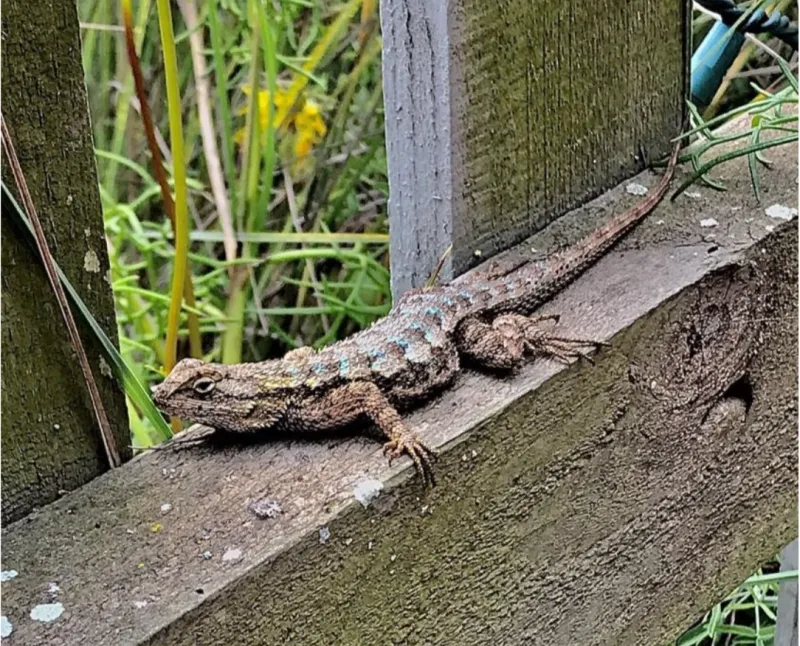
Watching a western fence lizard do push-ups on a fence rail or chase a beetle across a warm rock is one of the genuine pleasures of a California yard, and observation is exactly the right level of engagement. Chasing, trapping, or attempting to relocate lizards does not improve tick ecology and can injure the animal or push it out of habitat it already knows well.
According to UC IPM guidance on lizards, rough handling can cause bites or trigger tail loss, a stress response that costs the animal significant energy to recover from. Prolonged captivity is genuinely difficult to manage correctly, and UC IPM’s home and landscape lizard resource notes that taking or possessing native lizards is regulated under California law.
Keeping one as a backyard pet is not a legal shortcut to better tick management, and it is not good for the lizard.
The most effective thing a homeowner can do is create conditions where lizards feel safe enough to stay on their own. That means preserving basking features, reducing unnecessary chemical exposure in foraging areas, and leaving lizards alone when they appear.
A lizard that chooses to use your yard is already doing what you want it to do. Moving it somewhere else, even with good intentions, disrupts its home range and does not produce a better ecological outcome.
If a lizard wanders into the house or gets trapped somewhere it cannot escape, a gentle nudge with a piece of cardboard toward an open door is the appropriate response. Beyond that, the best wildlife stewardship here is a hands-off one.
Keep using proven tick precautions
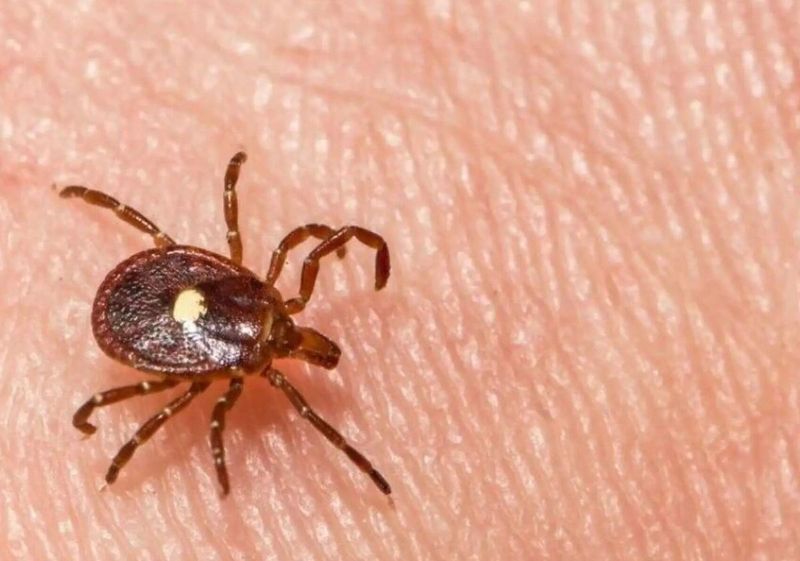
Lyme disease risk in California depends on a combination of factors: which tick species are present, how many of them carry Borrelia bacteria, what other animals are in the local host community, what season it is, and how much time people spend in tick habitat. Federal tick-borne disease working group reporting makes clear that no single yard feature or wildlife species controls all of those variables.
The western blacklegged tick, which is the relevant vector in this context, is concentrated along the Pacific Coast and is particularly common in northern California, as CDC western blacklegged tick surveillance data shows. Western fence lizards are a California and western North America story, not a solution that translates to the Southeast or other regions.
Whatever your yard looks like, CDC tick-prevention guidance covers the actions that actually protect people. Check yourself, children, and pets thoroughly after any time outdoors, paying attention to hairlines, behind the ears, under the arms, and behind the knees.
Shower within two hours of coming inside to wash off unattached ticks. Remove any attached tick promptly with fine-tipped tweezers, pulling straight out without twisting.
Use EPA-registered repellents according to their label directions, treating clothing as well as skin when appropriate.
None of those steps become optional in a lizard-friendly yard. A yard with healthy lizard habitat is a yard with rocks, logs, and native plantings, which are also places where ticks can wait for a passing host.
The lizards are worth supporting for their own ecological value and as part of a living California landscape. Measure your household’s tick safety by the quality of your habitat layout and the consistency of your prevention habits, not by how many lizards you spot on the fence.