
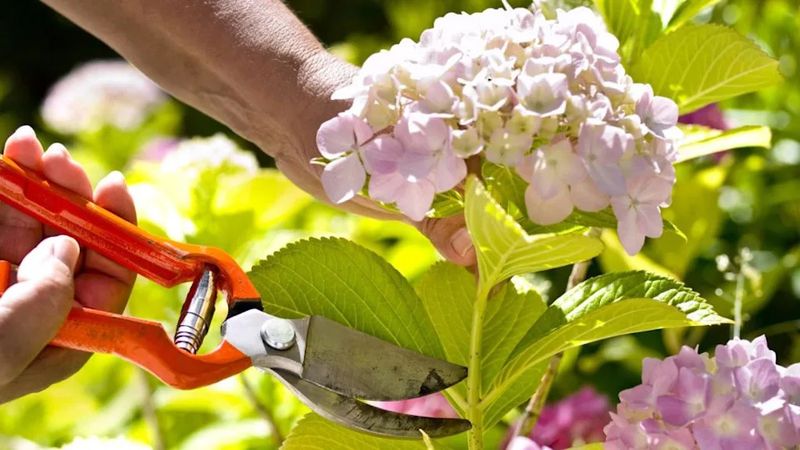
Hydrangeas are one of the most beloved flowering shrubs in North Carolina yards, but a common pruning mistake quietly wipes out an entire season of blooms before the plant even goes dormant. For certain types, cutting stems at the wrong time removes the very buds that would have opened the following year.
Knowing which hydrangeas are at risk, and when to act, can mean the difference between a full flush of flowers and a season of green leaves with nothing more.
The useful rule applies to old-wood hydrangeas
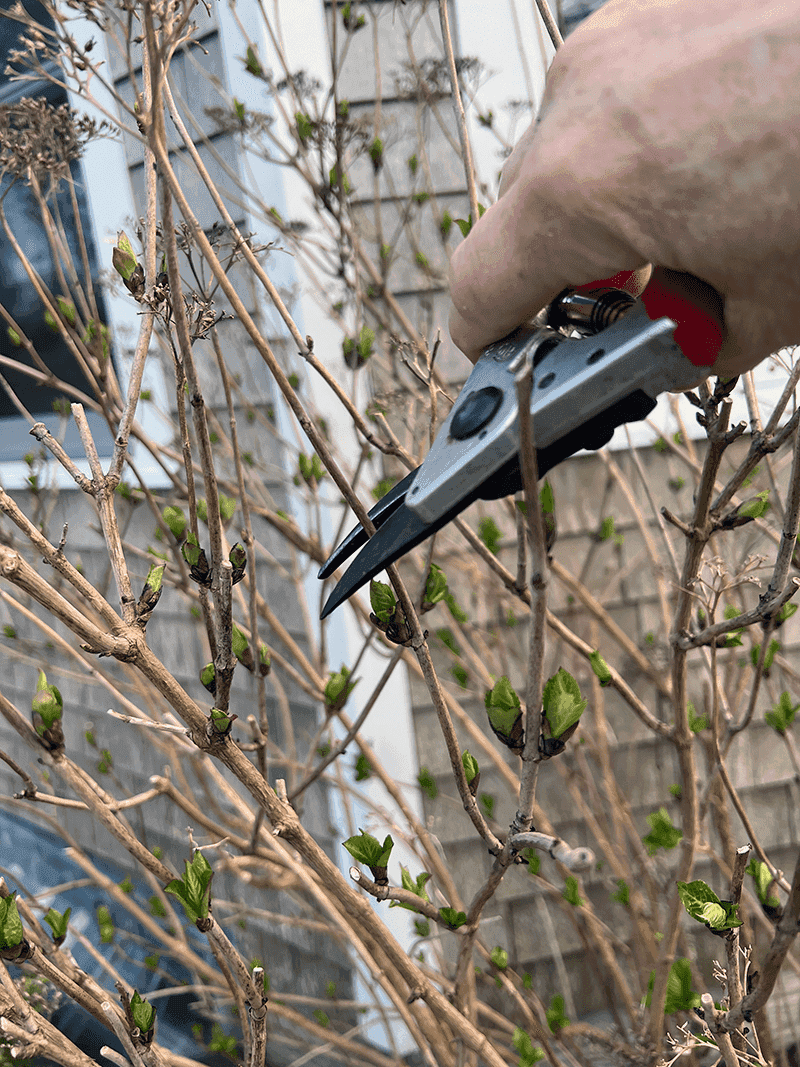
Not every hydrangea in your yard follows the same rules, and that distinction matters more than any calendar date. The pruning guidance that gets the most attention applies specifically to old-wood hydrangeas, which are plants that form next season’s flower buds on the same stems they grew this year.
Cut those stems too late in summer, and the buds for next year’s flowers go with them.
Bigleaf hydrangeas, including the familiar mophead and lacecap forms, are the most common example. Mountain hydrangeas and oakleaf hydrangeas also fall into this group.
NC State Extension’s hydrangea guidance notes that pruning old-wood hydrangeas from late fall through early spring can reduce or eliminate that season’s blooms, which is why timing the cut correctly matters so much.
The key action for these plants is not a late-summer fertilizer application or a general cleanup pass. The practical step is to prune promptly after flowering fades, before the plant begins setting buds for the following season.
University of Georgia Cooperative Extension guidance on bigleaf hydrangea recommends pruning as flowers begin to fade and specifically advises against pruning after August 1, because late-summer bud formation begins around that time.
Missing that window does not guarantee a flowerless yard. Reblooming cultivars may recover some flowering even after old buds are removed, and certain conditions can work in a gardener’s favor.
But for standard old-wood types, late pruning substantially increases the chance of losing most or all of next season’s flower display. Treating this as a real risk rather than an inevitability gives you room to respond wisely rather than panic-prune.
Identify the hydrangea before using the pruners
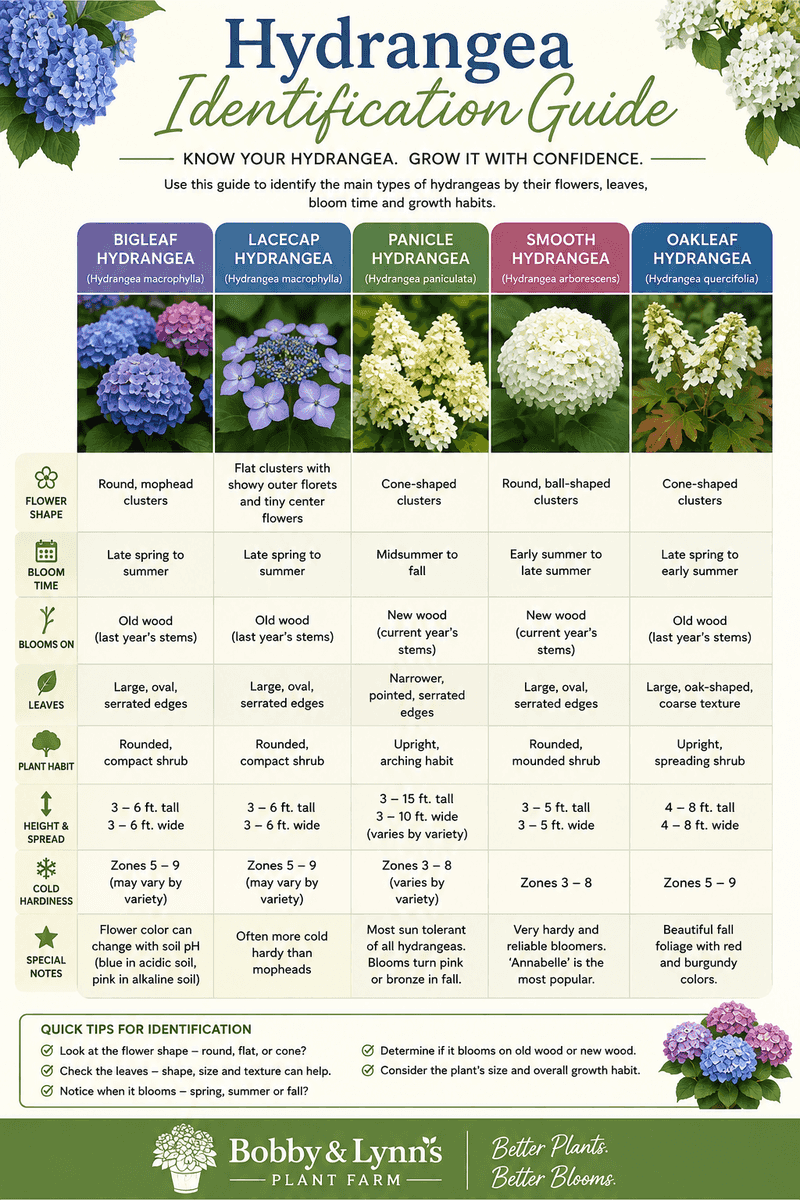
Picking up the pruners before knowing what type of hydrangea you have is the most common way to accidentally cancel next year’s blooms. The pruning schedule that protects flower buds on one type of hydrangea can be perfectly fine for another, so a quick identification check belongs at the front of the process.
Bigleaf hydrangeas, including both the round mophead and the flatter lacecap forms, bloom on old wood. So do mountain hydrangeas and oakleaf hydrangeas, which is especially relevant for North Carolina gardeners because oakleaf hydrangea is native to the southeastern United States and thrives in local conditions.
NC State’s hydrangea plant toolbox covers these distinctions and can help with identification when you are not sure which type is growing in your yard.
Smooth hydrangeas, such as the popular ‘Annabelle,’ work differently. NC State’s smooth hydrangea profile identifies it as a common North Carolina native that blooms on new wood, meaning it can be cut back in late winter or early spring without sacrificing flowers.
Panicle hydrangeas, including ‘Limelight’ and similar cultivars with cone-shaped flower clusters, also bloom on new wood and follow this more forgiving pruning schedule.
Reblooming bigleaf cultivars, sometimes sold under names like ‘Endless Summer,’ add another layer of nuance. UConn Extension’s hydrangea factsheet and University of Maryland Extension’s hydrangea problem guide both note that these cultivars can bloom on both old and new wood, so they may push out some flowers even after old buds are lost.
Still, protecting old wood when possible gives reblooming types the best chance at a full display. When in doubt, check the nursery tag, look up the cultivar name online, or contact your local Extension office before making any structural cuts.
Prune old-wood types as flowering fades
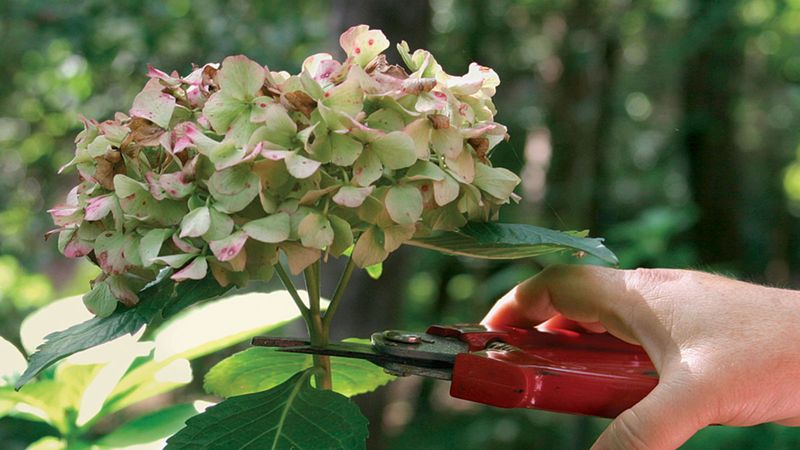
Once the flowers on an old-wood hydrangea begin to fade and look papery or washed out, that is the window to act. Waiting for a tidy end-of-summer cleanup session pushes the work dangerously close to the period when next season’s buds begin forming on the stems.
UGA Extension’s bigleaf hydrangea guide is direct on this point: prune as flowers fade, and avoid pruning after August 1, because late-summer bud development begins around that time.
The practical approach is to remove spent flower heads first. Clip just below the old bloom, at the first pair of healthy leaves or buds beneath it.
This step tidies the plant and does not endanger next year’s flowers on its own, because you are removing the finished bloom rather than cutting back the stem structure below it.
Structural pruning, which involves shortening or removing whole canes to shape the plant or reduce its size, is a separate and more consequential action. UConn Extension’s hydrangea factsheet and University of Maryland Extension both distinguish deadheading individual spent blooms from cutting back the stem framework that will carry the following season’s buds.
If you need to remove a cane, do it immediately after flowering rather than waiting.
Avoid shearing the entire shrub or cutting it close to the ground. That kind of hard pruning removes the living framework the plant needs to support next year’s flowers.
Instead, make targeted cuts: remove dead or crossing wood, trim back any canes that have finished blooming and need shortening, and leave the rest of the healthy stem structure in place. The goal is a lightly managed plant with its flower-bearing framework intact, not a rounded mound of freshly cut stubs.
Treat early August as a benchmark, not a North Carolina law
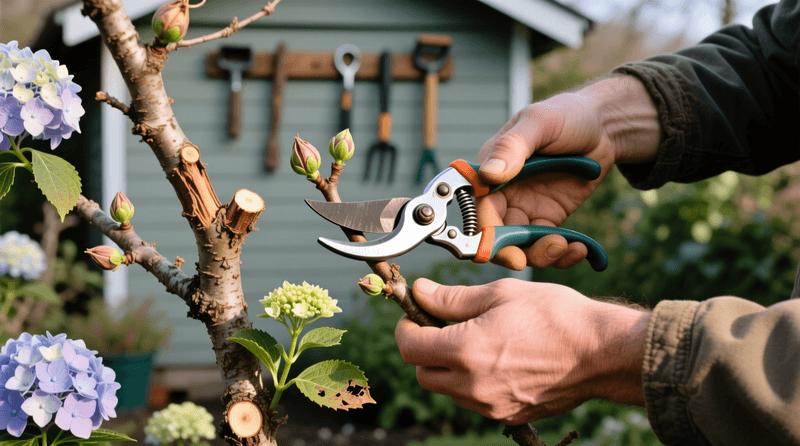
A fixed date on the calendar is a useful starting point, but it should not replace observation of the actual plant in front of you. Bloom timing for hydrangeas varies by species, cultivar, and location across North Carolina, which means a single late-August deadline oversimplifies the situation for many gardeners.
NC State Extension notes that some hydrangeas bloom early while others bloom later, and that timing can shift depending on where in the state the plant is growing. A bigleaf hydrangea that finishes blooming in late June gives you a longer window for post-bloom pruning than one that does not fade until mid-July or later.
Using the plant’s own flowering cycle as your guide is more reliable than waiting for August 31.
The early-August benchmark comes from UGA’s guidance for bigleaf hydrangea specifically, and it functions as a conservative outer limit rather than a universal North Carolina rule. If your bigleaf hydrangea finished blooming in early July and you pruned it shortly after, you are well within the safe window.
If it is still blooming in late July, prune as soon as the flowers begin to fade rather than waiting any longer.
UConn Extension’s hydrangea factsheet reinforces this approach: the timing of bud formation is what drives the pruning window, not the date itself. Watch for signs that the blooms are finishing, act promptly, and you give the plant its best chance at carrying flower buds through fall and winter.
Treating August 1 as a useful caution rather than an absolute deadline keeps the focus where it belongs, which is on the plant’s actual condition rather than the calendar.
When late August arrives, preserve healthy stems
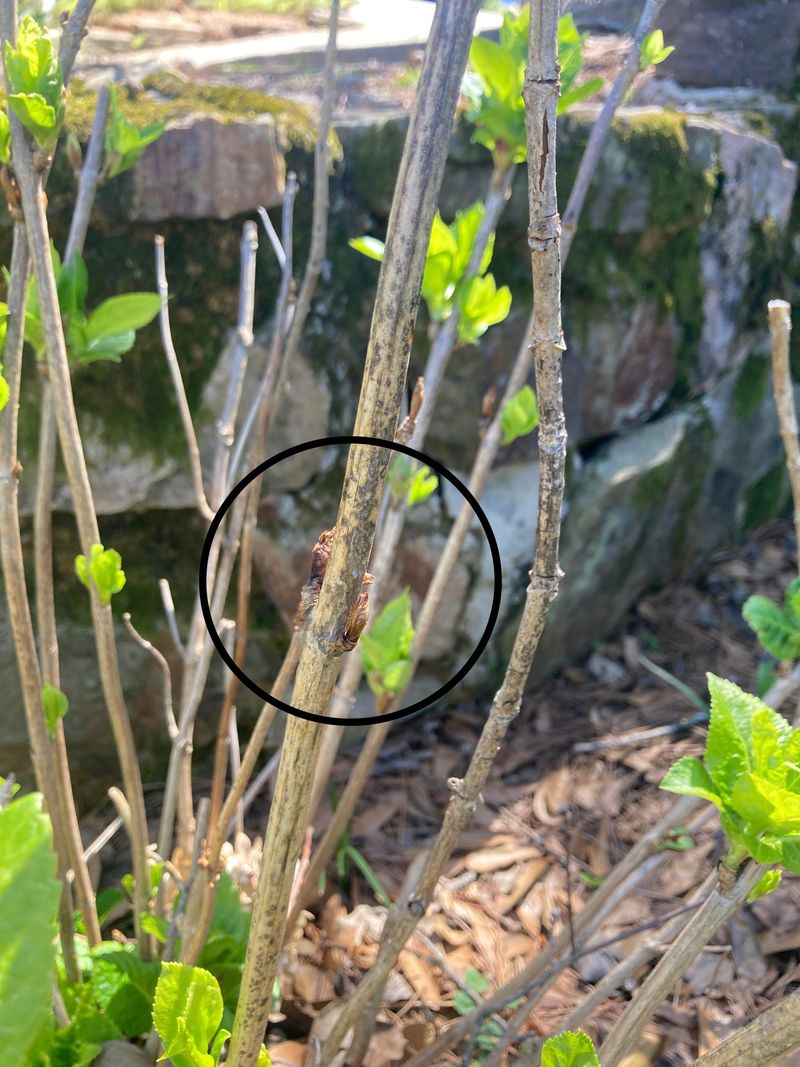
Late August is not the time to start a major shaping project on a hydrangea you cannot identify with confidence. At this point in the season, old-wood hydrangeas are either already forming next season’s buds or about to begin.
Cutting healthy canes now risks removing those buds before you ever see them.
The safest approach when the ideal window has passed is to leave apparently healthy stems alone. NC Cooperative Extension’s Caswell County hydrangea care article supports a cautious hand with late-season cuts, and NC State Extension guidance consistently emphasizes protecting the living framework of old-wood types.
If a cane is clearly dead, broken, or showing signs of disease, removing it is reasonable and will not cost you next year’s flowers. Living green canes, even ones that look straggly or overgrown, should stay put until you know more about the plant.
Before making any structural cut at this time of year, take a few minutes to gather information. Check the nursery tag if it is still attached to the pot or plant stake.
Look up the cultivar name online or through your local NC Cooperative Extension office, where staff can often help with identification from a photo or a description. Leaf shape, flower head shape, and stem color can all help narrow down whether you are dealing with an old-wood or new-wood type.
Waiting one more season to prune is almost always the better choice over a late-August cut that removes an unknown quantity of next year’s buds. A year of slightly irregular shape is far easier to correct than a full season without flowers.
Use water and fertilizer as support, not a bloom switch
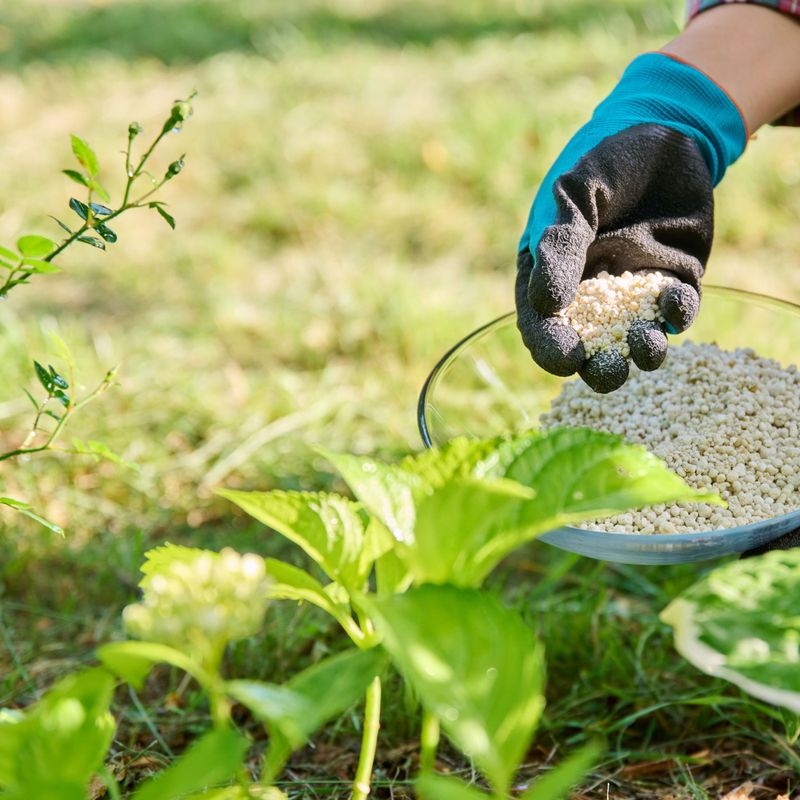
Late-summer fertilizer is not a substitute for correct pruning timing, and it cannot restore flower buds that have already been removed. Some gardeners reach for a bag of fertilizer when a hydrangea looks off, but feeding the plant will not undo the effect of cuts made at the wrong time of year.
NC Cooperative Extension’s Caswell County hydrangea care guidance recommends applying a complete slow-release fertilizer in early spring, not in late summer. UConn Extension advises that slow-release fertilizer may be applied in late spring and mid-summer but not after August 15.
Pushing nitrogen into the plant in late August can stimulate leafy growth at the expense of the energy reserves the plant needs to carry flower buds through winter.
Excess nitrogen is a specific concern. University of Maryland Extension notes that too much nitrogen encourages lush foliage while reducing flower production, which is the opposite of the outcome most gardeners are after.
If the plant has been fertilized appropriately earlier in the season, there is no benefit to adding more in late August.
What does help at this time of year is consistent moisture. Bigleaf hydrangeas prefer moist, well-drained soil and can wilt dramatically in summer heat.
Mulching around the base of the plant helps retain soil moisture and moderate soil temperature. Check the soil before watering, though, because plants that wilt in afternoon heat but recover overnight may simply be responding to high temperatures rather than drought.
Supportive care like mulching and measured watering keeps the plant healthy enough to carry its buds through to next season, but it works alongside correct pruning timing, not in place of it.
Good timing improves the odds but cannot guarantee flowers
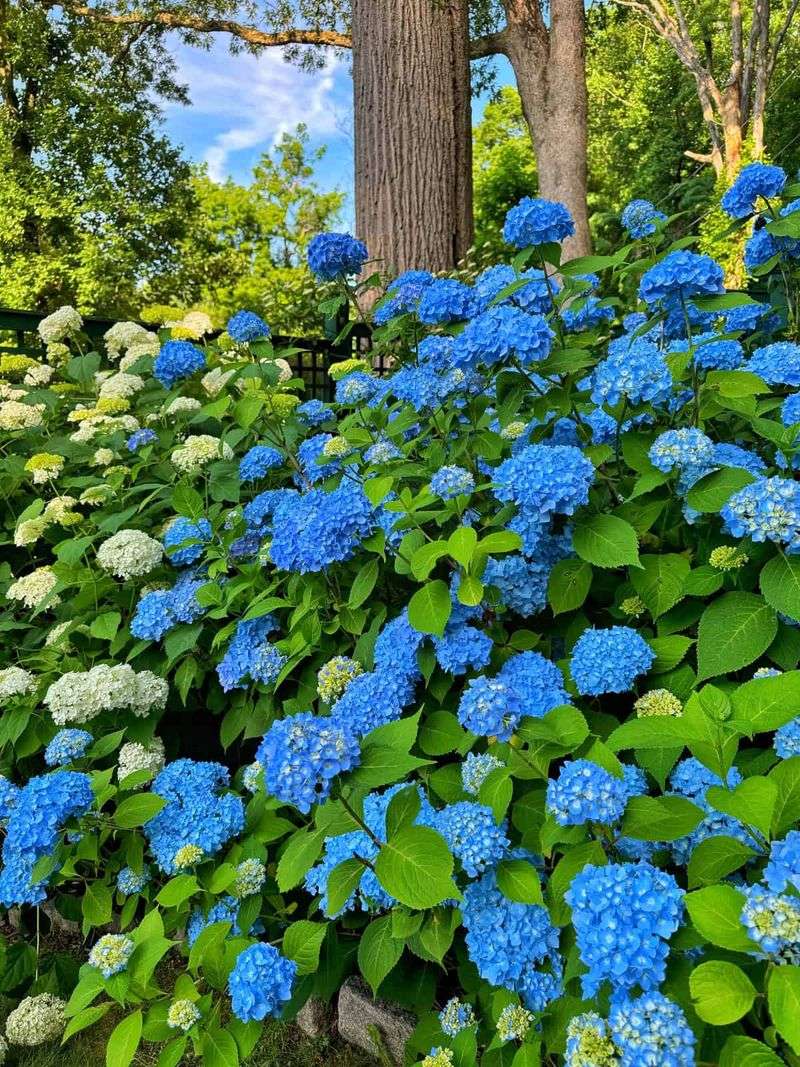
Correct pruning timing gives old-wood hydrangeas their best realistic chance at a strong flower display the following season. The decision rule is straightforward: identify the hydrangea type first, prune old-wood types promptly after flowering and before late-summer bud formation, and preserve healthy stems once that window has closed.
New-wood types like smooth and panicle hydrangeas follow a different schedule entirely and can be pruned in fall or early spring without this concern.
Even well-timed pruning cannot promise a full bloom. University of Maryland Extension identifies winter injury, late spring frosts, drought, excessive shade, deer browsing, and excess nitrogen as additional causes of poor flowering.
A hydrangea can be pruned perfectly and still produce few flowers if a hard freeze damages overwintering buds or if deer browse the stem tips in late winter. NC State Extension and its smooth hydrangea profile both underscore that growing conditions and cultivar selection shape outcomes alongside pruning practice.
Think of correct pruning as risk reduction rather than a guarantee. Protecting the flower-bearing wood through the late-summer and fall period removes one major obstacle, which is the most a gardener can reliably control.
What you cannot control, you can at least prepare for by choosing cultivars suited to your conditions and keeping the plant healthy year-round. A hydrangea that heads into fall with its buds intact and its roots well-watered has the best foundation for the season ahead.