
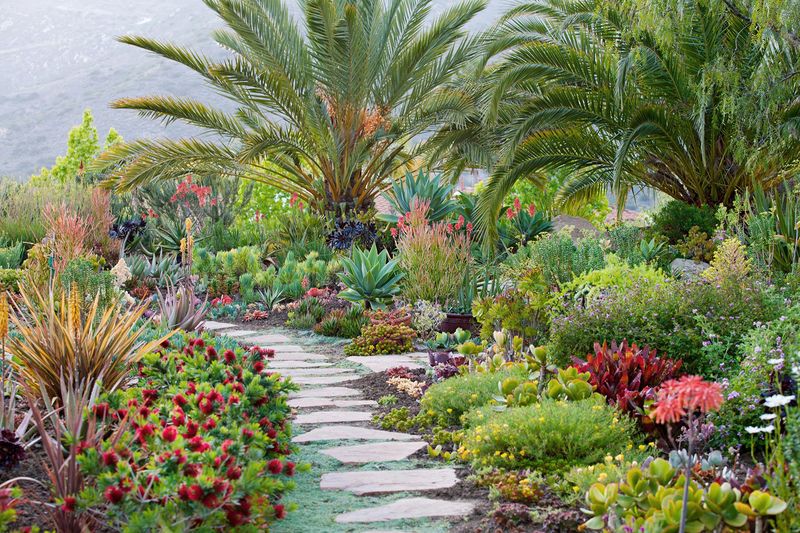
Nobody wants to spend every weekend trimming, staking, and babying the plants along their walkway or flower bed. If you live in North Carolina, the good news is that plenty of tough, tidy plants keep their neat shape from June straight through August without begging for attention.
Even better, many of them are native or wildlife-friendly, so you protect your family and give bees, butterflies, and birds a reason to visit. Here are eight dependable border plants that stay handsome all summer while you relax on the porch.
1. Little Bluestem (Schizachyrium scoparium)
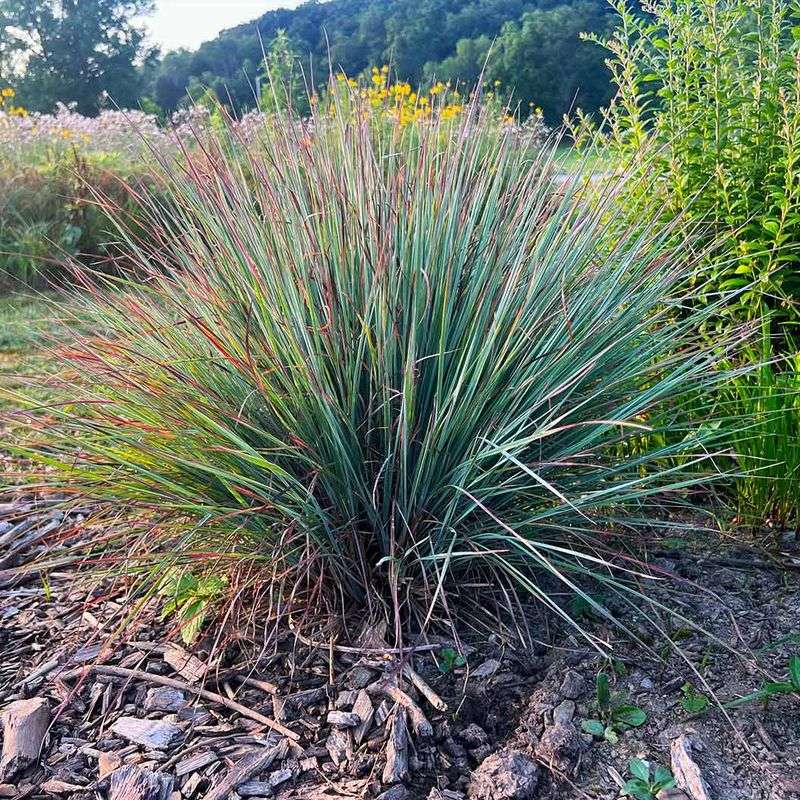
Picture a grass that stands at attention all summer, then blushes copper and rust when fall arrives. Little Bluestem is a true North Carolina native that grows in neat, upright clumps instead of flopping over the edge of your bed.
It thrives in the Piedmont’s clay and the sandy soils of the coastal plain, shrugging off heat and drought once its roots settle in. You will not need to water it constantly or cut it back until late winter.
Beyond good looks, the seed heads feed songbirds and the foliage shelters beneficial insects. Planting a native grass like this supports local wildlife while giving your border a structured, wind-catching texture that never looks messy.
2. Dwarf Yaupon Holly (Ilex vomitoria ‘Nana’)
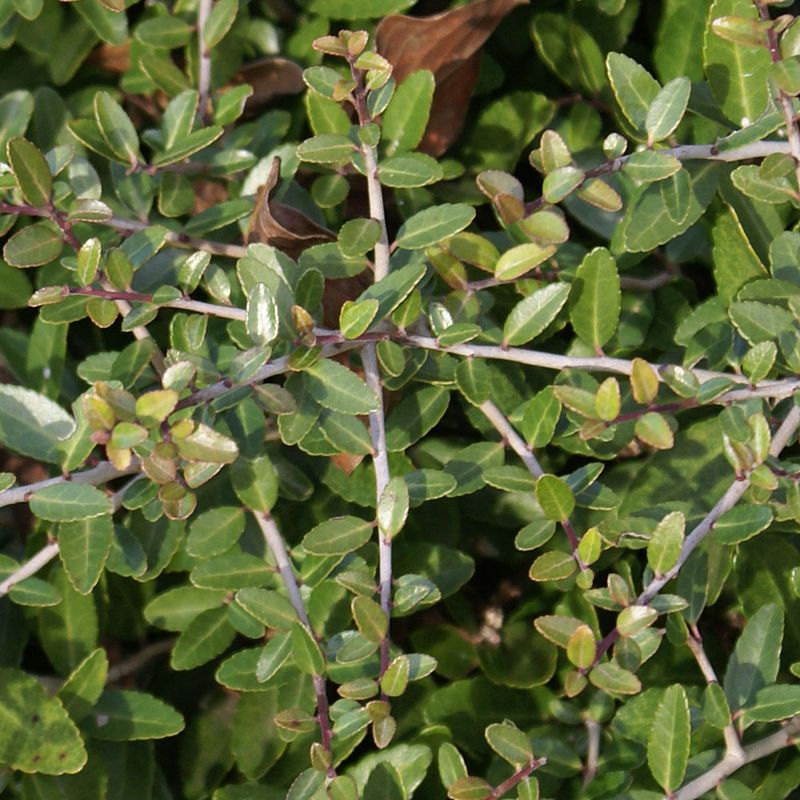
If you like the crisp look of a low hedge but hate the endless clipping a boxwood demands, dwarf yaupon holly is your friend. Native to the Southeast, it forms a naturally rounded mound that holds its shape with barely a snip.
The tiny evergreen leaves stay glossy through the hottest Carolina summer, and the plant tolerates drought, salt, and poor soil without complaint. Coastal gardeners especially love how it takes the wind and sandy ground in stride.
Female plants produce small red berries that birds appreciate in the cooler months. You get year-round structure, a wildlife bonus, and almost zero maintenance from a shrub that behaves itself all season long.
3. Black-Eyed Susan (Rudbeckia fulgida ‘Goldsturm’)
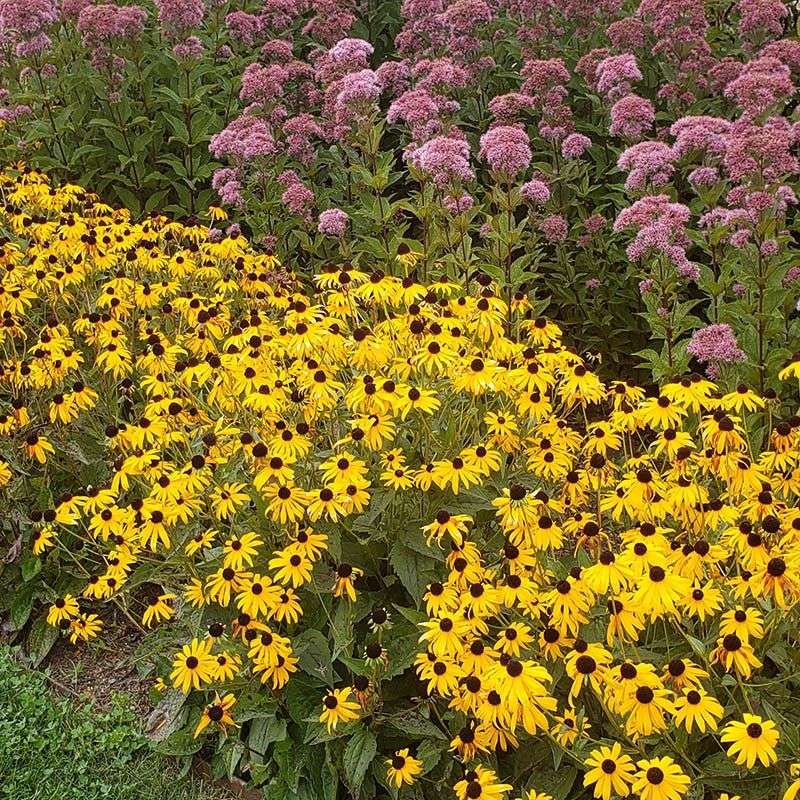
Few plants deliver as much cheerful color for as little work as the black-eyed Susan. The ‘Goldsturm’ variety forms a tidy, upright clump smothered in golden daisy-like blooms from midsummer well into fall.
A North Carolina native at heart, it handles the region’s humidity and heat like a champ and rarely needs staking or deadheading to keep flowering. Once established, it laughs off dry spells.
Butterflies and native bees flock to the bright blooms, and if you leave the seed heads standing, goldfinches will thank you. Fun fact: this flower is so reliable it became a garden staple long before low-maintenance landscaping was even a trend.
4. Creeping Phlox (Phlox subulata)
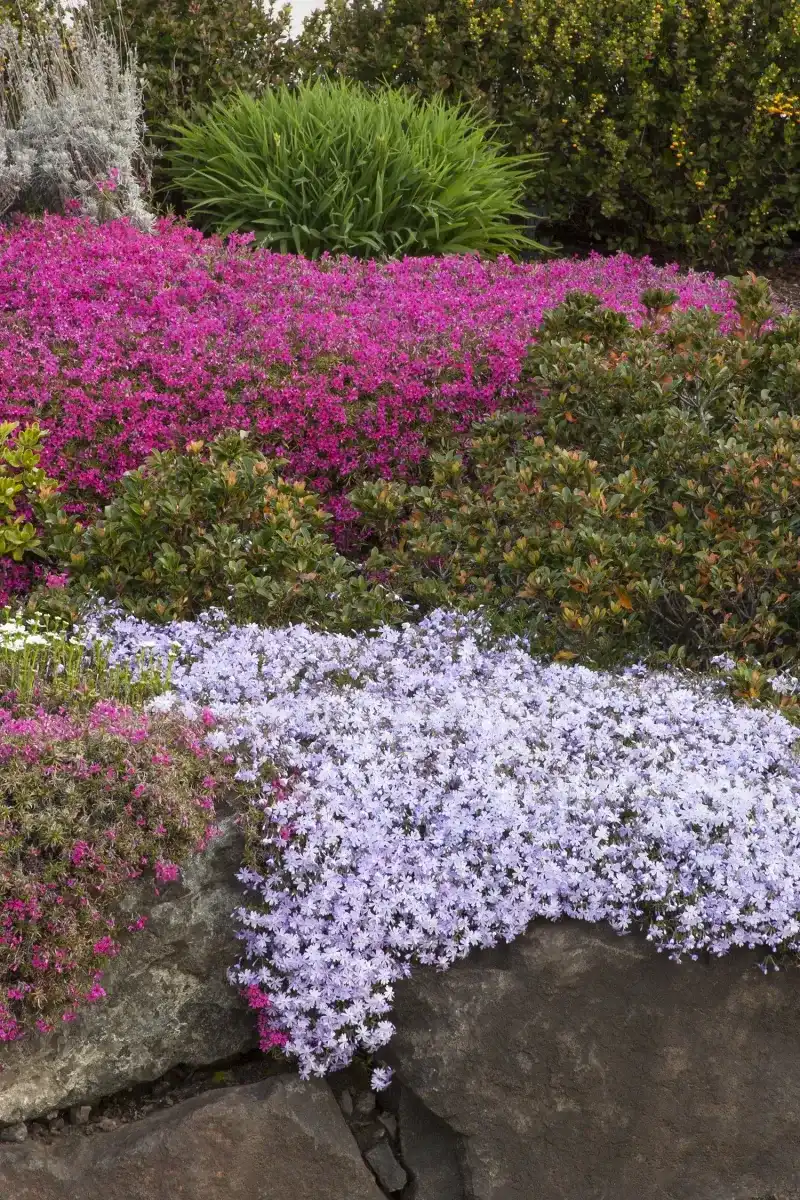
Want a border edge that stays low, dense, and weed-smothering without ever getting leggy? Creeping phlox hugs the ground in a tight evergreen mat that spills gently over walkways and rock edges.
Come spring it erupts in a blanket of pink, purple, or white blooms, then settles into a neat green carpet that holds firm through the summer heat. It asks for little more than decent drainage and a sunny spot.
Because it chokes out weeds naturally, you spend less time on your hands and knees pulling intruders. Pollinators visit the early flowers when few other nectar sources are open, making it a quiet helper for native bees.
5. Coneflower (Echinacea purpurea)
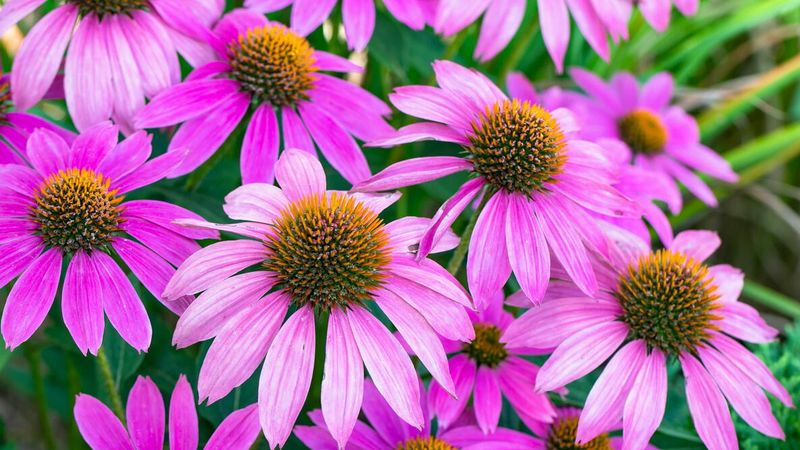
Sturdy stems, no flopping, and a magnet for butterflies: the purple coneflower earns its spot on any low-fuss list. This proud North Carolina native stands straight through summer storms without any staking help from you.
It shrugs off drought, poor soil, and blazing sun, blooming steadily for weeks while neighboring plants wilt. Deadheading is optional, and honestly the spent cones look great and feed the birds.
Monarchs, swallowtails, and native bees treat coneflowers like a diner, and finches perch on the seed heads all fall. Choosing this over a fussy imported perennial means you support pollinators and keep your border upright with zero effort.
6. Autumn Fern (Dryopteris erythrosora)
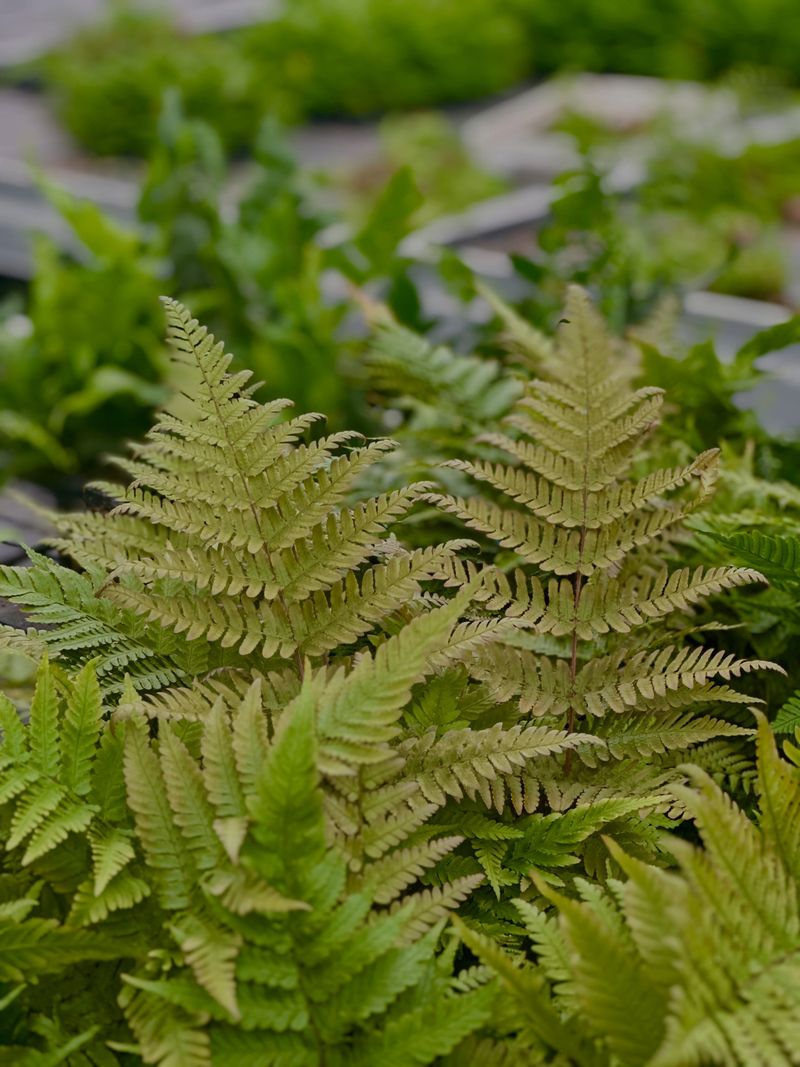
Shady corners along the north side of the house are tricky, but the autumn fern makes them look effortless. Its new fronds unfurl in warm copper tones before maturing to a rich green, holding a neat, arching shape all season.
Unlike floppy hostas that get chewed by deer and slugs, this fern stays crisp and largely pest-free through Carolina’s humid summers. It wants shade and steady moisture, and then it simply does its thing.
Evergreen in much of the state, it keeps your shady border furnished even in winter. For a plant that never needs pruning and never sulks, it is hard to beat in a woodland-style bed.
7. Muhly Grass (Muhlenbergia capillaris)
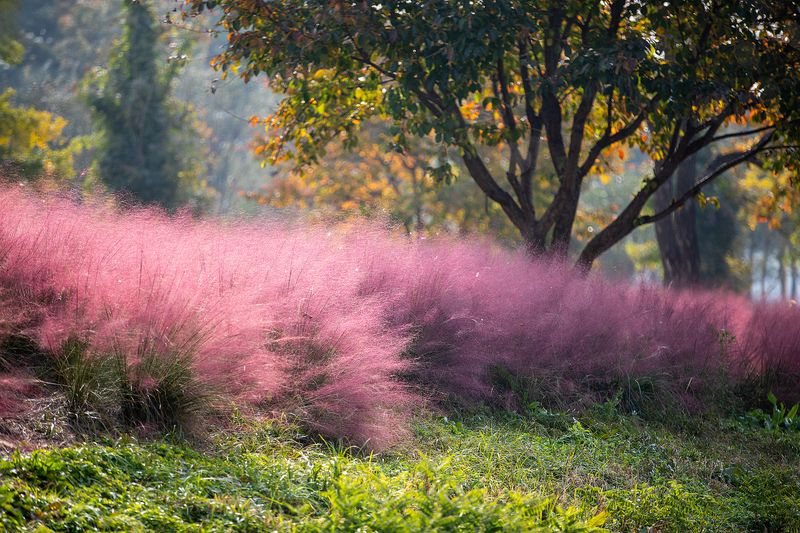
Come late summer and fall, muhly grass throws a party with clouds of pink, cotton-candy plumes that seem to float above the foliage. The rest of the year it holds a tidy fountain of fine green blades that never sprawls.
Native to the Southeast, it is built for North Carolina’s sandy coastal soils and hot, dry spells, needing almost no watering once rooted. Salt spray and lean ground do not bother it one bit.
The airy seed heads shelter beneficial insects and add movement to the garden with every breeze. Plant a row along a border and you get a soft, glowing edge that requires nothing more than a single cut in late winter.
8. Threadleaf Coreopsis (Coreopsis verticillata ‘Zagreb’)
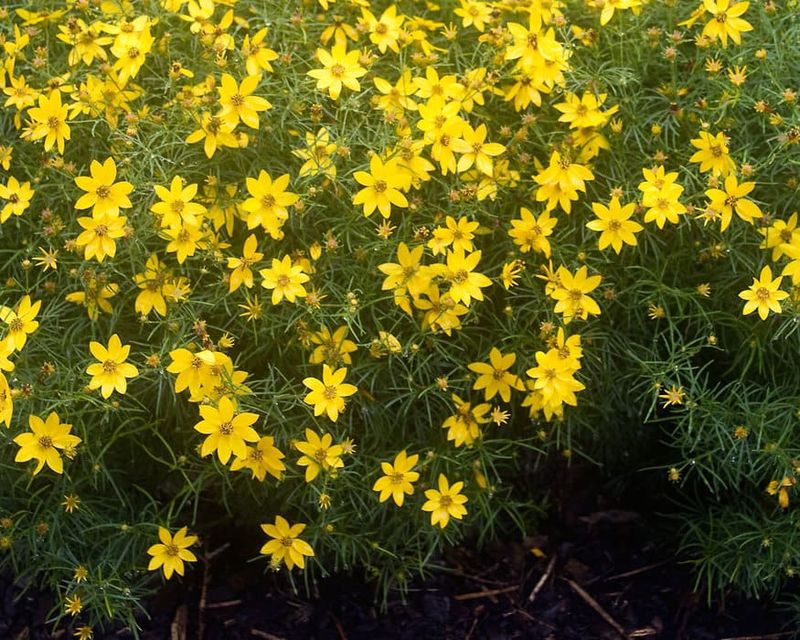
Delicate looks, tough constitution: threadleaf coreopsis fools everyone with its lacy, fern-like foliage that hides a real workhorse. The ‘Zagreb’ selection forms a rounded, self-supporting mound covered in golden star-shaped flowers.
A native perennial, it blooms for months in the Carolina heat and keeps flowering without any deadheading fuss. Drought and lean soil only seem to make it happier.
Small native bees and butterflies work the blooms all summer, and the tidy shape means it never spills messily into the path. If you want a swap for high-maintenance imported edging plants, this one gives you nonstop color and honest low effort.