
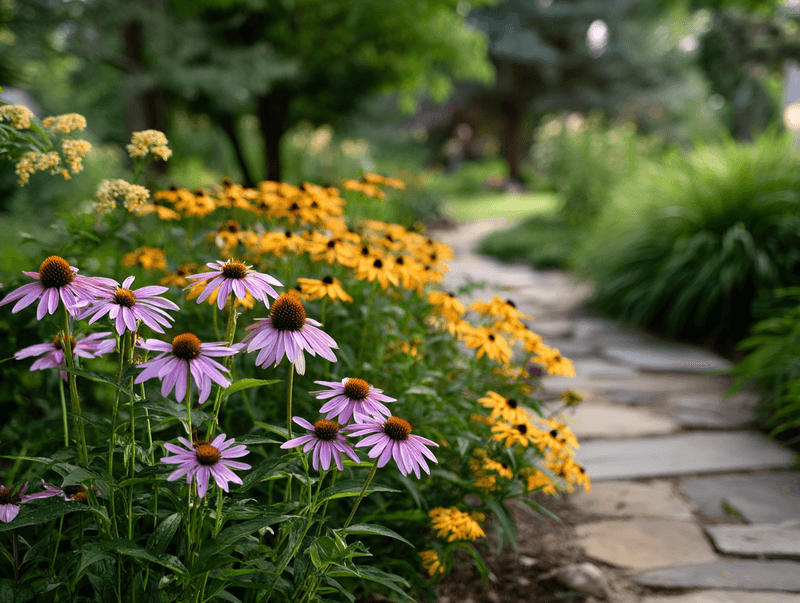
Landscape fabric rips, clogs, and eventually lets weeds win anyway. The smarter move for a hot, sunny North Carolina border is to plant tough native perennials that spread and shade the soil so weeds never get a foothold.
These plants do double duty by feeding bees, butterflies, and birds while cutting your weeding time way down. Here are nine NC natives that fill space fast, look great, and protect your yard the natural way.
1. Black-Eyed Susan (Rudbeckia fulgida)
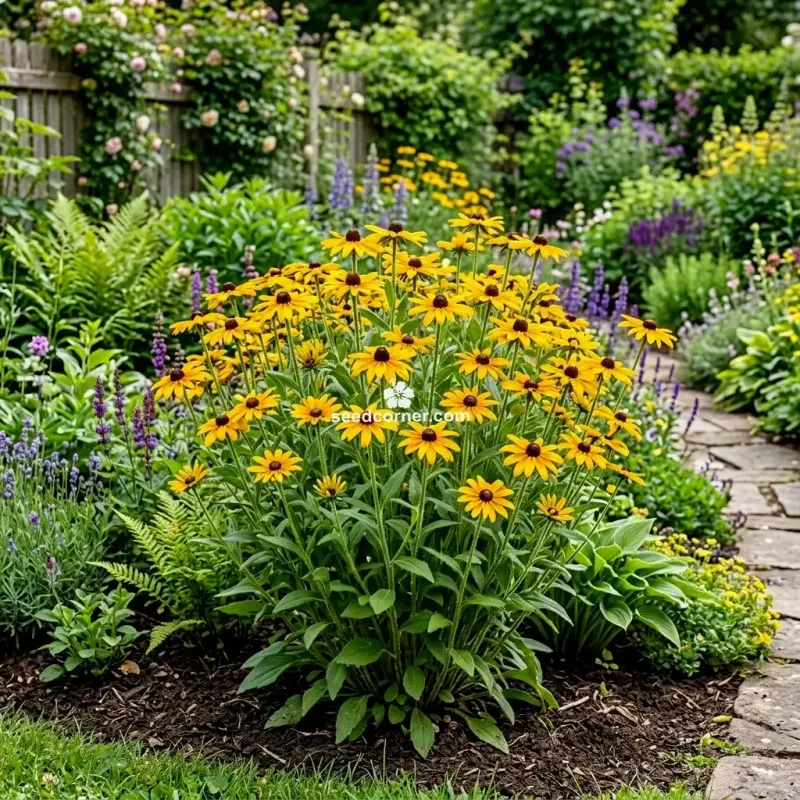
Ask any Piedmont gardener for a plant that pays its rent, and black-eyed Susan comes up fast. It multiplies into a thick clump that carpets the ground with foliage, leaving crabgrass and chickweed nowhere to sprout.
The golden blooms run from midsummer straight into fall, so the show lasts for months. Goldfinches love the seed heads once flowering fades, which means you get bird traffic on top of the color.
Once established, it shrugs off North Carolina heat and clay without babying. Divide the clumps every few years and you can carpet an even bigger stretch of border for free.
2. Purple Coneflower (Echinacea purpurea)
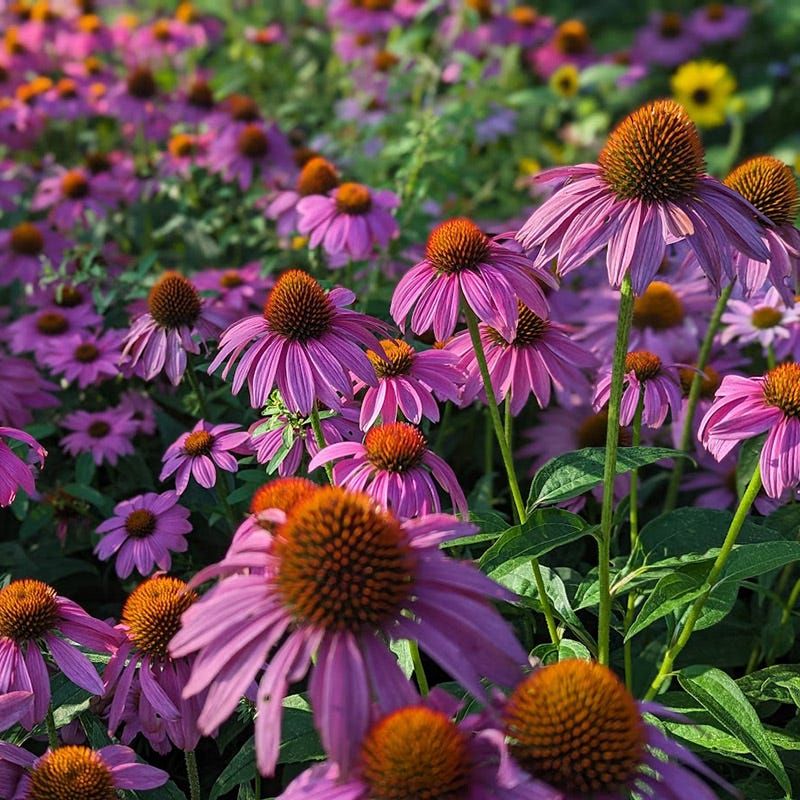
There is a reason purple coneflower shows up in almost every native border across the state. Its sturdy clumps knit together so tightly that weed seedlings can barely find light or root room.
Butterflies and native bees mob the daisy-shaped blooms all summer, and the spiky seed heads keep feeding songbirds into winter. That makes it a real workhorse for anyone wanting more pollinators without more chores.
Drought does not faze it once the roots dig in, a big plus during a dry Carolina July. Leave the dead stalks standing through the cold months and you shelter overwintering insects too.
3. Eastern Bee Balm (Monarda didyma)
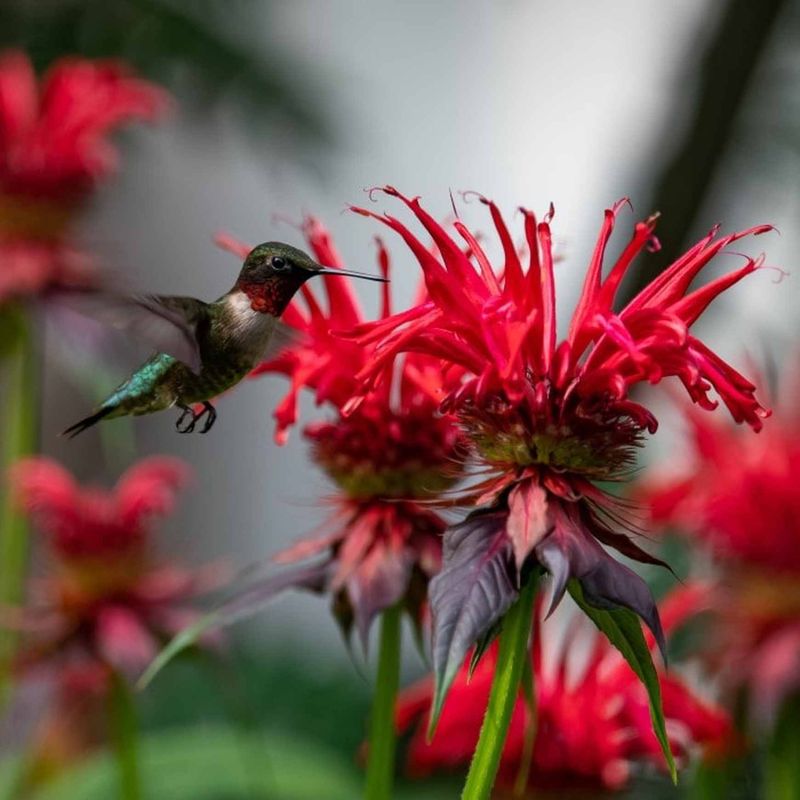
Rub a leaf of bee balm and you get a minty scent that hummingbirds and pollinators find irresistible. It runs on shallow roots that quickly form a dense mat, smothering weeds as it goes.
The wild, shaggy red and lavender flowers bring hummingbirds right up to your window in mid-summer. Few natives pack this much wildlife pull into a single spreading clump.
Because it likes to travel, give it room in the border and let it fill in. A quick edge-trim each spring keeps it in bounds while it does the weed-blocking work for you.
4. Threadleaf Coreopsis (Coreopsis verticillata)
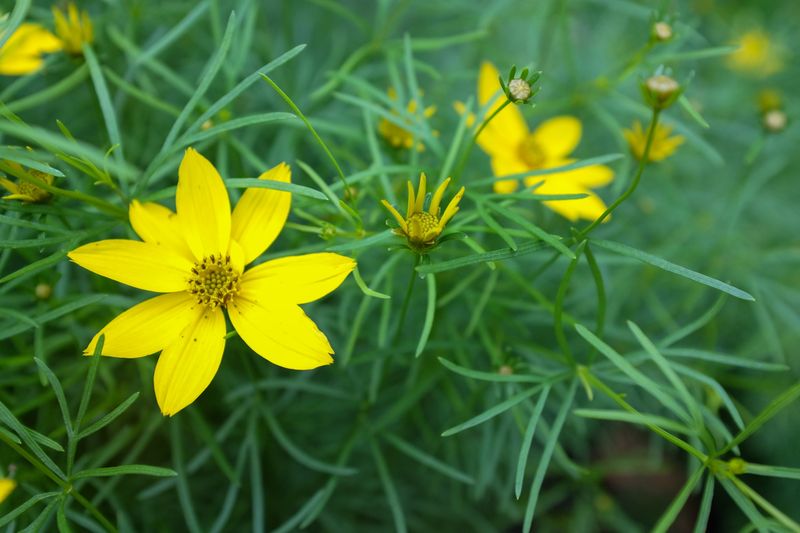
Picture a soft yellow cloud that never seems to stop blooming, and you have threadleaf coreopsis. Its ferny leaves grow into such a fine, dense mound that sunlight simply cannot reach the soil below.
Weeds that need bare ground to germinate get shut out entirely. Meanwhile, small native bees and butterflies work the endless little daisies from late spring well into fall.
Poor, sandy, or rocky ground does not bother it, making it a favorite for coastal plain gardens. Shear it back lightly midsummer and it rebounds with a fresh wave of color.
5. Creeping Phlox (Phlox subulata)
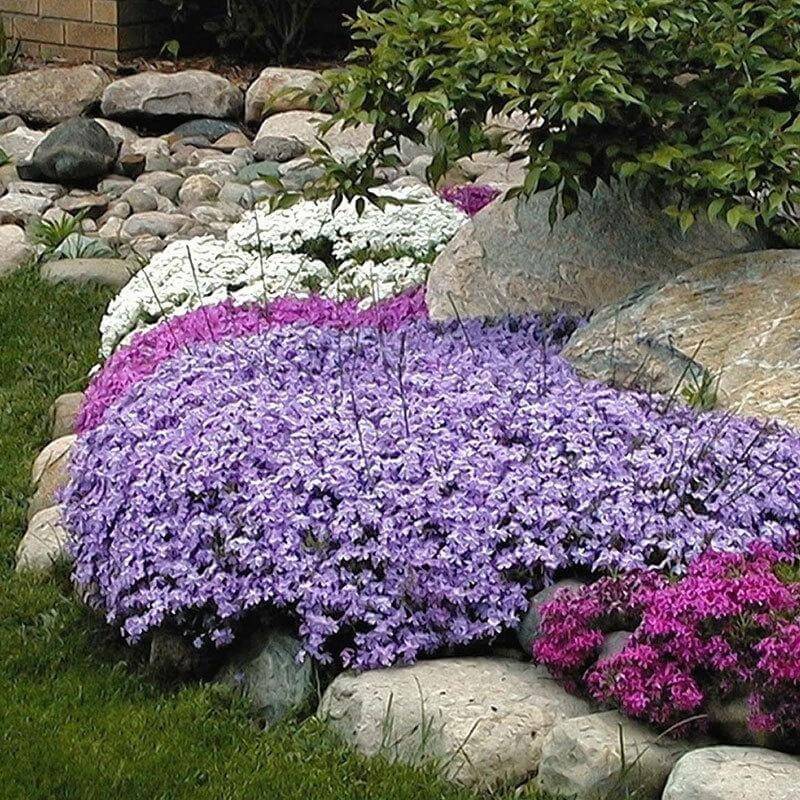
Early spring color that also blankets the ground? Creeping phlox delivers exactly that.
It spreads into a tight evergreen mat that hugs the soil and leaves zero gaps for weeds to slip through.
When it blooms, the whole patch disappears under a sheet of pink, lavender, or white flowers alive with early pollinators. Front-of-border edges and sunny slopes are where it truly shines.
Once the flowers fade, the low green carpet keeps holding the line against weeds all season. It handles foot-adjacent spots and dry banks better than most groundcovers.
6. Little Bluestem (Schizachyrium scoparium)
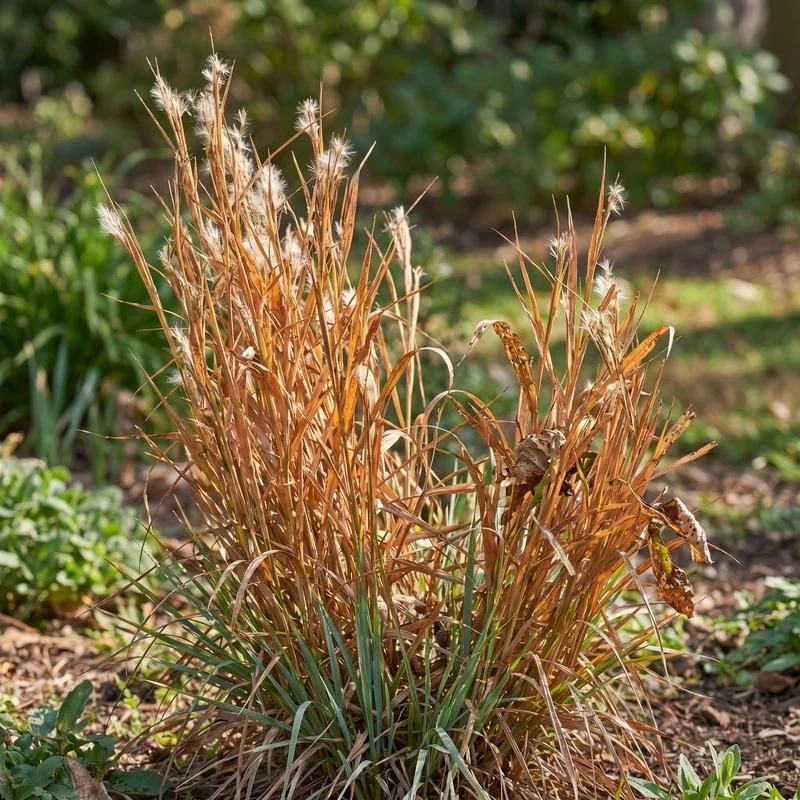
Not every weed-fighter needs flowers, and little bluestem proves it with pure texture. This native bunchgrass forms upright, closely spaced clumps that box out invaders through sheer density.
Summer brings a cool blue-green color that shifts to glowing copper and orange by autumn, holding interest long after flowers quit. Birds pick at the fluffy seed heads through winter.
Fun fact: little bluestem is a host plant for several skipper butterflies, so it quietly feeds caterpillars too. Drought-tough and deep-rooted, it thrives on the dry, sunny spots where nothing else wants to grow.
7. Butterfly Weed (Asclepias tuberosa)
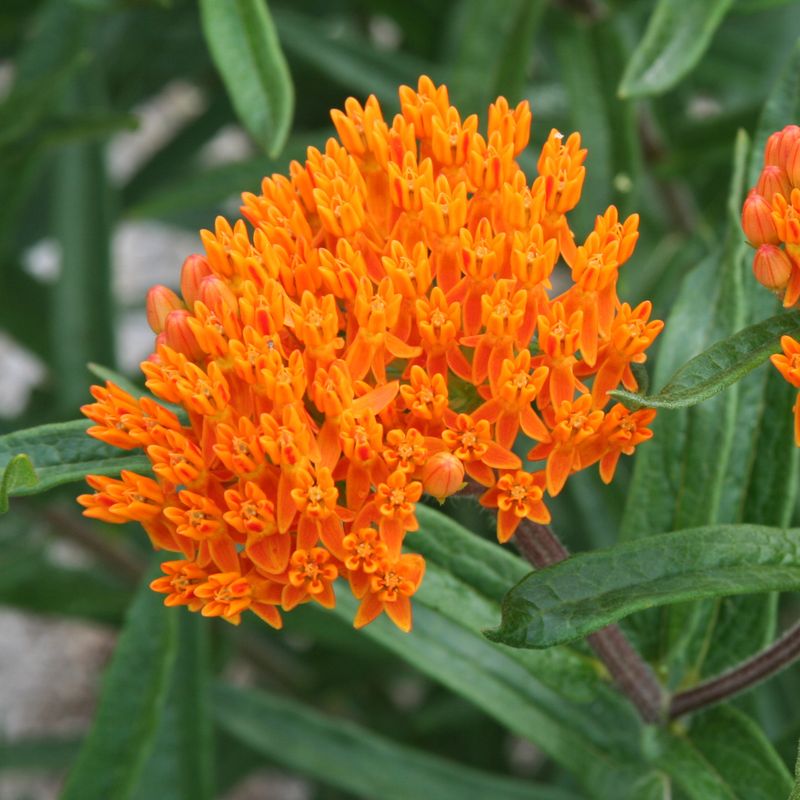
Blazing orange flowers and a monarch magnet reputation make butterfly weed a border star. As a native milkweed, it is a direct lifeline for monarch caterpillars that eat nothing else.
The plant sends down a deep taproot and forms a solid clump that holds its territory against weeds year after year. It asks for almost nothing once settled in.
Give it lean, well-drained soil and full blasting sun, and it rewards you with color all summer. Skip the fertilizer and heavy watering; this one actually prefers the tough life.
8. Wild Blue Indigo (Baptisia australis)
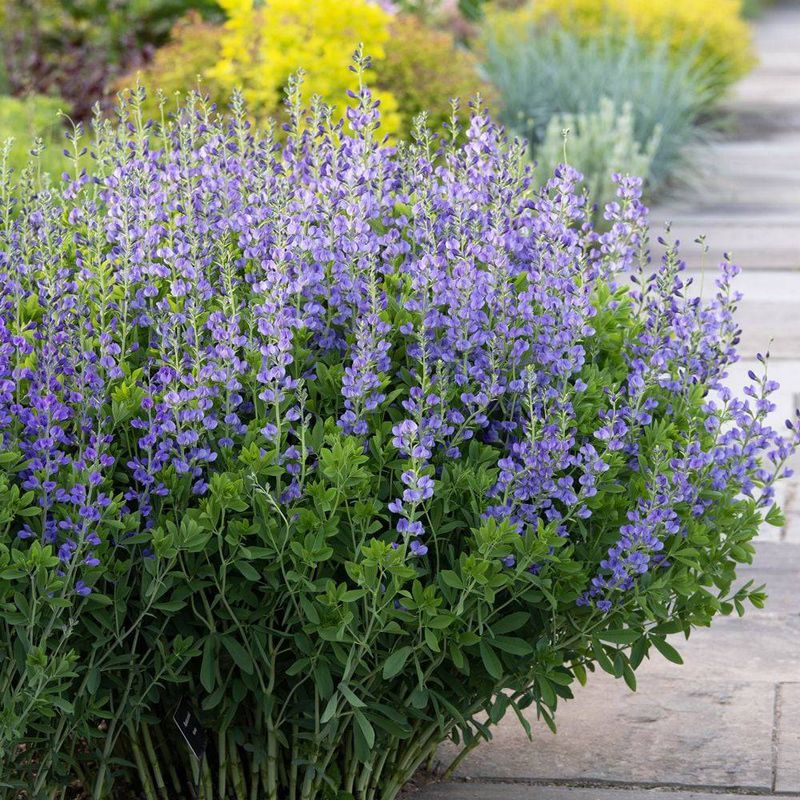
Give wild blue indigo a couple of seasons and it grows into a shrub-sized mound that acts like a living wall against weeds. Its dense, bushy form casts deep shade over the ground beneath.
Spikes of blue-purple, pea-like flowers rise in late spring and draw in bumblebees by the dozen. After blooming, the blue-green foliage stays handsome and full right up to frost.
An extremely deep root system makes it nearly drought-proof and long-lived, so you plant it once and enjoy it for decades. Just pick its spot carefully, since it resents being moved.
9. Eastern Aromatic Aster (Symphyotrichum oblongifolium)
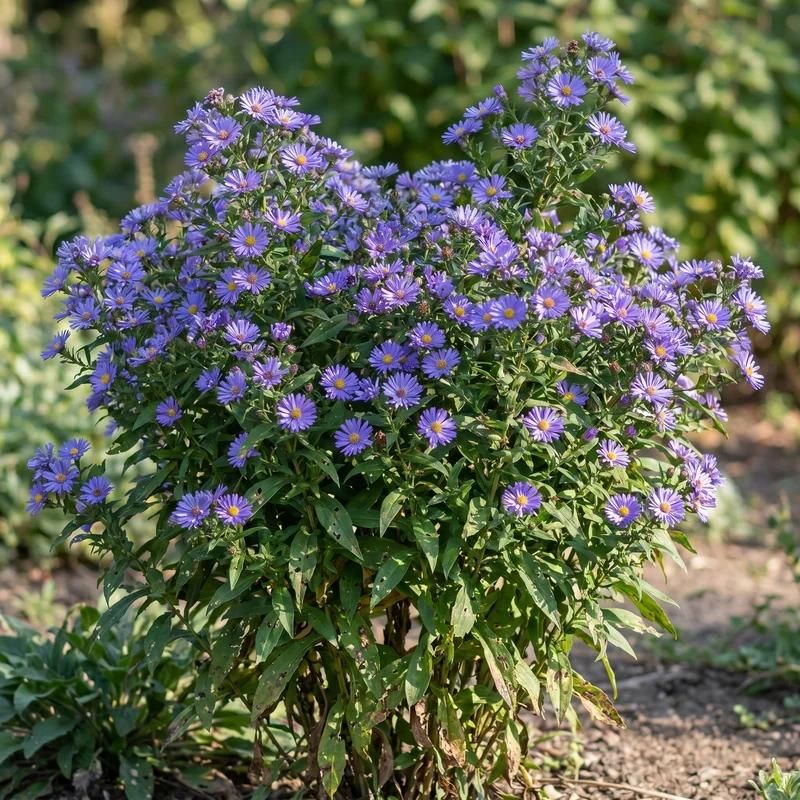
Just when most of the border is winding down, aromatic aster explodes into a dome of purple-blue flowers. It fills space as a rounded, bushy clump that keeps late-season weeds shaded out.
Fall pollinators desperate for a last meal swarm the blooms, making it one of the most valuable natives for bees heading into winter. Brush the foliage and you catch a light herbal scent that gives it its name.
Heat, drought, and clay are all no problem for this Piedmont tough guy. Pinch it back in early summer for an even fuller, weed-crushing mound come October.