
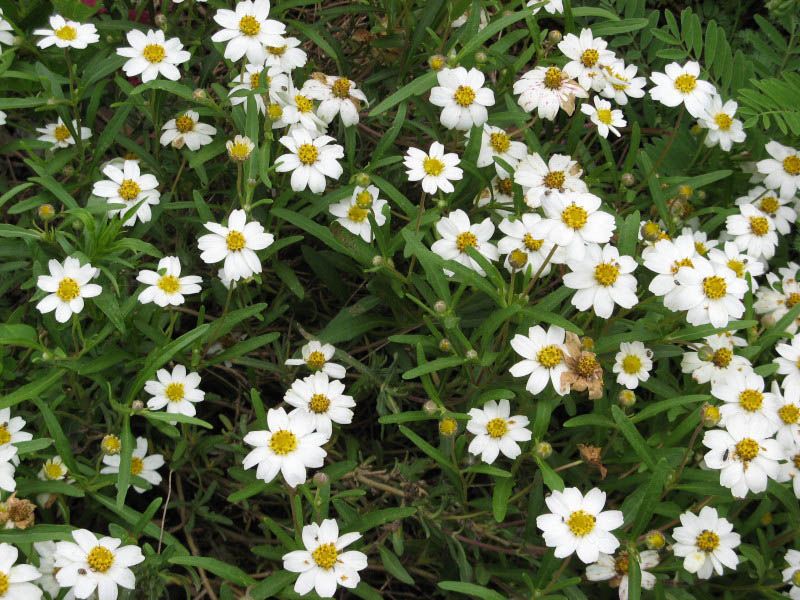
Bare borders in Central Texas are a real problem. The summer heat, thin rocky soil, and unpredictable rainfall wipe out plants that look great in the nursery but struggle to survive past August.
Blackfoot daisy, a compact Texas-native perennial, is one of the most reliable options for sunny, well-drained edges where other plants give up. Get the site right, and this little plant can bloom for months and gradually seed itself back into the border with minimal help from you.
Blackfoot daisy is a conditional answer to the border problem
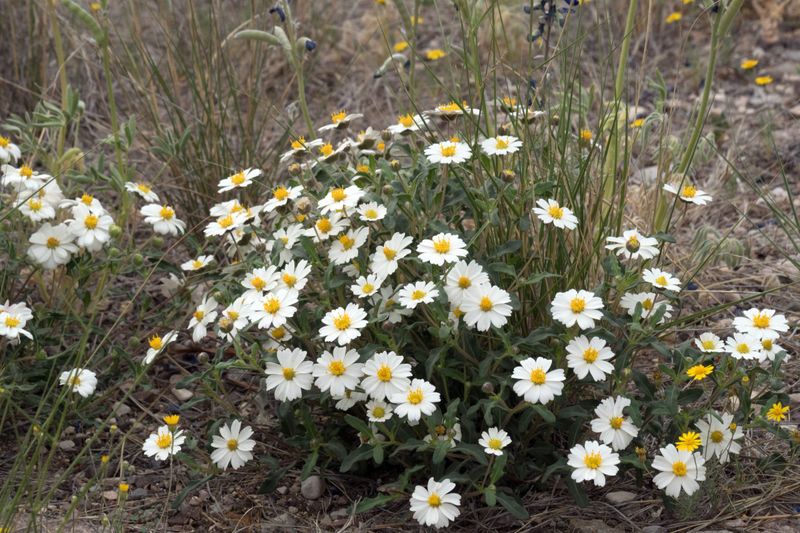
Blackfoot daisy, known botanically as Melampodium leucanthum, is a short, spreading Texas-native perennial that earns its place at the front of a sunny, dry border. Central Texas Gardener describes it as a reliable edging plant that self-seeds easily in the right conditions, making it a reasonable answer for gardeners who want a border that can gradually renew itself without constant replanting.
Both perennial survival and reseeding can contribute to a planting’s return. The original plant may persist for several seasons, and new seedlings can supplement or replace it over time.
Austin’s official plant guide is more cautious, noting that the plant “occasionally reseeds” rather than doing so reliably every year. That difference matters: gardeners should expect a gradual, conditional process rather than an automatic annual reset.
Blackfoot daisy is not the only Texas native that reseeds. Tropical sage, Gulf Coast penstemon, and some native verbenas can behave similarly in the right spot, as noted in the Austin Grow Green native plant guide.
What sets blackfoot daisy apart for a low, sunny border edge is its compact size, long bloom period, and tolerance of the dry, often limestone-based soils common across Central Texas. The plant can help repopulate a suitable border over time, but it does not guarantee full coverage or a reliable new crop of plants every single season.
Its compact shape suits the front edge of a border
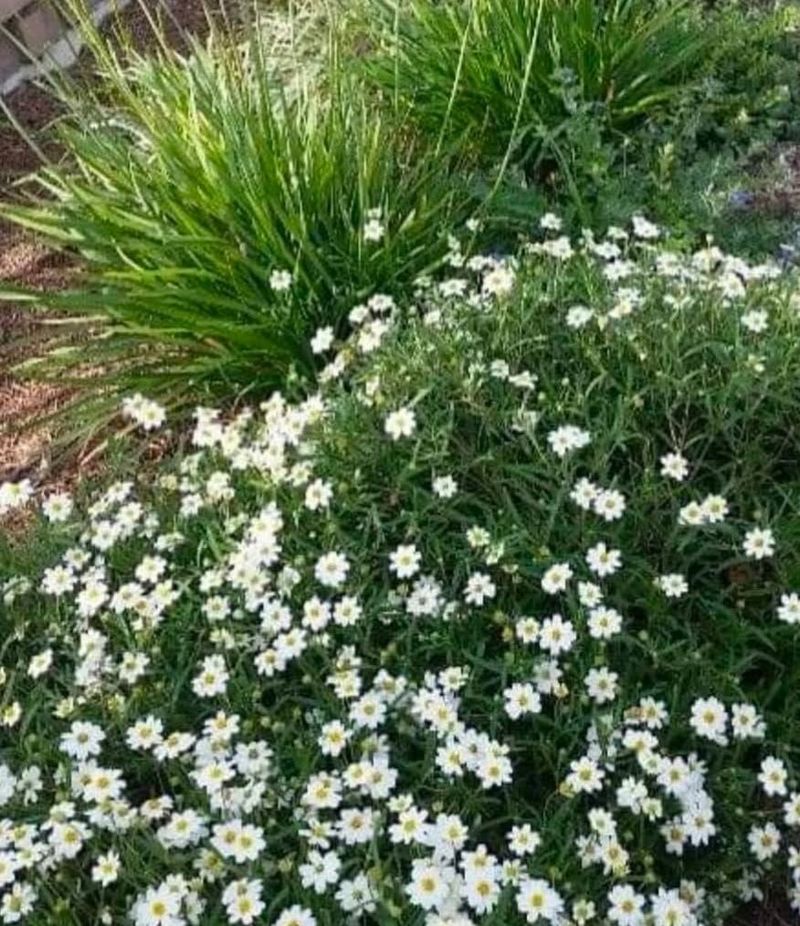
Standing roughly 6 to 12 inches tall with a low, rounded, spreading habit, blackfoot daisy is built for the front row. Texas Tech’s plant database lists beds, borders, rock gardens, and edging among its recommended uses, which makes sense for a plant that stays short and tidy without constant cutting back.
The flowers are classic white daisies with warm yellow centers, appearing in spring and continuing through fall in a good year. That long bloom window is one of the plant’s strongest arguments for a border edge, where consistent color from March into October is hard to find without resorting to annuals that need replacing every season.
Central Texas Gardener specifically recommends it for edging beds, noting its compact form and steady flowering habit.
Spread varies more than height does. Some sources report a mature width of roughly 1 to 1.5 feet, while others cite 2 to 3 feet under favorable conditions.
Austin’s plant guide puts spread at about 1 to 2 feet. Avoid planning your spacing around a single number, because the range is wide enough that actual spread depends heavily on soil quality, sun exposure, and seasonal rainfall.
What you can count on is a gradual, low mounding presence at the border’s edge rather than fast, aggressive fill-in. A young planting will look sparse for a season or two before it begins to knit together into a more continuous edge.
The site determines whether blackfoot daisy succeeds
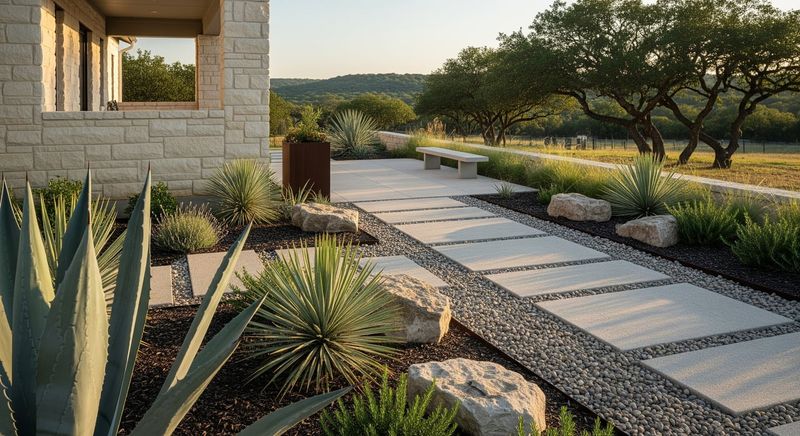
Before buying a single plant, walk your border and ask one question honestly: does water move through that soil and away from plant roots quickly? Blackfoot daisy needs dry feet.
Texas SmartScape warns specifically that the plant may rot if overwatered or placed in poorly drained soil, which rules out a surprising number of common garden spots.
Full sun is non-negotiable. A location that receives six or more hours of direct sun daily is the starting point, not a bonus.
Rocky, gravelly, limestone-based, calcareous, or raised-bed sites tend to produce the best results because they drain fast and stay dry between rain events. The Santa Fe Botanical Garden’s plant profile confirms that xeric, well-drained conditions are central to this plant’s performance across its native range in the southwestern and south-central United States.
Several common border situations are poor fits. Rain gardens, beds near downspout outlets, low spots that collect runoff, and any area that receives frequent irrigation are likely to cause problems.
Austin’s rain garden plant selection guide excludes blackfoot daisy from that list precisely because it requires well-drained soil. Damp shade is equally unsuitable.
A Texas-native label does not make a plant right for every Texas yard. Texas A&M’s Earth-Kind home landscape guidance emphasizes matching plants to local soil, climate, and precipitation rather than assuming statewide suitability.
Central Texas is not uniform: heavy clay that drains slowly, irrigation-heavy beds, and shaded low spots can all produce poor results even within the Austin or Hill Country region. The Earth-Kind plant selector is a useful tool for confirming whether blackfoot daisy fits your specific county and conditions before you commit to a planting.
Start with establishment care instead of neglect
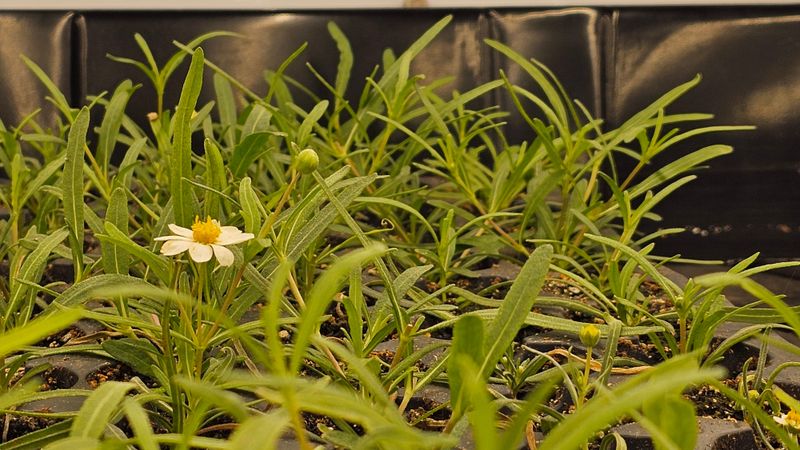
One of the most common mistakes with drought-tolerant natives is treating them as though they need no water from day one. Very low water needs describe an established blackfoot daisy, not a freshly transplanted one.
Austin’s plant guide notes that blackfoot daisy can be temperamental when transplanted, so giving roots time to settle with regular watering during the first few weeks is worth the effort.
Prepare the bed before planting by loosening compacted soil and, if drainage is questionable, raising the bed or adding coarse grit to improve water movement. Space plants to allow for their eventual spread without crowding, but skip the urge to nail down an exact measurement.
Because mature spread varies considerably by source and site, giving each plant a generous opening and adjusting as growth develops is more practical than following a fixed formula. Texas A&M Earth-Kind guidance on transplanting reinforces that establishment care in the early weeks sets the trajectory for long-term performance.
Seed propagation is another option worth knowing. Blackfoot daisy can be grown from seed, and germination benefits from light.
The Native Plant Society of Texas advises barely covering the seed rather than burying it, because light contact with the soil surface supports sprouting. Texas Tech’s plant database also lists seed as a propagation method, confirming it as a viable path for gardeners who want to start a border from scratch or supplement existing plants.
Starting from seed takes longer to produce a flowering plant, but it avoids the transplant stress that nursery stock sometimes brings.
Self-sowing depends on mature seed and suitable soil
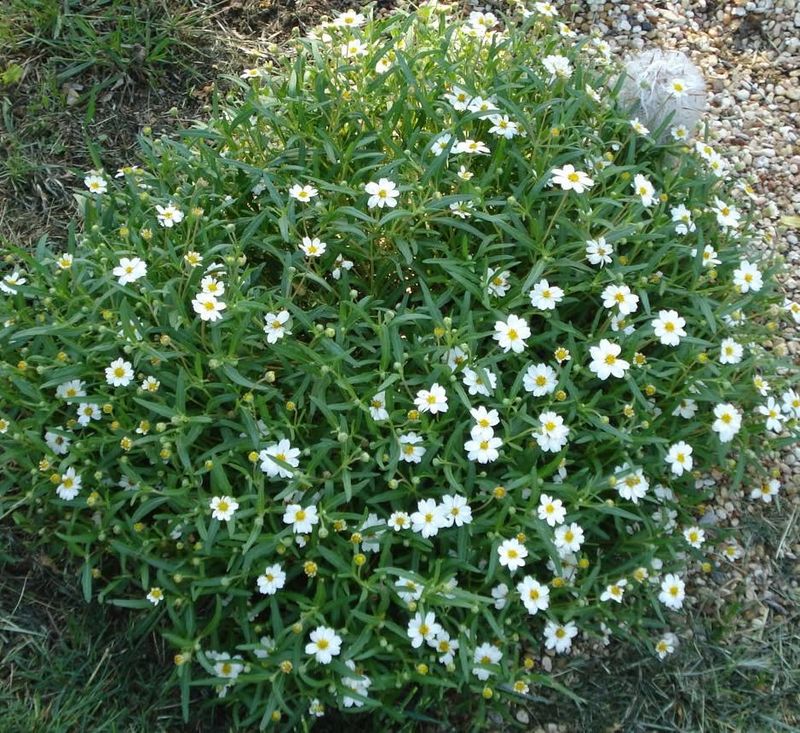
There is a meaningful difference between a plant that survives and comes back each season and one that drops seed and sends up new seedlings nearby. Blackfoot daisy can do both, but they are separate processes with separate requirements.
The original perennial may persist for multiple years in a well-matched site. New seedlings, when they appear, supplement or gradually replace the parent plant, but not every seed that falls produces a plant that reaches maturity.
To give self-sowing a real chance, leave some flowers on the plant and let seed heads mature fully before cutting anything back. Central Texas Gardener describes blackfoot daisy as self-seeding easily when conditions are right, which aligns with the approach of allowing seed to fall onto open, receptive soil.
The City of Austin’s wildflower meadow guidance similarly recommends letting plants set and drop seed before any cutting or clearing, a principle that applies directly to border management.
Austin’s official plant guide uses the more measured phrase “occasionally reseeds,” which is a fair caution against assuming the border will refill itself automatically. The honest picture sits somewhere between the two descriptions: some sites and seasons produce more seedlings than others, and outcomes depend on sun exposure, soil drainage, how much open ground is available, and what the weather does between seed drop and germination.
A border that checks all those boxes is more likely to see gradual naturalization. One that does not will see fewer or no seedlings, regardless of how many flowers the parent plant produces.
Manage the planting lightly without abandoning the bed
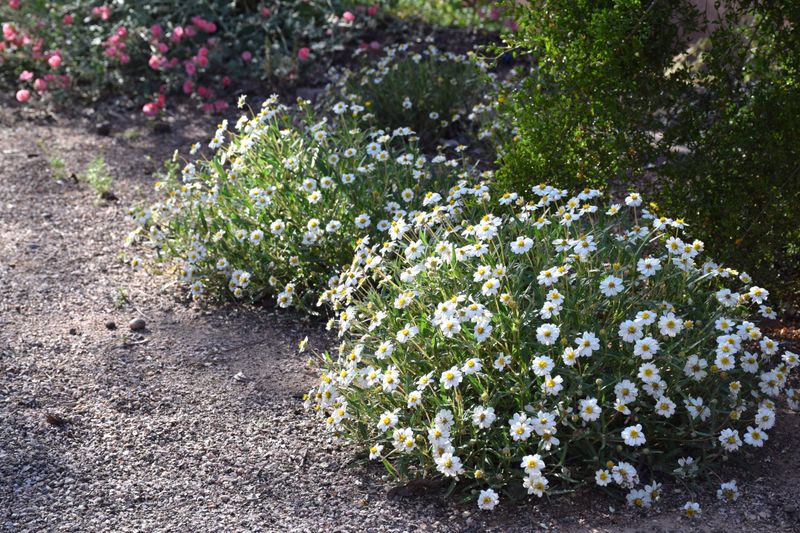
Light shearing can help blackfoot daisy stay dense and presentable. Trimming back spent flowers and any leggy growth encourages a tighter, more rounded form and can prompt a fresh flush of blooms.
Central Texas Gardener recommends modest shaping rather than hard cutting, and Texas Tech’s plant database also notes shearing as a maintenance option. Because sources differ on how aggressively to prune, a light haircut a couple of times during the growing season is a safer approach than a drastic cutback.
Here is the trade-off worth keeping in mind: if you shear every spent flower before seed matures, you remove the seed that would otherwise fall and produce new plants. Gardeners who want seedlings should let at least a portion of the flowers run to seed before trimming.
Timing matters more than following a fixed pruning calendar.
Self-sowing also does not replace the basic work of bed management. Open soil that invites blackfoot daisy seedlings can just as easily invite weeds, and a sparse young planting offers little competition against fast-growing invaders.
Texas A&M Earth-Kind guidance emphasizes choosing the right plant for the site and managing competing vegetation rather than assuming a self-seeding plant will handle weed control on its own. Austin’s guide reinforces that the plant performs best when site conditions are actively maintained, not simply left alone.
Blackfoot daisy can reduce how often you need to replant a sunny border, but it does not eliminate the need to pull weeds, monitor drainage, and keep competing vegetation from taking over the gaps between plants.
Choose blackfoot daisy when the border matches its limits
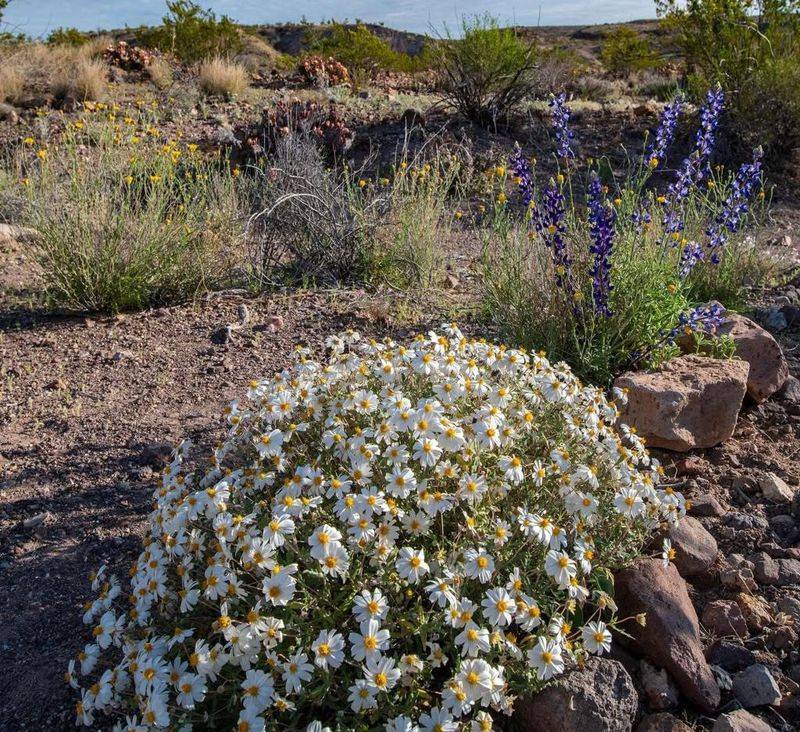
Sunny, sharply drained, and relatively dry: those three words describe the border where blackfoot daisy earns its keep. Texas SmartScape and Austin’s plant guide both point to the same core requirements: full sun, dry conditions, and soil that moves water away from roots quickly.
Match those, and you have a compact perennial that can bloom from spring into fall and gradually seed itself back into the border with modest help from you.
Set realistic expectations before planting. Blackfoot daisy will not instantly fill a bare border, will not thrive with wet feet, and will not guarantee a fresh crop of plants every season regardless of conditions.
Central Texas Gardener’s profile captures the plant’s honest value: a reliable, low-care edging plant for the right site, not a universal solution for every gap in a Texas yard.
The practical takeaway is straightforward. Match the site, water through establishment, leave some seed heads to mature each season, and manage competing weeds in the open soil around young plants.
Do those things consistently, and a well-placed blackfoot daisy border has a genuine chance to renew itself with less replanting over time. A plant that fits its ground tends to look after itself; one placed in the wrong spot rarely does, no matter how tough its reputation.