
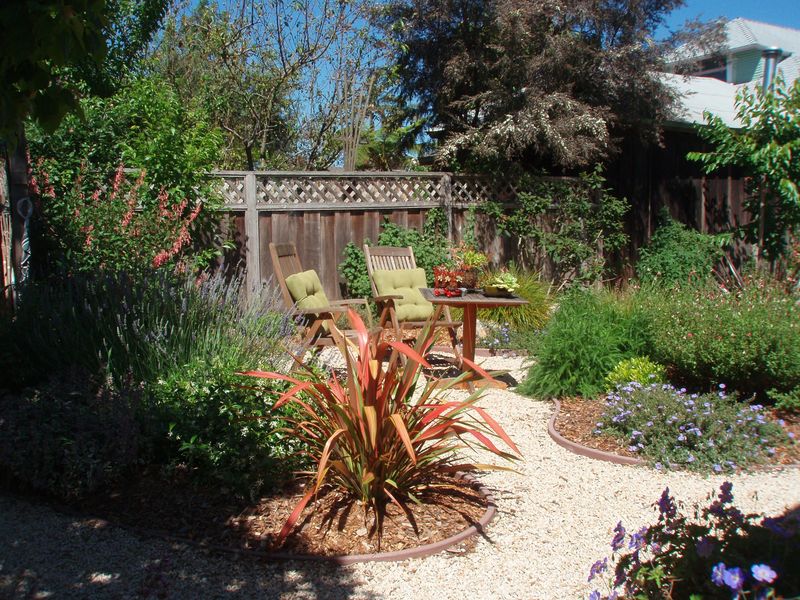
Gophers can turn a beautiful California yard into a lumpy mess of dirt mounds and chewed-up roots overnight. The good news is that some plants are naturally unwelcoming to these tunneling pests, so the gophers give up and dig somewhere else.
Below you will find nine drought-tolerant, water-wise plants that fit California gardens and quietly send those hungry rodents packing. Plant a few, and your beds may finally get a break.
1. Gopher Spurge (Euphorbia lathyris)
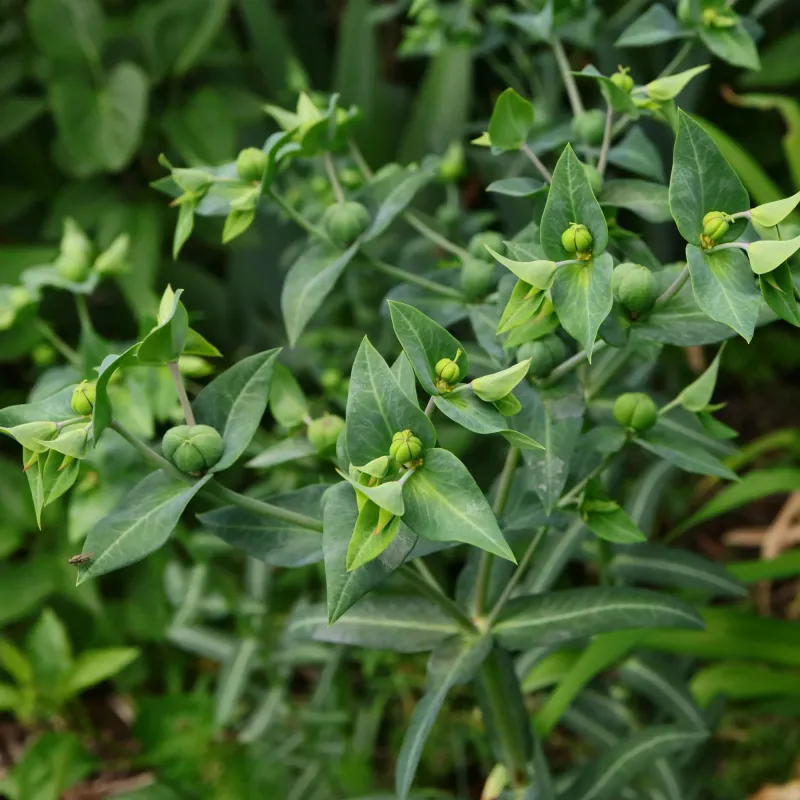
Legend among old-time California gardeners says this plant is the original gopher stopper, and it even carries the pest right in its name. The milky sap inside its stems is bitter and irritating, which is exactly why burrowing rodents want nothing to do with its roots.
It grows tall and upright with cool blue-green leaves, so it fits easily along the edges of vegetable beds and borders. Because it thrives in dry, sunny spots, it matches California’s long rainless summers without needing much water.
A word of caution though. The sap can irritate skin and eyes, and the plant self-seeds readily, so wear gloves and pull extra seedlings before they spread.
Keep it away from areas where kids and pets play, and you have a low-effort guardian for the rest of your garden.
2. Daffodils (Narcissus)
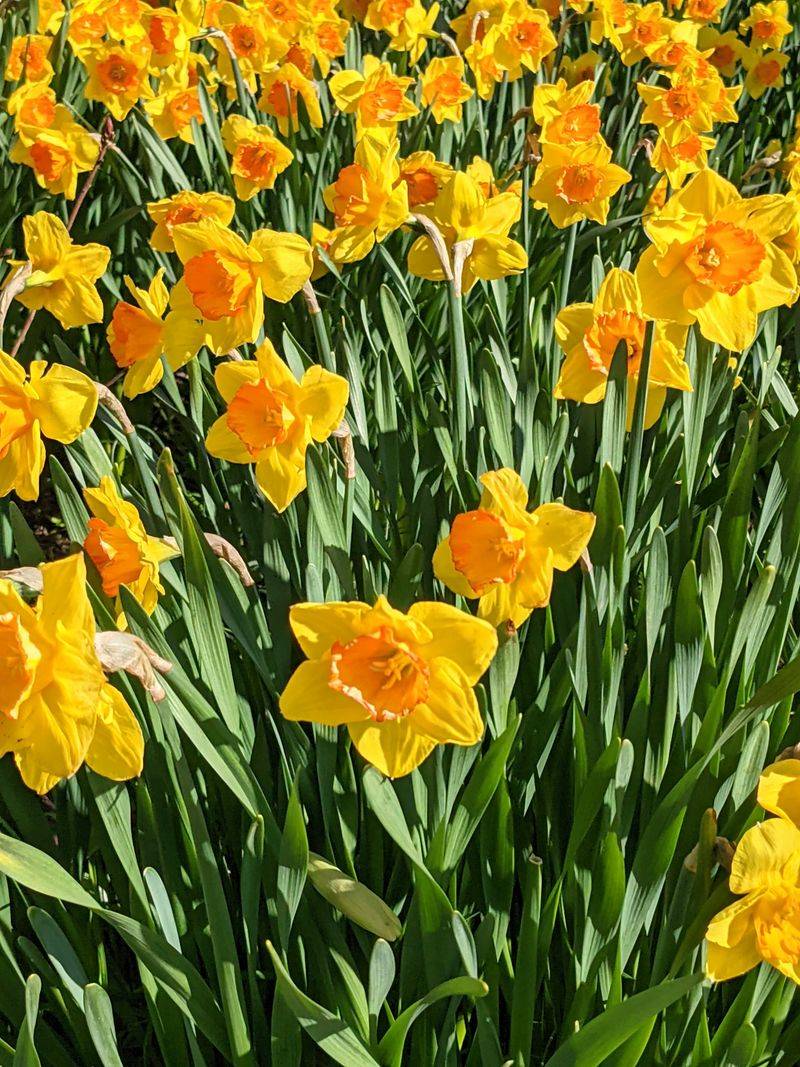
Cheerful yellow trumpets in late winter mean spring is close, but daffodils do more than brighten a yard. Every part of the bulb contains lycorine, a compound so unpleasant that gophers, moles, and even deer steer clear.
Planting a ring of them around prized roses or fruit trees creates a living fence underground. The gophers hit that bitter barrier and reroute their tunnels, often straight past the property line.
They naturalize well in California’s mild coastal and inland valley zones, coming back year after year with almost no fuss. Toss the bulbs in during fall, water them through the wet winter, and let the dry summer send them into dormancy.
Beauty above ground, protection below.
3. California Lilac (Ceanothus)
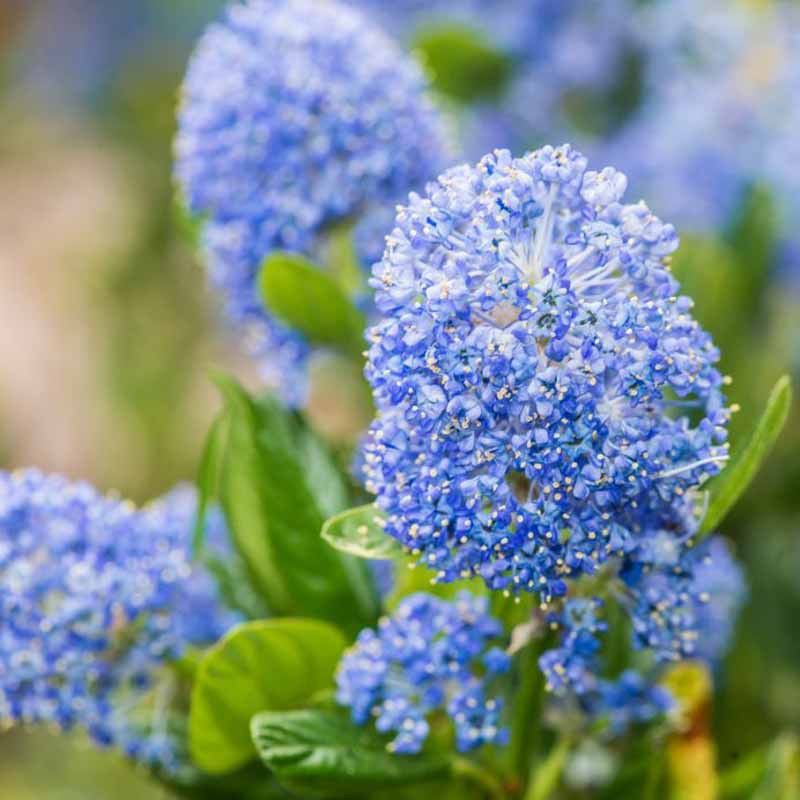
Few native shrubs put on a show like Ceanothus when it explodes with clouds of electric-blue flowers each spring. Bees and native pollinators swarm it, which makes it a favorite for homeowners trying to build a wildlife-friendly yard.
The tough, woody roots and drought-hardened structure give gophers little reason to bother, and established plants shrug off the pests that love softer garden roots. It also earns its keep on fire-prone hillsides when kept properly spaced and pruned.
Since it is California native, it wants almost nothing once established. No summer water, no fertilizer, no drama.
You get pollinator power, water savings, and a plant that gophers tend to ignore, all in one shrub.
4. Lavender (Lavandula)
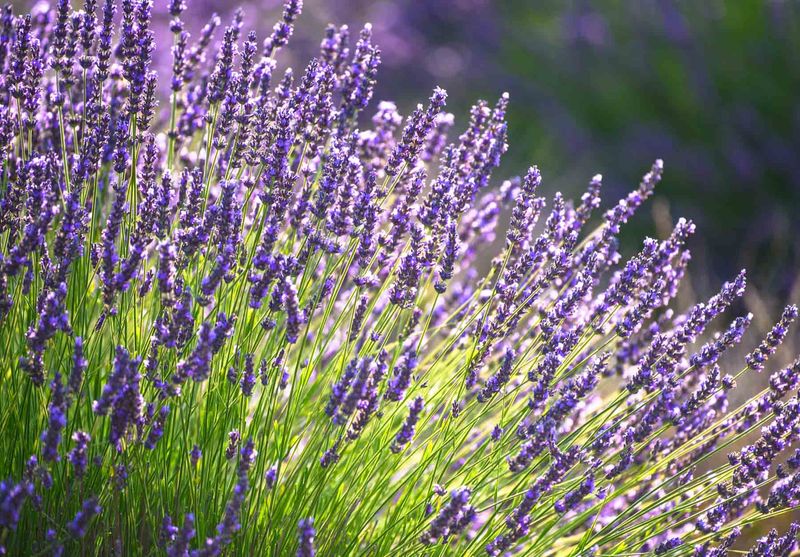
Run your hand across a lavender bush and that famous scent fills the air, calming for people but off-putting for burrowing pests. Gophers rely heavily on smell, and the strong oils in lavender roots and foliage seem to send them looking elsewhere.
It could not be more suited to California, with its Mediterranean roots and love of hot, dry, sunny slopes. Once the roots take hold, it survives on rainfall alone through most of the state.
Plant it along walkways and bed edges where you will brush past it often. You get honeybees by day, a soothing fragrance every time you walk by, and an underground deterrent working quietly the whole time.
5. Rosemary (Salvia rosmarinus)
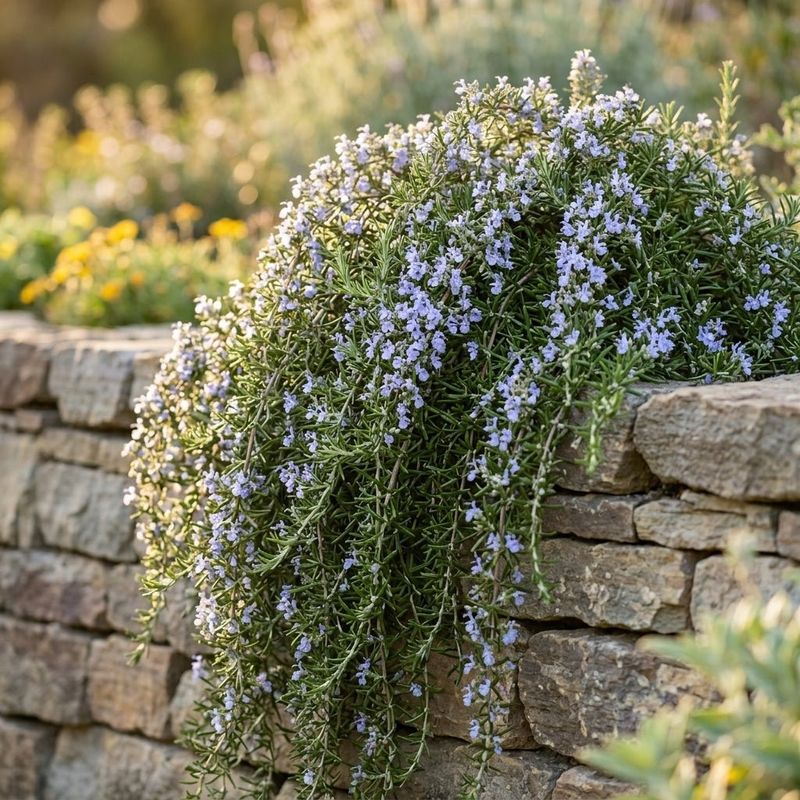
Snip a sprig for the grill and you already know how powerful rosemary’s aroma can be. That same pungent oil, packed into its tough woody roots, makes it a plant gophers rarely want to gnaw through.
It doubles as one of the most forgiving herbs you can grow in California, laughing off heat, poor soil, and skipped waterings. Trailing types spill nicely over walls, while upright varieties form a fragrant low hedge.
Tuck it near tomatoes and other tender crops that gophers adore, and it acts like a smelly buffer zone. Kitchen herb, pollinator magnet, and pest discourager rolled into one hardworking evergreen.
6. Society Garlic (Tulbaghia violacea)
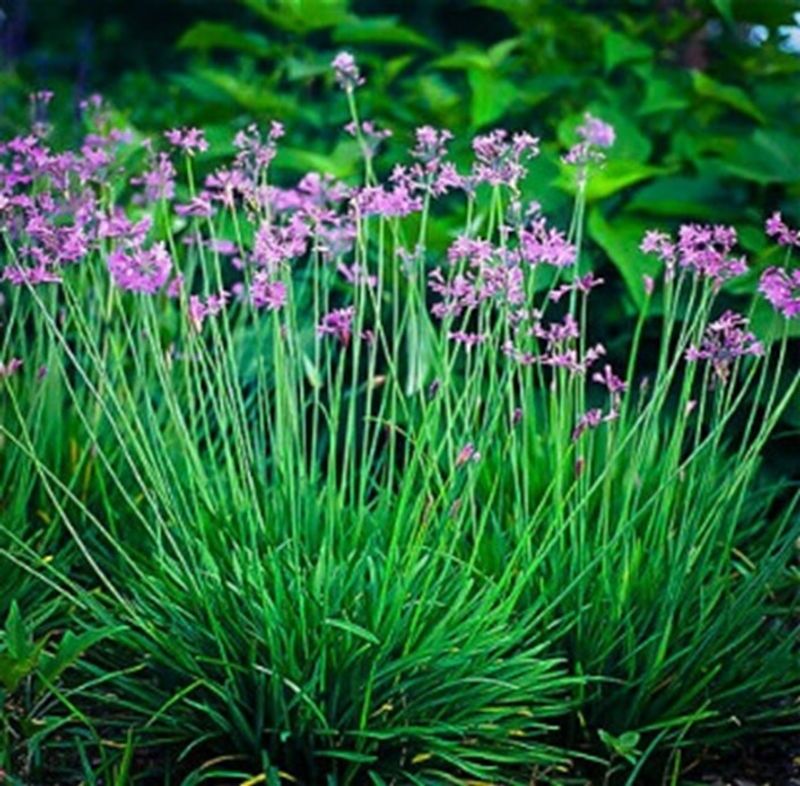
Brush against this grassy clumping plant and you catch a faint garlicky whiff, which is your first clue about why gophers avoid it. The oniony compounds running through its leaves and roots taste terrible to burrowing rodents.
Slender straps of foliage send up airy lavender flowers for months, giving beds a soft, breezy look. It handles California heat and drought beautifully and stays evergreen along the coast.
Use it as a border ribbon around vegetable patches or mixed perennial beds. It also happens to shrug off deer for the same smelly reasons, so it earns a double dose of protection value.
7. Salvia (Sage)
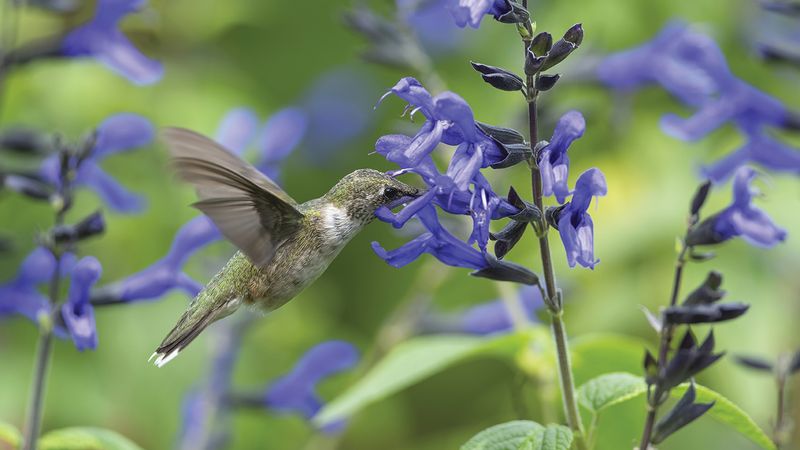
Hummingbirds treat a blooming salvia like a favorite diner, zipping from spike to spike all season. Beyond the wildlife appeal, many salvias carry aromatic foliage and fibrous, resilient roots that gophers find unappetizing.
California is home to gorgeous native sages like Cleveland sage and hummingbird sage, both built for dry summers and lean soils. They fit perfectly into water-wise landscapes and pollinator gardens.
Group several together to create a fragrant, colorful zone that keeps buzzing with bees, butterflies, and birds. Underneath, the tough root systems give gophers one more reason to keep tunneling toward less protected ground.
8. Iris (Bearded and Pacific Coast)
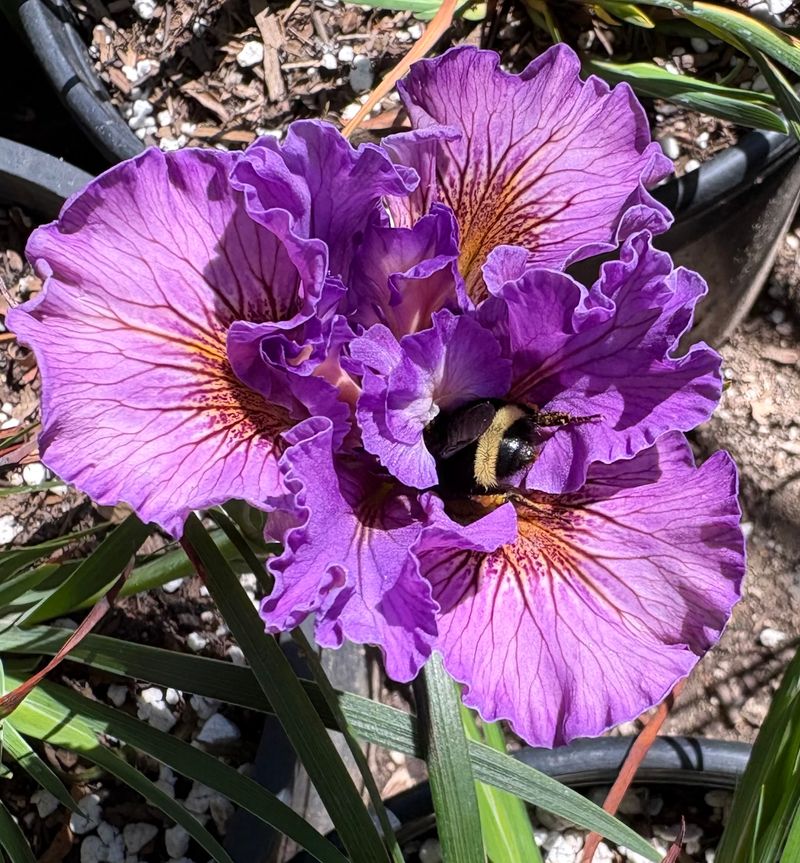
Those ruffled, almost old-fashioned blooms hide a surprisingly tough survivor beneath the soil. Iris grows from thick rhizomes and roots that gophers tend to leave alone, especially the sturdy bearded types.
Pacific Coast iris varieties are native to California and thrive in the state’s dry-summer rhythm without much fuss. Bearded iris multiplies quickly, letting you fill space and stretch your protection over a wider area each year.
Line them along the front of a bed for a spring display in every color imaginable. As a bonus, the dense rhizome mats create physical barriers that make it harder for tunnels to spread through your favorite planting zones.
9. Marigolds (Tagetes)
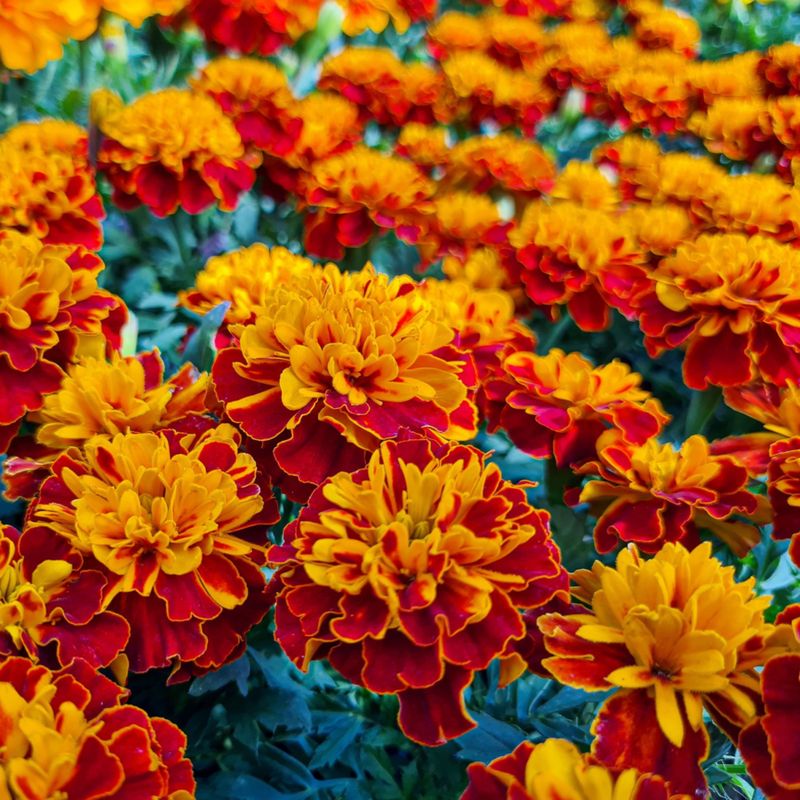
Every grandmother’s vegetable patch seemed to have a border of these sunny gold and orange blooms, and there is real reasoning behind the tradition. Marigolds give off a strong scent from both flowers and roots that many gardeners rely on to nudge gophers and other pests away.
They pop up fast from seed and bloom all through California’s long warm season, so you get quick color and quick coverage. Heat and dry spells barely slow them down once they get going.
Ring your tomatoes, peppers, and beans with them for a cheerful defensive line. They pull double duty by drawing in beneficial insects while helping steer tunneling pests toward the fence and beyond.