
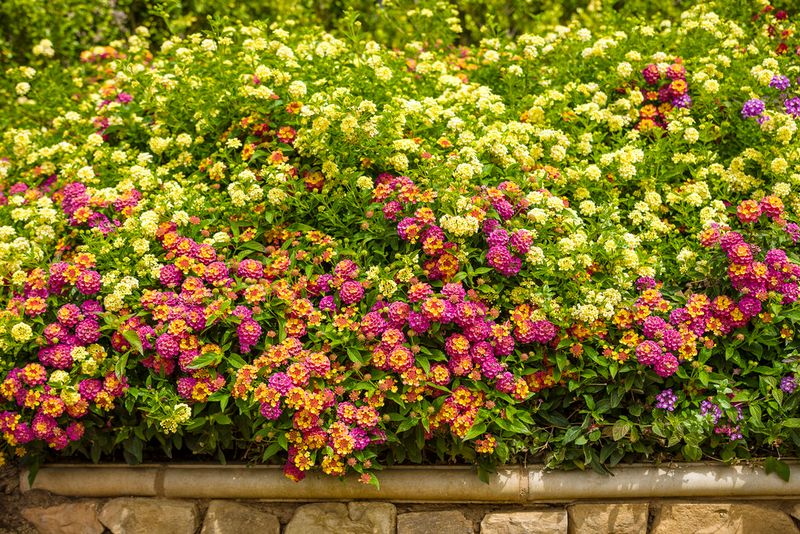
Texas lantana is built for brutal summers, so when it stops flowering in the middle of July, something specific is wrong and it probably is not the heat itself. Several different problems can shut down blooms on the same plant, and grabbing the pruning shears first is one of the fastest ways to make things worse.
Knowing what to look for before you act is the difference between a plant that rebounds in a few weeks and one that struggles through the rest of the season.
Heat alone does not explain every missing lantana flower
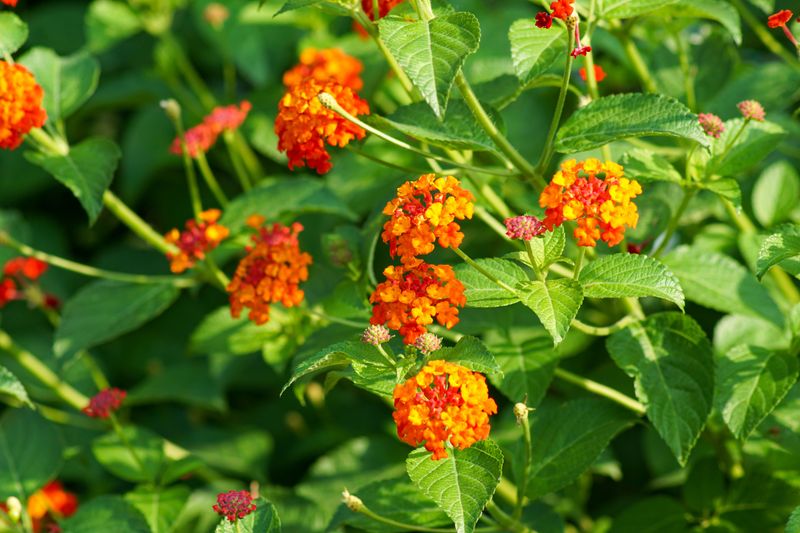
Texas lantana earns its reputation as one of the toughest landscape plants in the state. Texas Master Gardener guidance on native lantana describes it as highly heat tolerant and well adapted to full sun and relatively dry conditions, commonly flowering from summer into fall.
That track record matters when diagnosing a bloom problem because a plant this well-matched to the Texas climate rarely shuts down simply because temperatures climbed.
The species question matters here, too. What Texans call “Texas lantana” is most often identified in regional references as Lantana horrida or Lantana urticoides, a native species with a different growth habit and bloom pattern than the hybrid and ornamental cultivars of the Lantana camara group sold at most nurseries.
Care needs, bloom timing, and how well each type handles deadheading can vary meaningfully between species and cultivars, so knowing which plant you have changes which fix makes sense.
Hot weather does increase a plant’s water demand, and a prolonged stretch of triple-digit temperatures can overlap with drought stress in ways that reduce growth and flowering. But increased water demand is not the same as heat causing bloom failure.
Henderson County Master Gardener lantana notes confirm that established plants can continue blooming through very hot conditions when their basic needs are met.
The more productive question is not “was it the heat?” but rather “what exactly changed?” Before reaching for a hose, fertilizer, or pruning shears, run through four quick checks: test soil moisture a few inches below the surface, look at how much direct sun the plant receives now compared to earlier in the season, examine the plant’s overall shape and whether it has finished a major bloom flush, and turn over several leaves to inspect the undersides. Each of those four steps can point to a different and more accurate fix.
Check soil moisture, drainage, and sunlight before pruning

Soil moisture is the first thing to confirm, and the most reliable way to do it is not to look at the plant but to probe the ground. Push a long screwdriver or a wooden dowel several inches into the root zone.
If it slides in easily and comes out damp, the soil has adequate moisture. If it stops short or comes out dry and powdery, the root zone is genuinely dry.
Texas Water Development Board watering guidance recommends wetting landscape soil to roughly 4 to 6 inches and checking actual penetration rather than relying on surface appearance or how long the sprinkler ran.
Prolonged dryness can slow growth and reduce flowering in even drought-tolerant plants. But overwatering creates a separate and equally damaging problem.
Frequent shallow watering or soil that stays saturated can damage roots, limit oxygen in the root zone, and produce wilting, bronzing, and leaf drop that look almost identical to drought stress from the outside. Mississippi State Extension lantana guidance cautions that soggy soil is unfavorable for established plants.
When you water, do it slowly and thoroughly, then let the excess drain before watering again.
Newly planted lantana and container-grown plants have different needs than established in-ground specimens. A plant that went in the ground this spring still needs regular water to develop its root system.
A container dries out faster than a garden bed, especially in Texas summer heat, and may need more frequent checks. An established plant that has been in the ground for two or more seasons has a deeper root system and far more drought tolerance, but it is not immune to extended dry spells.
Sunlight is the other variable worth checking before anything else. Lantana needs full sun for strong flowering, and NC Extension’s plant profile confirms that shade or reduced light leads to leafy, less floriferous growth.
A tree that has filled in, a new fence, or a neighboring structure casting afternoon shade where there was none last year can quietly reduce bloom without any pest or watering problem at all. Walk the bed at different times of day and note how many hours of direct sun the plant actually receives now.
Inspect the undersides of leaves for lace bugs
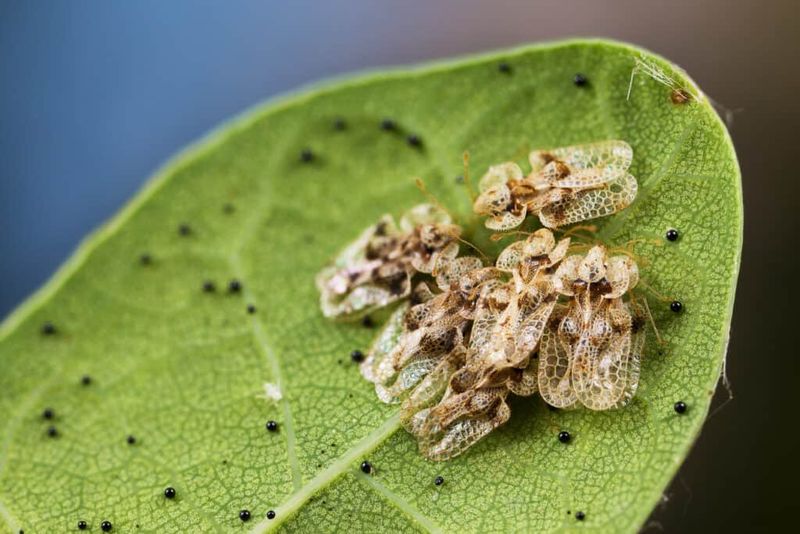
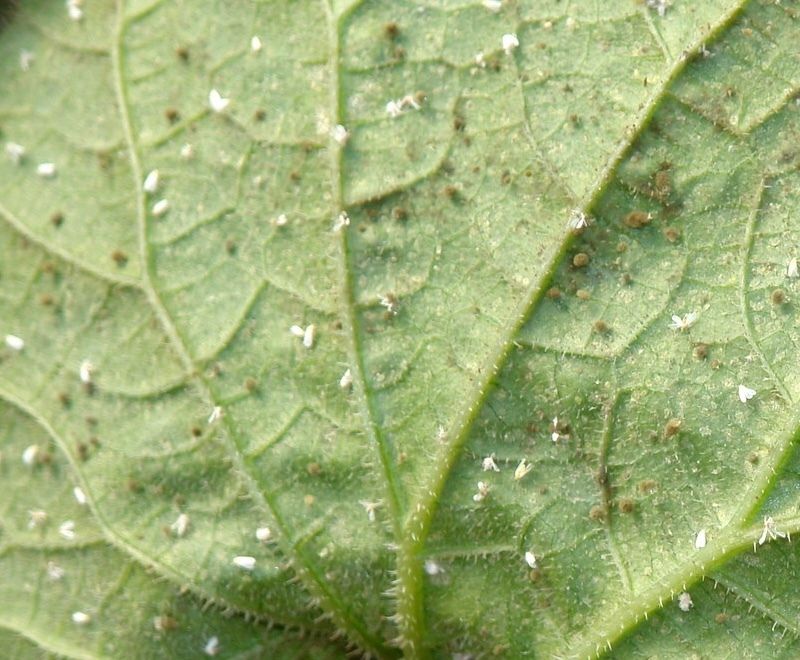
Lace bugs are one of the most consequential and most overlooked reasons lantana stops flowering in Texas and across the South. They feed primarily on the undersides of leaves, piercing plant tissue and extracting cell contents in ways that interfere with the plant’s ability to photosynthesize and support flower development.
A severe infestation can halt blooming entirely. UGA Cooperative Extension’s lace bug publication details how these insects can cause pale stippling, bronzing, brown or black foliage, and premature leaf drop on susceptible ornamentals.
The inspection itself takes about two minutes. Turn over several leaves from different parts of the plant, including new growth near the tips and older leaves deeper in the canopy.
You are looking for small, flat, lacy-winged insects or their darker nymphs, clusters of tiny dark specks that look like tar or varnish (that is excrement), pale shed skins stuck to the leaf surface, and a stippled or silvery appearance on the upper side of the same leaves. Even one or two of those signs together is worth noting.
Multiple signs on several leaves means the population is established.
The tricky part is that lace-bug damage shares visible symptoms with several other problems. Texas A&M AgriLife Extension pest guidance notes that heat exposure, drought, spider mites, nutrient imbalances, and irrigation problems can all produce stippling, bronzing, and leaf drop that look similar from a distance.
That overlap is exactly why identifying the cause before treating matters so much. Watering a lace-bug problem will not fix it.
Spraying a drought-stressed plant with insecticide adds stress without addressing the real issue.
Check the undersides of leaves as a standard step every time you inspect a struggling lantana, not just when you suspect bugs. Early detection keeps populations manageable and protects the plant’s ability to support new flowering growth.
Prune only a healthy plant that needs fresh flowering growth
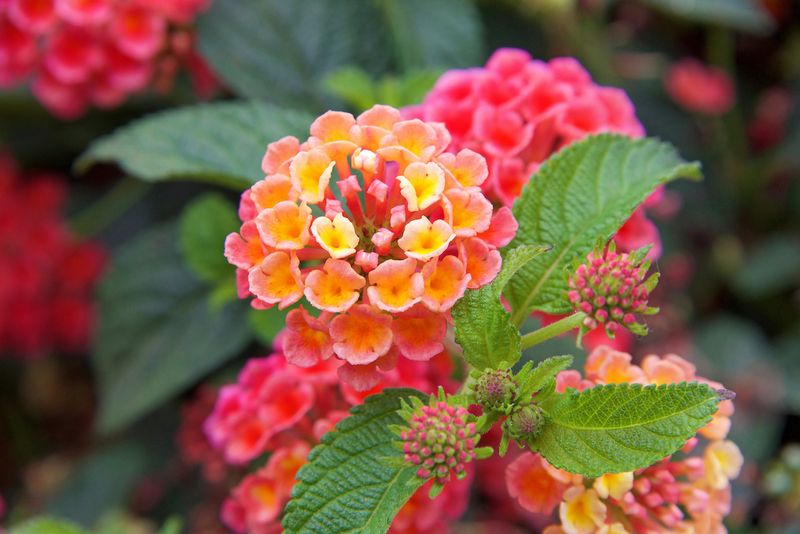
Lantana flowers on new wood. That single fact is the biological foundation for every pruning recommendation you will read, and it means that a plant covered in long, woody stems with spent flower clusters at the tips has already used up most of its current season’s flowering potential on growth that is now finished.
Removing those spent clusters and shortening overlong stems gives the plant a reason to push new shoots, and those new shoots are where the next round of flowers will come from.
The key qualifier is “healthy plant.” Texas Master Gardener lantana guidance describes periodic growing-season trims as a way to keep established plants compact and promote flowering on new growth. That advice applies to a plant with firm, green stems, undamaged foliage, and no signs of pest activity or root stress.
A plant that is already struggling from drought, lace bugs, or poor drainage will not be helped by losing more foliage and stems. Pruning in that situation removes the photosynthetic surface the plant needs to recover.
A moderate trim is the right scale for most mid-season situations. Remove spent flower clusters and any developing berry clusters, then cut back the longest stems by roughly one-third to a healthy set of leaves or a visible side shoot.
You do not need to cut every stem to the same length or reduce the plant to a low mound. Clemson Cooperative Extension’s lantana factsheet supports moderate cutbacks as a way to encourage continued bloom rather than recommending a severe reduction during active growth.
Whether removing spent flowers matters also depends on the type of lantana you have. UF/IFAS guidance on lantana selection explains that seed-producing types divert resources toward fruit development and can benefit noticeably from removing spent clusters and berries before they mature.
Sterile or nearly sterile cultivars produce little viable seed, so deadheading may be less critical for them, though a light cleanup still improves appearance and can encourage tidier new growth.
Choose a safer weather window for major pruning
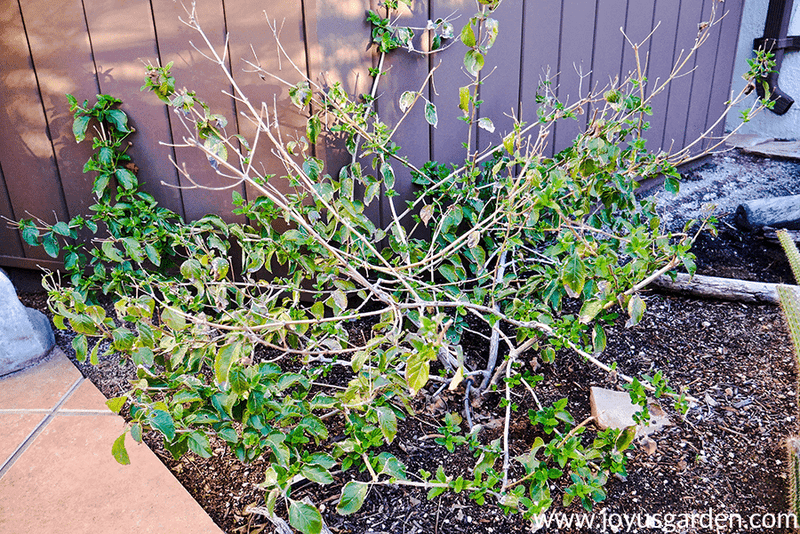
Timing a trim poorly can turn a helpful tool into a stressor. University of Arizona Cooperative Extension guidance on heat and drought stress explains that removing foliage during extreme heat takes away the leaf surface the plant uses for photosynthesis and water regulation.
Stems and tissue that were shaded by surrounding leaves before the cut can be suddenly exposed to direct sun, leading to sunscald on bark and remaining foliage. During a genuine heat wave or an active drought episode, that added stress can set a plant back significantly.
The practical separation to keep in mind is this: a light cleanup after a completed bloom flush, done on a morning that is not the hottest day of the week, is a reasonable mid-season action for a healthy established plant. A hard rejuvenation cutback, where you reduce the plant substantially in size, belongs to a different window entirely.
Texas Master Gardener sources recommend cutting perennial lantana back after frost, when the plant is dormant and the weather is no longer punishing. UF/IFAS Extension guidance on perennial shrub pruning timing similarly cautions against hard pruning of perennials and ornamental shrubs when conditions are stressful.
During an active heat or drought episode, limit any cutting to tissue that is clearly dead or diseased. Removing dead wood does not carry the same risk as removing live, photosynthetically active stems, and it can improve airflow through the canopy without demanding a recovery response from a stressed plant.
Do not expect that removing dead material will trigger an immediate bloom flush. Recovery happens as the plant stabilizes and begins producing healthy new growth under better conditions.
Match the treatment to the diagnosed problem
After you have inspected the soil, the light, the plant’s structure, and the leaf undersides, you should have a clearer picture of what actually went wrong. The treatment that follows should match what you found, not a generic response to “it stopped blooming in the heat.”
For confirmed drought stress, where the root zone is genuinely dry several inches down, water slowly and thoroughly enough to wet the soil to that 4 to 6 inch depth recommended by Texas Water Development Board conservation guidelines. Let that water drain before the next irrigation cycle.
Do not switch to daily watering as a default. Established lantana is not a plant that thrives in constantly moist soil, and overcompensating after a dry spell can shift the problem from drought stress to root stress without any visible warning until damage is already done.
For a confirmed light lace-bug infestation, start with the least disruptive option. A firm but non-damaging stream of water directed specifically at leaf undersides can dislodge insects and nymphs.
Remove any leaves with heavy excrement buildup and dispose of them away from the plant. Preserve natural predators, including assassin bugs and lacewing larvae, which feed on lace bugs and help keep populations in check.
UGA’s landscape pest management resources support this graduated approach. If the infestation is heavier and physical removal is not enough, insecticidal soap or horticultural oil used strictly according to label directions can help.
Because lantana flowers attract bees and butterflies, any spray application requires particular care around blooming plants to protect pollinators.
Fertilizer is not the answer to most bloom problems on lantana. Clemson Extension’s lantana factsheet and Texas Master Gardener sources both note that lantana needs little fertilizer and that excess nitrogen tends to push leafy growth rather than flowers.
Unless you have a confirmed nutrient deficiency based on a soil test, skip the fertilizer and address the actual diagnosed issue instead.
Give the plant time to respond after the correction
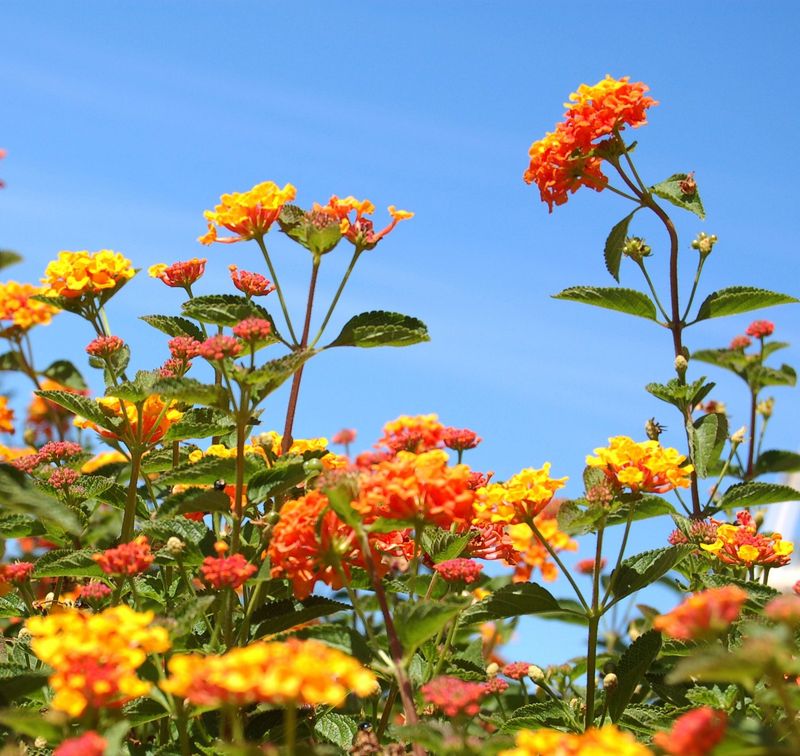
After correcting a water problem, treating lace bugs, or trimming a leggy but otherwise healthy plant, the next step is patience. Lantana does not produce a new bloom flush overnight.
Flowers emerge on new wood, which means the plant first needs to push fresh stems and leaves before those stems can develop flower buds. Texas Master Gardener guidance on Texas lantana frames this process as one tied to new growth, not an immediate reaction to pruning or watering alone.
Keep monitoring the plant during the recovery window. Check the root zone moisture every few days rather than watering on a fixed schedule.
Look at the leaf undersides again a week after treating for lace bugs to confirm the population is not rebounding. If you trimmed during a reasonable weather window, watch for new green growth emerging from the nodes below your cuts.
That new growth is a reliable sign the plant is responding.
The clearest takeaway from this whole process is that inspection comes first, every time. A lantana that stops blooming in Texas heat is giving you a diagnostic signal, not a guaranteed verdict that heat is the cause.
Find the actual problem, apply the right correction, and give the plant the growing conditions it needs to produce new wood. The flowers follow from there.