
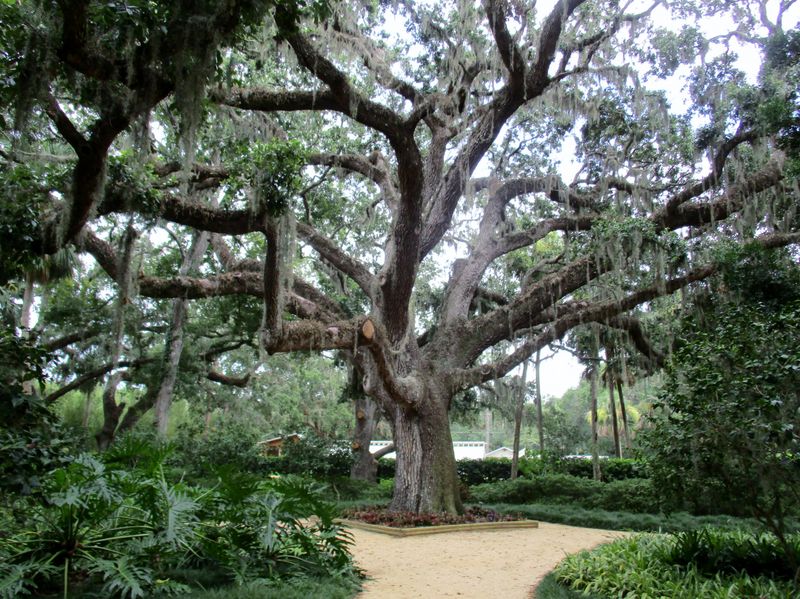
A bare South Florida lawn can feel like a frying pan by afternoon. The right shade tree changes that fast, cooling patios, turf, walls, and walkways while making the yard look more finished.
Some shaded spots can feel about 20 degrees cooler than open grass because the canopy blocks sun and slows heat buildup. These seven trees are strong choices for homeowners who want shade, beauty, and Florida-smart planting decisions.
1. Gumbo Limbo
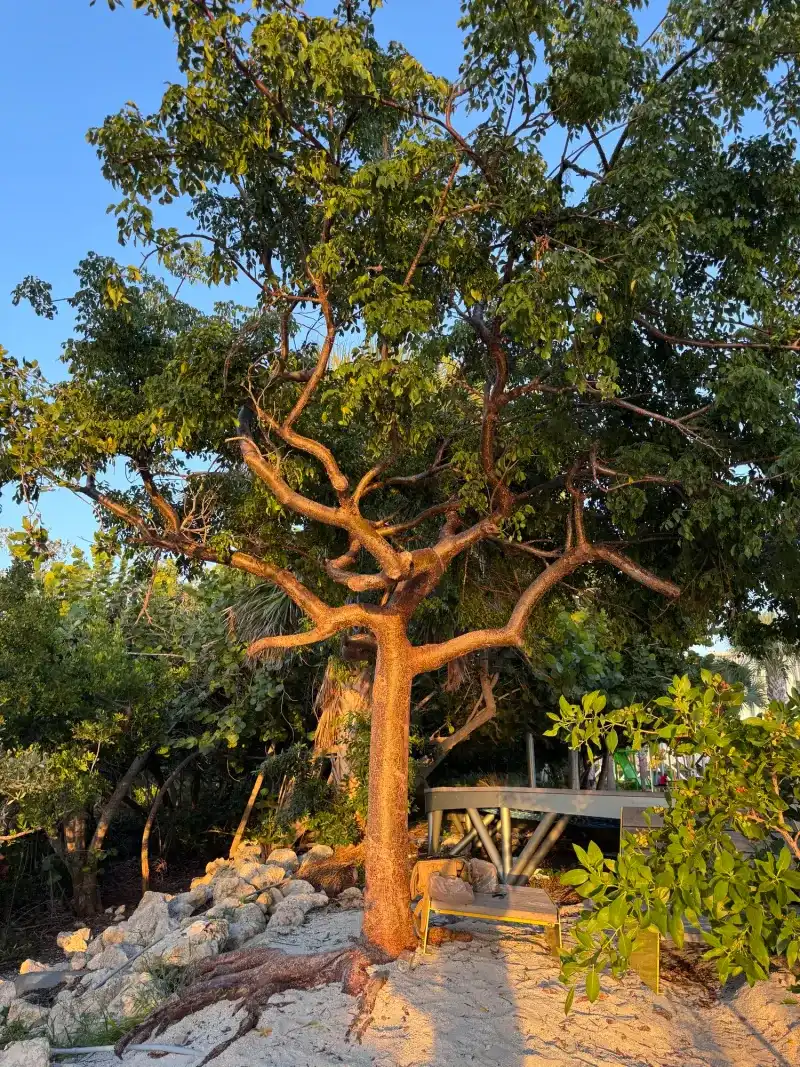
That coppery, peeling bark is the first thing people notice, but gumbo limbo earns its place because it grows quickly and handles South Florida like it was built for the job.
Native to South Florida, this tree tolerates heat, salt air, sandy soil, and dry spells once established. It can form a wide, airy canopy that cools driveways, side yards, and open lawn areas without feeling too dark underneath.
Homeowners near the coast often like gumbo limbo because it has better wind tolerance than many soft-wooded shade trees when properly pruned. Give it room away from foundations and hardscape, since a healthy specimen can become a real presence in the landscape.
For faster shade, plant a good-sized nursery tree at the start of the rainy season and water deeply while roots settle in. Mulch the root zone, keep turf away from the trunk, and use structural pruning early so the canopy develops strong branch spacing before hurricane season tests it.
2. Live Oak
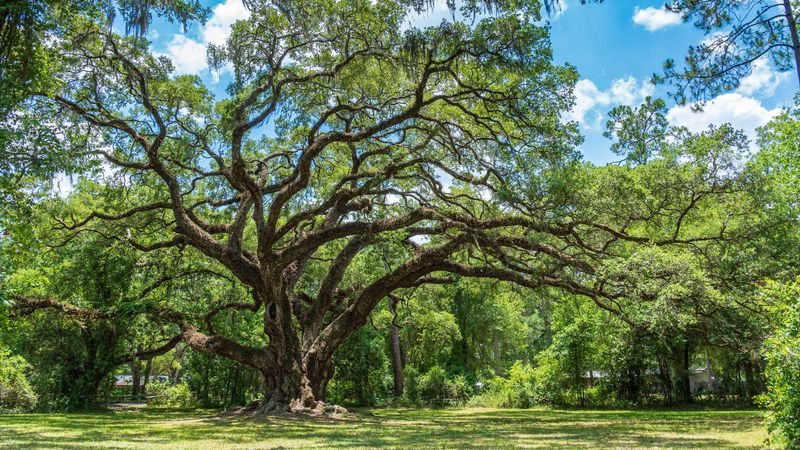
Few trees make a Florida yard feel settled and grand as quickly as a well-placed live oak.
Although it is not the tiniest choice, live oak is a long-term shade maker with serious cooling power. Its dense canopy can cover a large area, which makes it useful for west-facing lawns, hot sidewalks, and exposed outdoor sitting spaces.
Live oak is native and widely respected in Florida landscapes, but it needs planning. Plant it where roots and limbs have room to grow, not squeezed between a house, driveway, and power line.
Once established, it is tough, drought tolerant, and valuable for wildlife. Birds use the branches, and acorns feed many backyard animals, so the tree adds life as well as comfort.
The smartest move is to prune for one strong central structure while the tree is young. A little attention early helps reduce weak attachments later, especially in storm-prone neighborhoods from Miami-Dade to the Gulf Coast.
3. Bald Cypress
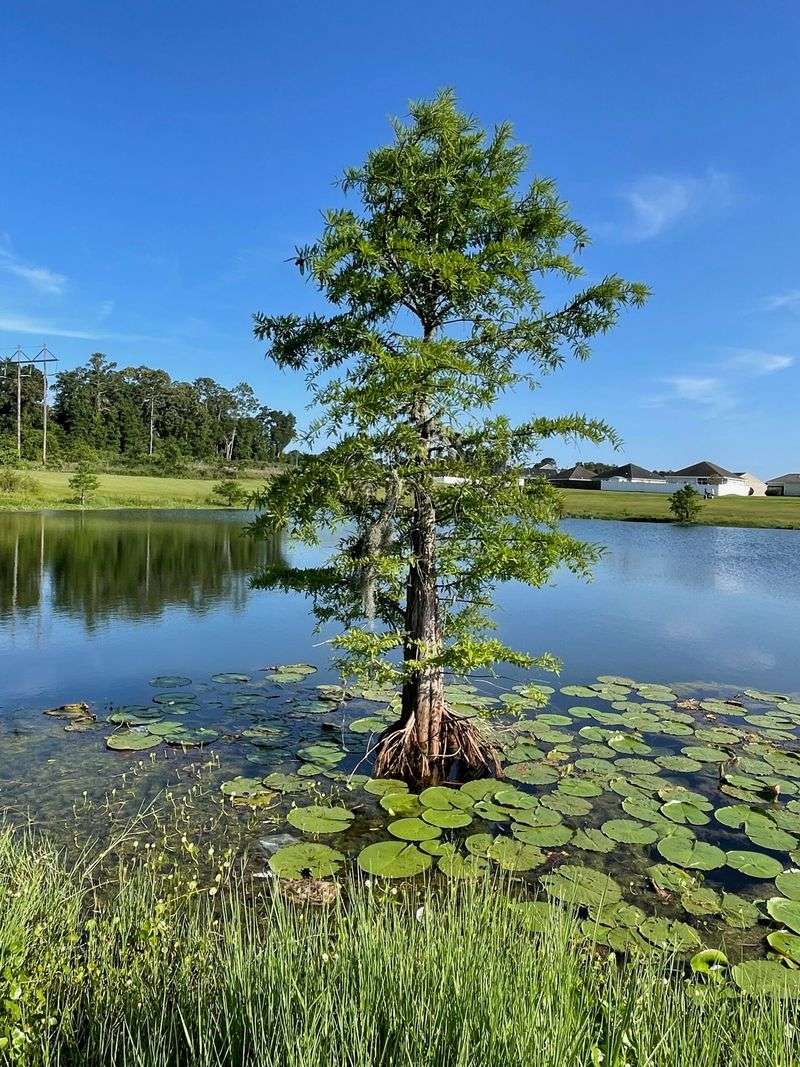
Got a soggy corner where other trees sulk? Bald cypress may be the shade tree that turns that problem spot into the coolest part of the yard.
This Florida native is famous for growing in wet places, but it can also perform in ordinary yards if it receives water during establishment. Its soft, feathery foliage gives filtered shade that cools the ground without making the space feel gloomy.
Bald cypress is especially useful in South Florida yards that flood after heavy summer rain. Instead of fighting that low area with fill and thirsty grass, you can use a tree that naturally handles seasonal moisture.
In drier sandy soil, plan on regular irrigation for young trees until roots reach deeper moisture. Mulch helps keep the root zone cooler and reduces competition from turf.
One fun twist is that bald cypress is deciduous, so it drops its needles in the cooler season. That can be a benefit near winter patios, where you may want more light after the hottest months have passed.
4. Southern Magnolia
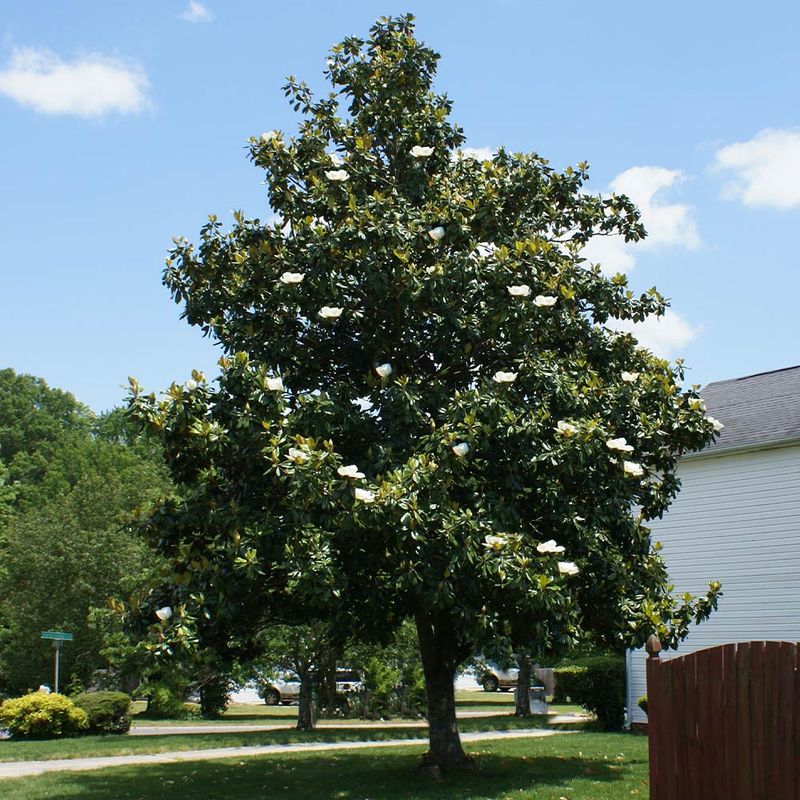
The big white blooms smell like a Southern summer evening, but Southern magnolia is more than a pretty face.
For South Floridians who want shade with curb appeal, this evergreen tree brings glossy leaves, fragrant flowers, and a sturdy visual anchor near lawns or broad planting beds. It grows at a moderate to fast pace when young, especially with irrigation and mulch in sandy soil.
Southern magnolia fits best where leaf litter will not annoy you. The large leaves drop throughout the year, so place it over mulch, groundcovers, or a naturalized bed rather than a fussy small lawn.
Its canopy can become dense, which is great for cooling walls and windows on the west or southwest side of a home. Avoid planting too close to the house, because mature trees need both vertical and horizontal space.
Wildlife value adds another reason to consider it. Birds use the cover, and the red seeds can attract attention in the landscape after flowering, giving the tree more than one season of interest.
5. Pigeon Plum
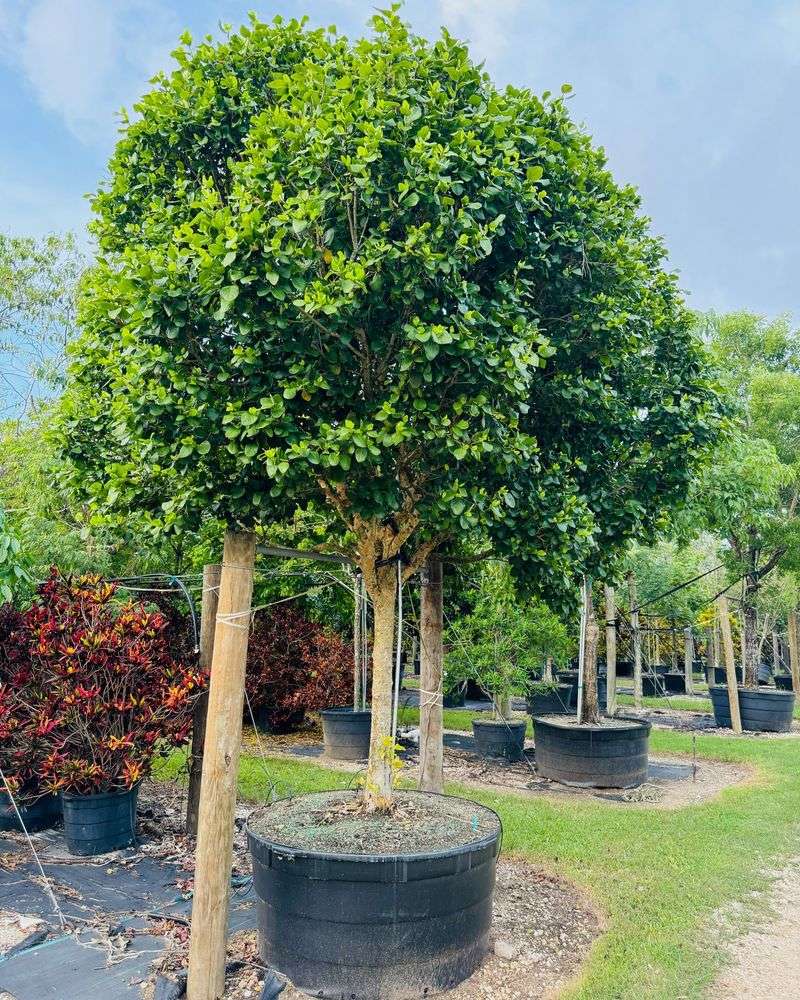
Small yards need shade too, and pigeon plum is the kind of native tree that does not demand a mansion-sized lot.
This South Florida native grows into a handsome rounded tree with attractive bark, shiny leaves, and clusters of fruit that birds enjoy. It is a strong choice for patios, side yards, and smaller lawns where a giant oak would be too much.
Pigeon plum stands out because it brings shade and wildlife value in a tidy package. The canopy is useful for cooling a seating area or reducing reflected heat near pavers, yet the tree usually stays more manageable than many large shade species.
It also suits coastal South Florida better than many common landscape trees. Once established, it can handle sandy soils and some salt exposure, making it practical for homes near breezy coastal neighborhoods.
Give it full sun to light shade and water it during the first year so it builds a solid root system. A wide mulch ring will help protect those roots from mower damage, which is one of the easiest ways to keep a young tree on track.
6. Mahogany
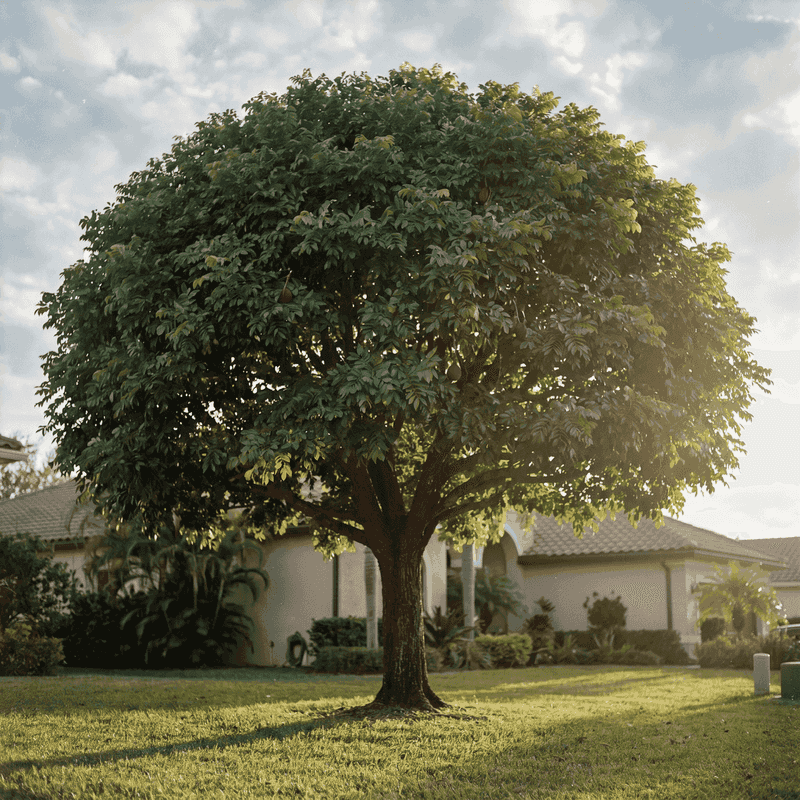
In older South Florida neighborhoods, mahogany often looks like it has been cooling the block forever.
West Indian mahogany is a classic tropical shade tree with a broad canopy and strong, handsome form. It can grow quickly in warm conditions, making it appealing for homeowners who want shade over a front lawn, driveway edge, or large side yard.
Its biggest advantage is the high canopy it can develop with thoughtful pruning. That means you can still walk, mow, or garden beneath it while getting relief from the fierce afternoon sun.
Mahogany is also known for handling South Florida heat and seasonal dry periods once established. Like any large tree, it should be placed with mature size in mind, away from roofs, tight utility corridors, and narrow strips of soil.
Because storms are part of life here, buy a tree with good branch structure and keep up with early training. Removing crowded or crossing limbs while the tree is young is far easier than correcting heavy limbs later.
7. Wild Tamarind
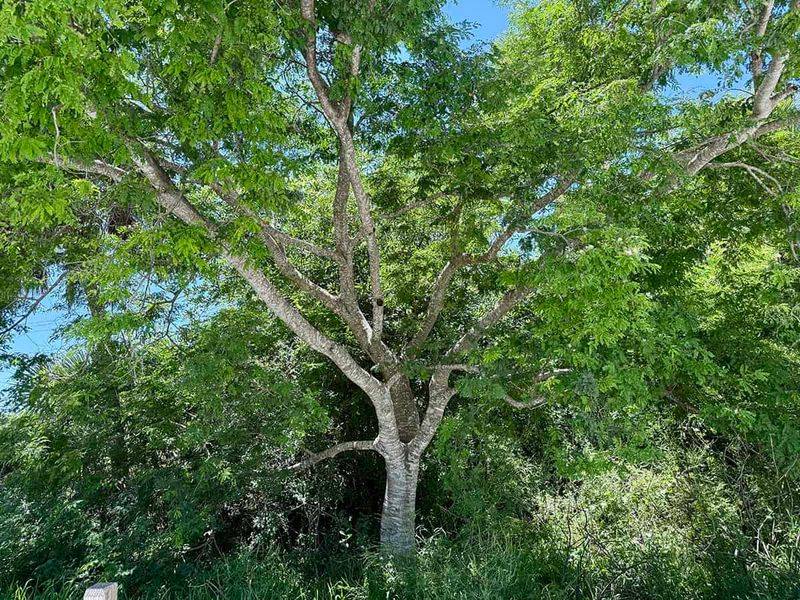
Not every shade tree has to look heavy, and wild tamarind proves it with a light, graceful canopy that still cools the space below.
This Florida native has fine-textured foliage, a tropical look, and the ability to create pleasant dappled shade. It is a smart pick for gardeners who want a more natural, wildlife-friendly yard without giving up comfort.
Wild tamarind is especially interesting because it supports native insects and can fit beautifully into a pollinator-minded landscape. That matters in South Florida, where replacing plain turf with layered plantings can make the yard cooler and more alive.
Use it where you want shade that feels bright rather than cave-like, such as near a sitting area, garden path, or sunny planting bed. The filtered light beneath the canopy can still allow some tough understory plants to grow.
Plant it in well-drained soil and water consistently while young. In sandy yards, compost is not a magic fix, but mulch and proper irrigation help young roots establish so the tree can start doing its real job, taking the edge off Florida heat.