
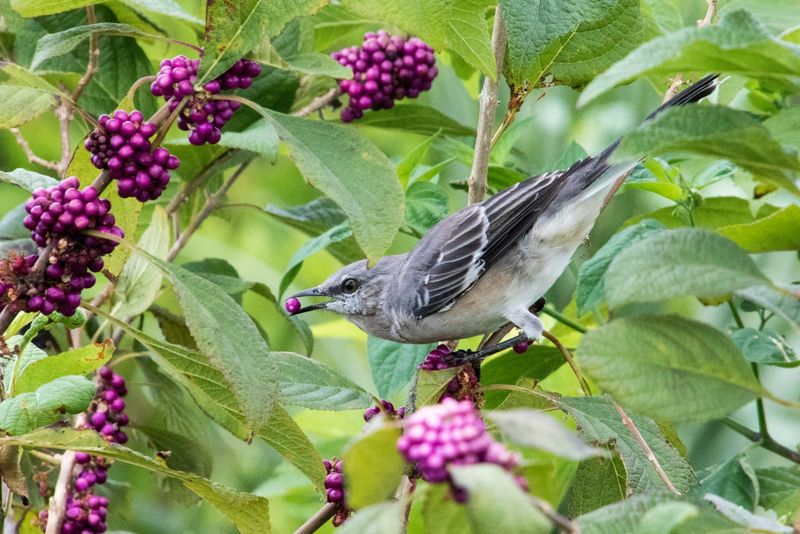
Mockingbirds are not always impressed by a store-bought feeder. In Florida, they often choose native shrubs and trees because those plants offer berries, insects, shelter, and safe perches through much of the year.
The right plants can turn a plain yard into a living buffet that also looks good from the porch. If you want more bird activity with less refilling and cleanup, these Florida natives are a smart place to start.
1. Beautyberry
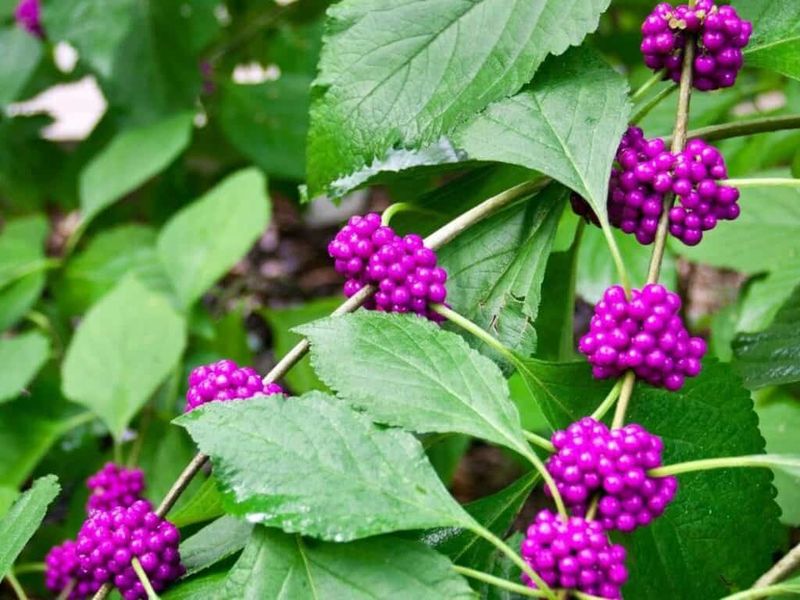
Bright purple berries make beautyberry look almost too colorful to be real, and mockingbirds notice them fast. In a Florida yard, this native shrub brings a splash of color just when many other plants start looking tired.
American beautyberry is different from the other plants on this list because its fruit is packed in tight bead-like clusters right along the stems. Mockingbirds can hop from branch to branch and pick at the berries without needing to hover or work hard, which makes the shrub feel like an easy snack station.
Plant it along a fence, near a back corner, or in a loose wildlife hedge where its arching branches have room to spread. It handles Florida’s sandy soil better than many fussy ornamentals, and once established, it usually needs little attention beyond occasional shaping.
The berries are most noticeable in late summer and fall, but the plant also supports insects during the warm months. That matters because mockingbirds feed on both fruit and bugs, especially when raising young or patrolling a territory.
2. Simpson’s Stopper
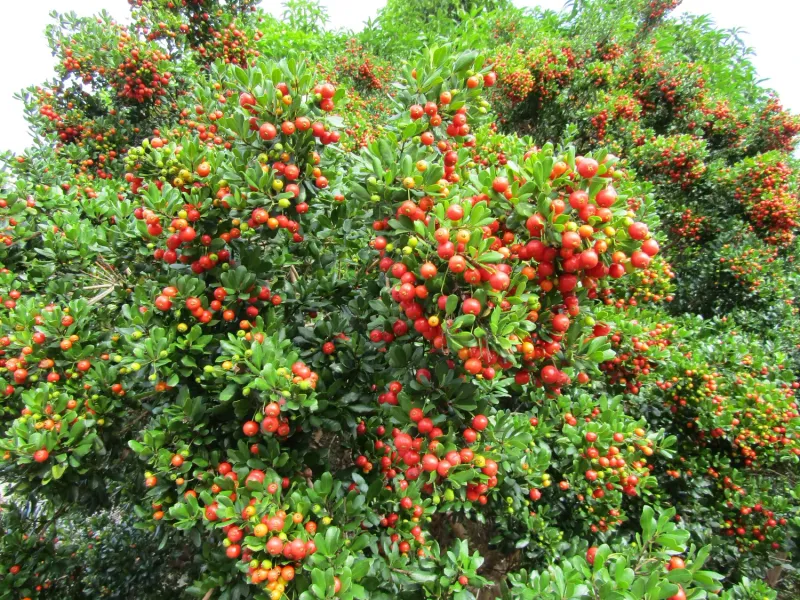
A neat hedge that doubles as bird food is hard to beat, and Simpson’s stopper earns its space by doing both jobs well. Its glossy leaves look polished enough for a front yard, but the berries make it much more useful than a plain green screen.
Mockingbirds are drawn to the small red to orange fruits, especially when the shrub is planted where they can perch, watch, and dart in for quick bites. Unlike a feeder that empties in a day, a mature Simpson’s stopper can provide repeated rounds of flowers, insects, and fruit in a landscape that stays attractive.
Homeowners often use it as a hedge, privacy planting, or corner anchor near patios and walkways. It tolerates pruning, which makes it easier to keep tidy around entries or property lines without removing its wildlife value completely.
Florida gardeners dealing with salt air, heat, and sandy soil often appreciate how adaptable this native can be in the right site. Give it sun to part shade and avoid overwatering once it is settled, since soggy roots are not its friend.
3. Wax Myrtle
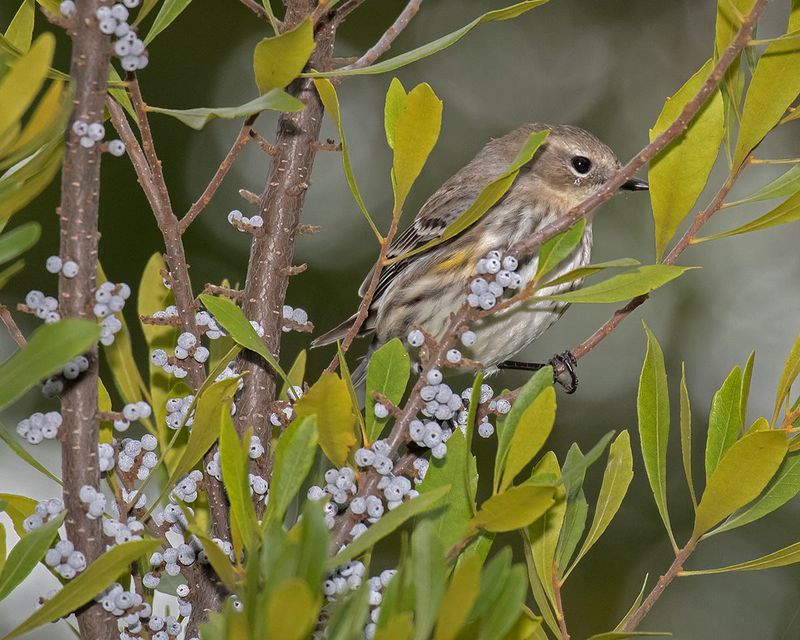
Some plants feel like the neighborhood diner for birds, and wax myrtle has that busy, always-open quality. Its dense evergreen growth gives mockingbirds cover, while its small waxy berries add a dependable food source in the cooler months.
Wax myrtle stands apart because it can work as a screen, small tree, windbreak, or informal hedge. In Florida yards where neighbors are close or utility views need softening, it gives you privacy while quietly feeding wildlife.
The berries are especially valuable when insects are less abundant, and mockingbirds may visit repeatedly once they learn where the fruit is. The plant also hosts insects, so it supports the bird’s mixed diet instead of offering only one kind of food.
Use wax myrtle along the back of a property, near a pond edge that does not stay constantly flooded, or as a natural-looking buffer. It grows quickly in many Florida settings, so give it enough room and prune with a light hand rather than shearing it into a stiff wall.
A bonus for practical gardeners: the foliage has a pleasant spicy scent when crushed. That little detail makes yard work around it more enjoyable than wrestling with a bland, high-maintenance shrub.
4. Firebush
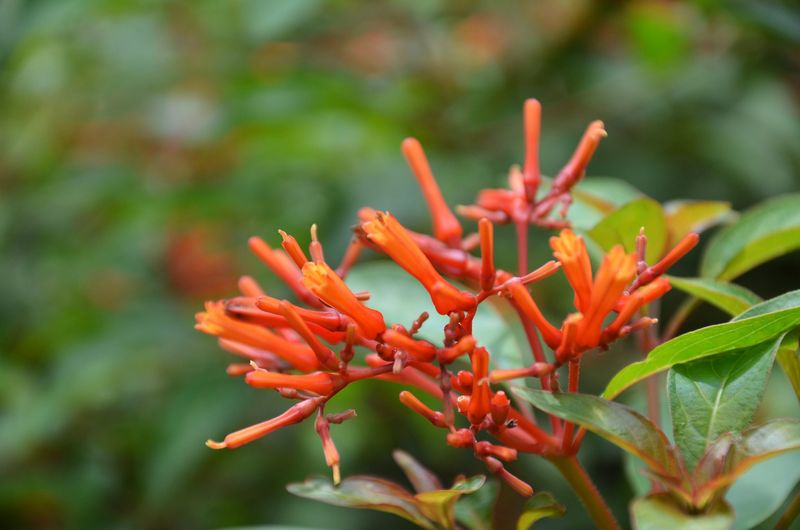
Firebush brings the drama first with hot orange-red flowers, then keeps the wildlife show going with small dark fruits. A mockingbird may not care about your color scheme, but it will care that the plant attracts insects and later offers berries.
Compared with quieter shrubs, firebush is the showy multitasker. Hummingbirds and butterflies often work the flowers, while mockingbirds benefit from the fruit and the insect life that gathers around a healthy native planting.
In much of Florida, firebush can become a large, loose shrub if given sun and space. In North Florida it may die back after cold snaps, while in warmer parts of the state it can stay fuller for longer, so match expectations to your region.
Plant it where you want movement and color, such as beside a patio, at the back of a pollinator bed, or near a sunny fence. It handles heat well once established, but like many natives, it appreciates good drainage rather than constantly wet feet.
If your neighbor’s feeder sits untouched in summer, firebush explains why. A living plant can provide nectar, insects, perches, and fruit in one place, which is a much richer deal for a sharp-eyed mockingbird.
5. Wild Coffee
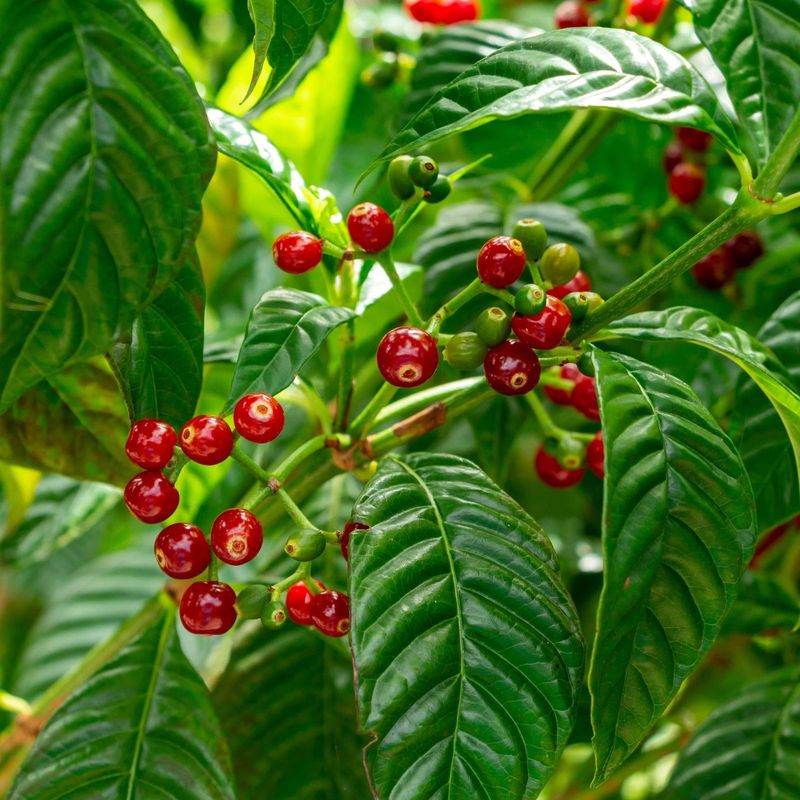
Not every bird-friendly plant wants blazing sun, and that is where wild coffee becomes a quiet hero. Under oaks, near shaded porches, or along the north side of a home, it fills a tough spot with glossy leaves and red berries.
Wild coffee is different because it helps gardeners turn shade into habitat instead of treating it like wasted space. Mockingbirds may visit for the fruit, while the plant also offers a leafy layer that makes a yard feel cooler and more natural.
The red berries look cheerful against the deep green foliage, though they are for wildlife rather than your morning mug. Despite the name, this plant is not the same as commercial coffee, which is a fun detail to share when someone asks about it.
Use wild coffee in part shade to shade, especially in areas protected from harsh afternoon sun. It can be a strong choice for South and Central Florida landscapes, while gardeners in colder parts of North Florida should consider local conditions and possible cold damage.
For a polished look, group several plants instead of planting one lonely shrub. The massed foliage reads clean from a distance, and the berries become easier for birds to find.
6. Marlberry
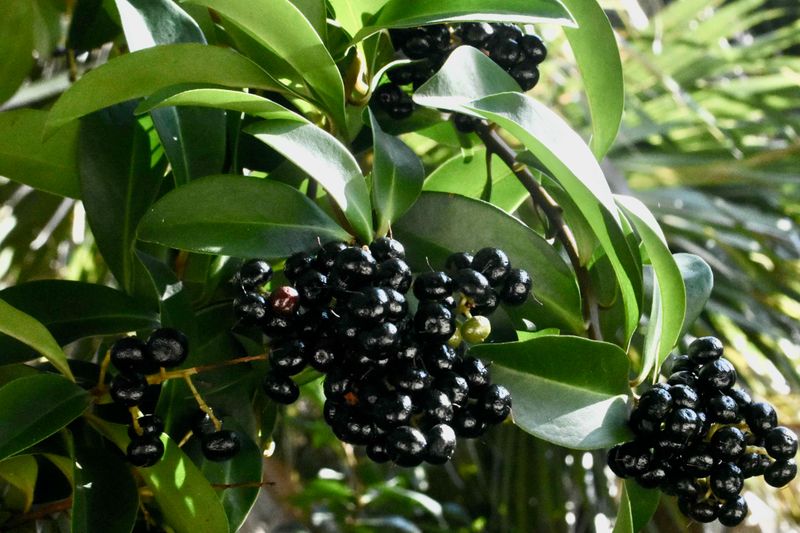
Marlberry has a slightly tropical look without feeling out of place in a Florida native yard. Its clusters of small flowers and dark berries give mockingbirds another reason to check the landscape instead of a plastic feeder.
What makes marlberry valuable is its role as a mid-sized shrub or small tree for warmer Florida gardens. It can add height and structure to a wildlife planting without becoming as massive as some canopy trees.
Mockingbirds feed on fruits from many native plants, and marlberry’s berries help extend the menu in yards that already have lower shrubs like beautyberry or wild coffee. Layering plants at different heights gives birds more choices for feeding, hiding, and watching for rivals.
Place marlberry in a mixed hedge, near the edge of a natural area, or as part of a backyard screen where it has space to develop. It tends to fit best in Central and South Florida, especially where freezes are not a regular problem.
For homeowners who want a less common native, marlberry feels like a smart upgrade. It is not the same old hedge everyone else planted, and it gives wildlife a practical reason to keep returning.
7. Seagrape
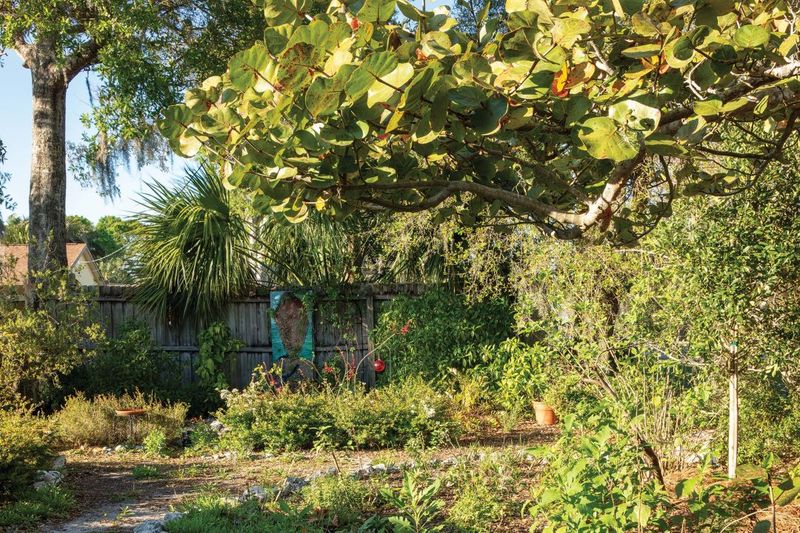
Along the coast, seagrape is the tough friend that does not flinch at salt spray, wind, or sandy soil. Its big round leaves create a bold look, and its grape-like fruit can draw birds when the clusters ripen.
Seagrape earns its place because it solves a real Florida problem: exposed coastal yards that burn through weaker plants. For mockingbirds, it offers fruit, sturdy perches, and leafy cover in places where a feeder may be ignored or constantly battered by weather.
Gardeners can grow it as a large shrub, hedge, or small tree depending on pruning and space. It is especially useful near beach homes, sunny property edges, and informal screens where a rugged native makes more sense than a delicate ornamental.
The fruit may appear from green to purplish as it matures, and wildlife often finds it before people pay much attention. Mockingbirds are opportunistic, so a seagrape with reachable fruit becomes part of their regular route.
Give this plant room and respect its size, since it can become broad and muscular in the right conditions. In colder inland areas it may not be the best fit, but in coastal South and Central Florida landscapes, it can be both handsome and hardworking.