
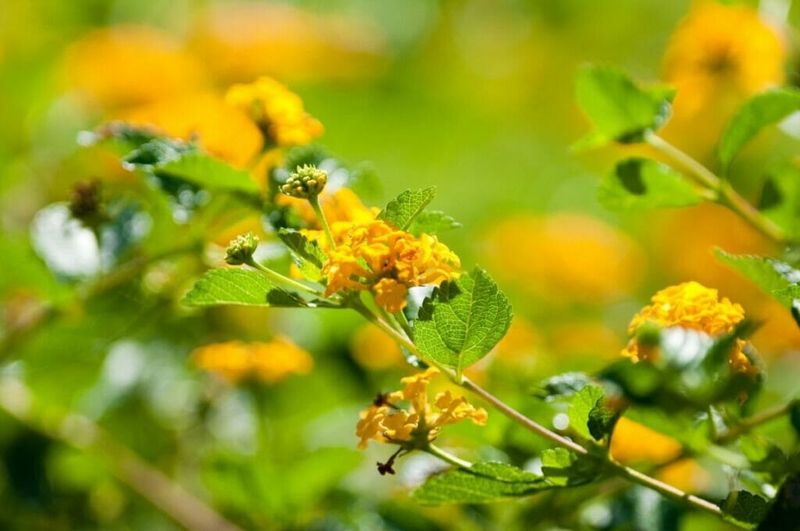
Texas lantana is one of the toughest flowering shrubs in the state, blooming from spring well into fall even when the heat turns brutal. But not every lantana in your yard is the same plant, and cutting the wrong one the wrong way at the wrong time can do more harm than good.
Before you grab the pruners, a quick check of what you actually have, and what shape it is in right now, will save you a lot of trouble. This guide walks you through the low-risk maintenance moves that make sense in late summer and explains why the big reset belongs in early spring.
Identify Texas lantana before you prune
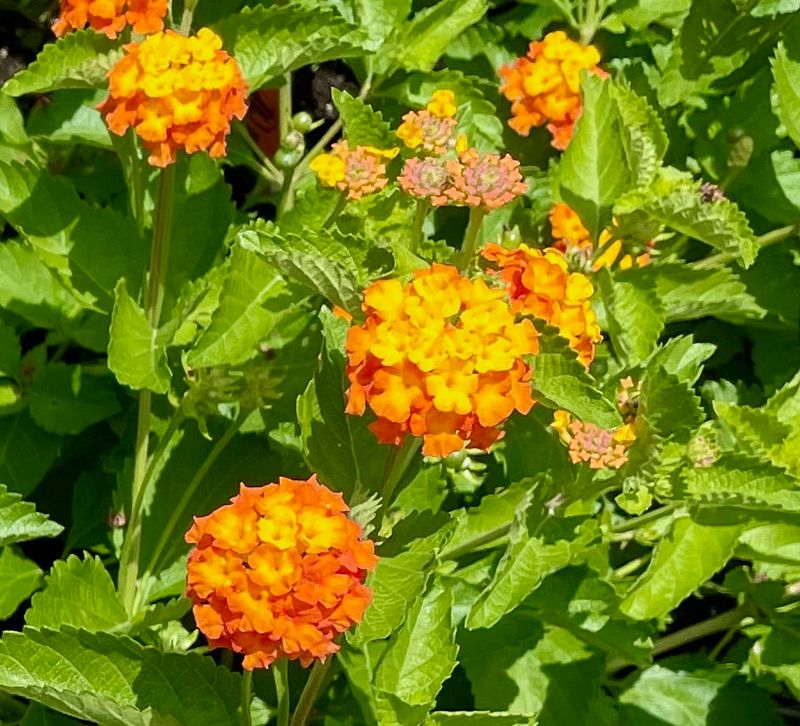
Not every plant labeled “lantana” at the garden center is the same species, and that distinction matters before you make a single cut. Texas lantana is most commonly identified botanically as Lantana urticoides, a regionally native shrub that current taxonomic references also associate with Lantana horrida.
According to the Native Plant Society of Texas profile on Lantana urticoides, this plant is a deciduous perennial shrub native to Texas and surrounding states, adapted to the region’s intense heat, thin soils, and periodic drought.
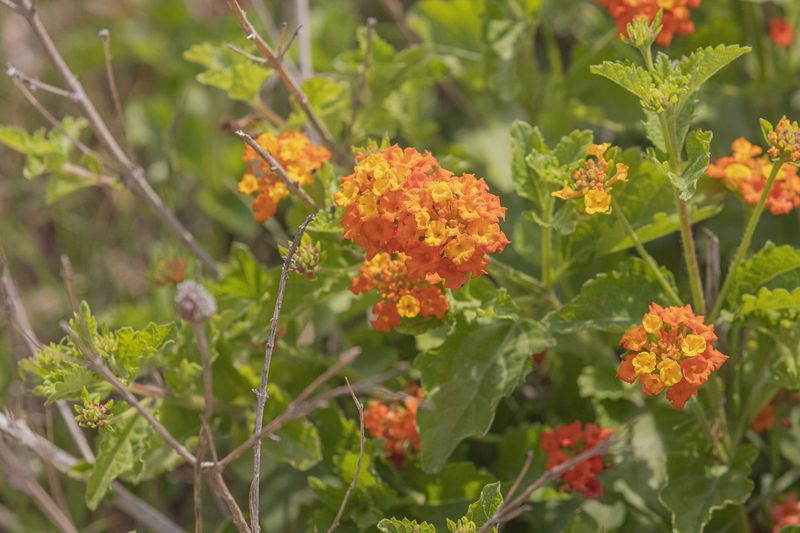
In the landscape, Texas lantana typically reaches somewhere between three and six feet tall and wide, though size varies with site conditions. The flower clusters are small and tightly packed, usually appearing in combinations of orange, yellow, and red.
Texas SmartScape notes that established plants can bloom from May through November, making it one of the longest-season flowering shrubs available to Texas gardeners. It performs best in full sun and well-drained soil, and it draws bees, butterflies, and hummingbirds reliably through the warm months.
The problem is that “lantana” is a broad category at retail nurseries. Lantana camara, a large-leaf tropical species and its many cultivars and hybrids, is widely sold across the South.
Varieties like “Dallas Red,” “New Gold,” and trailing types may be nonnative selections rather than Texas lantana, and Texas Invasives lists Lantana camara as an invasive plant concern in parts of the region. UF/IFAS similarly advises against planting Lantana camara in Florida due to its invasive potential.
Before applying any species-specific pruning advice, check the botanical name on the nursery tag or confirm identification through a local extension office. Advice written for Texas lantana does not automatically apply to ornamental hybrids, nonnative cultivars, or trailing types, and treating them as interchangeable can lead to the wrong cut at the wrong time.
Decide whether light maintenance makes sense now
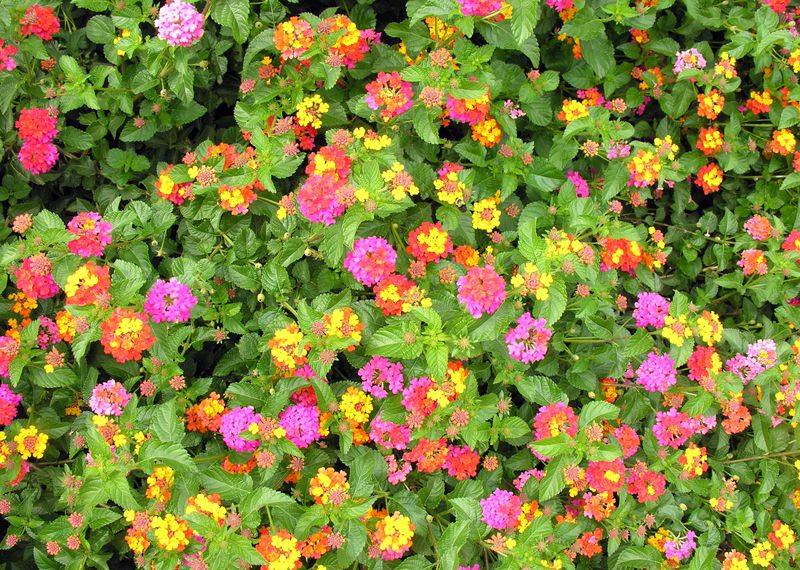
Before the pruners come out, run a quick plant health check. A healthy Texas lantana in late summer will have firm, upright stems, deep green leaves without significant browning or curling, and visible new growth or active flower production.
That is the plant that can handle light shaping without much risk. The one that needs a different approach is the plant that looks tired: wilted foliage that does not recover in the cooler part of the morning, leaves that are yellowing or scorched at the edges, stems that feel dry and brittle, or a root zone that has been bone-dry for weeks.
University of Arizona Cooperative Extension guidance on drought and extreme heat advises avoiding or minimizing pruning during drought and excessive heat because removing canopy reduces photosynthesis, exposes previously shaded tissue to sunscald, and can push the plant to produce stress-sensitive new growth it cannot support. That caution applies directly to late-summer Texas conditions, where triple-digit temperatures and water restrictions can push even tough natives to their limits.
Regional differences across the state add another layer of complexity. A plant in the Hill Country after a week of triple-digit heat with no rain is in a very different situation than one in a wetter part of East Texas that has received regular summer storms.
The calendar date alone cannot tell you whether your specific plant is ready for maintenance. What the plant looks like right now, and what the weather has been doing for the past few weeks, should drive that decision more than any general late-summer recommendation.
The action rule is straightforward: if the plant is stable, hydrated, and actively growing, light maintenance is a reasonable option. If there is any visible stress, wilting, scorching, or drought pressure, hold off and let the plant recover before you remove any canopy.
Deadhead faded flower clusters gently
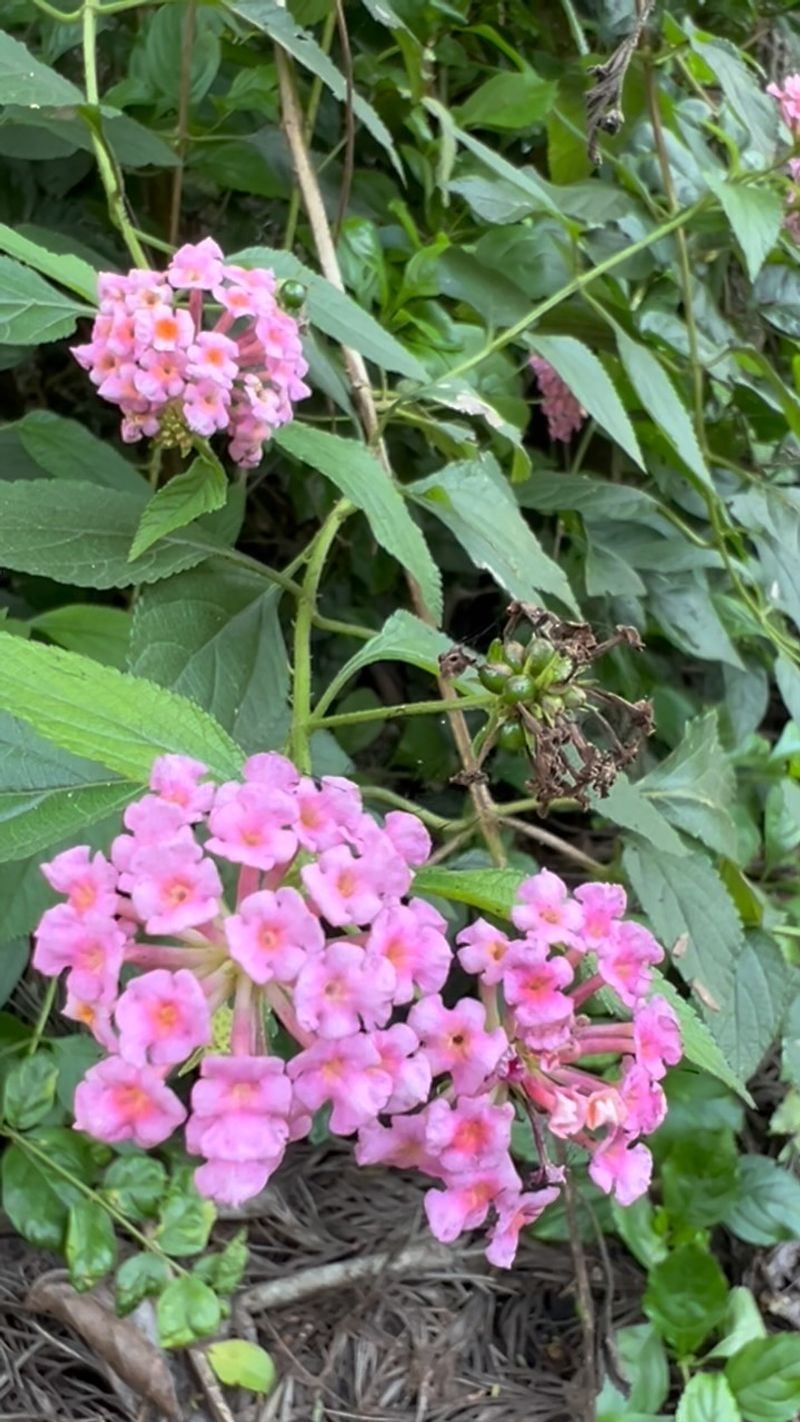
Deadheading is the lowest-stress maintenance move available for a late-summer lantana, and it is the right place to start. A faded flower cluster on Texas lantana will lose its color and begin to form small, round green berries as seeds develop.
Finding those spent clusters is straightforward: look for the dull, dried-out flower heads that no longer show color, and trace the supporting stem down to the first healthy set of leaves below it.
Make the cut just above that leaf node, removing the spent cluster and its stem without taking significant foliage with it. University of Wisconsin Extension’s lantana guide specifically identifies lantana as a plant that benefits from removal of spent flowers to support continued blooming.
University of Minnesota Extension’s July garden checklist also reinforces deadheading as a practical warm-season task for repeat bloomers. That said, deadheading supports continued flowering in repeat-blooming plants; it does not guarantee a dramatic increase in bloom count or intensity.
There is a real tradeoff worth thinking through before you remove every spent cluster. Texas lantana fruit is eaten by birds, and leaving some late-season berries on the plant can support wildlife through the fall.
UT Austin’s Brackenridge Field Laboratory notes that native lantana fruit is a food source for birds in the region. Removing all fruit serves the goal of a tidier plant with reduced seed development; leaving some serves the goal of supporting wildlife.
Neither choice is universally correct, and the right answer depends on what you are trying to accomplish in your yard.
For most gardeners doing late-summer cleanup, a middle path works well: deadhead the bulk of the spent clusters to keep the plant looking fresh, and leave a few fruiting stems in a less visible part of the shrub where birds can find them.
Shorten only the stems that sprawl
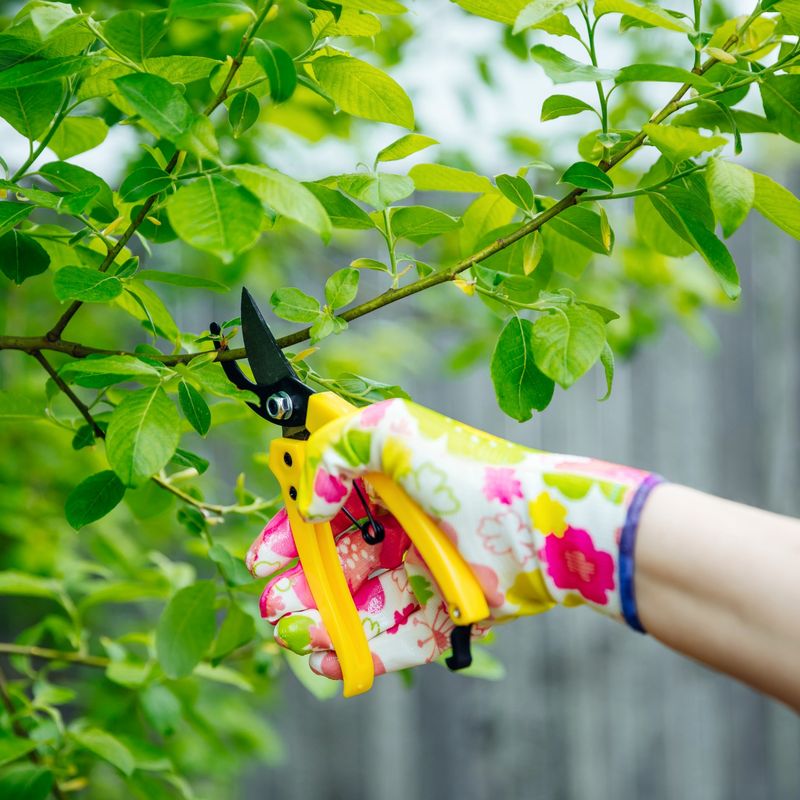
After deadheading, the next step for a healthy but overgrown Texas lantana is selective stem reduction. This is not a shearing job.
The goal is to identify the specific stems that are making the plant look unruly, long, or lopsided, and cut each one back individually to a healthy side shoot or leaf node lower on that stem. The rest of the plant stays exactly as it is.
Texas A&M AgriLife’s Earthkind proper pruning guidance outlines the importance of cutting to a healthy lateral branch or bud rather than leaving stubs. That same approach applies here: find the natural branching point, cut cleanly just above it, and move on to the next problem stem.
University of Georgia Extension guidance on pruning for blooms commonly references keeping routine pruning to around one-third of the plant as a general ceiling. Use that as an upper limit for late-summer work on Texas lantana, not as a target to hit.
Some Texas horticultural sources have described early- to mid-summer shearing as a technique that can encourage new buds and flowers. Bell County Master Gardener perennial plant guidance references this approach for lantana during the growing season.
That is weaker and less specific evidence than Texas A&M’s early-spring cutback recommendation, and it should not be read as support for severe late-summer pruning across the board, particularly when heat and drought are present.
Selective cuts serve two purposes at once: they tighten the plant’s outline and keep enough foliage in place to support photosynthesis and protect the interior stems from direct sun exposure. Shearing the whole shrub flat in late August removes that protection and can leave previously shaded wood exposed to sun injury at the worst possible time of year.
Pick your problem stems, cut them back deliberately, and leave the canopy otherwise intact.
Protect the plant through heat and drought
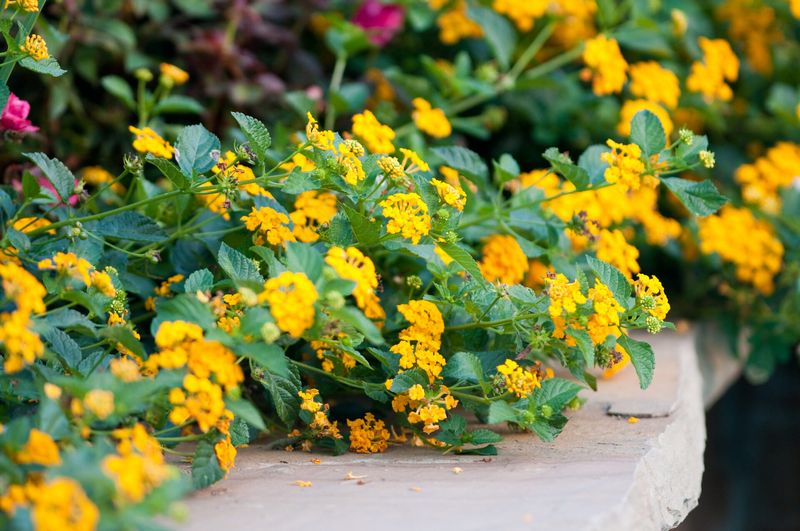
Light maintenance only pays off if the plant can recover and keep growing afterward. Two conditions matter most for Texas lantana after any late-summer trimming: sunlight and drainage.
Texas A&M AgriLife Extension’s current lantana guidance specifies that the plant performs best in full sun, meaning at least six hours of direct light daily, and requires excellent drainage. Excessive moisture can damage or kill established plants, so a bed that holds water after rain or irrigation is a problem regardless of the season.
Watering during prolonged heat deserves careful attention. Established Texas lantana tolerates drought well, but Texas A&M specifically describes deep, weekly watering as beneficial during summer heat while warning against overwatering.
The right approach is to water deeply and infrequently, allowing the soil to dry somewhat between sessions rather than keeping it constantly moist. Texas SmartScape also confirms that established plants have low water needs once rooted, reinforcing the point that too much water is as problematic as too little.
Fertilizer is not a routine bloom solution for established Texas lantana. Texas A&M states clearly that established plants generally do not require fertilizer.
Adding extra fertilizer during hot, dry conditions can push excessive vegetative growth, increase salt stress in the root zone, and create more problems than it solves. If a container-grown plant looks pale and underfed, a labeled fertilizer used according to directions may help, but that is a separate situation from a healthy in-ground shrub.
Flowering in Texas lantana responds to multiple factors, including sunlight, drainage, moisture levels, cultivar, and seasonal weather patterns. University of Arizona Extension’s heat and drought plant care resource reinforces that stressed plants prioritize survival over reproduction, which is a plain-language explanation for why a drought-hammered lantana may produce fewer flowers even after trimming.
Getting the basic conditions right gives the plant its best chance at continued bloom through fall.
Reserve the major renewal cut for early spring
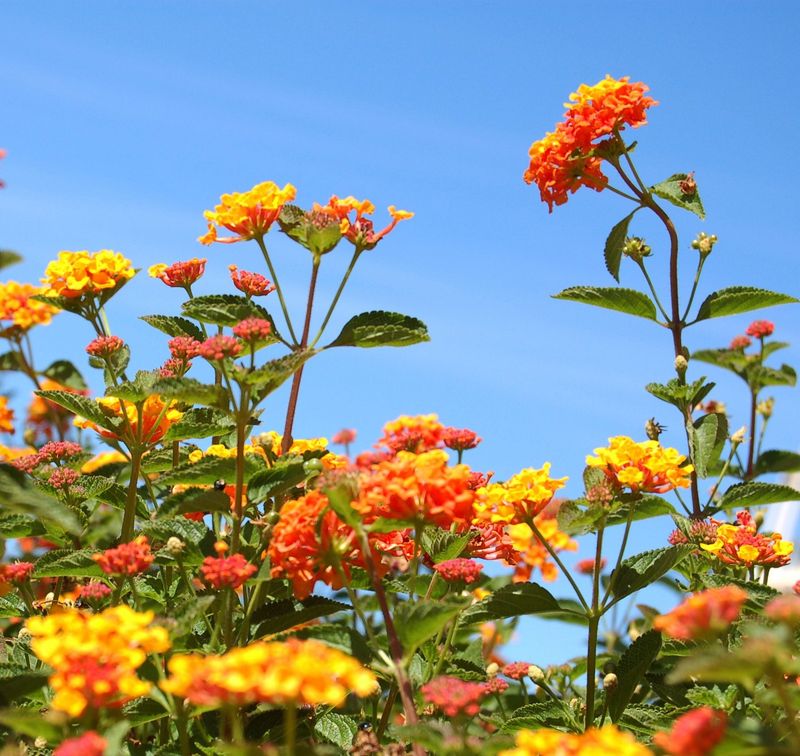
The hard haircut has a proper time, and late August is generally not it. Texas A&M AgriLife Extension recommends cutting Texas lantana to about 8 inches in early spring to encourage a flush of fresh growth for the season ahead.
That specific recommendation from a Texas-based land grant institution is the most reliable timing reference available, and it is the standard to hold onto when planning the major renewal cut.
The contrast between that early-spring reset and late-summer deadheading or selective stem reduction is significant. Early spring pruning happens when the plant is coming out of dormancy, temperatures are moderate, and the growing season ahead is long.
A cut to 8 inches at that point gives the plant weeks of favorable weather to push new growth before summer heat arrives. A comparable cut in late August removes the canopy that the plant has spent months building, at the moment when temperatures are still extreme and the days are shortening.
University of Arizona Cooperative Extension pruning guidance explains that severe pruning during heat or drought removes leaf area needed for photosynthesis and exposes previously shaded stems to direct sun, which can cause sunscald on tissue that has never been exposed. That risk is real in late summer, when even tough plants are running on reduced reserves after months of heat stress.
Early spring is the primary reference point for a substantial reset, but local conditions should still guide the exact date. Texas frost patterns vary considerably from the Panhandle to the Valley, and a plant that has been damaged by a late freeze needs to be assessed before cutting.
The practical rule: wait until you are confident the last frost has passed in your specific area, then make the renewal cut before the plant pushes significant new growth. If the plant is still showing stress from winter damage or drought when spring arrives, let it stabilize before cutting hard.
Handle lantana carefully and consider its wildlife role
Good tool habits make any pruning job safer for both the plant and the gardener. Use sharp, bypass-style pruners rather than dull or anvil-type blades that crush stems instead of cutting cleanly.
University of Georgia Extension pruning guidance recommends disinfecting blades between cuts when removing diseased material, with a one-part bleach to nine-parts-water solution as one practical sanitation option. Even if the plant looks healthy, wiping blades clean between plants is a sound habit that reduces the chance of spreading pathogens.
Gloves are worth wearing whenever you work with lantana. Several toxicity references in the extension literature cover lantana foliage, sap, and unripe berries, but the evidence varies by species.
UF/IFAS toxicity guidance and University of Arizona’s plants with potential toxic components resource address lantana-related concerns, while NC State Extension covers trailing lantana toxicity as a separate species. These references concern lantana broadly or specific nonnative species rather than Texas lantana specifically, so do not treat them as definitive proof about Lantana urticoides.
The practical precaution is the same regardless of species confirmation: wear gloves when pruning, keep clippings and berries away from children, pets, livestock, and grazing animals, and dispose of pruned material carefully until you have confirmed the plant’s identity and any associated risks through a reliable local source such as a county extension office.
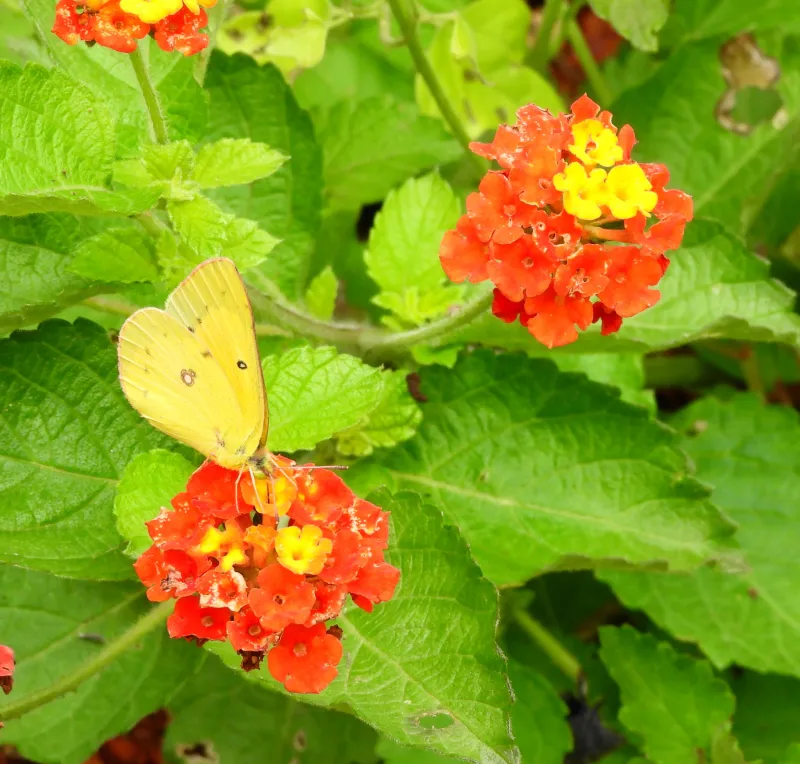
On the ecological side, Texas lantana is genuinely valuable to local wildlife. Texas A&M AgriLife and UT Austin’s Brackenridge Field Laboratory both document that Texas lantana supports bees, butterflies, hummingbirds, and other nectar feeders through the long warm season.
Some late-season fruit also feeds birds. That wildlife value is one more reason to avoid stripping the plant bare in late summer when pollinators and birds are still actively using it.
Use the corrected late-summer rule
The practical sequence for late-summer Texas lantana maintenance comes down to a few clear steps. First, confirm the plant is actually Texas lantana, Lantana urticoides, rather than an ornamental hybrid or nonnative species.
Second, check whether the plant is healthy and actively growing before making any cuts. If it is wilted, scorched, or drought-stressed, skip maintenance and let it recover.
For a stable, overgrown plant, deadhead faded flower clusters by cutting just above a healthy leaf node, and selectively shorten only the longest or most awkward stems, keeping total removal well under one-third of the canopy. Keep the plant in full sun, water deeply but infrequently during prolonged dry periods, and skip fertilizer.
As Texas A&M AgriLife Extension recommends, save the major renewal cut, down to about 8 inches, for early spring after your local frost risk has passed.
This approach supports sound late-summer maintenance without promising a specific fall bloom result. Texas SmartScape notes that Texas lantana already has one of the longest bloom periods of any native shrub in the region.
The flowers that follow in fall will depend on sunlight, drainage, rainfall, and weather, not on how aggressively you cut in August. A plant that is healthy, well-sited, and left mostly intact is already doing exactly what it was built to do.