
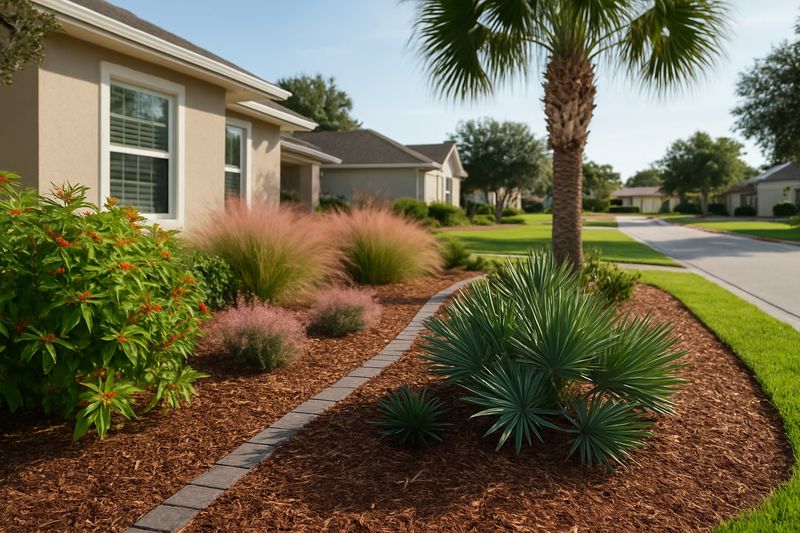
Some familiar Florida yard plants are starting to show up on more local banned, restricted, or removal lists. They may look pretty, shady, or easy to grow, but many spread into parks, wetlands, canals, and neighbors yards.
For homeowners, knowing which plants are a problem can save money, cleanup time, and trouble during a landscape update. Here are seven plants to check for before your next trim, mulch day, or fall planting project.
1. Brazilian Pepper
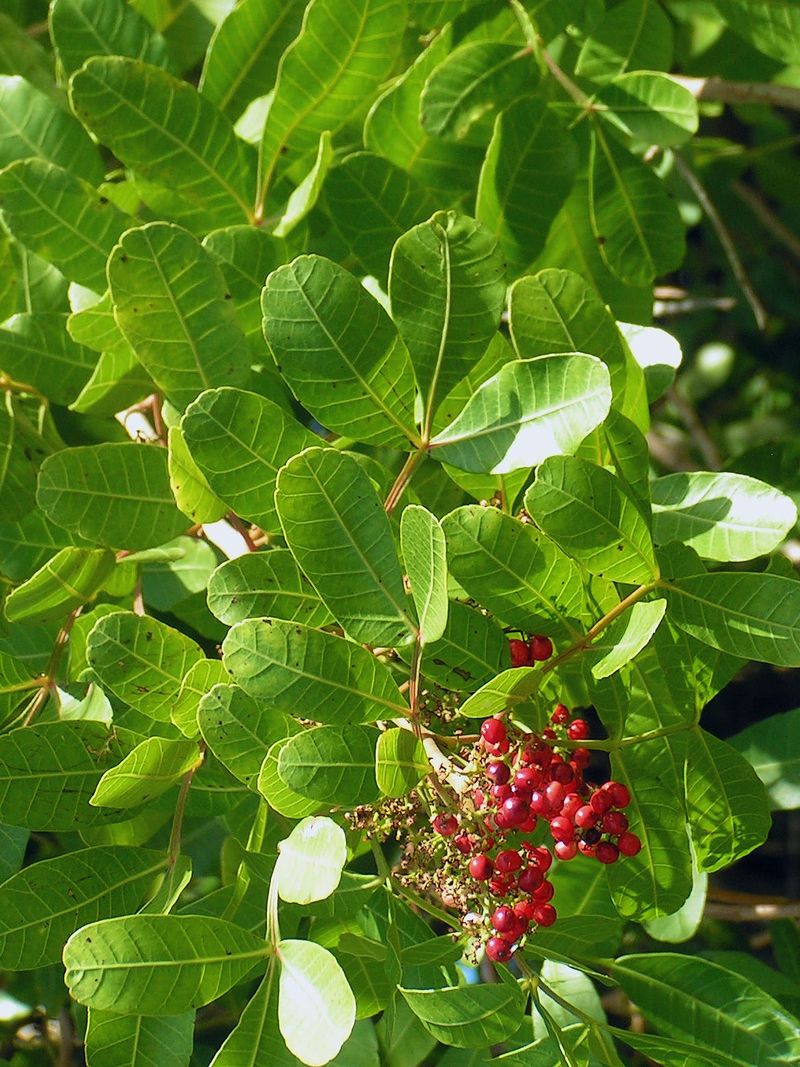
Red berries can make Brazilian pepper look almost festive, but Florida land managers know the story gets messy fast. Birds eat the fruit, spread the seeds, and suddenly one backyard shrub becomes a problem along roadsides, mangroves, pastures, and preserve edges.
In many parts of Florida, Brazilian pepper is treated as one of the worst invasive landscape escapees. It forms thick walls of growth that crowd out native plants and make it harder for birds, butterflies, and small wildlife to find the food plants they actually need.
In South and Central Florida especially, it can turn a quiet fence line into a seed factory.
Homeowners often spot it after noticing red berries in fall or winter, or after a hard pruning causes it to resprout even thicker. Cutting it down without follow-up can make the plant come back from the stump, so removal usually takes patience and the right control method.
UF-IFAS and local extension offices can guide safe options for your county.
For a better yard swap, look at Simpson stopper, yaupon holly, or native firebush. They offer color, wildlife value, and a cleaner conscience without sending invasive seedlings into every open patch nearby.
2. Australian Pine
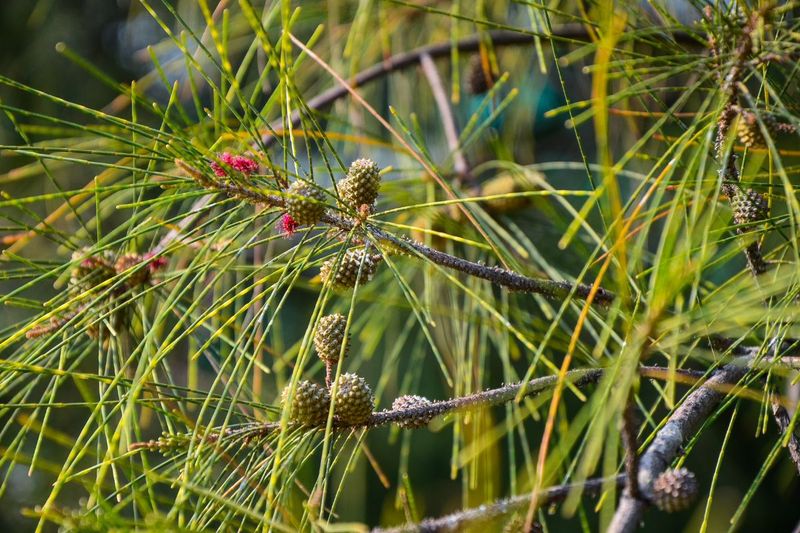
Along old beach roads, Australian pine can feel like part of the Florida scenery, whispering in the wind and dropping a carpet of brown needles. The problem is that its good looks come with weak habitat value and a habit of taking over sandy coastal sites.
Australian pine is not a true pine. It is a fast-growing tree that can spread into dunes, shorelines, and disturbed areas, where it shades out native beach plants that help hold sand in place.
That matters in storm country, because healthy dune plants play a real role in protecting property and wildlife habitat.
Counties and municipalities in coastal Florida have been especially alert to this tree because it can interfere with dune restoration and beach nesting areas. Its shallow roots and brittle limbs can also be a headache near homes during tropical storms.
If one is growing near a driveway, seawall, or roofline, removal may be more urgent than it first appears.
Consider replacing it with gumbo limbo in warmer South Florida spots, southern red cedar where appropriate, or native sea grape near coastal settings. A local native nursery can help match the right tree to salt, wind, and soil conditions.
3. Melaleuca
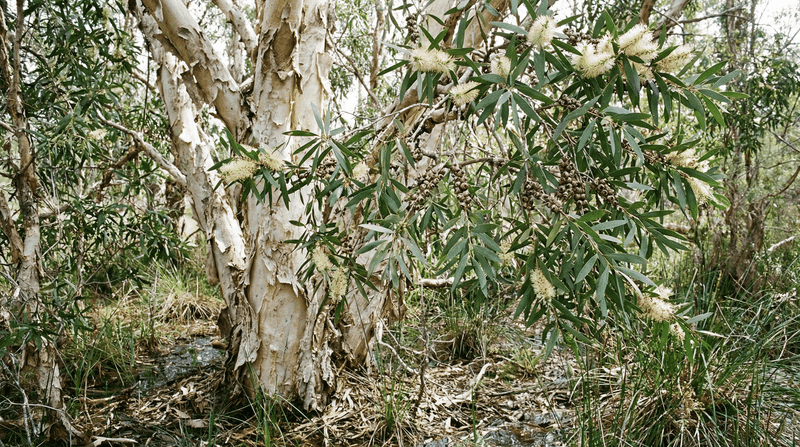
Paperbark peeling off the trunk can make melaleuca look interesting, almost like a tree with built-in texture. In Florida wetlands, though, that same tree has earned a tough reputation for spreading where it does not belong.
Melaleuca was once planted for drying wet land and as an ornamental tree, but it escaped in a big way. It can produce huge numbers of tiny seeds, and those seeds often move after pruning, storm damage, fire, or disturbance.
In wet areas, melaleuca can form dense stands that push out native cypress, sawgrass, and other plants tied to Florida wildlife.
Backyard owners may still find older melaleuca trees near canals, drainage swales, vacant lots, or homes built before today’s invasive plant awareness. The tree is especially concerning because storm season can break branches and spread seed capsules.
If your property backs up to a waterway, that risk becomes more than a yard issue.
Do not move cut branches or seed-bearing material without checking local disposal rules. For replacement shade, ask your county extension office about pond cypress, dahoon holly, sweetbay magnolia, or other site-suited native trees.
The best pick depends on how wet your soil stays after heavy rain.
4. Air Potato
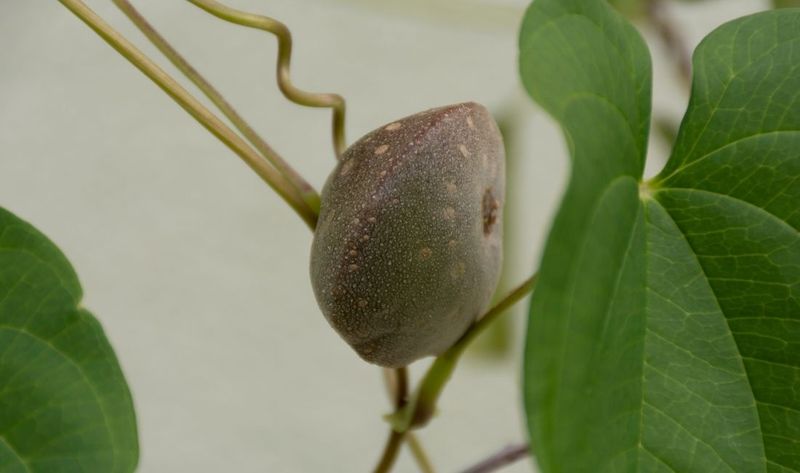
One strange little brown bulbil on a vine can look harmless, almost like a garden oddity a kid might pocket. Give air potato a warm Florida season, and that oddity can become a curtain of vines over shrubs, fences, and tree canopies.
Air potato is a twining vine known for its heart-shaped leaves and potato-like aerial bulbils. Those bulbils drop to the ground and start new plants, which is why tossing them into a compost pile can accidentally keep the invasion going.
In many yards, the vine hides in hedges until summer growth makes it obvious.
What makes air potato different from many invasive shrubs is speed. It can climb quickly, block sunlight, and smother native plants before a homeowner realizes how much ground it has covered.
Florida has even used biological control insects in some areas to help reduce its spread, which shows how serious the problem became.
For at-home control, bag the bulbils, remove vines carefully, and keep checking the same spot for regrowth. Do not plant it as a novelty vine.
If you want a climbing plant with pollinator value, look into native corkystem passionflower or coral honeysuckle for a trellis or fence, matched to your region and light.
5. Carrotwood
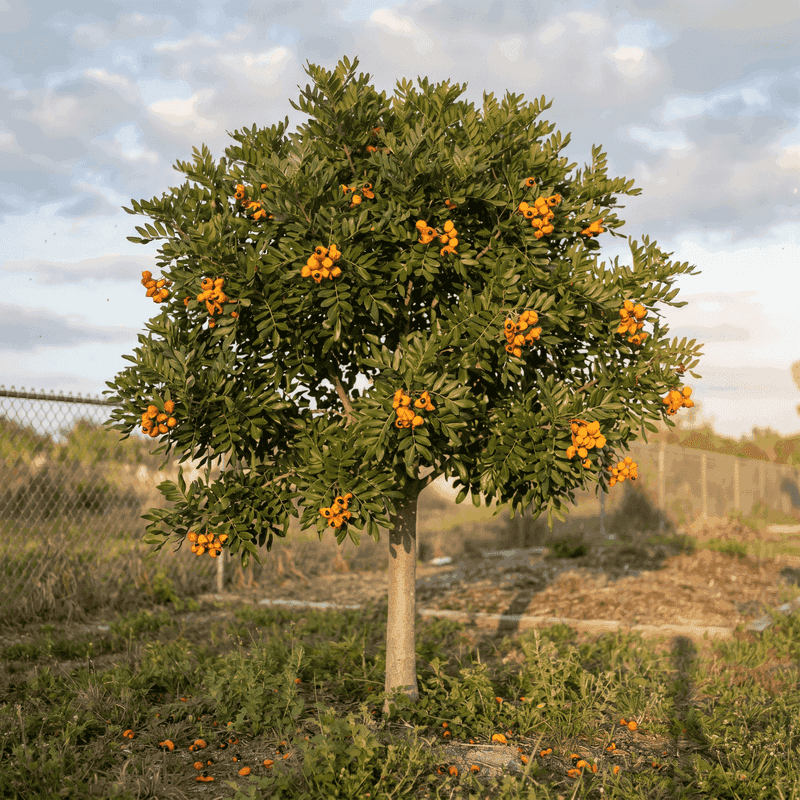
At first glance, carrotwood seems like the tidy neighborhood tree everyone wants. It has a neat canopy, glossy leaves, and a size that fits many suburban lots, which is exactly why it was planted so often.
The trouble starts when its fruit reaches birds. Seeds can travel into natural areas, hammocks, and coastal habitats, where carrotwood may crowd young native trees.
South Florida counties have paid close attention to it because it can move from polished landscapes into sensitive plant communities.
Carrotwood stands apart from the more obviously wild-looking invaders because many specimens still look intentional and well cared for. A homeowner may not realize the tree is an issue until a local plant list, HOA landscape update, or county rule flags it.
That can be frustrating, especially if the tree provides shade in a hot driveway or front yard.
If removal is required or recommended in your area, plan the replacement before the canopy comes down. Native options such as wild lime, Simpson stopper, paradise tree, or dahoon holly can provide structure without the same invasive baggage.
In sandy soil, give young replacement trees a strong start with correct watering during establishment, then taper to a more low-care routine once roots spread.
6. Skunk Vine
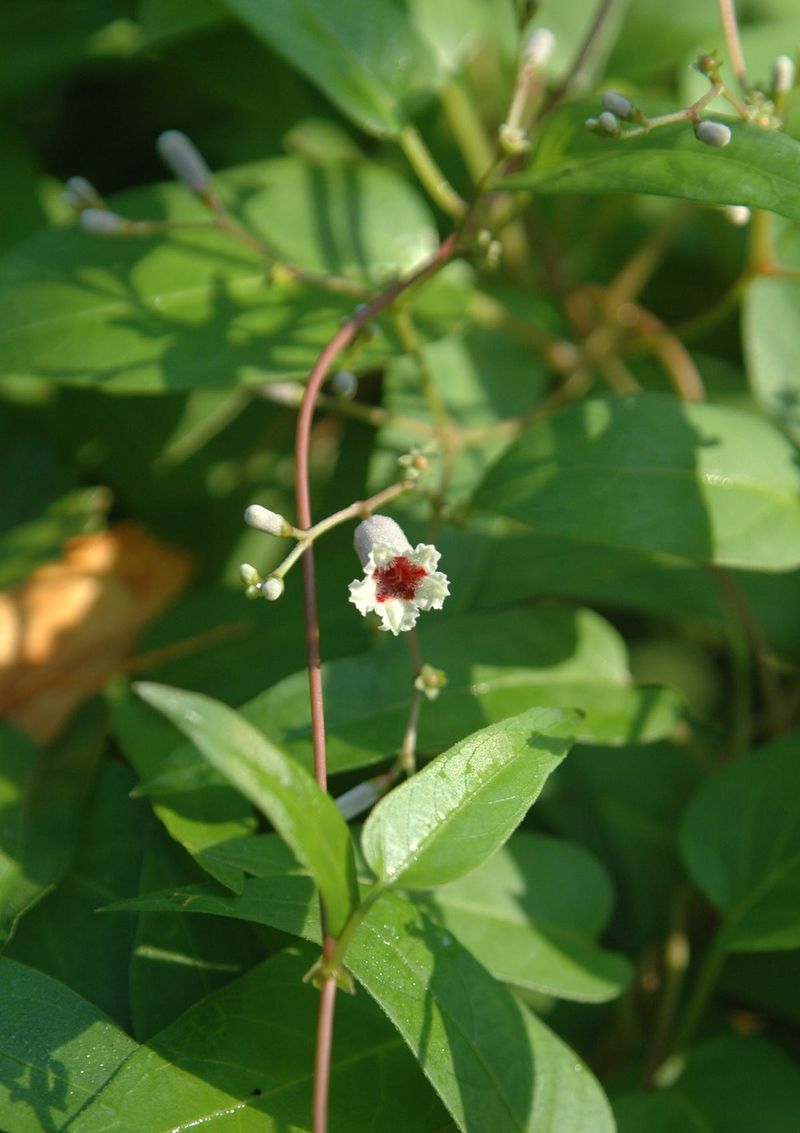
A crushed leaf gives skunk vine its memorable name, and yes, the smell can be as unpleasant as advertised. The bigger issue is not the odor, but how quietly it can thread through a yard edge before taking over nearby plants.
Skunk vine grows as a climbing and trailing vine, often weaving through hedges, understory plants, and woodland borders. In Florida, it has invaded natural areas where it blankets native vegetation and changes the look and function of the plant community.
It is especially troublesome in warm, moist sites where growth can stay active for much of the year.
Unlike showy invasives that announce themselves with bright berries or flowers, skunk vine can be sneaky. A homeowner might notice only a few vines at first, then find the same plant tangled through a whole shrub row months later.
That makes early identification valuable, especially for properties near preserves, canals, or shaded drainage corridors.
Hand-pulling small patches may work when roots are removed, but larger infestations often need repeated follow-up. Bag removed pieces instead of leaving them where they can reroot.
For a greener fence or wildlife-friendly edge, ask about native passionflower, Carolina jessamine, or other noninvasive vines suited to your part of Florida.
7. Mexican Petunia
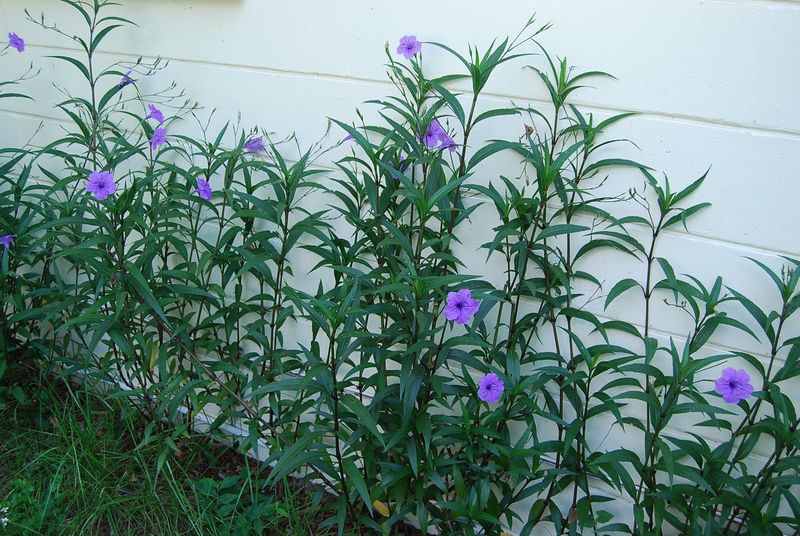
Purple flowers popping open after rain can make Mexican petunia feel like a generous garden friend. Many Florida gardeners planted it because it blooms with little fuss, handles heat, and fills bare strips quickly.
That same toughness is why it keeps landing on local no-plant and removal conversations. Mexican petunia can spread by seed and underground rhizomes, moving beyond beds into wet ditches, pond edges, and natural areas.
In Florida’s long warm season, a small patch can become a stubborn colony.
There is one detail homeowners should know before ripping everything out. Some sterile or less fertile cultivars have been promoted as better choices, and rules can vary by county or municipality.
Still, the common, fertile forms are the ones that worry many land managers because they do not stay politely inside a border.
If you are unsure what kind is in your yard, take photos of the flowers, leaves, and growth habit and check with your local UF-IFAS Extension office. For a safer purple-flower effect, consider native blue porterweed in suitable areas, scorpiontail, or other pollinator-friendly choices recommended for your region.
You will get color without giving your future self a digging project every few months.