
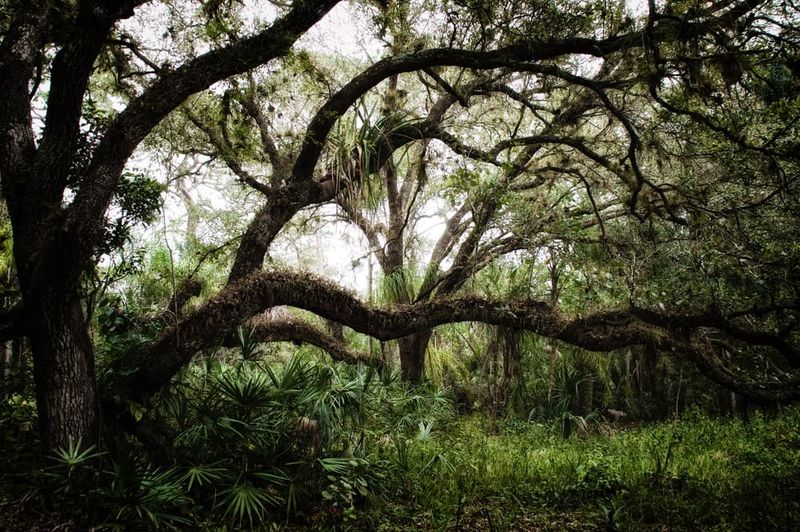
A good shade tree can change how your Florida yard feels, especially when the sun is harsh and the soil dries fast. The best native trees do more than cool the patio.
They feed birds, shelter butterflies, handle local weather, and make your yard feel alive without asking for constant care.
1. Live Oak
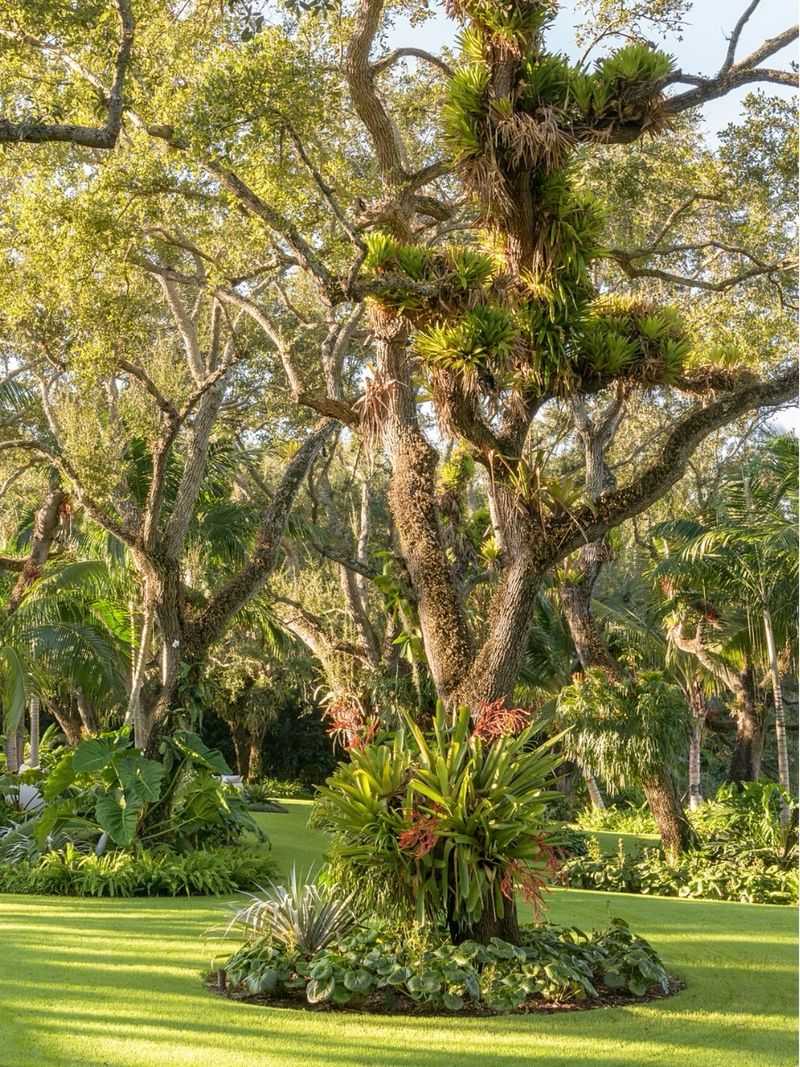
Few trees make a Florida yard feel settled faster than a live oak. One well-placed tree can shade a driveway, soften a hot front lawn, and give birds a layered place to perch, nest, and hunt for insects.
Live oak earns its spot because of sheer canopy power. Its broad, muscular limbs can spread much wider than the trunk is tall, which means more usable shade per tree than many upright choices.
In a Florida yard, that shade can cool nearby soil, reduce reflected heat from pavement, and make outdoor seating more comfortable during the long warm season.
Wildlife value is just as strong. Acorns feed squirrels, blue jays, woodpeckers, wild turkeys in rural areas, and many other animals.
The leaves also support caterpillars, which become food for nesting songbirds in spring.
Give live oak room from the start. It suits larger yards, corner lots, parkside homes, and places where its roots and limbs will not crowd roofs, septic lines, or small patios.
Once established, it handles Florida heat and periodic dry spells well, though young trees need steady watering while roots spread into sandy soil.
2. Southern Magnolia
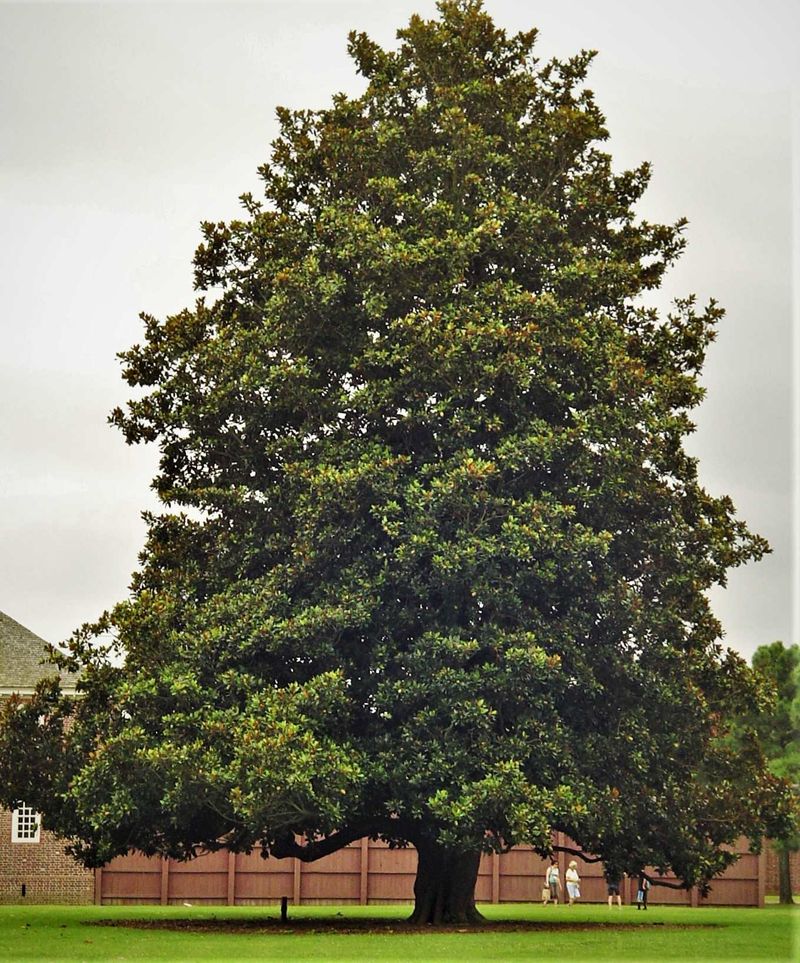
A summer evening feels different when a Southern magnolia is blooming nearby. The big white flowers have that old-Florida porch charm, but the tree is more than a pretty face.
Southern magnolia stands out because it brings shade, evergreen screening, flowers, and wildlife cover in one dense package. Its glossy leaves cast a darker, cooler shade than many open-canopy trees, making it useful along property lines, beside a two-story home, or near outdoor rooms where privacy matters as much as cooling.
The flowers attract beetles and other pollinating insects, while the red seeds draw birds and small mammals. Dense branching gives cardinals, wrens, and other backyard birds a safe place to tuck away from wind and predators.
In neighborhoods with limited natural cover, that shelter can be a major upgrade.
Plan for leaf drop, because magnolia leaves are thick and slow to break down. Rather than fighting them, use the fallen leaves as natural mulch under the canopy where turf often struggles anyway.
Southern magnolia prefers room, decent drainage, and a bed that is not constantly disturbed by raking, mowing, or foot traffic.
3. Red Maple
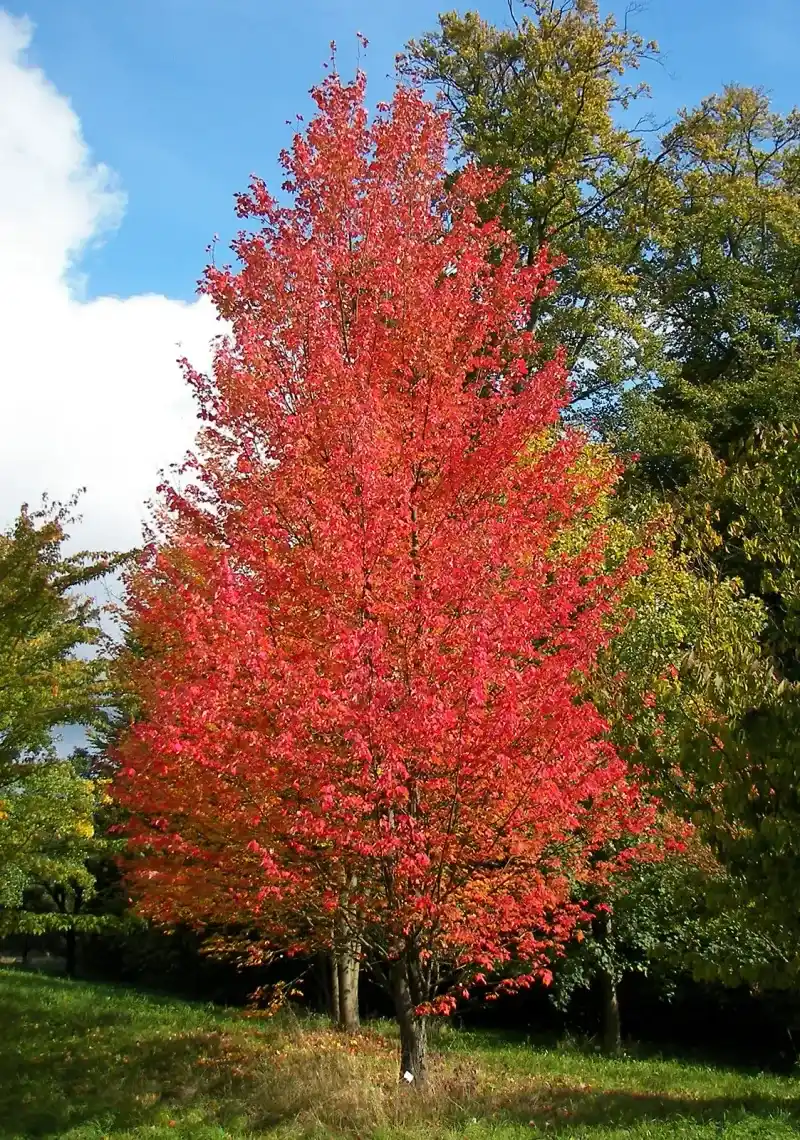
Got a damp corner that never behaves like the rest of the yard? Red maple can turn that soggy or seasonally wet space into one of the most useful wildlife zones on the property.
Red maple is different from the heavy-canopy giants because it works beautifully in moist areas, low spots, pond edges, and rain-garden style plantings. In much of Florida, especially central and north Florida, it can grow quickly and provide welcome shade while other trees are still getting started.
Early flowers provide nectar and pollen when many landscapes are still quiet. The winged seeds are eaten by birds and small mammals, and the branches offer nesting structure for songbirds.
Its light to moderate shade also allows some native groundcovers, ferns, and moisture-loving plants to grow beneath it.
Florida gardeners should match red maple to the right site. It does best where soil has consistent moisture or where runoff collects after rain, not in the driest, sandiest patch with no irrigation.
In storm-prone areas, proper pruning while young helps build a strong structure, especially if the tree is near a driveway or walkway.
Bonus charm: in cooler parts of Florida, red maple can offer a flash of fall color without needing a cold-climate yard.
4. Bald Cypress
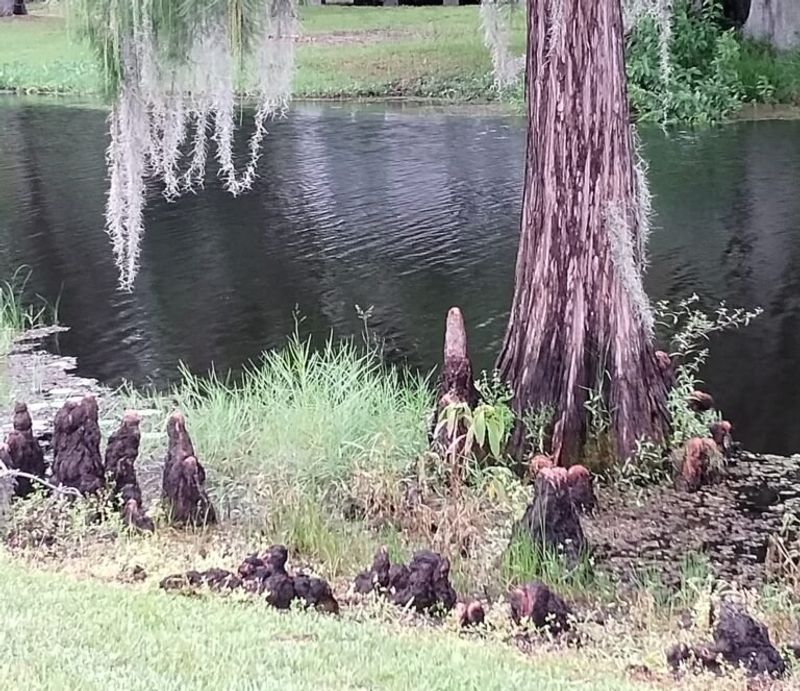
Near a pond, canal, ditch, or low backyard edge, bald cypress can look like it has always belonged there. Its soft, feathery foliage brings shade without making the yard feel closed in.
Bald cypress is the water-wise powerhouse on this list. It tolerates wet soil, seasonal flooding, and pond-edge conditions that would stress many common shade trees.
Once established, it can also handle drier periods better than many people expect, though it looks most at home where moisture is available.
The wildlife payoff is broad. Birds use the branches for resting and nesting, and the tree supports insects that feed fish, frogs, lizards, and songbirds.
In larger landscapes, bald cypress adds the kind of vertical habitat that makes a water feature feel more natural instead of like a bare hole in the lawn.
Use it where its mature size makes sense. A single tree can become tall and impressive, so it is better for spacious backyards, pond margins, acreage, and neighborhood common areas than tight foundation beds.
Cypress knees may appear in wet soils, which can be charming in a naturalized area but inconvenient beside mowed turf or a narrow walkway.
For Florida yards dealing with standing water after heavy rain, this tree turns a problem spot into habitat.
5. Gumbo Limbo
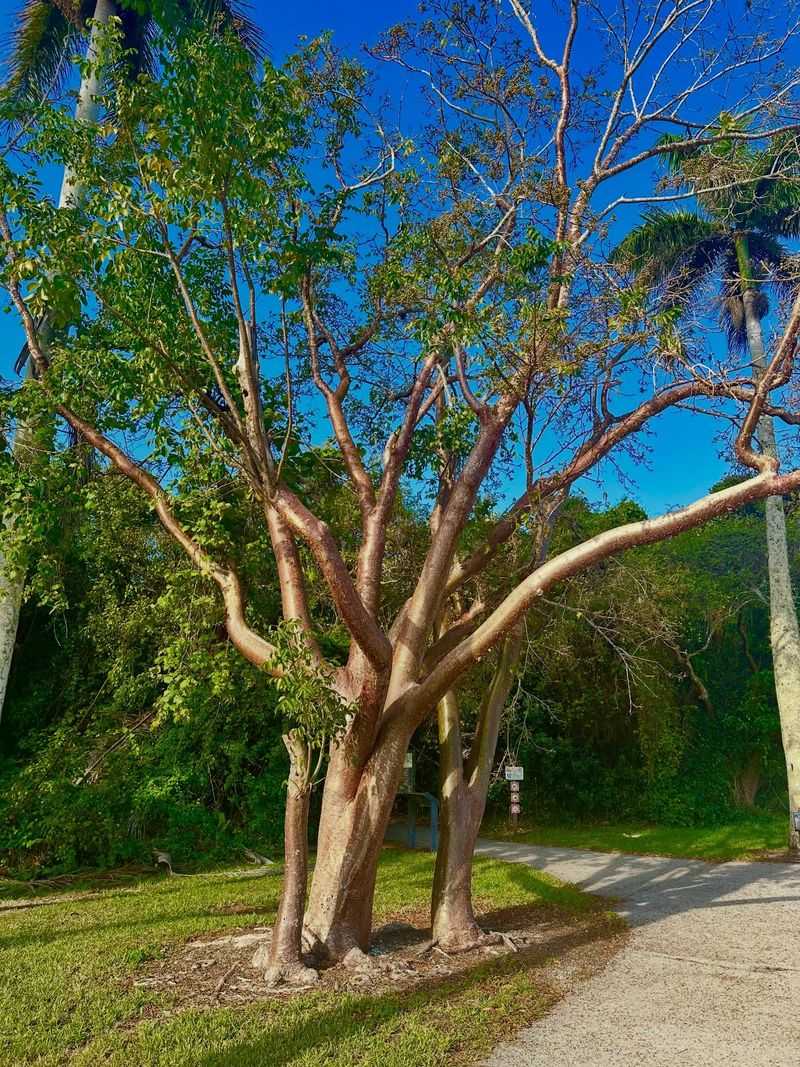
South Florida gardeners know the look: coppery peeling bark, relaxed limbs, and a canopy that seems made for bright coastal light. Gumbo limbo brings a tropical mood while still being a Florida native.
Gumbo limbo belongs on this list because it is one of the best native shade choices for warm coastal parts of the state. It grows fairly fast, handles sandy soil, tolerates salt spray better than many inland trees, and bounces back well from pruning when maintained properly.
That makes it especially useful for yards where heat, wind, and poor soil narrow the options.
Wildlife uses it in several ways. Small fruits attract birds, flowers support pollinators, and the branching canopy gives lizards and songbirds quick cover.
The tree is also the larval host for the dingy purplewing butterfly, adding a quiet but valuable butterfly connection.
Place gumbo limbo where winter cold is not a major issue. It is best for South Florida, the Keys, and protected warm coastal sites, not frosty inland yards.
Because the wood can be somewhat brittle, regular structural pruning while young is smart, especially before hurricane season.
Its biggest backyard gift is fast, breathable shade. Underplant with native coontie, beach sunflower, or other tough Florida natives for a low-care tropical bed.
6. Buttonwood
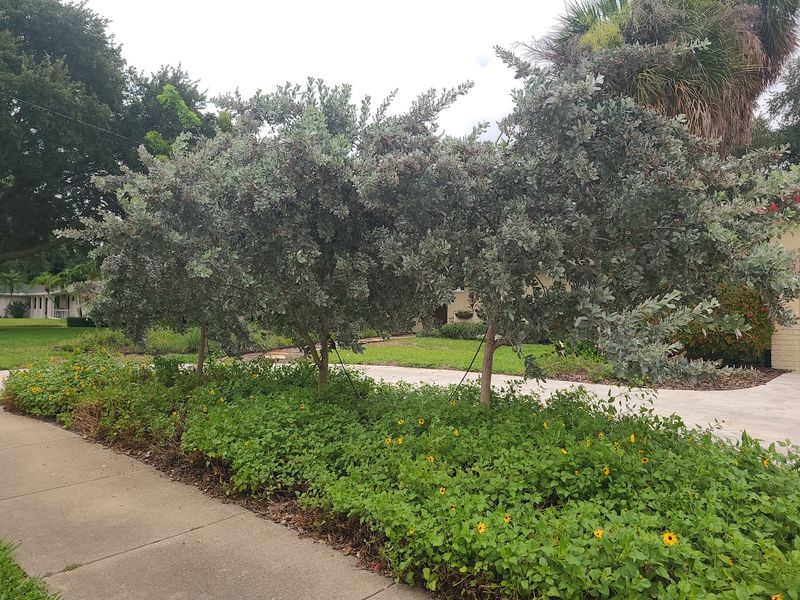
Salt air, sandy soil, and reflected heat can make coastal landscaping feel like a test. Buttonwood is one of the native trees that passes without looking fussy.
Buttonwood, especially green buttonwood, is valuable because it can function as a shade tree, screen, wind buffer, or clipped small tree depending on how you train it. In coastal Florida yards, that flexibility matters.
It can soften a hot driveway, protect a patio from wind, and create wildlife cover in places where more delicate trees would struggle.
The flowers are small but useful to pollinators, and the dense branching gives birds shelter. Its seed clusters add texture, while the leaves provide a clean, coastal look that fits modern, cottage, and naturalistic landscapes.
Silver buttonwood is often used ornamentally too, though gardeners should choose forms suited to their site and local guidance.
Buttonwood prefers good drainage once established and is not the tree for a constantly wet inland depression. Give it sun, avoid overwatering after establishment, and prune early to choose whether you want a single-trunk shade tree or a multi-stem screen.
For small to medium Florida yards near the coast, buttonwood offers a rare mix: toughness, shade, privacy, and habitat in a footprint that can stay manageable.
7. Wild Tamarind
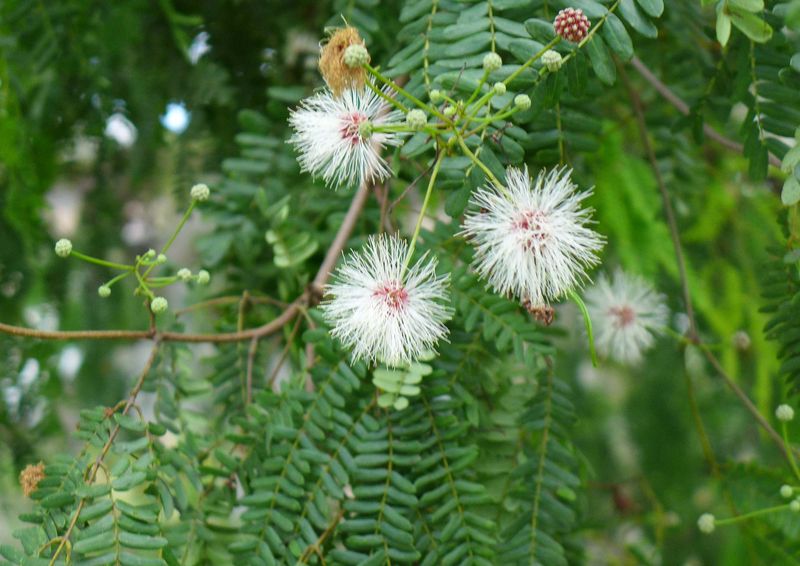
Not every shade tree has to feel heavy. Wild tamarind gives South Florida yards a bright, airy canopy that cools the ground while still letting the garden breathe.
Wild tamarind is the graceful habitat tree of the group. Its fine-textured leaves create filtered shade, which is ideal for patios, native understory beds, and smaller spaces where a dense canopy might make everything too dark.
In the right warm climate, it can become a beautiful shade tree without the bulky feel of live oak or magnolia.
Wildlife value is a major reason to plant it. The flowers attract bees and other pollinators, and the tree serves as a host plant for several butterfly species in South Florida.
Birds also use the canopy for cover and foraging, especially when the yard includes nearby shrubs, leaf litter, and native flowers.
Site selection matters. Wild tamarind is best for South Florida and other frost-free or nearly frost-free areas, especially where soil is well drained.
It fits sandy or rocky soils better than many lush-looking trees, which makes it a smart choice for homeowners who want beauty without pretending their yard has rich northern soil.
Use it where you want cooling shade that still feels light, lively, and full of movement.