
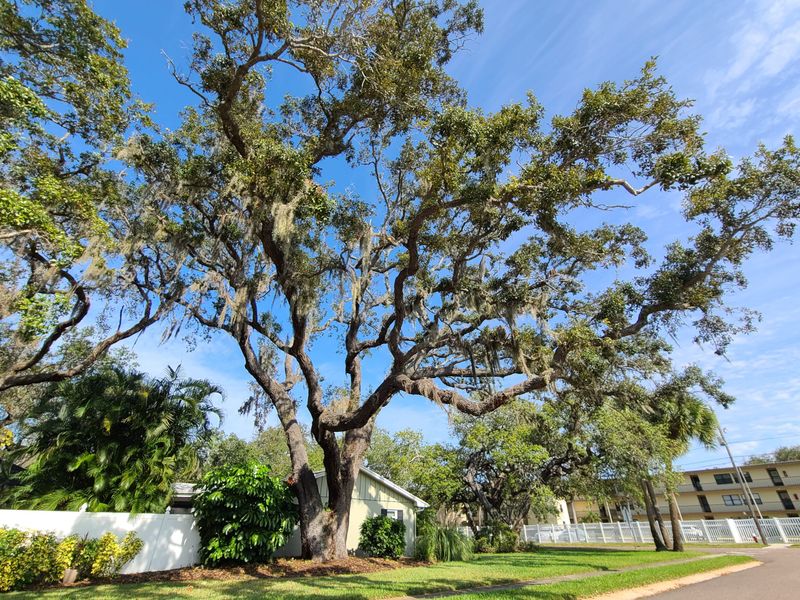
Florida heat can make a sunny yard feel like a skillet by midafternoon. The right native shade tree can cool patios, protect turf, soften glare, and give birds a safe place to land.
These trees are Florida-friendly choices that grow with real purpose, not just pretty leaves. Pick the one that fits your space, soil, and storm concerns, and your yard can feel more comfortable for years.
1. Southern Live Oak
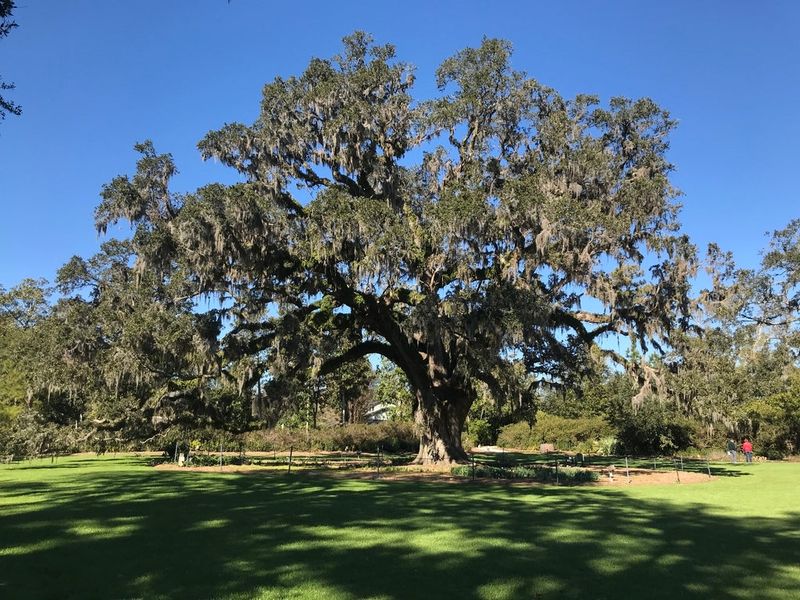
Walk under a live oak on a blazing Florida afternoon and the temperature seems to drop before you even reach the trunk. Its broad, low-spreading canopy is the classic Southern shade maker, and for good reason: it can cover a patio, driveway, or front lawn with deep, steady shade that feels useful every day.
Southern live oak is not the fastest tree on this list when compared year by year, but in Florida’s long growing season it can put on strong growth once established. Give it room, because the canopy can become much wider than the tree is tall, often making it better for larger yards, corner lots, parks, and homes with generous front lawns.
Florida homeowners also like live oak because it supports wildlife. Birds use the branches for cover, squirrels and other animals feed on the acorns, and native insects benefit from the tree’s long presence in the landscape.
Plant it away from foundations, septic systems, and tight sidewalks, since the roots and limbs need space. In sandy soil, water it regularly during establishment, then let it become the long-term anchor that makes the whole yard feel calmer, cooler, and more settled.
2. Red Maple
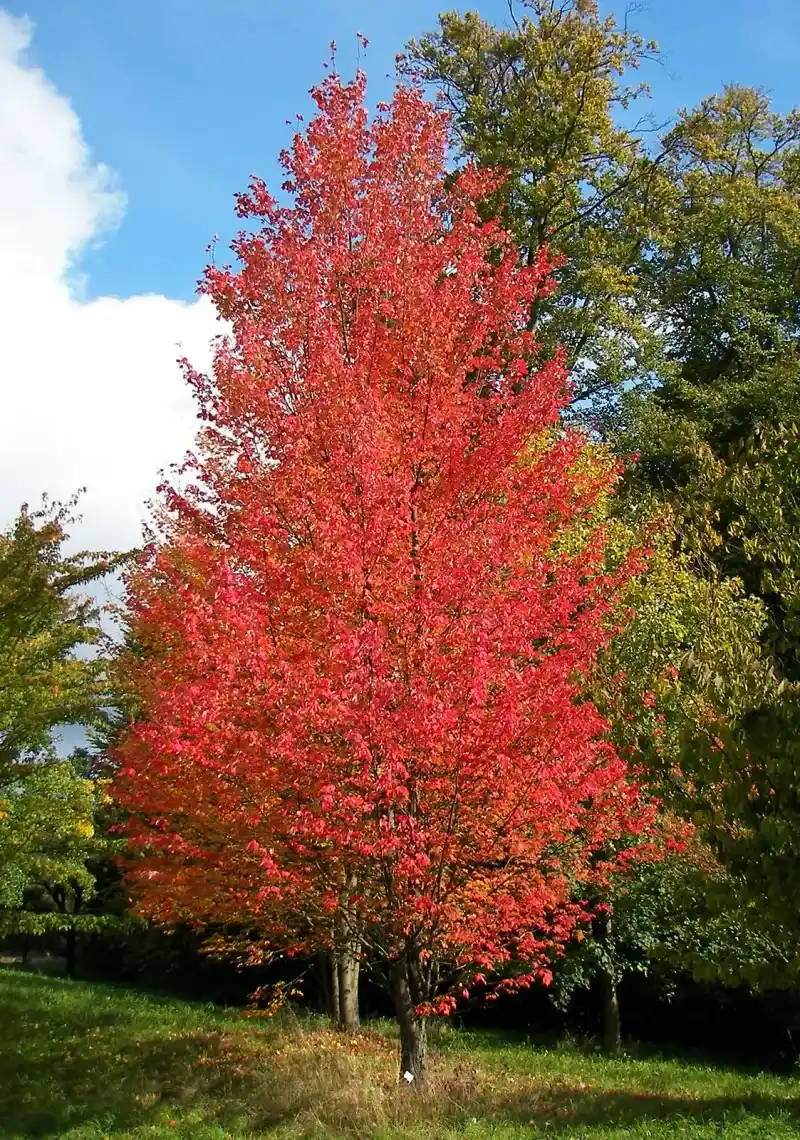
A wet corner of the yard does not have to stay empty, muddy, or full of weeds. Red maple can turn that tricky spot into shade, color, and wildlife cover, especially in North and Central Florida where it is commonly used in home landscapes.
Growth is often quick when the tree has moisture, which makes it one of the better native choices for homeowners who want shade sooner rather than later. It does especially well near swales, pond edges, low spots, and areas that stay damp after summer rain, though it should not be planted where water sits for too long without draining.
The big bonus is seasonal color. Florida fall color is not the same as a mountain postcard, but red maple can still bring red, orange, or yellow tones when many other yard trees stay plain green.
Use red maple where afternoon sun hits hard but the soil has more moisture than the average sandy bed. It creates a lighter shade than live oak, so grass and shade-tolerant groundcovers may still have a chance beneath it with good care.
For storm sense, choose a strong central leader when young and prune out tight, weak branch angles early. A well-shaped red maple can become a quick-cooling tree for yards that need beauty and practical shade in the same spot.
3. American Sycamore
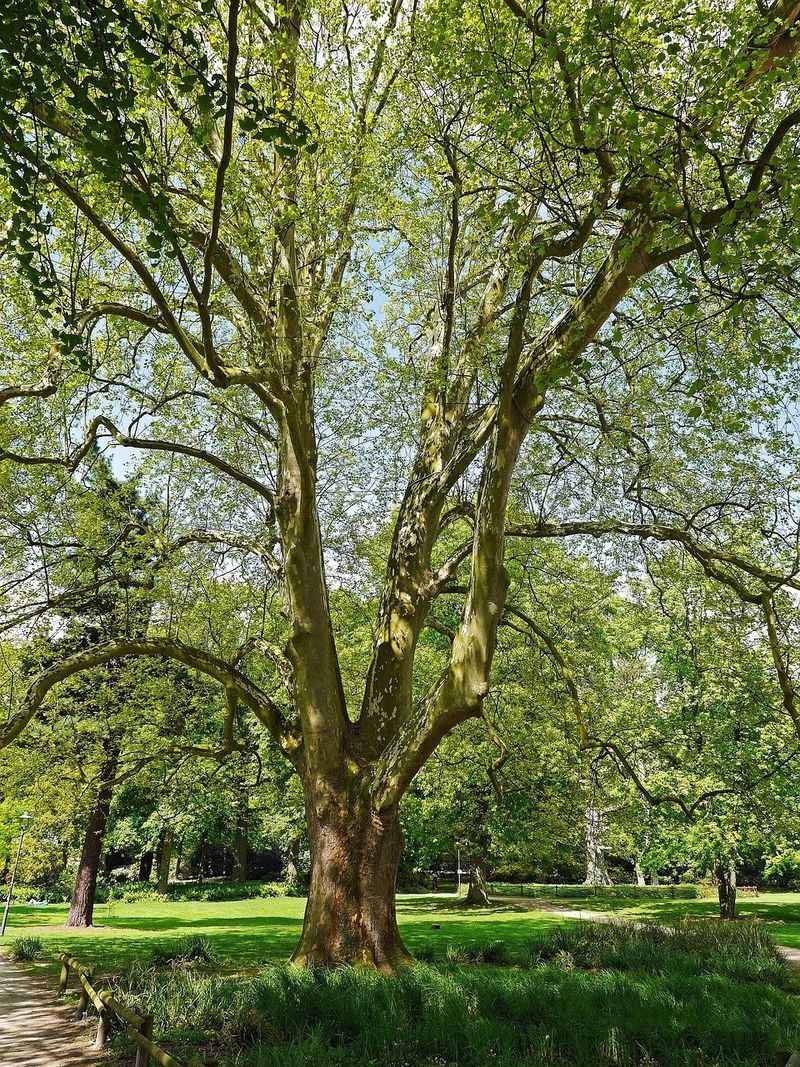
Few native trees look as dramatic as American sycamore once its pale, patchy bark starts showing off. In a big Florida yard, that white and tan trunk can become a living landmark while the huge leaves throw wide shade over open lawn.
American sycamore is a strong candidate when speed matters. In suitable conditions, especially with room and consistent moisture, it can grow rapidly and make a noticeable difference faster than many slower canopy trees.
The tradeoff is size. This is not a tree for a narrow side yard, a tiny patio bed, or a spot under power lines, because it can become massive with a large trunk, high canopy, and leaf litter that needs space to fall.
For homeowners with acreage, a deep backyard, or a broad drainage area, sycamore can be a practical heat fighter. It is especially useful where summer sun beats down on open turf and you want shade that feels bold, airy, and park-like.
Expect leaves, seed balls, and bark flakes as part of the package. If you prefer a spotless courtyard, choose another tree, but if you want fast shade and a big native presence, American sycamore earns its place.
4. Dahoon Holly
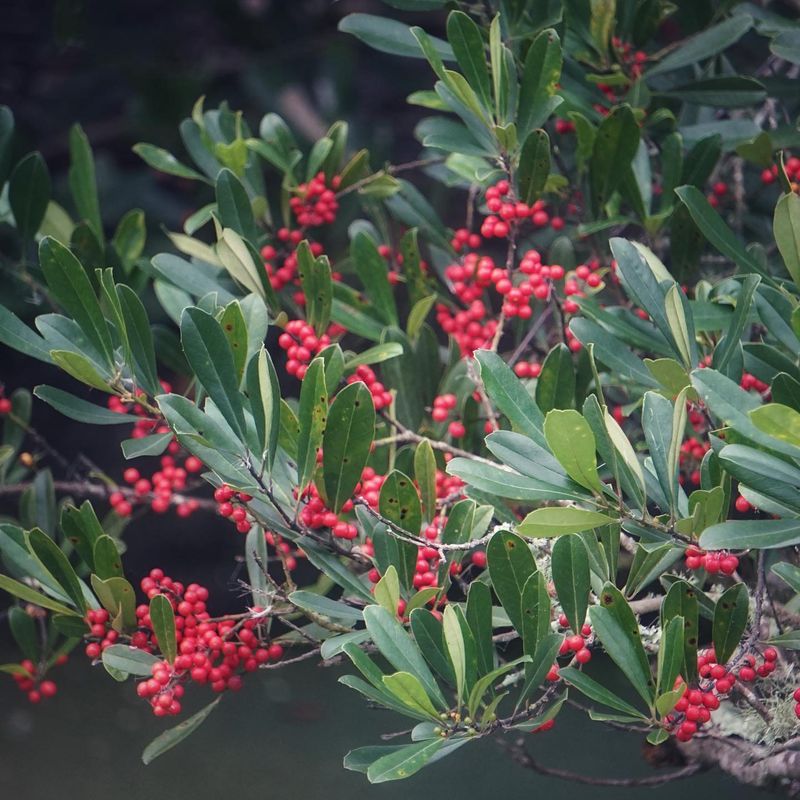
Not every cooling tree has to swallow the whole yard. Dahoon holly is the tidy native shade option for gardeners who want evergreen cover, bird activity, and a tree that fits where a giant oak would be too much.
Its upright shape works well near patios, along property edges, beside driveways, or in smaller front yards where filtered shade is more useful than a huge canopy. The glossy leaves stay attractive through the year, and female trees can produce red berries that birds notice quickly.
Dahoon holly naturally likes moist sites, so it is a smart pick for low areas, rain garden edges, or irrigated landscapes. It can handle sun to partial shade, but the best growth usually comes when young trees are watered well while roots spread into the surrounding soil.
Because the canopy is narrower and more refined, the shade is cooler and softer rather than cave-like. That makes it handy near windows, outdoor seating, and garden beds where you still want some light to reach shrubs or native wildflowers.
Plant male and female hollies nearby if berries are a priority, since fruiting depends on pollination. For Florida yards that need a polished native tree with wildlife value and moderate shade, dahoon holly is an easy one to love.
5. Winged Elm
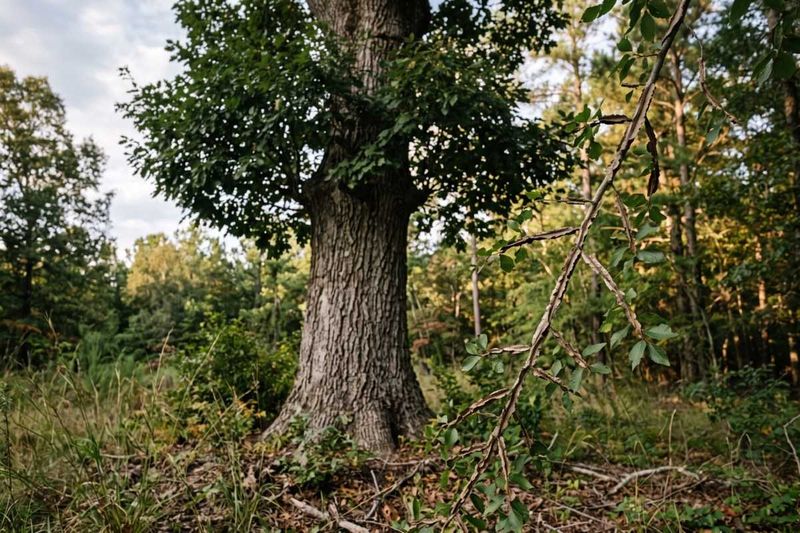
Along a hot sidewalk or driveway, winged elm can feel like the practical neighbor who always shows up with the right tool. It grows into a dependable shade tree without demanding the huge footprint of some bigger native canopy trees.
Winged elm gets its name from the corky ridges that can form along young branches, a small detail that gives the tree character up close. In the landscape, its fine-textured leaves make pleasant filtered shade that cools pavement and lawn without turning the area beneath into deep darkness.
Florida’s sandy soil can be tough on newly planted trees, so water matters during the establishment period. Once settled, winged elm is often adaptable and can handle a range of urban yard conditions, including heat and reflected light from hard surfaces.
Use it where you want shade with a lighter look: near a driveway, at the edge of a front yard, or in a spot that needs vertical growth without overwhelming the house. It can also be a good fit for wildlife-minded gardeners, since native elms support insects that birds use as food.
Prune young trees to build a strong form, especially if you want a clean trunk for walking or mowing underneath. With early shaping, winged elm becomes a useful Florida shade tree that feels neat, tough, and quietly handsome.
6. Sweetbay Magnolia
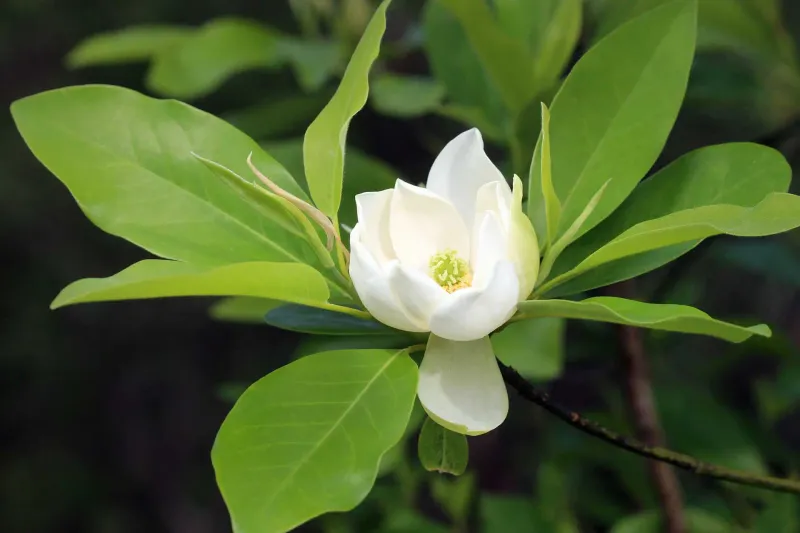
When the air smells lightly lemony near the patio, sweetbay magnolia may be the reason. Its creamy white flowers bring fragrance and charm, while the tree’s open canopy cools small gathering spaces without making the yard feel boxed in.
Sweetbay magnolia is especially useful for Florida homeowners who have moist, acidic, or low-lying soil. It handles conditions that would frustrate many ornamental trees, and in good sites it can grow at a pleasing pace while staying more manageable than Southern magnolia.
The leaves are attractive too, with green tops and pale undersides that flash when the breeze moves through. Depending on your part of Florida and the local winter, it may act evergreen or semi-evergreen, so expect some variation.
Use sweetbay magnolia near a deck, rain garden, pond edge, or backyard sitting area where scent and shade both matter. It is also a lovely choice for people who want a native tree that feels softer and more garden-like than a heavy street tree.
Give it moisture while it establishes, mulch the root zone, and avoid planting it in bone-dry sand unless irrigation is available. In the right spot, sweetbay magnolia turns hot corners into fragrant shade pockets that feel inviting even when the thermometer climbs.
7. Bald Cypress
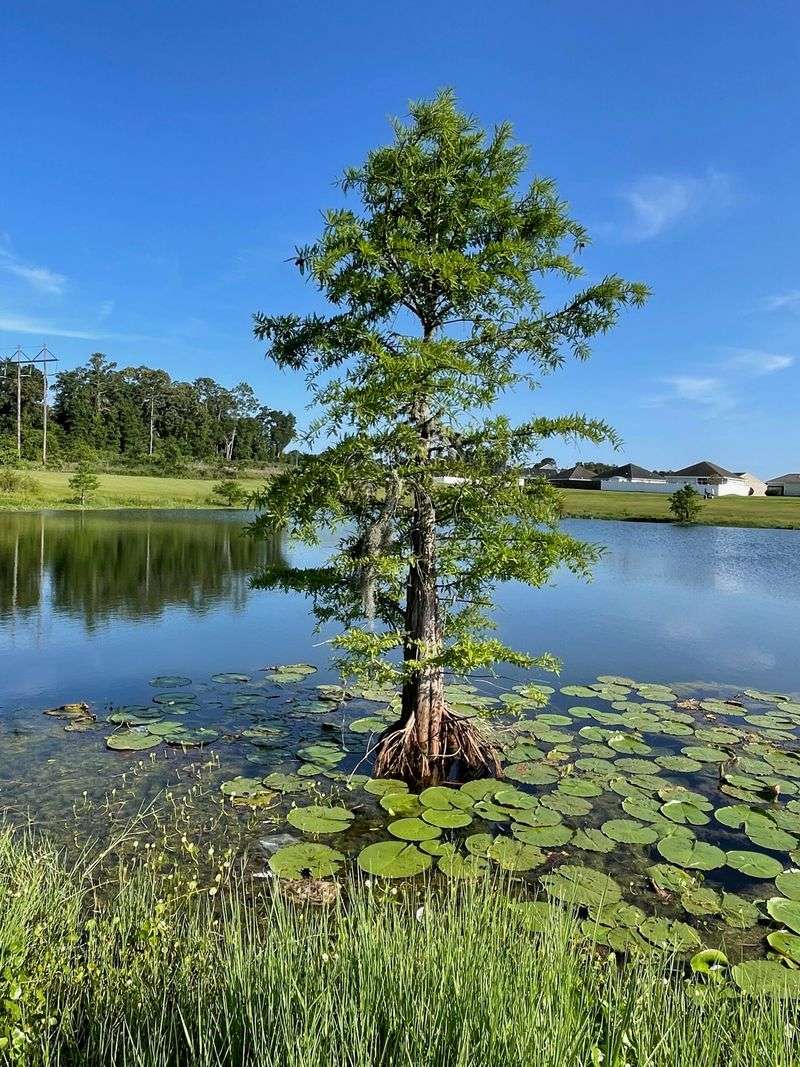
Beside a pond or drainage swale, bald cypress can look like it has always belonged there. Its soft, feathery foliage gives a light, cooling shade that feels different from the heavy cover of oaks and hollies.
Bald cypress is famous for wet places, but it is not limited to swampy scenes. Once established, it can grow in ordinary yards too, as long as the site is chosen thoughtfully and the young tree gets water during dry stretches.
Growth can be strong in Florida, especially where roots have access to steady moisture. The tall, straight form makes it useful for larger backyards, pond edges, and open areas where you want height, shade, and a native look without a sprawling canopy.
One charming surprise is its seasonal change. Bald cypress is a deciduous conifer, so the fine green needles can turn rusty orange before dropping, which gives Florida gardeners a real fall moment.
Homeowners sometimes worry about cypress knees, which can appear in wet conditions. Place the tree where raised knees will not interfere with mowing, walkways, or play areas.
For yards that stay soggy after storms or need shade near water, bald cypress is hard to beat. It cools the space, handles Florida moisture, and gives birds a tall native structure to use through the year.