
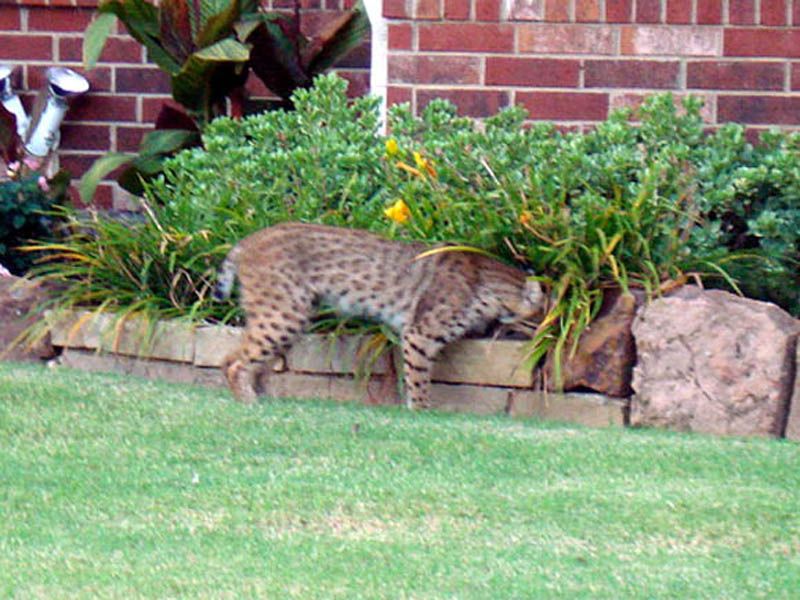
Spotting a bobcat slipping through your backyard as the sun goes down can stop you in your tracks. These spotted, short-tailed cats are native to Texas and far more common in suburban neighborhoods than most people realize.
Understanding what that sighting can and cannot tell you about your yard and the surrounding landscape helps you respond calmly and make smarter choices for your pets, your property, and the wildlife around you.
Dusk Is a Normal Time to See a Bobcat
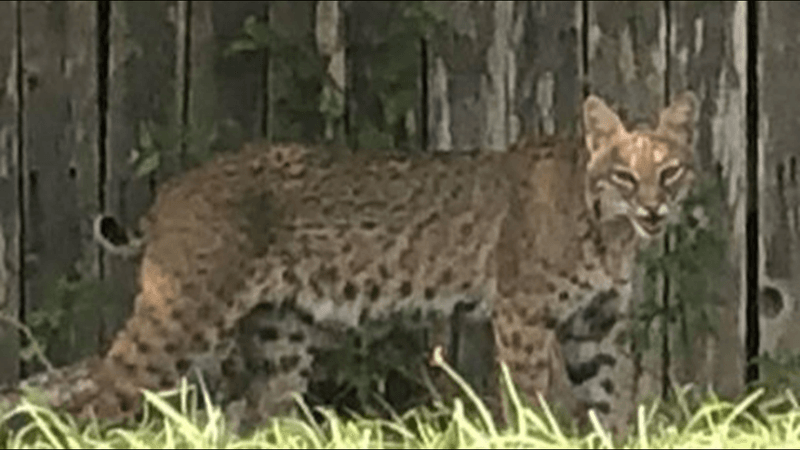
Seeing movement along your fence line right around sunset might feel startling, but for a bobcat, that timing is entirely routine. Texas Parks and Wildlife Department describes bobcats as primarily nocturnal and crepuscular, meaning their activity naturally ramps up around dusk and continues through the night.
A bobcat moving through your yard as the light fades is behaving exactly as its biology expects.
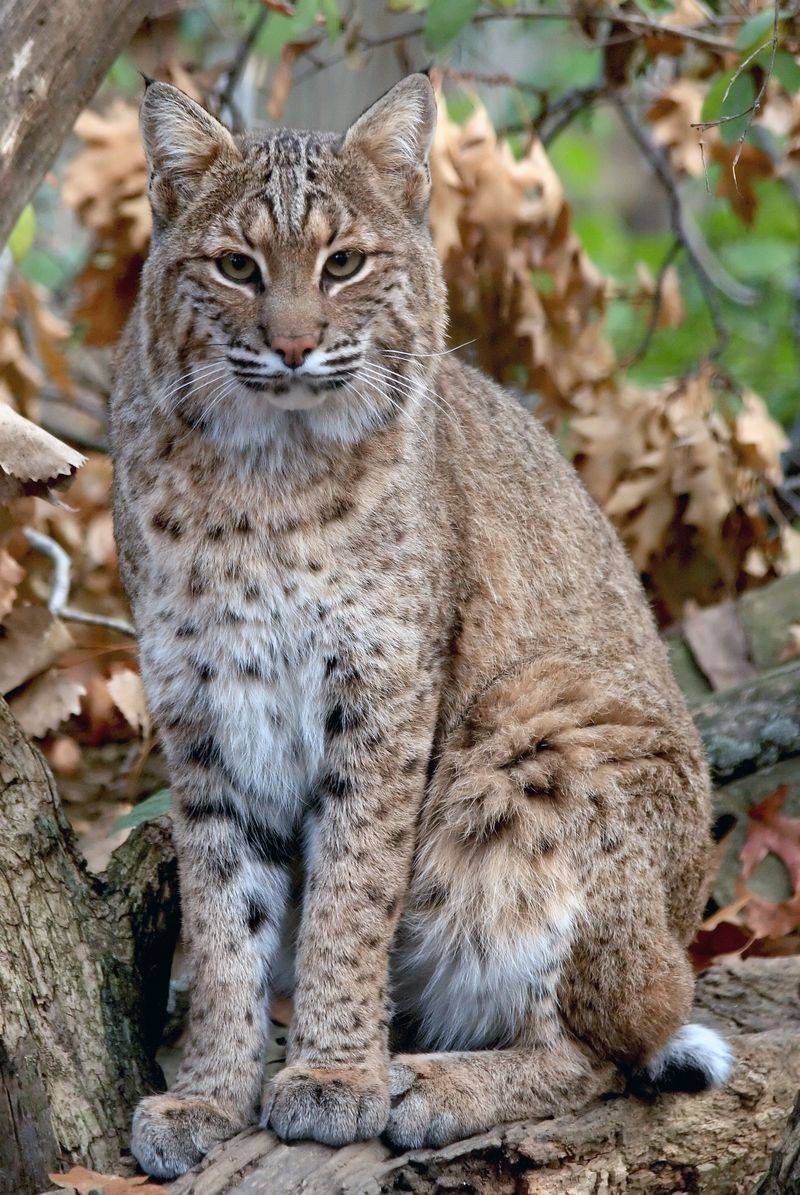
Before drawing any conclusions about what the visit means, take a moment to confirm you are actually looking at a bobcat. The most reliable field marks are a short tail with a black tip on top and a pale underside, pointed ears with small tufts at the tips, a noticeably muscular build, and long legs that give the animal a slightly loping gait.
Facial ruffs, faint spotting on the coat, and a body noticeably larger than a domestic cat round out the picture. TPWD field guides note that these physical traits distinguish bobcats reliably from large house cats or feral cats, which sometimes cause confusion in low light.
One concern that sometimes surfaces is whether a bobcat seen outside at dusk could be sick. Dusk activity by itself is not a warning sign.
National Park Service guidance on bobcats confirms crepuscular behavior as normal. The behaviors that genuinely warrant concern are unexplained aggression toward people, staggering or severe disorientation, or a wild animal that approaches humans without hesitation.
A bobcat trotting purposefully across a yard at sundown fits none of those categories.
Look for Prey and Cover Across the Wider Landscape
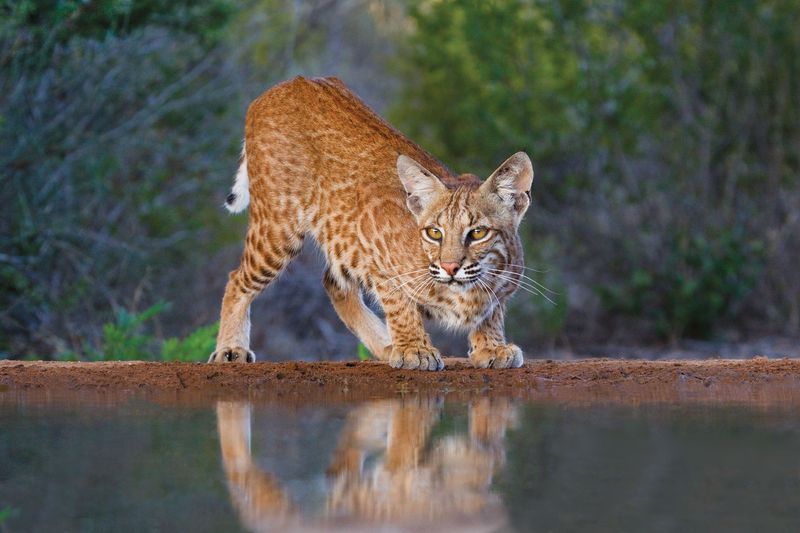
A bobcat does not choose a route at random. Food and shelter drive its movements, and the menu in Central Texas is well documented.
TPWD’s bobcat species page lists wood rats, ground squirrels, mice, and rabbits as the bulk of their mammalian diet, with birds making up a secondary portion. Any neighborhood with a healthy population of cottontails, roof rats, or fox squirrels is already providing the kind of food table that can draw a bobcat through.
Cover matters just as much as prey. Bobcats favor thickets, rocky outcrops, dense brush, and sheltered edges for hunting, resting, and moving between areas.
White Sands National Park’s bobcat profile emphasizes that protective vegetation is a consistent feature of preferred habitat. In a Central Texas neighborhood, the relevant features to look for include creek banks, drainage corridors behind homes, brushy vacant lots, utility easements with heavy brush, and greenbelts connecting larger open areas.
Any of these could plausibly function as travel space or hunting ground.
USGS habitat suitability research on bobcats identifies cover density, prey availability, and low human disturbance as the strongest predictors of bobcat use in a given area. When you look at your neighborhood with those three factors in mind, the question shifts from “why is a bobcat in my yard” to “which landscape features nearby are likely supporting it.”
Research conducted in urban Southern California found that bobcats in developed areas selected habitat associated with rabbit availability and moved more heavily through developed zones at night, according to a Journal of Mammalogy study on bobcat and rabbit habitat use. That study reflects a different geography and should not be read as a direct description of Central Texas conditions, but it does reinforce the general principle: bobcats respond to prey and cover, and suburban landscapes can provide both.
Treat any creek, greenbelt, or brushy lot nearby as a plausible explanation worth noting, not a confirmed conclusion.
What Does One Sighting Actually Prove?
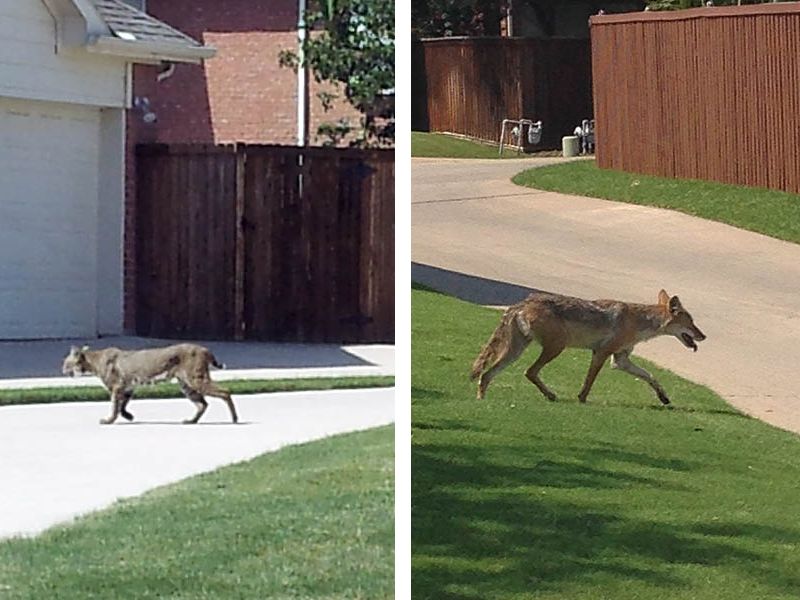
A single bobcat crossing your yard at dusk is genuinely useful information, but it has limits. The most important one is range size.
TPWD’s introductory bobcat publication notes that home ranges vary considerably with food abundance and can cover substantial territory. One animal may pass through dozens of properties in a single night while responding to prey or cover located well beyond your fence line.
A single observation cannot tell you whether it hunted on your property, whether it will return, or whether your specific lot is the reason it came through.
Urban bobcat research in Texas adds useful context without overextending the conclusion. A TPWD press release on an urban bobcat study in the Dallas-Fort Worth area and the associated Eye on Nature research summary describe that study as designed to examine habitat use, movement, diet, and population demographics across a metro area.
That kind of systematic camera-trap and radio-collar work can reveal how bobcats navigate an urban environment. A single backyard sighting, by contrast, cannot replicate those findings or extend them to your individual yard.
The practical distinction is this: the sighting is a clue about the broader landscape, not a diagnosis of your property. It may reflect prey somewhere in the surrounding neighborhood, a usable travel route through connected green space, seasonal movement, or simply an animal covering its normal range.
The Journal of Mammalogy study cited earlier found that urban bobcats responded to rabbit availability at a landscape scale, reinforcing that the relevant unit of analysis is the neighborhood, not the individual lot. Treat the sighting as a prompt to look outward at nearby features rather than inward at your own yard as the sole explanation.
A Predator Is Not a Backyard Health Score
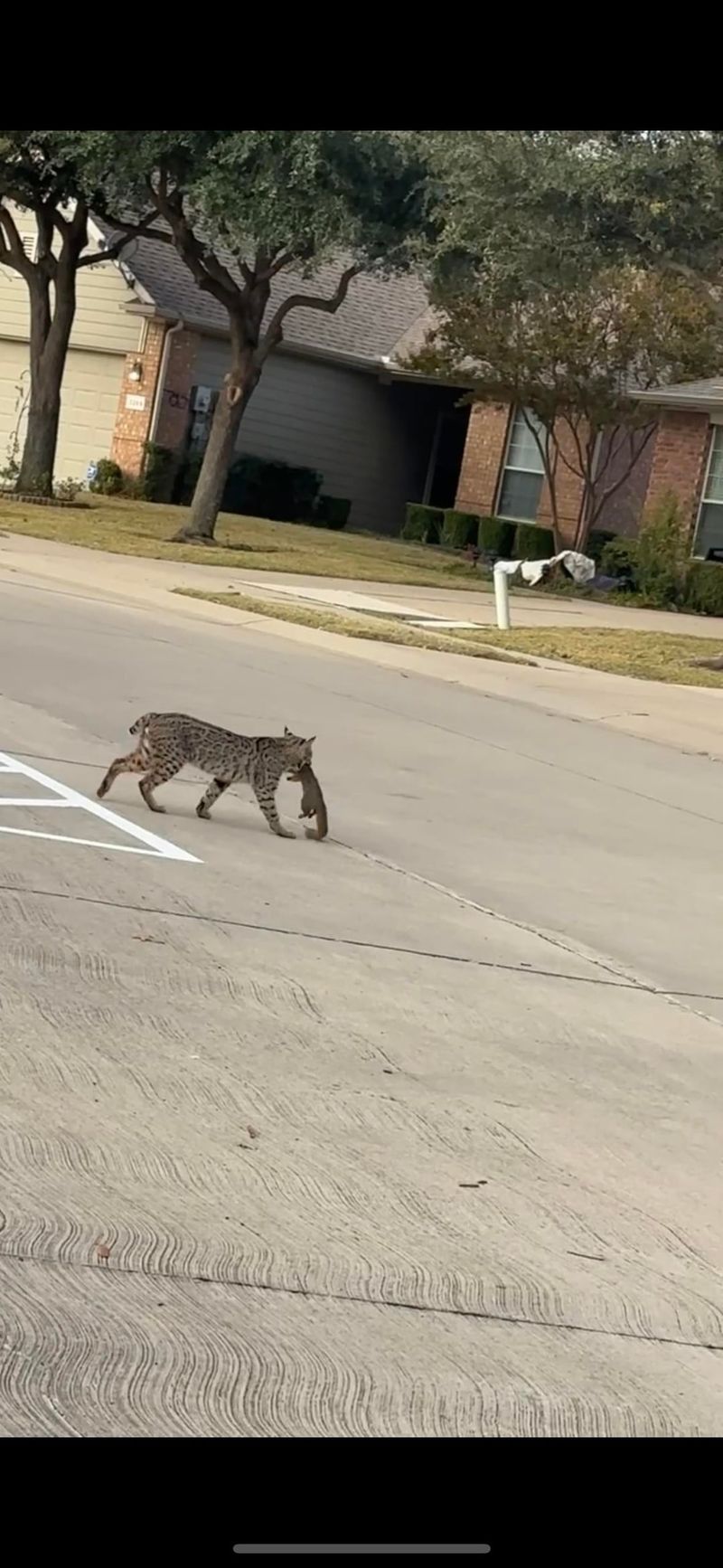
Bobcat sightings have a way of inspiring a satisfying conclusion: if a wild predator is here, the ecosystem must be thriving. That idea is worth examining carefully before accepting it.
Urban landscapes can supply prey and cover while simultaneously exposing wildlife to roads, disease, domestic animals, and chemical hazards. National Park Service research on bobcats living on the urban edge documents exactly this tension, showing that bobcats can persist in developed areas while facing real and measurable risks from the same environment that feeds them.
Habitat connectivity in urban areas carries its own complications. Research published in Biological Conservation on road crossings, vegetative cover, and land use found that corridors between habitat patches can be compromised by roads, poisons, and land-use patterns even when green space appears connected on a map.
A bobcat using a drainage corridor or greenbelt in Central Texas may be navigating genuine hazards as much as it is benefiting from usable habitat.
The pest-control framing deserves the same careful handling. TPWD’s explanation of predator-prey relationships describes predation as one factor that helps keep animal populations in check.
That is meaningfully different from promising that one bobcat will reduce or eliminate rats, rabbits, or mice in a specific yard. Predation operates at a population level over time, and a single passing predator is not a guarantee of any particular outcome for local prey numbers.
A bobcat sighting can reflect usable habitat and still leave open the question of what else the surrounding landscape is exposing that animal to. Holding both ideas at once, that the sighting may indicate something useful about food and cover nearby while not certifying the yard or neighborhood as ecologically sound, is the most honest and practical reading.
USGS research on anticoagulant rodenticides in urban bobcats makes clear that chemical hazards are a real part of the urban bobcat’s world, a detail that complicates any simple “healthy habitat” conclusion.
Read the Yard Without Feeding the Visitor
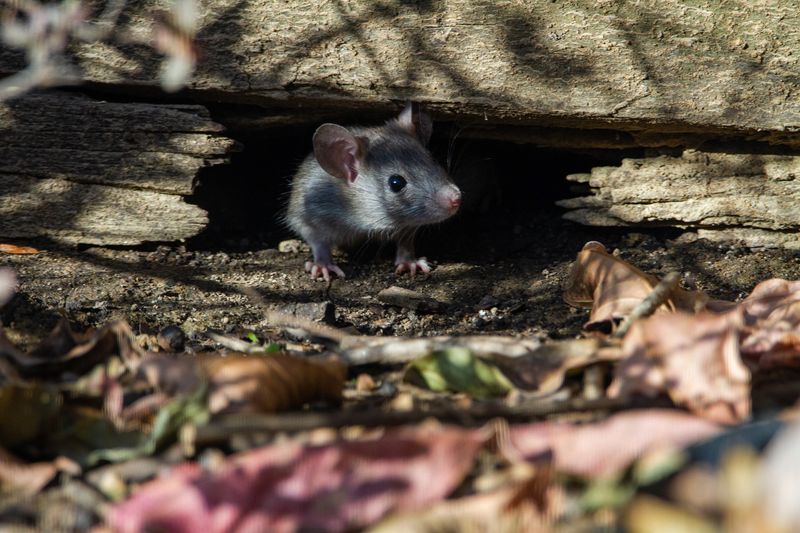
Once you have spotted a bobcat passing through, the most productive next step is a yard walkthrough focused on what might be drawing prey animals close to the house. Pet food left outside overnight is one of the most reliable rodent attractants in any Texas neighborhood.
Humane World for Animals guidance on bobcats recommends keeping pet food indoors, securing garbage, and cleaning up spilled birdseed specifically to reduce the chance of habituating wildlife to human spaces. Fewer concentrated food sources near the house generally means fewer rodents close in, which reduces the draw for any predator moving through.
The U.S. Fish and Wildlife Service’s guidance on the hidden harm in feeding wildlife adds an important distinction: leaving food outside intentionally, whether for a bobcat or for any wild animal, risks habituating it to people and creating conflict over time.
The goal is a yard that does not concentrate attractants, not a yard stripped of all wildlife value.
Dense vegetation near doors, children’s play areas, and pet enclosures deserves a closer look. Brush piles, thick groundcover, and low-hanging shrubs right against the house can provide sheltering spots for rodents and rabbits, which in turn bring predators closer than is comfortable.
TPWD Wildscapes design tips and the companion Texas Wildscapes habitat tips both recommend designing native plantings intentionally, placing dense cover and water features away from high-traffic human zones while retaining appropriate habitat elsewhere in the yard.
Removing every layer of vegetation is not the answer and can undermine the broader wildlife value of a yard. The practical move is strategic management: keep a buffer of open or lightly planted space near the house, address the food sources that concentrate rodents, and let the rest of the yard remain habitat-friendly.
A yard can support native plants, pollinators, and songbirds without becoming a feeding station for the animals that attract large predators to your back door.
Protect Small Animals During Active Hours
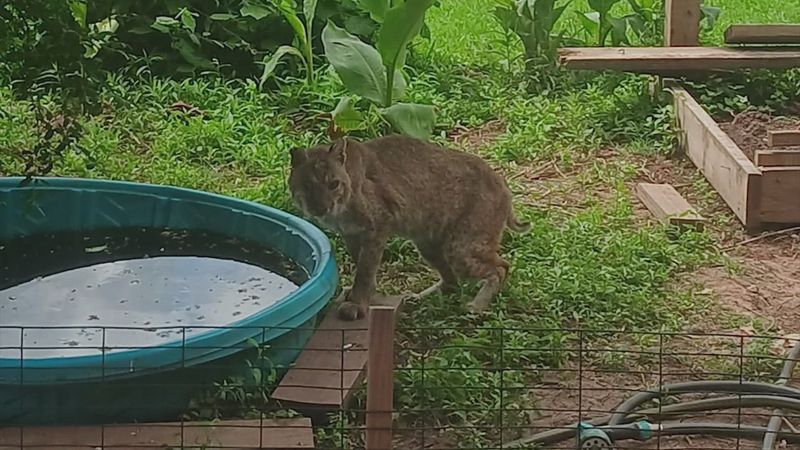
From dusk through dawn, small domestic animals face genuine vulnerability around any wild predator moving through a neighborhood. The clearest protective steps are also the simplest.
TPWD’s guide to interacting with urban Texas wildlife recommends keeping cats indoors, supervising dogs outdoors or keeping them leashed, and securing rabbits, guinea pigs, poultry, and other small animals in predator-resistant enclosures during the hours when bobcats are most active.
Hardware cloth with small openings, solid latches, and a covered top are the features that make a small-animal enclosure genuinely predator-resistant rather than just nominally enclosed. A standard chicken-wire pen with an open top is not adequate when a bobcat is moving through the area.
The same applies to rabbit hutches and guinea pig runs left unattended outdoors after sundown.
An ordinary bobcat sighting calls for distance and attractant management, not panic or any attempt to eradicate the animal. Humane World for Animals is explicit on safe observation: do not approach, corner, chase, photograph at close range, handle, or attempt to relocate a wild bobcat.
These actions can stress the animal, provoke defensive behavior, and put you in unnecessary risk.
Watching from inside the house or from a comfortable distance is genuinely the right response. TPWD wildlife-watching guidance encourages observation that does not interfere with the animal’s behavior.
If the bobcat appears injured, approaches people without hesitation, acts aggressively, or shows signs of severe disorientation, contact local animal control or the local health department rather than attempting any hands-on response. That threshold is much higher than a bobcat simply trotting through the yard at sunset.
Rodent Control Should Protect the Predator, Too
Seeing a bobcat and then reaching for rodent poison is an understandable impulse, but it is one worth pausing on. The first and most effective line of rodent control is exclusion and sanitation, not chemical treatment.
Close gaps larger than a quarter-inch in foundations, walls, and around utility penetrations. Remove accessible food, secure garbage in metal containers, and correct any conditions that give rodents shelter, such as stacked lumber against the house, dense groundcover right at the foundation, or accessible compost bins.
When those structural steps are in place, rodent pressure drops significantly without introducing any chemical risk. If a pesticide is genuinely necessary after exclusion and sanitation have been addressed, EPA restrictions on rodenticide products require that consumer-available products use enclosed bait stations and limit access to some higher-risk compounds.
Following the label exactly is a legal requirement, not optional guidance.
The reason a bobcat sighting should prompt extra caution around rodenticides is secondary poisoning. EPA’s rodent control pesticide safety review documents that predators and scavengers can be harmed after eating poisoned rodents.
USGS research on anticoagulant rodenticides in urban bobcats found measurable exposure in bobcat populations in developed areas, and a peer-reviewed study on urbanization and anticoagulant poisons linked that exposure to immune dysfunction in bobcats in Southern California. That research reflects a different geography, so it should not be read as a direct description of Central Texas, but the mechanism, a predator eating a poisoned rodent and absorbing the toxin, applies wherever rodenticides are used.
Putting out rodent poison in response to a bobcat sighting can harm the very animal whose presence signaled that rodents might be nearby. Exclusion first, targeted and properly labeled products only when genuinely necessary, and bait stations that limit access to non-target animals are the steps that address rodents without compounding the risk to local wildlife.
Turn the Sighting Into Safer Observation
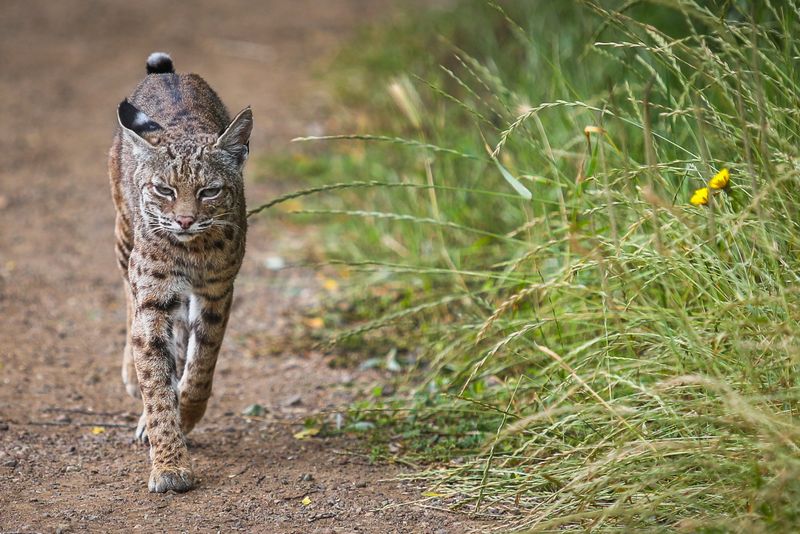
A bobcat passing through your Central Texas yard at dusk most plausibly reflects some combination of prey, cover, and a usable travel route somewhere in the surrounding neighborhood. TPWD’s bobcat species page and the TPWD introductory bobcat publication together make clear that these animals are wide-ranging, adaptable, and entirely at home in Central Texas landscapes that include both wild edges and developed neighborhoods.
The sighting is a useful prompt, not a diagnosis.
The practical decision rule is straightforward: observe from a safe distance, remove concentrated food attractants, protect small animals in secure enclosures from dusk through dawn, manage dense cover strategically near the house, and contact animal control or the local health department if the animal shows abnormal behavior such as aggression, staggering, or unusual tameness toward people.
If a person is bitten or scratched, wash the wound immediately and thoroughly with soap and water and seek medical advice about rabies exposure right away, as directed by Texas DSHS rabies exposure and treatment guidance. For a pet that may have been bitten or scratched, CDC healthy-pets wildlife guidance recommends contacting a veterinarian and local animal-control or public-health officials promptly.
A bobcat moving quietly through the yard at sunset is worth watching carefully – and that quiet observation, from inside the house or a comfortable distance, is usually all the response the moment requires.