
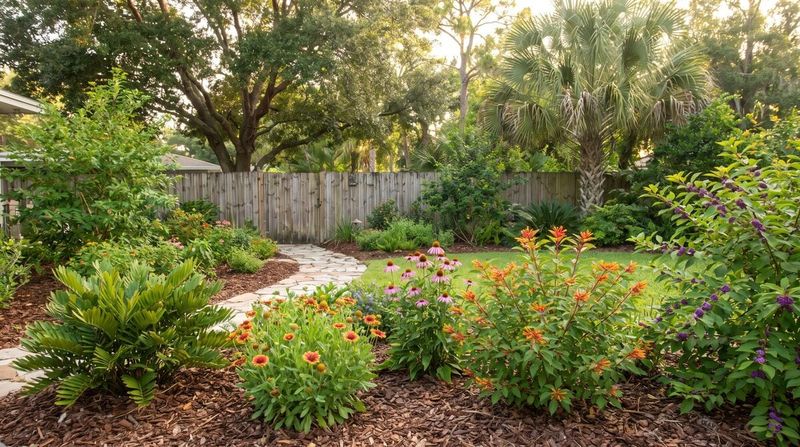
Florida yards can look great without constant trimming, watering, and pest control. Many popular landscape plants struggle in sandy soil, summer heat, salt air, or storm season.
Native plants are often better matched to local conditions and can also feed birds, butterflies, and bees. These seven swaps can help homeowners build a yard that works harder while asking for less.
1. Boxwood for Simpson’s Stopper
Boxwood can look crisp in magazine photos, but in many Florida yards it turns into a fussy green chore. Heat, humidity, nematodes, poor drainage, and constant shearing can leave it patchy or stressed, especially when homeowners try to force a formal hedge in sandy soil.
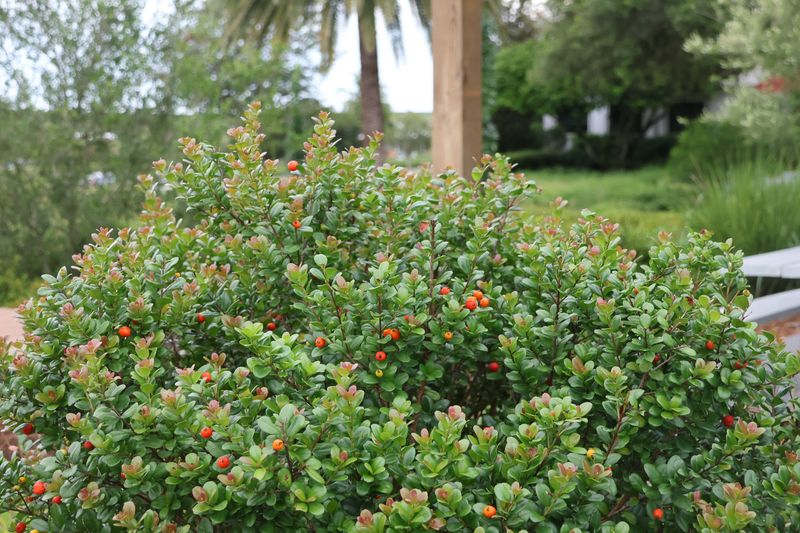
Simpson’s stopper gives a similar neat, evergreen look without demanding the same level of pampering. It can be clipped into a hedge, grown as a small tree, or used as a screen along a driveway or side yard.
The extra payoff is wildlife. The fragrant white flowers attract pollinators, and the bright red berries are useful for birds, which makes the plant more than just a green wall.
For best results, place it in sun to part shade and give it room to mature instead of trimming it into a tiny box every few weeks. Once established, it is usually far more forgiving of Florida’s long warm season than boxwood, while still giving a polished, homeowner-friendly look.
2. Indian Hawthorn for Walter’s Viburnum
A row of Indian hawthorn often starts out charming, then slowly becomes a battle with leaf spot, thinning branches, and awkward gaps. In Florida’s humid conditions, that once-easy foundation shrub can need spraying, pruning, and replacement sooner than expected.
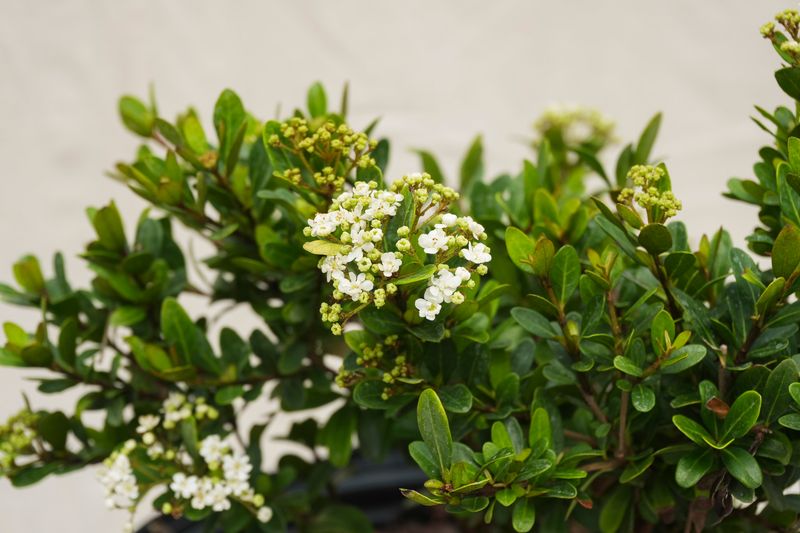
Walter’s viburnum is a native option with a cleaner long-term job description. It can form a hedge, soften a fence, or fill a foundation bed with small glossy leaves and spring clusters of white flowers.
Homeowners like it because it can be shaped, but it does not have to be micromanaged. Dwarf forms work well near porches and windows, while larger selections can create privacy in a backyard or along a property line.
Birds may use the fruit, and pollinators visit the blooms, so the plant adds life to the yard instead of acting like plain filler. Give it sun to part shade, avoid soggy planting holes, and mulch well to help it settle into Florida’s fast-draining soil.
3. Asiatic Jasmine for Sunshine Mimosa
That thick mat of Asiatic jasmine can seem like the answer to every bare spot until it starts swallowing bed edges, tree rings, and irrigation heads. It is tough, yes, but it can also become a trimming project that never really ends.
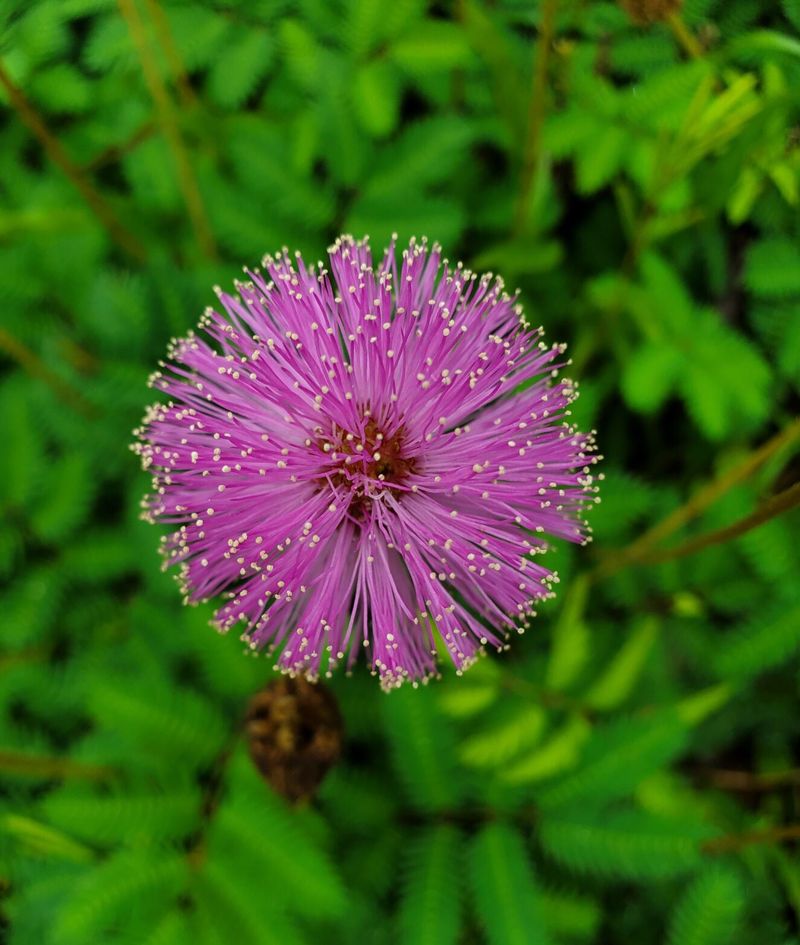
Sunshine mimosa brings a softer, more playful look to low areas where turf struggles. Its fernlike leaves hug the ground, and the pink puffball flowers make a plain patch of yard feel cheerful instead of merely covered.
This Florida native is especially useful in sunny spaces where homeowners want a lawn alternative, a pollinator patch, or a living mulch between stepping stones. It can spread, so it belongs where a spreading groundcover is welcome, not in a tiny formal bed that needs razor-sharp edges.
Once established, it can handle dry spells better than many thirsty ornamental choices. Bees and butterflies appreciate the blooms, and homeowners get a lower, lighter-looking cover that feels made for warm Florida yards rather than forced into them.
4. Oleander for Firebush
Oleander has long been used where people want flowers, height, and toughness, but it comes with baggage. It is highly toxic, can look rough after freezes or storms, and often needs pruning to keep it from turning into a leggy roadside-looking shrub.
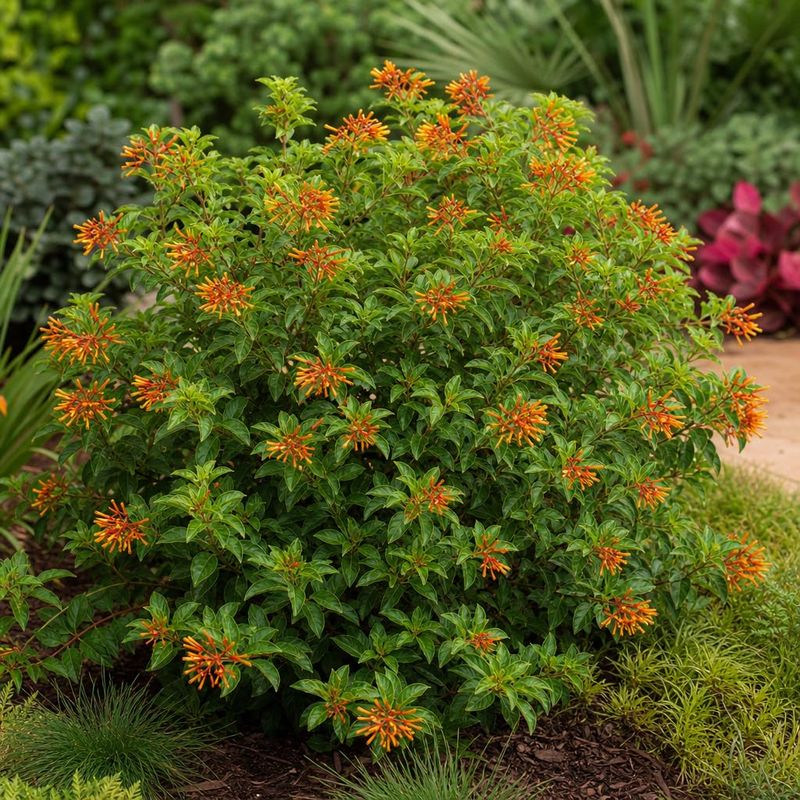
Firebush offers a brighter, more wildlife-friendly way to get color through Florida’s warm months. Its orange-red tubular flowers draw hummingbirds and butterflies, which gives the garden movement as well as color.
The plant has a relaxed shape that suits informal borders, pool-screen views, sunny corners, and backyard habitat areas. In South and Central Florida it can behave like a shrub, while in cooler parts of North Florida it may die back in winter and return when weather warms.
Firebush is happiest in sun to part sun and generally asks for far less fuss than a clipped, overgrown oleander hedge. Native forms are preferred for wildlife value, so check plant tags carefully and buy from a nursery that can confirm the species or selection.
5. Liriope for Fakahatchee Grass
Liriope is often planted as the default border because it is easy to find and stays tidy for a while. After a few seasons, though, many beds become crowded with tired clumps that need dividing, edging, and cleanup to keep them from looking messy.
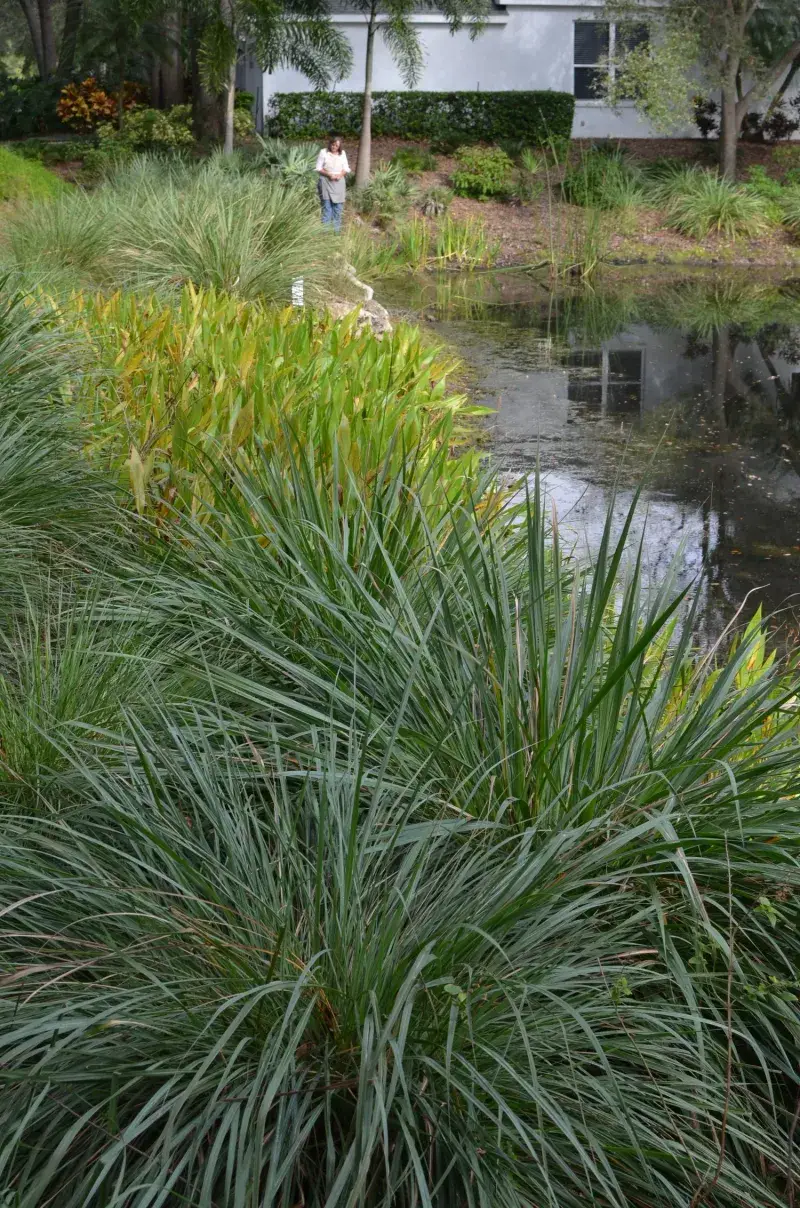
Fakahatchee grass gives Florida beds that same strappy texture on a bolder, more natural scale. It works beautifully in wide borders, around palms, near rain gardens, and along fences where a soft fountain shape looks better than a tight little row.
The native grass also fits Florida’s weather story. It can handle wet periods better than many ornamental choices, yet established plants are not usually needy during normal dry stretches.
Because it grows larger than liriope, placement matters. Give it space, use it in drifts, and avoid squeezing it right against a narrow walkway unless you choose a smaller form.
The reward is movement, texture, and habitat value with fewer little clumps to babysit. For homeowners tired of reworking the same edging strip every year, Fakahatchee grass can make a bed feel finished without making it feel stiff.
6. Bottlebrush for Marlberry
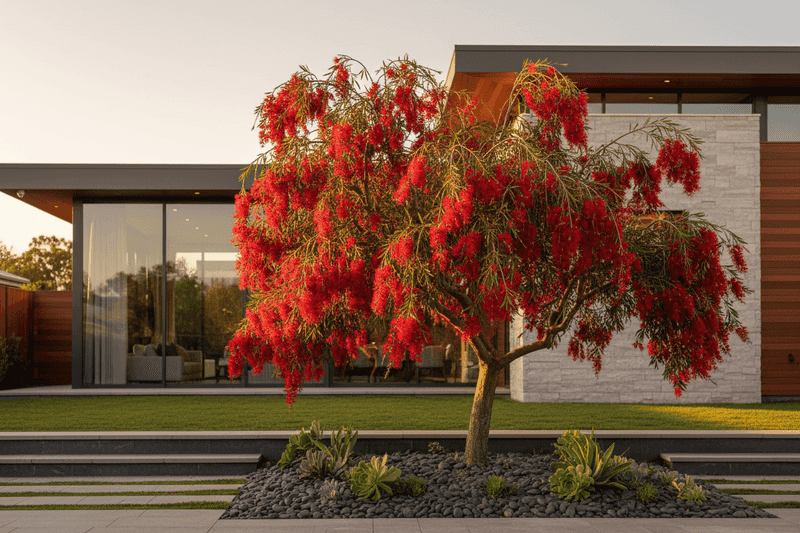
Bottlebrush earns attention with flashy red flowers, but it can turn into a pruning puzzle in tight Florida yards. Some homeowners also find that storm damage, awkward branching, and constant shaping make it less carefree than it first appeared.
Marlberry is a quieter native, yet it solves several common landscape problems with style. It tolerates shade better than many showy shrubs, has glossy evergreen leaves, and produces clusters of small white flowers followed by dark berries that birds may visit.
Think of it as a good choice for side yards, understory plantings, patio edges, and layered privacy beds where giant color is not the only goal. Its look is polished but natural, which pairs well with coontie, wild coffee, Simpson’s stopper, and native grasses.
In the right spot, marlberry can become a handsome shrub or small tree with less drama than a plant that constantly wants correction. Give it room for its mature shape, water it while it establishes, and let it grow into a layered Florida garden rather than clipping it into a stiff ornament.
7. Mexican Petunia for Blue Mistflower
Mexican petunia is the plant many Florida gardeners regret after it gets comfortable. It spreads aggressively by seed and underground rhizomes, and UF-IFAS notes that invasive forms can move beyond the bed into natural areas and waterways.
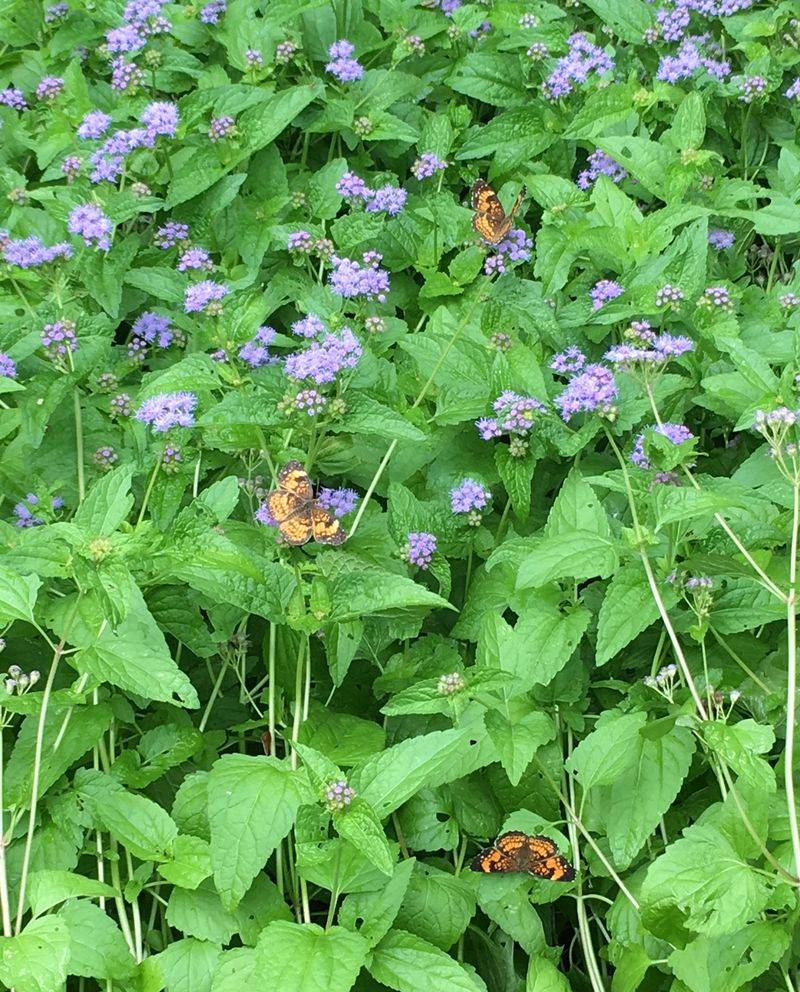
Blue mistflower gives gardeners a native way to enjoy purple-blue color without choosing a problem plant. The soft flower clusters bring a meadow-like feel to sunny beds and can be busy with butterflies when in bloom.
Admittedly, blue mistflower is not a stiff, formal shrub. It is best for pollinator borders, cottage-style plantings, rain garden edges, and naturalized corners where a little seasonal movement feels welcome.
Cutting it back after bloom can help keep the planting fresh, and giving it companions prevents the bed from looking bare between peak moments. Pair it with native grasses, coreopsis, blanketflower, or coontie for a more finished look.
The big difference is responsibility. Instead of fighting a plant that wants to escape, homeowners can grow color that supports local insects and fits better with Florida-friendly landscaping goals.