
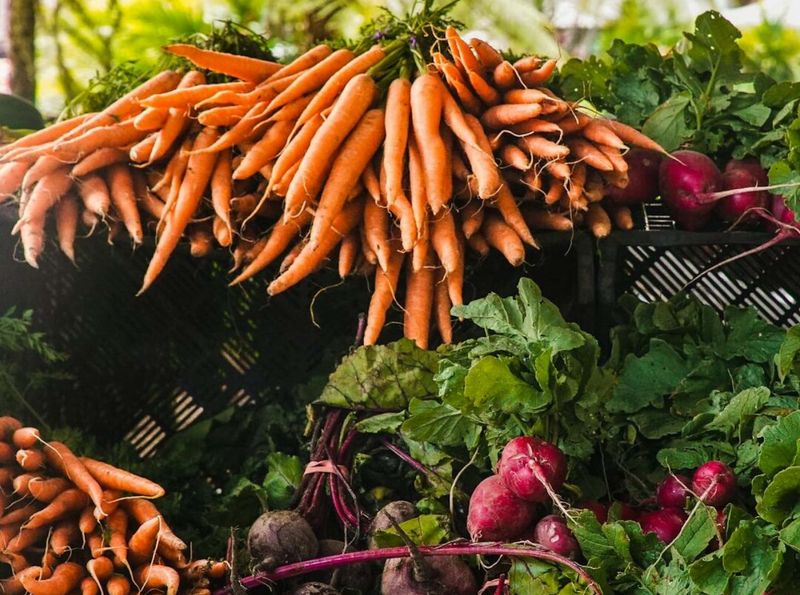
Texas backyards can do more than just feed your family. The right native and heat-tough vegetables shrug off triple-digit summers and water restrictions while filling baskets you can sell at the farmers market or right from your driveway.
Whether you have a raised bed or a fence line of pots, these crops turn Texas sunshine into steady cash from spring through fall. Here are the ones your neighbors will line up to buy.
1. Texas Cream Southern Peas (Cowpeas)
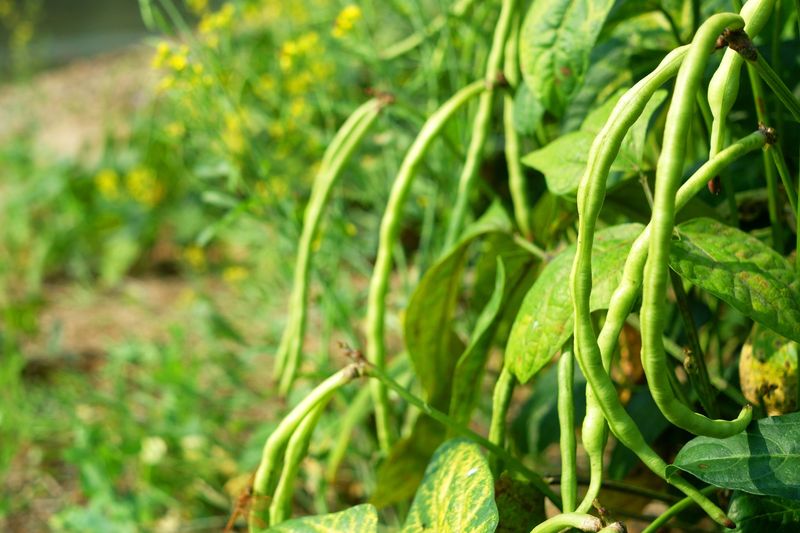
Old-timers in Texas swear by cream peas for a reason. They practically thrive on neglect, laughing off the brutal July heat when tomatoes are throwing in the towel.
Cowpeas fix their own nitrogen in the soil, so you spend almost nothing to grow them. That low cost means higher profit when you sell them shelled by the pound.
Fresh-shelled peas fetch a premium because most folks hate the tedious shelling work.
Plant after the soil warms in late spring and you can pull harvest after harvest right through the hottest stretch. A single backyard row can keep you in sellable peas for months, and regulars at the market will hunt you down for a bag.
Fun bit of history: cowpeas came to Texas centuries ago and became a staple exactly because they survive drought that kills fussier crops.
2. Okra
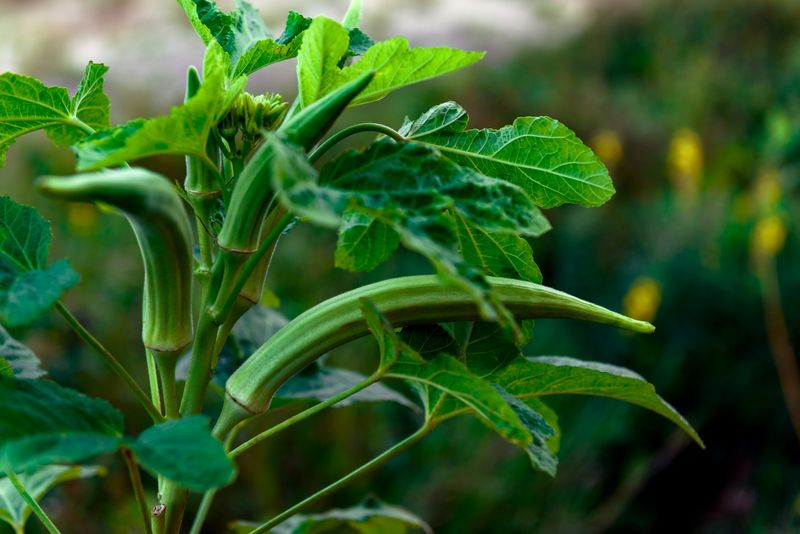
If any vegetable was built for Texas, it is okra. The hotter it gets, the happier it grows, pumping out tender pods while the rest of the garden wilts.
Okra is a picking machine. Miss a couple days and pods turn woody, so you harvest constantly, which means a steady stream of product to sell all season long.
Buyers love fresh, small pods for frying and gumbo, and they will pay well for them because store okra is often tough and old. A handful of plants along a sunny fence can produce more than you know what to do with.
The flowers alone are gorgeous, cousins to hibiscus, so your selling table doubles as free advertising. Set out a basket of glossy green pods and they move fast at any Texas market.
3. Sweet Potatoes
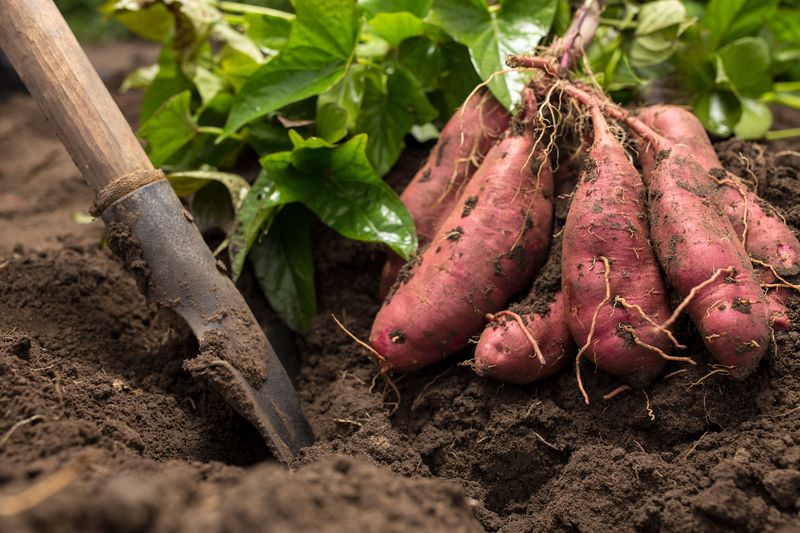
Sweet potatoes are the quiet overachiever of the Texas garden. You tuck in a few slips, walk away, and months later dig up a jackpot of tubers.
Their sprawling vines choke out weeds and sail through drought once established, so watering restrictions barely slow them down. Low input, big yield, and a crop that stores for weeks makes them ideal for selling on your own schedule.
Cure them in a warm spot and they get sweeter and sell for more. Many Texas buyers also snap up the tender vine tips as cooking greens, giving you a second product from the same plant.
Plant slips in late spring, harvest before the first cool snap, and you have boxes of tubers ready for the fall market rush when demand climbs.
4. Malabar Spinach
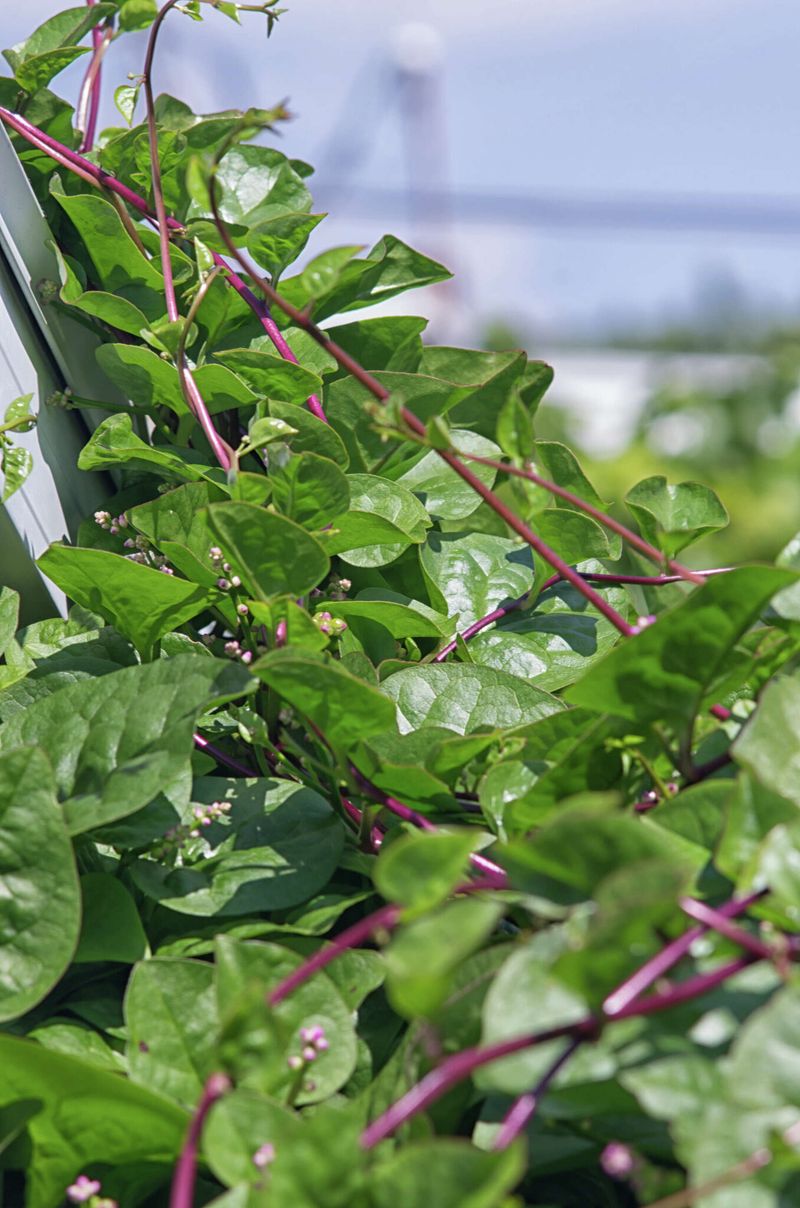
Regular spinach bolts and dies the moment Texas turns up the heat, but Malabar spinach does the opposite. It vines happily up a trellis through the muggiest Gulf Coast summer, giving you greens when nobody else has any.
Because true spinach vanishes from local markets in summer, your Malabar leaves fill a gap and command a nice price. Thick, juicy leaves keep coming as long as you keep picking, so a single trellis produces for months.
It also looks striking, with some varieties showing off deep red stems that catch shoppers’ eyes at the table. Growing vertical means it fits tiny backyards and even large pots on a patio.
Cooks and health-minded buyers love a summer green, and you will be one of the few sellers who can offer it.
5. Armenian Cucumbers
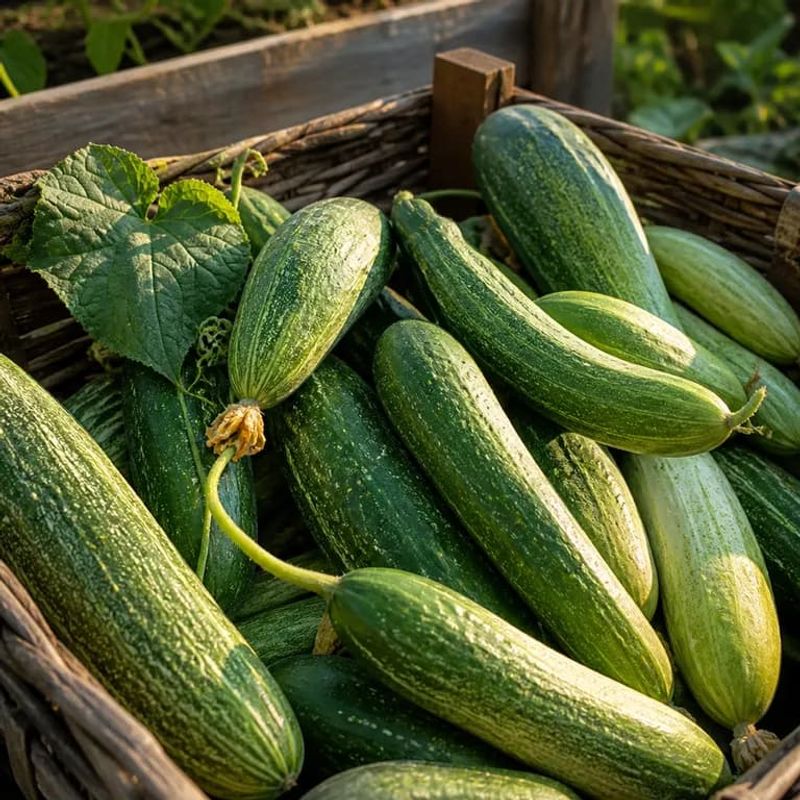
Meet the cucumber that refuses to quit when the thermometer climbs. Armenian cucumbers, actually a type of melon, keep setting fruit in heat that makes ordinary cukes bitter and sad.
They grow long and dramatic, sometimes two feet, which makes them a real conversation starter on any sales table. Shoppers pick them up just to ask what they are, and curiosity turns into cash.
The flesh never gets bitter and the skin is thin enough to skip peeling, so buyers keep coming back. Trellis them to keep the fruit straight and clean, and you save precious ground space.
Steady producers through the long Texas warm season, they let you sell fresh cucumbers weeks after neighbors’ vines have burned out.
6. Jalapeño and Serrano Peppers
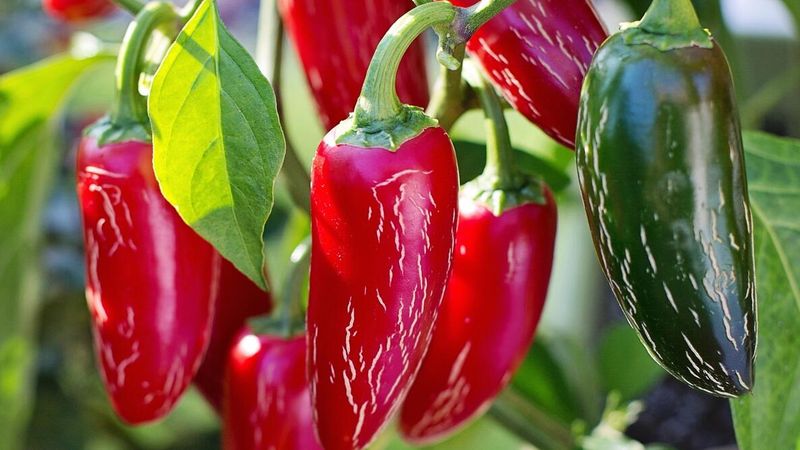
Few things sell faster in Texas than a basket of fresh hot peppers. Jalapeños and serranos love the heat and keep producing pods well into fall, giving you a reliable cash crop for months.
Peppers thrive in containers, so even a small patio can turn out pounds of sellable fruit. Once the plants get going, they set fruit again and again with very little fuss.
Home cooks want fresh peppers for salsa, and yours will taste worlds better than anything trucked in. Offer a mix of heat levels and you appeal to both the mild crowd and the folks chasing a serious burn.
As pods ripen red on the plant, you can sell those too at a higher price for a sweeter, hotter kick. It is one crop with several ways to earn.
7. Roselle (Florida Cranberry Hibiscus)
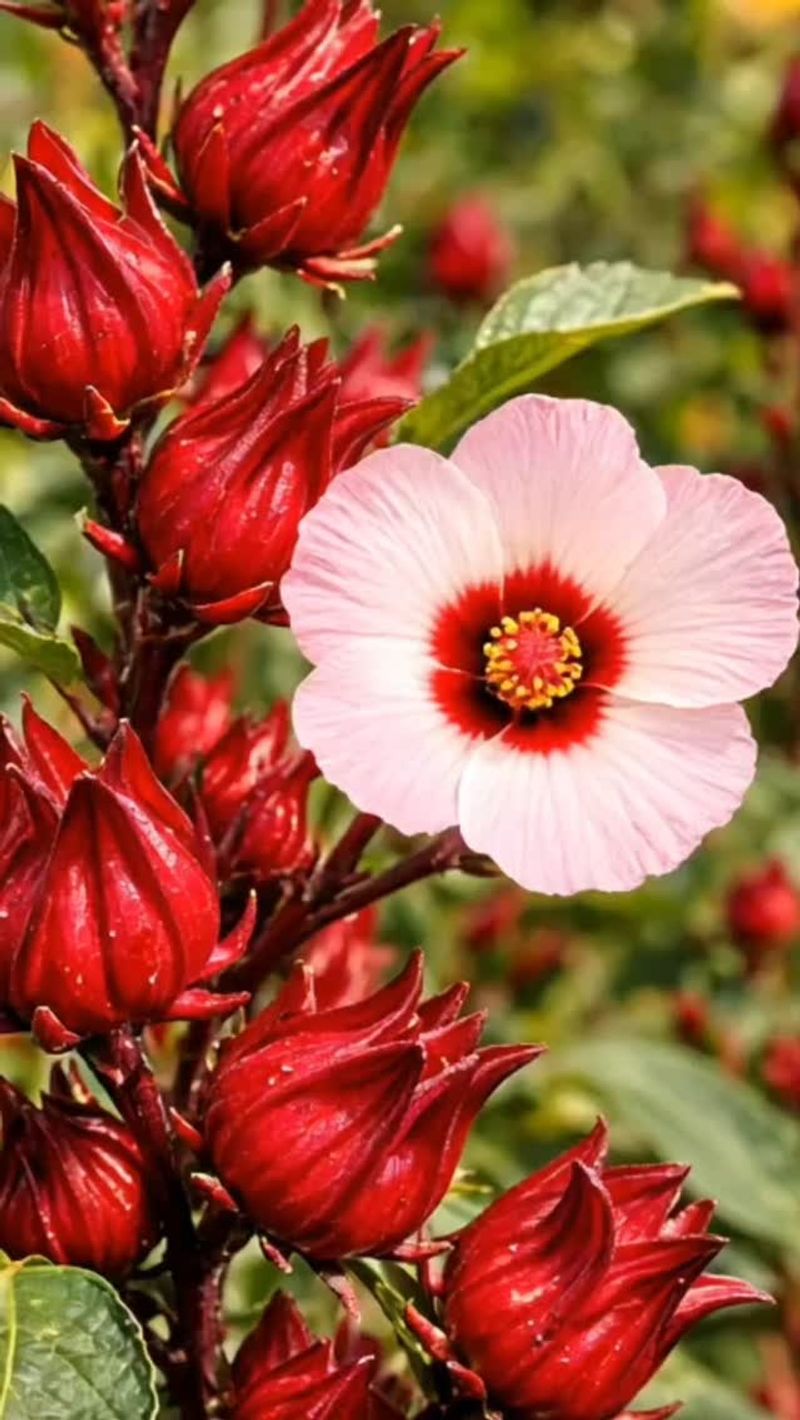
Here is the crop that surprises everyone who tries it. Roselle, a hibiscus relative sometimes called Florida cranberry, produces ruby-red calyxes that make tangy tea, jelly, and syrup much loved across the South.
The plant adores long, hot growing seasons and gets big and bushy through a Texas summer with barely any pampering. Come late season it explodes with those tart red pods, right when farmers markets are buzzing.
Because dried roselle sells for a premium in specialty and tea shops, this is a high-value item few backyard growers offer. You can sell the fresh calyxes, dry them for longer shelf life, or bottle them into value-added jars for even more money.
A pretty, unusual plant with a real payoff, roselle rounds out your season and gives customers something they cannot find at the grocery store.