
A front yard can do more than look neat for the neighbors. In Florida, many native edible plants handle heat, sandy soil, storms, and wildlife better than fussy ornamentals.
The best ones give you flowers, fruit, tea leaves, or useful harvests while still looking polished by the driveway or porch. Here are seven Florida natives that earn their space with beauty and food value.
1. Beautyberry
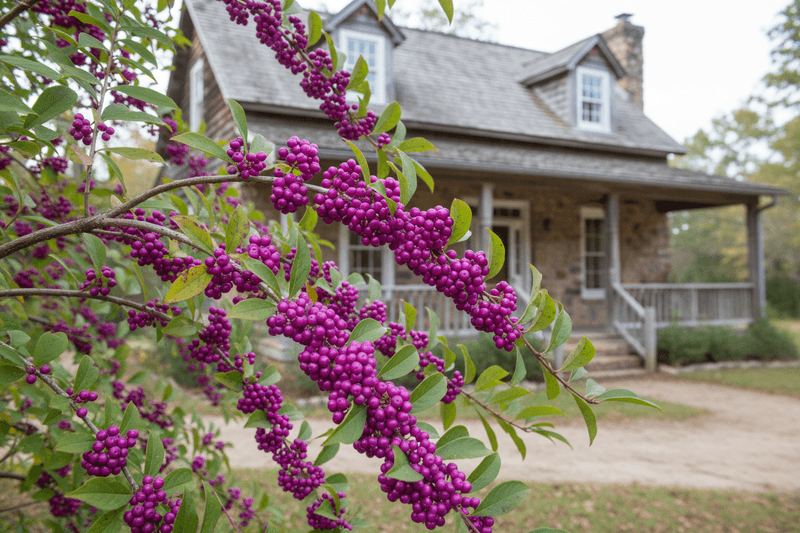
Bright purple berries can stop a passerby in their tracks, and American beautyberry knows exactly how to put on that show. In late summer and fall, its bead-like fruit wraps around the stems in clusters that look almost too vivid to be real.
For front yards, beautyberry works well as a loose, graceful shrub near a porch corner, fence line, or mixed native border. It is deciduous, so give it companions with winter structure, such as evergreen shrubs or grasses, if you want the bed to stay full year-round.
The berries are edible and are most often used for jelly, syrup, or small-batch sauces rather than fresh snacking. Birds also love them, which means one shrub can feed both your kitchen and the local wildlife.
Florida gardeners appreciate that beautyberry is not precious. Once established, it can handle sandy soil, seasonal dry spells, and the rough edges of a low-maintenance yard, though it looks best with occasional pruning after fruiting or in late winter.
2. Yaupon Holly
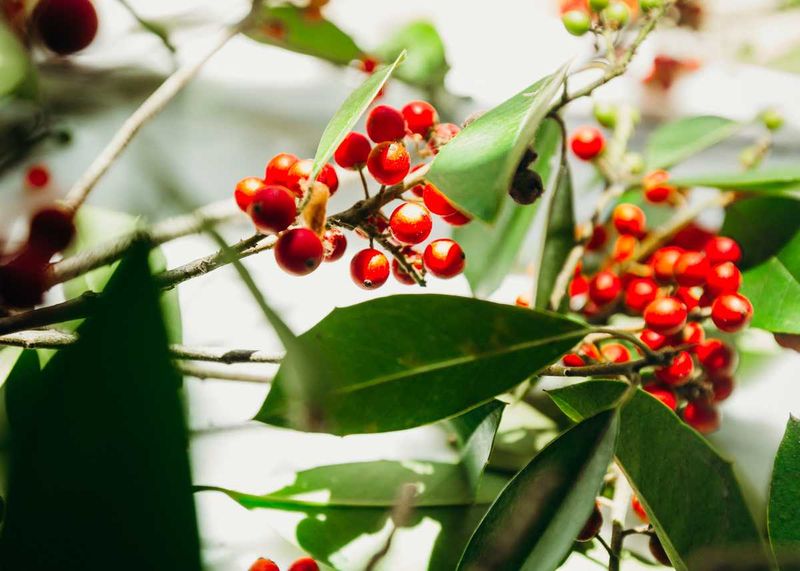
Morning tea from your own hedge sounds like something from an old Florida homestead, yet yaupon holly fits right into modern curb appeal. Its small evergreen leaves, tidy branching, and red berries make it look like a classic landscape plant, not a secret edible.
The leaves contain caffeine and can be dried or lightly roasted for tea. Only the leaves are used for drinking, while the berries are for birds and should not be treated as human food.
Yaupon is especially useful where a front yard needs structure. It can become a small tree, a clipped hedge, or a loose screen, depending on the cultivar and how you prune it.
Because it is native to the Southeast and common in Florida landscapes, it handles heat, humidity, and many sandy sites once established. Give it sun to part shade and avoid constantly soggy spots unless you know the site drains well after heavy rain.
A fun bit of history: yaupon was used by Indigenous peoples long before it became trendy as a local caffeine plant. Today, it is one of the rare North American native plants that can honestly replace part of your tea cabinet.
3. Sea Grape
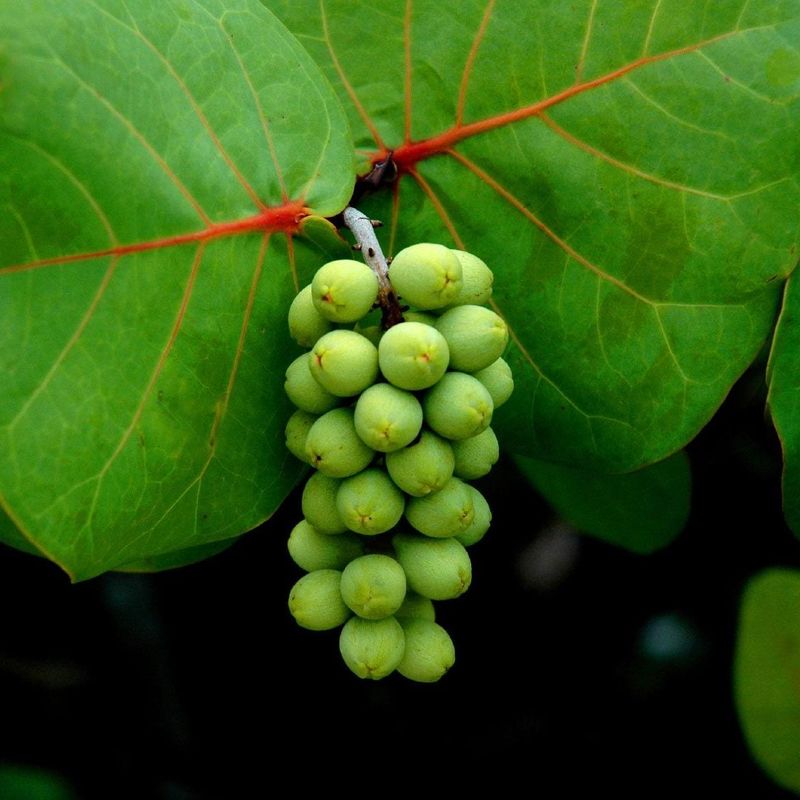
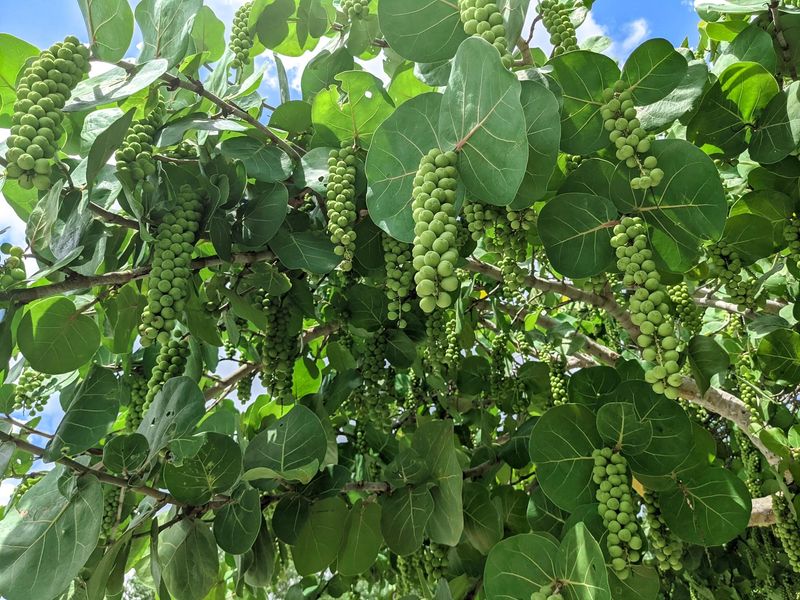
Big round leaves give sea grape the look of a tropical statement plant, the kind that makes a plain yard feel closer to the beach. In the right Florida location, it can be both a bold ornamental and a useful fruiting plant.
Sea grape is best suited to coastal and warmer parts of Florida, where salt spray, wind, and sandy soil make many plants struggle. Its large leaves create a sculptural screen, and the fruit ripens in grape-like clusters that turn from green to purplish.
The fruit can be eaten fresh when fully ripe, though many gardeners prefer it as jelly or juice because of the large seed. If you want fruit, plant where the shrub or small tree has room and enough sun to develop a strong crop.
In a front yard, sea grape can anchor a corner, soften a driveway edge, or serve as a privacy planting with personality. Regular pruning keeps it more garden-like and less wild, which matters if you are using it near sidewalks or property lines.
Gardeners farther inland or in colder pockets should choose carefully, since frost can damage it. Along the coast, though, sea grape is one of the most handsome edible natives you can grow.
4. Seminole Pumpkin
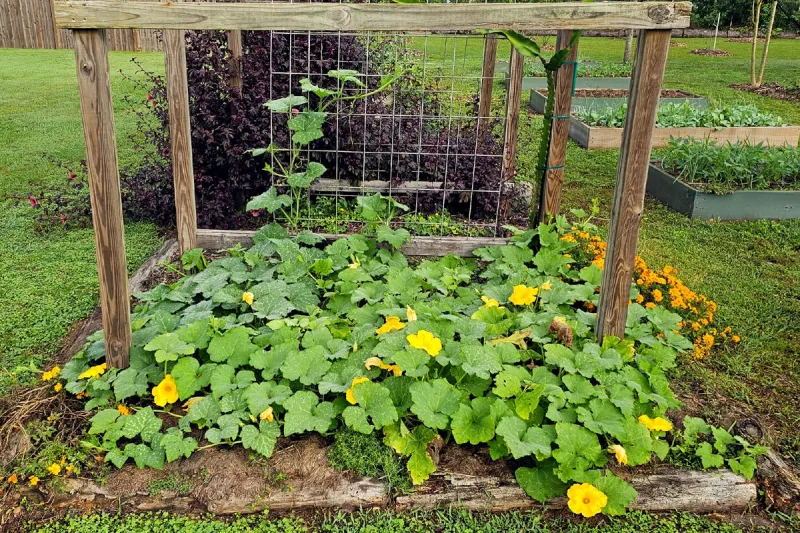
A pumpkin vine in the front yard might sound risky until you meet Seminole pumpkin. Grown on a sturdy trellis or allowed to ramble through a planned bed, it brings big leaves, yellow flowers, and charming tan fruits with old Florida character.
Seminole pumpkin has deep roots in Florida gardening history and is often praised for handling heat, humidity, and pest pressure better than many common pumpkin varieties. It is a native or long-naturalized heirloom associated with Indigenous agriculture in the region, which gives it a real sense of place.
The flowers are edible, and the mature pumpkins store well after harvest. The flesh can be roasted, baked, added to soups, or used in pies, making it one of the most practical food plants on this list.
For curb appeal, give it structure instead of letting it swallow the lawn. A cattle-panel arch, obelisk, fence, or pergola can turn the vine into a living display while keeping fruit off wet soil after summer rain.
Plant it where it gets full sun and good air movement. In Florida’s long warm season, one healthy vine can become a conversation piece and a pantry helper at the same time.
5. Muscadine Grape
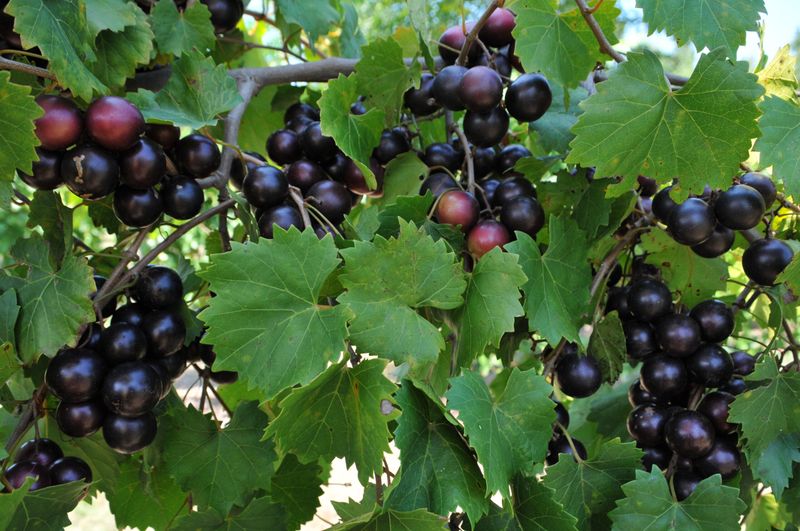
Few plants say Southern garden quite like muscadine, especially when the vine is trained over an arbor or along a strong fence. Instead of hiding food plants in the backyard, you can use muscadine to frame an entry walk with shade, texture, and late-season fruit.
Florida is within the native range of wild muscadine grapes, and improved varieties are widely grown across the South. They are tougher in heat and humidity than many bunch grapes, which is a major advantage for gardeners dealing with Florida summers.
The fruit has thick skin, bold flavor, and a musky sweetness that people tend to either adore right away or learn to love. Muscadines are used fresh, in juice, jelly, sauces, and homemade wine where allowed.
Front-yard success depends on training. Give the vine a durable arbor, trellis, or fence system from the start, because a mature muscadine is heavy and vigorous.
Choose a sunny spot with decent drainage, and prune during the dormant season to keep the vine productive and presentable. Some varieties need another plant for pollination, while self-fertile selections can fruit alone, so check the label before planting.
When managed well, muscadine offers a polished edible feature rather than a tangled mess. It is a strong pick for gardeners who want vertical interest and a true harvest.
6. Florida Persimmon
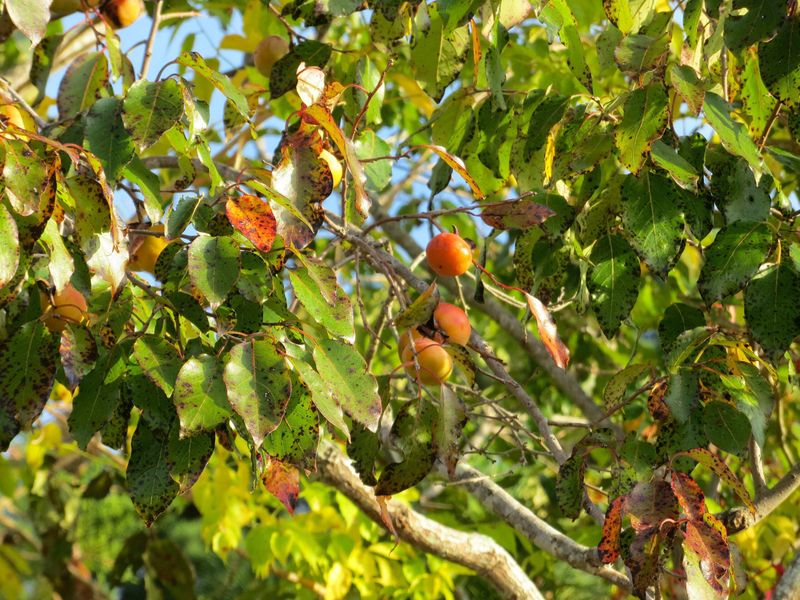
Small orange fruit glowing on bare or thinning branches can make Florida persimmon feel like a little autumn surprise. It is not as common in front yards as crape myrtle or ligustrum, but it gives far more back to a Florida edible landscape.
Florida persimmon is a native tree that can suit larger front yards, naturalized edges, and sunny side lawns where a small to medium tree has room to mature. Its dark bark, wildlife value, and seasonal fruit make it feel more layered than a standard ornamental tree.
The ripe fruit is edible when soft, but patience matters. Unripe persimmons can be unpleasantly astringent, so wait until the fruit is fully colored and tender before tasting or using it in breads, puddings, sauces, or preserves.
For a neat front-yard look, plant it as a specimen tree with a simple mulch ring and low native groundcovers around the base. Avoid cramming it into a tight foundation bed, since it needs space and light to develop well.
Wildlife may share the harvest, especially birds and mammals. That is part of the value for many Florida gardeners, but if you want fruit for yourself, be ready to pick promptly when it ripens.
7. Prickly Pear Cactus
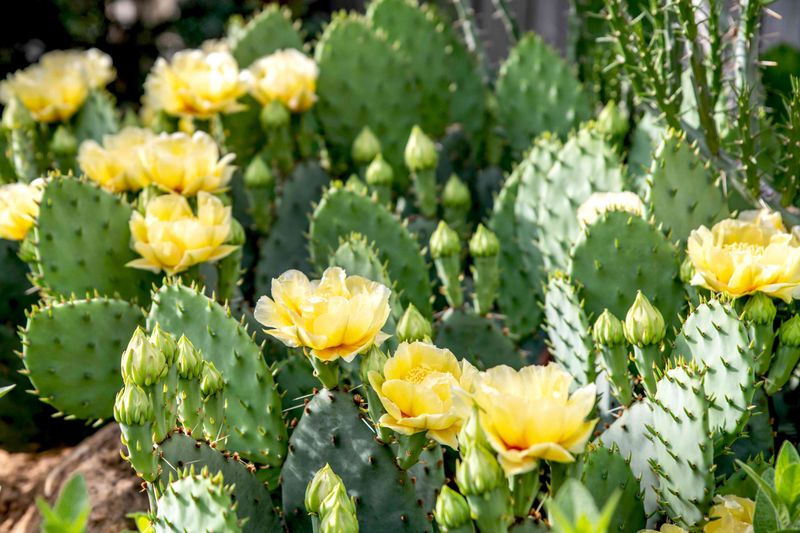
For the sunniest, driest strip by the driveway, prickly pear can be a problem-solver with attitude. Its flat pads, bright flowers, and colorful fruit look right at home in a Florida yard that leans natural, coastal, or modern.
Native prickly pears grow in parts of Florida and are well suited to sandy, fast-draining soil. Once established, they ask for very little water, which makes them useful in hot front-yard beds where thirsty ornamentals fade.
Both the young pads and ripe fruits are edible when properly handled and prepared. The pads, often called nopales, must be carefully cleaned of spines and glochids, while the fruits can be made into syrup, jelly, drinks, or desserts.
Placement is everything with this plant. Keep it away from narrow walkways, children’s play areas, mailbox routes, and any spot where guests might brush against it.
In the right bed, prickly pear offers a tidy, low-water harvest with real visual punch. Pair it with native grasses, beach sunflower, or other drought-tolerant plants for a front yard that looks intentional instead of neglected.
It also attracts pollinators when in bloom. That gives you flowers, fruit, and wildlife value from one tough plant that thrives where many softer choices struggle.