
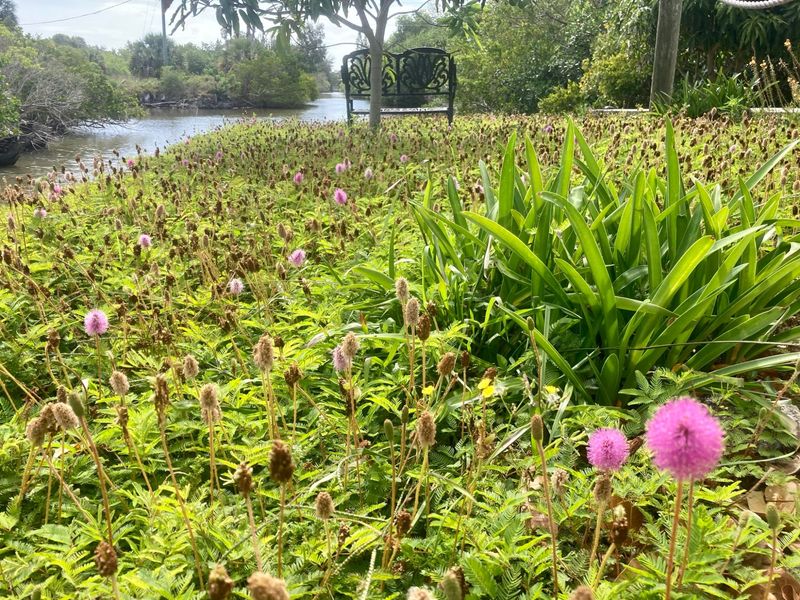
Sunshine mimosa is famous for making a Florida yard look soft, green, and alive without acting like a fussy lawn. But it is not the only native ground cover that can knit bare sand into a cleaner, fuller planting.
The right choice depends on your sun, soil, salt, foot traffic, and how polished you want the space to look. These seven Florida natives bring that same yard-filling usefulness while holding their shape better than many tired, patchy lawn substitutes.
1. Turkey Tangle Frogfruit
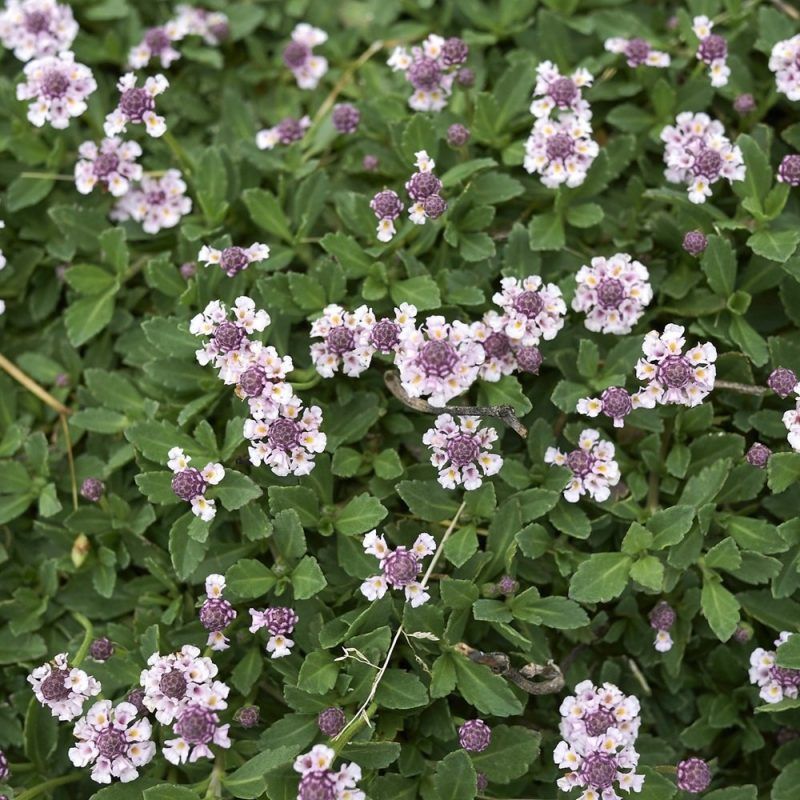
A lawn that hums with bees can still look tidy, and turkey tangle frogfruit proves it better than almost anything else on this list. Its small leaves creep low across the soil, while little button-like flowers pop up in white, pink, or lavender tones through much of Florida’s warm season.
Frogfruit stands out because it can handle a surprising amount of real-life yard use. It tolerates sandy soil, regular sun, brief wet spells, and occasional stepping, which makes it useful between pavers, along driveway edges, or in open lawn-replacement patches where turf keeps thinning.
Compared with sunshine mimosa, frogfruit has a finer, more meadow-like look and usually stays lower. It can go a bit brown in a hard dry spell, but it tends to rebound once rain returns or irrigation steadies out.
For the cleanest look, mow or string-trim it lightly a few times a year, especially after heavy flowering. Skip rich fertilizer, since lean Florida soil helps keep the growth compact instead of floppy.
2. Carolina Ponysfoot
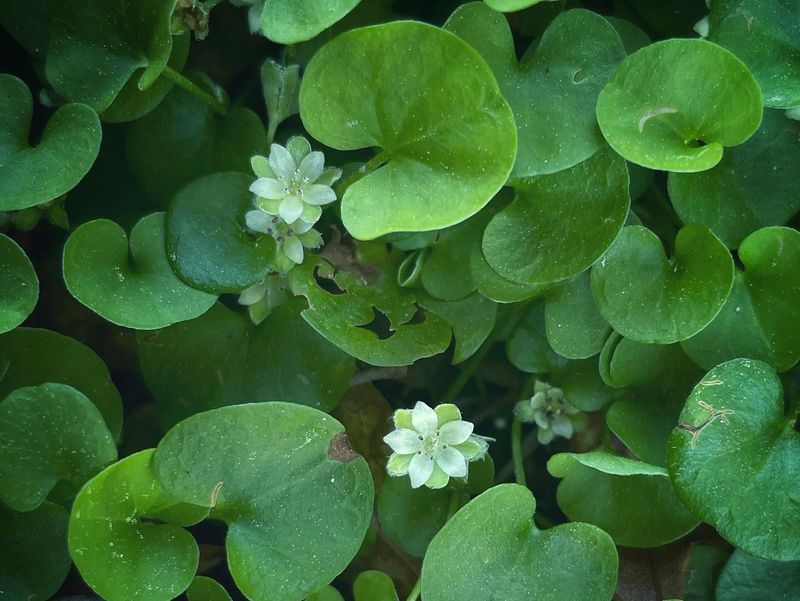
Under a live oak, where turfgrass gives up and sunshine mimosa may not get enough direct light, Carolina ponysfoot quietly earns its keep. The rounded leaves look like tiny lily pads scattered across the ground, creating a soft green carpet that feels calm rather than weedy.
Its biggest advantage is shade tolerance. Many Florida ground covers want blazing sun, but Carolina ponysfoot is comfortable in part shade, bright filtered light, and those awkward strips along foundations or fences where the sun moves in and out all day.
Growth is low and smooth, which helps it avoid the ragged look that can happen when taller ground covers stretch. It is not the right pick for heavy foot traffic, but it works beautifully as a living mulch around native shrubs, along shady paths, or beneath palms where leaves can be blown off easily.
Give it a little moisture while it gets established, especially in fast-draining sand. Once it settles in, it can fill bare pockets with very little drama, though a crisp edging line will keep it looking intentional.
3. Twinflower
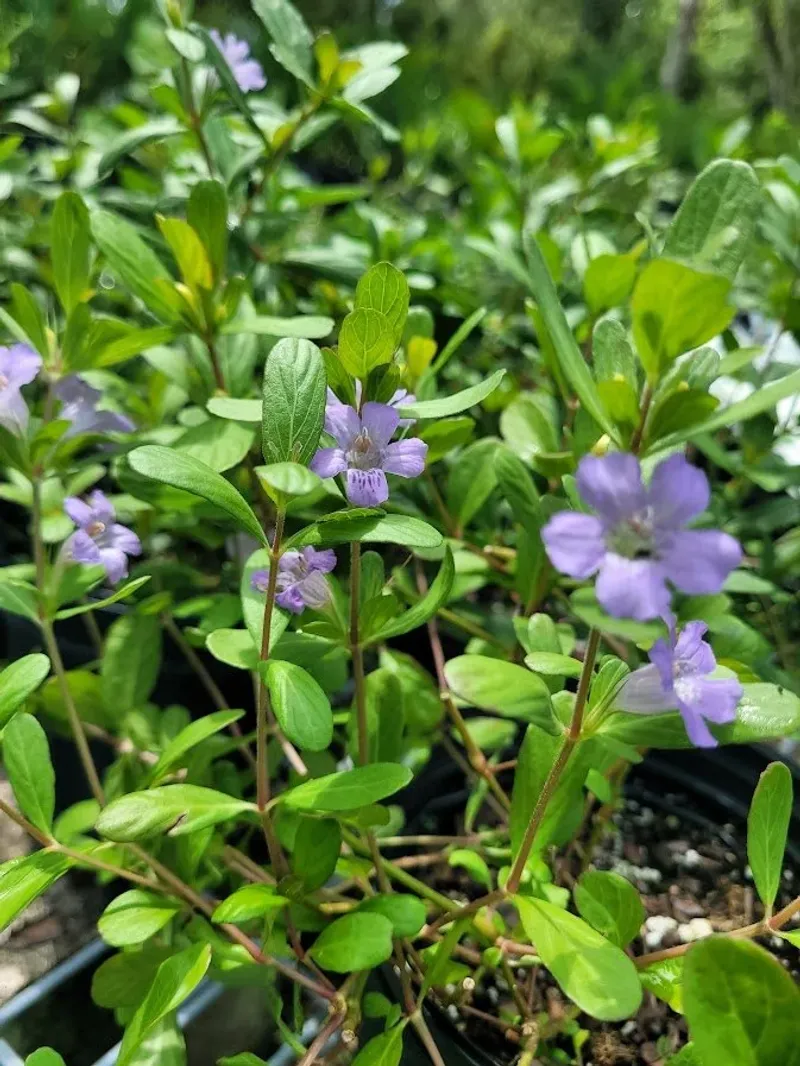
Little purple flowers appearing like surprise confetti make twinflower feel more charming than its modest size suggests. Instead of racing across a yard, it builds a low, leafy mat that looks especially good near paths, mailbox beds, and the front edge of native plantings.
Twinflower is different from the faster spreaders because it gives a more gardened look. The leaves are neat, the height stays manageable, and the blooms are small enough that the plant never looks messy after flowering.
Florida gardeners often use it where they want coverage without the wild look of a meadow. It handles sun to part shade, likes well-drained soil, and can fit into small yards where a more aggressive ground cover would be too much.
Pollinators visit the flowers, and the plant can weave nicely around bunch grasses, coontie, firebush, or compact native shrubs. Water it during establishment, then let it toughen up, since constant pampering can lead to softer growth.
If your goal is a crisp, low native layer that still has personality, twinflower is one of the easiest to place. It is especially useful when the yard needs polish, not just coverage.
4. Beach Sunflower
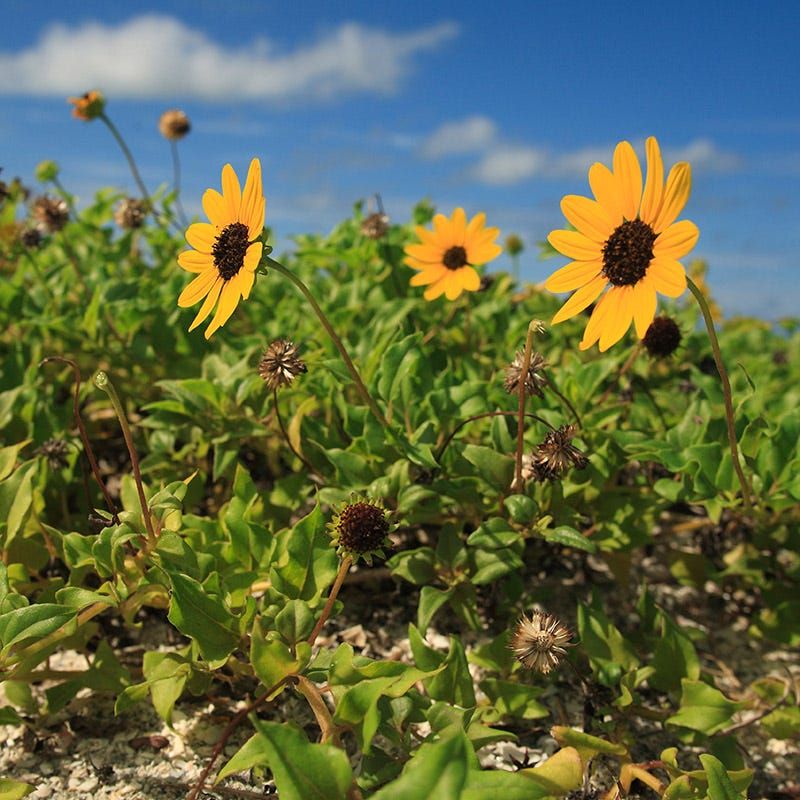
For a bare, sunny strip that bakes beside a driveway, beach sunflower brings the cheerful look of a mini wildflower field without needing rich soil. Its yellow blooms have a casual coastal feel, like they belong near shell paths, white sand, and salt air.
Beach sunflower earns its spot because it handles conditions that make many ground covers sulk. Full sun, sandy soil, reflected heat, and coastal exposure are all part of its comfort zone, especially in peninsular Florida landscapes.
The plant spreads wider than it grows tall, but it is not as lawn-like as frogfruit or ponysfoot. Think of it as a flowering ground cover for visible beds, slopes, road edges, and sunny corners where you want color and coverage more than a walkable surface.
To keep it from looking tired, trim it back after heavy bloom cycles or when stems get woody. That quick haircut encourages fresh growth and keeps the planting from turning into a loose tangle.
Use beach sunflower where a polished lawn is not the goal, but a full, bright, heat-ready native planting is. It can make a difficult sandy patch look deliberate in one warm growing season.
5. Golden Creeper
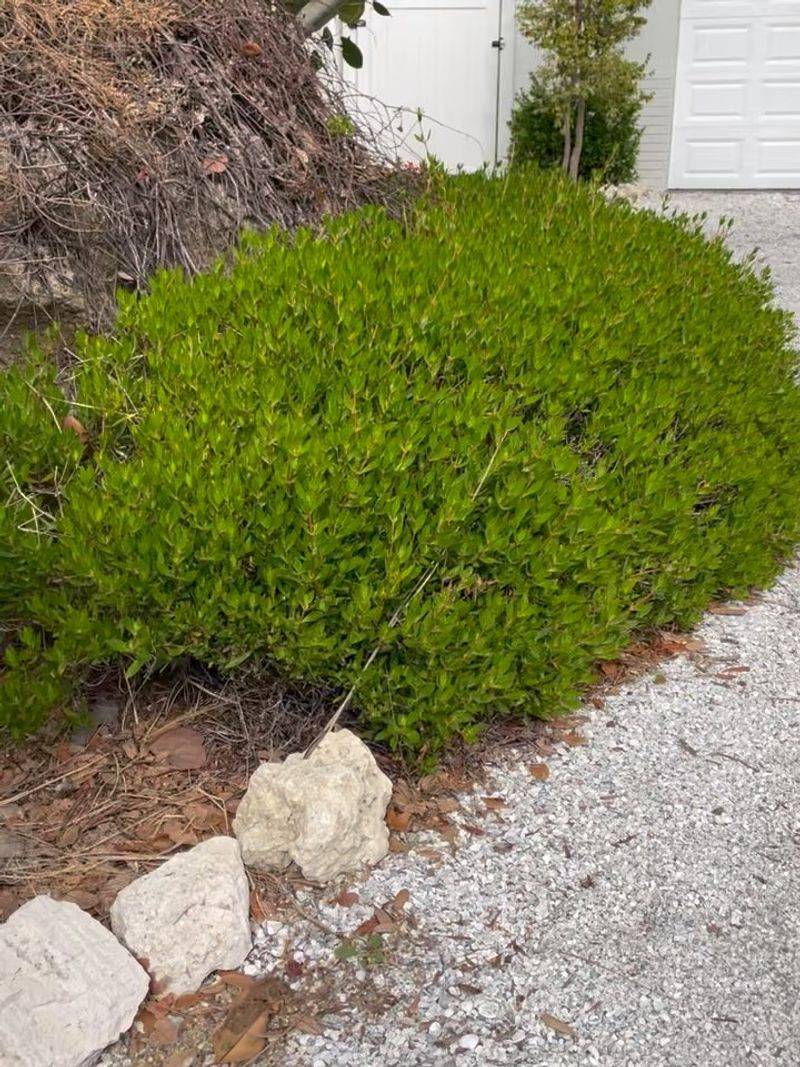
South Florida yards sometimes need a ground cover that looks groomed even when the weather feels punishing. Golden creeper has that clipped, coastal toughness, with small glossy leaves and warm-toned berries that give it more character than a plain green mat.
Its best role is in hot, exposed, salt-influenced landscapes. In the right part of Florida, especially coastal central and South Florida, it can cover sandy ground, soften rock edges, and help tie together tropical-looking native beds.
Golden creeper is not the choice for North Florida freezes, and that matters. Gardeners in colder inland areas should treat it carefully or choose a hardier native instead, but in warm coastal yards it can be a handsome, low-care performer.
What makes it different from sunshine mimosa is structure. It has a firmer, shrubbier ground-cover habit, so it can read as more tailored around entries, pool cages, and street-facing beds.
Give it excellent drainage and plenty of sun. Once rooted, it asks for less fuss than many ornamental ground covers, though occasional trimming helps guide the shape and prevent uneven mounds.
6. Lyreleaf Sage
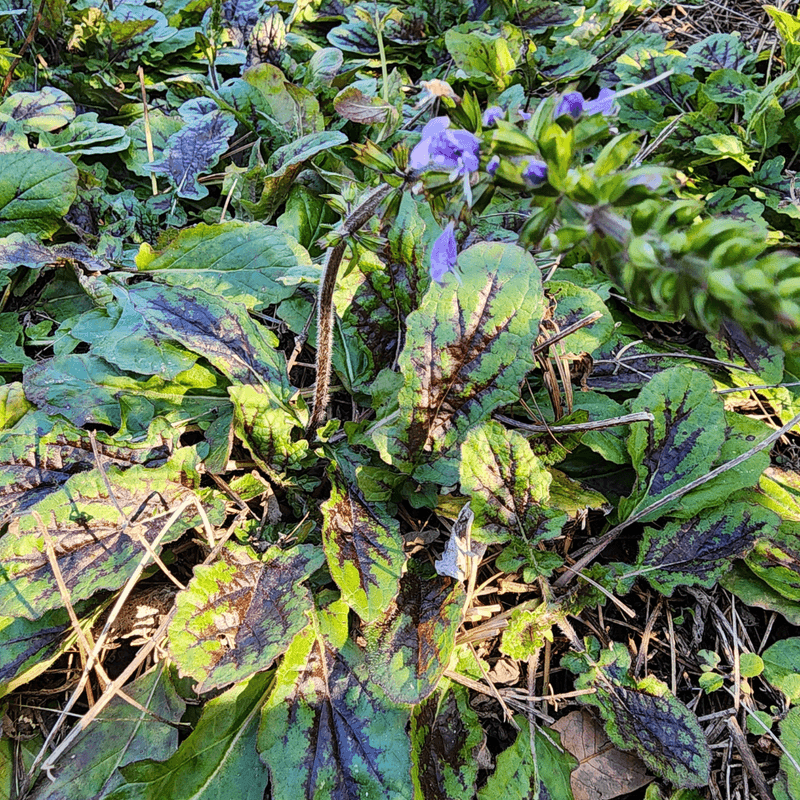
A patch of lyreleaf sage can look almost like someone tucked a native wildflower meadow into the lawn on purpose. Low rosettes hug the ground for much of the year, then spring flower spikes rise above them in soft blue to violet shades.
Lyreleaf sage is useful because it bridges the gap between ground cover and seasonal bloom. It is not as carpet-smooth as sunshine mimosa, but it spreads by seed and small colonies, filling relaxed lawn edges, woodland margins, and lightly managed native turf areas.
Part sun is often its sweet spot, especially where Florida’s afternoon heat would roast more delicate plants. It can handle sandy soil and lean conditions, and it is a friendly fit for gardeners who want more pollinator value without turning the whole yard into a tall meadow.
After flowering, the old stalks can look scruffy if left standing too long. A quick mow on a high setting or a hand trim brings the planting back to a low, green layer.
Use lyreleaf sage where a slightly wilder, cottage-style look makes sense. Around trees, along back fences, or in a low-input side yard, it fills space with far more life than struggling grass.
7. Coastal Beach Verbena
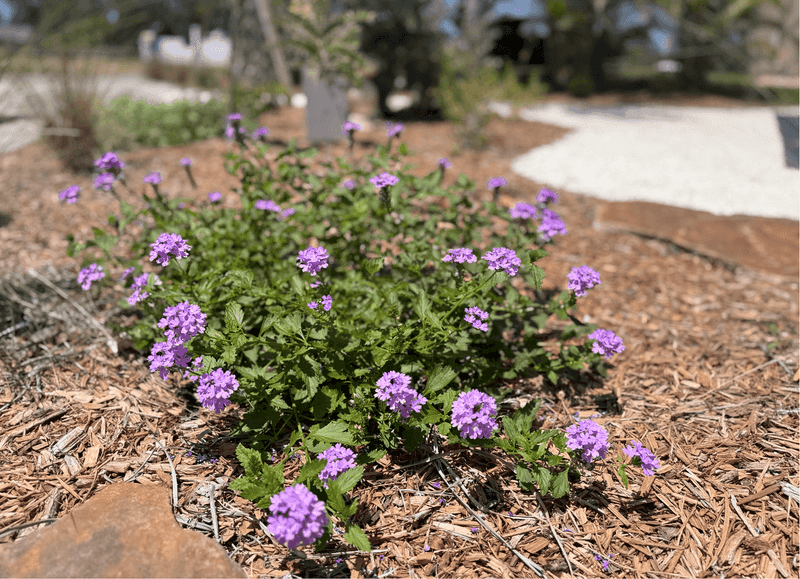
Purple flowers near the ground can make a sandy Florida bed look finished almost overnight, and coastal beach verbena brings that color with a naturally low habit. It has the relaxed style of a beach plant, but in the right spot it can still look neat enough for a front-yard planting.
Its special strength is coastal toughness paired with showy bloom. Many ground covers are practical but plain, while this one offers a clear ornamental payoff for sunny, dry, sandy locations.
Coastal beach verbena is best for gardeners near the coast or in well-drained inland sites that mimic beach conditions. It does not want soggy soil, so avoid low spots that hold water after storms or summer downpours.
Compared with sunshine mimosa, it feels more floral and less lawn-like. That makes it better for borders, pollinator strips, curbside beds, and open spaces between drought-tolerant natives than for areas where people regularly walk.
Trim lightly after bloom flushes to keep the stems fresh and compact. With sun, drainage, and room to spread, it can turn a rough patch of sand into a colorful native ground layer that still feels controlled.