
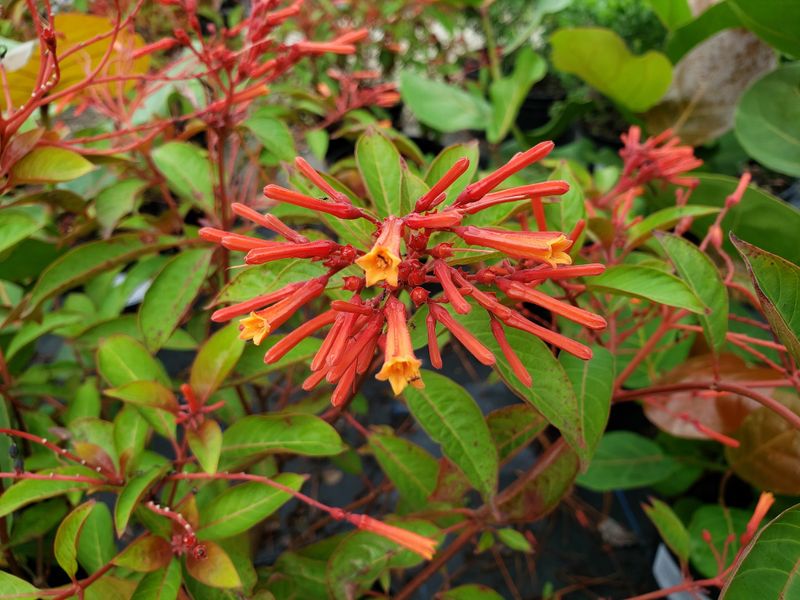
Bare soil and thin grass can turn a Florida yard into a hot, weedy, pest-friendly mess by midsummer. Native ground covers help shade the soil, fill gaps, and reduce the messy edges where ticks and ants often find shelter.
They are not magic pest control, but the right plants can make your yard cleaner, cooler, and easier to manage. Here are seven Florida natives that work hard in real heat, sandy soil, and everyday home landscapes.
1. Sunshine Mimosa
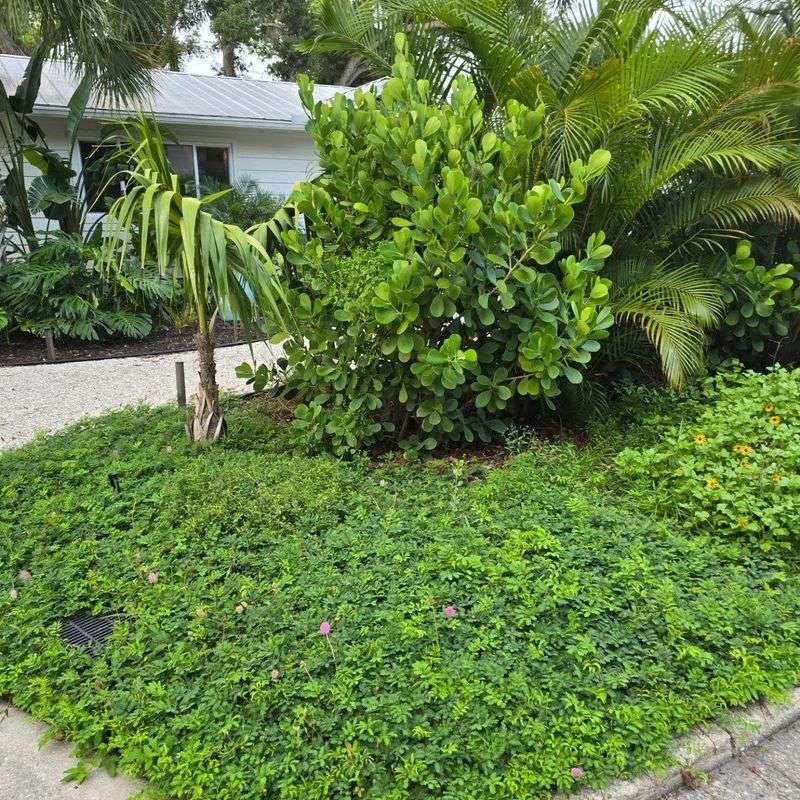
A barefoot-friendly lawn patch that blooms like tiny pink fireworks is hard to ignore. Sunshine mimosa, also called powderpuff, is one of the most useful native ground covers for Florida homeowners who want a softer, greener surface without keeping every inch in turfgrass.
Its low, spreading stems knit across sunny areas and help cover bare sand where ants often build small mounds after rain. By shading the soil and reducing open, disturbed patches, it can make the ground less attractive for some nesting ants while also giving weeds less room to move in.
Sunshine mimosa is especially helpful along paths, mailbox strips, and sunny lawn edges where turf thins out in heat. It handles Florida sun well once established, though it looks best with occasional water during long dry spells.
For tick reduction, its biggest value is in creating a tidy, low mat instead of tall, tangled growth. Keep it trimmed away from dense shrubs, leaf piles, and fence lines, and it becomes part of a cleaner yard system rather than a hiding place.
2. Frogfruit
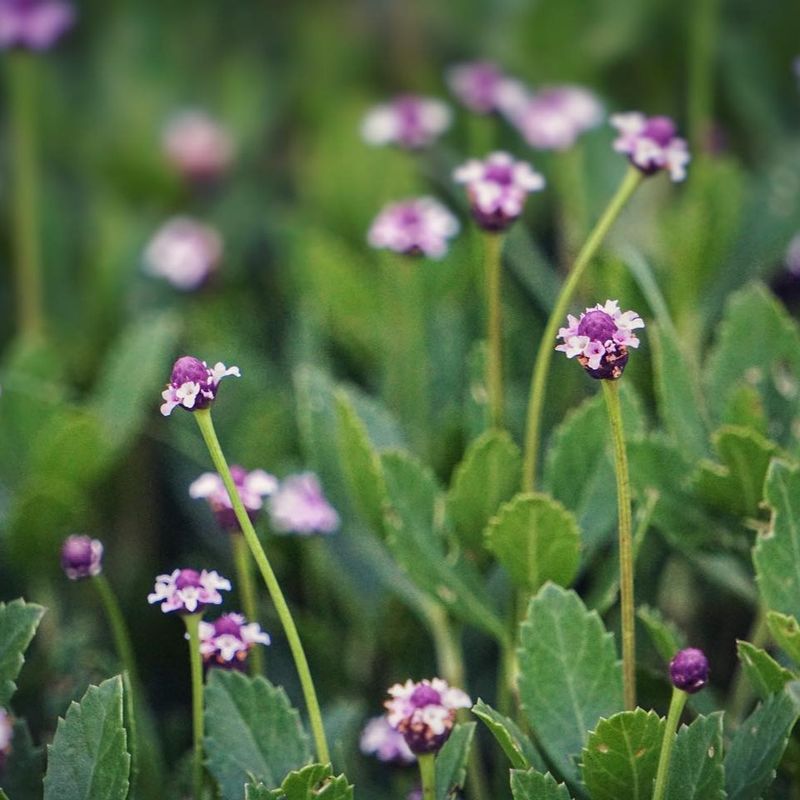
Butterflies find frogfruit before many gardeners do, which is part of its charm. This tough little native creeps along the ground, flowers for a long stretch, and brings a lively, meadow-like look without shooting up into a tall thicket.
Frogfruit earns its spot because it fits those awkward Florida spaces where grass struggles but full mulch looks too plain. Think sunny strips beside patios, areas around stepping stones, and open beds where you want living cover instead of hot bare soil.
Because it stays relatively low, frogfruit can help reduce the kind of overgrown, humid edge habitat that ticks favor. It also covers exposed soil, which may discourage some ant activity by keeping the surface cooler and less open for easy mound building.
Give frogfruit sun to part sun and avoid burying it under heavy mulch once it starts spreading. In sandy soil, water it during establishment, then let it settle into a leaner routine.
The bonus is pollinator value. Small native bees and butterflies use the blooms, so you get a yard that feels more alive while still staying practical for summer pest management.
3. Twinflower
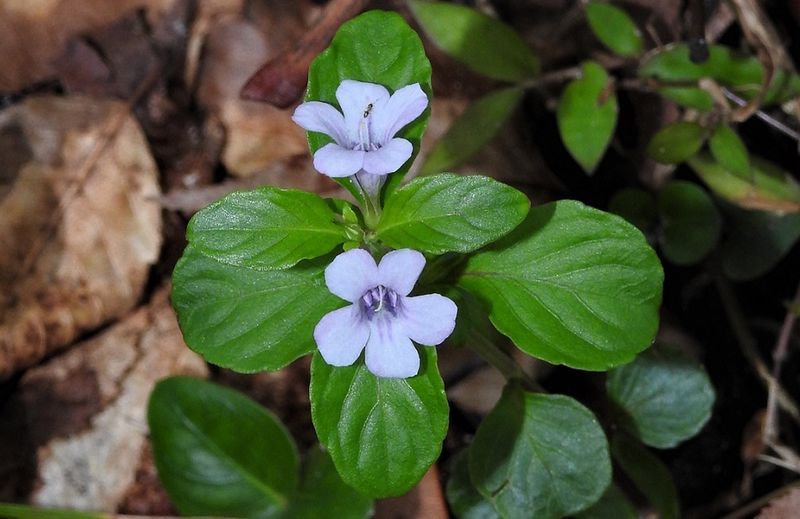
Shady side yards can become the forgotten junk drawer of the landscape. Twinflower gives those dimmer Florida spots a neater, softer option, with small purple blooms that appear like little surprises among the leaves.
Unlike sun-loving ground covers, twinflower shines in part shade, open shade, and the filtered light near trees or porches. That makes it different from many lawn alternatives that only perform well in strong sun.
A cleaner shaded bed matters because ticks often linger where moisture, leaf litter, and dense cover pile up together. Twinflower can form a low, living layer that looks intentional, while regular raking of fallen leaves keeps the area from becoming a damp pest refuge.
For ants, the benefit is mostly about reducing bare, loose soil along foundations and shaded borders. Covering those gaps with roots and foliage can make the area less inviting than open sand, especially when paired with good drainage and no food scraps nearby.
Plant twinflower where foot traffic is light. It is better for bed edges and naturalized pockets than a play lawn, and it rewards that placement with a calm, native look that handles Florida humidity gracefully.
4. Lyreleaf Sage
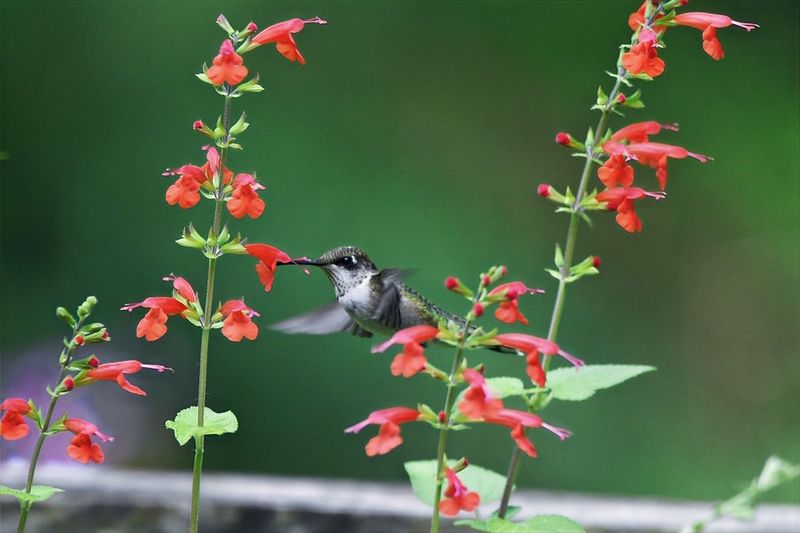
A little wildflower energy can make a yard feel cared for without feeling stiff. Lyreleaf sage brings that relaxed Florida look, with leafy rosettes close to the ground and purple-blue bloom spikes that rise in season.
Its difference is texture. Lyreleaf sage is not a tight lawn-like mat, but a colony-forming native that works well in informal borders, under high tree canopies, and in transition zones between lawn and shrubs.
Those transition zones matter for ticks. Ticks are often a bigger issue where tall grass, brush, pets, and wildlife paths overlap, so replacing weedy edges with managed native cover can help lower the clutter that gives them cover.
Lyreleaf sage also competes with weeds that create messy, seed-filled patches by summer. When the soil is less disturbed and less open, ants may find fewer easy bare spots for visible mounds, though ant pressure will still depend on moisture, food sources, and nearby nests.
Cut back spent flower stalks if you want a tidier look, or let some seed if you enjoy a more natural garden. In many Florida yards, it is a good fit for gardeners who want native beauty with very little fuss.
5. Coontie
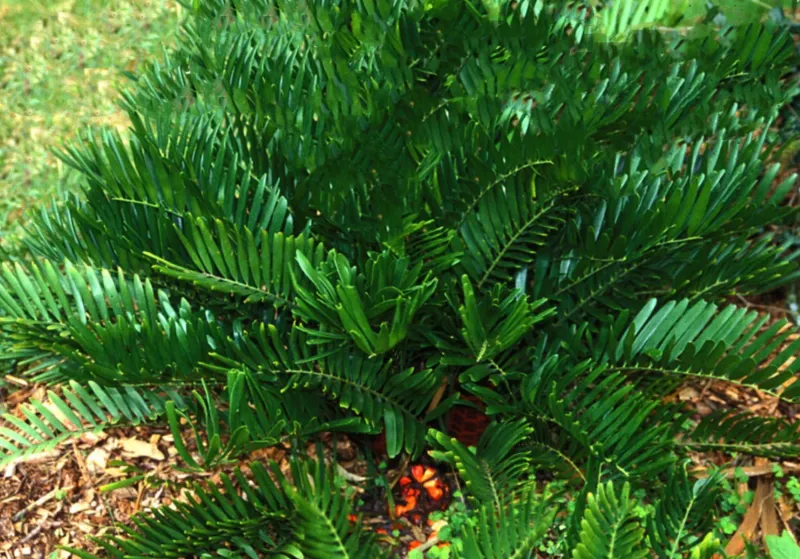
Coontie looks almost tropical enough to be fussy, but it is one of Florida’s toughest native landscape plants. Its glossy, palm-like fronds bring structure to hot beds, foundation plantings, and dry sandy spots where softer ground covers may fade.
What makes coontie stand apart is its clumping form. It will not spread like a carpet, but planted in groups, it creates a low, durable cover that shades soil and gives beds a finished look without constant replanting.
For pest-minded homeowners, coontie is useful where mulch-only beds become ant highways or loose sandy patches. A mass of established plants can break up open ground, lower surface heat, and make the bed easier to inspect than a weedy tangle.
Coontie also supports the rare atala butterfly, a Florida native success story many gardeners love. That wildlife benefit comes without creating tall, wet growth that would be harder to manage near walkways or patios.
Use coontie where you want a sturdy, set-and-forget foundation layer, not a walkable lawn substitute. Keep leaf litter from packing deeply underneath, especially near the house, and it becomes a handsome native choice for cleaner summer beds.
6. Beach Sunflower
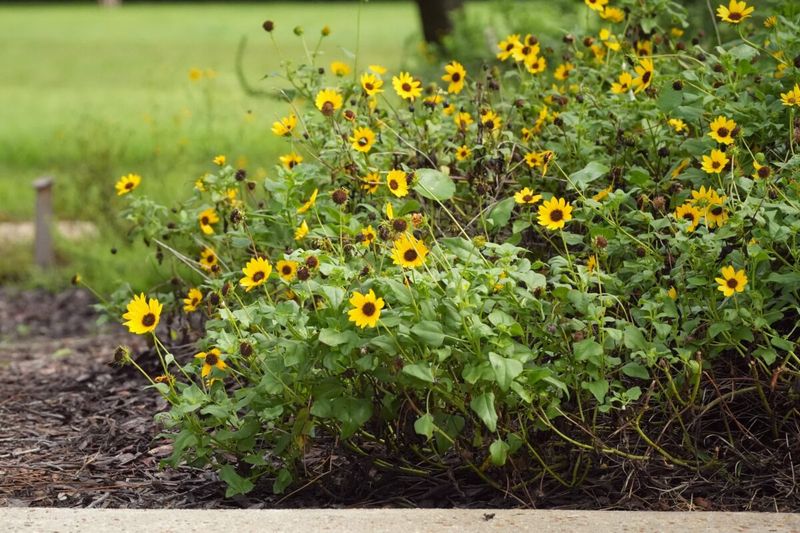
Few plants make poor sandy soil look cheerful as quickly as beach sunflower. With golden daisy-like blooms and a sprawling habit, it turns hot open ground into a bright, living blanket that feels right at home in much of Florida.
Beach sunflower is the pick for full sun, salt tolerance, and quick coverage. It is especially handy in coastal gardens, roadside strips, and dry front-yard beds where reflected heat can punish less adapted plants.
Fast coverage is helpful because bare sand often invites weeds and visible ant activity. While beach sunflower will not remove an established ant colony by itself, it can reduce open, exposed soil and help create a more stable planting area.
Its growth can get enthusiastic, so plan for trimming. A light cutback keeps it from swallowing paths and prevents the kind of messy overgrowth that can hold humidity near the ground.
Ticks are less likely to favor sunny, open, well-maintained areas than brushy, shaded clutter, so beach sunflower works best when used as a sunny replacement for weeds and tall grass. Pair it with clear borders, regular edging, and less leaf debris for a more pest-aware summer yard.
7. Creeping Sage
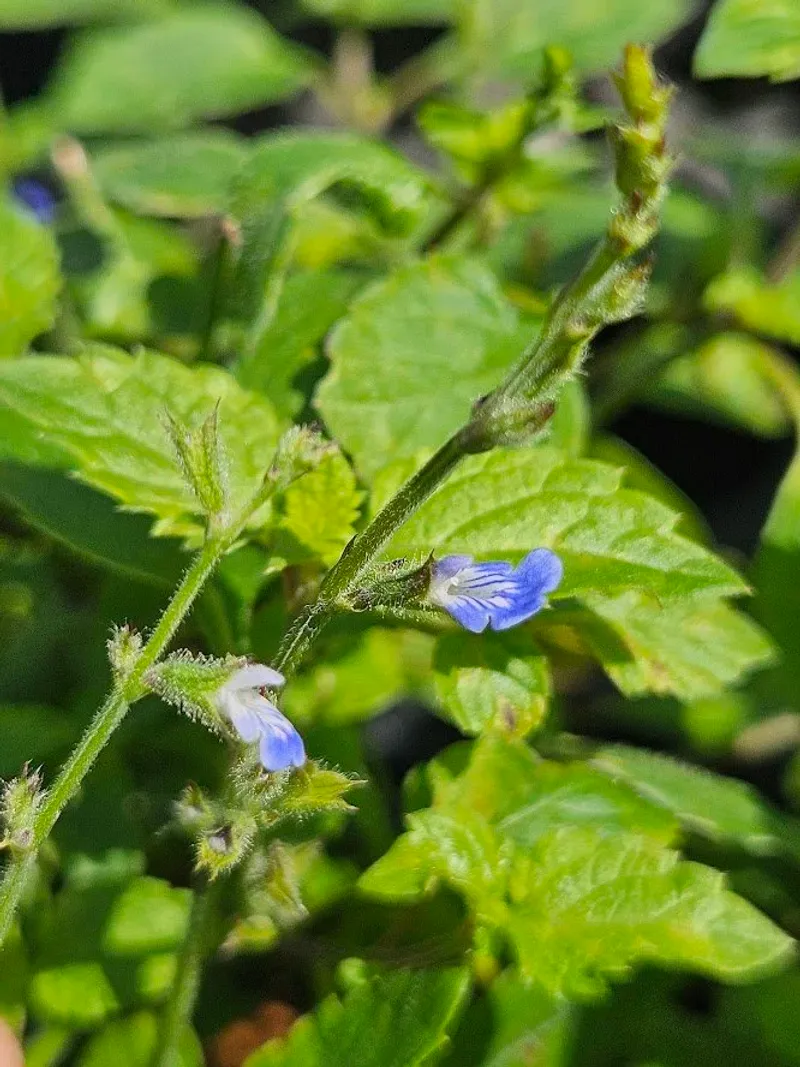
Under oaks and palms, the ground can go patchy fast. Creeping sage steps into that tricky space with a low, spreading habit and soft blooms that suit a natural Florida backyard.
Its best feature is flexibility in light shade. Where harsh sun ground covers struggle under tree roots and turfgrass thins into dirt, creeping sage can help create a more continuous planted layer.
That matters because neglected shade often gathers leaves, weeds, and moist pockets that can support tick habitat. Creeping sage works well when you use it with simple upkeep, such as removing thick leaf mats, pruning low branches for airflow, and keeping pet resting areas open and dry.
For ants, a planted understory can be easier to manage than bare soil that keeps washing, cracking, and rebuilding after storms. Florida summer rain can change a bed overnight, so living roots help hold the surface in place.
Creeping sage is not as common in garden centers as some flashier plants, so look for native nurseries or local plant sales. Once you find it, use it where a quiet, woodland-style ground cover makes more sense than a sunny lawn substitute.