
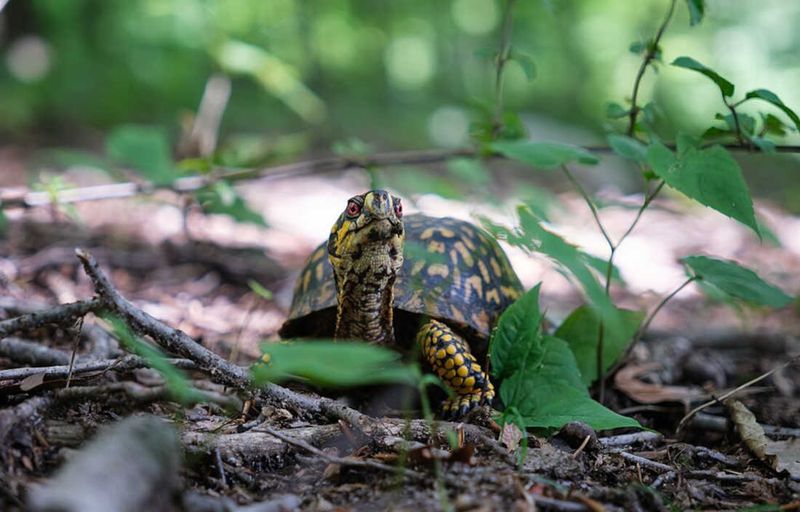
Box turtles are shy backyard visitors, but the right plants can make your yard feel safe to them. In Florida, they need shade, leaf litter, low hiding spots, and food sources like berries, insects, and fallen fruit.
Native plants are a smart choice because they fit Florida’s sandy soil, heat, heavy rain, and wildlife needs. Plant a few of these in quiet corners, and your yard can become more than pretty, it can become useful habitat.
1. Coontie
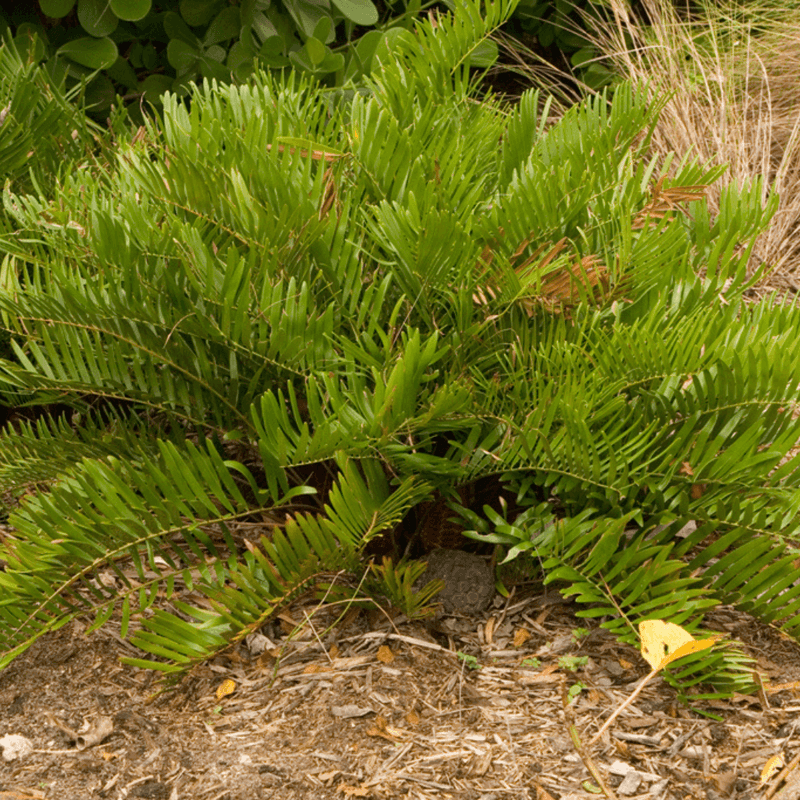
A shady corner with coontie can feel like a tiny forest floor, which is exactly the sort of place a box turtle may pause instead of hurrying through. Its stiff, arching fronds make low cover without needing constant trimming, so it works well beside patios, fences, oak trees, and naturalized beds.
Coontie is especially useful because it gives structure close to the ground. Box turtles are not looking for open, tidy space all day.
They need places to duck under when temperatures climb, hawks pass overhead, or a curious dog wanders by.
Florida gardeners also like coontie because it handles sandy soil once established and stays neat in both formal and wildlife-style landscapes. It is the native cycad that supports the atala butterfly, so it adds another wildlife benefit without taking over the bed.
For turtle-friendly planting, group several coonties together instead of using one lonely specimen. Leave fallen oak leaves or pine needles tucked around the base, skip harsh chemical treatments, and place a shallow water dish nearby if the site is dry.
That mix of shade, cover, and leaf litter gives box turtles a reason to slow down and stay hidden.
2. Beautyberry
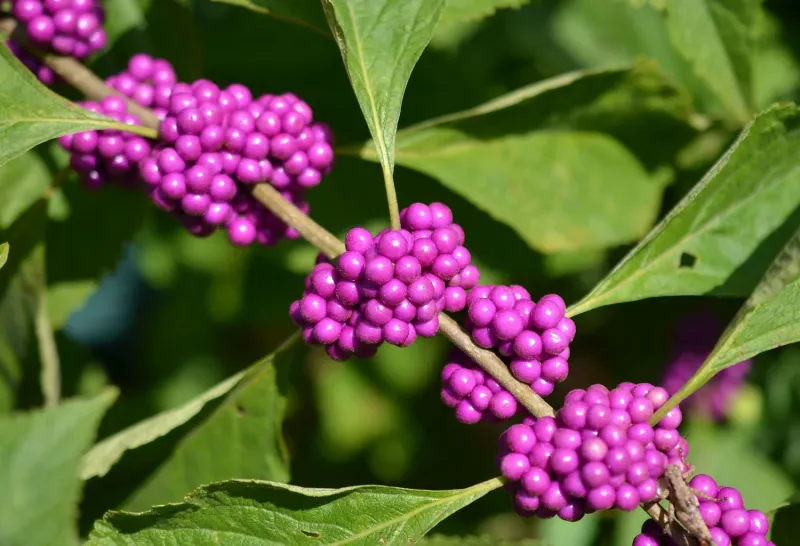
When beautyberry starts showing off its bright purple fruit, the whole shrub looks like someone decorated it by hand. Birds get most of the attention, but fallen berries and the insects drawn to the shrub can also make the area more interesting for box turtles moving through a Florida yard.
American beautyberry brings a different strength than coontie: it creates a soft, shrubby edge. Box turtles often travel along borders rather than across wide-open lawn, and beautyberry can help turn a plain fence line into a sheltered path.
Its arching stems cast broken shade, while the leaf litter beneath can hold moisture after rain.
This native shrub fits Florida’s long warm season and can tolerate many home landscape conditions, especially in part sun to light shade. In very sandy soil, water it during establishment, then let it settle into a lower-care rhythm.
Place beautyberry along the back of a bed, near a wooded edge, or beside a rain garden where the ground is not constantly soggy. Prune lightly rather than shearing it into a tight ball, since the loose shape gives better wildlife cover.
A natural skirt of leaves under the plant is not mess, it is part of the habitat.
3. Wild Coffee
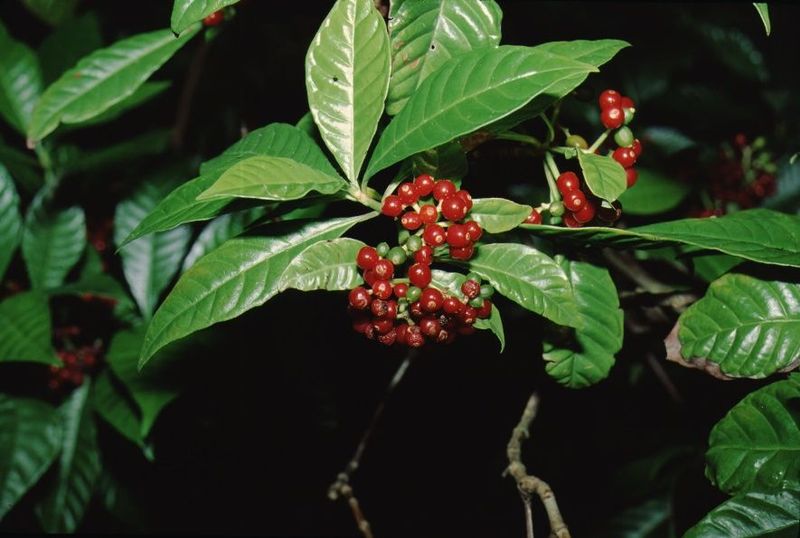
In a shady Florida yard, wild coffee earns its keep quietly. Glossy leaves, red berries, and a tidy shrub shape make it attractive near porches and walkways, but the real value for box turtles is down low where the branches shade the soil.
Wild coffee is a strong choice for gardeners who have oak canopy, filtered light, or a north-facing side yard that feels too dim for many flowers. It helps fill that middle layer between tall trees and groundcovers, making a layered habitat instead of a bare mulched strip.
That layered look is not only prettier, it gives small wildlife more ways to move without being exposed.
The fruit is used by birds, and the plant can support insects that become part of the backyard food web. Box turtles eat a varied diet, so a yard rich in native plants, beetles, worms, berries, and soft fallen material is more helpful than a sterile landscape.
Give wild coffee a spot with shade to part shade and reasonably well-drained soil. In colder parts of North Florida, protect it from hard freezes or use it in a sheltered microclimate.
Keep the ground below it lightly mulched with leaves, not bare, and avoid placing it where foot traffic will crush the cover turtles need.
4. Fakahatchee Grass
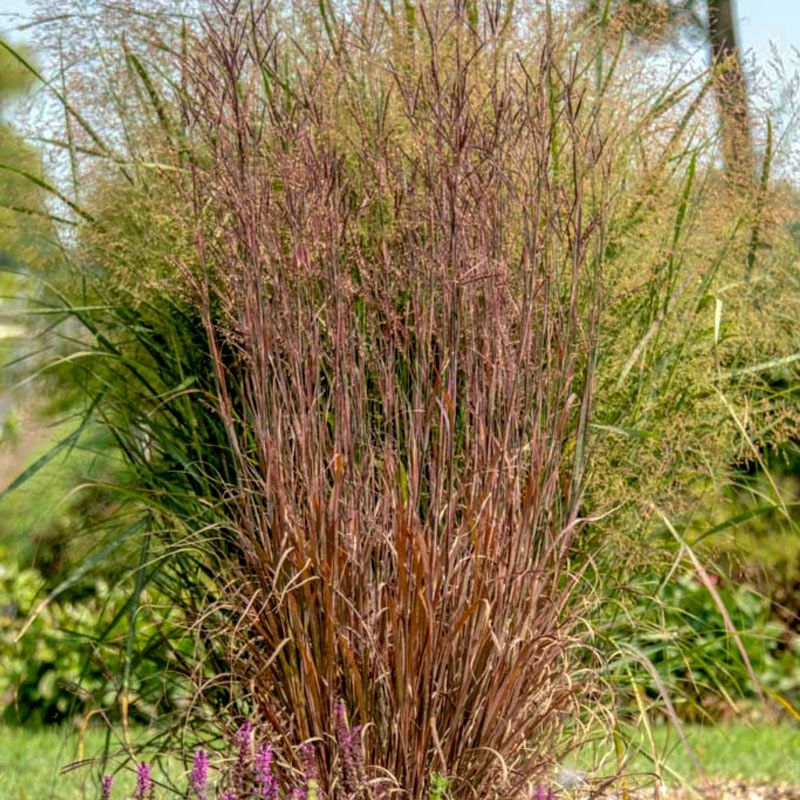
Big grasses can change a yard fast, and Fakahatchee grass does it with a wild, fountain-like shape that feels right at home in Florida. The dense base is the key feature for box turtles, offering a shaded pocket where the ground stays cooler than open turf.
Fakahatchee grass stands apart from berry shrubs because it gives strong cover in sunny places. Many turtle-friendly plantings focus on shade, but Florida yards often have blazing strips along driveways, pool cages, and property lines.
A row or cluster of this native grass can break up that heat and create safer travel lanes between deeper cover.
It also handles the practical side of Southern gardening. Once established, it can manage sun, sandy soil, and periods of wet weather better than many fussier ornamentals.
Its seed heads and tall blades add movement, so it looks intentional even when used in a natural habitat bed.
Plant it where there is room for the clump to mature, since crowding a walkway can lead to constant cutting. Leave some open leaf litter or pine straw around the base instead of rock mulch, which can heat up and offer little for turtles.
If you want a tidier look, use Fakahatchee grass as a repeating backdrop with lower natives in front.
5. Simpson’s Stopper
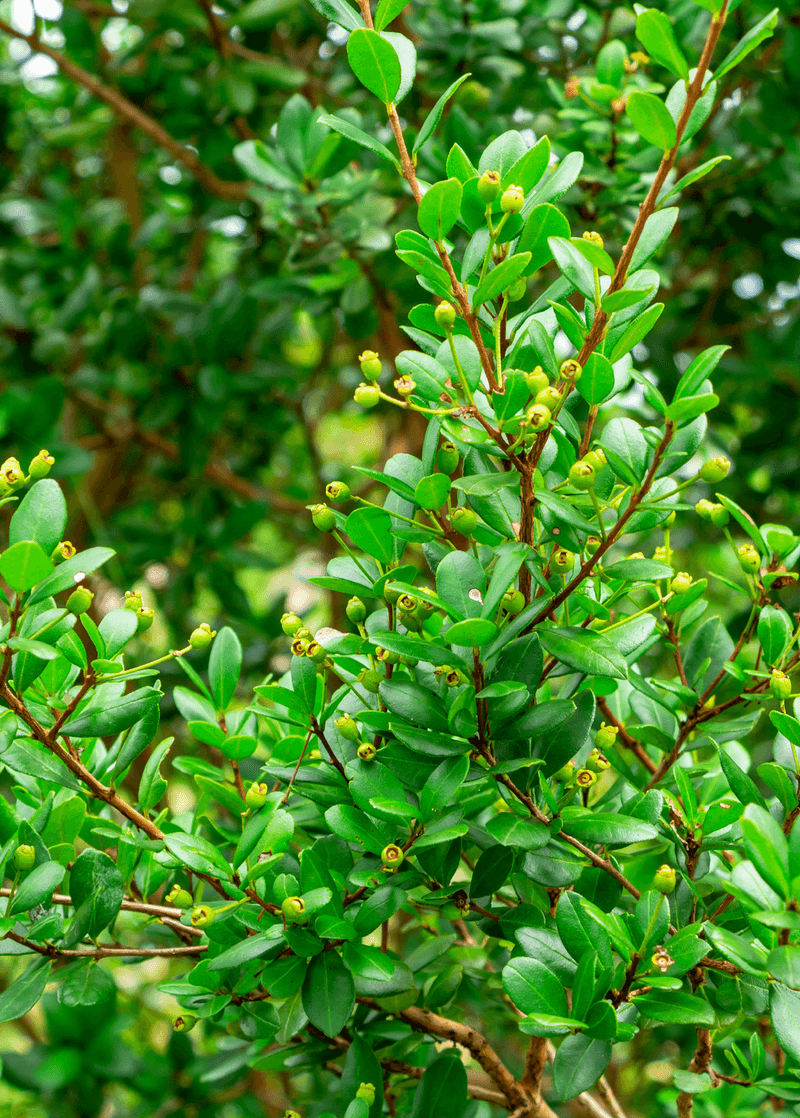
A living hedge does not have to be a stiff green wall. Simpson’s stopper can make a handsome screen with small white flowers, colorful berries, and enough branching near the ground to turn an exposed yard edge into a safer wildlife corridor.
For box turtles, the biggest gift is shelter with height and depth. A single low plant hides them for a moment, but a shrub line can guide movement from one quiet area to another.
That matters in Florida neighborhoods where lawns, driveways, patios, and fences can chop habitat into risky little pieces.
Simpson’s stopper is also a good fit for gardeners who want a native plant that still looks polished. It can be used near entries, along side yards, or as a replacement for more generic hedge plants.
Birds enjoy the fruit, pollinators visit the blooms, and the shaded soil below can become a cooler resting zone when leaf litter is allowed to collect.
Use it in sun to part shade, and water during the establishment period, especially in sandy soil. Avoid pruning the bottom bare if your goal is turtle cover.
A slightly fuller, more natural base gives small animals protection while still keeping the yard neat enough for a front landscape.
6. Frogfruit
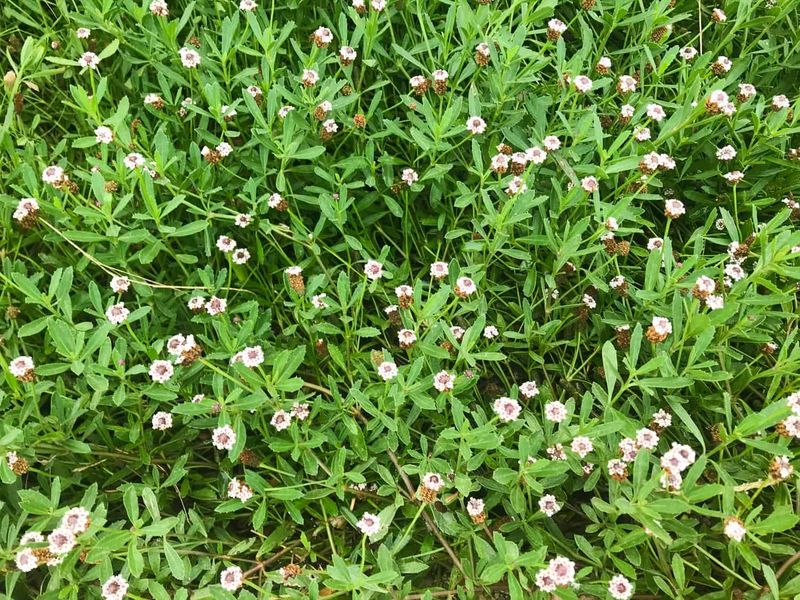
Not every turtle-friendly plant needs to be tall or dramatic. Frogfruit works close to the soil, spreading into a low mat that can soften bare patches and make a yard feel less like a hot, open runway.
Frogfruit is different from the shrubs and grasses on this list because it acts more like a living carpet. In sunny Florida spots where turf struggles or where you want a softer edge around stepping stones, it can provide nectar for small pollinators and help create a more active insect layer.
More insects often means a richer foraging area for box turtles, especially after rain.
Its tiny flowers bring charm without demanding a high-maintenance flower bed. It can take foot traffic better than many delicate groundcovers, though heavy daily use will still wear it down.
In a habitat garden, it is best used as a patchwork plant, mixing with mulch, leaf litter, and small open areas where turtles can move easily.
Try frogfruit along bed edges, in sunny wildlife strips, or between larger natives where bare sand keeps washing open. Skip broad pesticide use if you want the pollinator and insect benefits.
A low groundcover like this will not replace deep cover, but it helps connect the safer spots in your yard.
7. Saw Palmetto
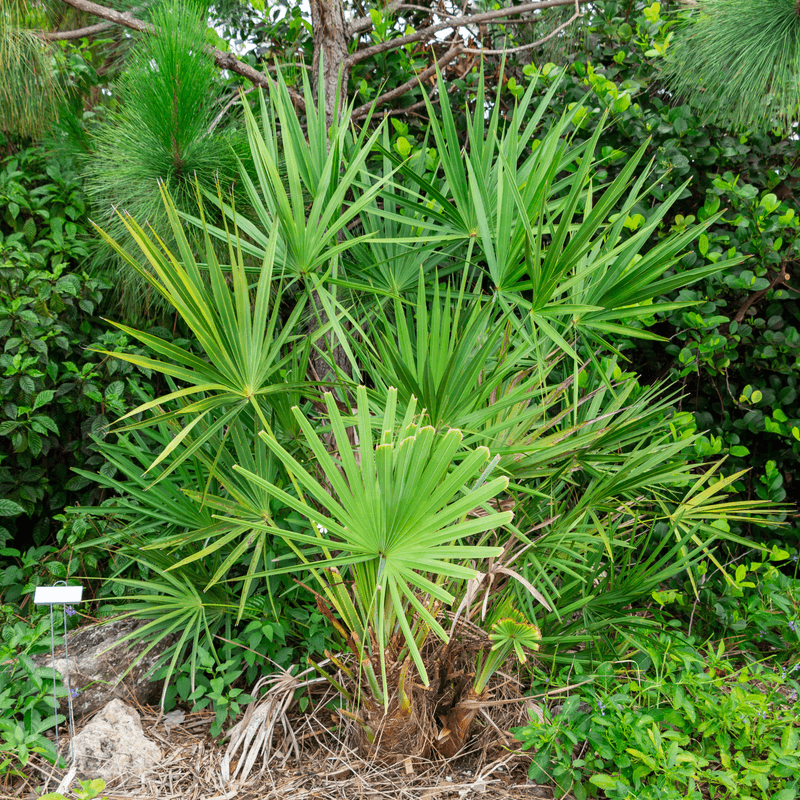
Saw palmetto brings a bit of old Florida into the yard, especially if you have space for a rugged, natural-looking planting. Its fan-shaped fronds form tough, low shelter that can make a quiet corner feel protected and tucked away.
This plant belongs on the list because it offers cover with real staying power. While softer plants may thin out or need regular pruning, saw palmetto creates a sturdy refuge that handles heat, sandy soil, and dry spells once established.
In the wild, palmetto thickets are part of the layered cover many animals use, and a smaller backyard version can serve a similar purpose.
Give it room and choose the planting site carefully. Saw palmetto is not the best pick for a narrow walkway or a tiny foundation bed because the fronds can be sharp and the plant can spread over time.
It shines in back corners, along natural borders, near pine or oak areas, or in larger wildlife gardens where a less manicured look is welcome.
For box turtles, keep the area around the plant calm and undisturbed. Let leaves gather under and around the fronds, and avoid clearing every hidden pocket in the name of neatness.
Pair saw palmetto with beautyberry, coontie, or frogfruit nearby, and you create a mix of shelter, food-web support, and Florida-tough texture.