
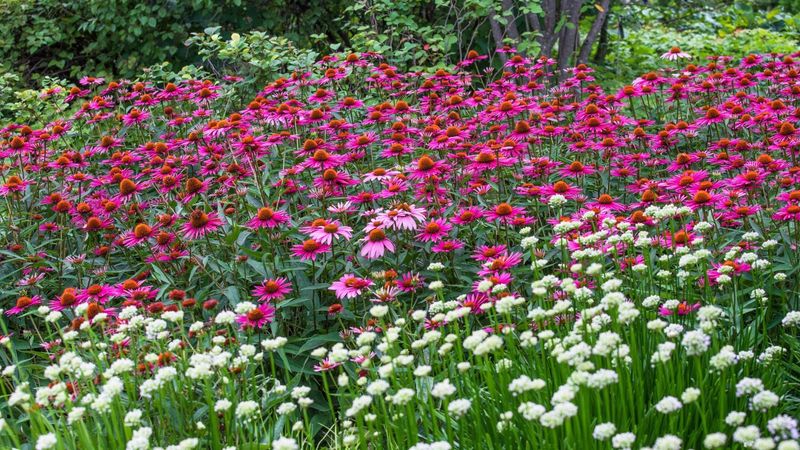
Summer heat has a way of testing every flower bed in North Carolina, but the right plants will settle in fast and keep blooming long after the mosquitoes give up. If you want color that carries your yard from July all the way into the crisp days of fall, timing matters and so does your plant list.
The flowers below root quickly, shrug off Piedmont humidity and coastal storms, and many of them feed the bees, butterflies, and birds that make a yard feel alive. Here is what to plant now for a display that pulls its weight through the whole warm season.
1. Black-Eyed Susan
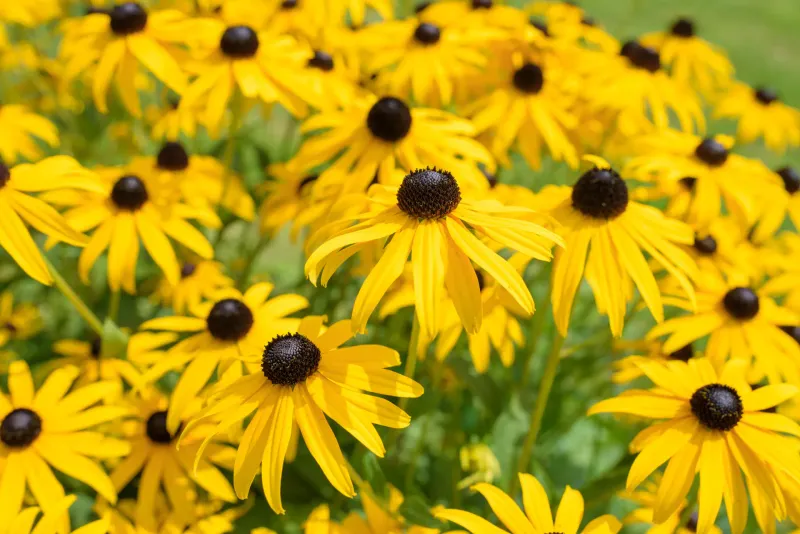
Bright as a handful of sunshine, black-eyed Susan (Rudbeckia hirta) is the flower that makes neighbors slow down as they walk past. Drop a few plants in the ground now and they will settle in within a couple of weeks, throwing up golden petals around chocolate-brown centers.
Native across North Carolina, this one belongs in your soil in a way imported bedding plants never will. It tolerates the sticky Piedmont heat and sandy coastal ground alike, asking for little more than full sun and the occasional drink during a dry stretch.
Pollinators treat it like a buffet. Bees and butterflies work the blooms all summer, and when the flowers fade, goldfinches pick the seed heads clean into fall.
Leaving those seed heads standing may support songbirds through the leaner months, so resist the urge to tidy up too early.
Fun bit of trivia: it is the state flower of Maryland, but North Carolina gardeners get just as much mileage out of it. Plant a drift of them and you will have color that keeps rolling until the first hard frost.
2. Purple Coneflower
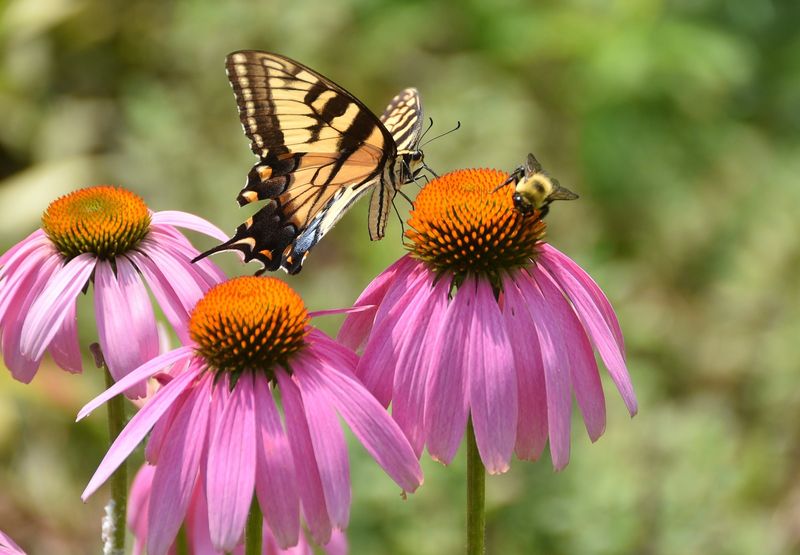
Few native plants earn their keep like the purple coneflower. Echinacea purpurea sends down a taproot fast, which means once it is in, it handles drought, heat, and the occasional neglect without complaint.
The daisy-shaped blooms sit on sturdy stems that laugh off summer thunderstorms, and their raised copper cones give the whole plant a texture you notice from across the yard. Colors run from classic rosy-purple to newer white and orange varieties if you want to mix things up.
Monarchs, swallowtails, and native bees flock to the flat landing pads these flowers offer. Come autumn, the spent cones become a seed pantry that can support finches and other small birds, doubling the plant’s value for anyone who wants a yard that feeds wildlife.
Space them a foot or so apart and they will knit into a handsome clump over a single season. Deadhead a few for longer bloom, but leave the rest standing and you get both fall structure and a bird feeder rolled into one.
3. Lantana
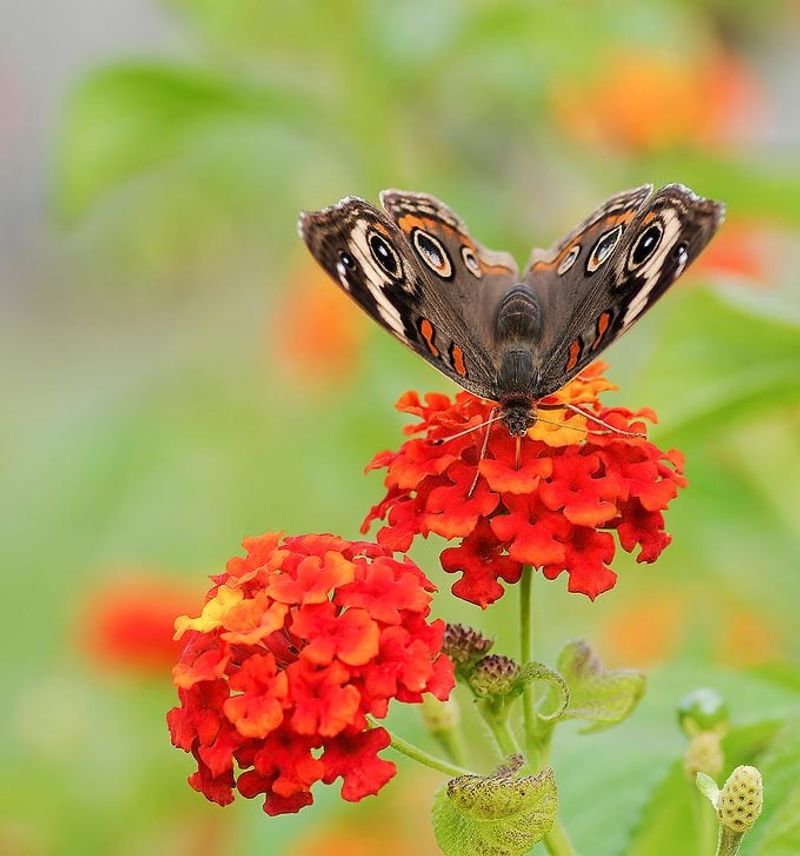
When the July sun turns other beds crispy, lantana just keeps partying. These clustered blooms shift through orange, pink, red, and yellow on the same plant, giving you a color show that barely pauses until frost.
Heat and humidity are exactly what lantana wants, making it a natural fit for coastal plain yards and hot Piedmont driveways alike. It roots in quickly from a nursery pot and fills a border faster than almost anything on this list.
Butterflies adore it. On a warm afternoon a single mature plant can host a half-dozen swallowtails and skippers at once, turning a plain foundation bed into a living scene.
A quick note for stewards: stick with well-behaved varieties and cut back spent flower heads, since some older types can spread where you do not want them. Choose sterile or named cultivars and you get all the color with far less fuss, plus a drought-tough performer once it settles in.
4. Zinnia
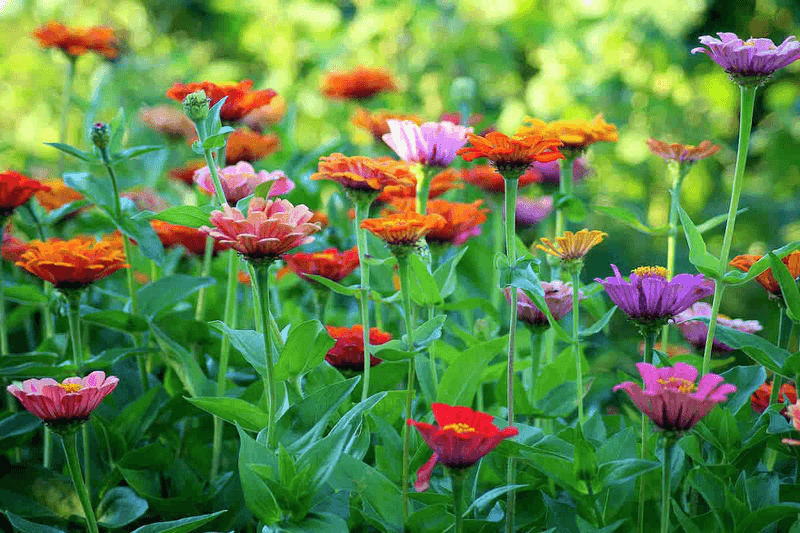
Sprinkle zinnia seeds now and you can be cutting bouquets in six to eight weeks, which makes them the instant-gratification champ of the summer garden. Few flowers reward a lazy afternoon of scattering seed quite so generously.
They come in nearly every color except true blue, and the more you snip them for the kitchen table, the harder they bloom. That cut-and-come-again habit keeps a small patch producing well past Labor Day.
Zinnias handle North Carolina heat beautifully as long as they get sun and decent air flow to keep mildew off the leaves. Space them a bit generously and water at the base rather than overhead.
Butterflies, especially monarchs passing through on their fall migration, treat a zinnia patch like a rest stop. Plant a block of the taller varieties and you get a cutting garden, a pollinator magnet, and a fence of color all in one weekend project.
5. Salvia
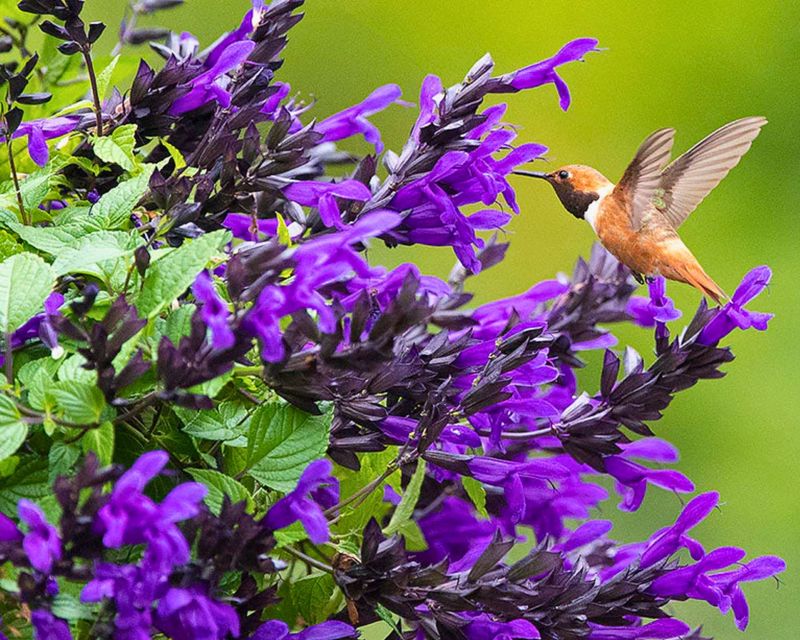
Hummingbirds have opinions, and salvia is high on their list. The tall flower spikes, whether the deep blue-purple of ‘Mystic Spires’ or the fiery red of tropical types, act like a neon sign for ruby-throated hummingbirds cruising Carolina backyards.
Most salvias establish fast and bloom in flushes right through the season, especially if you shear them lightly after the first wave fades. They tuck neatly into borders and containers alike.
Sun and good drainage are all they really ask. The aromatic foliage on many types is a bonus, since deer and rabbits tend to leave the scented leaves alone, saving your bed from midnight browsing.
For anyone building a wildlife-friendly yard, salvia pulls double duty: hummingbirds for the vertical show and bees for the steady daytime hum. Pair it with coneflower and black-eyed Susan and you have a native-leaning trio that feeds fliers from spring straight through the cool days of fall.
6. Coreopsis
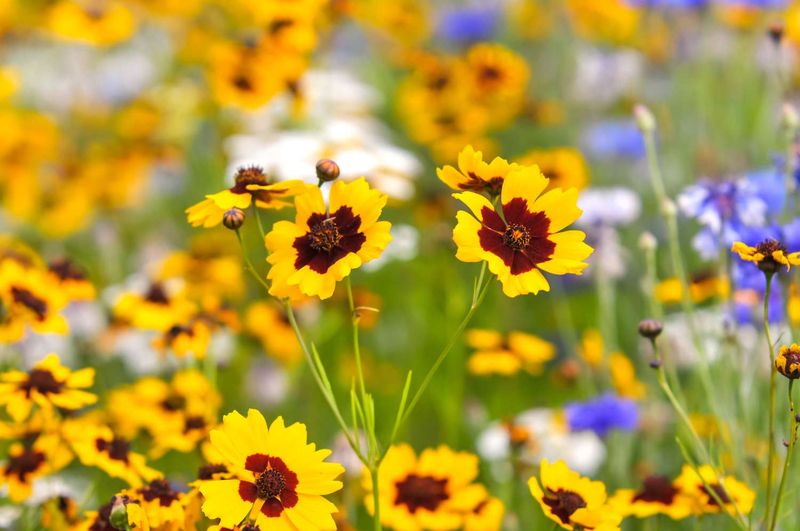
Sometimes the toughest plant is also the cheeriest. Coreopsis, better known around here as tickseed, blankets a bed with sunny yellow, gold, or wine-red blooms and barely blinks at drought once it takes hold.
It is a North Carolina native, which is part of why it settles in so quickly and needs so little from you. Poor soil, heat, and skipped waterings do not faze it the way they would a fussier flower.
The fine, airy foliage gives beds a soft texture, and a quick shearing mid-summer resets the whole plant for a second burst that carries into fall. Threadleaf types especially just keep going.
Bees and small butterflies work the flowers steadily, and the seed heads later on give finches something to nibble. If you want maximum color for minimum effort in a yard that still does right by pollinators, tickseed earns its spot near the front of the border.
7. Autumn Sage
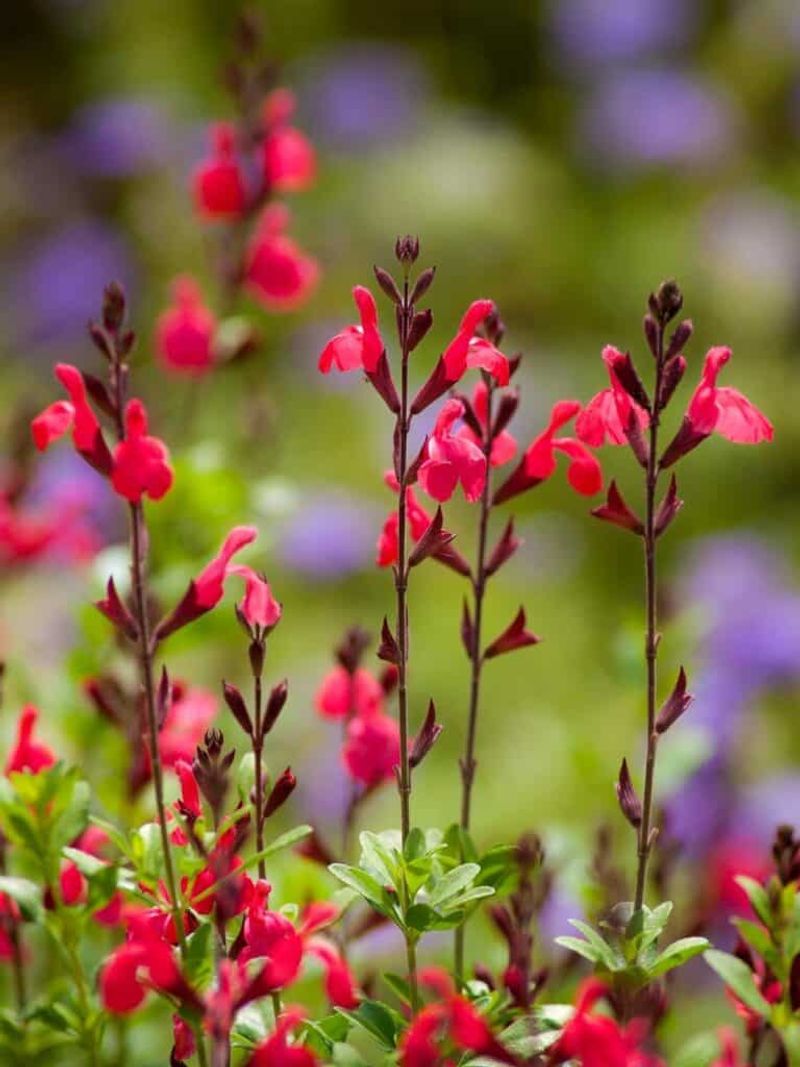
Do not let the name fool you into thinking this one only shows up late. Autumn sage (Salvia greggii) blooms from late spring clear through fall, saving its most reliable flush for exactly the season when other plants are tapping out.
Compact and shrubby, it fits along walkways and foundation beds where you want tidy structure plus nonstop color in shades of red, coral, pink, and white. It roots in quickly and shrugs off dry spells like a champ.
Hummingbirds and bees make regular rounds, so a couple of plants near a patio give you front-row seats to the action. The lightly aromatic leaves also tend to keep browsing deer moving along.
For low-effort stewards, this is a set-it-and-enjoy-it pick. A light trim now and then keeps it neat, and its long bloom window means your yard stays welcoming to pollinators right up until the weather turns cool.
8. Joe-Pye Weed
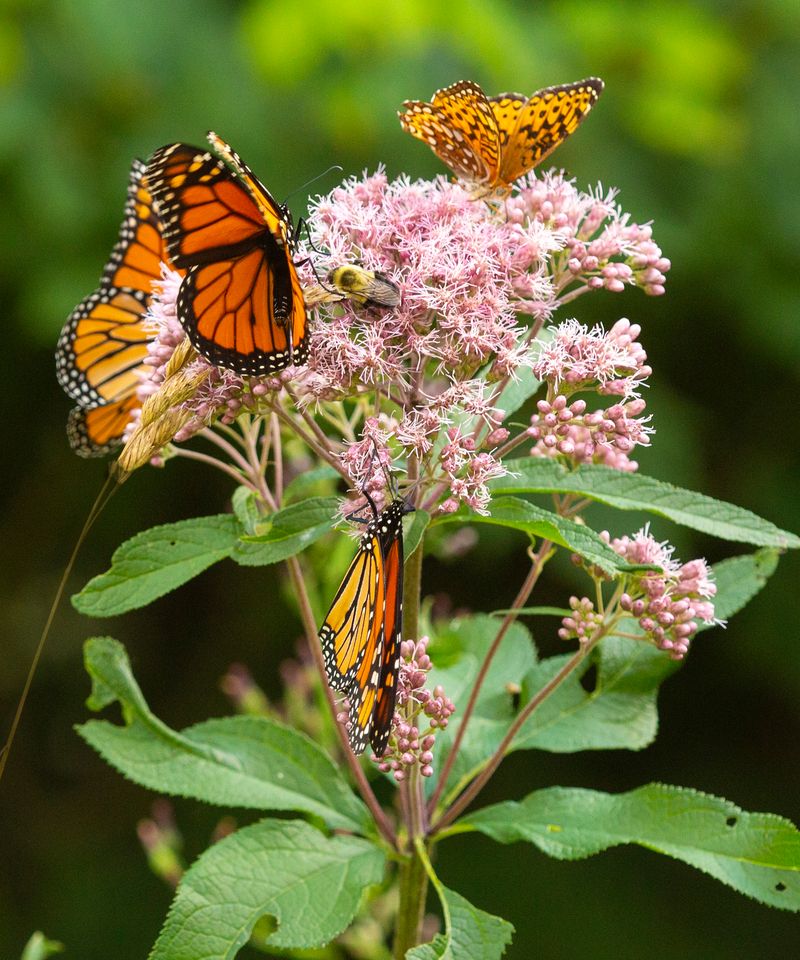
If you have a damp corner or a low spot that stays soggy, Joe-Pye weed turns that headache into the star of the yard. Reaching several feet tall with big, dusty-mauve flower heads, this native puts on its biggest performance in late summer and fall.
It establishes fast in moist ground and rewards you with towering clouds of bloom right when the garden could use a fresh burst. Plant it toward the back of a border where its height reads as drama rather than clutter.
Pollinators absolutely mob it. On a late-August afternoon the flower heads can be thick with monarchs, tiger swallowtails, and native bees, making it one of the best wildlife plants a Carolina gardener can grow.
Named in old folklore for a healer who supposedly used it, Joe-Pye weed carries a bit of Appalachian history along with its ecological muscle. Give it room and a little moisture, and it will anchor your fall show while feeding the migration.