
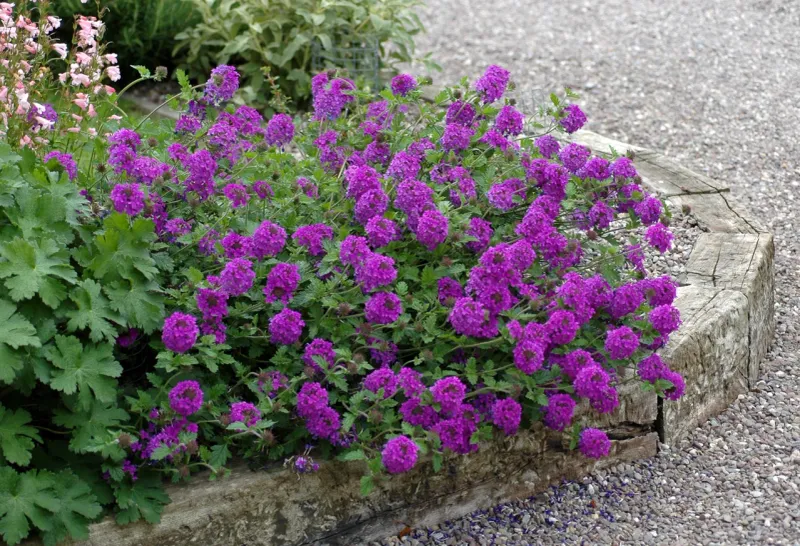
Most purple perennials throw a good show in May, then quietly quit when July heat settles in. One low-growing plant keeps pushing out clusters of bright purple blooms from spring well into fall, even when the thermometer climbs.
That plant is ‘Homestead Purple’ verbena, and if it’s not already in your garden, it’s worth a serious look. Fair warning: it’s tough, not indestructible, and knowing the difference is exactly what makes it work.
Meet ‘Homestead Purple’ verbena
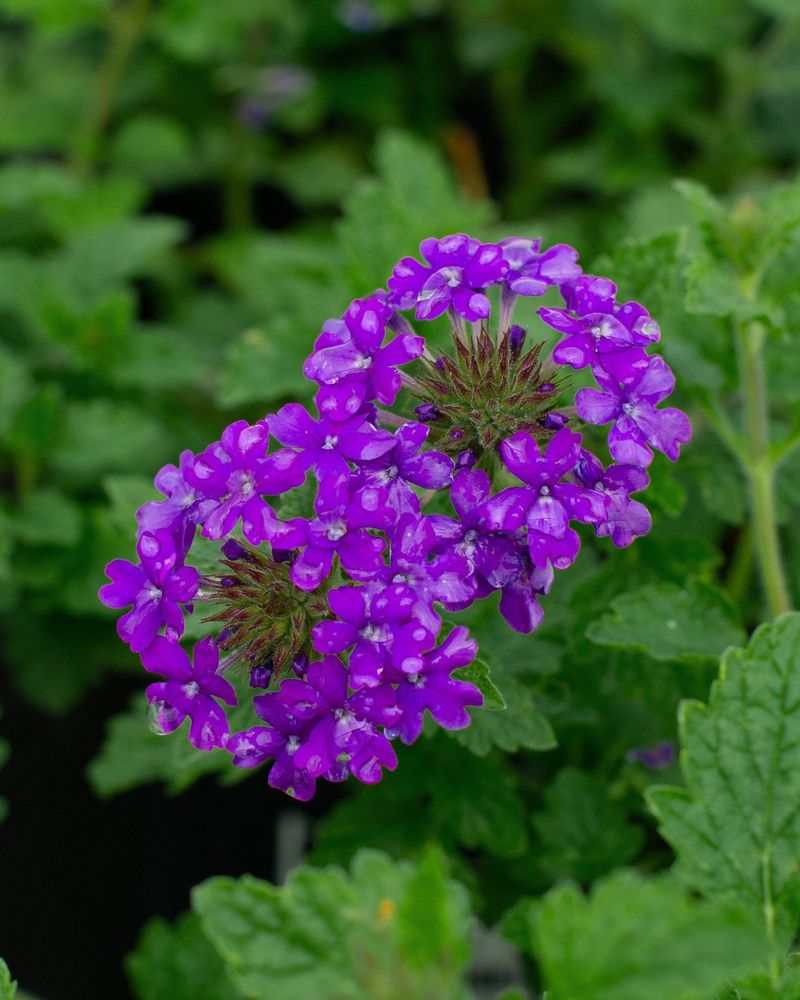
‘Homestead Purple’ verbena is a low, spreading perennial that produces dense clusters of rich purple flowers on trailing stems. Sold under the botanical name Verbena canadensisGlandularia canadensis, it is also listed by the updated name , and its common names include rose verbena and trailing verbena.
NC State Extension’s plant toolbox identifies the species as native to North Carolina, ranging from Virginia south to Florida, which gives this plant a genuine regional connection that many garden-center perennials simply lack.
In terms of size, the species typically reaches roughly 8 inches to 1.5 feet tall and spreads 1 to 2 feet wide. The ‘Homestead Purple’ cultivar tends to run a little wider: Clemson Cooperative Extension and the University of Arkansas both describe it reaching about 1 foot tall and spreading up to 3 feet across.
That spread depends on cultivar, site conditions, and whether the trailing stems root where they touch the soil, so mature size can vary.
One distinction matters before you shop. The species Verbena canadensis is native to North Carolina, but ‘Homestead Purple’ is a named cultivar, and the University of Arkansas notes it may be a chance hybrid rather than a straight wild selection.
Calling it a cultivar associated with a North Carolina native species is accurate; calling it an unqualified wild native is not. In the garden, that distinction matters less than placement: use it at the front of a border, along a slope, tucked into a rock garden, spilling over a container edge, or as a ground cover in a sunny, well-drained spot where other plants give up by August.
Why it suits hot, sunny North Carolina gardens
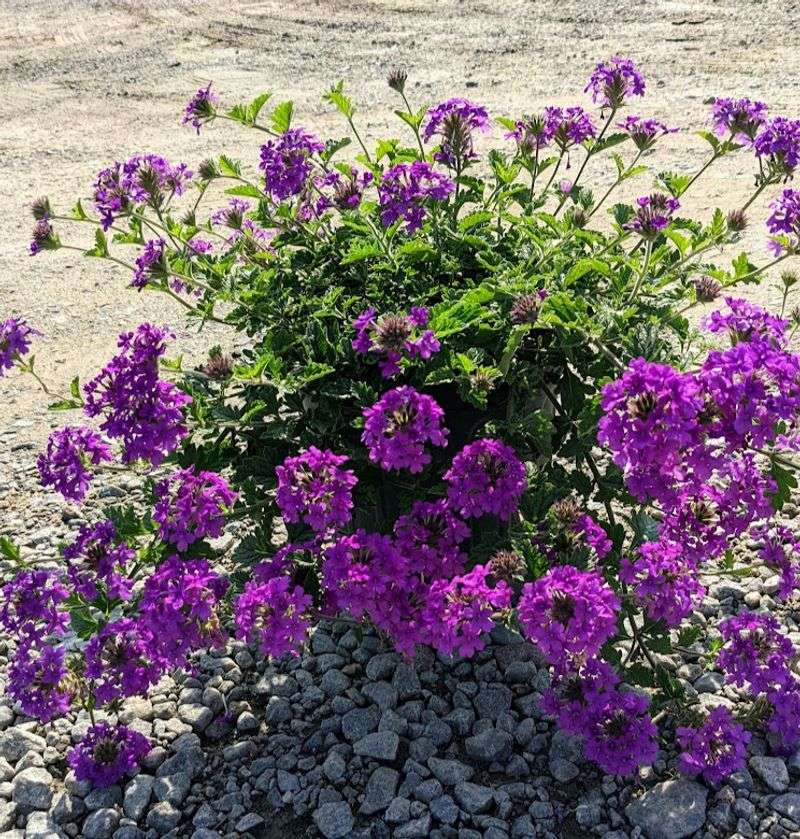
Rose verbena has earned a reputation for toughness in the Southeast, and the evidence behind that reputation is specific. Clemson Cooperative Extension describes ‘Homestead Purple’ as an especially vigorous cultivar with profuse blooming and excellent heat tolerance, making it one of the better-performing trailing verbenas for hot, humid Southern conditions.
NC State Extension independently lists the species as resistant to heat, humidity, and drought, which lines up with what gardeners across the Piedmont and Coastal Plain tend to observe when the plant is sited correctly.
The bloom window is one of the most compelling arguments for this plant. Sources describe flowering from early spring through fall, or even from early spring until frost.
That is a potentially long season by any standard, and it is part of why ‘Homestead Purple’ stands out among purple-flowering perennials for North Carolina gardens. The key word is “potentially.” A spring-to-frost bloom season is what the plant can deliver under favorable conditions, not what it guarantees regardless of weather.
Heat tolerance and drought tolerance are real traits, but they have limits. Mississippi State Extension notes that verbena flowering can slow or stop as summer heat intensifies, particularly when drought stress compounds the effect.
Clemson also confirms that drought-stressed plants show reduced growth and bloom. The honest promise is this: ‘Homestead Purple’ is one of the more resilient purple-flowering perennials for sunny North Carolina sites, capable of a long bloom season under suitable conditions, while acknowledging that prolonged extreme heat or dryness can temporarily dial back its performance.
That qualified resilience, rather than any absolute guarantee, is what makes it worth planting.
Choose sun and drainage before you plant
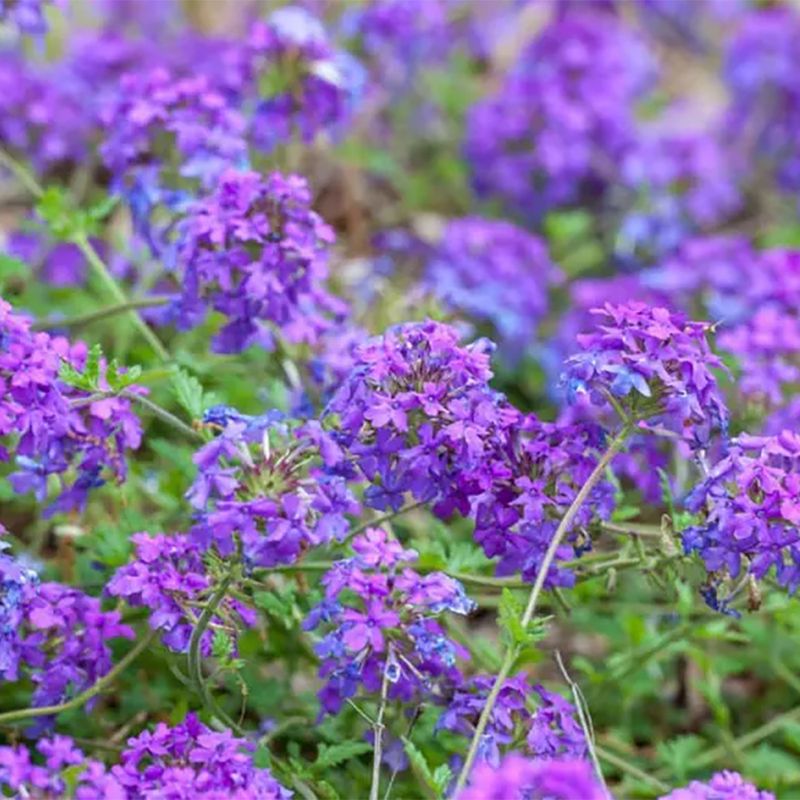
Before a single plant goes in the ground, site selection does most of the heavy lifting. ‘Homestead Purple’ verbena needs full sun and well-drained soil, and both requirements are firm. Shade reduces flowering, and standing water or persistently saturated soil can undermine the plant faster than any summer heat wave.
NC State Extension lists rose verbena as suited to ground covers, rock gardens, slopes, containers, and the front of borders, all of which tend to share one thing: good drainage and open sun exposure.
The spreading habit is actually an asset in the right location. Along a border edge, the trailing stems fill space without crowding taller plants behind them.
On a slope, the low mat of foliage holds soil and produces color at a height that does not block sightlines. In a container, the plant spills attractively over the rim, though container plants require closer attention to watering than in-ground beds do.
Clemson advises that containers dry out faster, so monitoring is more frequent.
North Carolina’s varied geography means site quality is not uniform across the state. A sunny, sharply drained Coastal Plain location, especially one with sandy or loamy soil, may suit ‘Homestead Purple’ very well.
Heavy clay in parts of the Piedmont holds moisture longer, and poorly drained mountain sites can stay wet in ways that stress or kill the plant. Before planting, check whether the chosen spot sheds water after a rain or holds puddles.
If the soil stays soggy, amend it or choose a raised bed rather than expecting the plant to adapt. Identical results statewide are not a reasonable expectation; matching the plant to the right micro-site is what produces consistent performance.
Water carefully during establishment and drought
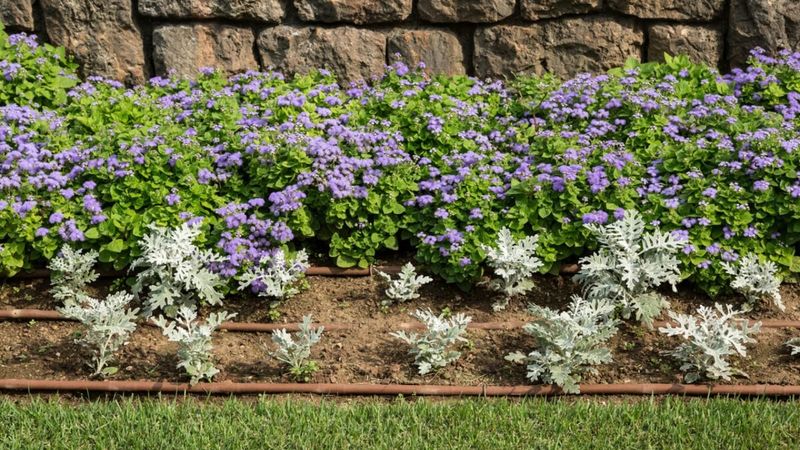
A newly planted ‘Homestead Purple’ verbena and an established one have very different water needs, and conflating the two is one of the most common ways the plant underperforms. Right after planting, the roots have not yet spread into surrounding soil, so the plant depends entirely on what moisture exists in the immediate root zone.
Keep the soil consistently moist for the first several weeks while roots develop. That does not mean waterlogged, but it does mean checking the bed every day or two during warm weather and watering before the soil dries out completely.
Once the plant is established, the dynamic shifts. Clemson Cooperative Extension recommends a thorough watering during the blooming period when the plant receives less than approximately 1 inch of rain in a week.
That threshold is a useful guide for North Carolina summers, when rainfall can be inconsistent even during months that average adequate precipitation. Apply water at the soil level rather than overhead.
Wetting the foliage routinely can encourage fungal problems, and the plant does not need it. A slow, deep soak at the base accomplishes more than a quick spray over the top.
Prolonged drought without any supplemental watering is a different situation from normal dry spells. Extended dryness reduces growth, can cause flowering to slow, and stresses the plant enough to invite secondary problems like spider mites.
The plant tolerates drought better than many perennials, but tolerates is not the same as thrives. Container-grown verbena is the most vulnerable to drying out because the limited soil volume loses moisture quickly in summer heat.
Check container plants more frequently than in-ground beds, and water before the growing medium becomes bone dry. Consistent, targeted watering is a small investment that keeps the plant producing the color readers planted it for.
Refresh the plant when summer flowering slows
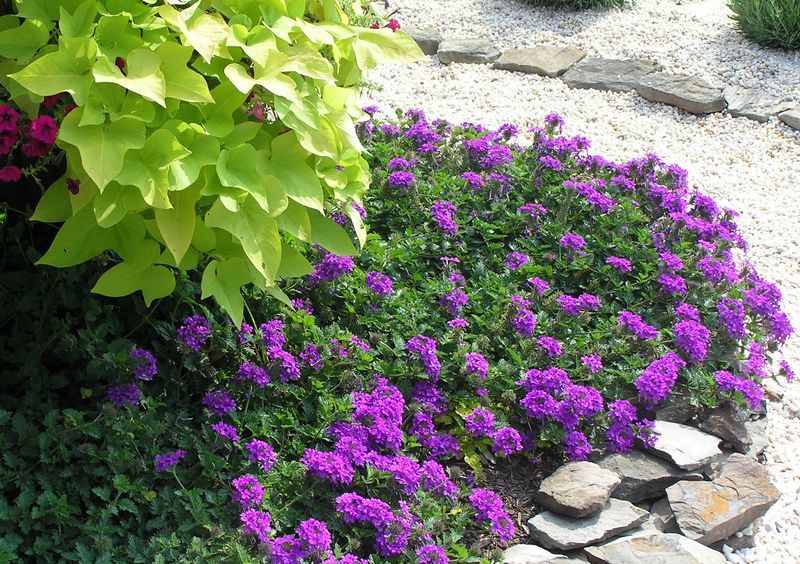
Around midsummer, even a well-sited ‘Homestead Purple’ verbena may start to look a little tired. Flowering can slow, stems may get leggy, and the plant’s overall energy seems to stall.
That is a normal response to accumulated heat and the natural growth cycle, not a sign that something went wrong. The right move at that point is a targeted refresh rather than waiting for the plant to recover on its own.
Clemson Cooperative Extension recommends cutting the plant back by roughly one-fourth, then watering thoroughly and applying a light fertilizer treatment. The source notes that rebloom may follow within two to three weeks.
That timeline and outcome are possible under good conditions, not guaranteed regardless of weather or plant health. Still, the combination of a modest trim, a deep soak, and a light nutrient boost gives the plant the best realistic chance of pushing a fresh flush of flowers before fall.
Fall care requires a different approach. Light trimming at the end of the season is acceptable for tidying up the plant, but severe fall pruning can reduce cold hardiness and compromise the plant’s ability to survive winter.
Clemson’s guidance is clear: hold off on any major cutback until spring. That timing preserves the stems and foliage that help insulate the crown during cold weather.
The midsummer refresh is about encouraging rebloom; the spring cutback is about renewing the plant’s structure for the coming season. Treating those two moments as distinct, rather than applying the same heavy-pruning logic to both, is one of the more practical habits that keeps ‘Homestead Purple’ performing year after year.
Check the plant label before buying
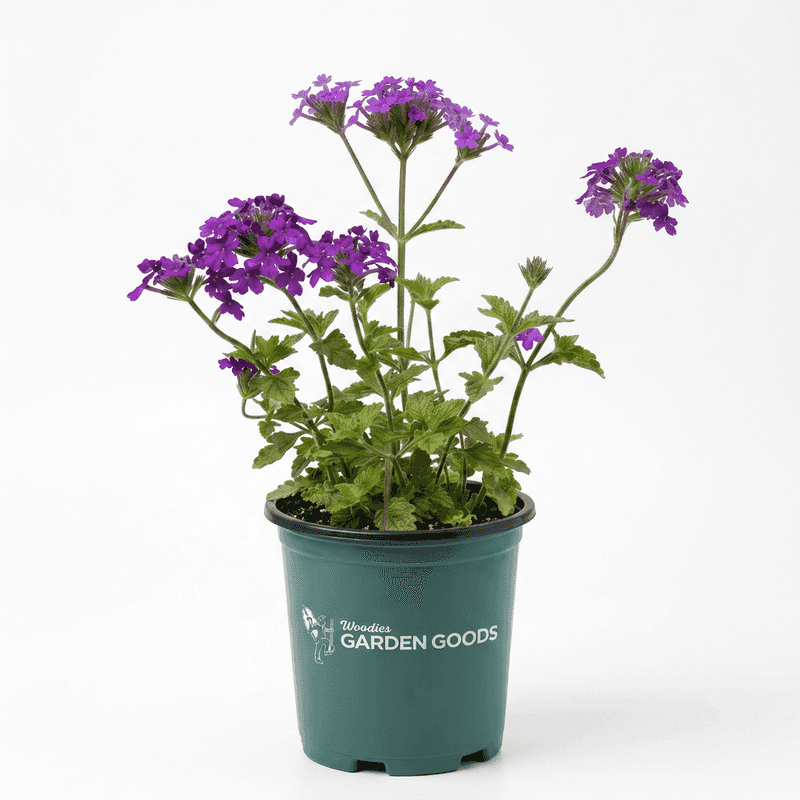
The verbena section at a garden center can be genuinely confusing. Several plants carry the verbena name, look nothing alike, and perform very differently in a North Carolina summer.
Getting the right one starts with reading the label carefully before the plant goes in the cart.
The most important distinction is between ‘Homestead Purple’ and purpletop verbena, which is Verbena bonariensis. NC State Extension describes purpletop verbena as a much taller plant, reaching roughly 4 to 5 feet, with an airy, open structure and small purple flower clusters at the tips of long stems.
It spreads readily by volunteer seedlings and has been flagged as weedy or invasive by some sources. That is a fundamentally different plant from the low, trailing type you want.
If the tag says Verbena bonariensis, set it back on the bench.
The second distinction is between perennial verbena cultivars and annual bedding verbena. Clemson notes that vegetatively propagated perennial types, like ‘Homestead Purple’, are better adapted to Southern heat and humidity than seed-grown bedding annuals, which often struggle and decline in hot, humid conditions.
Annual verbena may look appealing in a spring display, but it is not the same plant and will not give the same long-season performance. Look specifically for ‘Homestead Purple’ or another named trailing cultivar of Verbena canadensis.
The University of Arkansas advises that ‘Homestead Purple’ may be a chance hybrid, so its exact lineage is not fully settled. The NC State plant toolbox identifies the species as native to North Carolina, but a cultivar connected to a native species is not automatically equivalent to a wild native population.
Buying the named cultivar from a reputable nursery is the most reliable way to get the heat-tolerant, long-blooming plant this article describes.
Expect pollinator value and variable longevity
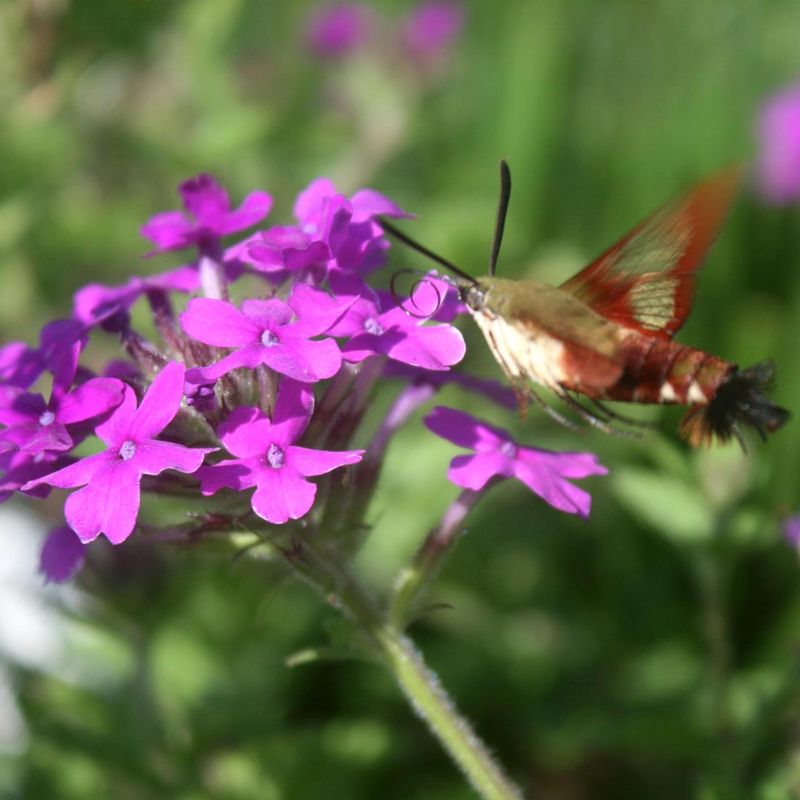
One of the practical bonuses of planting ‘Homestead Purple’ verbena is the wildlife it draws in. The flowers attract butterflies, hummingbirds, and a range of other pollinators, making the plant a useful addition to any North Carolina garden that aims to support native wildlife.
NC State Extension confirms that rose verbena offers nectar and habitat value for pollinators. That benefit is worth naming clearly: the plant functions as a nectar source, not as a pest deterrent.
There is no reliable evidence that it repels ticks, mosquitoes, or other insects, so keep expectations focused on what the plant actually delivers.
On the longevity side, ‘Homestead Purple’ comes with real limitations that are worth knowing before planting. NC State Extension describes rose verbena as potentially short-lived and notes that it may self-seed in suitable conditions.
Clemson advises that many verbenas may need replacement after two or three years, although some reseed or naturalize where conditions allow. Planning for occasional replacement is more practical than expecting a single planting to perform indefinitely.
Site conditions affect both health and lifespan. Overly wet soil can contribute to root rot, which shortens the plant’s life regardless of how well everything else is managed.
Severe drought without any supplemental watering stresses the plant and can increase vulnerability to spider mites. Neither problem is inevitable with good siting and basic care, but both are worth knowing about before the plant goes in the ground.
A sunny, well-drained spot, consistent attention during dry stretches, and a willingness to replant every few years are the realistic terms of the agreement with this plant. Within those terms, the pollinator activity and the purple color it brings through much of the growing season are genuinely rewarding.
Plant it for resilient color, not perfection
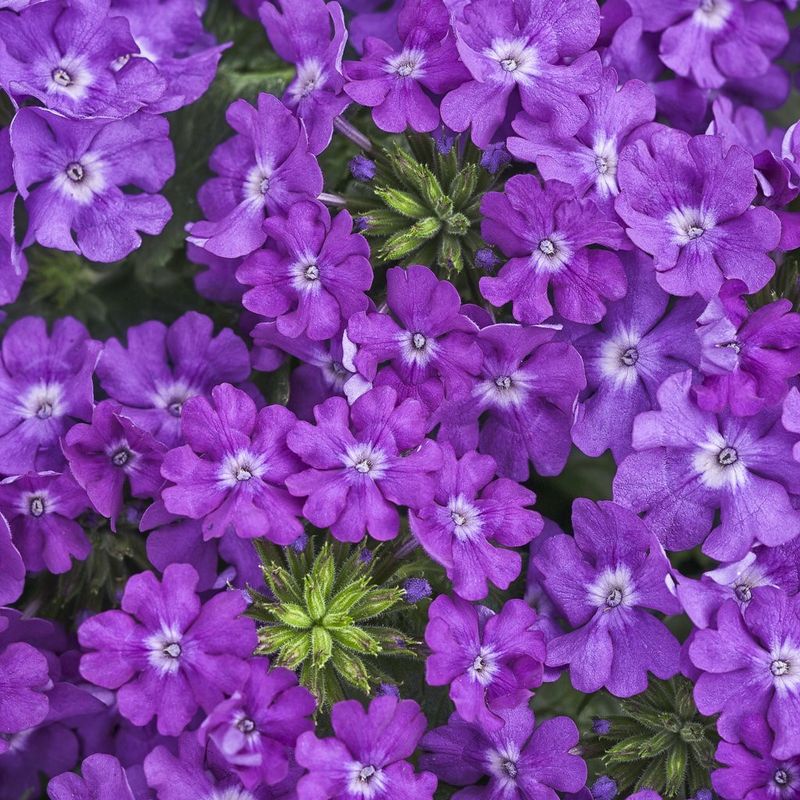
‘Homestead Purple’ verbena earns its place in a North Carolina garden when the site is right: full sun, well-drained soil, and enough room for the trailing stems to spread without crowding. NC State Extension and Clemson Cooperative Extension both point to the same combination of heat tolerance, drought resilience, and long bloom season that makes it a strong candidate for front borders, slopes, and pollinator-friendly beds across the state.
Getting the most from it means following through on a few practical steps: consistent moisture during the first weeks after planting, a deep watering when rain falls short of about an inch in a week, and a modest one-quarter cutback with light fertilizer if summer heat slows the flowering. Avoid severe fall pruning, choose a spot that sheds water, and plan for the possibility of replacement after a few years.
The reward is a potentially long season of purple flowers and steady pollinator activity, not a plant that performs flawlessly through every heat wave without any attention. That honest version of the promise is actually more useful than the absolute one, because it tells you exactly what to do to keep the color coming.