
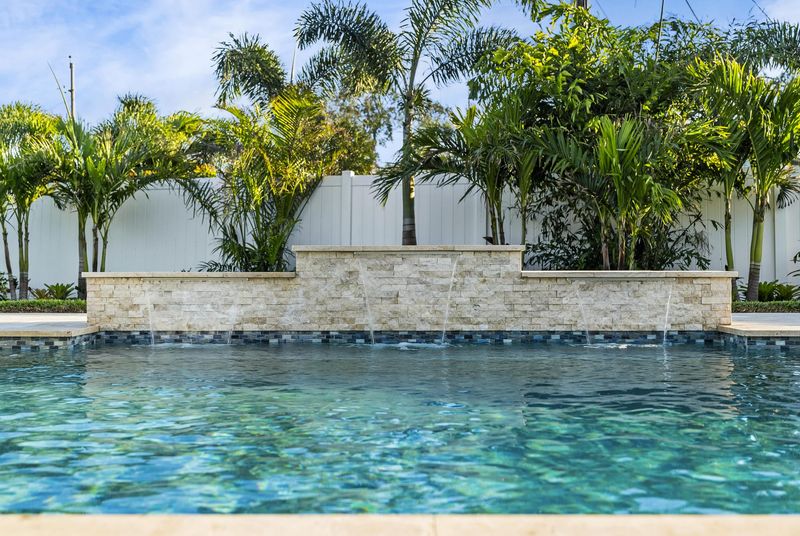
A pool should feel relaxing, not like another yard chore waiting to happen. The wrong palm can drop messy fruit, crowd the deck, or grow much bigger than expected in Florida heat.
The right small palm gives you shade, privacy, and that tropical look while keeping roots and litter easier to manage. Here are seven smart choices for tight poolside spaces where clean lines and low fuss matter.
1. Pygmy Date Palm
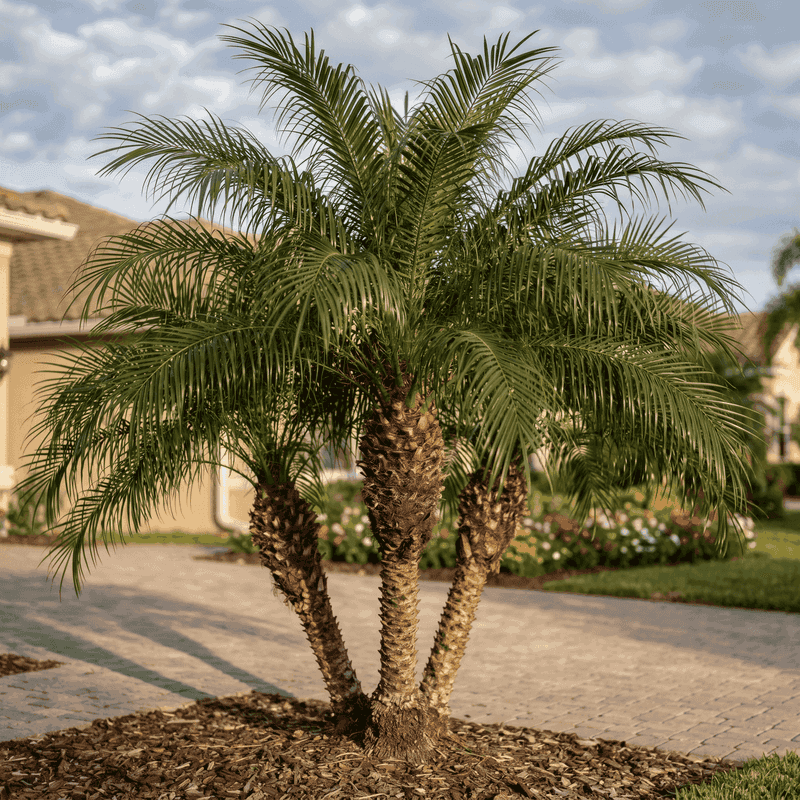
A pygmy date palm brings the resort feeling without acting like it owns the whole pool deck. Its fine, arching fronds soften hard pavers and screen cages, and the trunk stays narrow enough for small planting beds around many Florida pools.
Mature height is often around 6 to 10 feet in home landscapes, though it can slowly reach taller in protected South Florida spots. That slow pace is one reason homeowners like it near patios, because it gives the look of a true palm without quickly turning into a major pruning job.
Roots are generally compact compared with large canopy palms, but give it breathing room instead of tucking it into a tiny crack beside concrete. A few feet from the deck edge is a safer choice, especially where irrigation, pool plumbing, or settling pavers are concerns.
The main drawback is the spines near the base of the leaf stems. Plant it where swimmers will not brush against it, and clip old flower stalks before they set fruit if you want less litter around the filter basket.
2. Lady Palm
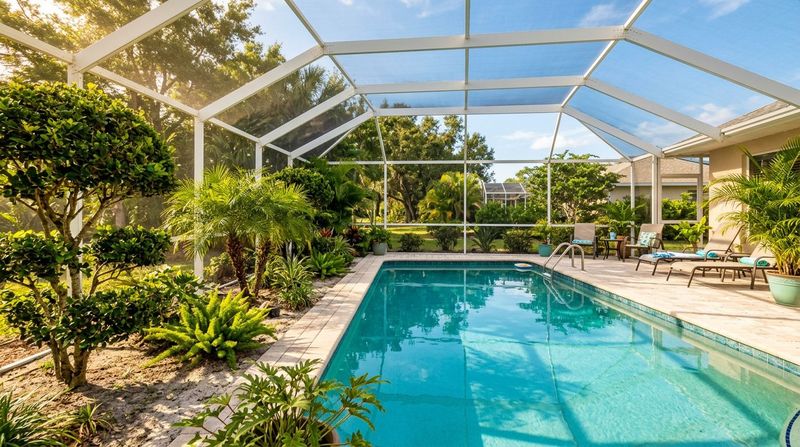
Shady pool corners can feel like dead zones, but lady palm turns them into calm, green pockets. Instead of one bold trunk, it grows in upright clumps with fan-shaped leaves that look neat, layered, and almost indoor-garden tidy.
For Florida homeowners with screened lanais or pools bordered by walls, this palm is especially useful because it tolerates part shade better than many sun-loving palms. It usually stays in the 6 to 12 foot range, and its vertical habit makes it good for soft privacy without blocking every bit of light.
Lady palm is not a big litter producer when maintained well. Older canes and yellowing fronds can be removed by hand pruning, and the plant does not fling giant leaves across the pool the way larger palms can during gusty weather.
Give it moist but well-drained soil, since Florida sand can dry quickly near reflected pool heat. A mulch ring helps hold moisture, but keep mulch pulled back from the stems so the clump stays healthy and clean.
3. Bamboo Palm
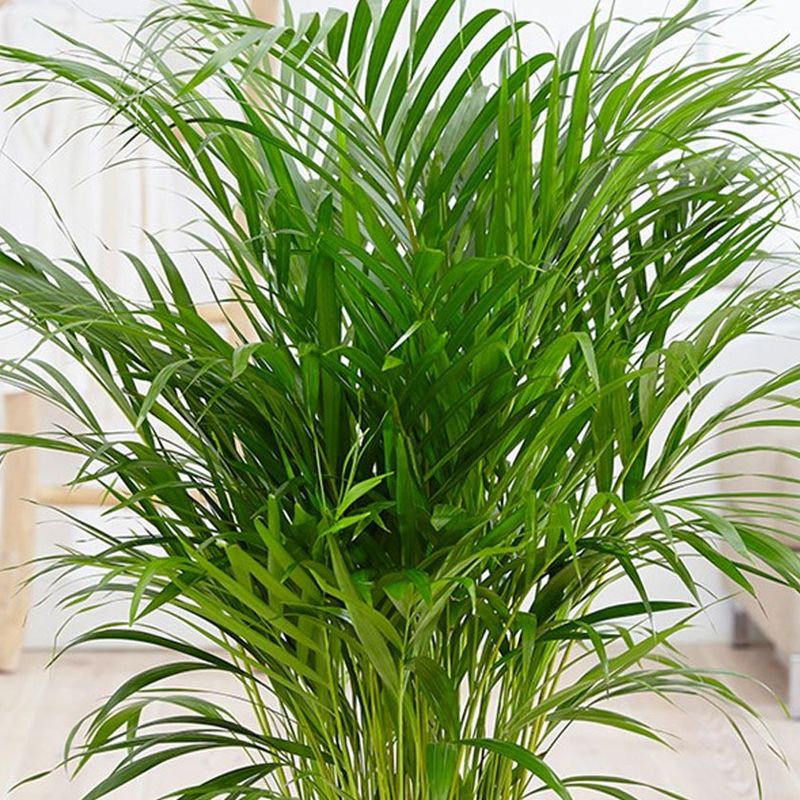
There is a relaxed, breezy look to bamboo palm that works beautifully around pools with a tropical planting style. Its slender cane-like stems create a soft screen, not a heavy wall, so it can hide a fence or equipment area without making the space feel boxed in.
Bamboo palm is best for part shade or bright filtered light, which makes it a strong choice under lanais, beside taller hedges, or near the east side of a house. In warm Florida locations, it commonly stays manageable at about 6 to 12 feet, depending on care and exposure.
Because it grows in clumps, it is easier to control visually than many palms that form wide, heavy crowns. The leaflets are relatively small, so occasional cleanup is usually lighter than dealing with huge fronds from larger species.
Poolside success depends on water management. Sandy soil dries fast, while low spots after summer storms can stay wet, so plant it where drainage is steady and irrigation is not blasting the crown.
One practical tip: use bamboo palm where foot traffic is light. It looks lush and graceful, but the canes can be damaged if kids and pool toys constantly crash into it.
4. Needle Palm
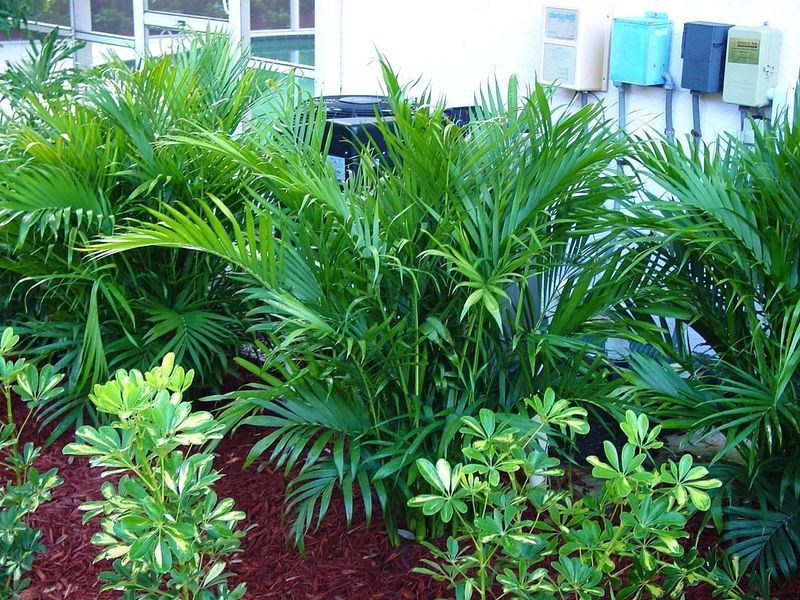
For homeowners who want a palm that feels tough instead of fussy, needle palm earns its place. It is one of the hardiest palms used in the Southeast, and in North and Central Florida it handles cool snaps better than many tropical-looking choices.
Needle palm stays low and shrubby, often around 3 to 6 feet tall, so it works near pool enclosures, corners, and raised beds where height control matters. Its slow growth also helps it stay predictable, which is a big deal beside concrete, plumbing, and narrow walkways.
The fan leaves bring bold texture, almost like a small architectural accent. Since it does not form a towering trunk, it will not cast huge shadows or drop long fronds into the water from above.
The name is not just decoration. Sharp needle-like spines sit near the base of the plant, so place it away from steps, ladders, pool gates, and spots where guests reach for towels.
Once established, needle palm is fairly drought tolerant, which suits Florida landscapes with fast-draining soil. It still appreciates regular water during establishment, especially when planted near hot decking that reflects afternoon sun.
5. Dwarf Palmetto
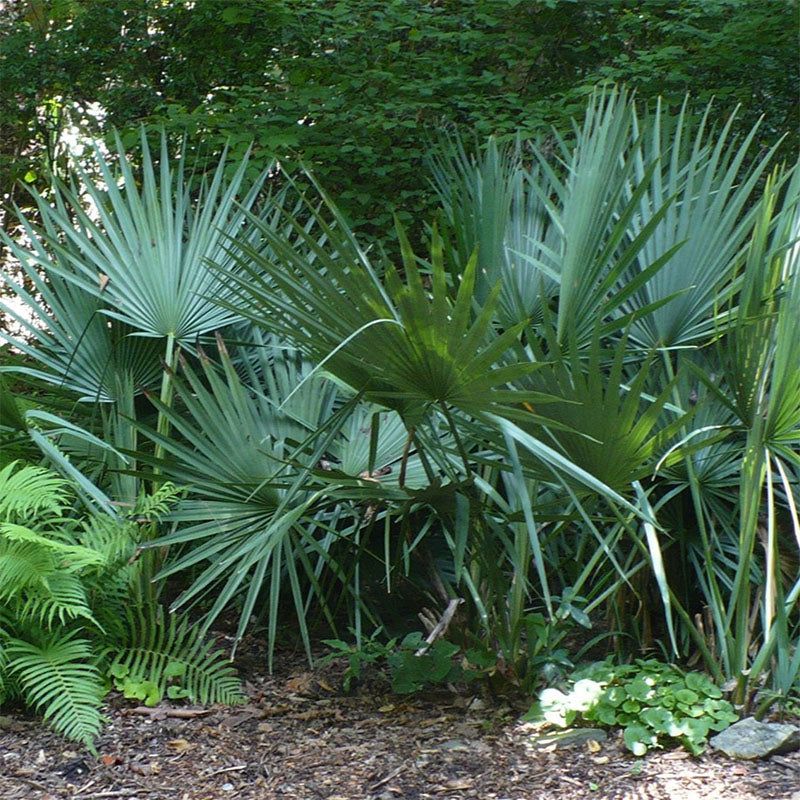
Native plant fans get a pool-friendly winner with dwarf palmetto. It has the fan-leaf look people expect from a Southern palm, but it stays much smaller than cabbage palm and fits better beside patios, fences, and pool cages.
Dwarf palmetto is native to the southeastern United States, including Florida, and it is a smart pick where homeowners want a landscape that feels connected to the region. It often grows as a low, trunkless palm, usually around 3 to 6 feet, though older plants can develop more presence over time.
Near a pool, its big advantage is scale. The root system is not known for the aggressive surface lifting associated with some large trees, and the plant does not tower over the water with heavy crowns.
Its leaves are broad, so a dropped frond is more noticeable than tiny leaflets, but cleanup is occasional and simple if the plant is sited a few feet back from the coping. Trim brown leaves at the base instead of shaving the plant too tightly, which keeps it looking natural.
Dwarf palmetto can handle moist areas better than many small palms, making it useful in Florida yards that collect water after heavy rain. In very dry poolside sand, water it well until established.
6. Coontie Palm
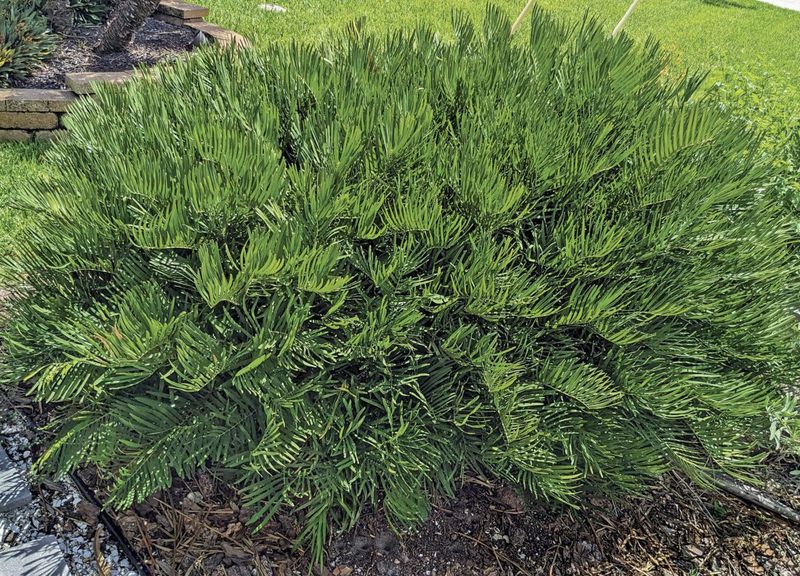
Surprise, coontie is not a true palm, but it gives a palm-like look at a size that pool owners can actually relax around. Its glossy, ferny fronds stay low, usually about 2 to 4 feet, so it will not block views across the water or scrape the screen enclosure.
Coontie is a Florida native cycad and a host plant for the atala butterfly, which adds wildlife value without turning your pool edge into a messy fruit drop zone. That combination makes it a standout for homeowners who want beauty, low height, and a small boost for local ecology.
Because it grows slowly and stays compact, coontie is useful along walkways, in curved beds, and near pool steps where a taller palm would feel crowded. Its roots are not the kind of large woody system that typically causes deck heaving, but normal spacing from hardscape is still wise.
It handles sun to part shade, though afternoon shade can keep it looking fresher during harsh Florida heat. Once established, it is fairly drought tolerant, which helps in sandy soil and reflected deck warmth.
One caution matters for pets and children: seeds and plant parts are toxic if eaten. Use it where curious nibbling is not likely, and remove seeds when they appear.
7. Christmas Palm
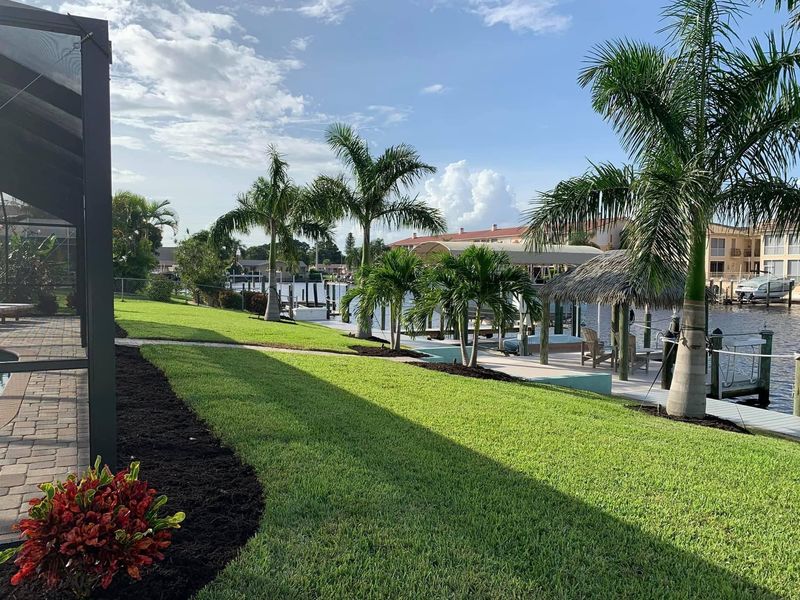
Nothing says South Florida pool day quite like a Christmas palm standing clean and upright beside blue water. It has a smooth trunk, a tidy crown, and a polished look that fits modern pool decks better than many shaggy, oversized palms.
Christmas palm is best for South Florida and the warmest protected parts of Central Florida, since cold can damage it. It can reach around 15 to 25 feet, so it is taller than several palms on this list, but its narrow trunk and smaller crown make it far more deck-friendly than massive shade palms.
The reason it belongs here is its neat, vertical form. When planted with enough space from the pool edge, it gives height and a tropical focal point without creating a broad root competition zone or a giant canopy over the water.
The bright red fruit clusters are pretty, especially around the holidays, but they can become a cleanup issue near pools. Cut flower or fruit stalks before they drop, and you will greatly reduce filter-clogging debris.
Use Christmas palm as a specimen, not a squeezed-in hedge. Give it full sun, decent drainage, and room for fronds to clear walkways so it looks intentional instead of crowded.