
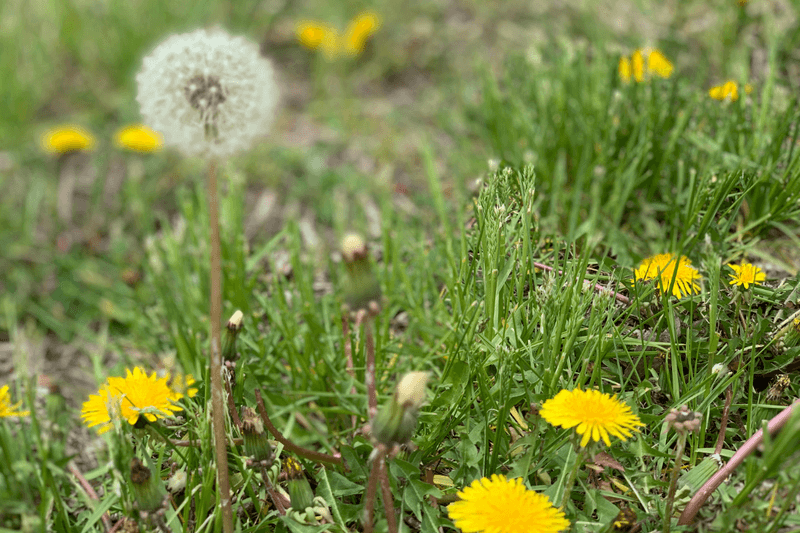
Those so-called weeds popping up across your North Carolina yard might be doing more good than you think. Many of them feed pollinators, shelter tick-eating critters, and tell you something useful about your soil.
Before you reach for the sprayer this summer, it helps to know which ones are actually working in your favor. Here are ten common yard invaders worth leaving alone, and what their arrival really means.
1. White Clover
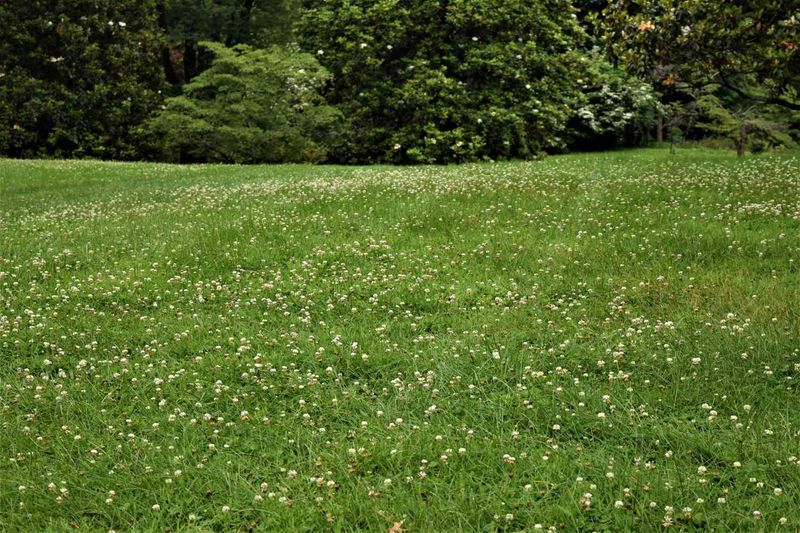
Long before chemical fertilizers showed up, gardeners actually mixed clover right into their lawn seed on purpose. Its return to your yard is a quiet sign your soil could use a nitrogen boost, and clover happily provides it for free.
White clover pulls nitrogen from the air and feeds it back into the ground, which means the grass around it grows greener with zero effort from you. The blooms also pull in honeybees and native bumblebees all summer long, turning a plain patch of lawn into a working pollinator stop.
For a low-effort North Carolina yard, clover stays short, shrugs off drought better than turfgrass, and rarely needs mowing. Leaving it be gives you a softer, greener lawn that supports the very insects your garden depends on.
2. Common Violet
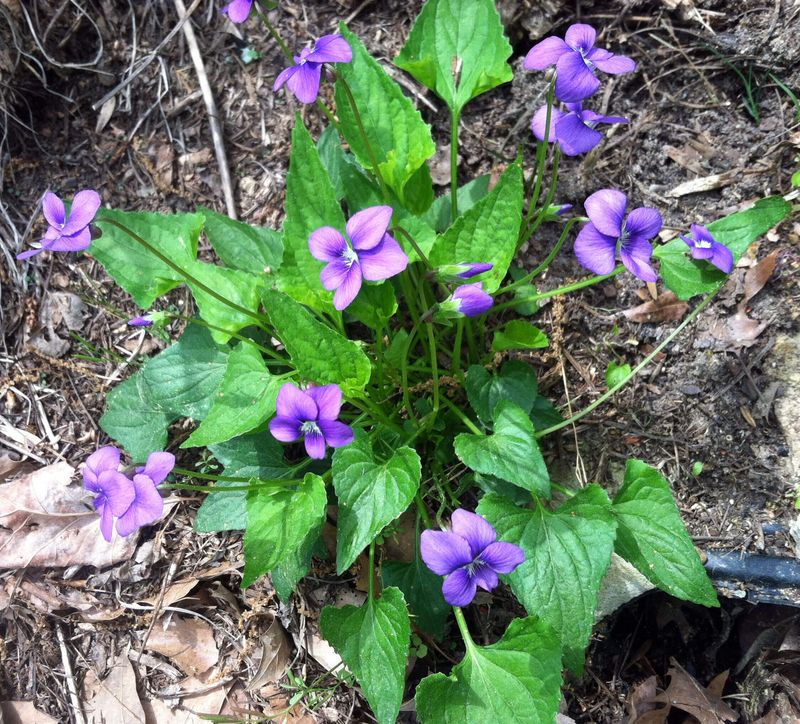
Gardeners who fight violets every spring are usually fighting a losing battle against one of the toughest little natives around. Their spread across shady, damp spots is a clue that part of your yard simply wants to be a woodland floor, not a manicured lawn.
Common blue violets are the host plant for fritillary butterfly caterpillars, so tearing them out can quietly erase future butterflies from your garden. The early purple blooms also feed hungry pollinators at a time when little else is flowering.
In the Piedmont and mountain regions, violets handle shade and moisture that grass hates, filling in bare ground you would otherwise struggle to cover. Let them stay and you get a groundcover that feeds wildlife and asks nothing in return.
3. Dandelion
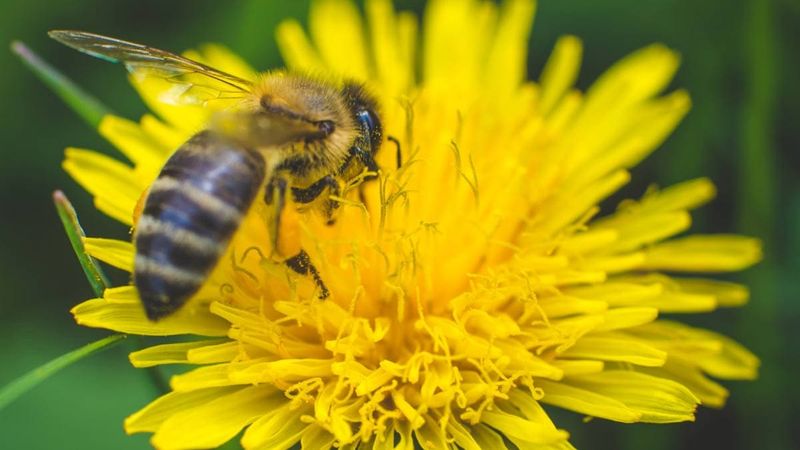
Everybody knows the dandelion, yet almost nobody knows it is one of the first food sources bees find after a long winter. When they crowd your yard, they are telling you the ground is compacted and the soil wants loosening.
Those deep taproots break up hard, packed earth and pull minerals like calcium up toward the surface where other plants can reach them. In a way, dandelions are doing free tilling while you watch.
Early spring blooms feed honeybees, native bees, and even a few beetles before the rest of your garden wakes up. Leaving a few standing can support the pollinators that will later visit your vegetables and flowers.
Did you know the whole plant is edible, from the peppery leaves to the flowers? Plenty of North Carolina cooks still toss young dandelion greens into a spring salad.
4. Common Plantain
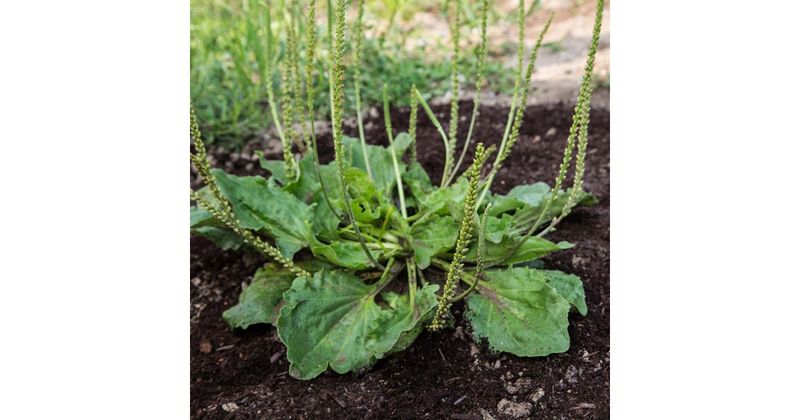
That flat rosette of ribbed leaves spreading through your walkways has a nickname worth remembering: nature’s bandage. Old-timers pressed the crushed leaves onto bee stings and scrapes long before drugstores existed.
A carpet of plantain usually means your soil is compacted from foot traffic or heavy clay, common across much of North Carolina. The plant moves in to hold that bare, hard ground together.
Songbirds love the tiny seeds packed onto its upright spikes, so a few plants left standing become a snack bar for finches and sparrows. The leaves also shelter ground beetles that prey on garden pests.
Rather than digging it out of your paths, let it fill the tough spots where nothing else will grow and let the birds do the harvesting.
5. Wild Strawberry
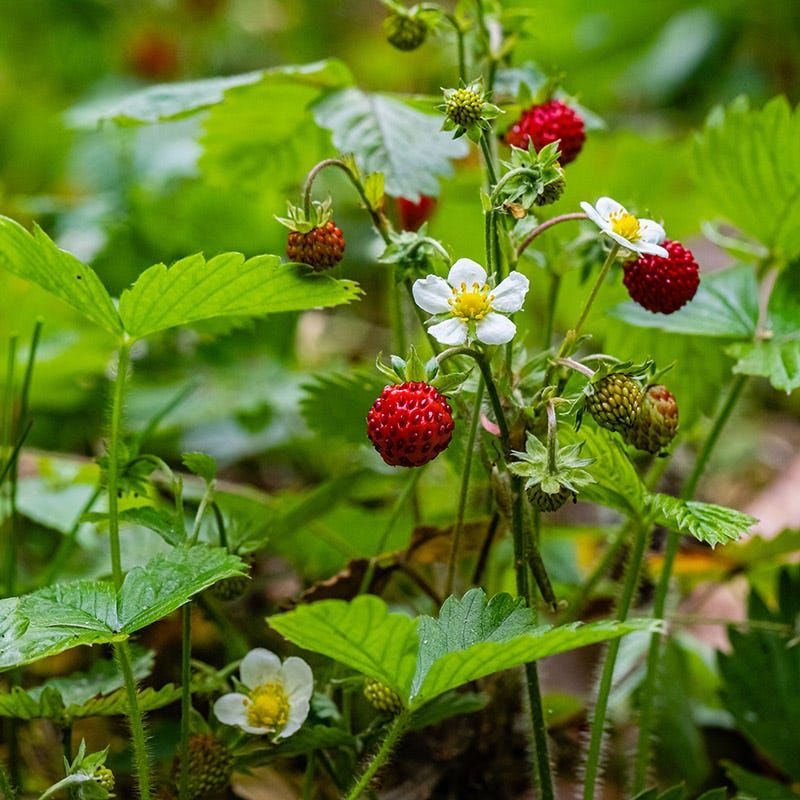
Stumble across tiny red berries hiding in your lawn and you have found one of the sweetest surprises a yard can offer. Wild strawberry creeps in where the ground is open and sunny, signaling soil that drains well.
The little white flowers feed early bees, and the fruit, though small, gets snapped up by box turtles, songbirds, and chipmunks across the state. It is a genuine native, not an escaped garden plant.
As a groundcover it hugs the soil, chokes out less welcome weeds, and stays low enough that you barely need to mow it. In shadier corners it spreads into a living green mat that needs almost no care.
Leave it be and you get a free wildlife buffet plus a soft, edible groundcover most people pay good money to plant on purpose.
6. Common Milkweed
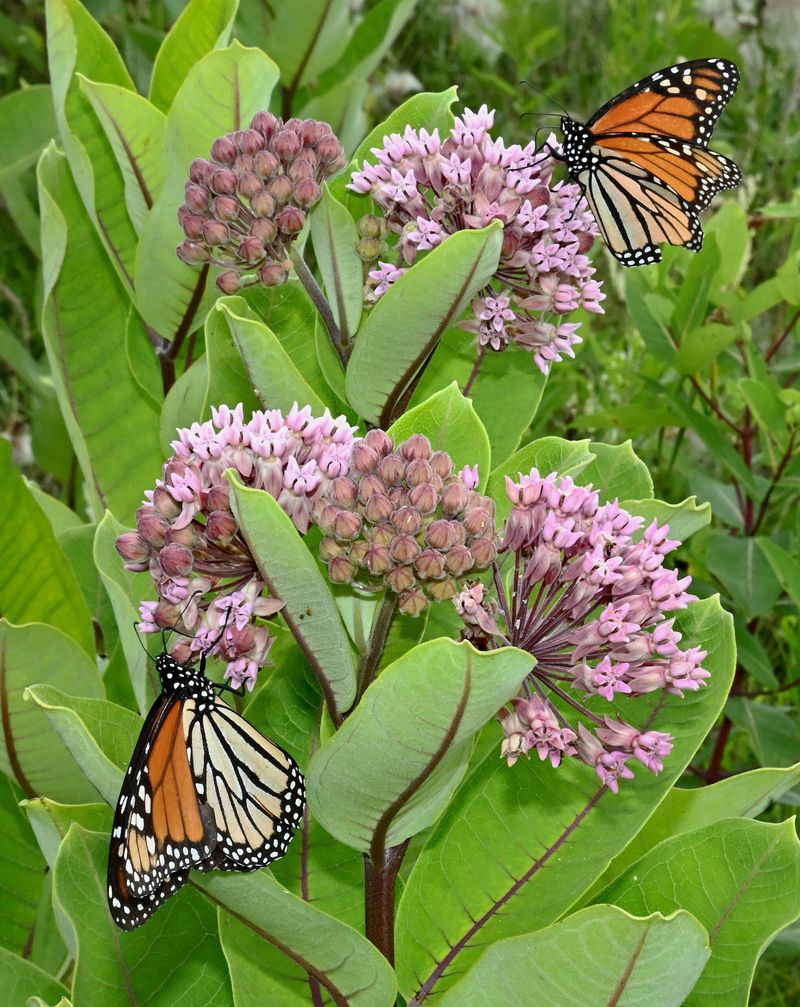
If a monarch butterfly ever depended on a single plant to survive, milkweed is it. Finding it volunteer in your yard is like winning a small lottery for pollinator lovers.
Monarch caterpillars eat nothing else, so every milkweed stalk you spare is a nursery for a butterfly whose numbers have dropped hard in recent decades. Pulling it up removes the one thing they cannot live without.
The fragrant pink flower clusters also draw bees, wasps, and other native pollinators through the heat of summer. In fields and roadside edges across North Carolina, milkweed has always been part of the landscape.
Give it a corner of the yard where it can spread and you turn a plain patch of ground into a monarch waystation that supports one of the most beloved insects in the South.
7. Chickweed
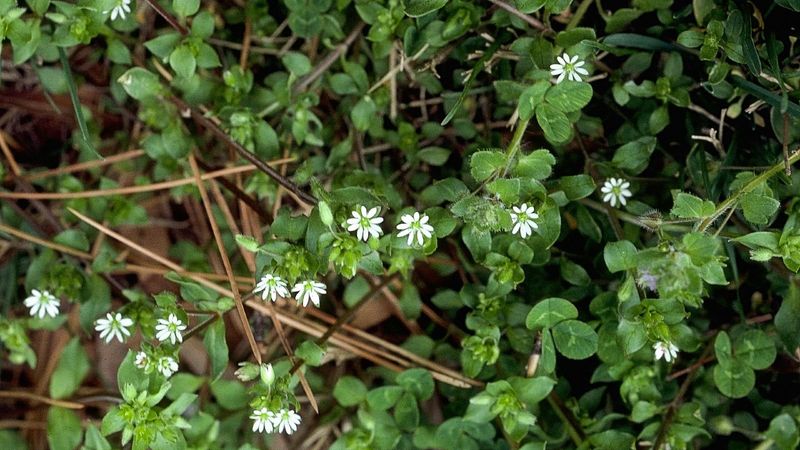
Cool weather brings a soft green mat of chickweed sprawling across garden beds, and its arrival tells you the soil is rich and moist. Far from a nuisance, it is one of the gentlest weeds you will meet.
The tender leaves are edible and mild, and folks have tossed them into salads and stir-fries for generations. Chickens go crazy for it, which is exactly how the plant earned its name.
Growing low and thick, chickweed acts like a living mulch that shades bare soil, keeps moisture in, and blocks harsher weeds from moving in. When it dies back in the heat, it breaks down and feeds the ground.
Small birds pick through the seeds and tiny flowers for food, so leaving it over the cool season quietly supports the wildlife already visiting your yard.
8. Goldenrod
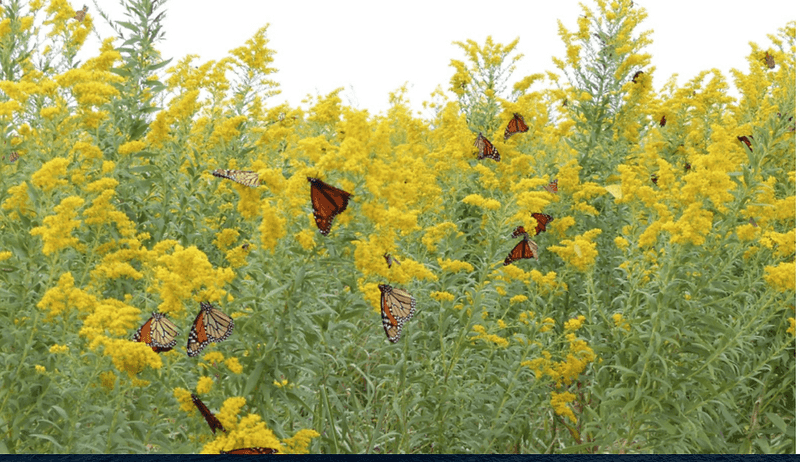
Poor goldenrod gets blamed every fall for hay fever it never caused, since the real culprit is ragweed blooming nearby. What it actually delivers is a burst of gold right when most flowers are fading.
Late-summer and fall blooms make goldenrod a lifeline for bees, butterflies, and migrating monarchs stocking up before their long trip south. Few plants feed so many pollinators so late in the year.
Native across North Carolina from the coast to the mountains, it thrives in sunny, dry spots where fussier plants give up. When goldenrod moves into a neglected corner, it is filling a gap in the season’s food supply.
Let a stand of it grow along a fence or bed edge and you hand your local pollinators a final, crucial meal before winter.
9. Purple Deadnettle
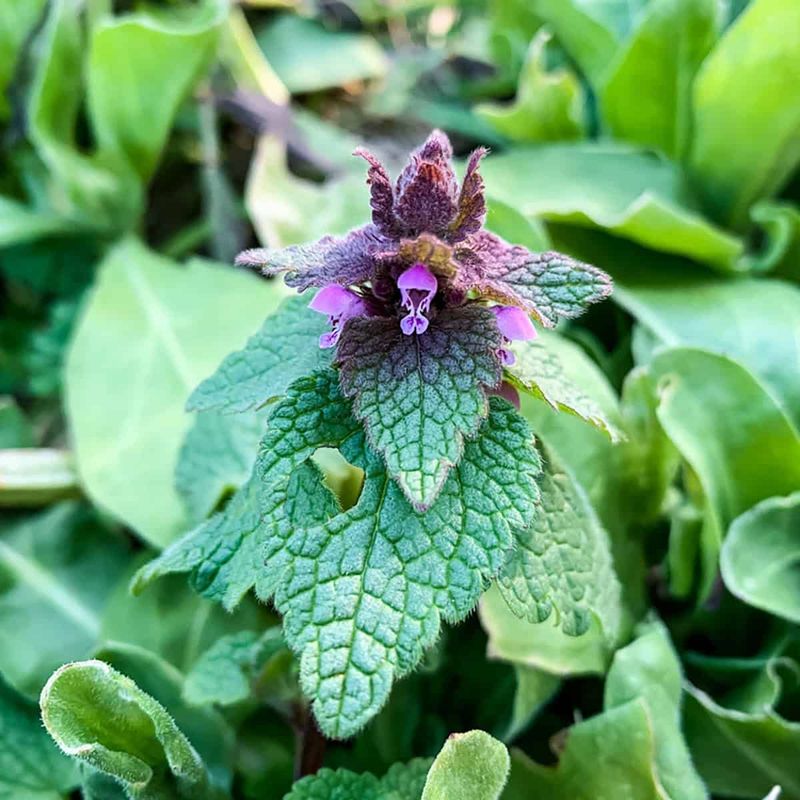
The reddish-purple crown of leaves on this little plant makes it easy to spot, and its early appearance means spring pollinators are about to arrive. Despite the scary name, it has no sting at all.
Purple deadnettle blooms so early that it becomes one of the very first nectar sources for bumblebees and honeybees emerging hungry from winter. That timing makes it far more valuable than its size suggests.
It springs up in disturbed, fertile soil, often signaling ground that is ready for planting. The shallow roots come out easily later if you need the space, so there is little downside to letting it flower first.
Some foragers even eat the young leaves, which carry a mild, earthy flavor. Leaving it through early spring gives your bees a head start on the whole growing season.
10. Pokeweed
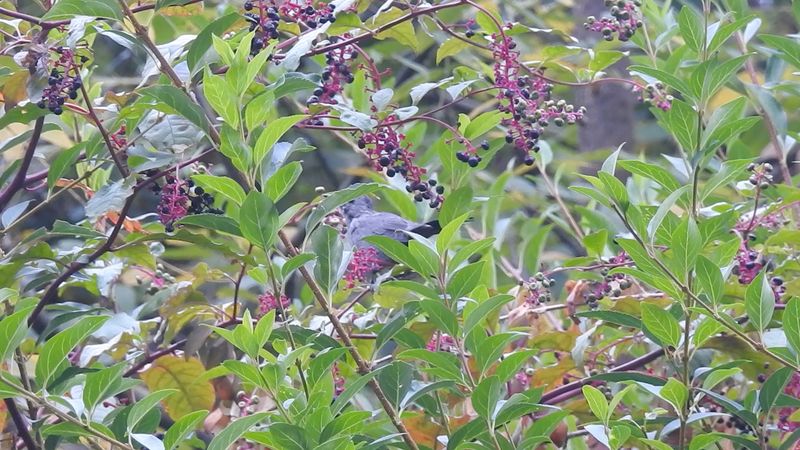
Tall, dramatic, and topped with clusters of deep purple berries, pokeweed looks like it belongs in a wild fairy tale. Where it takes root, it signals rich, disturbed soil and a spot birds already treat as a hangout.
Those inky berries are a fall feast for mockingbirds, cardinals, and dozens of other songbirds fattening up before the cold sets in. Watching the birds work a mature pokeweed is one of the best free shows in a Southern yard.
A word of caution: the raw berries and roots are toxic to people and pets, so keep it away from spots where children or dogs roam and simply enjoy it from a distance.
Tucked into a back fence line or wild edge, pokeweed becomes a striking, low-effort bird magnet that has been part of North Carolina landscapes for centuries.