
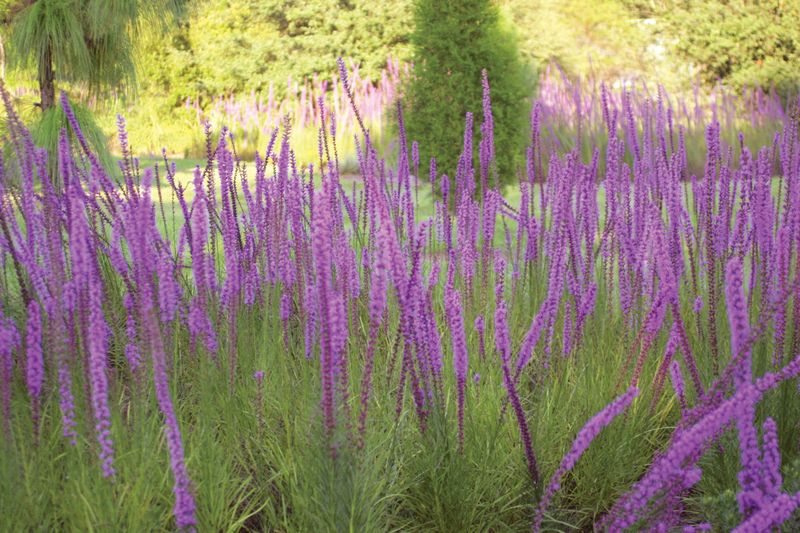
A wildlife-friendly yard does not have to look wild. In Florida, the right native plants can feed birds, butterflies, bees, and other helpful creatures while still keeping your beds neat.
The trick is choosing plants with clean shapes, useful flowers or berries, and easy care for sandy soil and long warm seasons. These seven picks bring life to the yard without making it feel messy.
1. Firebush
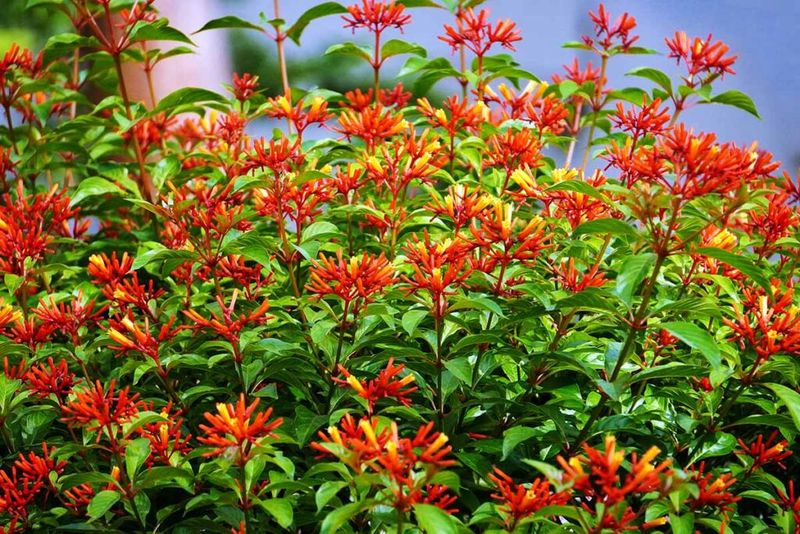
Few plants make a Florida yard feel alive as quickly as firebush. Its red-orange tubular flowers are a steady invitation for hummingbirds and butterflies, yet the plant can still look polished when placed as a rounded shrub near a porch, patio, or back fence.
Firebush earns its spot because it gives big wildlife value without asking for fussy care. Once established, it handles heat, sandy soil, and dry spells better than many showier landscape shrubs.
In South Florida it may grow large, while in cooler parts of North Florida it can die back after cold snaps and return when warm weather settles in.
For a cleaner look, plant it where it has room to fill out instead of squeezing it against a walkway. A light trim can keep the shape tidy, but avoid constant shearing because the flowers form the wildlife buffet.
Pair it with lower native grasses or coontie for a layered bed that looks planned, not overgrown.
Wildlife payoff is easy to see. Hummingbirds visit the blooms, butterflies sip nectar, and birds may use the small dark berries.
If you want one bold shrub that says Florida without looking weedy, firebush is hard to beat.
2. Coontie
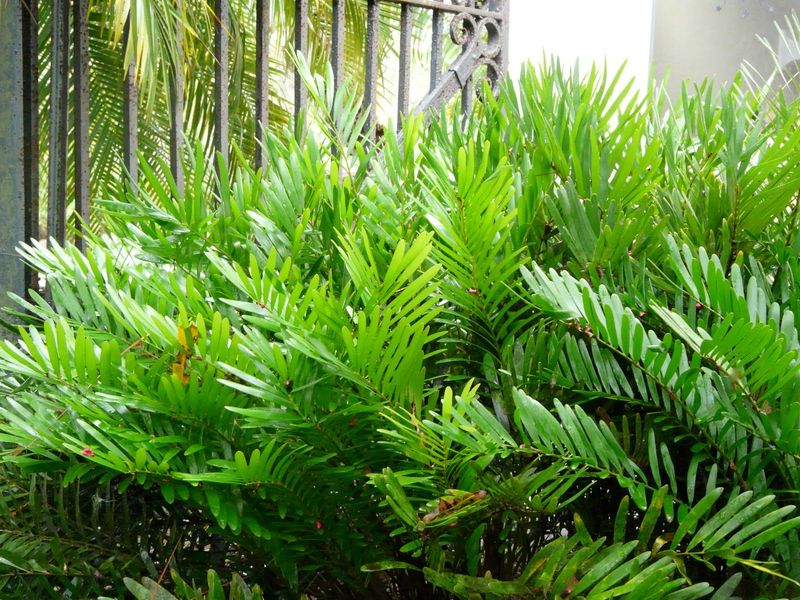
At first glance, coontie looks more like a designer plant than a wildlife plant. The glossy, palm-like fronds form low mounds that fit beautifully along paths, under windows, around mailboxes, or in foundation beds where a shaggy plant would feel out of place.
Its special role is quiet but powerful. Coontie is the host plant for the atala butterfly, a striking black butterfly with bright blue markings and a red-orange abdomen.
Planting coontie gives that butterfly a place to lay eggs and raise caterpillars, which is a deeper kind of support than offering nectar alone.
Homeowners also like coontie because it stays compact and does not need constant trimming. It tolerates Florida heat, sandy soil, and periods of drought once established.
The plant works especially well in formal or semi-formal beds because its shape stays rounded and controlled.
Give it part sun to light shade, though it can handle sunnier spots with enough moisture during establishment. Use several in a repeating pattern for a clean, intentional look.
One note for families and pet owners: coontie produces toxic seeds, so place it thoughtfully and remove seeds where curious pets or children may reach them.
3. Simpson’s Stopper
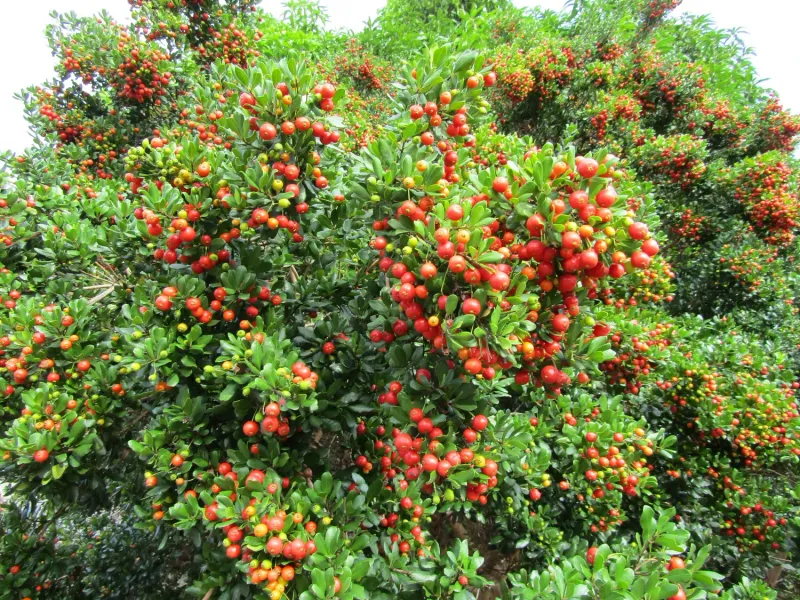
A good hedge can do more than hide a fence. Simpson’s stopper brings the neat outline many homeowners want, plus flowers and berries that make the yard more useful for wildlife.
The plant stands out from the rest of this list because it behaves like a handsome evergreen screen. Small white flowers attract pollinators, and the red to orange berries feed birds.
Its leaves are small and dense, which helps it look tidy even when it is not freshly trimmed.
In Florida gardens, Simpson’s stopper is often used as a hedge, privacy planting, or small specimen tree. It can take pruning, but it does not need to be boxed into a stiff wall to look good.
A softer, rounded shape usually keeps it attractive while leaving flowers and fruit for wildlife.
Plant it in sun to part shade and water it well while it gets established. After that, it is a dependable native for many Florida yards, including coastal areas where salt tolerance can matter.
If your goal is a front-yard plant that looks respectable to neighbors while still feeding birds, this one fits the job.
4. Dune Sunflower
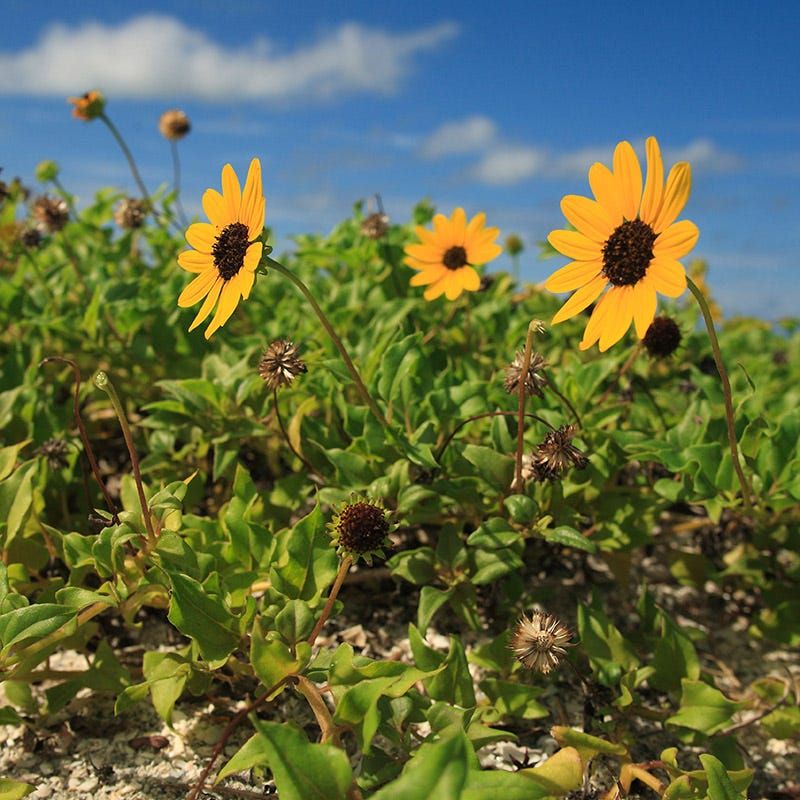
Bright yellow flowers have a way of making a yard look cared for, even when the plant is doing most of the work on its own. Dune sunflower brings that cheerful look to hot, sandy places where many bedding plants struggle.
Its biggest advantage is ground-level coverage. Instead of growing into a tall, tangled mass, dune sunflower spreads low and helps fill bare soil with a carpet of green leaves and sunny blooms.
Bees and butterflies visit the flowers, and the seed heads can offer food for small birds if you leave some in place.
Use it along driveway edges, mailbox beds, slopes, or sunny strips where turf looks thin. It is especially useful in coastal and sandy landscapes, but gardeners inland can enjoy it too if drainage is good.
Too much water or rich soil can make it less tidy, so avoid pampering it like a thirsty annual.
To keep the bed looking crisp, give dune sunflower a clear border. A stone edge, metal edging, or simple mulch line tells the eye that the spreading habit is part of the design.
If it wanders beyond its space, trim it back and it usually rebounds quickly in warm weather.
5. Coral Honeysuckle
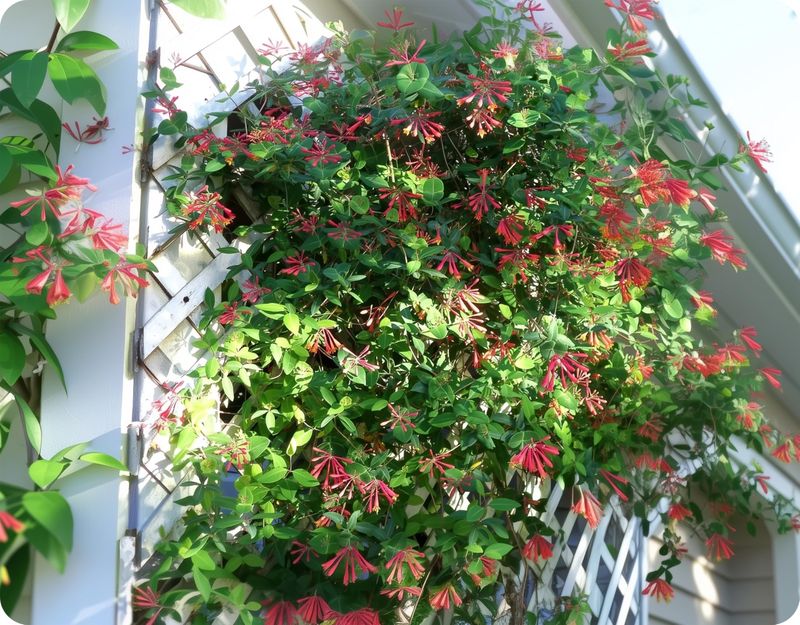
Not every wildlife plant needs to take up bed space. Coral honeysuckle climbs upward, making it a smart choice for gardeners who want hummingbirds near a patio, fence, arbor, or porch rail without widening the garden bed.
The coral-red flowers are shaped for hummingbirds, and butterflies may stop by for nectar too. Later, the berries can interest birds.
Unlike many aggressive vines sold in garden centers, this Florida native is easier to manage when given a sturdy support and occasional guidance.
Its best use is vertical structure. Train it on a trellis or fence panel and it turns a plain surface into a living feeder.
That keeps the yard looking organized because the growth has a clear place to go.
Coral honeysuckle prefers sun to part shade, with more flowers in brighter light. Water regularly during establishment, then shift to normal Florida upkeep based on rainfall and site conditions.
A light prune after a flush of bloom can tidy the vine and encourage fresh growth.
For a neat design, avoid letting it sprawl across shrubs. Give it its own frame, then let the flowers do the talking.
In a small yard, that vertical habit can make wildlife gardening feel possible instead of crowded.
6. Muhly Grass
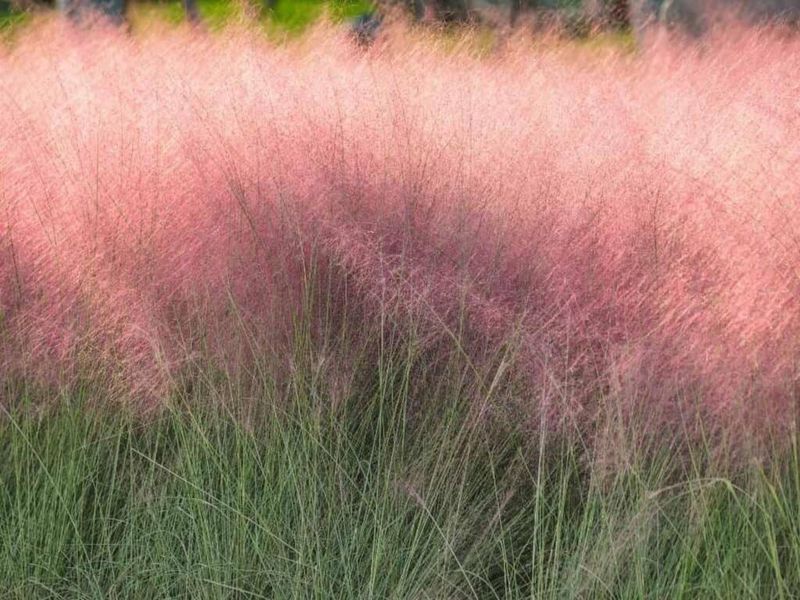
When muhly grass blooms, it looks like pink mist floating over the garden. For homeowners who worry that native plantings will look too loose, this grass offers movement and softness while still keeping a clean clumping shape.
Muhly grass is different from the flowering shrubs and vines on this list because its value is both visual and structural. The airy fall plumes add curb appeal at a time when many Florida yards need a refresh after the rough heat and storms of summer.
Birds may use the seeds, and the clumps can provide light cover for small wildlife.
Plant muhly in full sun and well-drained soil. It handles sandy conditions well once established, which makes it a strong fit for many Florida landscapes.
Too much shade can make it flop or bloom poorly, so save it for open, sunny beds.
The maintenance is simple but important. Cut the clumps back once a year in late winter before new growth pushes out.
That one clean haircut keeps the plant fresh instead of tired-looking.
Use muhly in groups of three, five, or more for the best effect. A repeated drift along a walkway or driveway looks intentional, especially when paired with evergreen natives like coontie or Simpson’s stopper.
7. Walter’s Viburnum
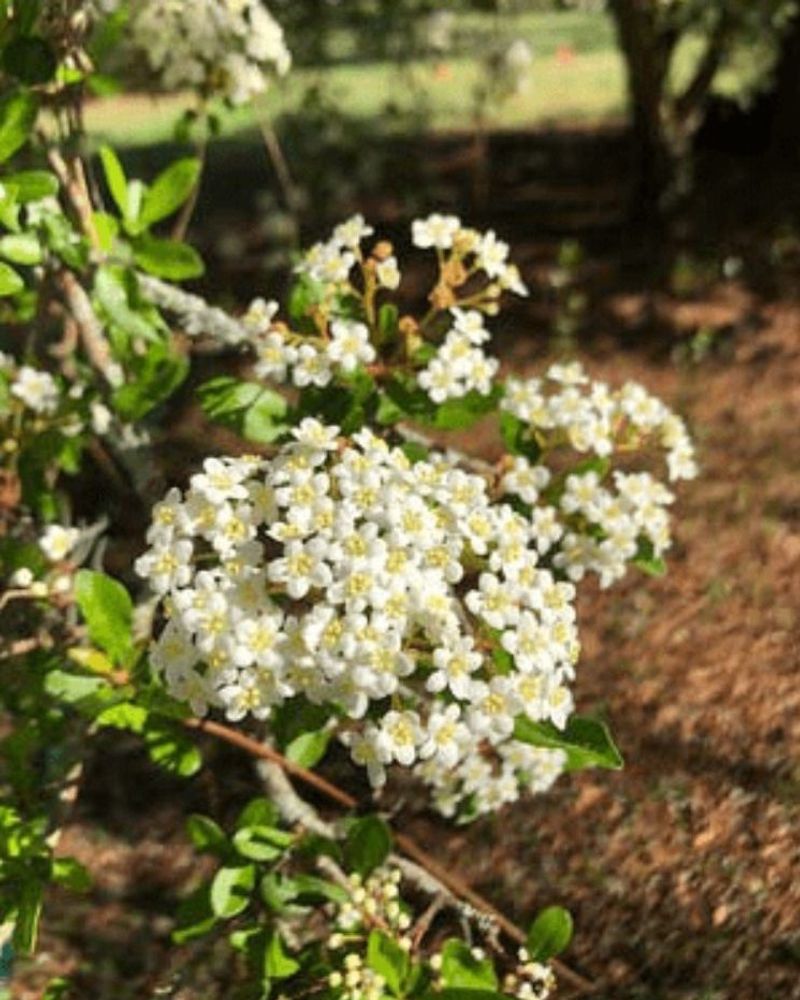
A privacy plant that feeds birds is a win for busy homeowners. Walter’s viburnum can serve as a hedge, screen, or small tree, giving the yard a finished shape while still offering flowers and fruit.
The spring flower clusters attract pollinators, and the berries that follow are useful for birds. What makes it especially valuable is its flexibility.
Depending on the selection and pruning style, Walter’s viburnum can be kept as a compact hedge or allowed to grow into a taller screening plant.
For a tidy yard, choose the right form for the space. Dwarf selections work better near foundations and walkways, while larger forms belong along property lines or in the back of a border.
Giving it enough room from the start reduces the need for harsh pruning later.
Walter’s viburnum grows in sun to part shade and can handle a range of Florida conditions once established, though good placement still matters. Mulch helps protect roots in sandy soil and gives the bed a cleaner look.
Avoid scalping it into a bare, boxy shape during flowering and fruiting periods if wildlife feeding is a goal.
If your yard needs structure first and wildlife benefits second, this plant bridges both needs. It looks like a proper landscape shrub, yet it quietly supports bees, butterflies, and birds through the year.