
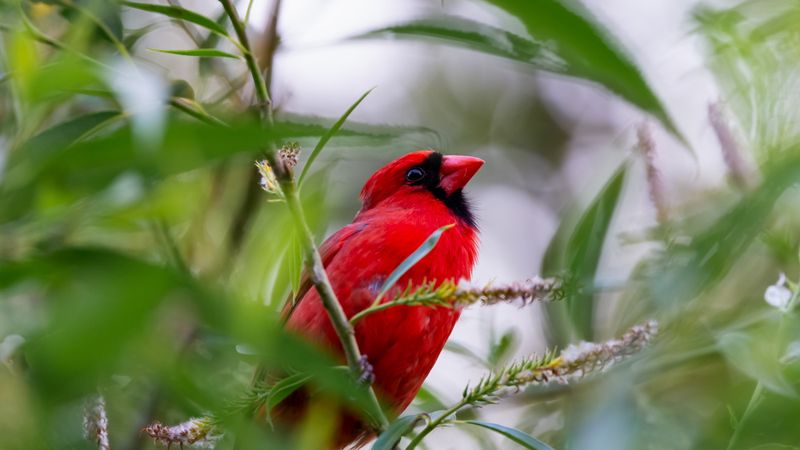
Cardinals are one of the friendliest sights in any North Carolina yard, and the good news is you can invite them to stay all year long. The trick is planting native flowers that offer seeds, cover, and food from the first warm days of spring through the last golden weeks of fall.
These plants are easy to grow, they support local wildlife, and they cut down on the fussy upkeep that tired-out gardeners dread. Here are eight NC natives that will turn your yard into a cardinal magnet season after season.
1. Purple Coneflower (Echinacea purpurea)
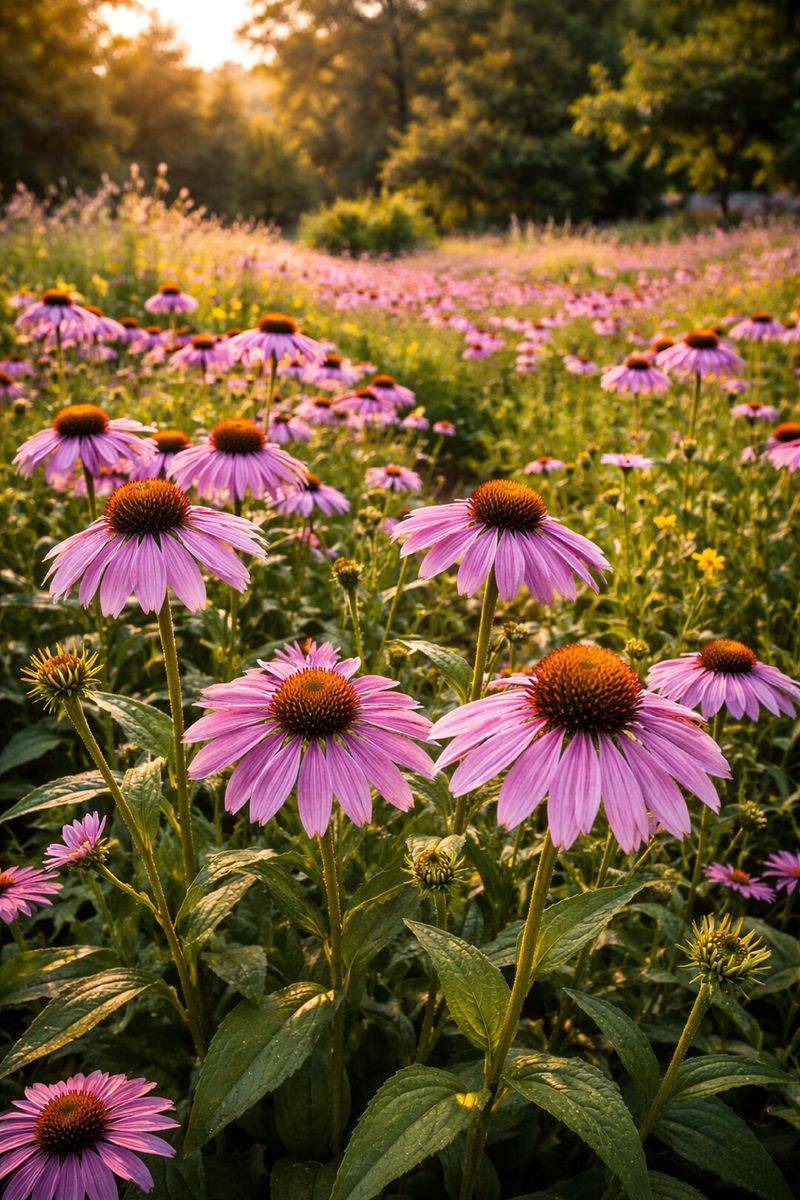
Few plants earn their keep quite like purple coneflower. Its daisy-shaped blooms open in early summer and hold strong into fall, giving cardinals a steady supply of the seeds they crave.
When the petals fade, do not deadhead every stem. The spiky central cones fill with seeds that cardinals pluck out through the cooler months, so leaving them standing turns your beds into a natural feeder.
Coneflower thrives in NC clay, shrugs off heat, and comes back bigger each year. Plant a drift of them in a sunny border and you get bold color, easy care, and a front-row seat to red birds bobbing on the stems.
2. Black-Eyed Susan (Rudbeckia hirta)
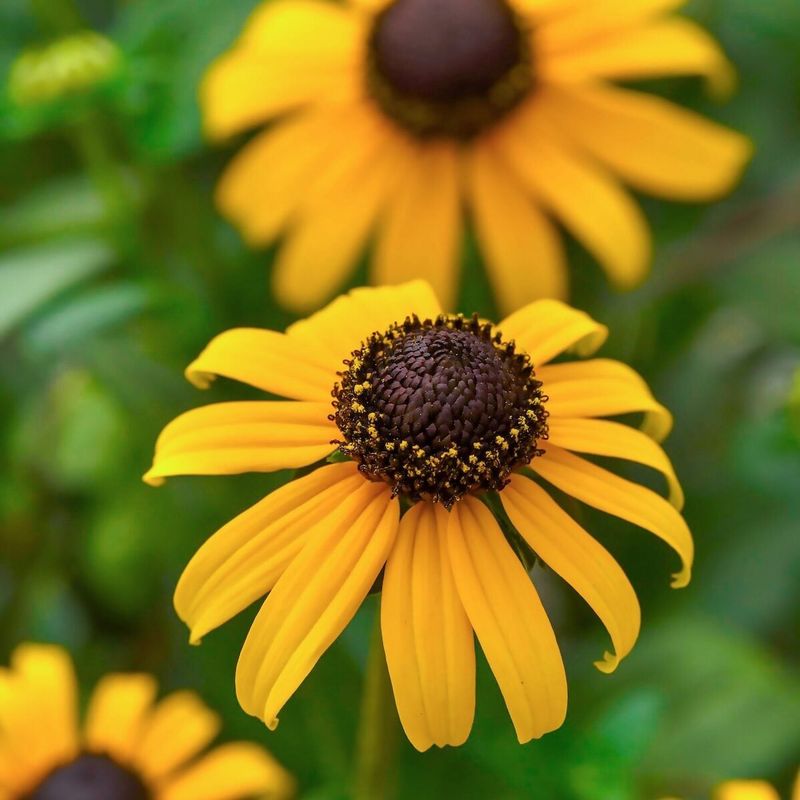
Bright as a summer afternoon, black-eyed Susan lights up a yard with golden petals around a dark, seed-packed center. Cardinals treat those centers like a snack bar once the blooms mature.
What makes this one special is how long it keeps going. It starts flowering in mid-summer and often pushes fresh blooms until the first frost, so your yard stays busy with birds while other plants fade.
It self-sows gently, meaning a small patch can grow into a cheerful colony with almost no work from you. For a low-effort NC flower that pulls double duty as decoration and cardinal food, this golden native is hard to beat.
3. Cardinal Flower (Lobelia cardinalis)
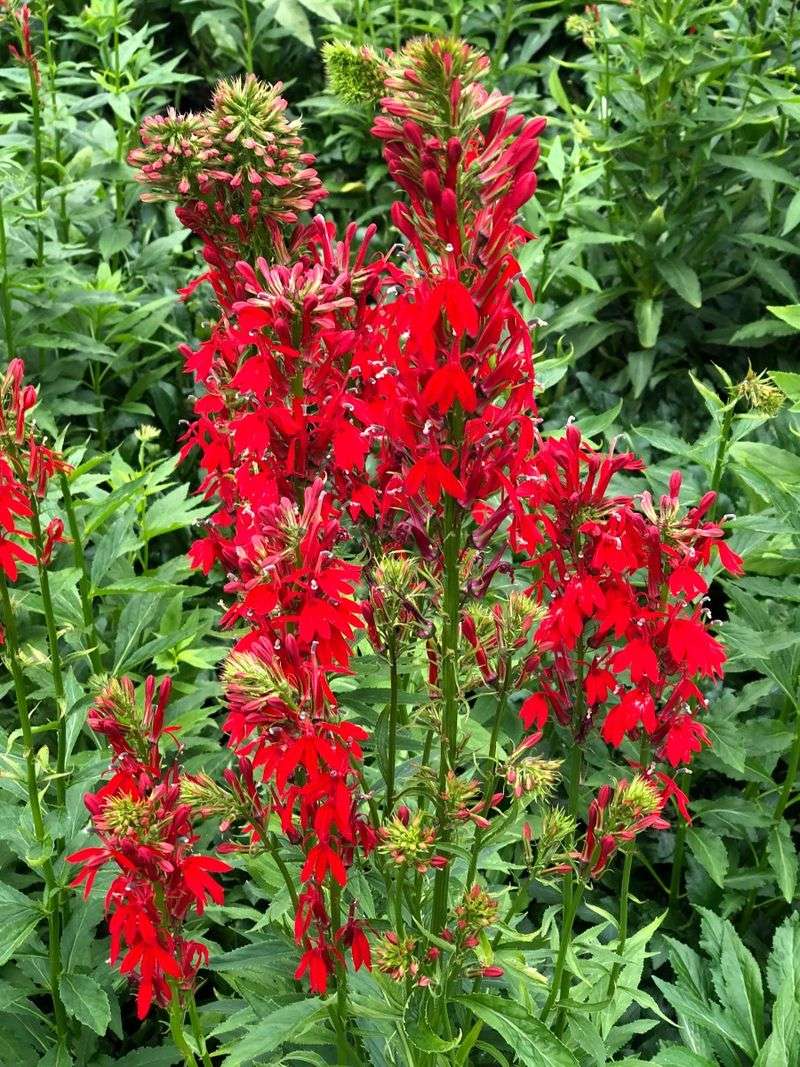
Named for the crimson robes of Catholic cardinals, this flower is a showstopper in its own right. Its tall red spikes bloom from mid-summer into early fall and light up shady, damp corners where little else wants to grow.
While hummingbirds are the headline visitors here, the plant also draws the insects and offers the cover that cardinals love to duck into. Pair it near seed-heavy natives and you build a mini habitat that keeps birds hanging around.
It is happiest in the moist spots of a yard, like along a downspout, pond edge, or low bed that stays damp. If you have a soggy patch you have struggled to fill, this native turns a problem area into a wildlife hotspot.
4. Sunflower (Helianthus annuus)
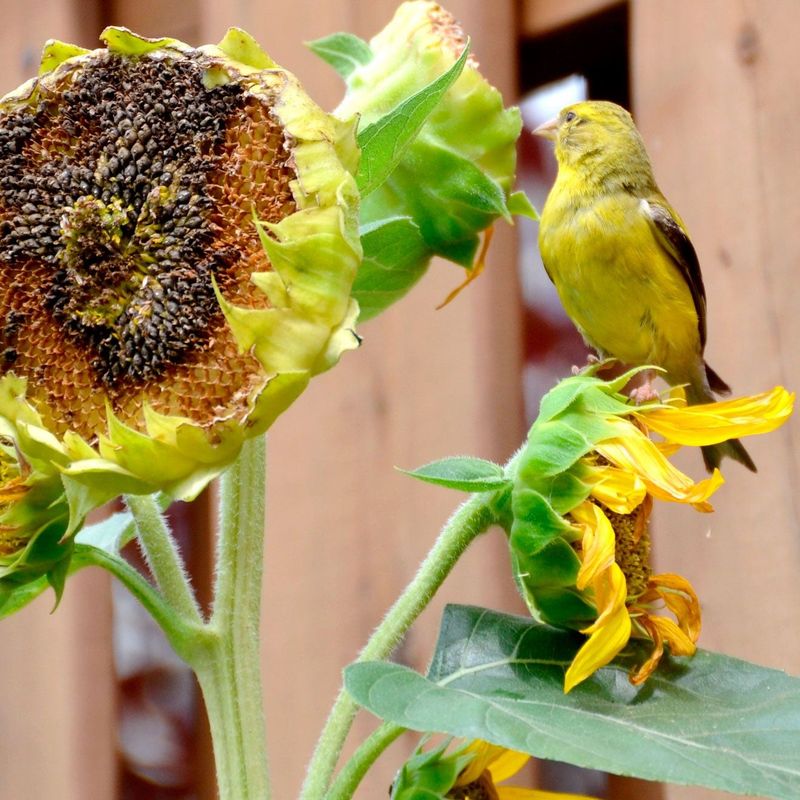
Nothing says “come and eat” to a cardinal quite like a sunflower loaded with seeds. These cheerful giants bloom through summer and hand over fat, oil-rich seed heads that cardinals cling to and crack open all season.
Kids love watching a heavy sunflower head bend over with the weight of birds, and the show goes on well into fall if you leave the heads in place. There is no need to cut and store seeds when nature serves them straight from the stem.
Give them full sun and a little elbow room, then step back. In one season they grow from seed to towering bird buffet, making them one of the fastest ways to bring cardinals to a new NC yard.
5. Eastern Columbine (Aquilegia canadensis)
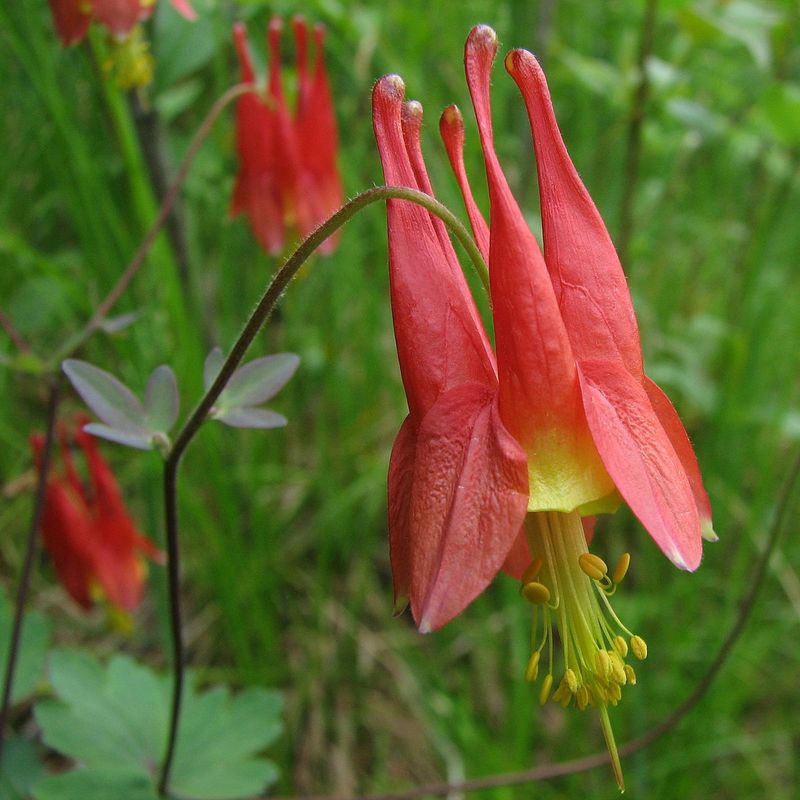
When most of the yard is still waking up, eastern columbine is already dancing. Its nodding red-and-yellow bells open in early spring, filling the hungry gap before summer flowers arrive.
Columbine’s real value for cardinals comes later. After blooming, it forms slender seed pods packed with small black seeds that birds forage as the pods dry and split open.
Happy in dappled shade and rocky, lean soil, it suits the wooded edges common in Piedmont and mountain yards. Plant it where spring color is scarce and you extend your cardinal season right back to the start of the year.
6. Wild Bergamot (Monarda fistulosa)
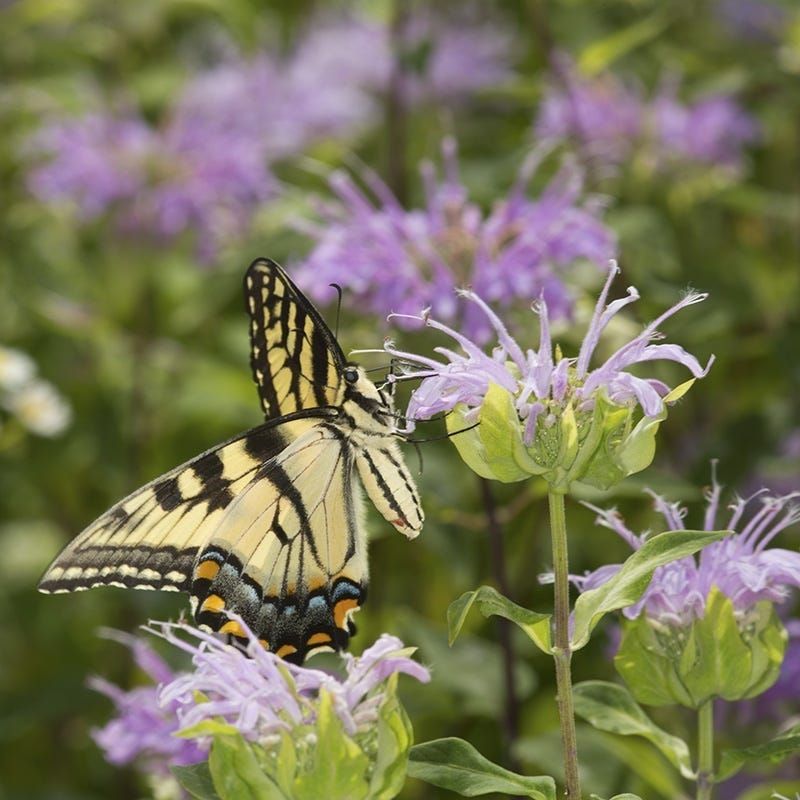
Crush a leaf of wild bergamot and you get a scent halfway between mint and oregano, a hint of why pollinators swarm it all summer. That buzzing crowd of insects becomes a protein-rich snack station for cardinals feeding their young.
The lavender, shaggy blooms appear through the warm months, and the dried seed heads carry the food value into fall. Birds work the spent flowers for small seeds long after the color fades.
It spreads politely, handles NC heat and humidity, and rarely asks for water once settled. For a flower that feeds bees, butterflies, and cardinals from one easygoing plant, bergamot is a smart pick.
7. Goldenrod (Solidago species)
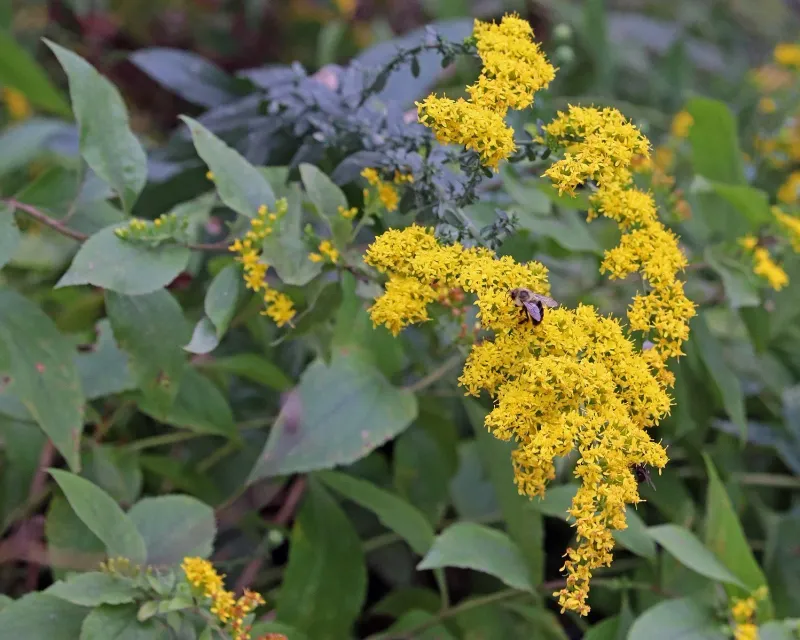
Long blamed for fall allergies it does not actually cause, goldenrod deserves a spot in every cardinal-friendly yard. Its glowing yellow plumes arrive in late summer and blaze through fall, timing the party perfectly for birds fueling up before winter.
The flowers pull in swarms of insects, and the seeds that follow give cardinals a reliable food source when other plants are done for the year. Few natives keep a yard alive with activity this late in the season.
Tough, drought-tolerant, and content in poor soil, goldenrod fills sunny corners and roadside-style beds with zero fuss. If you want to stretch cardinal visits deep into autumn, this golden native carries the season.
8. New England Aster (Symphyotrichum novae-angliae)
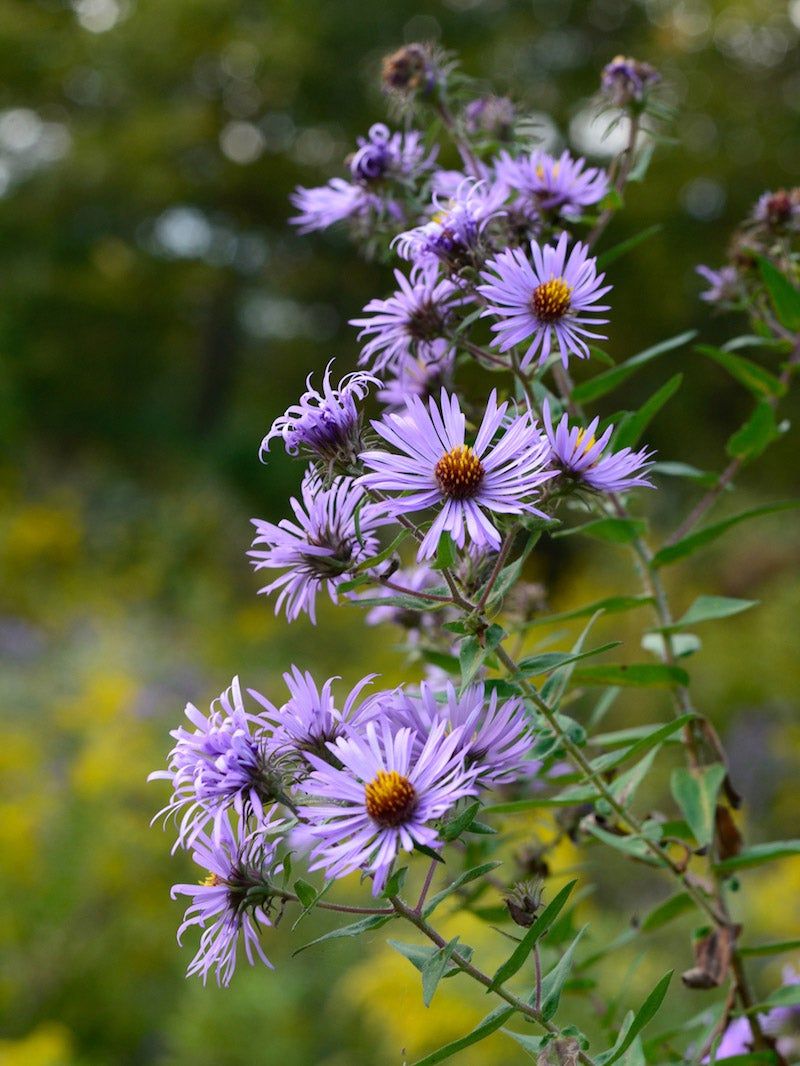
Just as the garden year seems to wind down, New England aster bursts into purple bloom and keeps the buffet open. Its late-fall flowers are one of the last big meals for pollinators, and the seeds that follow feed cardinals through the cooler weeks.
Pairing it with goldenrod creates a purple-and-gold finale that looks stunning and works overtime for wildlife. The two natives bloom together and stretch food availability right up to frost.
Give it sun to part shade and average NC soil, and it rewards you with a mound of color when almost everything else has quit. As a bookend to a spring-through-fall planting plan, this aster makes sure your cardinals never run short.