
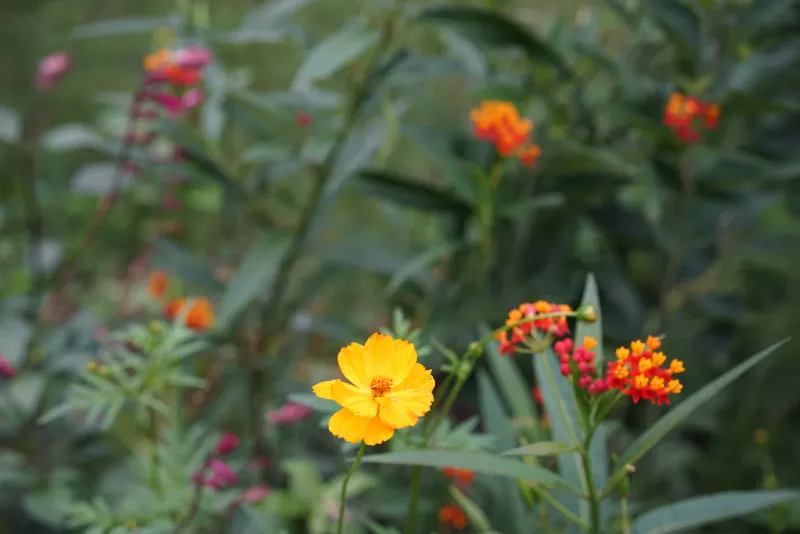
Aphids can turn tender Florida growth into curled leaves and sticky mess fast. Ladybugs are one of the easiest helpers to invite because both adults and larvae feed on aphids.
The trick is planting flowers that offer tiny blooms, nectar, pollen, and shelter so ladybugs stay close instead of flying off. These seven Florida-friendly flowers can make your yard prettier while giving pest control a natural boost.
1. Coreopsis
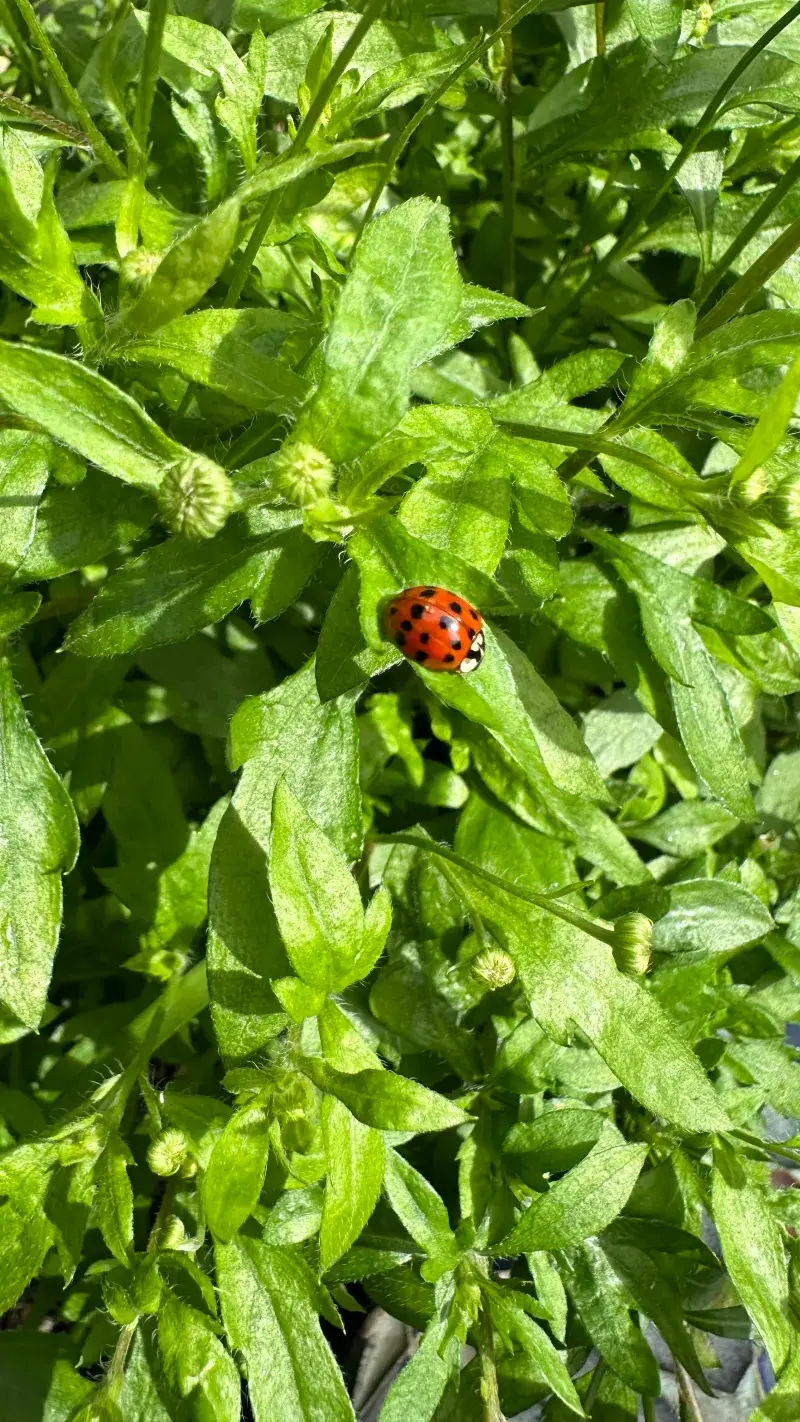
Florida’s state wildflower earns its spot because it looks cheerful while quietly feeding the good bugs. Coreopsis has open, daisy-like blooms that make nectar and pollen easy for ladybugs and other small beneficial insects to reach.
In Florida yards, coreopsis fits right into sunny borders, mailbox beds, and low-maintenance pollinator patches. Many types handle heat and sandy soil once established, especially when planted where water drains well after heavy rain.
The ladybug benefit comes from timing and shape. Aphids often gather on soft new growth nearby, while coreopsis keeps adult ladybugs fueled enough to search the area and lay eggs where food is available.
For the best results, plant coreopsis in groups rather than one lonely plant. A small drift near roses, milkweed, hibiscus, or vegetables gives ladybugs a clear landing zone close to the plants aphids like to bother.
Trim spent flowers to keep blooms coming, but leave a few seedheads if you enjoy birds and self-sown seedlings. UF-IFAS often highlights coreopsis as a Florida-friendly choice, which makes it a smart pick for gardeners who want beauty without fussy care.
2. Sweet Alyssum
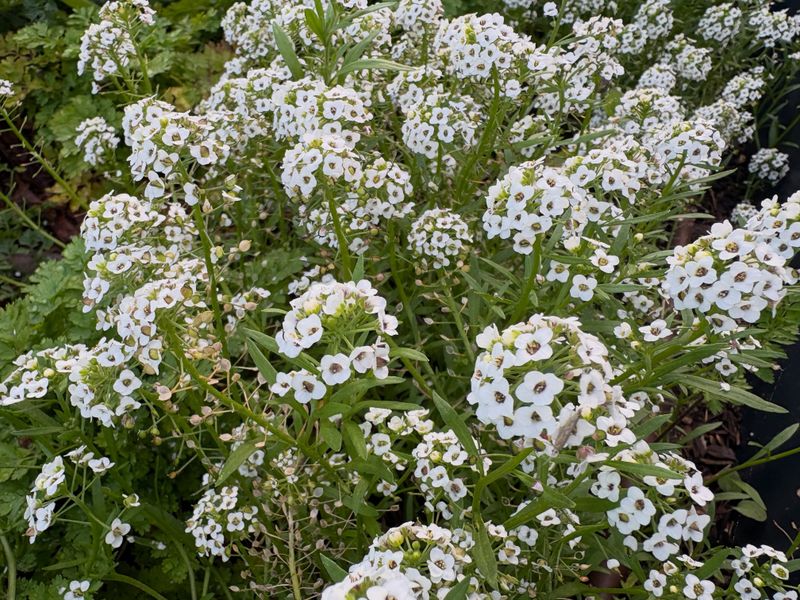
Tiny flowers can do surprisingly big work, and sweet alyssum proves it. Its low carpet of white, lavender, or purple blooms is easy for ladybugs to use because the flowers are shallow and packed together.
Florida gardeners often use sweet alyssum during the cooler stretch of the year, especially fall through spring in many areas. It can struggle in fierce summer heat, so treat it as a seasonal helper rather than a year-round backbone.
What makes sweet alyssum different is where it fits. Tuck it along vegetable beds, porch planters, strawberry pots, or the front edge of herb gardens, and it becomes a living snack bar for beneficial insects moving through the space.
Aphids love tender crops such as kale, lettuce, peppers, and young herbs. When sweet alyssum grows nearby, ladybugs have nectar close at hand while they patrol those soft shoots.
Keep the soil lightly moist but not soggy, and shear tired plants to encourage fresh growth. In sandy Florida soil, a little compost before planting helps it settle in faster, especially in containers that dry out quickly.
3. Blanket Flower
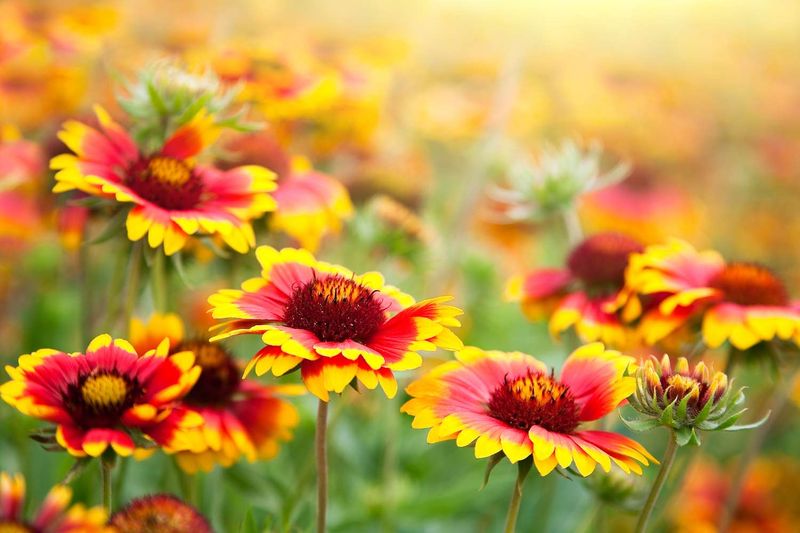
Some flowers look built for Florida sun, and blanket flower brings that bold beach-town energy. Its red, orange, and yellow blooms hold up in bright, dry spots where softer plants pout.
Blanket flower is especially useful for gardeners dealing with sandy, fast-draining soil. Once established, it is usually drought tolerant, which makes it a strong choice for curb strips, driveway edges, and open front-yard beds.
Ladybugs are drawn to gardens that offer both food and hunting ground. Blanket flower supplies nectar and pollen, while its long bloom season helps keep beneficial insects checking the area for aphids on nearby ornamentals and vegetables.
Use it near plants that often get aphids, such as roses, hibiscus, crape myrtle shoots, okra, or peppers. The bright blooms also pull in pollinators, so the bed feels alive instead of just being a pest-control setup.
Good drainage matters more than rich soil. Avoid planting blanket flower in a soggy low spot, especially where summer storms leave standing water, and cut back tired stems to refresh the plant after heavy blooming.
4. Bishops Flower
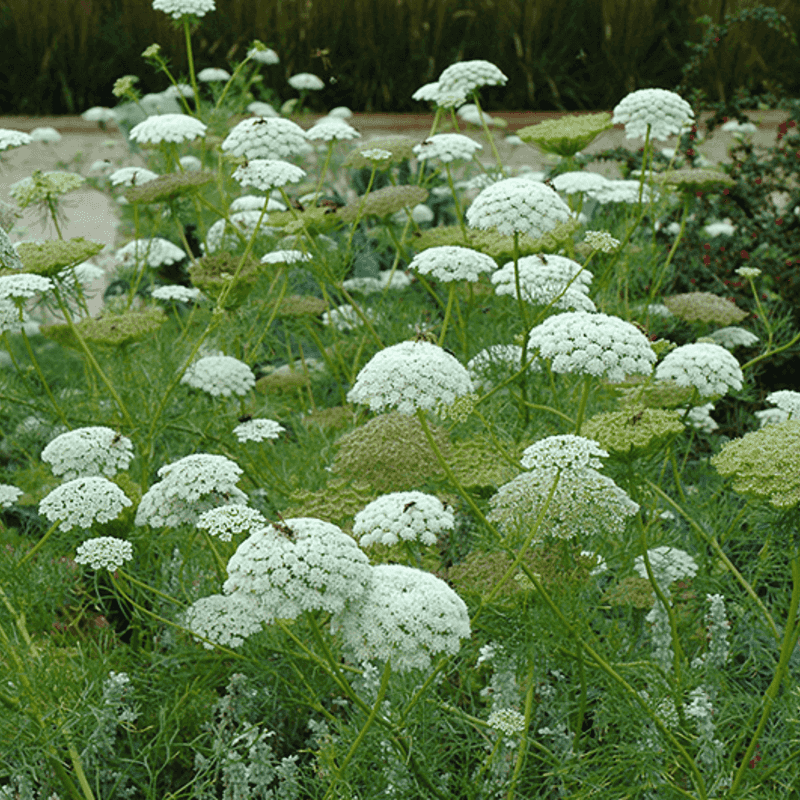
Lacy blooms have a secret talent in the garden: they act like landing pads for tiny beneficial insects. Bishops flower, also called Ammi majus, produces airy white umbels that ladybugs and other aphid hunters can easily explore.
Its different strength is structure. While bold flowers bring color, bishops flower adds a fine, open shape that turns a vegetable bed or cottage border into a more layered habitat.
Florida gardeners can use it during milder seasons, since it generally prefers cooler weather over steamy summer conditions. Sow or transplant it when the worst heat has passed, and place it in sun with soil that drains after rain.
Ladybugs do not live on aphids alone. Adults often need nectar and pollen too, and the small flowers in each umbel offer exactly the kind of accessible food that keeps them active in the bed.
Pair bishops flower with dill, parsley, calendula, or cool-season greens for a soft, useful planting. If aphids show up on tender new leaves, you have already built a welcoming place for ladybugs to feed and reproduce nearby.
5. Dill Flowers
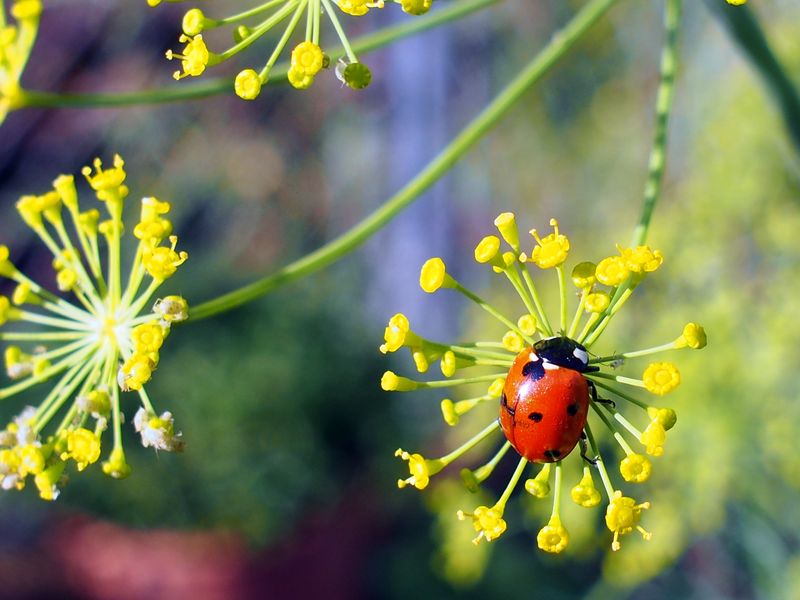
One day dill is an herb for pickles, and the next it is a yellow umbrella full of insect activity. When dill blooms, its tiny clustered flowers become a favorite stop for ladybugs, hoverflies, and other helpful garden visitors.
Dill stands out because it works double duty in edible gardens. You can harvest the feathery leaves early, then let a few plants flower near peppers, tomatoes, beans, or greens that aphids often inspect.
In much of Florida, dill is happiest in the cooler months rather than the hottest part of summer. Plant it in fall, winter, or early spring, depending on your area, and give it full sun with steady moisture in well-drained soil.
The flowers matter because ladybugs can use the nectar while searching for aphid colonies. Even better, dill’s upright shape lifts that food source above the vegetable canopy, making it easy for beneficial insects to find.
Leave some flower heads in place long enough to form seed. You may get volunteer dill later, and the seedheads add another practical perk for gardeners who like low-cost, repeat performers.
6. Calendula
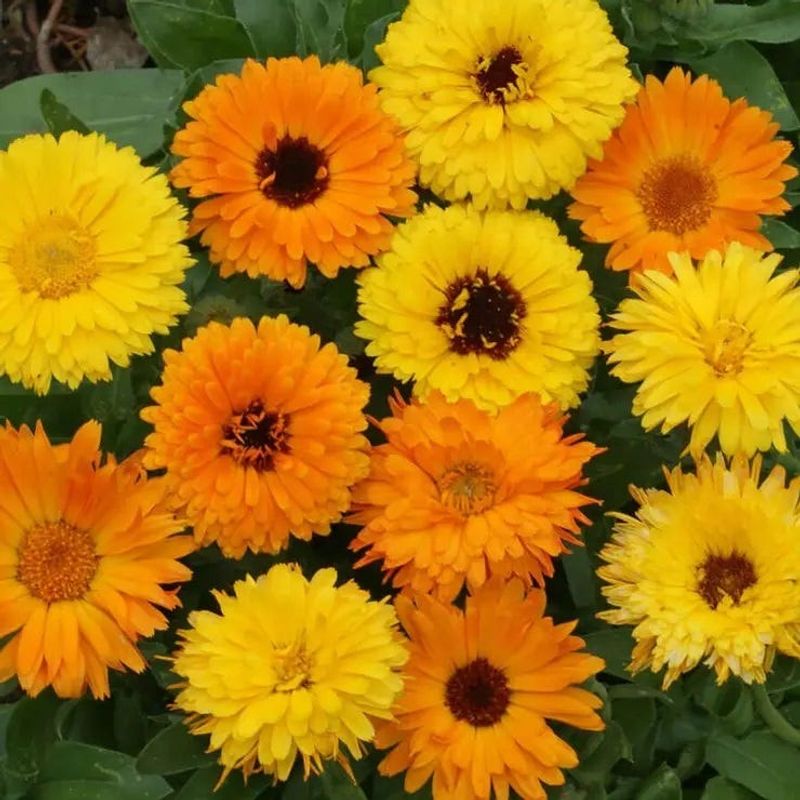
Calendula brings the kind of color that makes a cool-season Florida bed feel fresh instead of bare. Its orange and yellow flowers are simple, bright, and easy for beneficial insects to visit.
The special value here is seasonal timing. When summer annuals fade or warm-season beds are being reset, calendula can help keep nectar and pollen available during Florida’s milder months.
Aphids often build up on tender cool-season vegetables and young ornamentals. Calendula planted nearby gives ladybugs a reason to linger while they search leaves, stems, and flower buds for soft-bodied pests.
Use calendula in raised beds, border fronts, patio containers, or around the edges of herb gardens. It likes sun in cooler weather and appreciates soil improved with compost, especially where native sand drains water too quickly.
Deadheading keeps plants blooming longer, but you can leave a few spent flowers to reseed if conditions suit your yard. The petals are also known historically as pot marigold, a name from old kitchen gardens where the flowers were used for color.
7. Spotted Beebalm
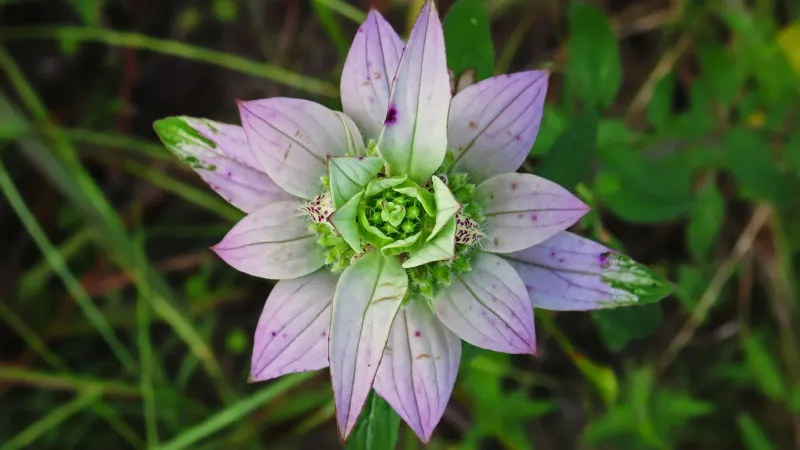
For a native-leaning Florida garden, spotted beebalm has personality to spare. Its stacked blooms and pale bracts look almost sculptural, and the plant is well suited to sunny, dry sites once established.
Spotted beebalm is different from the others because it brings native habitat value along with pest-control support. It attracts pollinators, handles many sandy locations, and fits naturalistic beds where you want plants that look relaxed rather than overly trimmed.
Ladybugs may visit the flowers for pollen and nectar while working through nearby plantings. If aphids gather on milkweed, vegetables, or tender ornamental growth close by, a mixed native bed gives ladybugs food, cover, and hunting space in one area.
Plant it where air moves freely and drainage is good, since many Florida yards swing between dry sand and sudden downpours. A raised or slightly mounded spot can help in places that stay wet after storms.
Spotted beebalm also has a memorable scent when the foliage is brushed. That small sensory bonus makes it a fun choice near paths, wildlife corners, and sunny backyard beds where Florida gardeners want fewer sprays and more life.