
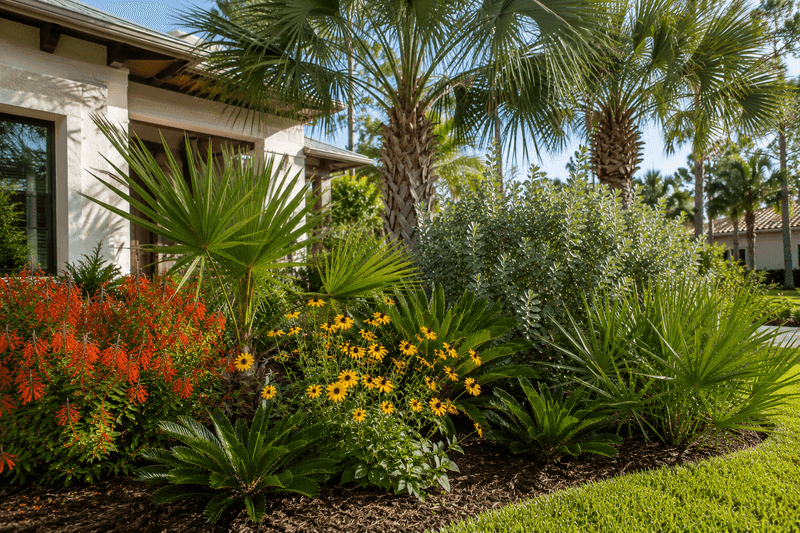
September is a smart time to refresh a Florida yard because the worst heat is starting to ease, but the soil is still warm. Native plants can settle in before cooler weather while feeding butterflies, bees, birds, and other backyard wildlife.
The right choices also handle sandy soil, sudden rain, and long warm spells better than many fussy ornamentals. Here are seven Florida natives that can bring color, movement, and life to your yard this fall.
1. Muhly Grass
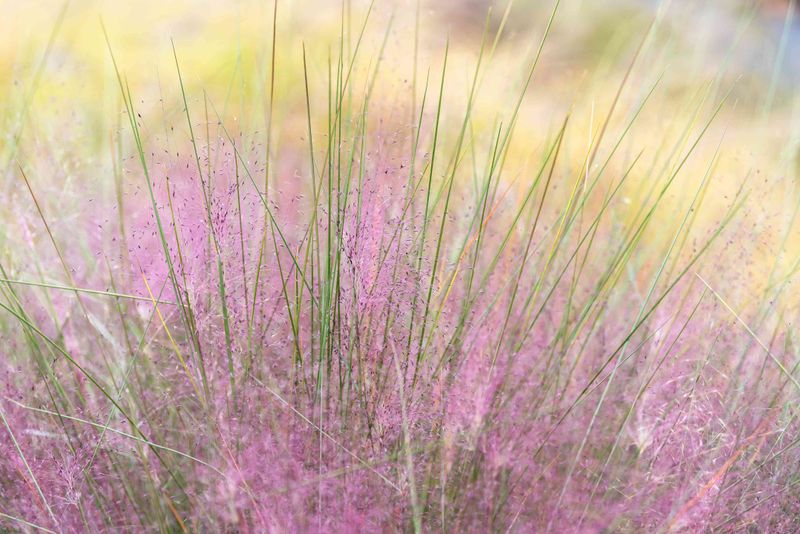
A pink cloud in the yard sounds like garden magic, but muhly grass can come surprisingly close. In fall, this Florida native sends up soft, misty plumes that turn a plain bed into a glowing patch of color, especially when the late-day sun hits it from behind.
September is a practical time to set out muhly grass because warm soil helps roots get moving before the drier parts of the year. It likes full sun, drains well in sandy soil, and does not ask for rich, wet ground.
Once established, it is one of those plants that looks designed even when you are not fussing over it.
Use it where you need texture more than heavy blooms, such as along a driveway, near a mailbox, or in a border that looks flat after summer. The fine blades sway in wind, so it brings movement without feeling messy.
It also fits coastal and inland Florida gardens, as long as it gets enough sun and is not planted in a soggy low spot.
Give each clump room to breathe because the fall show depends on its rounded shape. A simple trim in late winter helps fresh growth return cleanly in spring.
2. Firebush
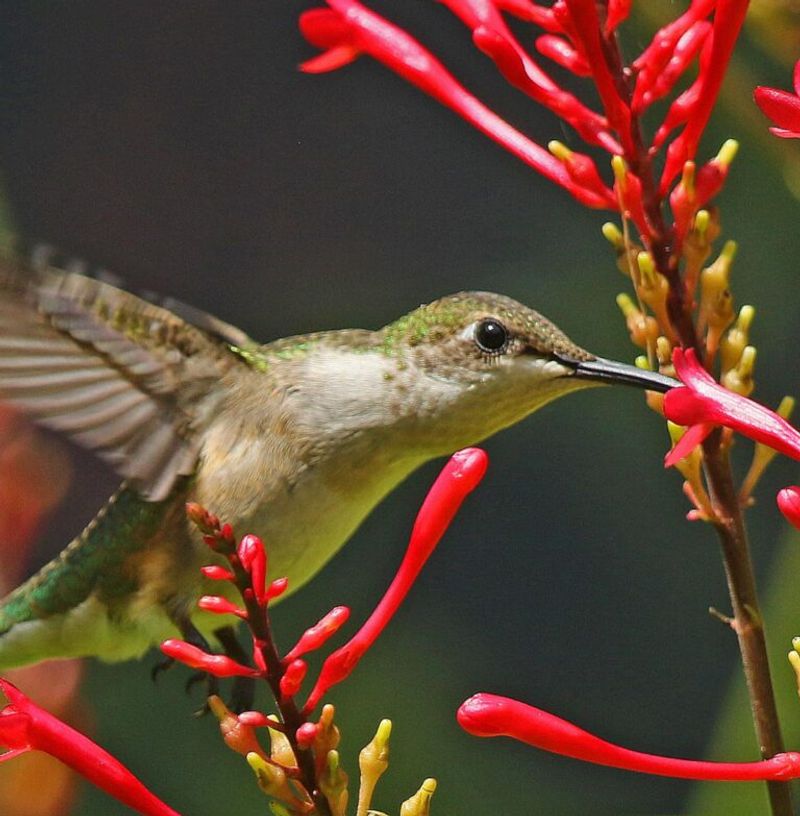
Hummingbirds do not need a printed invitation when firebush is blooming. The red-orange tubular flowers act like tiny beacons, and in many Florida yards, this shrub keeps offering nectar well into the warm fall season.
Firebush earns its spot because it brings energy. While some plants fade after summer, firebush often looks lively when September rolls in, especially in Central and South Florida.
In North Florida, it may behave more like a perennial after cold weather, but it can still deliver a strong warm-season display.
Plant it in full sun for the heaviest bloom, though it can take part shade with fewer flowers. It handles heat, sandy soil, and short dry spells once established, which makes it useful for homeowners who want a wildlife plant that does not feel delicate.
Butterflies visit it too, so one shrub can support several kinds of backyard activity.
Firebush can grow large in frost-free areas, so place it where its loose, natural shape will not block a walkway. It works well near a patio edge, along a back fence, or as part of a pollinator screen.
Water it regularly while it settles in, then let it become the easygoing fall performer it wants to be.
3. Beautyberry
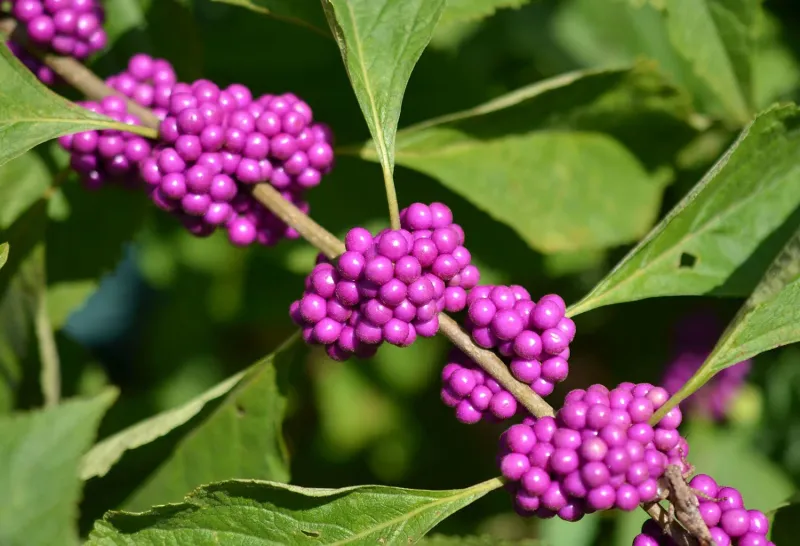
Few plants stop people mid-step like beautyberry when its purple fruit appears. The berries form in bright clusters along the stems, almost like someone tucked little beads under the leaves.
American beautyberry is different from the flower-heavy plants on this list because its fall charm comes from fruit. The small spring and summer blooms are modest, but by late summer and fall, the berries become a standout feature.
Birds often feed on them, which gives the plant real value beyond its unusual color.
September planting gives beautyberry time to adjust while Florida still has warm days and seasonal rain. It grows in sun to part shade, though a little shade can be helpful in hotter yards.
It is naturally loose and arching, so do not force it into a tight formal hedge. Beautyberry looks best in a relaxed bed, woodland edge, or back corner where it can spread its arms.
For a cleaner look, group it with grasses, coontie, or other sturdy natives that can balance its open shape. If it gets too rangy, prune in late winter because berries form on new growth.
In a yard that needs fall color without another high-maintenance flower bed, beautyberry is a smart and memorable pick.
4. Goldenrod
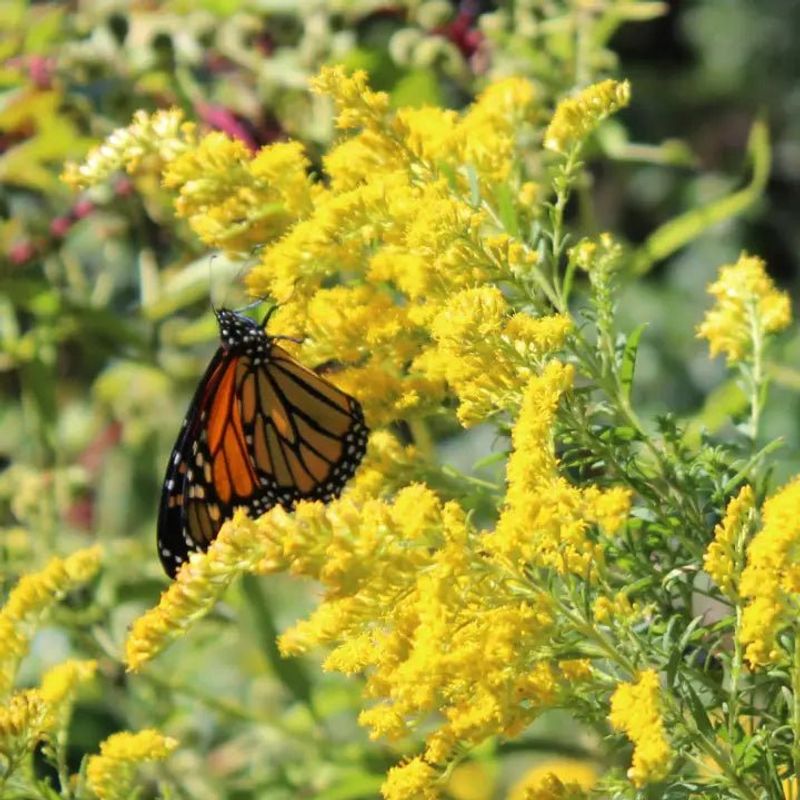
Goldenrod has been blamed for fall sneezes for far too long. Ragweed is usually the real troublemaker, while goldenrod is busy feeding bees, butterflies, and other helpful insects with bright yellow blooms.
For a Florida fall garden, goldenrod brings height and a wild, sunny look. It is especially useful if your yard has a back border, fence line, or natural area that needs color without delicate care.
Several native goldenrod species grow in Florida, so choosing a locally appropriate type from a reputable native nursery is a good move.
Set it out in September where it can get strong sun and good drainage. Many goldenrods tolerate lean soil, which suits Florida yards that are sandy rather than rich.
The flower clusters can turn a plain patch into a pollinator stop, and the seed heads later add interest if you leave them standing for wildlife.
Because goldenrod can spread, give it a place where a little movement is welcome. It may not be the best choice for a tiny, formal bed by the front door unless you are ready to manage it.
In the right spot, though, it delivers a bold fall signal: the garden is open for pollinators.
5. Coontie
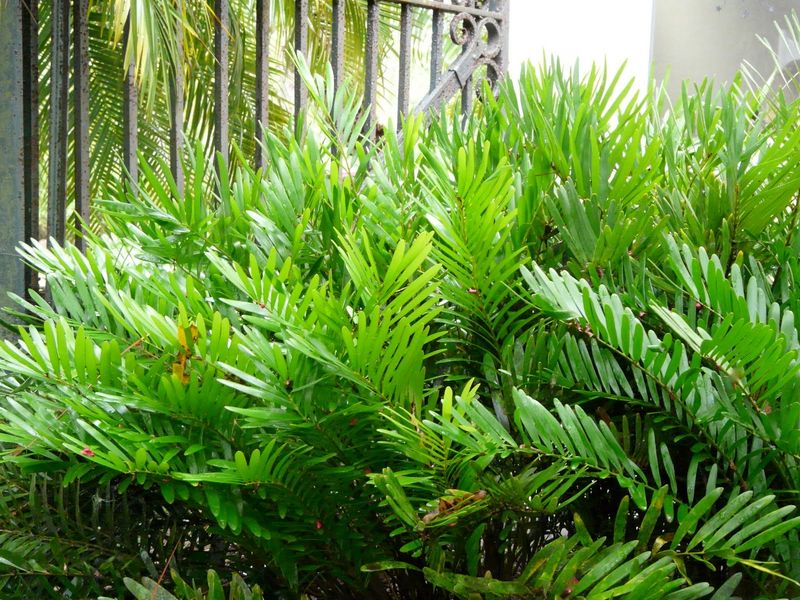
Not every fall upgrade needs flowers. Coontie brings a polished, deep-green look that can make a tired bed feel finished almost overnight.
This ancient-looking Florida native is a cycad, not a palm, and it has a tidy shape that works well around entries, patios, and foundation beds. Its stiff, glossy fronds give structure when softer plants are blooming, flopping, or taking a seasonal break.
That makes coontie especially helpful in September, when many gardeners want the yard to look sharper for the outdoor months ahead.
Coontie is also the host plant for the atala butterfly, a small black butterfly with bright markings that has made a comeback in parts of Florida. If atalas live in your area, planting coontie can support them.
The caterpillars may chew the leaves, but established plants usually recover.
Use coontie in full sun to part shade, with well-drained soil. It tolerates drought once settled, which is helpful in sandy landscapes where water disappears fast.
Avoid crowding it with thirsty annuals or plants that need constant irrigation.
One caution matters: coontie seeds are toxic if eaten, so place it thoughtfully if pets or young children explore the yard. With that in mind, it is one of the best native choices for gardeners who want low-growing structure without constant trimming.
6. Simpson’s Stopper
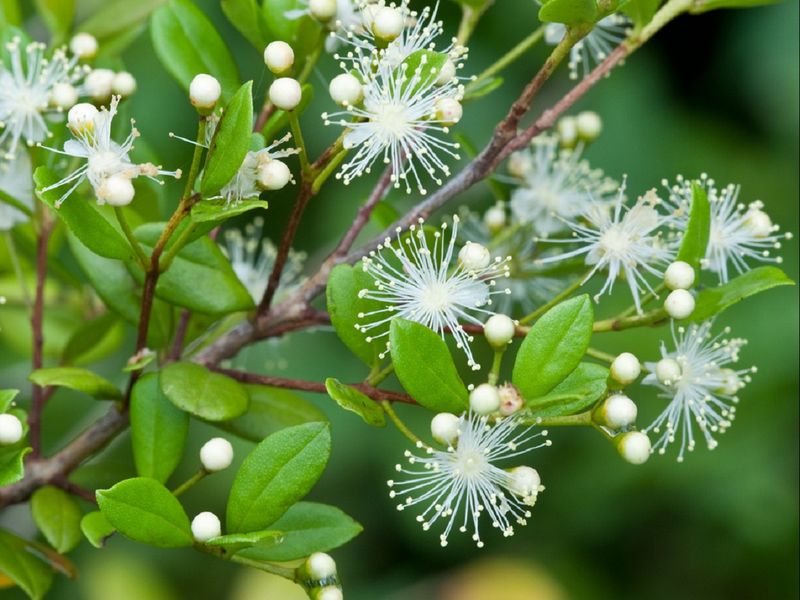
A good privacy plant should do more than stand there. Simpson’s stopper offers glossy evergreen leaves, small fragrant white flowers, and colorful berries that can draw birds into the yard.
Its value in September comes from timing and toughness. Planting in early fall lets the shrub begin rooting before cooler, drier weather, and it can handle many Florida landscapes once established.
It is often used as a hedge, screen, or small specimen tree, so it suits homeowners who want wildlife benefits without giving up a neat look.
The flowers are not huge, but they have a light, pleasant scent that feels like a nice surprise near a walkway or seating area. After flowering, berries can ripen in shades of orange to red, adding another layer of interest.
Birds may visit for the fruit, making this a strong choice for a yard that feels too still.
Simpson’s stopper grows in sun or part shade and prefers decent drainage. It can be clipped, but heavy shearing may reduce flowers and berries, so a lighter hand usually gives better results.
Try it along a side yard, at the back of a mixed bed, or near a patio where you want a living screen with Florida character.
7. Blanket Flower
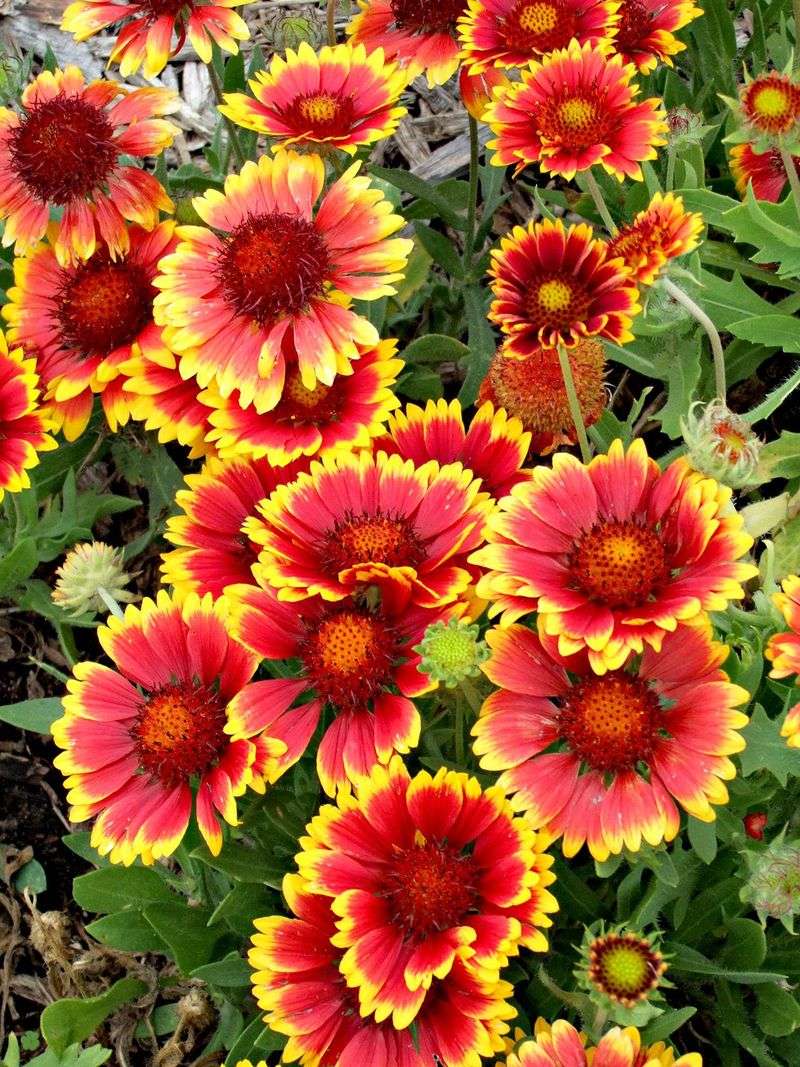
Some flowers look like they were made for a beach towel and a sunny afternoon. Blanket flower has that cheerful red, orange, and yellow coloring that feels right at home in Florida’s bright fall light.
Also called gaillardia, blanket flower is a great September choice for gardeners who want quick color in a hot, sandy spot. It is especially useful near sidewalks, mailbox beds, coastal gardens, and open areas where more tender plants struggle.
The daisy-like blooms attract pollinators and keep the garden from looking tired after the intense summer stretch.
Give it full sun and sharp drainage. Too much water or heavy soil can shorten its life, so Florida’s sandy ground is often a better match than a rich, soggy bed.
Once established, it can handle dry spells, though new transplants need regular watering until their roots spread.
Blanket flower has a casual, wildflower personality rather than a formal one. Pair it with muhly grass for a breezy fall combination, or tuck it near coontie to soften structured plantings.
Deadheading can encourage more blooms, but leaving some seed heads can add a natural look and provide food for small wildlife. For fast fall curb appeal with native charm, it is hard to beat.